
Review · ITALY
Slowlife Family Farm: From Garden to Table
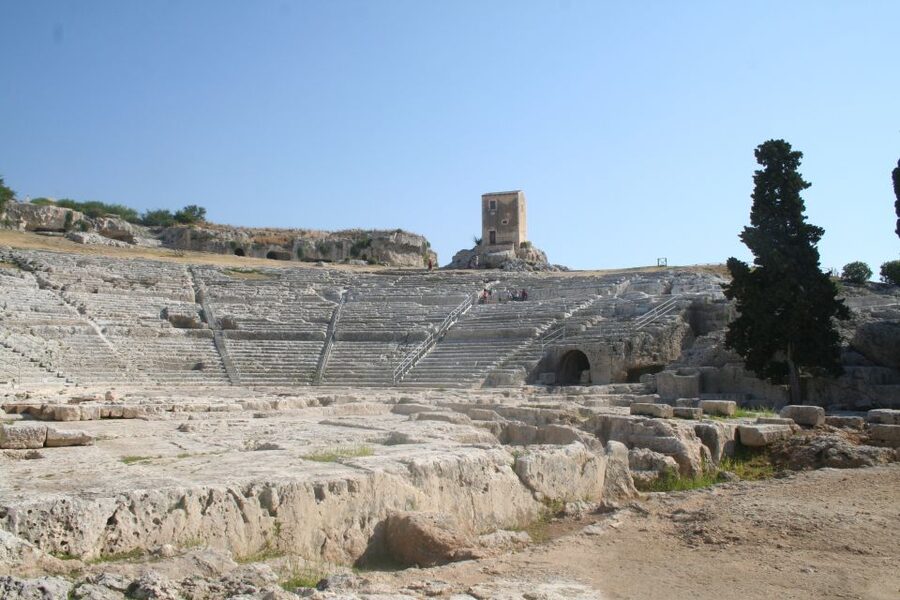
The most unusual part of this four-hour outing is the farm itself. You are not simply taking a cooking class. You are walking through a 2,500-year-old sacred site, an organic garden, an old water mill, and a river canyon before turning farm produce and freshly milled wheat into lunch.
I like the rare local vegetables, especially the giant Giarratana onion, which can weigh more than two kilograms and is traditionally cooked over an open fire. I also like the warm, personal approach of hosts Jess and Carlo, who have spent 16 years building their off-grid farm around slow food and local traditions.
The main drawback is that this is not a polished sightseeing package with easy transport included. You must arrange your own taxi or pickup, confirm the time before booking, and be comfortable walking outdoors. The farm is not suitable for people with mobility impairments.
Key points at a glance
- A working organic farm: Pick seasonal vegetables and learn how the farm protects rare Sicilian plant varieties.
- Wheat becomes pasta: Use the farm’s modern tools to follow the process from milling grain to making pasta.
- Ancient sites on private land: See altars linked to Greek and Roman use, plus an old water mill under restoration.
- River and canyon setting: Rest beneath large trees, with the chance to swim in the river when conditions allow.
- Food and drink are part of the lesson: Taste local olive oil and wine, then use garden produce in a shared Sicilian lunch.
- Small, flexible format: The group is limited to 10 people, and start times or meeting points may be adjusted with advance contact.
A farm visit with a 2,500-year story
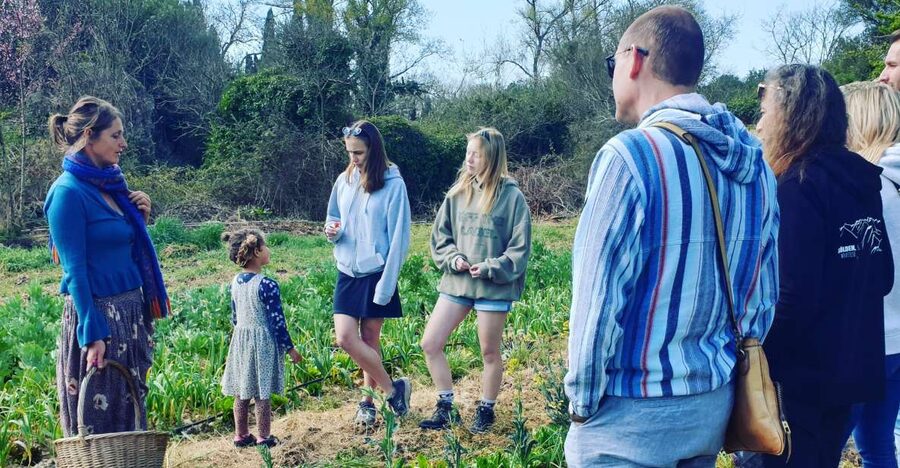
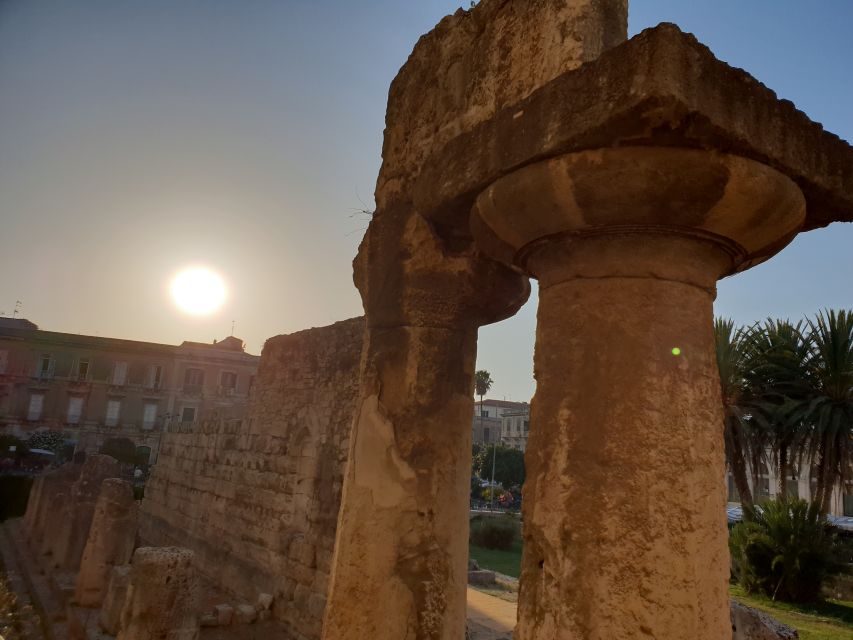
This experience begins at Slowlife Family Farm, a riverside property near Syracuse. The setting gives the visit its character. The land has served as a sacred site for more than 2,500 years, and archaeological remains include altars used by Greek and Roman communities.
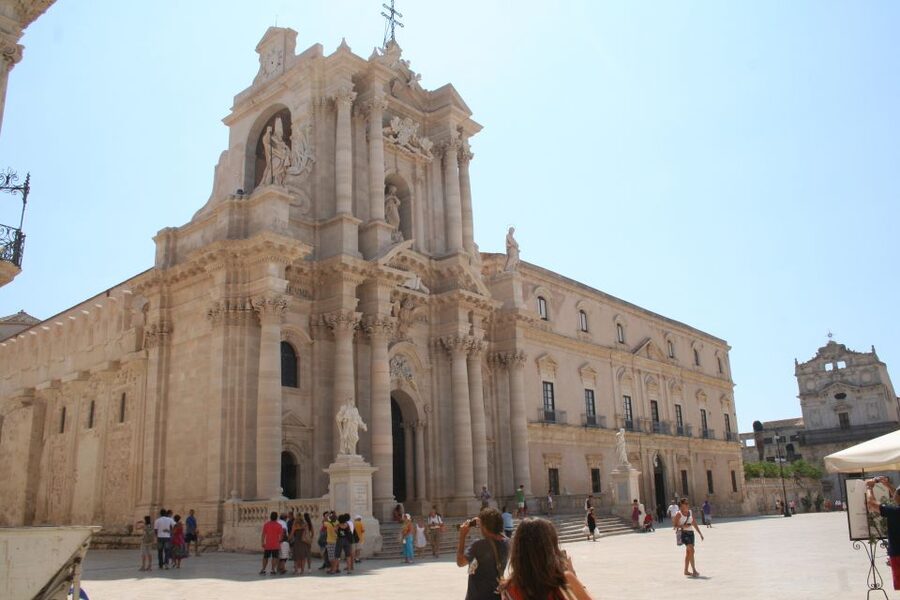
That makes the farm walk more than a pleasant stroll between garden beds. As you move around the property with a licensed historical guide, you are seeing food production beside traces of ancient worship and rural life. The details are not presented in a distant museum. They are part of the ground where the farm operates today.
You also reach one of Sicily’s notable canyons, shaped by a river that passes through the property. The program includes time near an ancient diving lagoon, where you may have the chance to swim and cool off. Water conditions and the exact timing are not specified, so treat swimming as an opportunity rather than the main reason to book.
Majestic trees provide shade, a welcome feature during Sicily’s hot months. Still, this is an outdoor farm experience, not an air-conditioned cooking studio. Wear comfortable shoes, bring a hat, and carry water.
More farm tours around Italy:
- Florence Pizza or Pasta Class with Gelato Making at a Tuscan Farm
★ 5.0 · 6,801 reviews - Cooking Class and Lunch at a Tuscan Farmhouse with Local Market Tour from Florence
★ 5.0 · 4,831 reviews - Sorrento Farm and Food Experience including Olive Oil, Limoncello, Wine tasting
★ 5.0 · 2,524 reviews
The organic garden and Sicily’s rare crops
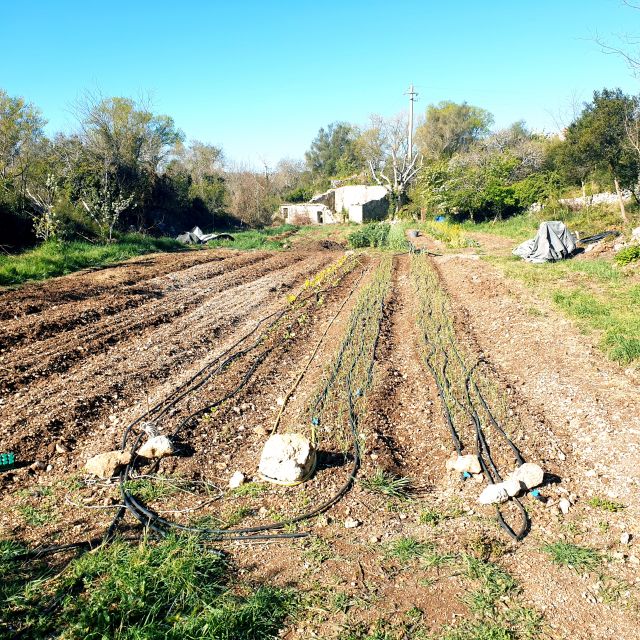
The garden is the heart of the farm. Slowlife Family Farm grows rare and protected local varieties, including plants researched through the Slow Food movement. If you care about food origins, this is one of the strongest parts of the experience.
You can learn how the farm manages its crops, then gather seasonal vegetables for lunch. The exact selection will depend on the time of year. That uncertainty is a virtue here. You are not being shown a decorative garden planted only for visitors. You are seeing what is growing and eating what the season provides.
One memorable example is the Giant Onion of Giarratana, an endemic Sicilian variety known for reaching more than two kilograms. The traditional method is to bake it directly on an open fire. You may not see it in season, but learning about this onion helps explain the farm’s purpose: preserve local food varieties before they disappear from everyday use.
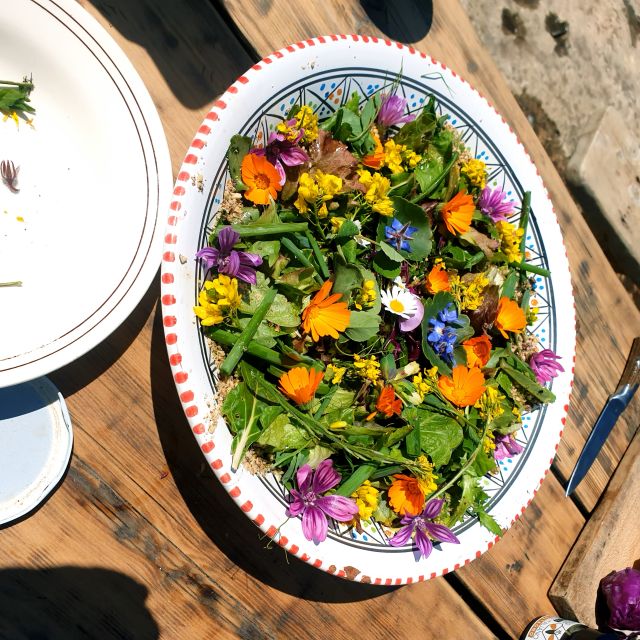
The farm also introduces you to wild edible plants. A qualified nature guide leads this part of the visit, helping you recognize plants that can safely be used in Sicilian cooking. This is valuable because wild greens are not just scenery. They reflect older food habits and the close link between local cooking and the land.
You should expect practical teaching rather than a formal botany course. The focus is on identifying useful plants, understanding what the farm grows, and connecting those ingredients with the meal you will prepare later.
From milling wheat to making pasta
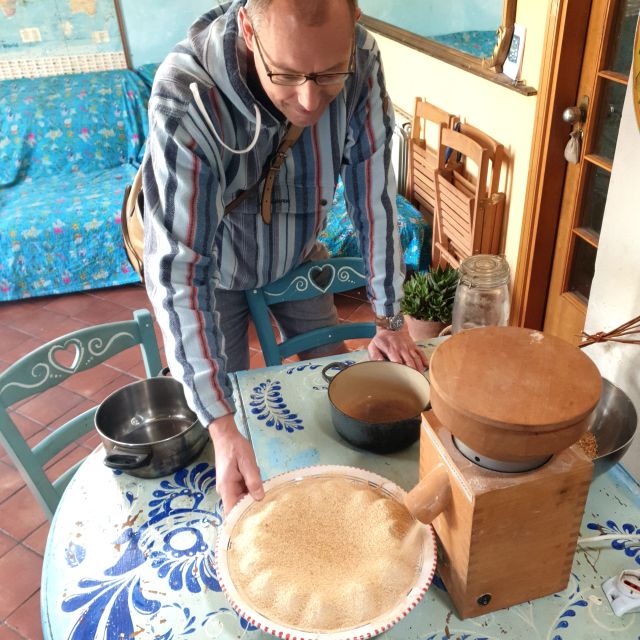
The cooking class follows the grain from wheat to pasta. You use modern tools to mill wheat, then work with the flour to prepare pasta. That extra step gives the class more substance than a standard lesson where dough appears already measured in bowls.
This part suits people who enjoy seeing how food is made from the beginning. You get a clearer sense of the work behind a plate of pasta, from grain selection and milling to shaping and cooking. It also connects the farm to Sicily’s agricultural traditions, since wheat has long played a central role in the island’s food culture.
Do not expect a restaurant-style demonstration where you sit back and watch a professional do everything. The appeal is participation. You gather ingredients, handle the food, and help prepare the meal with the group.
The exact pasta shape and menu are not specified, so you should not book this expecting one particular recipe. Instead, expect the class to follow the ingredients available at the farm and the methods chosen by Jess and Carlo.
The four-hour length is useful here. It gives enough time for the garden, the historical walk, the milling lesson, tastings, and lunch without turning the day into a rushed photo stop. At the same time, the schedule is full. If you want a long swim or a leisurely exploration of every corner of the property, there may not be time for both.
Tasting olive oil and local wine
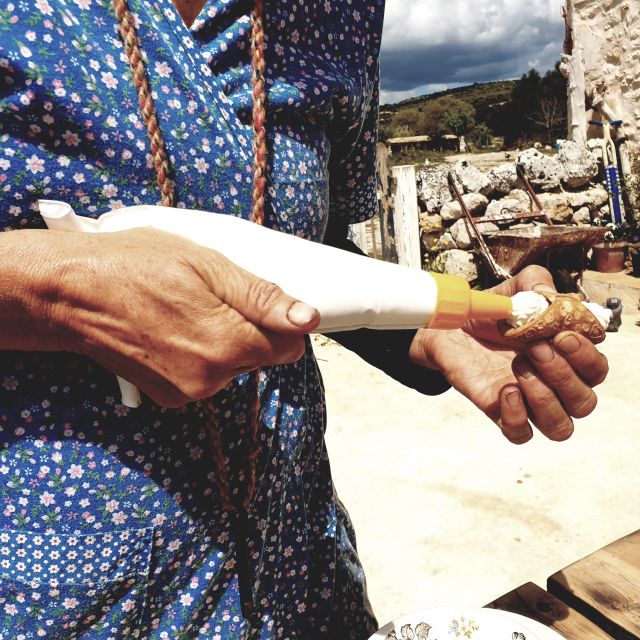
The food lesson includes tastings of local olive oil and wine. These are not separate add-ons, but part of the farm’s effort to support nearby producers and explain how Sicilian ingredients fit together.
Olive oil tasting can change the way you approach a simple meal. Pay attention to the aroma, texture, and peppery finish, then notice how the oil works with the vegetables and pasta you prepare. The point is not to turn you into an oil expert. It is to show why the quality of a basic ingredient matters.
The wine tasting adds a local drink to the meal. Specific labels and grape varieties are not provided, so the focus is on tasting regional wine rather than studying a fixed collection. If you do not drink alcohol, the available alternatives are not stated, so ask before booking if that matters to you.
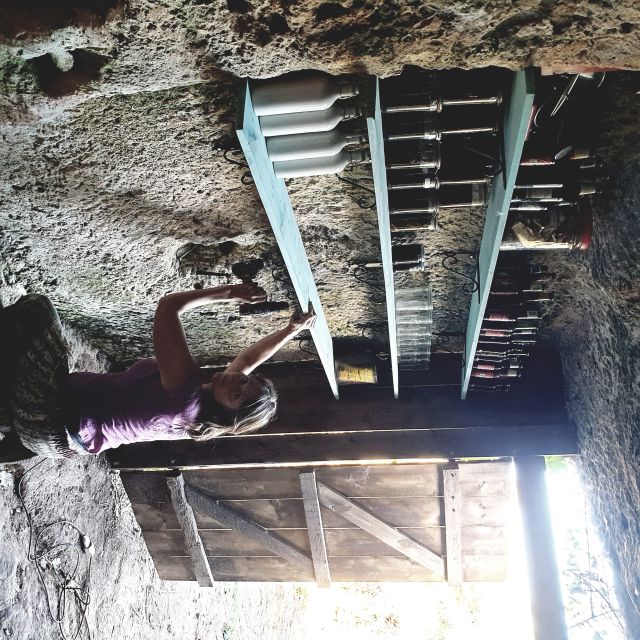
The historical food and wine pantry is also included. That visit helps tie together the practical parts of the day: crops in the garden, products made nearby, and food served at the table.
Same countryside, another kind of harvest:
- Sorrento: Pizza Lesson, Wine, and Limoncello at a Local Farm
★ 5.0 · 1,513 reviews - Florence: Pizza or Pasta Class with Gelato at a Tuscan Farm
★ 4.9 · 1,181 reviews - Hands-On Cooking Class & Farmhouse Tour on the Amalfi Coast
★ 5.0 · 956 reviews - Pizza School with Wine and Limoncello Tasting in a Local Farm
★ 5.0 · 845 reviews
The old mill and the farm’s slow-life idea
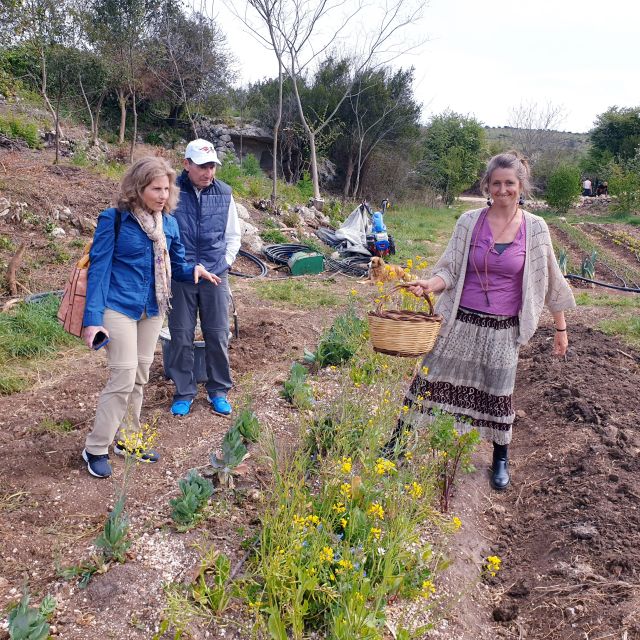
An ancient water mill on the property is under restoration. You will visit it during the farm tour, but it is important to understand what that means. This is not described as a fully restored attraction with a working mill demonstration. It is a historic structure being brought back to life.
That unfinished quality can be part of the interest. You see a real project in progress rather than a display prepared only for a tour. It also gives context to the wheat lesson, linking modern milling tools with the older machinery that once depended on the river.
The farm has operated off-grid for 16 years and follows a slow-life approach. In practical terms, that means the hosts place more attention on seasonal food, local suppliers, traditional crops, and a slower pace than on polished entertainment.
This will appeal to you if you want to understand how a small family project works. It may not suit you if you prefer a tightly choreographed attraction with constant commentary and no rough edges.
Lunch made together, not served to you
The final meal brings together the day’s main threads. You gather vegetables from the garden, identify edible wild plants, make pasta, and use local olive oil and wine as part of the meal.
That process gives lunch a satisfying sense of purpose. You are not simply being handed a plate and told that the ingredients are local. You have seen some of them growing and helped prepare them. The meal becomes a record of the morning’s work.
One detailed account of the experience describes the food as especially satisfying because the preparation began with milling wheat and picking fresh ingredients. That is the key appeal here. The pleasure comes from the full chain, not just from the finished dish.
The meal is also a social part of the visit. With a maximum of 10 participants, the group should feel smaller and more personal than a large food tour. You will have more opportunity to ask questions and take part, though the exact amount of individual attention depends on the group and the pace of the day.
Is $164.26 a fair price?
At $164.26 per person, this is not a cheap cooking class. The value depends on how much of the full experience you use.
You are paying for a four-hour visit that combines a historical tour, a nature lesson, an organic garden visit, a wheat-to-pasta class, a food and wine pantry visit, olive oil tasting, wine tasting, and a shared Sicilian lunch. A licensed historical guide and a qualified guide for edible wild plants are included.
That is a good bundle if you want several kinds of activity in one outing. You are not paying only for a pasta lesson. You are also supporting a small family farm that preserves rare vegetables and works with local wheat, olive oil, and wine producers.
The value is weaker if you want only to learn pasta making. A dedicated cooking school may offer more hands-on kitchen time at a lower price. Here, the cooking is one part of a wider visit.
Transport is not included, and that matters when you calculate the real cost. The meeting point is Via Malta 7 in Syracuse, though another meeting place may be arranged based on your accommodation. You must organize a taxi or pickup and drop-off yourself.
No entrance tickets are included. Since the main activity takes place on the farm and includes the guided archaeological tour, ask the local partner what this note means for your particular booking before you go.
Timing, meeting point, and what to bring
The stated duration is four hours, but starting times are flexible and the calendar is not always updated. Contact Slowlife Family Farm before booking, especially if you need a particular start time or meeting point.
The standard meeting point is Via Malta 7, 96100 Syracuse. The activity ends back at the meeting point. An alternate location may be arranged, but do not assume that pickup is included in the price.
Bring:
- Comfortable shoes for walking around the farm and archaeological areas
- A sun hat
- Water
The experience is offered in English and Italian. The group is limited to 10 participants. It is not suitable for people with mobility impairments, and the outdoor setting may be tiring for anyone who struggles with uneven ground or extended walking.
The operator allows free cancellation up to 24 hours before the start for a full refund. You can also reserve and pay later, which helps if your Sicily schedule is still changing.
Who will enjoy this farm experience most?
I would choose this for someone who wants food with a clear connection to place. It suits couples, small groups, and families with older children who enjoy gardens, local history, and hands-on cooking.
It is also a good choice if you have already seen Syracuse’s main monuments and want a half-day outside the city. The archaeological remains, river, garden, and mill give you a different view of Sicily than a city walking tour.
Food-focused visitors will get the most from the wheat-to-pasta lesson and the tastings. People interested in traditional agriculture will appreciate the rare vegetables and wild plants. The experience also works for anyone who likes meeting local hosts and seeing a project that is still developing.
I would hesitate to recommend it to you if you dislike outdoor heat, walking, flexible schedules, or participatory cooking. It is not ideal for a visitor who wants a formal meal, a fully restored historic site, or a guaranteed swim.
Should you book Slowlife Family Farm?
Book it if you want a personal, hands-on half-day that joins Sicily’s food, nature, and ancient past in one place. The rare Giarratana onion, the wheat-to-pasta process, the riverside setting, and the unfinished water mill make this far more distinctive than a basic cooking class.
Before paying, contact the farm to confirm the date, starting time, meeting point, transport plan, seasonal garden offerings, and swimming conditions. If you are comfortable with those details and the price fits your budget, this is a strong choice for an authentic farm-based experience near Syracuse.
FAQ
Where does the Slowlife Family Farm experience take place?
The experience takes place at Slowlife Family Farm in Sicily, with the standard meeting point at Via Malta 7, 96100 Syracuse.
How long does the activity last?
The activity lasts four hours. Starting times should be confirmed in advance because the calendar is not always updated.
What languages are available?
The experience is offered in English and Italian.
How many people are in the group?
The group is limited to 10 participants.
Is transportation included?
No. Taxi service or pickup and drop-off are not included in the price. An alternate meeting point may be arranged with the local partner based on your accommodation.
What happens during the cooking class?
You learn how to take wheat through the milling process and use it to make pasta with modern tools.
Are food and drink tastings included?
Yes. Local wine tasting, local olive oil tasting, and a visit to the historical food and wine pantry are included.
Can I swim at the farm?
The farm includes a river and an ancient diving lagoon where you may have the opportunity to swim. Swimming is not described as guaranteed, so confirm conditions with the local partner.
Is the experience suitable for people with mobility impairments?
No. The activity is not suitable for people with mobility impairments.
What should I bring?
Bring comfortable shoes, a sun hat, and water.
Can I cancel the booking?
You can cancel up to 24 hours in advance for a full refund. Reserve-now, pay-later booking is also available.
Newly listed farm visits around Italy
- Sorrento Half-Day Farm Experience: Pizza, Cheese Making and Wine★ 5.0 · 17 reviews
- Farm-to-Table Experience: Olive Oil, Garden Tour & Nonna’s Lunch★ 5.0 · 35 reviews
- Amalfi Coast & Sorrento Cooking Class School at Farmhouse★ 5.0 · 25 reviews
- Sorrento: Authentic Lemon Experience at a Farm with Tastings★ 5.0 · 6 reviews
- Cooking Class & Guided Farm Tour On The Hills Of Sorrento★ 5.0 · 10 reviews
- Tasting Limoncello, Oil and Typical Products in Farmhouse★ 5.0 · 13 reviews
- Marì Cooking Class in a Family Farm with Amalfi Coast view★ 5.0 · 11 reviews
- Sorrento Villa Cooking Class with Fresh Harvest Lunch★ 5.0 · 25 reviews
Italy Farm Tours, compared.

Florence Pizza or Pasta Class with Gelato Making at a Tuscan Farm
Read our review →
Cooking Class and Lunch at a Tuscan Farmhouse with Local Market Tour from Florence
Read our review →
Sorrento Farm and Food Experience including Olive Oil, Limoncello, Wine tasting
Read our review →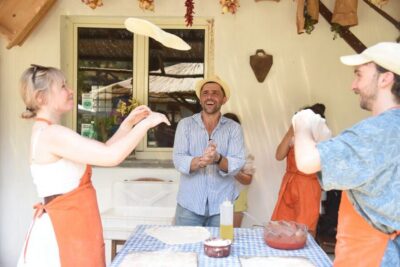
Pizza Lesson, Wine, and Limoncello at a Local Farm
Read our review →
Hands-On Cooking Class & Farmhouse Tour on the Amalfi Coast
Read our review →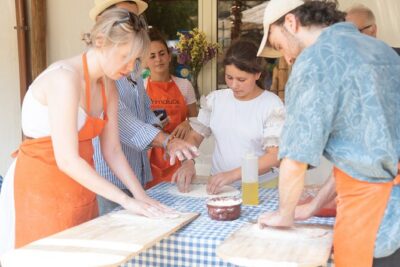
Pizza School with Wine and Limoncello Tasting in a Local Farm
Read our review →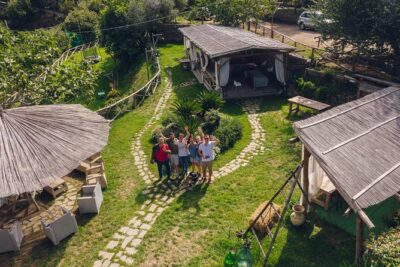
Authentic Farm Tour with Pizza, Cheese, Wine & Limoncello Tasting
Read our review →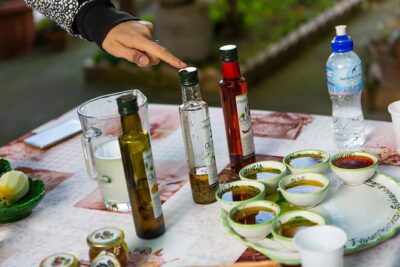
Sorrento Farm by Tuk Tuk: Cheese, Limoncello & Hands-On Pizza
Read our review →Browse the lists this tour appears in