
Review · KENYA
Tea Farm Experience at Riara Tea Farm And Factory Tour
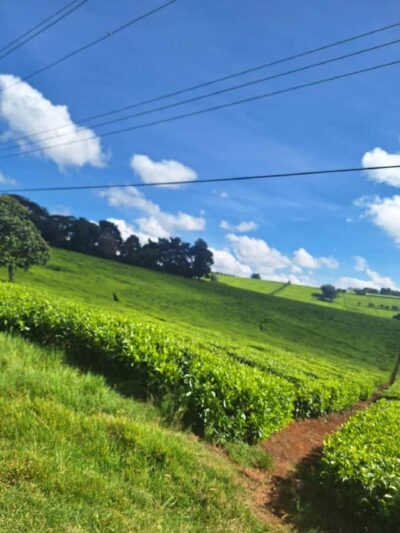
Riara Tea Farm gives you more than a quick stop for a cup of tea. You can follow the crop from nursery to hand-picking, then see how leaves are processed, graded, and packaged at the factory. On the farm, fertile volcanic soil, rain-fed growing, and tree cover shape both the work and the setting.
I especially like the chance to learn about lesser-known varieties such as purple tea, and the simple pleasure of lunch made with produce from the farm garden. The wide views toward Nairobi, the Ngong Hills, and the Yatta Plateau add real value.
The main catch is timing. The factory does not operate on Mondays, so you may still receive an explanation, but you will not see tea being processed that day. Confirm the operating day before booking if the factory floor is your main reason for going.
Key points to know before you go
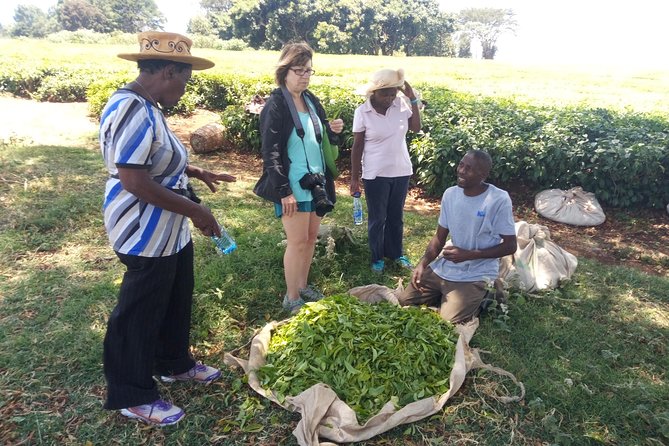
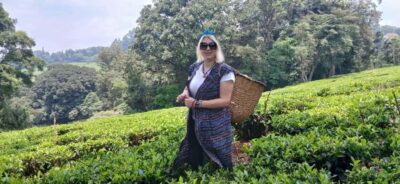
- Hand-picked tea: The farm harvests by hand rather than with machines, supporting local employment while giving you a close look at traditional field work.
- A working factory visit: When the factory is operating, you can follow tea through processing, grading, and packaging.
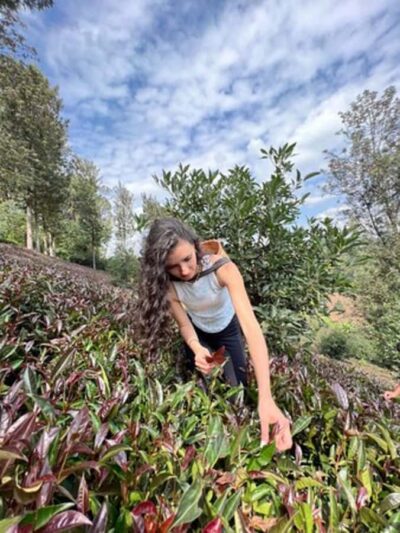
- Purple tea and other blends: The tasting and farm talk introduce you to more than standard black tea.
- A farm with a wider view: From the property, you may see Nairobi, the Ngong Hills, the Yatta Plateau, and, on a clear day, Mount Kenya.
- Lunch from the garden: The meal uses ingredients grown on the farm, followed by Kenyan tea.
- An eco-minded visit: The tea is grown without pesticide spraying, with rain-fed agriculture and trees covering about 30 percent of the farm.
Why Riara Tea Farm feels different from a quick tea stop
Many tea visits focus on a scenic field and a cup at the end. Riara Tea Farm gives you a fuller picture. You can see how the crop begins in the nursery, understand how it is harvested, and connect the field work to the factory process.
The farm is owned by one of Kenya’s national heroes, which gives the visit a personal and national connection. The setting also reflects an agricultural approach built around rain rather than irrigation. That matters because rain-fed farming does not draw down underground water supplies or alter surface water flow.
I like that the environmental points are tied to things you can actually see. Tea bushes grow in fertile volcanic soil, the crop is picked by hand, and trees cover roughly 30 percent of the property. The tree cover includes some indigenous species, creating a more varied setting than a field of tea alone.
You may hear birds while walking through the farm, along with the occasional chatter of monkeys. This is not a staged wildlife outing, so you should not expect a formal animal viewing session. The appeal is the quiet rhythm of a working farm, with nature present around the edges.
More Tea Plantation Tours in Kenya:
- Nairobi to Kiambethu Tea Farm Tour
★ 5.0 · 51 reviews - Private Day Trip to Kiambethu Tea Farm in Limuru from Nairobi
★ 5.0 · 31 reviews - Day Tour To Kiambethu Tea Farm in Limuru
★ 5.0 · 22 reviews
The drive from Nairobi to Limuru
Your day begins with pickup in Nairobi County and transport to Limuru. The full outing lasts about six hours, including the drive, farm visit, meal, and return to Nairobi.
The route gives you a useful change of pace from the city. As you approach the tea-growing area, the view opens to broad fields and neighboring farms. Morning light can be especially pleasant across the tea rows, although the exact conditions depend on your departure time and the weather.
Hotel pickup and drop-off are included, along with a driver and professional English-speaking guide. That makes this a straightforward choice if you do not want to arrange transport to Limuru yourself. The driver also becomes part of the day’s value, since the visit includes travel beyond central Nairobi rather than a single nearby attraction.
The information provided does not specify group size or the exact pickup hour. Check the available start times when booking, and allow the full six hours rather than treating this as a short half-day stop.
Walking among the tea bushes
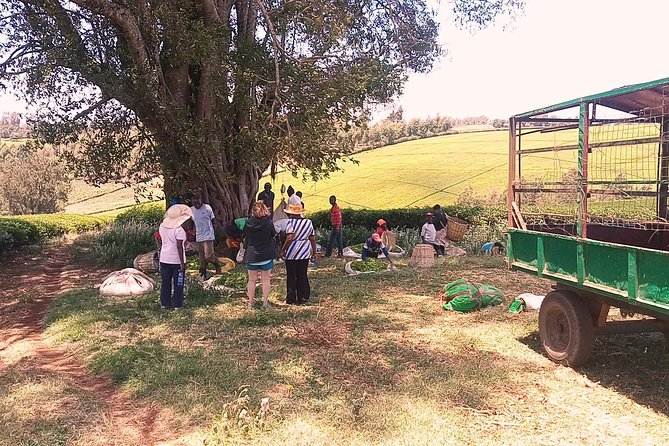
At the farm, you can see the crop at ground level instead of only looking across it from a roadside. A guided walk or hike takes you through the property, with views across neighboring farms and toward the larger Nairobi area.
The walk is as much about understanding the farm as taking photographs. You can learn how tea is raised in nurseries, how the bushes are prepared, and why hand-picking remains important. Machine harvesting may be faster, but hand work creates jobs and lets the farm select the leaves with greater care.
The farm’s high point is the view. You may look toward the Ngong Hills and the Yatta Plateau, with Nairobi spread out in the distance. On a clear day, Mount Kenya may also be visible. Treat that last view as a bonus rather than a promise. Weather and haze will decide how much you see.
Wear shoes suitable for an outdoor walk. The supplied information does not state how long or demanding the hike is, so ask the operator about current conditions if walking is a concern.
From nursery to factory floor
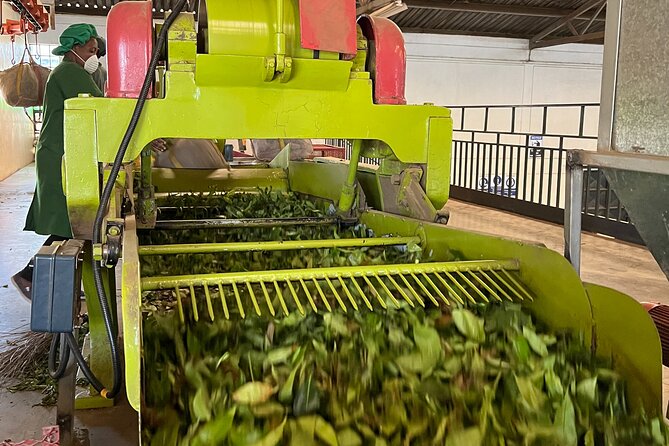
The factory visit is the most useful part for anyone who wants to understand what happens after picking. You can learn how tea leaves move through the supply chain, including processing, grading, and packaging.
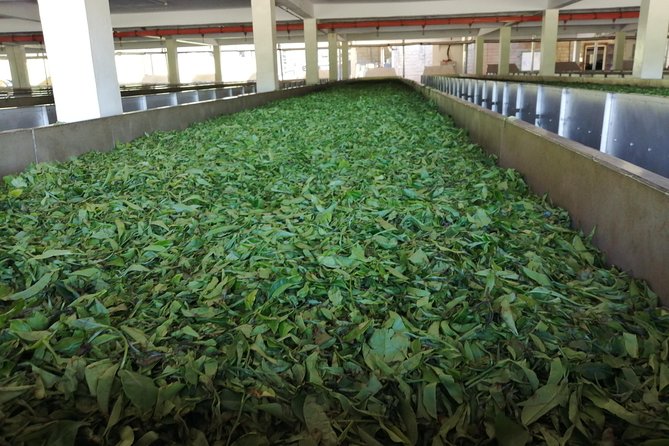
When the factory is working, you get to watch the process rather than hearing only a general explanation. That turns a familiar drink into a clear sequence of agricultural and industrial steps. You can see why the final character of tea depends on what happens after the leaves leave the field.
The factory schedule needs attention. It does not operate on Mondays. A visit on that day can still include an explanation from a factory worker, but no tea will be processed while you are there. If you want moving machinery and a full working view, choose another day.
This is the one practical weakness that deserves emphasis because it affects the heart of the tour. Do not assume every factory visit includes active production. Confirm the day before paying, especially if you have limited time in Nairobi.
More farm tours around Kenya:
- Nairobi Coffee Farm and Factory Tour
★ 5.0 · 87 reviews - Coffee Farm Tour (Fairview)
★ 4.8 · 71 reviews - Nairobi: Coffee Factory and Farm Tour with Transfer
★ 4.5 · 60 reviews - Coffee Farm Village & Factory Half Day Tour with Pick-Up
★ 5.0 · 33 reviews
Tasting Kenyan tea and purple tea
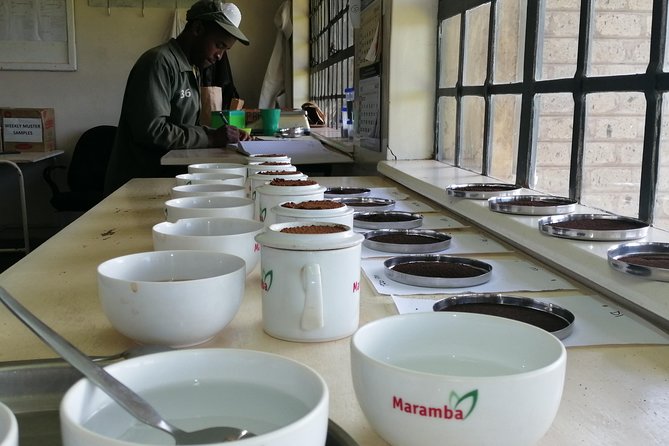
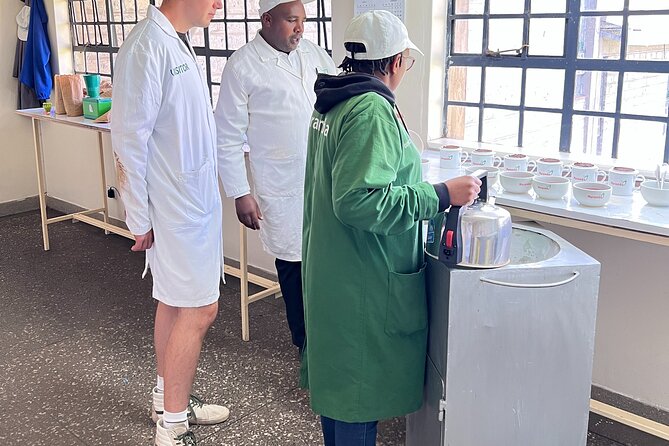
The tea tasting gives the day a pleasant finish and helps you compare different blends. You can expect coffee and tea to be included, with Kenyan tea served during the visit.
Purple tea is a particularly interesting detail. It offers a chance to learn that Kenyan tea production is not limited to the familiar black tea most people associate with the country. The exact blends available may vary, so think of the tasting as an introduction rather than a formal tasting menu.
I would save room for this part of the visit. Tea tastes different when you have just seen the bushes, the picking process, and the factory work behind it. The farm connection gives the cup a stronger sense of place than a drink ordered in a hotel dining room.
Tea products are not included in the tour price. If you want to take home a particular blend, you will need to pay separately for products offered for sale.
A garden lunch with a local feel
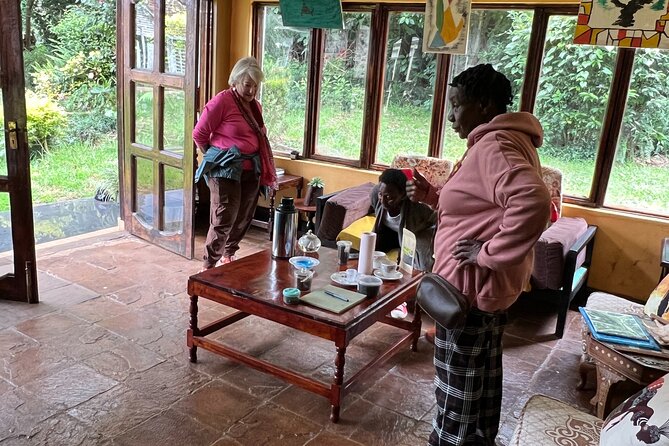
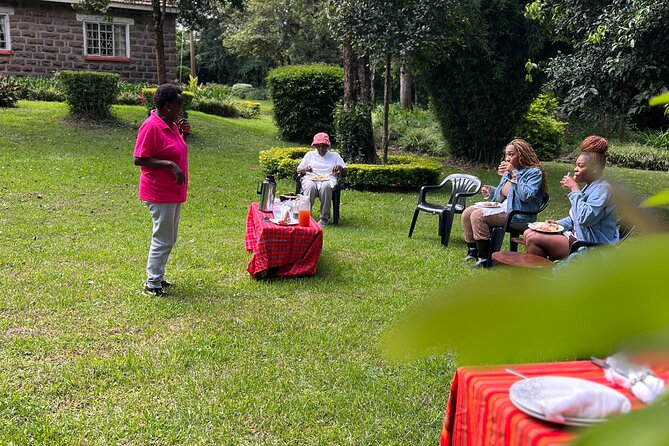
Lunch is included, and the food uses ingredients from the farm garden. That is a small but meaningful feature. You are not simply being fed between activities; you are tasting produce connected to the property you have just explored.
The meal is part of the welcome at the farm, where the owner receives visitors and staff explain the work. The exact menu is not provided, so you should not book expecting a particular dish. The important point is the farm-to-table link and the chance to sit down over a local meal rather than rush back to Nairobi.
Bottled water is also included. Welcome refreshments, coffee, and tea are part of the visit, so you do not need to plan for basic drinks during the six-hour outing.
The environmental side of the visit
Riara Tea Farm presents agriculture as both a business and a long-term relationship with the land. No pesticides are sprayed on the tea plantation, according to the information provided. The farm also relies on rainfall instead of drawing on underground water or changing surface water flow.
The tree cover is another useful detail. About 30 percent of the farm is covered with trees, including some indigenous varieties. That helps explain why the property may feel more peaceful and varied than a single-purpose plantation.
You should still keep your expectations sensible. This is a farm tour, not a certified environmental audit, and the visit does not provide technical measurements of water use or soil management. What you receive is a practical look at the methods used on this farm and the reasons behind them.
For me, that makes the visit stronger than a tour that talks about sustainability only in broad terms. You can connect the ideas to the tea fields, the rain, the trees, and the work done by hand.
Is $130 a fair price?
At $130 per person, this is not the cheapest way to spend a day outside Nairobi. The price includes hotel pickup and drop-off, a driver, a professional English-speaking guide, lunch, bottled water, coffee or tea, and all stated fees and taxes.
That package matters because private transport to Limuru, a guided farm visit, a meal, and factory access would otherwise require separate planning. The value is strongest if you want a complete day with a guide rather than only a farm entrance and a cup of tea.
The price is less compelling if you mainly want photographs of tea fields or a short tasting. You are paying for the full chain, from nursery and field to factory and cup, along with the convenience of transport from Nairobi.
Since tea products are not included, budget separately if you plan to buy bags or blends at the farm. Also check the factory operating day before booking. Paying the same price for a Monday visit means accepting a quieter, explanation-only factory stop.
Who will enjoy this six-hour outing?
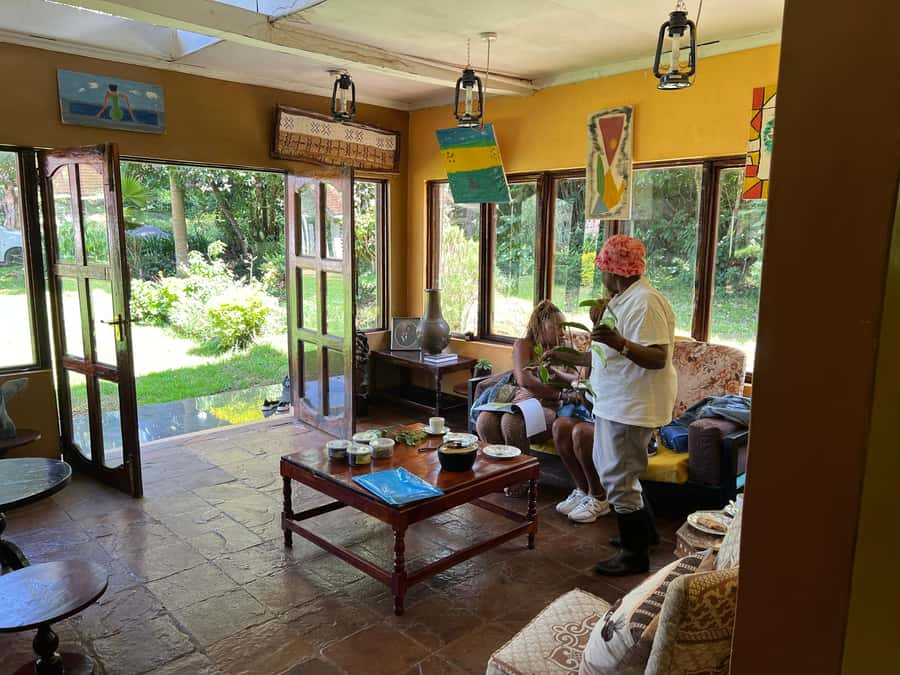
This tour suits you if you like seeing how food and drink are made. It is a good fit for anyone interested in farming, Kenyan tea, local food, practical environmental methods, or photography.
Families and curious first-time visitors to Nairobi may also find it easy to handle because transport, lunch, and guiding are arranged. The farm setting offers more variety than a single museum visit, with walking, views, food, and an indoor factory component.
Tea enthusiasts should pay close attention to the day of the week. An operating factory adds much more to the visit, especially if you want to watch grading and packaging rather than only hear about them.
You may want to choose another activity if you need a tightly timed schedule, dislike outdoor walking, or only have a few hours free. The exact group size, pickup time, and walking length are not provided, so ask before booking if those details affect your plans.
Booking advice and final verdict
Riara Tea Farm is worth booking when you want a grounded look at Kenyan tea rather than a polished tasting alone. The strongest parts are the hand-picked fields, the explanation of the farm’s water and tree practices, the chance to learn about purple tea, and the factory visit when production is running.
I would book it for a day when the factory operates, then use the included lunch and tea tasting as part of the wider farm visit. The tour offers good value for a visitor who wants transport and a full guide-led outing from Nairobi. I would skip it only if your schedule is too tight or if a factory in operation is essential and you cannot confirm the day.
Free cancellation is available up to 24 hours ahead for a full refund, and you can reserve while paying later. Those policies make it easier to hold a place while you settle your Nairobi plans, but the Monday factory issue still deserves a direct check before you commit.
FAQ
Where is Riara Tea Farm?
Riara Tea Farm is in Limuru, in Central Kenya, with pickup and drop-off available in Nairobi County.
How long does the experience last?
The experience lasts six hours, including transport from Nairobi, the farm and factory visit, lunch, and the return journey.
Is hotel pickup included?
Yes. Hotel pickup and drop-off in Nairobi County are included.
What language is the tour conducted in?
The live tour guide speaks English, and English is the stated tour language.
Does the visit include lunch?
Yes. Lunch is included, and ingredients from the farm garden are used.
Can I see tea being processed at the factory?
You can see tea being processed when the factory is operating. The factory does not operate on Mondays, so a Monday visit includes an explanation but no active tea processing.
What types of tea can I taste?
The experience includes various tea blends and may introduce you to varieties such as purple tea. Coffee and tea are included.
Are tea products included in the price?
No. Tea products for sale are not included and must be purchased separately.
Can I cancel the booking for a refund?
Yes. You can cancel up to 24 hours in advance for a full refund. You can also reserve now and pay later.
Newly listed farm visits around Kenya
- Purple Tea Farm Tour from Nairobi City – Specialty Tea Tasting★ 4.5 · 12 reviews
- Private Half-Day Tour in Fairview Coffee Farm from Nairobi★ 5.0 · 13 reviews
- Riara tea farm tour with lunch and tea tasting from Nairobi★ 5.0 · 3 reviews
- Tea Farm Experience at Riara Tea Farm And Factory Tour★ 5.0 · 11 reviews
- Fairview Estate Coffee Farm Tour With Pick up★ 5.0 · 2 reviews
- Kiambethu Tea Farm Tour & Lunch From Nairobi★ 5.0 · 7 reviews
- Coffee farm tour, coffee roasting and tasting experience★ 5.0 · 20 reviews
- Coffee Farm Half-Day Tour in Kenya★ 3.0 · 2 reviews
Tea Plantation Tours, compared.
Private Day Trip to Kiambethu Tea Farm in Limuru from Nairobi
Read our review →
Purple Tea Farm Tour from Nairobi City – Specialty Tea Tasting
Read our review →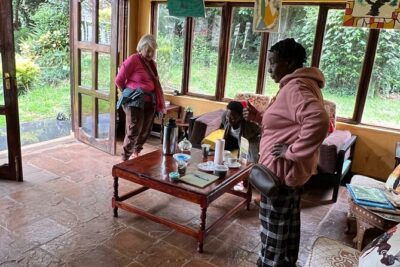
Tea Farm Experience at Riara Tea Farm And Factory Tour
Read our review →Browse the lists this tour appears in