
Review · FRANCE
Half Day Grape Harvest Experience with Tasting in Epernay
The most unusual part of this Epernay outing is simple: you get to pick Champagne grapes during harvest, then watch those same grapes head into the press. This is a working wine experience, not just a cellar visit with a polished tasting room.
I like the small group, capped at seven, and the friendly family-estate setting. I also like that the experience shows the early stages of production, including fresh grape juice before it becomes Champagne. The main drawback is timing: harvest happens only once a year, and the work takes place outdoors, so weather and vineyard conditions matter.
Key points to know before booking
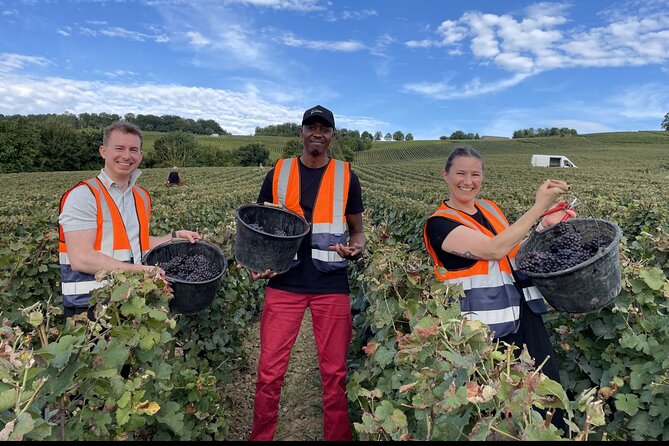
- Harvest participation: You help pick grapes rather than only watching a demonstration.
- Pressing and fresh juice: You see the grapes processed and taste the juice at the start of its transformation.
- Three grape varieties: The experience explains the three main varieties used in Champagne.
- Family-estate setting: Champagne Munoz Bruneau offers direct contact with staff and a look at its facilities.
- Small English-language group: The maximum is seven people, with transport in an air-conditioned vehicle.
- Seasonal timing: This experience is available around the annual grape harvest, not throughout the year.
Picking grapes in Champagne’s Marne Valley
This four-hour experience begins outside the Epernay Tourist Office on Avenue de Champagne. Your guide meets you there, then drives you toward a family estate in the Marne Valley. The transfer is part of the tour rather than a separate chore, giving you a practical way to reach the vineyard without arranging a taxi or rental car.
The heart of the morning or afternoon is the harvest itself. You take part in picking the grapes, an activity that gives you a better sense of the work behind every bottle of Champagne. It is hands-on, seasonal, and pleasantly ordinary in the best way. You are not simply being shown a finished product. You are seeing the first physical step in its production.
I find this especially useful for anyone who has visited grand Champagne houses and wants a different angle. Large cellars explain blending, aging, and branding. A family estate during harvest lets you see the labor, timing, and organization that come before those polished bottles reach the cellar.
The harvest is also the reason to plan carefully. It takes place only once a year, so you should confirm the date and seasonal availability before building your Epernay plans around it. The tour is not a general vineyard visit that can be booked at any time.
More farm tours around France:
- Versailles Bike Tour with Palace & Queen Farm Entrance
★ 4.9 · 492 reviews - Loupian: Tour guide of our oyster farm and tasting
★ 4.9 · 86 reviews - Sturgeon Fish-Farm Visit and Caviar Discovery Tasting in Neuvic
★ 4.5 · 81 reviews
Watching the grapes enter the press
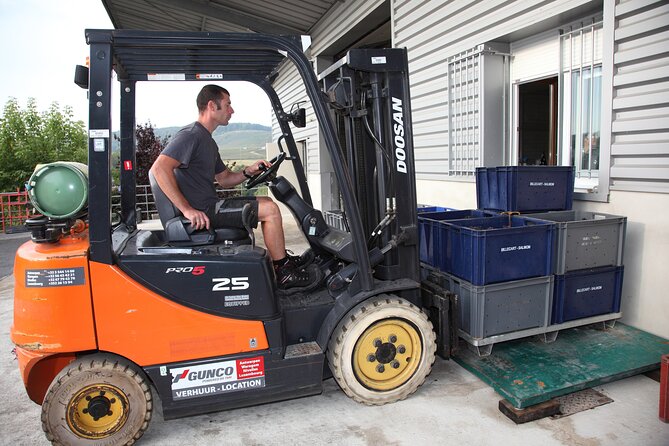
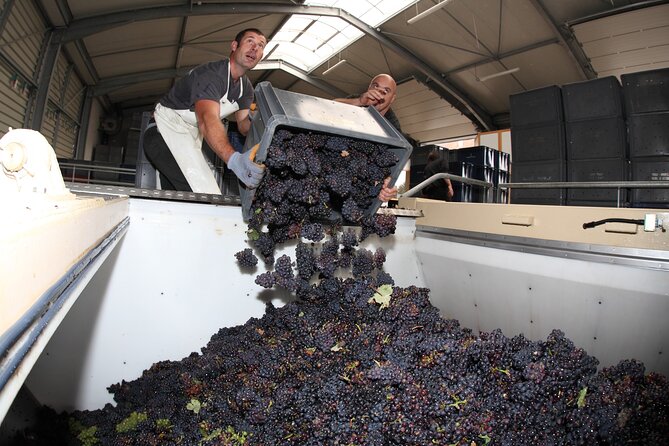
After picking, you see how the grapes are pressed. This is the point where the tour becomes more than a pleasant countryside outing. You can follow the grapes from the vine to the machinery and taste the juice at the very beginning of the Champagne-making process.
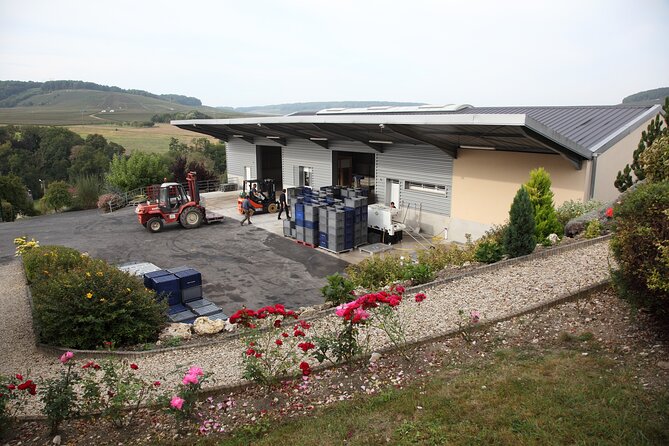
Fresh grape juice gives you a useful comparison with the finished drink. It is not Champagne yet, and the difference helps explain why production requires time and careful handling. You also get a look at the estate’s facilities and the organization needed to manage harvest work.
That practical side is one of the strongest reasons to choose this activity. You see staff working together, learn how the harvest is arranged, and get a sense of the logistics behind a busy seasonal period. The description does not promise a long technical lecture, so expect a direct, working visit rather than a formal winemaking course.
The estate is Champagne Munoz Bruneau, a family operation in the Marne Valley. The family setting should suit you if you prefer personal contact and a smaller-scale visit. It also means the exact rhythm of the day may follow harvest conditions and estate activity instead of a rigid sightseeing schedule.
Comparing Champagne’s three main grape varieties
The experience introduces the three main grape varieties used in Champagne. This adds useful context to the tasting because you are not only sampling a drink. You are learning that Champagne’s character depends on the grapes, how they are handled, and how the finished wine is made.
The supplied information does not identify the varieties by name or promise a side-by-side tasting of each one, so I would not book this expecting a detailed varietal seminar. Still, learning the basic difference between the three main grapes gives you a better foundation for future tastings.
This portion should appeal to curious drinkers who want more than a quick glass and a souvenir photo. You do not need advanced wine knowledge. The format is designed for participation, observation, and conversation with the guide and estate staff.
The English-language format also matters. You can ask questions as the visit unfolds, rather than trying to follow a technical explanation in another language. Guide G received particularly strong praise for being on time and well informed about Champagne and the region, making the guide a key part of the experience.
A family estate instead of a grand Champagne house
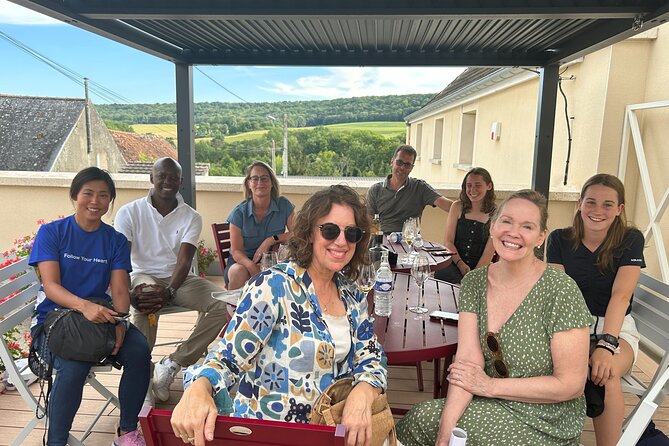
The estate visit gives the tour its personal character. You interact with staff, see the facilities, and watch the harvest organization at close range. This is a good fit if you prefer a direct encounter with producers to a large, highly staged attraction.
The experience is described as friendly and social. That does not mean you should expect a long meal or a full-day village tour. It means the visit is built around conversation, participation, and contact with the people handling the harvest.
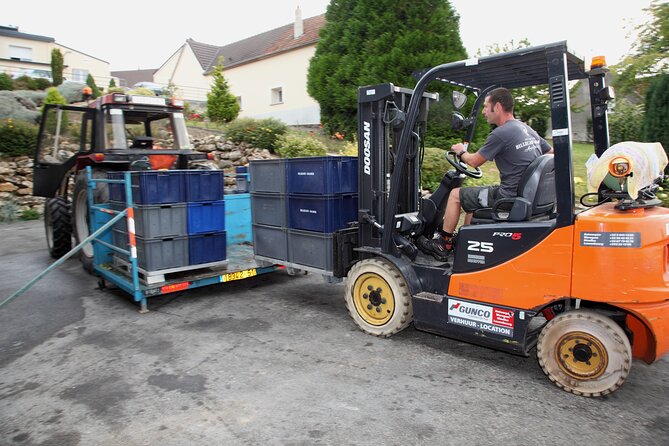
A family estate also offers a more grounded sense of Champagne production. You can notice the practical details: grapes being collected, machinery being used, and staff coordinating work at a demanding time of year. The visit connects the famous name Champagne with real agricultural labor.
There is a limit, though. The main estate portion lasts about three hours, including the harvest, pressing, tastings, variety discussion, and facility visit. If you want extensive cellar architecture, a large museum, or several major Champagne brands in one day, this is not the right choice. Its strength is focus, not quantity.
Same countryside, another kind of harvest:
- Lavender Harvesting and Distillation Workshop in Bellegarde
★ 5.0 · 20 reviews - Provençal Farmers market tour
★ 5.0 · 15 reviews - Award winning “From Farm to Table, A Culinary Day in Lyon”
★ 5.0 · 10 reviews - Cannes Ooh La La Food Tour
★ 5.0 · 10 reviews
The Epernay meeting point and short vehicle transfer
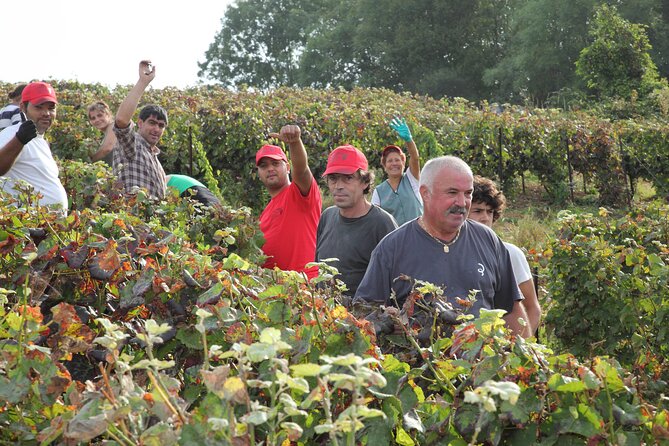
You meet at the Office de Tourisme d’Epernay en Champagne, 7 Av. de Champagne, 51200 Épernay. The activity ends at the same meeting point, which makes the schedule easier to manage if you are staying in Epernay or arriving by public transport.
The vehicle is air-conditioned, a useful detail during harvest season when the weather may be warm or changeable. The drive to the family estate and back takes roughly 30 minutes each way within the four-hour schedule.
A return to the same point also removes one common travel worry. You do not need to arrange a pickup from a rural estate after the tasting. Follow the meeting instructions closely and arrive ready for the departure, since the tour has a fixed group transfer.
The group limit is seven people. That is small enough for a more personal exchange with the guide and estate staff, while still giving the visit a social feel. Small groups can also make hands-on harvest work easier than a large coach group, though the limited capacity is one reason this experience may fill well ahead of time.
What to wear for vineyard work
This is not a tour for dress shoes or delicate clothing. Wear comfortable shoes because you will stop in the vineyards, and choose clothing suited to the weather. You may be standing and working outdoors, so practical layers make more sense than formal sightseeing clothes.
The physical requirement is listed as moderate. You do not need to be an athlete, but you should be comfortable taking part in vineyard work and moving around an active estate. If you have mobility or health concerns, check the demands before booking rather than assuming this is a passive tasting.
The weather can shape your comfort. The air-conditioned vehicle helps during transfers, but the vineyard portion takes place outside. A light waterproof layer, sun protection, or a hat may be sensible depending on the forecast, though these items are not provided as part of the tour.
The activity is also not suitable for everyone where alcohol is concerned. Tastings are offered only to people aged 18 and over. Alcohol is prohibited for pregnant women and people with health problems, so consider that before booking. The grape-picking and production portions may still be of interest, but the included tasting should not be treated as optional medical advice.
A tasting that follows the harvest
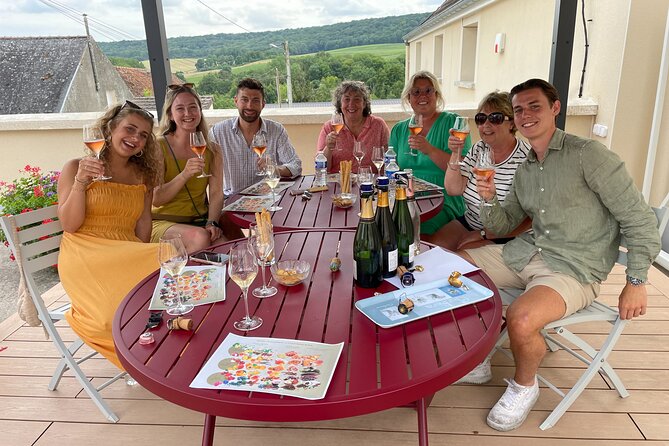
The tasting comes after you have seen the grapes and early production work. That order makes the Champagne easier to appreciate because you have already connected it with the vineyard and press.
You taste grape juice at its early stage and Champagne later in the experience. This gives you two very different points of comparison. The juice is close to the fruit itself, while the Champagne represents the finished product after the full production process.
The information confirms that Champagne tastings are included, but it does not specify the number of pours, labels, or styles. I would therefore treat the tasting as a focused part of the estate visit rather than a large sampling session.
Lunch is not included. Since the tour lasts about four hours, you should plan a meal before or after the activity. Personal expenses are also excluded, so bring money for anything extra you may want during the rest of your time in Epernay.
The possible Hautvillers addition
One account of the experience included a stop at nice places in the Champagne region, including Hautvillers, before the grape picking. Hautvillers is a useful regional touch, but the supplied schedule does not list it as a guaranteed stop or give it a fixed duration.
That distinction matters when planning. You might visit Hautvillers or other nearby places depending on the day’s route and timing, but you should not book this tour solely for a guaranteed Hautvillers sightseeing visit. The confirmed core is the family-estate harvest experience, pressing, tastings, and return to Epernay.
If the guide includes regional stops, they can give the day more local flavor before the hands-on work begins. Guide G was praised for being on time and for explaining Champagne and the region well, so the drive may also serve as an informal introduction to the area.
Is the $114.88 price good value?
At $114.88 per person, this is more expensive than a basic Champagne tasting, but the comparison is not quite fair. Your payment covers transport from central Epernay, a half-day outing, an English-speaking guide, participation in the harvest, a facility visit, and tastings.
The strongest value comes from the seasonal access. Picking grapes during harvest is not something you can replace with a standard cellar tour later in the year. You are paying for timing, access to a working family estate, and a small group rather than for a large number of tastings.
The value is weaker if you mainly want to drink Champagne or visit famous houses. In that case, a simple tasting may cost less and give you more time to explore Epernay on your own. You also need to pay for lunch separately.
For me, the price makes the most sense for a visitor who values participation and local contact. You get a story to remember, not just another bottle tasting. The experience is also short enough to fit around other Epernay plans, though the four-hour block leaves limited room for delay.
Booking, cancellation, and who should choose it
The tour is offered in English, uses a mobile ticket, and confirms your booking at the time of purchase. It is often booked well ahead, with an average booking lead time of 63 days. That is a useful warning for anyone planning a trip around harvest season.
Free cancellation is available if you cancel at least 24 hours before the local start time. Cancellations or changes made inside that 24-hour window are not accepted for a refund.
I would choose this experience if you want to:
- Work briefly in a real Champagne vineyard
- See grapes go into the press
- Compare fresh juice with finished Champagne
- Meet people at a small family estate
- Travel in a group of no more than seven
- Spend half a day outside Epernay with transport included
I would choose something else if you want a full-day Champagne route, a large cellar tour, an included meal, or a tasting focused on many different producers. The experience is specific and seasonal, which is exactly its appeal.
Should you book the Epernay grape harvest experience?
Book it if the harvest date fits your trip and you want to see Champagne from the vineyard upward. The combination of picking grapes, watching the press, tasting fresh juice, and sampling Champagne gives you a clear sense of how the finished drink begins.
The best reasons to book are the hands-on harvest and the small family-estate setting. The main cautions are the outdoor work, moderate physical demands, alcohol restrictions, separate lunch cost, and the fact that harvest takes place only once a year.
If those details suit you, this is a strong choice for an authentic half-day around Epernay. It offers more contact with the working side of Champagne than a standard tasting, while the short duration and central return point make it easy to add to a wider visit.
FAQ
Where does the tour start?
It starts at the Office de Tourisme d’Epernay en Champagne, 7 Av. de Champagne, 51200 Épernay, France.
Where does the tour end?
The activity ends back at the Epernay Tourist Office meeting point.
How long does the experience last?
The experience lasts approximately four hours.
Is transportation included?
Yes. Transport is provided in an air-conditioned vehicle between Epernay and the family estate.
How large is the group?
The maximum group size is seven people.
Is the tour offered in English?
Yes. The experience is offered in English.
Do I actually pick grapes?
Yes. You participate in picking grapes during the Champagne harvest.
Will I see the grapes being pressed?
Yes. The experience includes seeing how the grapes are pressed.
Are tastings included?
Yes. Visit and tastings are included, including grape juice and Champagne. Alcoholic tastings are available only to people aged 18 and over.
Is lunch included?
No. Lunch and personal expenses are not included.
What should I wear?
Wear comfortable clothes suited to the weather and comfortable shoes for vineyard stops.
How far in advance should I book?
The experience is booked on average 63 days in advance, so early booking is sensible, especially if your trip depends on harvest timing.
Can I cancel for a full refund?
Yes. You can cancel at least 24 hours before the local start time for a full refund. Cancellations or changes made less than 24 hours before the start are not accepted for a refund.
Newly listed farm visits around France
- Award winning “From Farm to Table, A Culinary Day in Lyon”★ 5.0 · 10 reviews
- Cannes Ooh La La Food Tour★ 5.0 · 10 reviews
- Sturgeon Fish-Farm Visit and Caviar Master Class Tasting in Neuvic★ 5.0 · 8 reviews
- English Tour into the Sturgeon Farm With a Discovery Tasting★ 5.0 · 6 reviews
- English Tour into the Sturgeon Farm With a Initiation Tasting★ 3.5 · 2 reviews
- Provençal Morning Farmers Market & Food Discovery Tour★ 5.0 · 7 reviews
- Provençal Farmers market tour★ 5.0 · 15 reviews
- Provence Olive Harvest★ 5.0 · 3 reviews
France Farm Tours, compared.
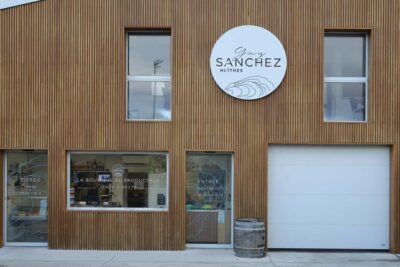
Loupian: Tour guide of our oyster farm and tasting
Read our review →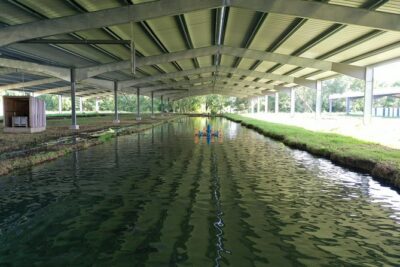
Sturgeon Fish-Farm Visit and Caviar Discovery Tasting in Neuvic
Read our review →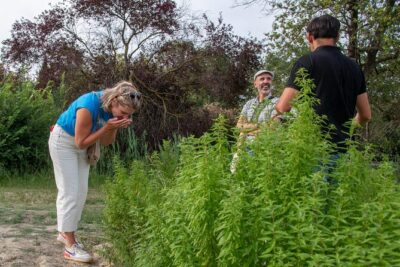
Lavender Harvesting and Distillation Workshop in Bellegarde
Read our review →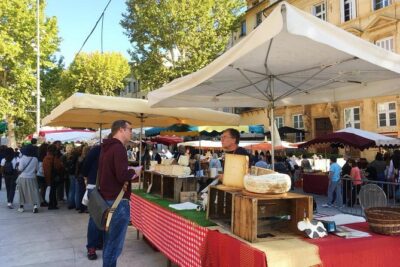
Award winning “From Farm to Table, A Culinary Day in Lyon”
Read our review →
Sturgeon Fish-Farm Visit and Caviar Master Class Tasting in Neuvic
Read our review →
Provençal Morning Farmers Market & Food Discovery Tour
Read our review →Browse the lists this tour appears in