
Review · GREECE
Phyllo Pies Baking Class @ Lefkada Micro Farm
The real treat here is not simply eating Greek pies. It is learning how the paper-thin pastry comes together, from kneading dough to stretching, filling, rolling, and baking it in a wood-burning oven. At Lefkada Micro Farm, Andreas and his mother lead you through four recipes, then sit down with you for lunch.
I like the mix of hands-on cooking and farm life. You get a practical skill to take home, plus a walk among the farm’s trees, vegetables, herbs, and animals. I also like the small group, capped at 10 people, which should leave room for questions and personal help.
The main consideration is the price: $144.05 per person is a serious outlay for a four-hour activity. It makes more sense if you value the meal, the instruction, the recipes, and the setting together, rather than treating it as a quick cooking demonstration.
Key points at a glance
- Four traditional pies: Make wild greens with feta, goat cheese with sun-dried tomatoes and olives, squash pumpkin with walnuts and cinnamon, and baklava with honey.
- A wood-burning oven: The class begins by lighting the oven, giving the baking a clear connection to old-fashioned Greek home cooking.
- A working micro farm: Walk through the farm to see how food, herbs, trees, vegetables, and animals fit into daily life.
- A meal you prepare yourself: After baking, you sit at the dining table and eat the pies together.
- A small morning group: The activity begins at 10:00 am, lasts about four hours, and accepts no more than 10 people.
- Useful skills for home: You learn to make phyllo from scratch and take the recipes and technique with you.
From morning coffee to handmade phyllo
Your morning starts at 10:00 am at Lefkada Micro Farm, at E.O. Nydriou Vavkeris Rachi in Nidri. The first gesture is simple: coffee or tea while you settle in and meet the people taking the class with you.
That opening matters. Phyllo work is easier when you are not rushed into a kitchen with unfamiliar faces and a list of instructions. The relaxed start gives you time to get comfortable before the flour appears.
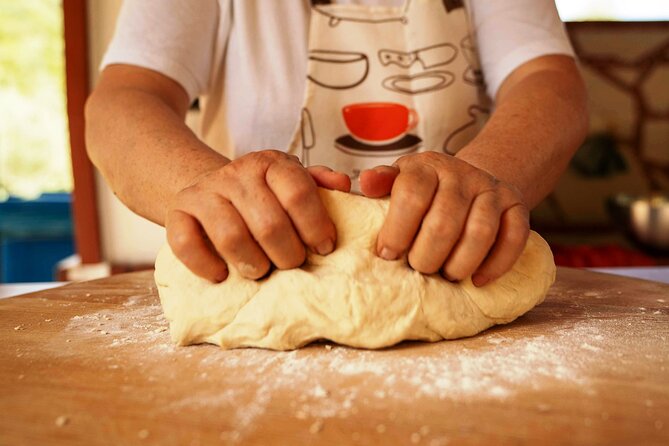
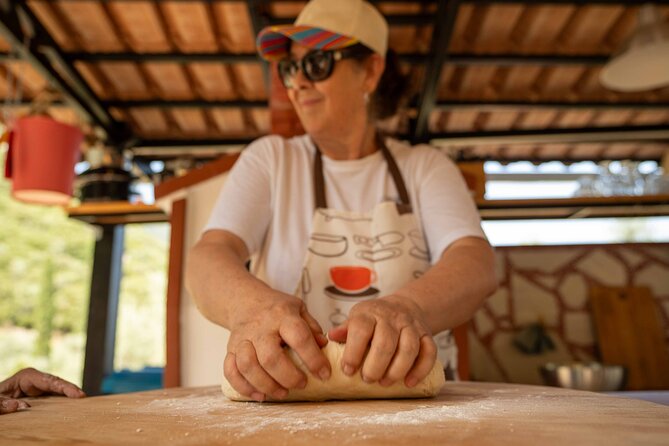
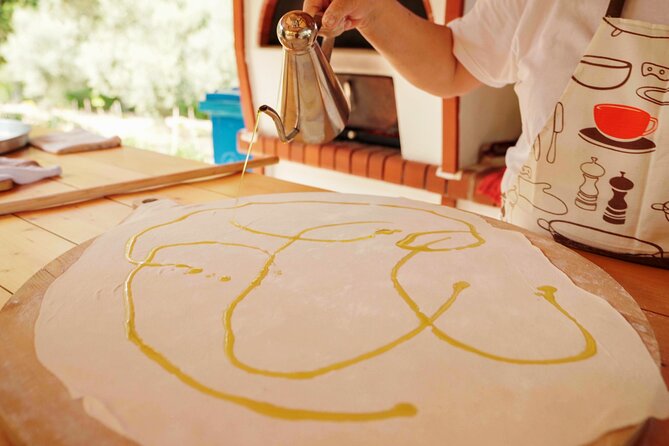
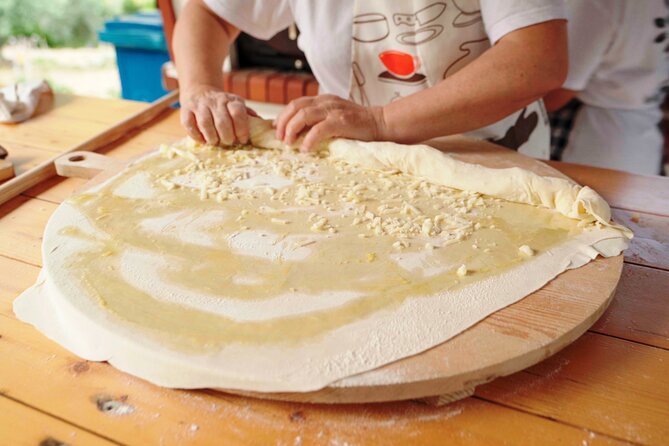
The first major task is kneading the phyllo dough. You are not handed prepared pastry and asked to fill it. You begin with the dough itself, then learn the stages that lead to a usable sheet. For anyone who has admired the delicate coils in a Greek bakery, this is the part that turns a finished product into a real technique.
Phyllo can look intimidating because it is so thin and fragile. The value of this class is that the process is broken into steps. You learn by doing, with Andreas and his mother guiding the work rather than simply describing it.
The class is also social. With a maximum of 10 participants, you are likely to work near the same people throughout the morning. That suits visitors who want conversation and a shared meal, but it may not suit someone who prefers a private cooking lesson or a fast, polished demonstration.
More farm tours around Greece:
- Mykonos: Farm, Ano Mera Village, and Beaches Guided Tour
★ 4.4 · 1,283 reviews - Crete: Road-trip to Lasithi, Zeus Cave & Olive Mill Farm
★ 4.4 · 451 reviews - Heraklion: Olive Farm Tour with Tasting of Local Delicacies
★ 4.9 · 411 reviews
A walk through Lefkada Micro Farm
While the oven heats, you walk around the farm. This is more than a change of scenery between kitchen tasks. It shows you the setting behind the food you are about to eat.
You see the farm’s trees, vegetables, herbs, and animals, and you learn about its traditional organic approach to growing food. The walk gives useful context to the recipes, especially the pie made with wild greens and feta. Greek cooking often depends on simple ingredients treated with care, and the farm visit helps explain that style better than a restaurant menu can.
I like this part because it breaks up the cooking. Four hours at a worktable could feel long, especially if you are traveling with children or someone who is not a keen cook. The farm walk gives the class a slower country rhythm and lets you spend time outdoors.
There is one practical point to keep in mind. This is a countryside activity, not a city-center food tour. You should expect the experience to be centered on the farm and open-air kitchen rather than on Lefkada’s beaches, shops, or historic sights. That is precisely the appeal for some visitors, but it will feel like a detour if your main goal is sightseeing in town.
Four fillings, four different lessons
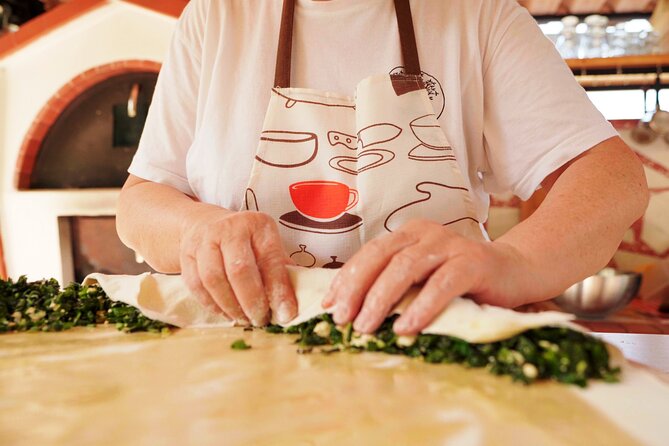
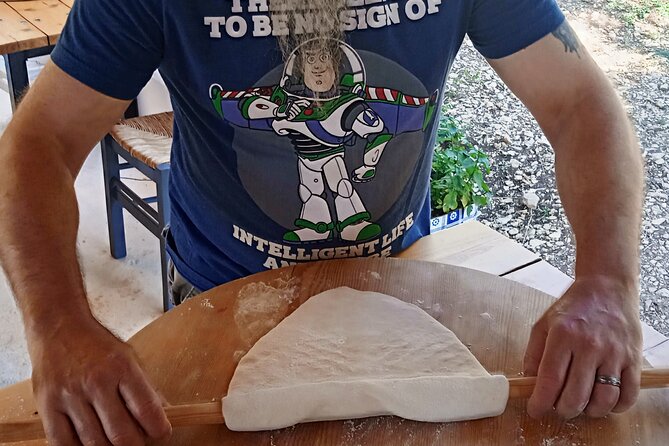
Once you return to the open-air kitchen, the dough should be ready to stretch. The oven is hot, and the class moves from preparation to assembly. You make four recipes, each showing a different side of Greek baking.
Wild greens with feta
The savory greens and feta pie is perhaps the clearest expression of the farm-to-table idea. Greens bring an earthy flavor, while feta adds salt and tang. This recipe also gives you a reason to pay attention to balance, since the filling needs to complement rather than overpower the pastry.
Same countryside, another kind of harvest:
- Lassithi, Zeus Cave, Olive Mill Farm & Knossos Combo Tour
★ 4.6 · 404 reviews - Naxos Perivoli Farm Experience & Wood-fire Cooking Class
★ 5.0 · 339 reviews - Cretan Cooking Class and Olive Oil Tasting
★ 5.0 · 178 reviews - Melanes: Naxos Perivoli Farm & Cooking Class with Wood Fire
★ 5.0 · 177 reviews
Goat cheese, sun-dried tomatoes, olives, and oregano
This filling has a stronger Mediterranean character. Goat cheese brings a distinctive flavor, while sun-dried tomatoes, olives, and oregano provide salt, sweetness, and herbal notes. It is a useful recipe to learn because it shows how a few assertive ingredients can create a full filling without a complicated method.
Squash pumpkin, walnuts, cinnamon, and raisins
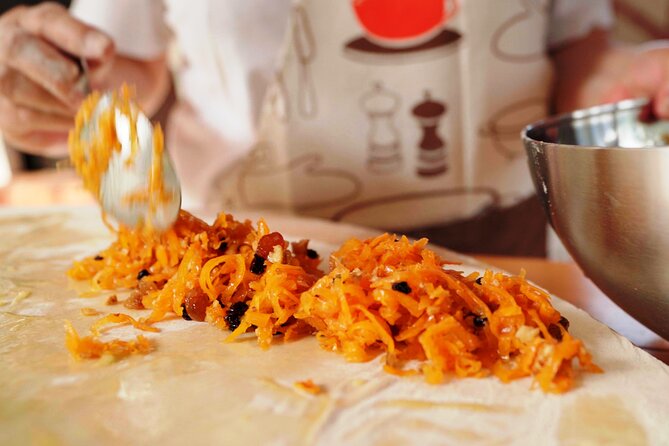
The pumpkin pie shifts the class toward sweet baking. Walnuts add crunch, raisins bring sweetness, and cinnamon gives the filling its warm scent. This is a good reminder that phyllo is not limited to savory pies. The same pastry can carry a dessert-style filling with a very different result.
Baklava with honey, cinnamon, and walnuts
The baklava provides the grand finish. Honey, cinnamon, and walnuts are familiar Greek flavors, but the real lesson is in handling the thin pastry and building layers. You get to see how a delicate dough becomes a crisp dessert once it meets heat and syrupy sweetness.
Making four recipes in one session gives you variety, but it also means the morning has a full schedule. You will not spend the entire class perfecting one single pie. Instead, you get a broad introduction to dough, fillings, shaping, and baking.
What the wood-burning oven adds
The oven is lit near the start of the class, so it has time to heat while you knead the dough and tour the farm. This creates a natural sequence: prepare the oven, make the dough, walk through the farm, then return to shape and bake.
A wood-burning oven gives the activity a traditional feel that a standard indoor appliance would not provide. It also makes the baking part feel like the conclusion of a shared process. You are not just waiting for a timer. The heat, dough, and filling have all been prepared during the morning.
The available details do not specify the exact baking time or temperature, so you should not expect a technical pastry course with precise professional measurements for every stage. The focus is on learning the traditional method and enjoying the food you prepare together.
Lunch at the table
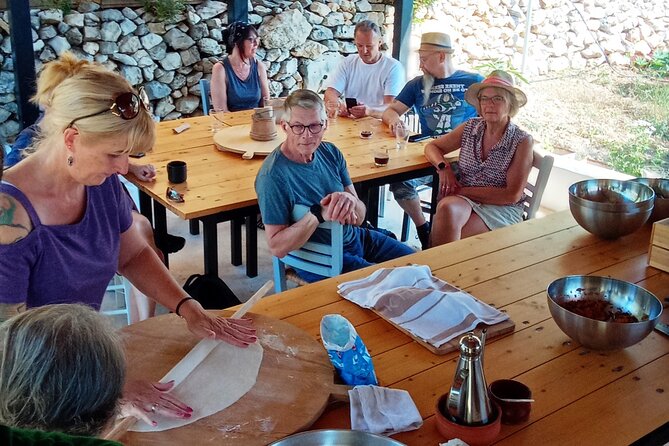
After the pies come out of the oven, you sit around the dining table for lunch. The meal is made from the work completed during the class, so the cooking has an immediate reward.
This is one of the strongest reasons to consider the price. You are paying for instruction, but you are also receiving a substantial shared meal built around four different pies. The food is not an extra stop after the activity. It is part of the class itself.
The lunch also gives the morning a proper ending. You can compare the savory and sweet recipes, talk with the other participants, and enjoy the results while they are fresh. If you are looking for a quick recipe lesson with a certificate or a formal chef presentation, this may not be the right format. If you want food, company, and a connection to a Greek household-style meal, it fits well.
The two available ratings of this experience are strongly positive, with a 4.6 rating from 10 reviews and 90 percent recommending it. The most praised details are the hosts, the chance to make phyllo from scratch, and the pies served at the end. One especially useful point is that Andreas and his mother are named as the people who make the experience personal. His mother’s name is not provided, but the family-led format is clear.
Is $144.05 a fair price?
At $144.05 per person, this is not a budget food activity. The value depends on what you want from a cooking class.
The price covers about four hours, morning coffee or tea, instruction in phyllo dough, four recipes, a farm walk, access to the open-air kitchen and wood-burning oven, and the lunch you prepare. It also includes the benefit of a small group, with no more than 10 participants.
I would consider it good value for someone who enjoys cooking and wants a lasting skill rather than a meal alone. The recipes can be made again at home, and the class gives you the confidence to work with phyllo instead of buying it without knowing how it is handled.
I would be more cautious if you are comparing it with a simple Greek lunch. In that case, the cost is high. You are paying for the setting, teaching, time, and participation. The experience is strongest when you treat it as a half-day cultural activity with lunch included.
The activity is typically booked about seven days ahead, so planning early is sensible if your Lefkada schedule is tight. Confirmation is normally provided at booking, though reservations made within 10 hours of the start time are confirmed as soon as possible and depend on availability.
Who will enjoy this morning most?
I would recommend the class to home cooks, food-focused visitors, couples, families, and anyone who likes meeting other people through a shared task. The four recipes offer enough range to keep the session interesting, and the farm walk prevents it from becoming four straight hours of kitchen work.
It is also a good choice if you want a quieter side of Lefkada. The activity takes you away from the famous blue water and beach routine and into the countryside around Nidri. You still get a distinctly Greek experience, but the focus is food production and family cooking rather than a major sight.
You may want to skip it if you dislike group activities, have limited mobility for walking around the farm, or want a short demonstration with plenty of free time afterward. The activity lasts approximately four hours and ends back at the starting point, so it occupies a meaningful part of your day.
Please share any allergies or dietary restrictions before attending. The provider specifically asks for this information, but the available details do not confirm which substitutions can be made. Service animals are allowed, and the meeting point is near public transportation.
Weather, booking, and the meeting point
The class requires good weather. If poor weather forces a cancellation, you are offered another date or a full refund. That policy matters because part of the activity takes place outdoors and the kitchen is open air.
You receive a mobile ticket, which keeps the booking simple. The activity starts and ends at Lefkada Micro Farm, so you should plan around the stated meeting point rather than expect a drop-off elsewhere.
Cancellation is free up to 24 hours before the start time. A cancellation or change made less than 24 hours ahead is not refunded or accepted, and the cut-off follows local time. I would avoid leaving this booking until the last day, especially during a short island stay.
Should you book the phyllo class?
Book it if you want to do more than photograph Greek food. You will knead dough, stretch pastry, prepare four distinct fillings, walk through a working farm, and eat lunch at the end. The family-led setting with Andreas and his mother is a major part of its appeal.
Skip it if $144.05 feels too high for a half-day cooking activity, or if your priority is beach time and independent sightseeing. For food lovers, though, the combination of real technique, farm context, and a shared meal makes this one of the more useful ways to spend a morning near Lefkada.
FAQ
Where does the phyllo pie class take place?
It takes place at Lefkada Micro Farm, E.O. Nydriou Vavkeris Rachi, Nidri 311 00, Greece.
What time does the activity start?
The class starts at 10:00 am.
How long does the class last?
The activity lasts approximately four hours.
What food will I learn to make?
You prepare wild greens with feta, goat cheese with sun-dried tomatoes, olives and oregano, squash pumpkin with walnuts, cinnamon and raisins, and baklava with honey, cinnamon and walnuts.
Is lunch included?
Yes. After baking, you sit around the dining table and eat the pies prepared during the class.
Does the class include a farm visit?
Yes. You walk around Lefkada Micro Farm and see its trees, vegetables, herbs, and animals, along with its traditional organic growing methods.
How many people can join?
The activity has a maximum of 10 participants.
Are drinks provided?
The class begins with morning coffee or tea.
Can I bring a service animal?
Yes, service animals are allowed.
What happens if bad weather cancels the class?
You will be offered a different date or a full refund.
Newly listed farm visits around Greece
- Insightful Pistachio Orchard and Factory Tour★ 4.5 · 27 reviews
- Private Olive Oil tasting & Liqueur experience★ 5.0 · 17 reviews
- Flavors of Santorini: Farm-to-Table Meal Wine & Authentic Village★ 5.0 · 12 reviews
- Santorini 5 Hour Private Oia Tour & Lunch/Dinner at a Local Farm★ 5.0 · 40 reviews
- Cooking Class Sunset Dinner and Tour in Paros Farm★ 5.0 · 5 reviews
- Katakolon 7hour tour : Olympia-Honey Farm-Winery-Beach★ 5.0 · 53 reviews
- Olympia Shore Ex: Olympic site, Honey Farm & Olive Oil Tasting★ 4.5 · 57 reviews
- Naxos Farm Experience and cheese making★ 5.0 · 5 reviews
Greece Farm Tours, compared.
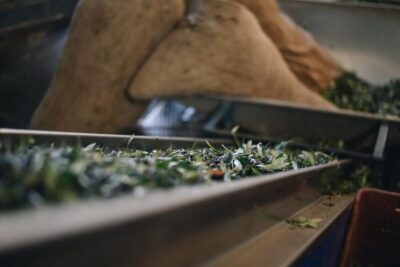
Olive Farm Tour with Tasting of Local Delicacies
Read our review →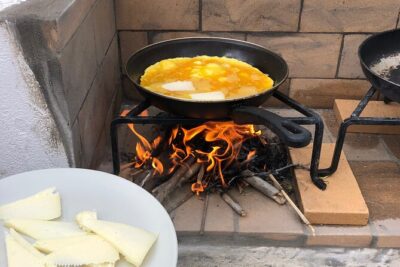
Naxos Perivoli Farm Experience & Wood-fire Cooking Class
Read our review →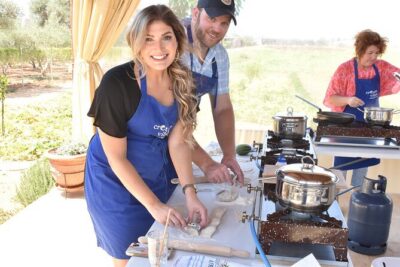
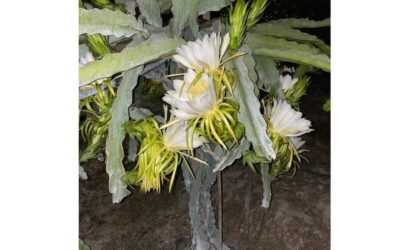
Traditional Olive Grove and Dragon Fruit Farm Tour
Read our review →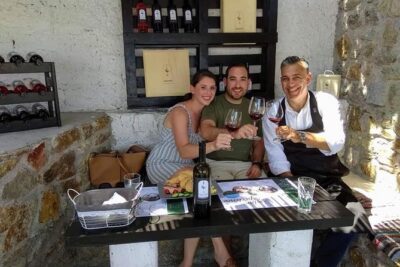
Wine Tasting Tour at a traditional farm in Mykonos
Read our review →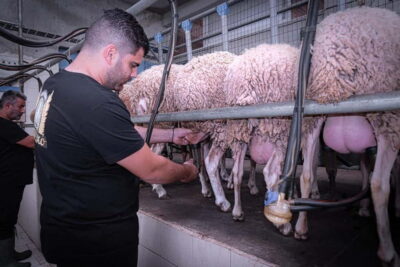
Farm Visit with Cheese Tasting and Milking Experience
Read our review →
Santorini Family Farm Food & Wine Tour with Cooking Class
Read our review →
Rhodes: 1952 Farmhouse Cooking & Lunch with Unlimited Wine
Read our review →Browse the lists this tour appears in