
Review · MAUI
Taste of Hawaii: A Maui Farm Tour
At La Kāhea Community Farm, the best part is not simply eating tropical fruit. You get to see how food grows in Maui, learn why regenerative farming matters on an island, and take part in making fresh sugarcane juice. Winsome and Anna are among the hosts who bring warmth, humor, and useful local knowledge to the visit.
I like the hands-on tasting and the clear sense of purpose behind the farm. I also like the setting, with views toward Haleakala and the West Maui Mountains, plus the chance to meet the farm’s pigs. The main consideration is that this is a small, developing farm, not a polished botanical garden, and one visitor found there was less to see than expected.
Key points
- Fresh fruit and sugarcane juice: Taste produce grown on the farm, then help press sugarcane into a cool, sweet drink.
- A practical look at regenerative farming: Learn about tropical crops, natural growing methods, and the farm’s role in the local community.
- Banana ice cream may be the finale: The tasting can include banana nice-cream and roasted macadamia nuts.
- Mountain views add to the visit: Haleakala and the West Maui Mountains provide a memorable backdrop for photos.
- A small-group experience: The farm accepts a maximum of 35 people, so the visit feels more personal than a large bus tour.
- Bring sun protection: The farm can be dry and sunny, and one direct tip from the experience is to carry water and sunscreen.
A farm visit with food at the center
This 90-minute experience gives you a different view of Maui. Instead of spending the morning only at a beach or scenic lookout, you spend it learning what grows in the island’s soil and why local food production matters.
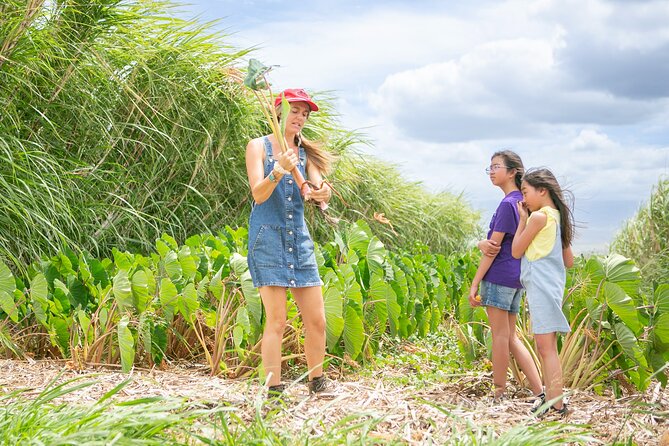
The farm visit takes place at La Kāhea Community Farm in Wailuku. The setting is practical and active, rather than staged for sightseeing. You will see crops, walk around the growing areas, and learn how a community farm is being built and expanded.
Food keeps the tour moving. You may begin with a plate of sliced fruit, then sample more produce as you walk. The tasting gives you a reason to pay attention to the plants. A fruit you might normally pass in a market becomes more interesting when you see the tree, leaf, or vine that produced it.
The experience also connects food with Hawaiian heritage. You learn about plants brought to the islands by Polynesians, along with their leaves, fruit, and place in local agriculture. This makes the tour more than a snack stop. It gives you useful context for the crops you see throughout Maui.
More farm tours around Maui:
- Maui Pineapple Farm Tour in Haliimaile
★ 5.0 · 2,855 reviews - Lahaina: Maui Ku’ia Estate Guided Cacao Farm Tour and Tasting
★ 5.0 · 1,103 reviews - Maui: Road to Hana Adventure with Farm to Table Lunch
★ 5.0 · 877 reviews
Meeting Winsome, Anna, and the farm team
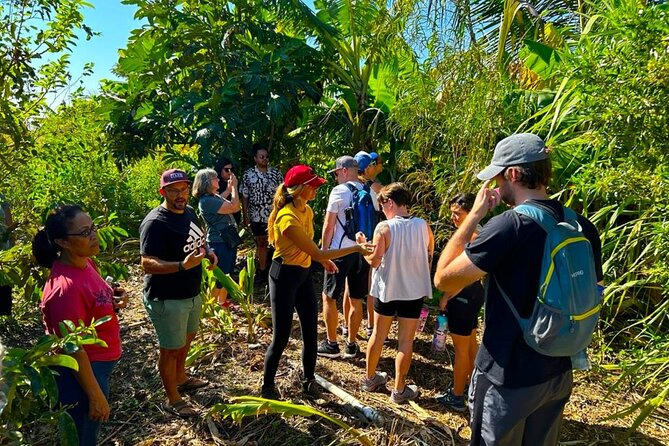
The farm’s hosts are a major part of the experience. Winsome appears regularly in the visit, sharing the farm’s goals and her personal experience. Anna leads tours with energy and a clear interest in helping people understand the work. Emily, Jakke, Whit, and Jake are also associated with the hosting team in different visits.
The exact guide may vary, but the tone is consistent: friendly, conversational, and focused on teaching. You should expect a guide who explains the reasons behind the farm’s methods, not someone simply naming plants as you pass them.
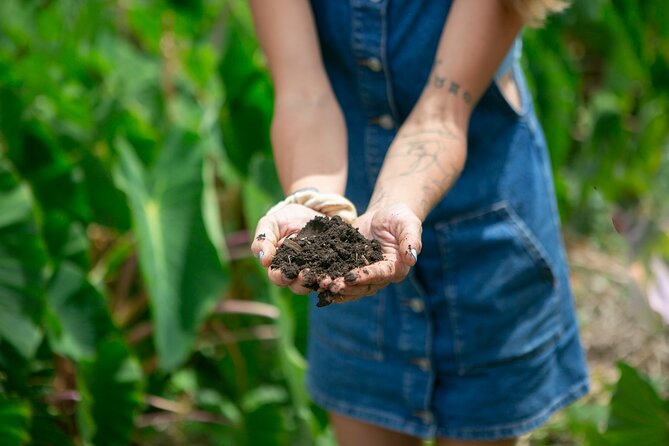
That matters because regenerative farming can sound like a vague travel buzzword. Here, it is tied to practical concerns: soil health, food production, community support, and the future of agriculture on Maui. You hear how the farm is trying to make farming healthier and more useful for the island.
The guides also make room for questions and participation. Families, couples, solo visitors, and people who garden at home can all find a point of connection. A home gardener may be especially interested in how tropical fruit grows, while a first-time farm visitor may appreciate the simple explanations.
Starting with fruit, juice, and local crops
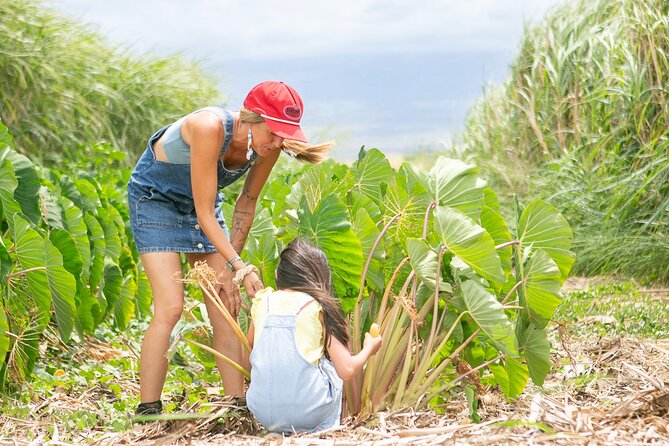
The tasting is not an afterthought. Fresh fruit is often served early, and the selection depends on what the farm has available. You might taste several tropical fruits, including less familiar varieties, while learning about the plants that produce them.
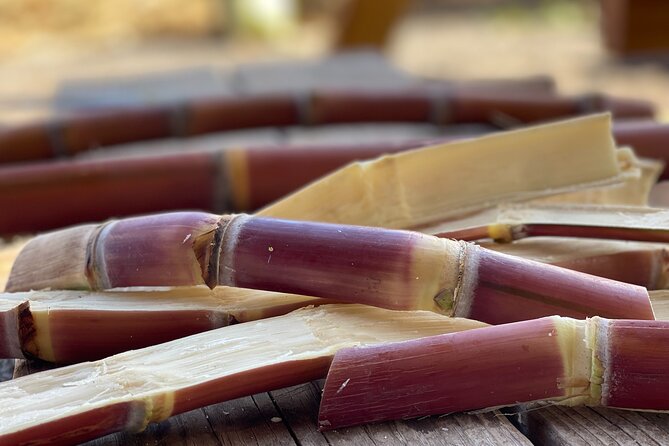
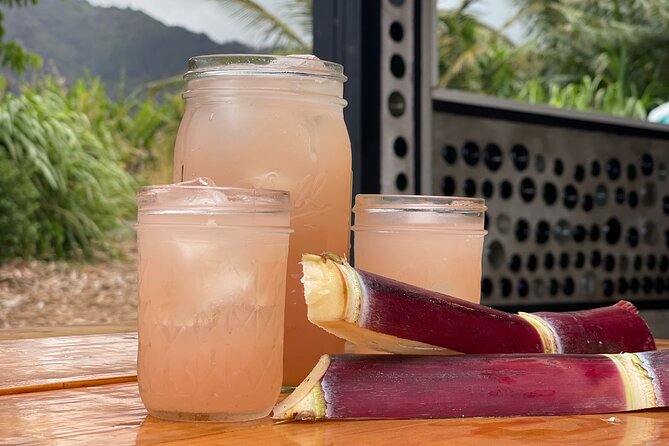
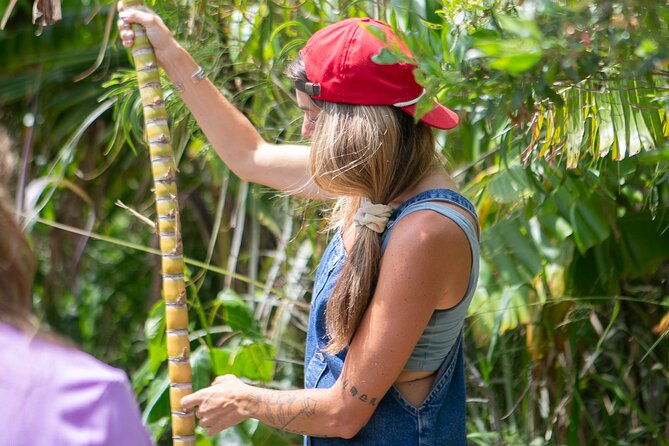
Sugarcane is one of the most memorable parts. You get to help squeeze the cane and drink the juice. The result is sweet, fresh, and refreshing, with a flavor quite different from bottled juice. The hands-on step also makes the lesson stick. You are not just told how sugarcane is processed. You take part in it.
The tasting may also include dessert. Banana ice cream, sometimes described as banana nice-cream, has earned plenty of attention. Fresh roasted macadamia nuts can accompany it, adding a local touch and a bit of crunch.
Do not book this as a full meal. The food is a series of tastings, not a restaurant lunch. One especially enthusiastic description included a more involved farm-to-table meal activity, but this 90-minute experience should be understood primarily as a farm tour with samples.
Walking among tropical Hawaiian crops
After the first tasting, the visit continues through the farm. The exact route and number of plants can change as the farm grows, but the main focus is on tropical crops and the systems used to grow them.
You may learn to identify different leaves and fruit, smell uncommon plants, and see how the farm organizes its growing areas. The guide explains both the plants and the larger farming goals. That combination helps you understand why a small plot of land can matter to a community.
The farm is still developing. That is part of its appeal, but it also sets an honest limit on what you will see. This is not a huge agricultural estate with endless rows of crops. It is a working community farm in progress, and some areas may look informal or messy.
Rain can affect the walking portion. Wet conditions may shorten or slow the route, and a muddy farm will not have the neat appearance of a formal garden. If you prefer carefully arranged paths and extensive plant displays, this may feel modest. If you like seeing a real project as it develops, the unfinished quality gives the visit more honesty.
Same countryside, another kind of harvest:
- Maui Horseback Adventure at Circle M Ranch With Real Cowboys
★ 5.0 · 761 reviews - The Maui Butterfly Farm Tour
★ 5.0 · 446 reviews - Lahaina: Maui Ku’ia Estate Guided Cacao Farm Tour & Tasting
★ 4.8 · 137 reviews - Hali’imaile: Pineapple Farm Tour
★ 4.9 · 126 reviews
Mountain views and friendly pigs
The setting adds plenty to the tour. You can take in views toward Haleakala and the West Maui Mountains while learning about food and farming. These are useful photo opportunities, but the scenery also helps place the farm within Maui’s larger environment.
You might also have the chance to feed or interact with the farm’s pigs. This is not guaranteed as a separate animal encounter, so you should treat it as a possible bonus rather than the main reason to book. For families, the pigs can add a playful moment to an otherwise educational visit.
The farm’s outdoor setting means you need to dress for sun and warmth. Bring water, sunscreen, and sensible footwear for walking around an active farm. The area can be dry, and there may not be much shade during every part of the visit.
What $75 buys you in Maui
At $75 per person, this is not the cheapest way to spend 90 minutes in Maui. You are paying for a guided visit, an educational presentation, farm tastings, sugarcane juice, and the chance to support a community farming project.
The value improves if you care about local food, sustainable agriculture, or small community enterprises. You are not simply buying fruit samples. You are helping fund a farm that is trying to strengthen local production and teach people about Hawaiian crops.
The price may feel high if you want a long farm walk or a large tasting menu. The farm is small, and the visit ends after about an hour and a half. You will not spend half a day picking produce or eating a full lunch unless you book a different farm activity.
I would compare this with the cost of another organized Maui attraction, then ask what kind of memory you want. If you want polished scenery and a long list of sights, choose something else. If you want a personal lesson, fresh food, and a closer look at an island project, the price is easier to justify.
Is this a good choice for families?
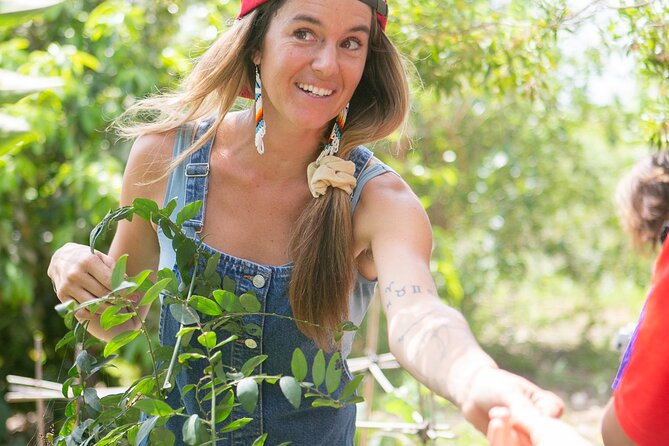
The tour can work well for families, especially if your children enjoy animals, fruit, and hands-on activities. Making sugarcane juice gives younger visitors something to do, while the fruit tasting and farm walk keep the visit active.
That said, the educational content is a real part of the tour. It is not a nonstop children’s attraction. One direct assessment found it better suited to teenagers than young children, so parents should consider attention span and interest in farming.
Adults who garden at home may get even more from the visit. You can ask about tropical crops, natural growing methods, and the challenges of farming in Maui. The tour also suits solo visitors and couples looking for a calm break from busier sightseeing.
Timing, group size, and the practical details
The tour begins at 10:30 a.m. at 2100 HI-30 in Wailuku and returns to the same meeting point. Since the activity lasts about 90 minutes, it fits neatly into a morning without taking over the entire day.
The maximum group size is 35 people. That is not a tiny private tour, but it is still much more manageable than a large coach excursion. Your experience may depend on the group’s size and the guide’s style, especially during tastings and questions.
A mobile ticket is accepted, and the tour is offered in English. Confirmation arrives at booking. Most people can participate, but the supplied information does not give detailed mobility notes, so contact the provider if you need specific assistance.
The tour requires good weather. If poor weather cancels it, you can receive a different date or a full refund. Free cancellation is available up to 24 hours before the start time. Cancellations or changes inside that window are not refunded or accepted.
Because the activity is often booked about a month ahead, reserve early if it fits your schedule. The high recommendation rate and 4.9 rating from 152 reviews suggest strong demand, but the small farm format means spaces can be limited.
Who should book this Maui farm tour?
I would choose this experience if you want to connect food with place. It gives you a better understanding of tropical crops, Polynesian-introduced plants, and the pressures facing island agriculture.
It is also a good fit for:
- Couples wanting a low-stress morning activity
- Families with older children or teenagers
- Solo visitors who enjoy guided learning
- Home gardeners interested in tropical plants
- Anyone who prefers community projects to large commercial attractions
- Food-focused visitors who want more than a standard restaurant meal
I would hesitate if you expect a large farm, a long walking route, guaranteed animal interaction, or a full lunch. The farm is growing, and the experience can feel informal. You should arrive ready to learn and taste, not expecting a perfectly landscaped attraction.
Should you book La Kāhea Community Farm?
Book it if the idea of pressing sugarcane, tasting fruit, meeting a local farming team, and learning about regenerative agriculture sounds worthwhile. The strongest parts are the people, the hands-on food, and the connection between Hawaiian crops and the island’s future.
Skip it if you need a major sightseeing landmark or a packed schedule of activities. At $75, the tour asks you to value education and community support as much as entertainment.
For many Maui itineraries, this is a pleasant change of pace. You leave with new flavors, a better understanding of island farming, and perhaps a cup of sugarcane juice you helped make yourself.
FAQ
Where does the Maui farm tour begin?
It begins at La Kāhea Community Farm, located at 2100 HI-30, Wailuku, Hawaii 96793.
What time does the tour start?
The tour starts at 10:30 a.m.
How long does the experience last?
The visit lasts approximately 1 hour and 30 minutes.
Does the tour return to the starting point?
Yes. The activity ends back at the meeting point.
What food and drinks are included?
You can expect tastings of tropical fruit and fresh farm-to-table produce. The experience can also include sugarcane juice and banana ice cream, with roasted macadamia nuts available with the dessert.
Is the tour offered in English?
Yes. The tour is offered in English.
How many people can join the tour?
The maximum group size is 35 people.
Can I cancel for a full refund?
Yes, if you cancel at least 24 hours before the experience start time. Cancellations made less than 24 hours before the start time are not refunded.
Newly listed farm visits around Maui
- Maui Farm Distillery and local craft experience Full-Day Tour★ 5.0 · 22 reviews
- Alpaca Farm Experience on the Road to Hana★ 4.0 · 12 reviews
- Maui Pineapple Tour: Farm and Feast Experience★ 5.0 · 32 reviews
- Pueo Farm Tour (1.5 hr) Upcountry Kula Maui Hawaii★ 5.0 · 21 reviews
- Farm to Taco: A Farm to Table Cooking Class★ 5.0 · 41 reviews
- Maui: Interactive Butterfly Farm Entrance Ticket★ 4.9 · 62 reviews
- Maui: Feast at Mokapu Farm-to-Table Luau in Wailea★ 4.5 · 105 reviews
- Hali’imaile: Pineapple Farm Tour★ 4.9 · 126 reviews
Maui Farm Tours, compared.
Maui Ku’ia Estate Guided Cacao Farm Tour and Tasting
Read our review →
Maui Horseback Adventure at Circle M Ranch With Real Cowboys
Read our review →
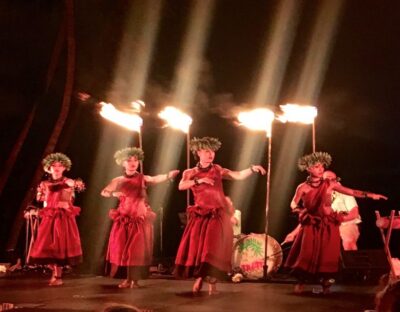
Maui: Feast at Mokapu Farm-to-Table Luau in Wailea
Read our review →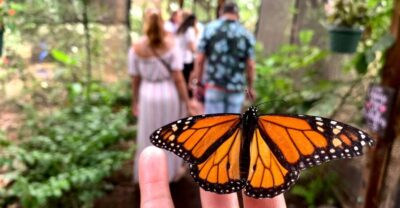
Maui: Interactive Butterfly Farm Entrance Ticket
Read our review →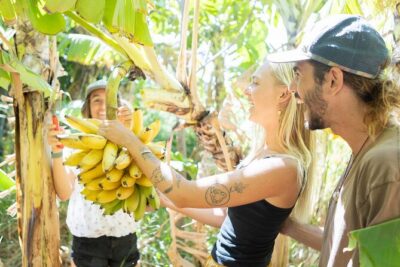
Browse the lists this tour appears in