
Review · INDIA
Tea Farm Tourism
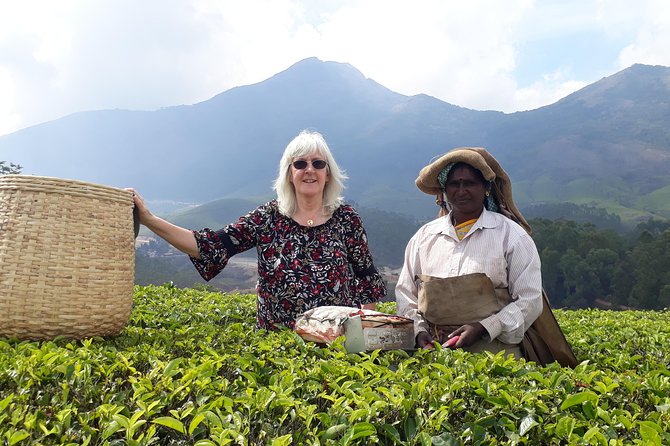
Munnar’s tea country is best understood on foot, and this private outing takes you beyond a quick photo stop. Guide Arun leads you through high Western Ghats plantations, explaining tea varieties, picking, processing, and the local story of Munnar. I especially like the chance to see a pickers’ village and the less-used plantation paths, along with the chance to visit a tea factory and taste the finished drink.
The $24 price is fair for a private three-hour experience, especially if your group wants conversation rather than a large bus tour. The main thing to check is the walking plan: some accounts describe longer hikes of five hours, while the advertised duration is about three hours, so confirm the route and timing before you set out.
Key points to know before booking
- Meet Arun at 9:00 a.m. at Munnar KSRTC Bus Stand, then return to the same point.
- Walk through high-altitude tea country in the Western Ghats, generally around 5,000 feet above sea level.
- Learn the full tea process, from leaf picking to drying and factory production.
- Reach beyond the standard viewpoint with plantation paths, slopes, and a workers’ village included in the experience described.
- Private format means direct attention, with only your own group taking part.
- Coffee or tea is included, but private transportation is not.
Why this tea walk is more than a plantation photo
Munnar is often introduced through its rolling tea fields, but a good visit should answer a basic question: how does that green carpet become the tea in your cup? This experience aims to connect the view with the work behind it.
You meet at the Munnar KSRTC Bus Stand at 9:00 a.m. From there, the outing centers on the Western Ghats, South India’s high mountain region. The plantation setting is the main attraction, but the useful part is the explanation. Arun has been praised for covering Munnar’s tea industry, different tea types, production methods, and the claimed benefits associated with each type.
I like that this is not presented as only a scenic walk. You get a chance to see tea as an agricultural product and as a major part of Munnar’s identity. That makes the views more meaningful. Instead of simply photographing neat rows of plants, you can understand why the slopes are planted, how leaves are handled, and who does the picking.
The private format also matters. You are not folded into a large group with a fixed script. You can ask Arun to explain a tea term, repeat a point, or spend more time where the scenery interests you. For couples, families, or friends who prefer a relaxed pace, that personal setup is a genuine advantage.
More Tea Plantation Tours in the world:
- Nairobi to Kiambethu Tea Farm Tour
★ 5.0 · 51 reviews - Private Day Trip to Kiambethu Tea Farm in Limuru from Nairobi
★ 5.0 · 31 reviews - Day Tour To Kiambethu Tea Farm in Limuru
★ 5.0 · 22 reviews
Walking through Munnar’s high Western Ghats
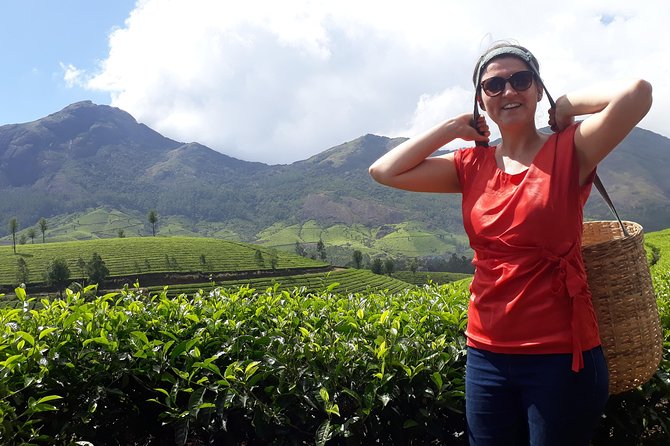
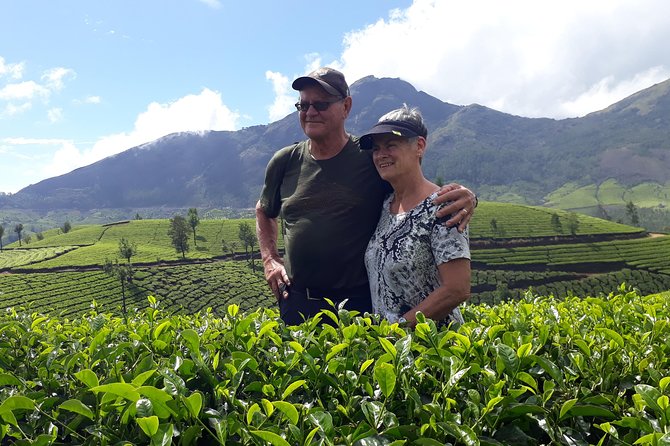
The setting is the Western Ghats, with the plantation areas described as generally around 5,000 feet above sea level. That height helps explain Munnar’s cooler mountain feel and the broad views over tea-covered slopes.
The route is described as a tea trail rather than a vehicle-based sightseeing loop. You should expect walking on plantation paths and slopes, with the exact route depending on the day’s arrangement. Some descriptions include less-used paths and time in a tea pickers’ village, which gives the outing a more local focus than stopping at a roadside lookout.
I would wear sturdy shoes and bring water, even though the listed duration is only about three hours. Slopes can make a short walk feel more demanding than the clock suggests. If you have any concern about the amount of walking, ask for a clear route description before starting.
The scenery is likely to be the easy part to enjoy. The more valuable question is how much of the outing is active walking versus explanation. Arun’s style appears to include plenty of conversation, so you should not expect a silent nature hike. That is a plus if you want context, but less so if your only goal is to take photographs quickly.
Meeting tea pickers and seeing plantation life
One of the strongest features of this experience is the opportunity to spend time in a tea pickers’ village. The supplied details do not promise a formal cultural program, so you should not treat this as a staged village show. Instead, think of it as a chance to see the human side of tea production while walking through the plantation area.
That distinction matters. Tea gardens can look almost too orderly from a distance. Meeting the people connected with the work helps you see the plantation as a workplace and community, not just a scenic backdrop. Arun can provide the local explanation, and his English is described as strong and patient. That is helpful if you want to ask questions about daily work or the tea industry.
The experience may also include local flora and fauna along the route. The available details describe Arun and his brother sharing information about plants and animals in the Munnar area. I would treat this as an added benefit rather than a specialist wildlife tour. No particular species are promised, and there is no claim of guaranteed animal sightings.
You should also keep your expectations respectful and practical. A village visit is not a performance, and you may find that the most rewarding moments are small ones: seeing how the plantation sits beside homes, learning how leaves are gathered, or noticing how mountain life fits around the tea estates.
From fresh leaf to finished tea
The factory portion gives the tour its clearest educational payoff. The experience may include seeing leaves dried and processed, with explanations of how the raw material becomes a finished product. Some routes have included access to the full production process, from meeting pickers to seeing factory work and tasting tea.
Tea is made from Camellia sinensis, a plant with origins in the area between India and China. That simple fact provides useful context, but the real lesson comes from following the leaf through each stage. You can ask how different types are made, what changes during processing, and why the final cup tastes different depending on the method.
Arun has also been praised for explaining different kinds of tea and their commonly discussed health benefits. I would listen with a sensible filter here. A guide can explain traditional uses and general claims, but this outing is not a medical consultation. The strongest value is learning how tea is classified and produced.
A factory visit also balances the outdoor portion. The plantation gives you the growing environment, while the factory shows the work that follows. If the weather turns wet, this indoor element may become especially welcome, though the available details do not promise a particular factory opening or exact schedule. Confirm the factory access when booking if that part is essential to you.
More farm tours around the world:
- Half-Day Thai Cooking Class at Organic Farm in Chiang Mai
★ 5.0 · 19,087 reviews - Florence Pizza or Pasta Class with Gelato Making at a Tuscan Farm
★ 5.0 · 6,801 reviews - From Porto: 2 Wine Regions, Farm-to-Table Lunch & Boat
★ 4.9 · 5,724 reviews - Cooking Class and Lunch at a Tuscan Farmhouse with Local Market Tour from Florence
★ 5.0 · 4,831 reviews
Tea tasting, coffee, and the final cup
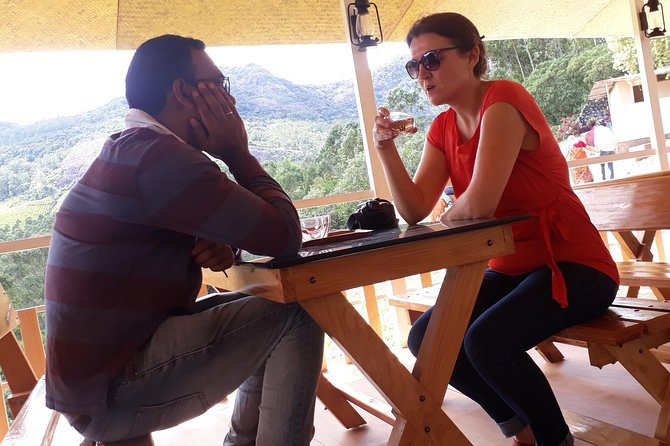
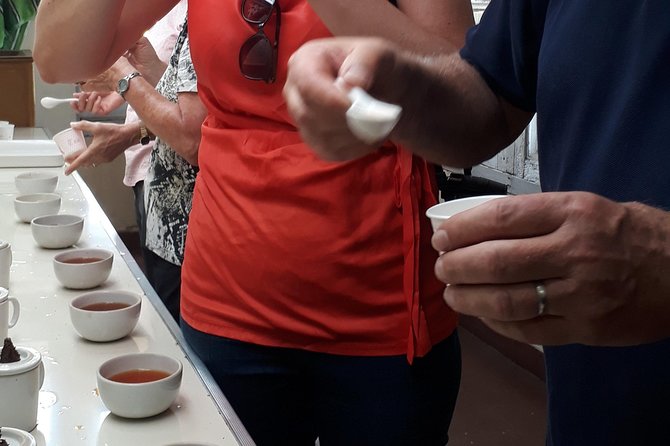
Coffee and tea are included, and tasting the drink after learning about its production is a nice way to finish the subject. You are not simply handed a cup at the start and sent on your way. The tasting has more meaning after you have seen the plants, the picking, and the processing.
The experience descriptions mention tea tasting after a factory visit. The exact number of teas and the format are not specified, so I would not expect a formal tasting course with printed notes. Still, it gives you a chance to compare what you have learned with what is in the cup.
Coffee is also listed as an included option. That is useful for anyone in a group who is not a tea drinker. The tour is centered on tea, but nobody needs to pretend to love it to enjoy the mountain walk and factory visit.
If you want to buy tea afterward, ask Arun for practical advice. The supplied details do not promise a shop stop or a packaged-tea purchase, so treat shopping as optional rather than part of the scheduled program.
A private tour for $24: where the value lies
At $24 per person, this is a modestly priced private experience in Munnar. The value comes less from transport and more from access, explanation, and flexibility. Since private transportation is not included, you need to reach the starting point yourself and return there at the end.
The meeting point is Munnar KSRTC Bus Stand on MSA Road in Moolakadai. It is near public transportation, which keeps the arrangement simple if you are already in Munnar. The tour ends back at the same location, so you do not need to plan a separate pickup point.
For a private group, the price compares well with a basic plantation visit because you are paying for direct guiding rather than just admission to a viewpoint. You can ask questions about tea, Munnar, plants, local communities, and production methods without competing with a large crowd.
The price is less compelling if you want a full-day hike, a long vehicle tour, or guaranteed factory access. The official duration is approximately three hours, while one description refers to a five-hour tea walk. That difference is too important to ignore. Before booking, ask whether your chosen route is the three-hour format or a longer walking option, and whether the factory is included on that date.
How difficult is the walk?
The activity takes place on plantation slopes in a mountain region. Most people can participate according to the supplied information, but that does not mean the walk is flat or effortless.
I would plan for uneven ground and some uphill or downhill walking. The exact surface is not specified, so you should ask Arun directly if you need a route suited to a particular mobility concern. This is not advertised as an accessible sightseeing vehicle tour.
The private format helps because your group can discuss pace and questions. That said, do not assume the guide can remove all slopes from a plantation route. Wear shoes with a good grip, carry water, and bring sun or rain protection suitable for Munnar’s mountain weather.
The route may also be longer than the advertised three hours if you agree to an extended tea trek. That can be excellent for strong walkers, but it is not something to discover halfway through the morning.
Who will enjoy this Munnar experience most?
I would recommend this outing to you if you like learning how everyday products are made, prefer small private tours, and want more than a quick plantation photograph. It also suits visitors who enjoy talking with a local guide and asking plenty of questions.
It is a particularly good fit for:
- Couples who want a private morning activity
- Families interested in farming and food production
- Tea drinkers curious about varieties and processing
- Hikers who want plantation paths and mountain scenery
- First-time visitors who want an introduction to Munnar’s tea industry
You may want a different plan if you dislike walking, need guaranteed private transport, or want a tightly scheduled factory tour with exact admission details. The activity is also not the right choice if you only have time for a fast viewpoint stop.
Arun’s role is central. His explanations cover Munnar’s connection with tea, production methods, types of tea, and local nature. Several descriptions also note his patience, which matters if English is not your first language or if you prefer a slower explanation.
Timing, transport, and booking details
The start time is 9:00 a.m., and the meeting point is Munnar KSRTC Bus Stand. The activity returns to that same point, making it easy to combine with other plans in Munnar.
Private transportation is not included. You are responsible for reaching the bus stand, so allow extra time to find MSA Road and Moolakadai if you are unfamiliar with the town. Since the tour is private, only your own group participates.
Confirmation normally arrives at booking. If you book within 12 hours of departure, confirmation may come as soon as possible and remains subject to availability. That is worth noting if you are arranging the activity at the last minute.
Cancellation is free up to 24 hours before the 9:00 a.m. start for a full refund. A cancellation or change made less than 24 hours ahead is not accepted for a refund. The activity also requires a minimum number of participants, and if the provider cancels for that reason, you should be offered another date or experience, or a full refund.
Should you book the Tea Farm Tourism experience?
I would book it if you want a personal introduction to Munnar’s tea country, especially if the idea of meeting plantation workers, walking among the slopes, and seeing tea processing appeals to you. The private setting and guide Arun’s patient explanations add real value at $24.
Before paying, confirm two points: the exact walking duration and whether a tea factory visit is included on your date. The advertised experience lasts about three hours, but longer walks have also been arranged, and the supplied details do not guarantee the same route every time.
Book this experience for conversation, scenery, and practical tea knowledge. Skip it if you need transport included, cannot manage plantation paths, or want a fully fixed itinerary with no uncertainty about access.
FAQ
Where does the Tea Farm Tourism experience start?
It starts at Munnar KSRTC Bus Stand, MSA Road, Moolakadai, Munnar, Kerala 685612, India.
What time does the activity start?
The scheduled start time is 9:00 a.m.
Where does the experience end?
The activity ends back at the same meeting point, Munnar KSRTC Bus Stand.
How long does the tour last?
The advertised duration is approximately three hours.
Is private transportation included?
No. Private transportation is not included, so you must make your own way to the meeting point.
Is this a private activity?
Yes. Only your own group participates in the activity.
Is tea or coffee included?
Yes. Coffee and/or tea is included.
Can most people participate?
The supplied information says most people can participate. Since the route includes tea plantations and mountain slopes, ask about the walking conditions if you have mobility concerns.
What is the cancellation policy?
You can cancel up to 24 hours before the experience start time for a full refund. Cancellations or changes made less than 24 hours before the start are not accepted for a refund.
Newly listed farm visits around the world
- Half-Day Farm Visit and Cow Milking Experience★ 5.0 · 16 reviews
- Boutique tour , Mt Maunganui, NZ farm, Rotorua lakes/geothermal★ 4.5 · 50 reviews
- Gourmet Mushroom Farm Tour in Tennessee★ 5.0 · 5 reviews
- Cozy Farm Experience with Wagon Wheels and Acoustic Meal★ 5.0 · 2 reviews
- Animal farm park with free hotel pickup★ 5.0 · 2 reviews
- Alpaca Farm Tours with Toffeemont★ 5.0 · 8 reviews
- Private, via beaches, Kiwi farm to Rotorua 8 lakes & Geothermal★ 5.0 · 20 reviews
- One Day Tour of Yilan, Zhang Mei Ama Farm★ 5.0 · 2 reviews
Tea Plantation Tours, compared.

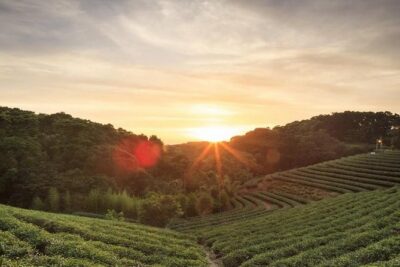
Private Day Trip to Kiambethu Tea Farm in Limuru from Nairobi
Read our review →
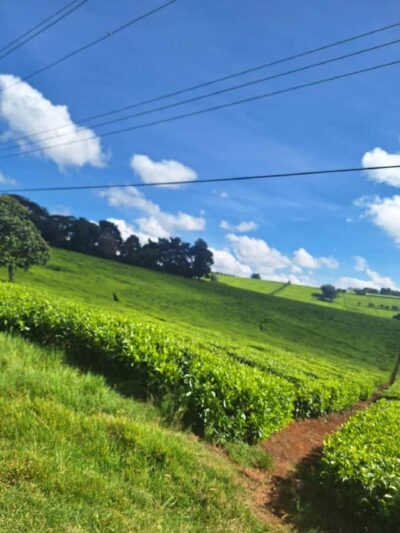
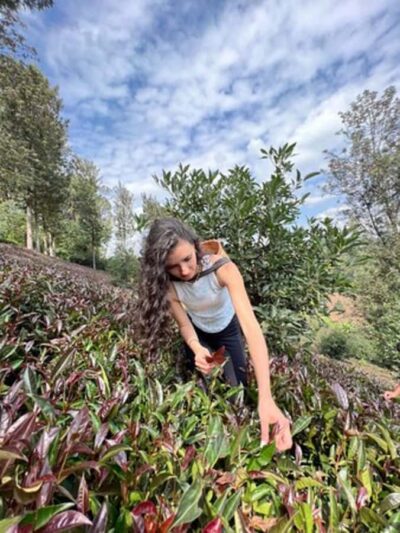
Purple Tea Farm Tour from Nairobi City – Specialty Tea Tasting
Read our review →
Tea Farm Experience at Riara Tea Farm And Factory Tour
Read our review →Browse the lists this tour appears in