
Review · MYKONOS
Mykonian Farm and Bakery Class with Brunch in Greece
The best part of this Mykonos experience is the shift from sightseeing to doing. You knead dough by hand with Mike, shape bread and pizza for a wood oven, then eat what you helped make. I like the warm, funny teaching style and the chance to see a quieter side of the island at a small working farm. The meal, with Greek dishes and local wine, is another strong point.
The main drawback is the farm portion. It can feel short and more like a guided walk than a hands-on farming session, and the pace slows while the dough rises. Group size matters too: a small group feels personal, while a larger one may leave you standing around.
Key points at a glance
- Traditional wood-oven baking: Knead, shape, and bake bread with Mike, often alongside pizza, calzones, rolls, or sweet dough.
- A real farm break from Mykonos Town: Visit a small agricultural property with grapevines, gardens, and animals.
- Animal time for families: You may meet donkeys, goats, sheep, cows, chickens, dogs, and cats during the farm walk.
- A generous brunch: Eat the bread you make with Greek salad, dips, pastries, moussaka, wine, coffee, and other dishes when available.
- Hotel and port pickup: Transfers cover most Mykonos hotels and the old and new ports, with an extra cash fee for several remote areas.
- Best with realistic expectations: This is a relaxed food-and-farm morning, not an intensive cooking school or full agricultural workday.
A hands-on morning at Mykonian Farm
This outing gives you a different view of Mykonos. Instead of spending the entire morning among whitewashed lanes, beach clubs, or cruise-port crowds, you head to a small farm and work with bread dough at a wooden oven.
The activity lasts about three and a half hours and begins around 9:00am. Pickup is offered from hotels, the old port, and the new port, so it can fit neatly into a cruise stop or a day based in Mykonos. The farm is described in the information provided as a small, developing operation, closer to a hobby farm than a large commercial estate.
That distinction matters. You are not signing up for a polished cooking studio with individual workstations and a formal lecture. You are visiting a rustic place where the people, food, animals, and setting carry much of the experience.
More farm tours around Greece:
- Mykonos: Farm, Ano Mera Village, and Beaches Guided Tour
★ 4.4 · 1,283 reviews - Crete: Road-trip to Lasithi, Zeus Cave & Olive Mill Farm
★ 4.4 · 451 reviews - Heraklion: Olive Farm Tour with Tasting of Local Delicacies
★ 4.9 · 411 reviews
Kneading dough with Mike
The baking lesson starts with the dough. The kneading stage takes about an hour, followed by roughly 45 minutes of resting time. You work by hand and learn the basic method rather than simply watching a baker perform it for you.
Mike is the baker and the personality at the center of the class. His English is limited, but he uses demonstrations, gestures, humor, and a lot of energy to guide the group. Communication may require patience, yet the practical nature of bread-making helps. You can see the texture he wants, copy the movement, and follow the next step.
The class can include more than one type of dough. The experience has featured traditional bread, enriched or sweet bread, pizza, calzones, dinner rolls, and dessert pastries. The exact mix may vary, so do not assume every item will appear on every morning. Still, the format gives you more than a single loaf to take pride in.
I especially like the way this makes the lesson social. You are not just measuring ingredients in silence. You are standing around a shared work surface, laughing at flour-covered hands, and watching a local baker turn simple dough into several foods.
A practical point: if you want a technical baking course with detailed written recipes, this may feel informal. If you want a friendly introduction to a traditional method, the relaxed teaching style is part of the charm.
The quiet time while the bread rises
Once the dough is mixed and kneaded, it needs time to rest. This is where the morning changes pace.
The schedule uses this wait for a farm tour, but the transition is not always tightly packed. Some people have found the waiting period too long, especially when the group is large. Others enjoy the chance to sit with coffee, talk with the hosts, and take in the peaceful setting.
I would plan for a relaxed morning, not constant activity. Bring your curiosity, and be ready for some standing or sitting while the baking process moves along. The farm is not designed like a major attraction with a long list of exhibits. Its appeal is the simple rhythm of dough, animals, conversation, and food.
In smaller groups, you should get more time to participate and ask questions. The advertised maximum is 50 people, though the experience can also operate with only a few participants. That difference could shape your day more than almost anything else.
Touring the farm with Mark
While the dough rests, you walk around the property and learn about its farming methods. Mark has led this part of the experience, explaining the farm and its current work.
The tour may include grapevines, gardens, and organic farming practices, along with a look at the animals. Depending on the season and the farm’s current stock, you might see donkeys, goats, sheep, cows, chickens, dogs, and cats. Feeding the goats and donkey has been a highlight for families and animal lovers.
This is a nice counterpoint to the baking lesson. You see where some of the food culture begins, in soil, animals, crops, and household production. The farm also plans seasonal activities such as grape stomping in the autumn, according to the experience details shared by the hosts.
Keep your expectations in check. The farm walk is not a long hike or a full lesson in Greek agriculture. It can be brief, and the presentation may feel more like a talk than active farm work. If you want a detailed story of Mykonian food, island history, or local wine, you may find the explanation limited.
Still, the visit gives the bakery class a stronger sense of place. You are not baking in an anonymous kitchen. You are making food at a traditional farm, surrounded by animals and open views.
Same countryside, another kind of harvest:
- Lassithi, Zeus Cave, Olive Mill Farm & Knossos Combo Tour
★ 4.6 · 404 reviews - Naxos Perivoli Farm Experience & Wood-fire Cooking Class
★ 5.0 · 339 reviews - Cretan Cooking Class and Olive Oil Tasting
★ 5.0 · 178 reviews - Melanes: Naxos Perivoli Farm & Cooking Class with Wood Fire
★ 5.0 · 177 reviews
Shaping and baking in the wood oven
After the dough has rested, you return to the baking area and shape it into its final forms. This is the most satisfying part for many people because the dough now becomes recognizable food.
The wood oven adds a clear sense of tradition. It is not just a modern electric oven hidden behind a counter. You see the baking process in a more old-fashioned setting, and the smell of bread, pastry, and pizza becomes part of the lesson.
Depending on the session, you may shape several items. Past menus and cooking sessions have included loaves, rolls, cheese or tomato pizza, meat calzones, apple pies, and sweet breads. The class is generous in spirit, and portions can be large enough that you may want takeaway containers.
The hands-on format suits couples, families, and groups of friends. Children who enjoy cooking can take part, though the group setting means adults should help with hot surfaces and busy work areas. Young adults who like food, animals, or simple rural experiences should also find plenty to do.
Brunch with bread, Greek dishes, and wine
The meal is not an afterthought. Once the baking is complete, you taste the bread and sit down for brunch made with Mykonian products.
Fresh bread is the central item, but the meal can include Greek salad, tzatziki, spanakopita, moussaka, pastries, pizza, calzones, coffee, water, and Greek wine. The exact spread may depend on the day and what the group has prepared. The supplied menu lists freshly baked bread and a Mykonian brunch, while the fuller food experience described by participants includes several additional Greek dishes.
The setting is part of the pleasure. Some groups have eaten in a covered private courtyard, away from the larger tour-bus groups that may also visit the farm. You share what you made, add other local dishes, and have time to talk with the hosts and fellow participants.
The wine appears to be served generously, with some sessions offering carafes. Drink sensibly, especially if you plan to explore Mykonos Town afterward or need to catch a ship departure. Coffee, including Greek coffee, may also be served during the slower part of the morning.
The meal makes the price easier to assess. At $107.84 per person, this is not a cheap breakfast or a basic farm admission. You are paying for transport, instruction, food, time at the farm, and a hosted cultural activity. For a cruise visitor who wants a full shore excursion with pickup and lunch, the value is reasonable. For someone staying near Mykonos Town who only wants to taste Greek bread, it may feel expensive.
Why the transportation is useful
Pickup covers hotels throughout much of Mykonos, as well as the old and new ports. This is especially useful for cruise passengers, since arranging an independent taxi to a rural property can take time and may create stress before an all-aboard deadline.
You must send your preferred pickup point by 3:00pm on the day before the activity. Give the operator the hotel name, cruise-ship name, or a clear map location if you are staying in an apartment, house, or villa.
Remote areas have an extra transfer charge of 10 euros per person for a round trip, paid in cash to the driver. The areas listed include Elia, Kalafatis, Agrari, Panormos, Super Paradise, Paradise, and Kanalia. Remote villas and unnamed accommodations may also require a surcharge or a different meeting point.
Be punctual. The driver waits up to 15 minutes for late participants, and delays can affect the whole schedule. If you are on a cruise, confirm your return timing before booking. The activity itself lasts about three and a half hours, but pickup and drop-off time can add more.
Group size can change the experience
The advertised maximum is 50 people, though the class may run with a much smaller group. That range is worth considering before you pay.
With four, six, or eight people, the class can feel almost like a private family gathering. You have a better chance to handle the dough, ask Mike questions, feed the animals, and settle into a quiet meal. With 15 or more participants, everyone may not get the same access to the work surface, and the farm walk can feel less personal.
This is also why accounts of the experience can differ. One person may find the unhurried schedule restful, while another may feel there is too much sitting around after the bread is made. If you prefer a tightly timed tour with constant commentary, this is not the safest choice.
Who should book this experience?
I would recommend it to anyone who wants a food activity with a local, informal feel. It works particularly well for:
- Couples looking for a slower morning away from Mykonos Town
- Families with children who like animals and cooking
- Cruise passengers wanting a prearranged port excursion
- Visitors who enjoy eating food they helped prepare
- Friends who want a social activity with wine and a substantial meal
- Repeat visitors looking for something beyond beaches and nightlife
I would be more cautious if you want a formal culinary school, a long farm tour, or a detailed account of Greek food history. The farm is still developing, and some of the experience has a rough, homemade quality. That is appealing to many people, but it will not suit every taste.
The activity is offered in English, but the baker’s limited English means some instructions are shown rather than explained at length. That works well for practical steps. It is less ideal if you want long conversations about recipes or technique.
Booking, cancellation, and practical notes
Confirmation is provided at booking, and free cancellation is available up to 24 hours before the start time. Cancel later than that and you will not receive a refund. Changes made within 24 hours are not accepted.
The activity is scheduled to begin at 9:00am, with arrival at the farm just after that time. Wear clothes and shoes that can handle flour, outdoor paths, and contact with animals. The supplied information does not list special equipment, and the class is built around hands-on participation.
The experience does not list a separate accessibility policy, so contact the provider if you have mobility or other access needs. The farm setting, walking portion, and shared baking area may affect how comfortable the activity is for you.
Should you book the Mykonian Farm Bakery Class?
Book it if you want to make bread, meet farm animals, eat a large Greek brunch, and spend a morning with friendly local hosts. Mike’s humor and hands-on style are the main draw, while the farm and meal give the activity a stronger local feel than a standard restaurant visit.
Skip it if you need a tightly packed schedule or a serious baking curriculum. The dough must rise, the farm tour can be brief, and a large group may leave you waiting.
For most visitors, I see this as a good-value choice when the goal is connection rather than efficiency. You leave with a full stomach, new baking memories, and a better sense of Mykonos beyond its famous streets.
FAQ
What time does the Mykonian Farm and Bakery Class begin?
The activity starts at 9:00am, and you are asked to arrive at the farm just after that time.
Is hotel pickup included?
Transfers are included from hotels and most areas of Mykonos, as well as the old port and new port. Remote areas and some remote villas, apartments, or houses may require an extra 10 euro per person round-trip fee, paid in cash to the driver.
How long does the experience last?
The activity lasts approximately three hours and 30 minutes, not including any extra time related to pickup and drop-off.
What food is included?
The experience includes the bakery class and brunch at Mykonian Farm. You eat the freshly baked bread and a Mykonian brunch. The food may also include dishes such as Greek salad, tzatziki, spanakopita, moussaka, pizza, pastries, coffee, and wine.
Is the class offered in English?
Yes. The activity is offered in English. The baker, Mike, may use demonstrations and gestures along with spoken English during the lesson.
Can I cancel for a refund?
Yes. You can cancel at least 24 hours before the local start time for a full refund. Cancellations or changes made less than 24 hours before the activity are not accepted for a refund.
Newly listed farm visits around Greece
- Insightful Pistachio Orchard and Factory Tour★ 4.5 · 27 reviews
- Private Olive Oil tasting & Liqueur experience★ 5.0 · 17 reviews
- Santorini 5 Hour Private Oia Tour & Lunch/Dinner at a Local Farm★ 5.0 · 40 reviews
- Flavors of Santorini: Farm-to-Table Meal Wine & Authentic Village★ 5.0 · 12 reviews
- Cooking Class Sunset Dinner and Tour in Paros Farm★ 5.0 · 5 reviews
- Katakolon 7hour tour : Olympia-Honey Farm-Winery-Beach★ 5.0 · 53 reviews
- Olympia Shore Ex: Olympic site, Honey Farm & Olive Oil Tasting★ 4.5 · 57 reviews
- Naxos Farm Experience and cheese making★ 5.0 · 5 reviews
Greece Farm Tours, compared.
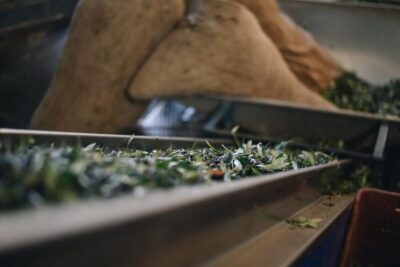
Olive Farm Tour with Tasting of Local Delicacies
Read our review →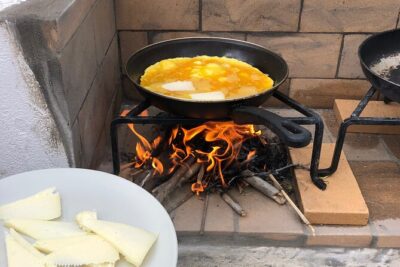
Naxos Perivoli Farm Experience & Wood-fire Cooking Class
Read our review →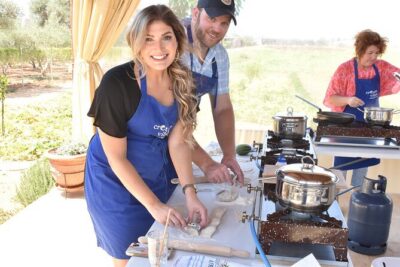
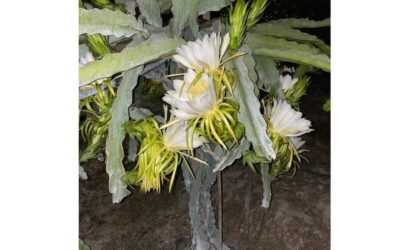
Traditional Olive Grove and Dragon Fruit Farm Tour
Read our review →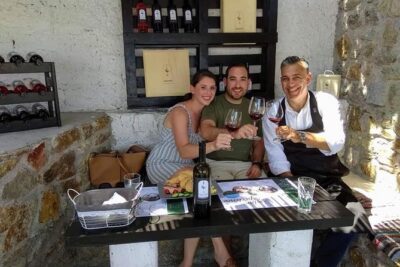
Wine Tasting Tour at a traditional farm in Mykonos
Read our review →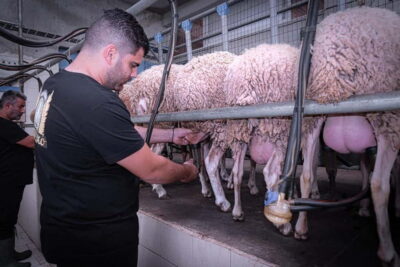
Farm Visit with Cheese Tasting and Milking Experience
Read our review →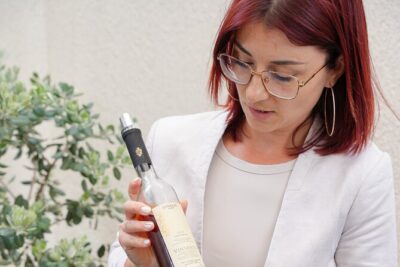
Santorini Family Farm Food & Wine Tour with Cooking Class
Read our review →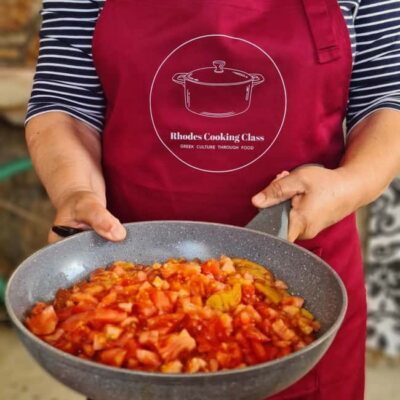
Rhodes: 1952 Farmhouse Cooking & Lunch with Unlimited Wine
Read our review →Browse the lists this tour appears in