
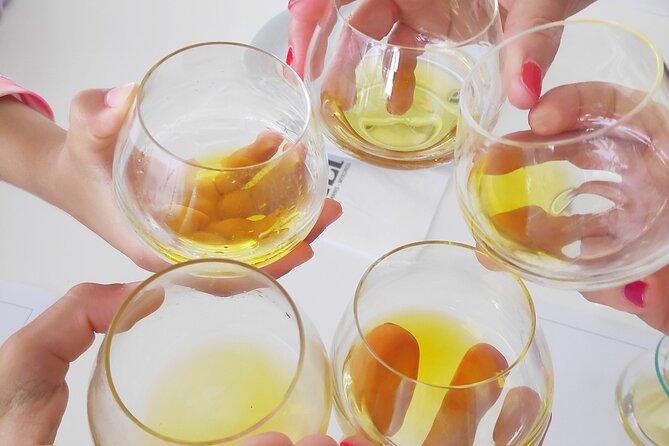
Review · MYKONOS
Olive Oil Tasting at the Mykonian Farm
The most useful part of this Mykonos experience is the side-by-side tasting. You do not simply sample good olive oil and nod politely. You taste two award-winning Greek extra virgin olive oils beside two oils with negative qualities, learning how to spot the difference with your own nose and palate.
I like the practical lesson in tasting language, especially the way terms such as fruity, bitter, and spicy become real sensations rather than food-label decoration. I also like the small group limit of 15 and the two-hour length, which gives the expert taster time to explain the process without turning it into a rushed stop.
The main caution is price. At $104.28 per person, this is a specialized food lesson, not a full farm-day outing. The stated program does not include a meal, wine, or animal feeding, so check your expectations before booking.
Key points to know before booking
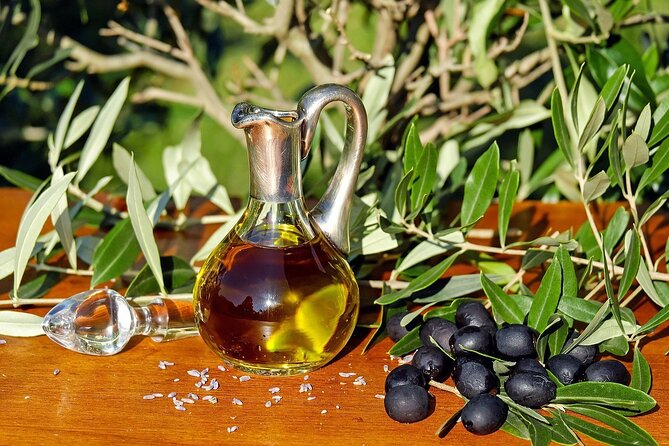
- Four oils, chosen for comparison: You taste two award-winning Greek EVOOs and two oils with negative attributes.
- A proper sensory lesson: The expert taster explains how to smell, taste, and describe olive oil.
- Greek food culture is central: The session connects olive oil with ancient Greek life, the Mediterranean Diet, and everyday health.
- A compact two-hour activity: The 5:00 pm start fits well after a day of sightseeing.
- Small group setting: The maximum group size is 15 people, with pickup offered.
- Strict booking terms: The experience is non-refundable and cannot be changed after booking.
Four oils that teach you more than one perfect sample
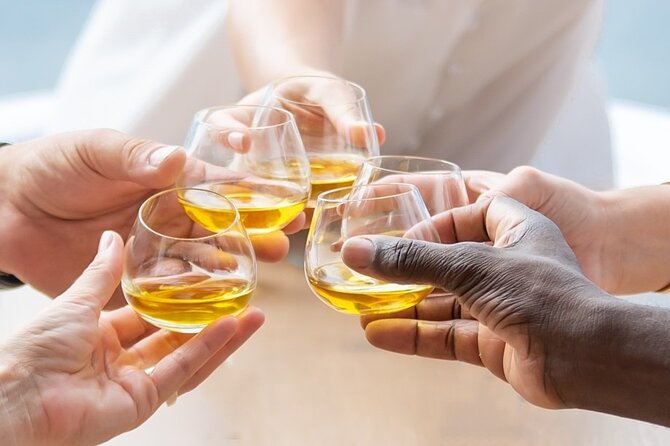
Many olive oil tastings make the mistake of serving only excellent oil. That is pleasant, but not very educational. At Mykonian Farm, the lesson uses contrast: two high-quality Greek extra virgin olive oils are tasted alongside two oils with faults.
That choice matters. If you only taste a good oil, you may like it without knowing why. When a sound oil sits next to one with unpleasant or defective qualities, your senses have a clearer job. You can compare the aroma, mouthfeel, finish, and overall freshness while the explanation is still fresh in your mind.
The two award-winning oils are the stars of the tasting. They give you a chance to notice the qualities associated with well-made EVOO. The other two oils serve a different purpose. They help you recognize what a defective oil tastes or smells like, which is useful when you buy olive oil later.
I find this format more valuable than a simple sampling flight. You are not being asked to guess which bottle costs more. You are being shown how production quality affects what reaches your table.
The tasting also gives you a better reason to use the term extra virgin carefully. It is not just a fancy label for olive oil. The session explains the important qualities that define extra virgin olive oil and how sensory analysis helps identify them.
More farm tours around Greece:
- Mykonos: Farm, Ano Mera Village, and Beaches Guided Tour
★ 4.4 · 1,283 reviews - Crete: Road-trip to Lasithi, Zeus Cave & Olive Mill Farm
★ 4.4 · 451 reviews - Heraklion: Olive Farm Tour with Tasting of Local Delicacies
★ 4.9 · 411 reviews
Learning to smell before you taste
Your first useful lesson is likely to be patience. Olive oil is not judged only by pouring it onto bread and swallowing it. The tasting teaches basic sensory analysis, beginning with how to smell the oil and identify its aromas.
This is where the expert olive oil taster adds real value. You learn how to pay attention before food, salt, or other flavors interfere. The goal is not to turn you into a professional taster in two hours. It is to give you a working vocabulary and a few habits you can use at home.
The words fruity, bitter, and spicy are especially important. In ordinary conversation, bitter and spicy may sound like faults. In a good extra virgin olive oil, they can be useful signs of character. The activity explains how these qualities fit into the tasting process, rather than treating all strong flavors as problems.
You also learn to separate a bold oil from a bad one. That distinction is easy to miss when you are used to mild supermarket oil. A peppery finish, for example, may feel surprising at first, but the lesson helps you consider it as part of the oil’s profile instead of dismissing it immediately.
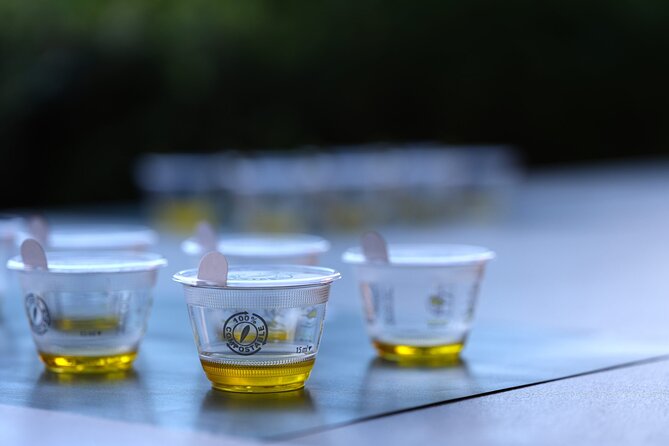
The tasting glasses are biodegradable. That is a small detail, but it suits an activity built around an agricultural product and a traditional food culture. You will not need to bring special equipment, and the tasting materials are provided.
Greek olive oil beyond the bottle
Olive oil has been a key Greek cooking ingredient since ancient times, and the activity uses that background to explain why the product matters. The short history of the Greek olive tree and olive oil gives the tasting a cultural setting without turning the session into a long academic lecture.
That context helps you understand why EVOO is more than a condiment in Greece. It is connected to cooking, farming, family food habits, and the Mediterranean Diet. The activity also covers the basic health benefits associated with olive oil, including its antioxidants, fatty acids, and vitamins.
You should keep the health discussion in perspective. This is an educational tasting, not a medical consultation. Still, it is useful to learn why extra virgin olive oil has such a strong place in Mediterranean cooking and why people treat it as an important everyday fat rather than an occasional luxury.
The connection to the Mediterranean Diet is one of the stronger cultural parts of the session. You are not simply told that olive oil is healthy. You are shown how one ingredient fits into a broader eating pattern. That makes the lesson more useful when you return home and begin choosing oils for salads, vegetables, bread, or cooking.
I also appreciate that the subject is treated as both food and agriculture. The olive tree is not just a scenic symbol on a souvenir label. The session explains the product that comes from it, how quality is assessed, and why the final oil can vary so much.
What the two-hour program is likely to feel like
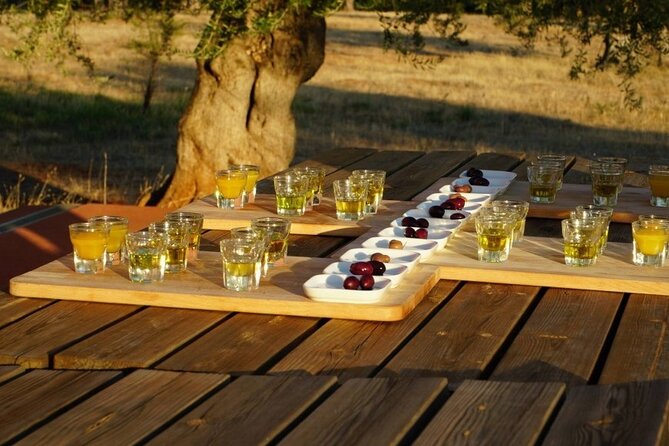
The activity begins at 5:00 pm and lasts about two hours. The timing works well for a day on Mykonos because it leaves the morning and early afternoon open for other plans.
The program takes place in a specially designed area of the Mykonian Farm. The supplied details do not describe a long farm walk or a tour of the full property, so I would plan on a focused tasting session rather than a broad agricultural excursion.
The opening portion covers the history of Greek olive trees and olive oil. This gives you a basic foundation before the sensory work begins. Expect an introduction to the role of olive oil in Greek life and to the idea of extra virgin quality.
Next comes the tasting method. You learn the basic principles of smelling and tasting, along with the elements that help characterize an EVOO. The expert taster guides the session, so you are not left trying to interpret the oils on your own.
The four samples then become the main event. Two are award-winning Greek EVOOs. Two have negative attributes. The point is not simply to identify a favorite. It is to understand how a sound oil differs from one with defects and to build confidence in your own senses.
The final part covers health benefits and the Mediterranean Diet. Since the activity runs for about two hours, the pace should allow time for explanations and questions, though the exact order may vary.
A farm experience can sometimes include extra food, wine, or animal activities. Those elements are not part of the stated program here. One account associated with a farm visit described animal feeding, food, wine, and a disappointing dinner, while another praised the food and wine. That mixed picture is a good reason to judge this booking by the olive oil lesson itself, not by hopes of a full evening meal.
Same countryside, another kind of harvest:
- Lassithi, Zeus Cave, Olive Mill Farm & Knossos Combo Tour
★ 4.6 · 404 reviews - Naxos Perivoli Farm Experience & Wood-fire Cooking Class
★ 5.0 · 339 reviews - Cretan Cooking Class and Olive Oil Tasting
★ 5.0 · 178 reviews - Melanes: Naxos Perivoli Farm & Cooking Class with Wood Fire
★ 5.0 · 177 reviews
Why the small group limit matters
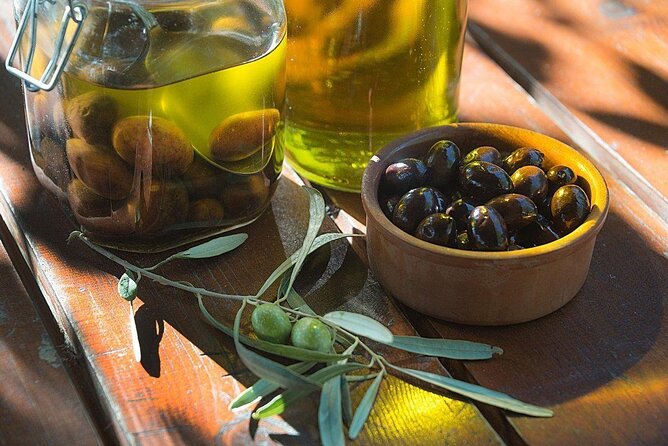
The maximum group size is 15 people. That is not a private tasting, but it is small enough to keep the activity personal compared with a large coach tour.
Small groups are useful for sensory lessons because the guide can explain what you are noticing and respond when an aroma or flavor is hard to identify. You may also feel more comfortable saying that an oil tastes strange or that you cannot find the fruitiness everyone else is discussing.
The quality of the host matters here. The available feedback includes strong praise for the farm owner as friendly, capable, and a good host. The activity itself is led by an expert olive oil taster, so the experience depends heavily on clear teaching and an approachable manner.
There is no guide name provided, so I cannot tell you who will personally lead your session. I can tell you that the role is specifically described as an expert taster, not simply a farm employee pouring samples.
Pickup is offered, which may simplify the evening, but the available details do not specify pickup zones, vehicle type, or whether an extra charge applies. Confirm those points when booking if transportation affects your plans.
Is $104.28 a fair price?
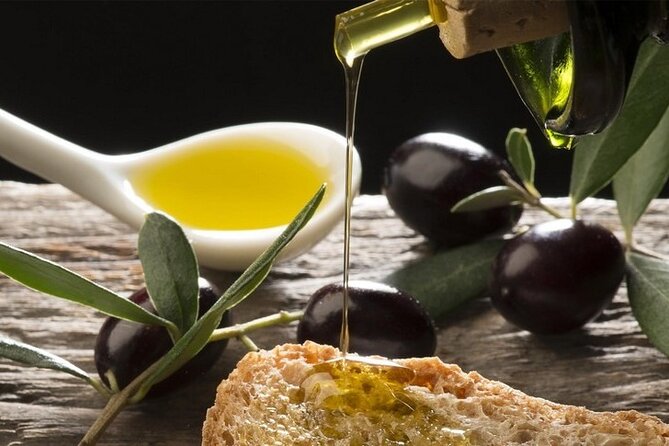
At $104.28 per person, this is expensive for a two-hour activity. The price can make sense if you want a focused, expert-led lesson and plan to use what you learn when buying and tasting olive oil at home.
The value comes from the teaching, not from the quantity of food. You receive a structured explanation, four comparative samples, biodegradable tasting glasses, and guidance from an expert. Two of the oils are award-winning Greek EVOOs, which adds interest, but the real benefit is learning why they are good.
If you are mainly looking for a generous Greek meal, the price is harder to justify. Dinner is not listed among the included items. The same applies if you expect wine, animal encounters, or a long farm tour.
I would compare this cost with other food activities by asking one question: do you want to learn a skill, or do you want an evening of eating? This experience is clearly stronger on the first point.
The small group cap helps support the price, as does the specialist instruction. Still, the activity is best for someone who values explanation and tasting technique. If you already know olive oil well, the four-oil comparison may feel less essential.
Who will get the most from this tasting?
I would recommend it to curious food lovers, home cooks, couples, and anyone interested in Greek food culture. It is also a good choice if you want an activity that is calmer and more focused than a full-day sightseeing tour.
You do not need professional tasting experience. The session starts with basic principles, and the vocabulary is explained as you go. Beginners may get the most out of the contrast between the two quality oils and the two oils with faults.
It also suits people who want to bring a practical lesson home. Afterward, you should have a better sense of how to smell an oil, notice bitterness or spice, and question whether a bottle labeled extra virgin actually tastes fresh and balanced.
I would be more cautious about booking it for young children. The activity is built around careful smelling, tasting, history, and food education. The supplied information says most people can participate, but it does not describe child-specific activities.
This is not the best match for someone who wants a large meal, a lively party, or a long list of farm activities. It is a sit-down learning experience with food at its center.
Timing, pickup, and booking rules
The 5:00 pm start gives you a useful late-afternoon option. You can spend the day elsewhere on Mykonos and then make your way to the farm for the tasting. The activity lasts about two hours, so it should finish around 7:00 pm, though the exact end time may vary slightly.
A mobile ticket is offered, which makes entry simple. Confirmation is received at the time of booking. Most people can take part, and the group maximum is 15.
The cancellation rule deserves close attention. This experience is non-refundable and cannot be changed for any reason. If your plans may shift, book only when you are confident about the date and time.
Because the activity is offered by Mykonian Farm, you should also check the pickup details before paying if you need transportation. Pickup is offered, but the available information does not state the exact meeting arrangements.
Should you book the Mykonian Farm olive oil tasting?
Book it if you want a focused lesson in Greek EVOO and like the idea of tasting good and defective oils side by side. The expert instruction, four-sample comparison, Greek food context, and small group limit make this more than a casual pour-and-snack stop.
Skip it if you are paying mainly for dinner, wine, animal feeding, or a broad farm tour. Those extras are not part of the stated program, and the $104.28 price is high for a two-hour tasting alone.
My practical advice is simple: treat this as an olive oil class with a farm setting. If that sounds appealing, it is a thoughtful and useful Mykonos activity. If you want a full evening of food and entertainment, choose something built around that instead.
FAQ
Where does the olive oil tasting take place?
The activity takes place at the Mykonian Farm in Mykonos, Greece, in a specially designed tasting area.
What time does the activity start?
The stated start time is 5:00 pm.
How long does the olive oil tasting last?
The activity lasts approximately two hours.
How many olive oils will I taste?
You will taste four oils: two award-winning Greek extra virgin olive oils and two oils with negative attributes.
What will I learn during the tasting?
You will learn a short history of Greek olive trees and olive oil, the basic principles of sensory analysis, how to describe oil with terms such as fruity, bitter, and spicy, how to identify negative qualities, and basic health information about olive oil and the Mediterranean Diet.
Is pickup available?
Yes. Pickup is offered, though the provided information does not specify the pickup areas or exact arrangements.
Can I cancel or change my booking?
No. The experience is non-refundable and cannot be changed for any reason.
Newly listed farm visits around Greece
- Insightful Pistachio Orchard and Factory Tour★ 4.5 · 27 reviews
- Private Olive Oil tasting & Liqueur experience★ 5.0 · 17 reviews
- Santorini 5 Hour Private Oia Tour & Lunch/Dinner at a Local Farm★ 5.0 · 40 reviews
- Flavors of Santorini: Farm-to-Table Meal Wine & Authentic Village★ 5.0 · 12 reviews
- Cooking Class Sunset Dinner and Tour in Paros Farm★ 5.0 · 5 reviews
- Katakolon 7hour tour : Olympia-Honey Farm-Winery-Beach★ 5.0 · 53 reviews
- Olympia Shore Ex: Olympic site, Honey Farm & Olive Oil Tasting★ 4.5 · 57 reviews
- Naxos Farm Experience and cheese making★ 5.0 · 5 reviews
Greece Farm Tours, compared.
Olive Farm Tour with Tasting of Local Delicacies
Read our review →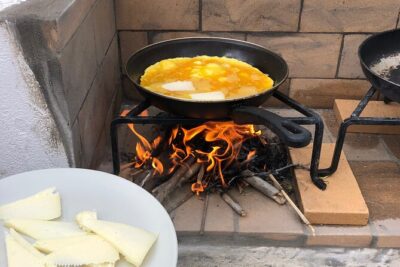
Naxos Perivoli Farm Experience & Wood-fire Cooking Class
Read our review →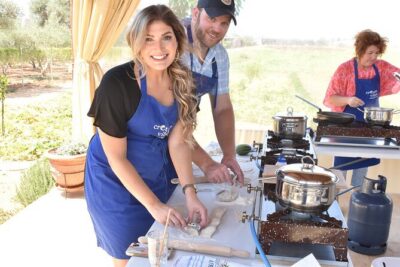
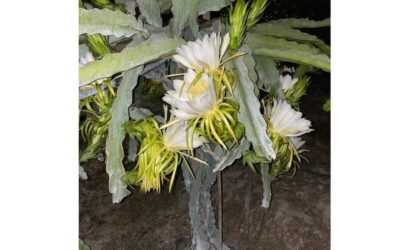
Traditional Olive Grove and Dragon Fruit Farm Tour
Read our review →
Wine Tasting Tour at a traditional farm in Mykonos
Read our review →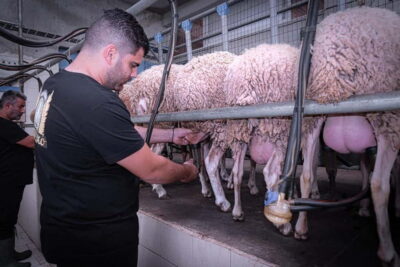
Farm Visit with Cheese Tasting and Milking Experience
Read our review →
Santorini Family Farm Food & Wine Tour with Cooking Class
Read our review →
Rhodes: 1952 Farmhouse Cooking & Lunch with Unlimited Wine
Read our review →Browse the lists this tour appears in