
Review · NAIROBI
Kiambethu Tea Farm Tour & Lunch From Nairobi
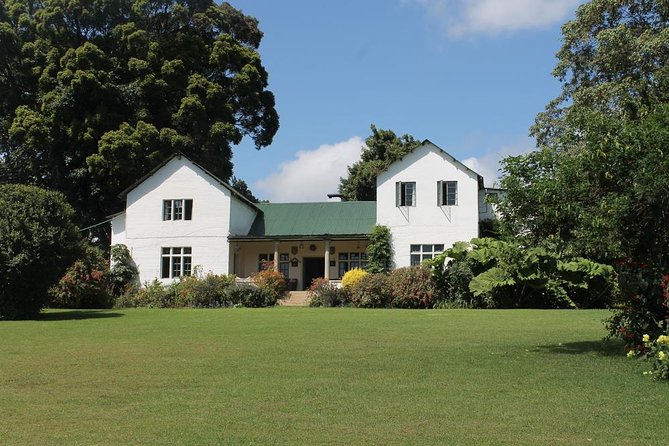
Kiambethu Tea Farm offers something many Nairobi day trips miss: a close look at Kenya’s settler past through one family’s home, working farm, and preserved forest. Marcus and Fiona welcome you with tea and homemade biscuits, then share the story of a farm founded in 1910 and the crop that helped shape Kenya’s economy.
I especially like the combination of the tea garden and indigenous forest walk, since you get more than a plantation visit. The relaxed three-course lunch, made with locally sourced ingredients, is another strong point. The main consideration is the price, $125 per person, which is fair only if you value the included transport, meal, guide, and half-day setting.
Key Points Before You Book
- A family farm since 1910: Learn about settler life and the growth of tea from the people connected with the estate.
- Tea, biscuits, and lunch included: Your visit begins with homemade biscuits and tea and ends with a three-course meal.
- Colobus monkeys in the gardens: Keep watch around the house and forest for the estate’s resident monkeys.
- A preserved indigenous forest: The walk shows what remains after much of the original forest was cleared for tea farming.
- Convenient Nairobi transport: Hotel or residence pickup and drop-off are included.
- A small-scale cultural outing: The focus is history, food, nature, and conversation rather than a large commercial attraction.
Why Kiambethu Feels Different From a Standard Farm Visit
Kiambethu is not simply a place to see rows of tea bushes. It is a family-owned estate with a personal connection to the story of tea in Kenya. The farm has been operated by the same family since 1910, giving the visit a human scale that can be missing from larger attractions.
You will hear about settler culture, the early development of the estate, and the way tea became one of Kenya’s major export crops. That context matters. A tea plant can look ordinary until you understand the labor, land use, trade, and colonial history tied to it.
I like that the experience brings these subjects into a real home and farm setting. You are not only looking at old photographs or listening to a formal lecture. You are walking through the gardens, seeing the tea fields, and hearing family stories connected to the property.
The estate also preserves a section of indigenous forest. Much of the original forest was cleared for tea farming, so this remaining patch adds an important layer to the visit. It lets you compare the cultivated farm with the natural habitat that came before it.
The experience receives a 4.9 out of 5 rating from seven posted ratings. That is a very small sample, so I would not treat the number as a guarantee. Still, the strongest praise is easy to understand: the setting is special, the visit feels personal, and the food and forest walk give the day more substance than a quick tea tasting.
More Tea Plantation Tours in Nairobi:
- Nairobi to Kiambethu Tea Farm Tour
★ 5.0 · 51 reviews - Private Day Trip to Kiambethu Tea Farm in Limuru from Nairobi
★ 5.0 · 31 reviews - Day Tour To Kiambethu Tea Farm in Limuru
★ 5.0 · 22 reviews
Leaving Nairobi at 9:30 in the Morning
The tour begins with pickup from your Nairobi hotel or accommodation at about 9:30 a.m. Having transport included makes a real difference. You do not need to arrange a separate driver, work out the route, or worry about getting back to the city after lunch.
The full experience is listed at about six hours, while the time at the farm is described as roughly four hours. In practical terms, you should expect a substantial half-day outing, with the remaining time covering the journey between Nairobi and Kiambethu.
That timing suits the program. You arrive at the estate around 11 a.m., when the day is already under way, and the visit has enough room for conversation, a forest walk, tea, and lunch. You will not be rushing from one short stop to another.
Pickup and drop-off are offered from a Nairobi hotel or residence. You should provide accurate accommodation details when booking, since the transport arrangement is part of what makes this outing worthwhile.
The tour is offered with professional English-speaking guides who have experience in African wildlife, culture, and guiding. The group can include as many as 100 people, according to the supplied tour information. That maximum is large, although the farm setting and personal welcome may feel more intimate than the number suggests. If you prefer a very small group, confirm the expected group size before paying.
Tea, Homemade Biscuits, and the Family Story
At the main house, Marcus and Fiona welcome you with tea and homemade biscuits. This first pause sets the tone. You have time to settle in before the more active parts of the visit begin.
The welcome is also practical. Tea is not treated as a product on a shelf. You start by drinking it in the setting where the crop is grown, while hearing how the farm developed and how tea production works.
The local history talk is one of the main reasons to choose Kiambethu. Kenya’s tea industry is now a major part of the country’s export economy, but the story began with land, agriculture, colonial settlement, and changing commercial interests. The farm gives you a way to understand those connections through one property.
The setting can make difficult history easier to discuss without making it less important. You will hear about settler culture, but the visit should not be mistaken for a complete account of Kenya’s past. It is one family farm’s perspective, not a full history of the country.
That limitation is worth keeping in mind. If you want a broad treatment of colonial rule, Kenyan independence, or the experience of local communities, you will need other museums and tours in Nairobi as well. Kiambethu is best understood as a focused, personal introduction to one part of that story.
Walking the Tea Gardens
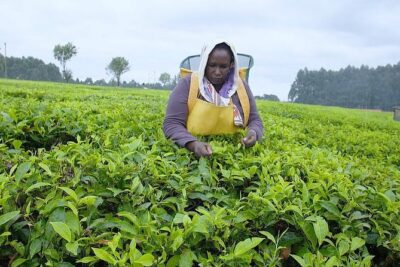
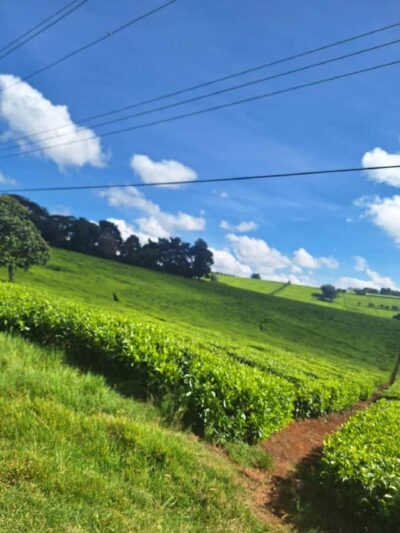
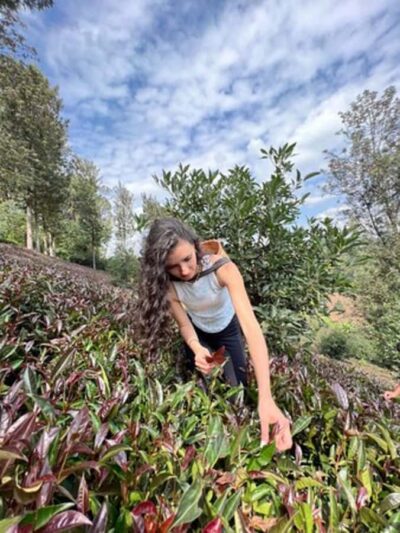
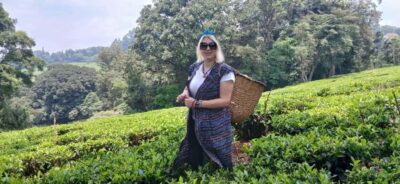
After the welcome and farm talk, you can walk through the tea gardens. This is where the subject becomes tangible. You see the plants, move through the cultivated grounds, and connect the history lesson to the work of the farm.
The tour explains how tea developed into one of Kenya’s largest export crops. The information is most useful when paired with the physical setting. Instead of treating tea as a generic Kenyan souvenir, you begin to see it as an agricultural product shaped by land, labor, processing, and overseas demand.
The gardens around the main house are also worth taking your time with. They are not merely a route from the house to the forest. The grounds offer a pleasant place to walk and a chance to look for Colobus monkeys.
Bring patience. Wildlife sightings cannot be promised, but the estate is known for its Colobus population, and the gardens are one of the places where you might spot them. Keep your attention on the trees and edges of the forest rather than assuming the animals will appear on schedule.
This is a good part of the visit for people who like a slower pace. You are not being pushed through a series of photo stops. You can listen, look around, and ask questions as the guide explains the farm.
More Lunch Experiences in Nairobi:
- Nairobi: Tea Farm Day Trip with Lunch at kiambethu
★ 4.0 · 21 reviews - From Nairobi: Kiambethu Tea Farm Tour & Lunch
★ 4.7 · 6 reviews - Riara tea farm tour with lunch and tea tasting from Nairobi
★ 5.0 · 3 reviews - From Porto: 2 Wine Regions, Farm-to-Table Lunch & Boat
★ 4.9 · 5,724 reviews
The Indigenous Forest and Its Colobus Monkeys
The forest walk gives the tour its strongest nature element. The estate has preserved part of the indigenous forest, even though much of the original woodland was cleared to make room for tea farms.
That contrast is important. You see the cultivated tea property, then enter a surviving piece of the habitat that once covered more of the area. The walk is therefore about more than wildlife. It also shows how agriculture changed the land and why remaining forest matters.
Colobus monkeys are the headline sight. The estate is known for its population, and you might catch glimpses of them during the walk or around the house. I would approach this as a chance to observe wildlife, not as a guaranteed animal encounter.
The guide is described as entertaining and comical, which should help keep the walk lively. A good guide can turn a short forest path into a useful lesson about local wildlife, plants, and the history of the property.
The tour information says most people can participate. Still, you should expect to walk through a forest rather than remain entirely at the house. Wear comfortable shoes and clothing suitable for an outdoor walk. No special fitness level is stated, so it is sensible to ask the provider directly if you have mobility concerns.
The forest portion also gives the day a welcome change of pace. After the history and tea discussion, you get shade, movement, and the possibility of wildlife. It keeps the outing from feeling like a long indoor lecture.
A Three-Course Lunch Made With Local Ingredients
The visit ends with a relaxed three-course lunch at the estate. Fresh, locally sourced ingredients are used when preparing the meal, adding another connection between the farm and your plate.
Lunch is included in the tour price, along with afternoon tea. That helps explain why the $125 cost is higher than a simple transport trip or short farm admission. You are paying for the Nairobi transfer, guiding, history talk, tea, forest and garden visit, and a full meal.
Food also helps define the character of the experience. This is not just a stop for a cup of tea and a quick photograph. You sit down and spend time at the farm, which gives the visit a calm, social finish.
Specific menu choices are not provided, so you should not book expecting a particular dish. Personal expenses, additional drinks, telephone calls, tips, and souvenirs are not included. Food and drinks are excluded unless specified, though the included lunch and afternoon tea are clearly part of the program.
If you have dietary needs, ask the provider before the tour. The supplied information confirms locally sourced ingredients but does not promise vegetarian, vegan, allergy-friendly, or other special menus.
The relaxed meal is one of the experience’s strongest features because it gives you time to absorb the day. The morning is not reduced to a series of facts. You can end it over food, tea, and conversation in the same setting where the history was introduced.
Is $125 a Good Value From Nairobi?
At $125 per person, Kiambethu is not the cheapest way to spend a day near Nairobi. Its value depends on what you want from the outing.
The price is easier to justify if you want an all-in-one experience. Hotel pickup and drop-off remove transport planning. A professional English-speaking guide provides the historical and wildlife context. Lunch, afternoon tea, and admission are included.
The value is also stronger for people who prefer a gentle cultural day rather than a long wildlife drive. You are not paying only to look at tea plants. You are paying for access to a family-owned estate, a history presentation, an indigenous forest walk, a chance to see Colobus monkeys, and a three-course meal.
I would compare it with the cost of hiring a private driver, arranging a separate meal, and finding a guide for the farm. If you would otherwise pay for those pieces separately, the package becomes more reasonable.
On the other hand, the price may feel high if you are mainly interested in tea production. The tour does not promise a technical factory visit or a detailed, industrial tea-processing demonstration. Its appeal is the mix of family history, gardens, forest, wildlife, and food.
The tour offers group discounts, though the exact discount is not provided. Ask for the current group rate if you are booking for several people. The maximum group size is listed as 100, so you should also ask how many people are expected on your date if group atmosphere matters to you.
Who Will Enjoy This Six-Hour Outing?
I would recommend Kiambethu to you if you want a day with several layers: Kenyan history, farm life, a little wildlife, a forest walk, and a good meal. It suits people who prefer an unhurried cultural outing to a packed schedule.
It is especially appealing for visitors staying in Nairobi who want to see something outside the city without committing to a multi-day safari. The Colobus monkeys add a wildlife angle, while the tea gardens and meal keep the experience grounded in local food and agriculture.
Families may appreciate the variety, since the day includes animals, walking, food, and stories rather than one long talk. The tour information says most people can participate, but parents should still consider the forest walk and the length of the day.
History-minded visitors will find the settler story useful, as long as they treat it as one perspective. Tea enthusiasts will enjoy seeing the crop in its growing environment, though anyone seeking a highly technical production tour should check exactly how much processing information is covered.
I would be less likely to choose it if I wanted a major wildlife safari, a full account of Kenyan history, or a budget activity. This is a polished half-day excursion with a meal, not a substitute for Nairobi’s museums or a national park safari.
Practical Details That Affect Your Day
The tour starts at about 9:30 a.m. and lasts approximately six hours. You arrive at Kiambethu around 11 a.m., with the estate portion taking about four hours.
The farm is closed every Monday, Christmas Day, and New Year’s Day. Confirmation is provided at booking, and mobile tickets are available, which makes the entry process simple.
Tips and gratuities for the driver guide are not included. Personal expenses, telephone calls, communication charges, laundry, travel insurance, and souvenir photographs are also excluded.
You can cancel for a full refund if you do so at least 24 hours before the experience starts. Cancellations or changes made less than 24 hours before the start time are not accepted for a refund, and the cut-off follows local time.
Since the outing includes a forest walk, comfortable shoes are a sensible choice. A camera may be useful for the gardens and possible monkey sightings, but wildlife is never guaranteed. Keep your expectations flexible and give yourself time to look.
Should You Book Kiambethu Tea Farm?
Book this tour if you want a well-rounded day outside Nairobi that combines a family-run farm, Kenya’s tea story, a preserved forest, possible Colobus monkey sightings, and a proper lunch. The personal welcome from Marcus and Fiona and the unusual setting are the main reasons this experience earns strong marks.
Skip it if your priority is the lowest possible price or a full-scale tea factory tour. At $125, the outing makes sense when you value convenience, guiding, food, and a slower connection with the countryside.
For most people, the best reason to book is the mix. You get history without spending the whole day indoors, nature without committing to a safari, and lunch that is part of the experience rather than an afterthought.
FAQ
How long does the Kiambethu Tea Farm tour take?
The experience lasts approximately six hours, including the journey from Nairobi. The visit at Kiambethu Tea Farm is described as about four hours, with arrival around 11 a.m.
What time does pickup begin?
The stated start time is 9:30 a.m. Pickup is offered from your Nairobi hotel or accommodation.
Is lunch included?
Yes. A three-course lunch and afternoon tea at Kiambethu Estate are included. The meal uses freshly sourced local ingredients when available.
Can I see Colobus monkeys?
Kiambethu is known for its Colobus monkey population, and you might see them in the gardens or during the forest walk. Sightings are not guaranteed.
Is the tour offered every day?
No. Kiambethu Tea Farm is closed every Monday, Christmas Day, and New Year’s Day.
What is included in the $125 price?
The price includes Nairobi hotel or residence pickup and drop-off, admission to Kiambethu Estate, the local history talk, tea garden and forest walks, a professional English-speaking guide, lunch, and afternoon tea. Personal expenses, tips, travel insurance, communication charges, and souvenir photographs are not included.
Newly listed farm visits around Nairobi
- Purple Tea Farm Tour from Nairobi City – Specialty Tea Tasting★ 4.5 · 12 reviews
- Private Half-Day Tour in Fairview Coffee Farm from Nairobi★ 5.0 · 13 reviews
- Riara tea farm tour with lunch and tea tasting from Nairobi★ 5.0 · 3 reviews
- Tea Farm Experience at Riara Tea Farm And Factory Tour★ 5.0 · 11 reviews
- Fairview Estate Coffee Farm Tour With Pick up★ 5.0 · 2 reviews
- Coffee farm tour, coffee roasting and tasting experience★ 5.0 · 20 reviews
- Coffee Farm Half-Day Tour in Kenya★ 3.0 · 2 reviews
- Excursion to Kiambethu Tea Farm★ 5.0 · 6 reviews
Tea Plantation Tours, compared.
Private Day Trip to Kiambethu Tea Farm in Limuru from Nairobi
Read our review →

Purple Tea Farm Tour from Nairobi City – Specialty Tea Tasting
Read our review →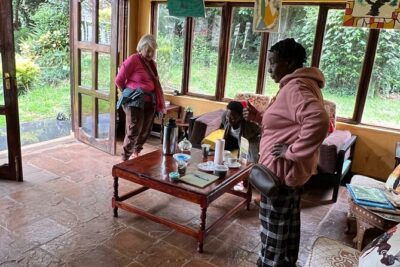
Tea Farm Experience at Riara Tea Farm And Factory Tour
Read our review →Browse the lists this tour appears in