
Review · NAIROBI
Riara tea farm tour with lunch and tea tasting from Nairobi
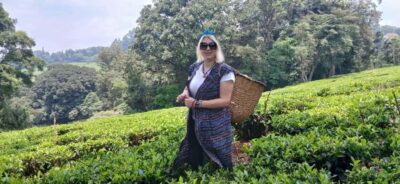
Riara tea farm gives you a clear look at how Kenya’s tea industry works, far beyond the packet on a supermarket shelf. After a roughly one-hour drive from Nairobi to Limuru, you tour the farm with a manager, taste fresh Kenyan tea, and sit down for lunch in the calm highlands. The Kenyan ownership story gives the visit a personal edge.
I like the convenient hotel pickup and private vehicle, which save you from sorting out transport to Limuru. I also like the generous farm stop, with about three hours for the tea tour, tasting, lunch, and optional tea shopping. The main drawback is the price: at $150 per person, it makes the most sense if you value a private outing and would otherwise need to arrange transport yourself.
Key points to know before booking
- Riara is a Kenyan-owned tea farm: Its family history is tied to Kenya’s tea industry and the country’s past.
- About three hours at the farm: You have time for the guided tour, tea tasting, lunch, and optional shopping.
- Eric Munene leads the outing: Grace and her father are also named as part of the farm guiding team.
- Private transport is included: Pickup and drop-off at your Nairobi hotel or residence are covered.
- Nairobi sightseeing comes along for the ride: You pass the National Museum, an art gallery, major malls, and city neighborhoods.
- Lunch can be adjusted: Barbecue lunch is included, with vegetarian and vegan options available if requested at booking.
From Nairobi streets to the tea fields of Limuru
The day starts with pickup from your Nairobi hotel or residence. The drive to Limuru takes about an hour, and the remaining tour time is used for transport between Nairobi and the farm.
That timing matters. This is not a quick city outing with a short photo stop. The farm visit is the heart of the day, while the drive lets you watch Nairobi give way to the higher tea-growing area around Limuru.
The route also gives you a moving introduction to Nairobi. You pass through parts of the city where people live and work, then see several notable stops from the vehicle or along the route. These include the Nairobi National Museum, a place where nature, culture, history, and art come together.
You also pass one of Nairobi’s large art galleries, Two Rivers Mall, and Village Market in Gigiri. Two Rivers is described as the largest shopping mall in East and Central Africa, while Village Market is one of Nairobi’s oldest shopping malls.
Keep your expectations sensible here. The itinerary does not promise long visits inside the museum, gallery, or malls. They are route highlights, not separate tours. If you want detailed time at these places, you would need a different day plan. If you want a broad look at Nairobi before heading into the countryside, they add useful context without requiring extra planning.
More Tea Plantation Tours in Nairobi:
- Nairobi to Kiambethu Tea Farm Tour
★ 5.0 · 51 reviews - Private Day Trip to Kiambethu Tea Farm in Limuru from Nairobi
★ 5.0 · 31 reviews - Day Tour To Kiambethu Tea Farm in Limuru
★ 5.0 · 22 reviews
Arriving at a Kenyan-owned tea farm
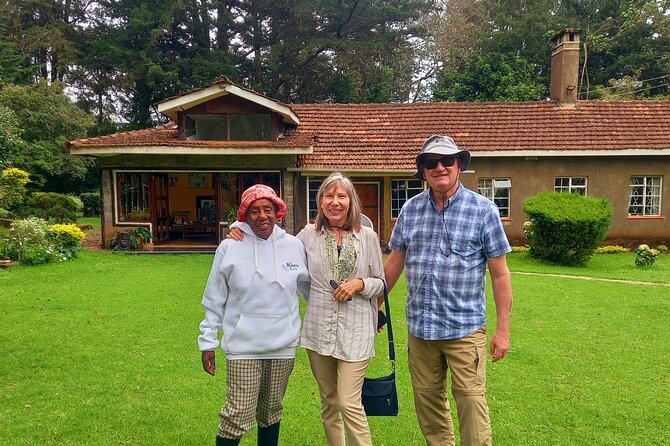
Riara tea farm is in Limuru, one of Kenya’s tea-growing areas. The farm’s Kenyan ownership is an important part of its character. It is described as one of the first tea plantations owned by Kenyans, and the family story is closely linked to the history of Kenya.
That detail gives the visit more meaning than a simple walk through planted rows. Tea is an important part of Kenya’s agricultural identity, and here you can connect the crop to a local family rather than only hearing a general industry presentation.
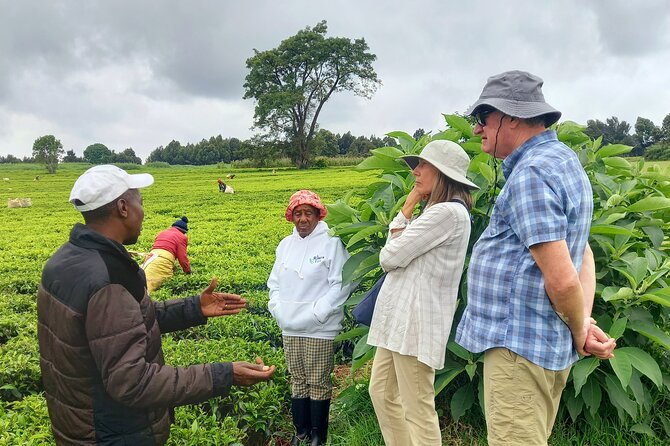
At the farm, the manager welcomes you and leads a complete tour. You learn how tea is grown in Kenya and how the process continues from the plant to the finished drink. The supplied details do not specify every production stage or promise a factory visit, so I would treat this as a farm and tea-making education rather than a full industrial processing tour.
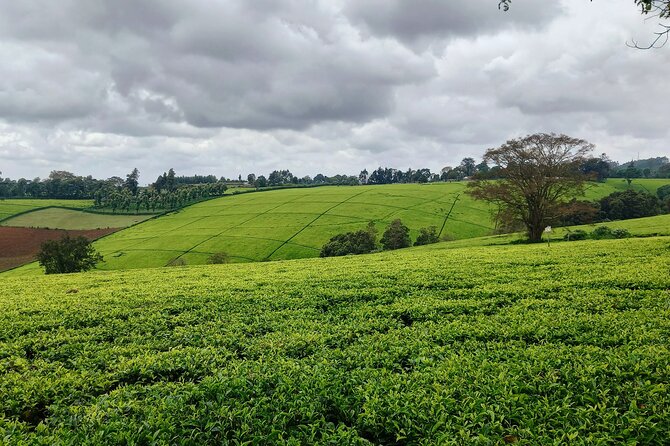
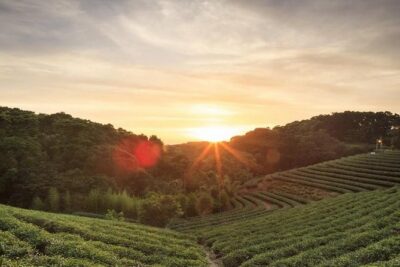
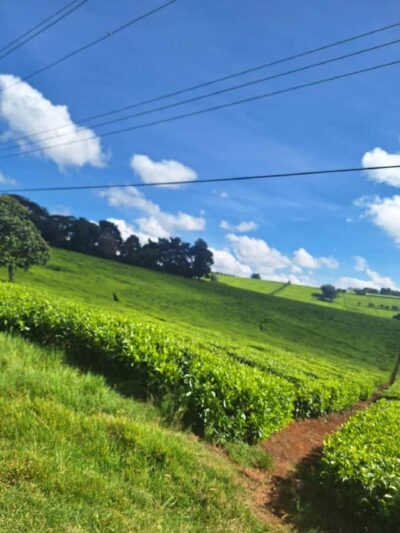
The setting is also part of the appeal. Limuru offers fresh air and a quieter pace than central Nairobi. After the city drive, the change is welcome. You get time to look closely at the tea-growing area and ask questions without rushing through a crowded attraction.
If tea interests you, this is the strongest reason to book. You are not simply tasting a beverage at the end of a restaurant meal. You first learn about the crop, then taste Kenyan tea with a better sense of where it begins.
What the farm tour actually gives you
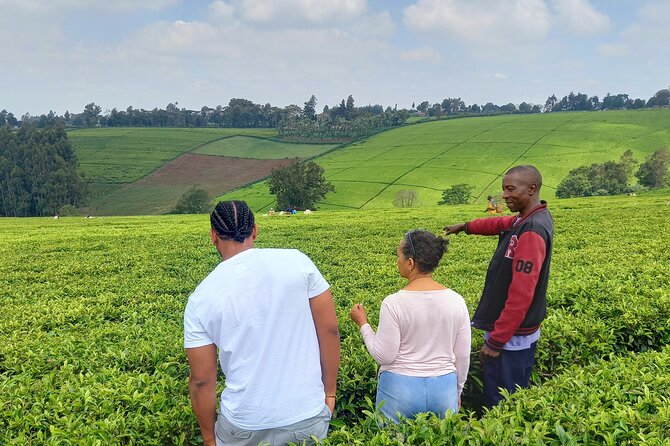
The farm manager explains the process of tea growing in Kenya as you move through the property. The exact route may depend on farm conditions and the day’s schedule, but the visit is intended to cover the full tea-farm experience rather than only a short introduction.
I would use this part of the day to ask practical questions. You can ask how tea is cultivated, how the leaves move through production, and what makes Kenyan tea distinctive. The information provided confirms that the guide explains tea growing and production, but it does not list a fixed lecture or a set number of stops.
The small scale of the visit is one of its advantages. This is a private activity, so only your group participates. That means you can ask questions suited to your own interest, spend more time on a subject, or keep the walk moving if you are more interested in the scenery and tasting.
The farm is also a good choice for mixed groups. A serious tea drinker can focus on cultivation and production, while someone less interested in tea still gets a country outing, a local lunch, and a look at life beyond Nairobi.
The tour does require some flexibility. A farm is a working place, not a museum with a fixed display at every turn. The supplied information does not promise a particular harvest season, a factory tour, or a specific set of demonstrations. Book it for the setting, the family connection, and the chance to learn directly on the farm.
Fresh Kenyan tea and optional tea shopping
Tea tasting follows the farm tour. You sip fresh Kenyan tea at the farm, which gives you a chance to compare the drink in a setting connected to its production.
The word fresh can mean different things on farm visits, so I would not assume a particular tea style, number of samples, or formal tasting lesson. What is clear is that tea tasting is included and forms a central part of the visit.
You also have the option to purchase tea before leaving. This is useful if you want a practical souvenir rather than another carved object or mass-produced gift. The purchase is optional, so you can enjoy the tasting without feeling that shopping is required.
The tea-buying opportunity is especially worthwhile for people who want to remember the visit at home. Still, the price does not include tea purchases, and the supplied details do not state the available varieties, package sizes, or payment methods. Ask at the farm if those details matter to you.
More Lunch Experiences in Nairobi:
- Nairobi: Tea Farm Day Trip with Lunch at kiambethu
★ 4.0 · 21 reviews - Kiambethu Tea Farm Tour & Lunch From Nairobi
★ 5.0 · 7 reviews - From Nairobi: Kiambethu Tea Farm Tour & Lunch
★ 4.7 · 6 reviews - From Porto: 2 Wine Regions, Farm-to-Table Lunch & Boat
★ 4.9 · 5,724 reviews
Lunch after the farm walk
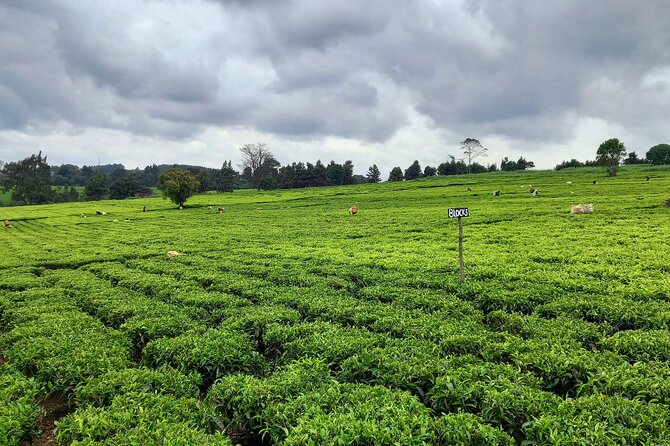
Lunch is served after the tea tour. The meal is described as a barbecue lunch, and it is included in the $150 price.
That order works well. You can spend the first part of the farm visit walking and learning, then settle down for a meal and tea. It turns the outing into a relaxed half-day rather than a rushed agricultural stop.
Vegetarian and vegan options can be offered, but you need to state your dietary requirements when booking. Do not wait until the day of the tour if you need a meat-free meal. Other dietary needs are not specifically listed, so it is sensible to ask in advance if you have an allergy or a strict restriction.
The information does not specify the menu, serving style, or dining setting. You should think of lunch as a welcome included meal, not a restaurant visit with a published menu. Its value is greatest because it is part of a private day in the countryside, where finding another lunch stop could take time.
Private transport and the value of $150
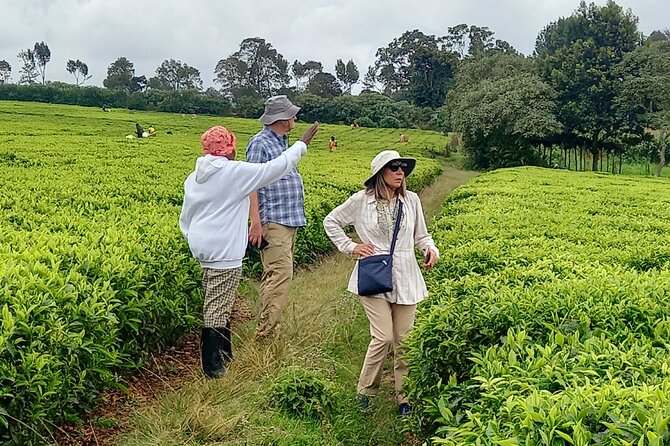
The tour costs $150 per person and includes private transportation, hotel pickup and drop-off, a guide, farm admission, lunch, and all fees and taxes. Tips and gratuities are not included.
Price value depends heavily on your group size. For one person, $150 is a serious cost for a five-hour activity. For a couple, family, or small private group, the price buys convenience, a dedicated vehicle, a guide, and a full farm visit without arranging separate transport to Limuru.
You also avoid the work of finding a driver, negotiating a route, and planning where to eat. That matters in Nairobi, especially if you want a simple day with a fixed start and finish. Group discounts are offered, though the actual discount is not specified, so check the price for your party before booking.
The tour is around five hours in total, but about three hours are allocated to the farm. The rest is travel time from pickup to drop-off. That is a fair way to read the schedule: you are paying for a private half-day outing, not five hours of continuous activity.
The private format is a clear benefit if you dislike large groups. You can travel with only your own party, and the guide can adjust explanations to your interests. The tradeoff is that private tours often cost more than shared group outings. If saving money matters most, compare the group discount and other Limuru transport options before deciding.
The people who shape the visit
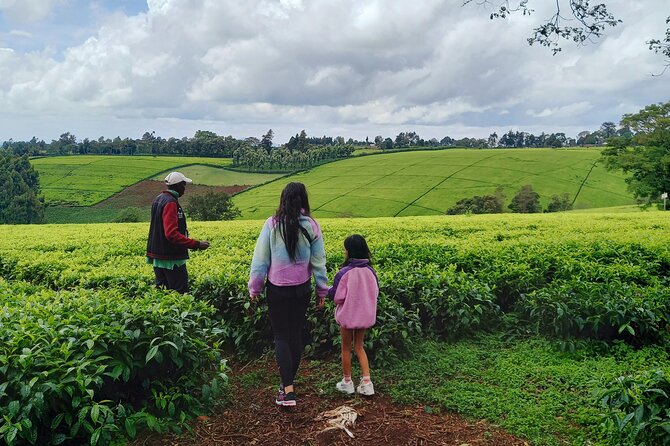
Eric Munene is the named experience provider and is connected with the guiding service. The strongest praise attached to the outing focuses on Eric, the driver, Grace, and her father.
Eric is described as a fantastic guide, with particular praise for explaining how tea is made from start to finish. Grace and her father are also identified as part of the farm welcome and guiding experience. That family involvement fits the Kenyan-owned character of Riara and gives the visit a more direct connection to the people who run it.
The driver also receives specific praise for the quality of the outing. That matters because you spend a meaningful part of the day on the road. A private tour depends on both the guide and the driver, not just the farm itself.
No exact daily guide assignment is guaranteed in the supplied details. You should expect Eric, Grace, or other members of the farm team may take different parts of the visit. The important point is that the outing is built around local people who can explain the farm rather than a self-guided walk.
Who will get the most from this tour
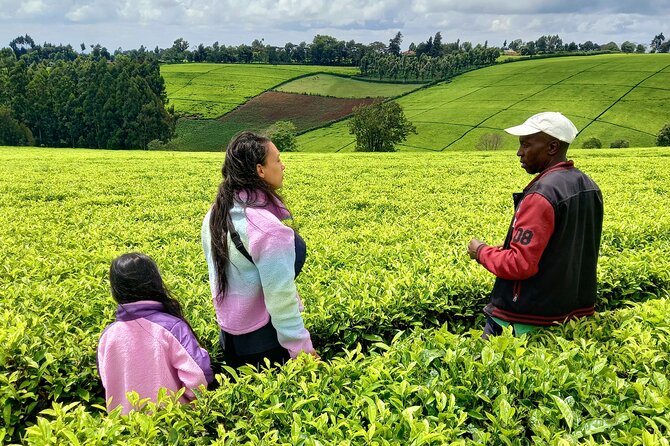
I would recommend Riara tea farm to you if you want a quieter alternative to Nairobi’s main city attractions. It suits people who enjoy seeing how a familiar product is grown and who prefer a personal farm visit to a standard sightseeing loop.
Tea drinkers will get the clearest benefit. You receive both an explanation of production and a tasting, so the two parts support each other. The option to buy tea also makes the visit useful for anyone looking for a locally connected souvenir.
It is also a good fit for families and small private groups. The private vehicle, lunch, and hotel pickup remove much of the day’s friction. Most people can participate, according to the supplied information.
I would think twice if you want a packed sightseeing schedule or a long museum visit. The Nairobi attractions are passed along the route, while the farm receives the main block of time. I would also compare prices carefully if you are traveling alone and do not care about private transport.
The tour may work well for visitors with dietary restrictions, provided they give notice at booking. Vegetarian and vegan meals can be arranged, while other requirements should be checked ahead of time.
Practical booking advice for a five-hour outing
Confirmation is provided when you book, and mobile tickets are supported. The tour is private, and hotel pickup and drop-off are included, so give accurate accommodation details when making the reservation.
You can cancel for a full refund up to 24 hours before the scheduled start time. Cancellations or changes made inside 24 hours are not accepted for a refund, and the cut-off follows local Nairobi time.
The tour is often booked well ahead, with an average booking lead time of 49 days. That does not mean you must reserve exactly that far in advance, but it is a useful warning for visitors with fixed travel dates. Private vehicles and named guides have limited availability, so earlier booking is sensible during a busy trip.
Plan to give the outing roughly five hours from pickup to return. The farm itself receives about three hours, and traffic can affect the road portion. Since travel time is part of the schedule, avoid placing a flight, long-distance bus, or tightly timed attraction immediately afterward.
Should you book Riara tea farm?
Book this tour if you want a private, easy-to-arrange day that connects Nairobi with Kenyan tea production. The Kenyan-owned farm, direct explanations from the manager, tea tasting, lunch, and optional tea purchase give the outing a clear purpose.
At $150 per person, it is not the cheapest way to leave Nairobi. But the price includes transport, a guide, admission, lunch, taxes, and hotel service, which can make it reasonable for a couple, family, or small group that values comfort and a private schedule.
Skip it if your main goal is museum time, shopping, or a lower-cost shared excursion. Choose it if the idea of sitting with fresh Kenyan tea after seeing where it begins sounds more appealing than another standard city tour.
FAQ
How long does the Riara tea farm tour last?
The tour lasts approximately five hours, including travel between your Nairobi pickup point and the tea farm in Limuru.
How much time is spent at the tea farm?
About three hours are allocated to the Limuru farm visit. This includes the farm tour, tea tasting, lunch, and the chance to buy tea.
Is hotel pickup included?
Yes. Pickup and drop-off at your Nairobi hotel or residence are included.
Is transportation private?
Yes. The activity uses private transportation, and only your group participates.
What is included in the price?
The price includes private transportation, hotel pickup and drop-off, a guide, farm admission, lunch, and all fees and taxes.
Is lunch included?
Yes. A barbecue lunch is included. Vegetarian and vegan options can be offered if you state your dietary requirements when booking.
Can I buy tea at Riara tea farm?
Yes. You are given the option to purchase tea before leaving the farm. The purchase is optional and is not listed as part of the tour price.
Are the Nairobi National Museum and malls included as visits?
They are listed as stops or sights along the route, including the Nairobi National Museum, an art gallery, Two Rivers Mall, and Village Market. The supplied schedule does not promise extended admission time at each place.
What is the cancellation policy?
You can cancel at least 24 hours before the experience start time for a full refund. Cancellations or changes made less than 24 hours before the start time are not accepted for a refund.
Newly listed farm visits around Nairobi
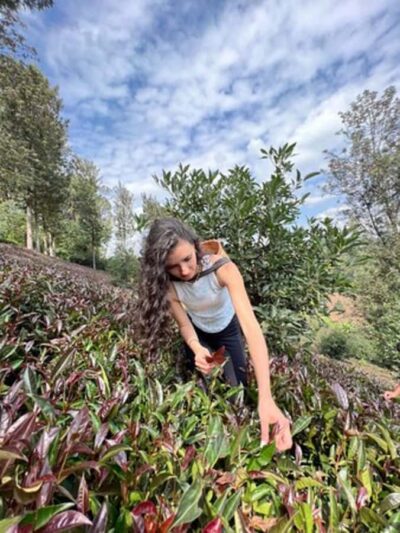
- Purple Tea Farm Tour from Nairobi City – Specialty Tea Tasting★ 4.5 · 12 reviews
- Private Half-Day Tour in Fairview Coffee Farm from Nairobi★ 5.0 · 13 reviews
- Tea Farm Experience at Riara Tea Farm And Factory Tour★ 5.0 · 11 reviews
- Fairview Estate Coffee Farm Tour With Pick up★ 5.0 · 2 reviews
- Kiambethu Tea Farm Tour & Lunch From Nairobi★ 5.0 · 7 reviews
- Coffee farm tour, coffee roasting and tasting experience★ 5.0 · 20 reviews
- Coffee Farm Half-Day Tour in Kenya★ 3.0 · 2 reviews
- Excursion to Kiambethu Tea Farm★ 5.0 · 6 reviews
Tea Plantation Tours, compared.

Private Day Trip to Kiambethu Tea Farm in Limuru from Nairobi
Read our review →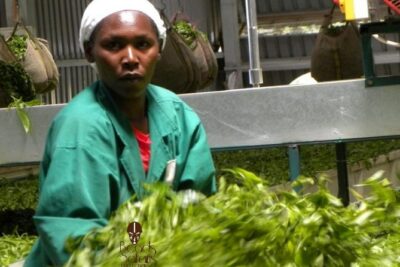
Purple Tea Farm Tour from Nairobi City – Specialty Tea Tasting
Read our review →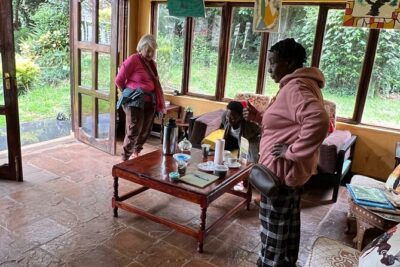
Tea Farm Experience at Riara Tea Farm And Factory Tour
Read our review →Browse the lists this tour appears in