
Review · FRANCE
Lavender Harvesting and Distillation Workshop in Bellegarde
The best part of this Bellegarde workshop is that you do more than admire lavender in a field. You cut the plants yourself, help load them into the still, and leave with floral water and essential oil made from your work. I like that the process feels practical rather than staged, and I like the friendly teaching style associated with guides such as Gaël and Laura.
The price is fair for a 2.5-hour hands-on visit, especially since the take-home products are part of the experience. The main drawback is that you need moderate fitness, sun protection, and good weather. Children under 10 cannot join, and a hat is not included.
Key points to know before booking
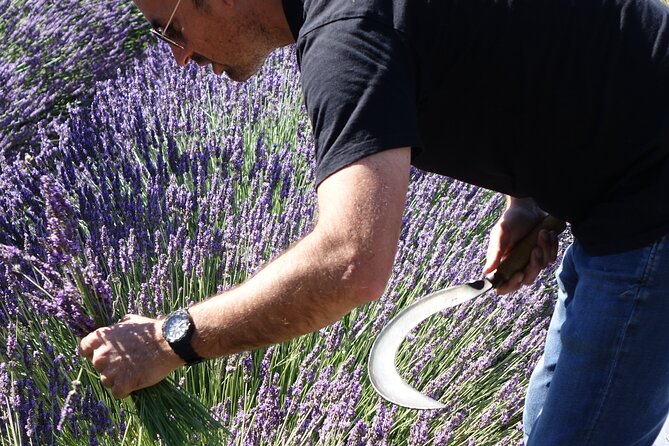
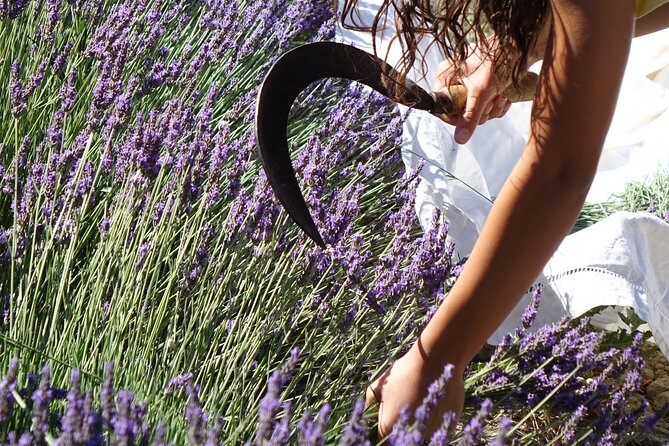
- Use a traditional Provençal pruning hook: You receive a cutting tool and protective gloves, then harvest lavender in the field.
- Follow the plants into the still: The workshop explains how fresh aromatic plants become organic essential oil and floral water.
- Learn about three lavender types: The varieties differ in fragrance strength and their use in perfume.
- Take home your own extracts: You fill a bottle with floral water and oil produced during the session.
- Expect a small group: The maximum is 20 people, which leaves room for questions and demonstrations.
- Plan for sun and walking: Bring sunscreen and wear practical clothing for outdoor work.
Cutting Lavender at the Bellegarde Farm
The experience begins at un MAS en PROVENCE, an organic essential-oil and cosmetics producer at Le Mas Neuf on Avenue du Félibrige in Bellegarde. Although the tour is often marketed as a Nîmes-area activity, the meeting point itself is in Bellegarde, about 15 kilometers southeast of Nîmes. Put the full address into your navigation app rather than searching only for Nîmes.
The start time is 9:30 a.m., and the total visit lasts about two and a half hours. That morning schedule makes sense for field work. Lavender cutting is more pleasant before the strongest heat of the day, though you should still bring sunscreen and a hat. The site sells hats for €6 if you arrive without one.
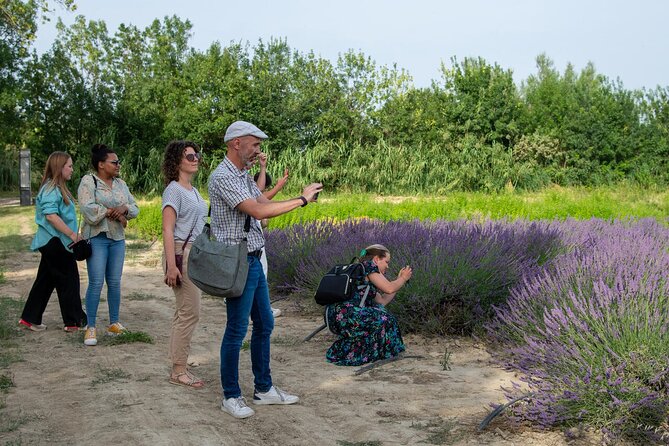
You begin among fields of lavender and other aromatic plants. This is where the workshop gets its hands-on character. Instead of simply walking past rows of purple flowers, you are shown how to hold and use a serpe, or traditional Provençal pruning hook. Gloves and the cutting tool are supplied.
The equipment matters. A pruning hook is a simple tool, but you still need to handle it with care and follow the guide’s instructions. Wear closed shoes and clothing you do not mind wearing outdoors, even though the supplied information does not specify a dress code. The activity calls for moderate physical fitness, so expect some standing, walking, and repeated cutting rather than a seated demonstration.
Guide Gaël is closely tied to the family business and presents the work with personal feeling and humor. Laura is also praised for her warm, helpful approach. The exact guide may vary, but the teaching style is clearly central to the morning. You can ask questions as you work, rather than waiting for a formal talk at the end.
More farm tours around France:
- Versailles Bike Tour with Palace & Queen Farm Entrance
★ 4.9 · 492 reviews - Loupian: Tour guide of our oyster farm and tasting
★ 4.9 · 86 reviews - Sturgeon Fish-Farm Visit and Caviar Discovery Tasting in Neuvic
★ 4.5 · 81 reviews
Three Lavender Types and the Scent Lesson
A useful part of the field visit is learning that lavender is not just one uniform crop. The workshop explains three types of lavender, including how they differ in fragrance strength and perfume use. That detail gives you a better way to understand the bottles and soaps sold across Provence.
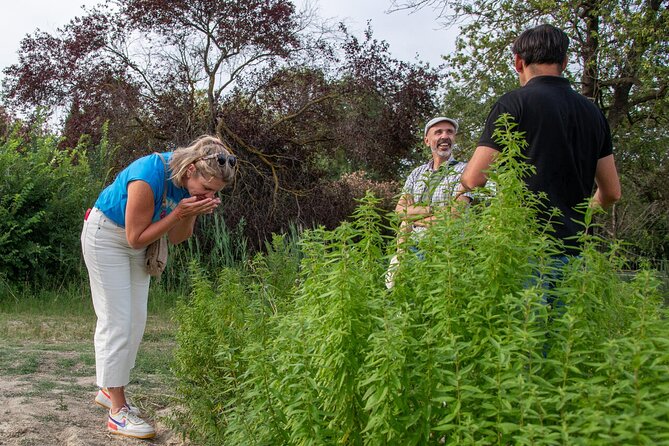
You also get to smell the plants directly. This is more helpful than trying to understand scent from a label. A plant’s name may sound familiar, but its strength and character become easier to grasp when you compare the varieties side by side.
The field portion also connects farming with fragrance. You see the plant before it becomes an ingredient in cosmetics, perfumery, or home products. That link is easy to miss when you buy a finished lavender product in a shop.
The workshop does not appear to be a long botanical lecture, and that is a plus for most people. It uses short explanations, practical work, and questions to keep the morning moving. If you want a formal scientific course on cultivation or essential-oil chemistry, this will probably feel light. If you want a clear introduction with real equipment and plant material, it fits well.
Loading the Still with Fresh Plants
After harvesting, you follow the plants into the distillery. The key step is loading the lavender into the still, and your contribution becomes part of the process. You are not only watching a machine operate from behind a barrier. You help prepare the raw material that will be processed.
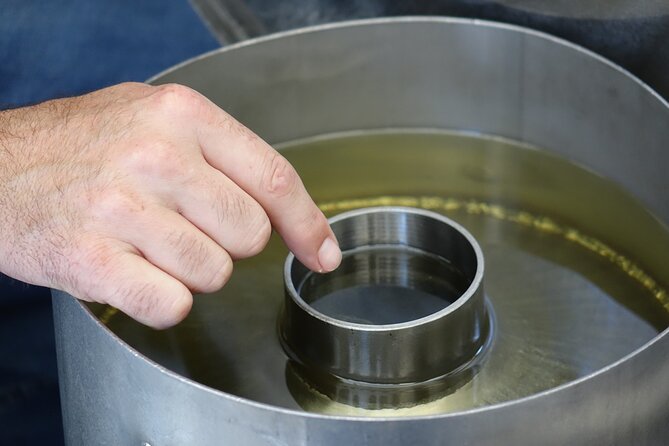
Distillation can sound mysterious when it is reduced to a bottle labeled essential oil. Here, the workshop shows the basic chain: plant material goes into the still, heat and steam draw out aromatic compounds, and the result separates into oil and floral water. The exact technical detail is not specified, so you should expect a practical explanation rather than a professional training session.
This is the strongest educational feature of the morning. You see how a bulky load of plants turns into a small quantity of concentrated oil. You also learn why the floral water matters. It is not simply waste from the process. It is a useful scented liquid that can be used in cosmetics and related products.
The organic focus adds value, particularly if you are interested in natural cosmetics or perfumery. The provider specializes in essential oils and cosmetics made from plants, so the workshop places the distillation within a real working business rather than treating it as a one-off tourist display.
Filling Your Bottles at the End
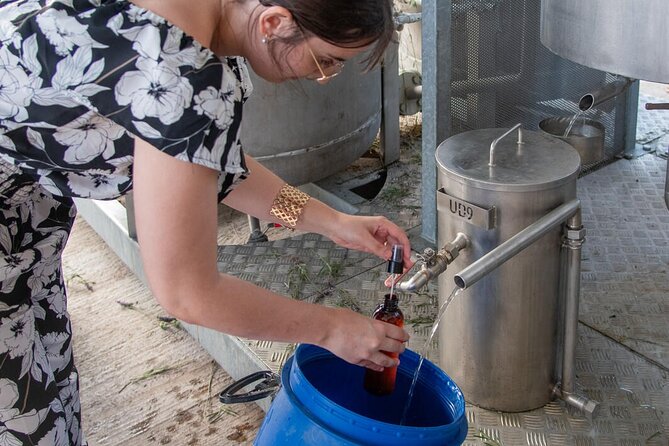
The final stage is simple but satisfying. You fill a bottle with the floral water and oil produced with your help. These take-home items give the $36.01 price more weight than a basic farm tour with no included product.
The amount and size of the bottles are not specified, so do not book this expecting a large commercial quantity of essential oil. Essential oil is concentrated, and the point is to carry home a small reminder of the process, not a full supply for a shop.
I like this ending because it ties the morning together. You cut the plant, help place it in the still, learn how the extraction works, and then receive part of the result. The souvenir has a clear connection to the activity, unlike a generic gift-shop purchase.
You may also have the chance to discuss how scents are used in perfume. The workshop’s explanation of different lavender strengths gives useful background if you later want to compare soaps, oils, or fragrances in Provence. Some past participants also went on to create their own scented products in other workshops, but that is not listed as part of this particular 2.5-hour session.
Same countryside, another kind of harvest:
- Provençal Farmers market tour
★ 5.0 · 15 reviews - Award winning “From Farm to Table, A Culinary Day in Lyon”
★ 5.0 · 10 reviews - Cannes Ooh La La Food Tour
★ 5.0 · 10 reviews - Sturgeon Fish-Farm Visit and Caviar Master Class Tasting in Neuvic
★ 5.0 · 8 reviews
How the Group Size Shapes the Morning
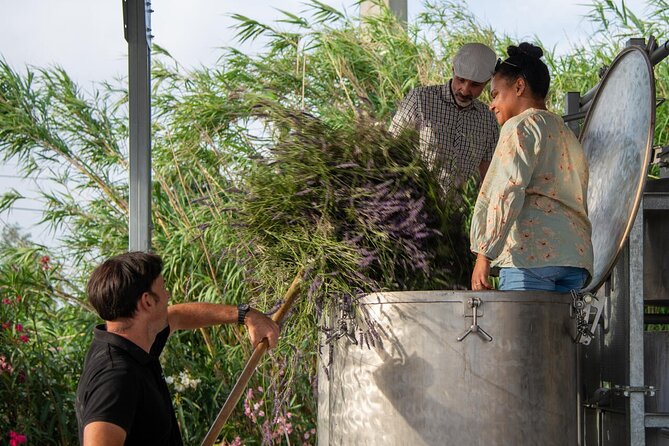
The maximum group size is 20 people. That is small enough for a guide to demonstrate the pruning hook and still answer questions, though the experience will feel busier when everyone is cutting or filling the still at once.
The group limit is especially useful during the distillery portion. A still is not a wide-open space, and a smaller group makes it easier to see what is happening. If you want uninterrupted private instruction, this is not advertised as a private tour. If you like meeting other people while taking part in a shared task, the format should work well.
English is offered, which is important for visitors who do not speak French. The provider has welcomed people from different language backgrounds, and some information has been translated for international audiences. You should still feel comfortable asking for a point to be repeated if a technical term moves quickly.
The friendly tone is part of the appeal. Gaël is known for mixing facts with humor, and Laura is described as attentive and willing to help. That makes the workshop a good choice for couples, families with older children, and curious adults who prefer conversation to a scripted tour.
Price, Timing, and Practical Value
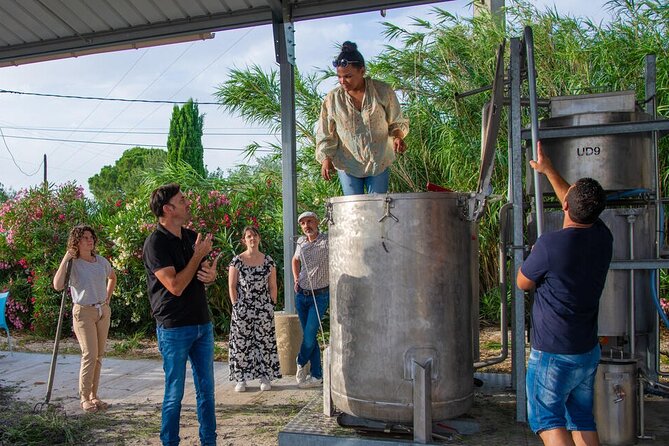
At $36.01 per person, this is reasonably priced for a 2.5-hour activity that includes gloves, a cutting tool, field instruction, distillery access, and bottles of oil and floral water. The value is strongest if you want an activity rather than a simple photo stop.
A lavender field visit can be brief and passive. This one gives you a job to do. The work is not hard in the sense of a full farm shift, but it makes the visit feel more connected to the place and the product.
The price does not include a hat or drinks. A hat costs €6 on site, so bringing your own is the easy saving. Sunscreen is strongly advised, and water is sensible even though drinks are available for purchase. Since the activity is outdoors and requires some physical effort, plan more like you are visiting a farm than entering a museum.
The tour is often booked well in advance, with an average booking lead time of 39 days. That does not guarantee a sellout on every date, but it is a useful warning for a Provence itinerary planned around a fixed morning. If this workshop is important to you, reserve before your route is fully locked.
Who Will Enjoy This Workshop Most
This is a strong choice for anyone who wants to understand how lavender becomes a finished product. You do not need previous knowledge, and the process is explained through direct contact with the plants and machinery.
It suits adults, older children, couples, and families with children aged 10 or more. The activity has an educational side without being limited to a classroom. Children can see, smell, cut, load, and bottle, though parents should judge whether their child can follow tool-safety instructions and manage a 2.5-hour morning.
It also works well for people who live near Provence and want a fresh way to connect with a familiar crop. The field, family business, and distillery together show a side of the region that a standard sightseeing route can miss.
You may want to skip it if you dislike sun, standing, or hands-on work. It is not the right pick for anyone looking for a fully passive tour, a large-scale perfume workshop, or a broad sightseeing excursion around Nîmes. The visit stays focused on lavender, aromatic plants, and the extraction process.
Service animals are allowed, and the site is near public transportation. The supplied details do not give a specific bus route or parking arrangement, so check your route to Le Mas Neuf before the morning of the tour.
Weather and Cancellation Details to Keep in Mind
The activity requires good weather because part of it takes place in the fields. If poor weather forces a cancellation, you are offered another date or a full refund.
You can cancel for a full refund up to 24 hours before the start time. Changes or cancellations inside that 24-hour window are not accepted for a refund, and the cutoff follows local time in France. This is worth noting if your Nîmes plans depend on a tight rental-car schedule or changing weather.
The Final Verdict on the Bellegarde Lavender Workshop
I would book this if you want a practical, local-feeling activity near Nîmes and are happy to spend a morning outdoors. The strongest features are the use of the traditional pruning hook, the chance to help load the still, and the bottles of oil and floral water you fill at the end.
The workshop also gets the human side right. Gaël’s connection to the family business and Laura’s warm teaching style give the visit a personal tone. You are not simply told that lavender matters to Provence. You see the work, smell the differences between varieties, and take part in the first steps of production.
Book it if you are at least 10, reasonably fit, prepared for sun, and interested in how natural fragrance is made. Choose another activity if you want a short photo stop, a fully indoor visit, or a broader tour of Nîmes and the surrounding area. For the price, this is a useful and tangible introduction to Provençal lavender.
FAQ
Where does the lavender workshop take place?
The meeting point is un MAS en PROVENCE Distillerie d’huiles essentielles BIO & Cosmétique en Occitanie, Le Mas Neuf, Avenue du Félibrige, 30127 Bellegarde, France. The activity ends back at the same location.
What time does the workshop start?
The workshop starts at 9:30 a.m. and lasts approximately two hours and 30 minutes.
What is included in the price?
The price includes the cutting tool, protective gloves, and the chance to fill bottles with the floral water and oil extracted during the workshop.
Are children allowed to join?
Children under 10 are not permitted. The activity is available for children aged 10 and older, subject to the moderate fitness requirement and the ability to follow instructions when using the cutting tool.
Should I bring anything?
Bring sunscreen and, ideally, your own hat. Hats are not included but are available on site for €6. Drinks can also be purchased at the site.
What happens if the weather is poor?
The activity requires good weather. If it is canceled because of poor conditions, you will be offered a different date or a full refund. You can also cancel for a full refund up to 24 hours before the experience begins.
Newly listed farm visits around France
- Award winning “From Farm to Table, A Culinary Day in Lyon”★ 5.0 · 10 reviews
- Half Day Grape Harvest Experience with Tasting in Epernay★ 5.0 · 2 reviews
- Cannes Ooh La La Food Tour★ 5.0 · 10 reviews
- Sturgeon Fish-Farm Visit and Caviar Master Class Tasting in Neuvic★ 5.0 · 8 reviews
- English Tour into the Sturgeon Farm With a Discovery Tasting★ 5.0 · 6 reviews
- English Tour into the Sturgeon Farm With a Initiation Tasting★ 3.5 · 2 reviews
- Provençal Morning Farmers Market & Food Discovery Tour★ 5.0 · 7 reviews
- Provençal Farmers market tour★ 5.0 · 15 reviews
France Farm Tours, compared.
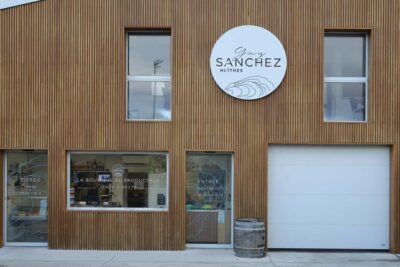
Loupian: Tour guide of our oyster farm and tasting
Read our review →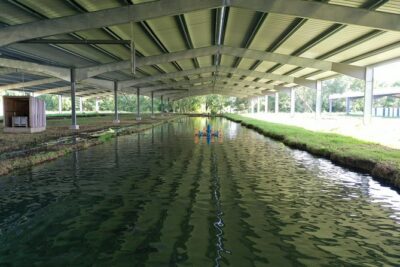
Sturgeon Fish-Farm Visit and Caviar Discovery Tasting in Neuvic
Read our review →
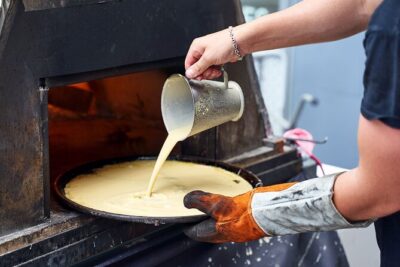
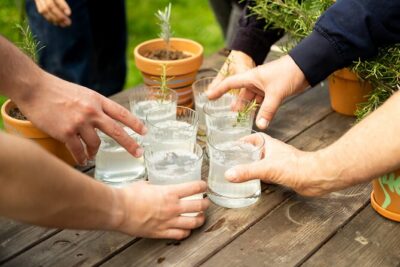
Award winning “From Farm to Table, A Culinary Day in Lyon”
Read our review →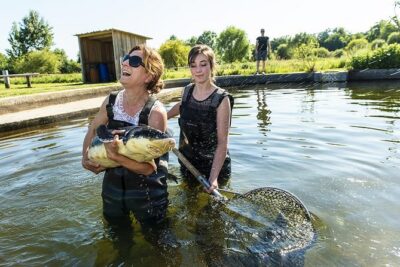
Sturgeon Fish-Farm Visit and Caviar Master Class Tasting in Neuvic
Read our review →
Provençal Morning Farmers Market & Food Discovery Tour
Read our review →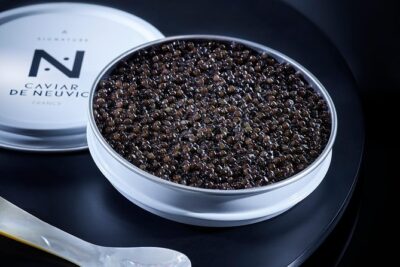
English Tour into the Sturgeon Farm With a Discovery Tasting
Read our review →Browse the lists this tour appears in