
Review · ITALY
Grosseto: visit the family farm with tasting of local food
The best part of this family farm visit near Grosseto is that you do not simply look at animals from behind a fence. You help feed the horses, rabbits, and chickens, collect eggs, and see the everyday work that keeps a small farm running. It is a gentle, hands-on Tuscan experience rather than a formal sightseeing stop.
I like the warm, personal setting and the chance to taste food made from seasonal farm products at the end. I also like the small-group limit of 10 people, which should give families room to take part without feeling rushed. The main drawback is practical: the farm is not reached by included transportation, and the guide speaks Italian only. The food is also not suitable for vegans or people with gluten intolerance.
Key points to know before you go
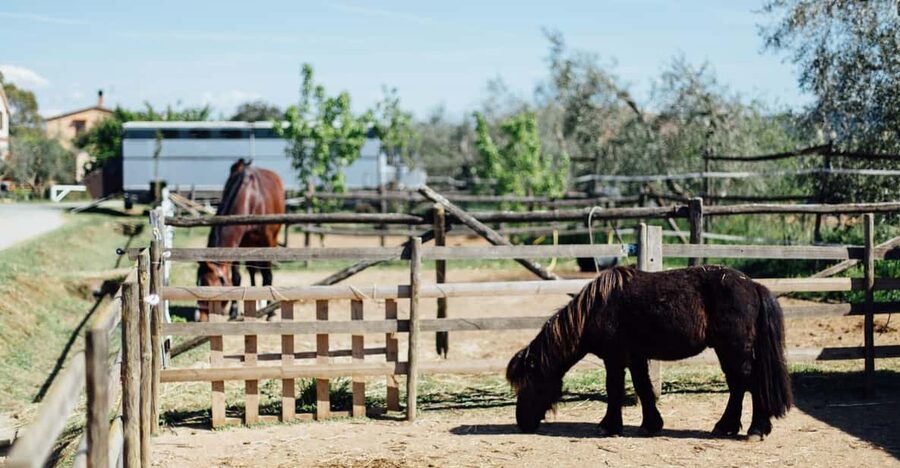
- Hands-on animal care: Feed hay to horses, food to rabbits, and grain to chickens, with sheep, goats, and other poultry also part of the visit.
- Fresh eggs from the coop: You can help collect eggs instead of merely hearing about farm production.
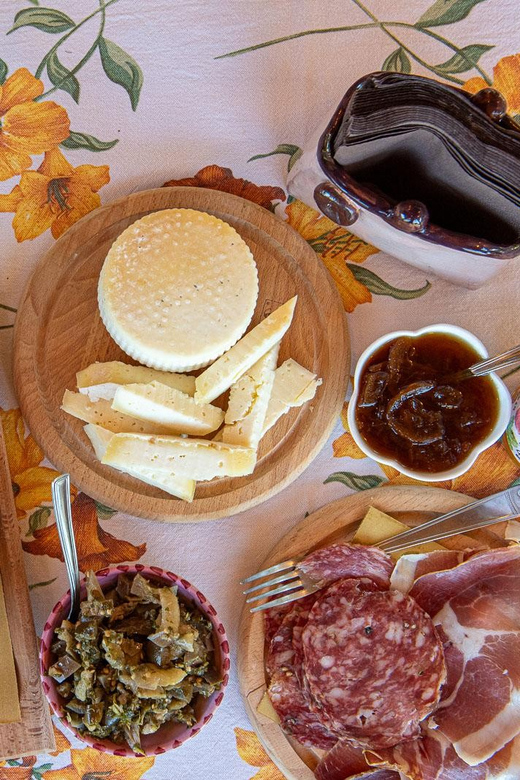
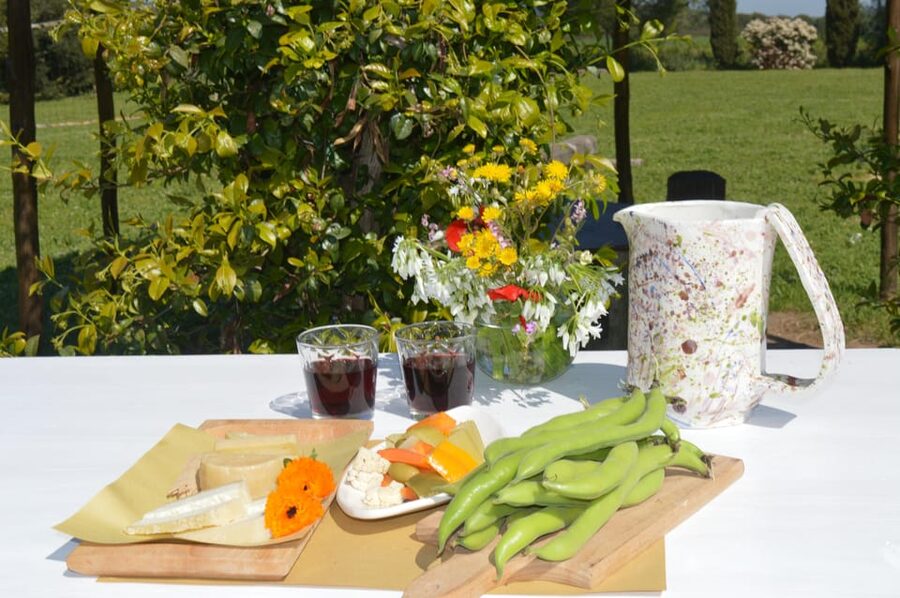
- Seasonal Tuscan tasting: The closing snack may include farm products such as cheese, wine, and vegetables.
- A genuinely small group: Numbers are limited to 10 participants, useful for families and children who want personal guidance.
- Italian-language setting: The experience is led in Italian, so a little patience or basic Italian will help.
- Plan your own arrival: Private transportation is not included, though the visit begins and ends at Lillastro Farm in Grosseto.
A working farm, not a staged animal show
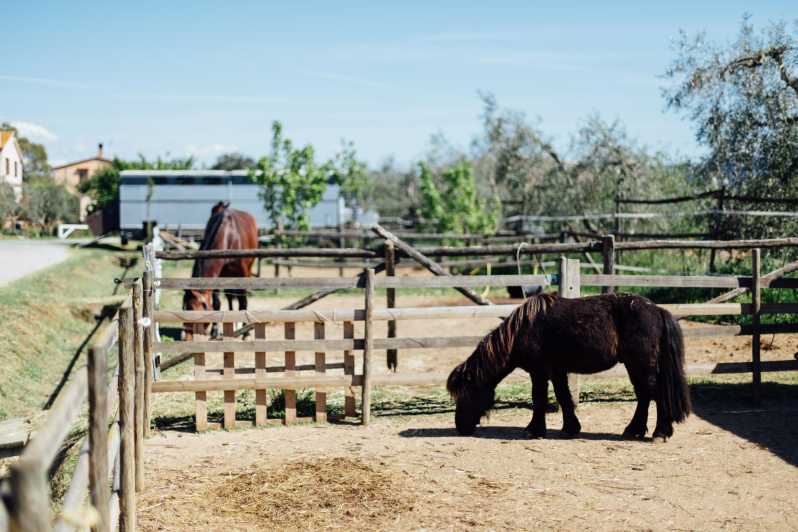
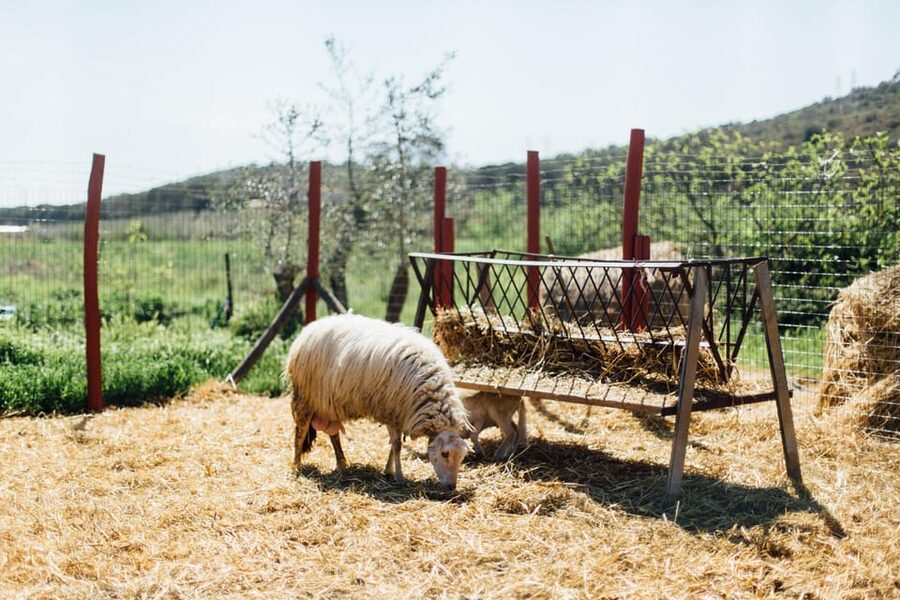
This experience gives you a look at the daily rhythm of a family-run farm in Tuscany. The animals are not just there for decoration. You take part in the care and feeding jobs carried out throughout the year, guided by the farm team.
That difference matters. A short visit to a working farm can help you understand where rural food comes from and how much routine care animals need. You may feed hay to the horses, offer food to the rabbits, and scatter grain for the chickens. Sheep, goats, and different types of poultry are also part of the farm setting.
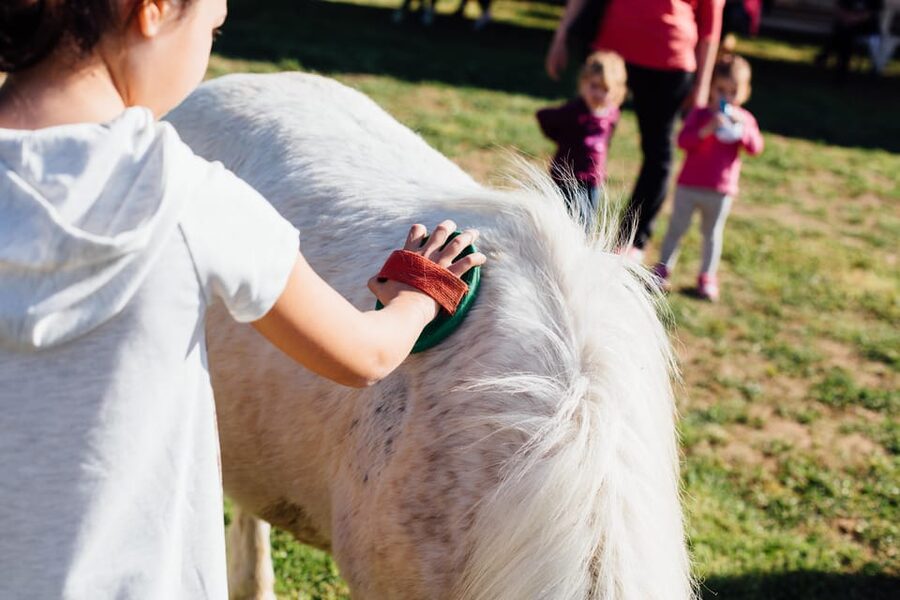
The activities are simple, but that is part of their appeal. You are not expected to have farming experience. The hosts guide you through what to do, and each person can participate at a level that feels comfortable. A child might enjoy collecting eggs or feeding a rabbit, while an adult may be more interested in learning about the animals and the plantations.
I would not book this expecting a long lecture on agriculture or a formal cooking class. The appeal is direct contact with farm life, friendly guidance, and time spent outdoors with animals.
More Food Tours in Italy:
- Sorrento Farm and Food Experience including Olive Oil, Limoncello, Wine tasting
★ 5.0 · 2,524 reviews - Florence Sunset Food Tour with Wine & Dine at a Tuscan farmhouse
★ 5.0 · 194 reviews - Tasty Trionfale Farmers Market Food Tour and Local Wines Tasting
★ 5.0 · 43 reviews
Meeting the horses, sheep, goats, and poultry
The visit centers on several kinds of farm animals, giving the two-hour program a varied feel. Horses offer one kind of interaction, while smaller animals and poultry make the visit easier for young children to follow.
Feeding the horses hay is one of the clearest examples of how the visit works. You are shown how to take part in a routine task, rather than being encouraged to treat the animals like props. The rabbits receive their own food, and the chickens are given grain. You may also spend time near the sheep, goats, and other birds as the hosts explain their care.
The exact order of activities can vary with farm needs, so it is best to think of the visit as a guided farm routine rather than a fixed stage show. That flexibility is useful on a real working farm, where animals do not follow a tourist timetable.
Families should find plenty to keep children interested, but the experience is not only for children. Adults who enjoy local food, rural life, or smaller cultural encounters can appreciate the chance to see how the farm operates. The limited group size should also make it easier to ask questions and take your time with each activity.
Pets are allowed, which is useful to know if your dog is part of your trip. Still, you remain responsible for managing your pet around horses, goats, poultry, and other animals.
Collecting fresh eggs and learning farm routines
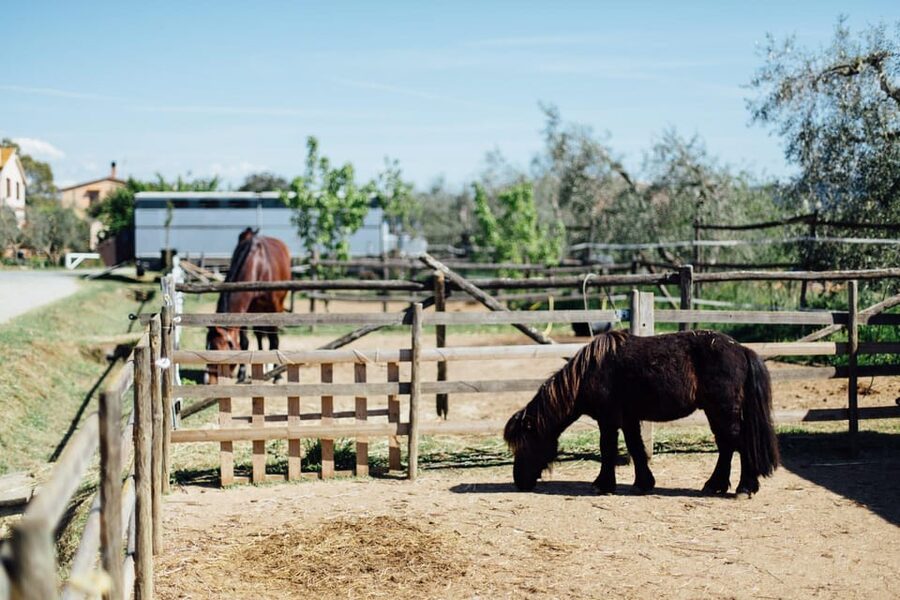
Egg collection is a small activity, but it gives the visit a strong sense of place. You are not just being told that the farm produces food. You get to take part in one of the basic jobs connected with that food.
For children, this can turn an ordinary egg into something memorable. For adults, it offers a quick reminder that farm products begin with regular care, feeding, and maintenance. The hosts also explain animal life and the plantations, so the visit connects livestock, crops, and food production rather than treating each subject separately.
Do not expect a large commercial farm operation or a wide selection of demonstrations. The information provided describes a family farm, and the value comes from the personal setting. You should arrive ready for a practical visit, with some walking or standing likely involved, even though the activity is listed as accessible to people with reduced mobility and wheelchair accessible.
If you have reduced mobility, it is sensible to communicate any needs before arrival. Accessibility is offered, but the information does not describe the exact surfaces, distances, or facilities at the farm.
The seasonal snack at Lillastro Farm
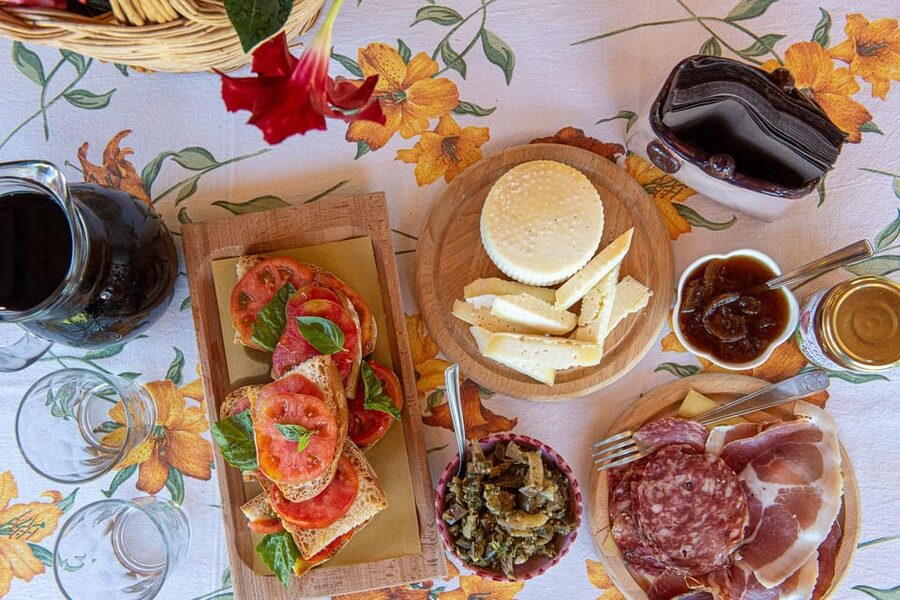
The food tasting comes at the end of the farm visit. It is presented as a snack prepared with seasonal products from the farm and local area, with cheese, wine, vegetables, and water included.
I like this ending because it ties the animal activities to the food on the table. After seeing how a farm functions, you get to taste some of what the land provides. It is a modest farm snack, not a full restaurant meal, so plan accordingly if you need lunch or dinner afterward.
The season will affect what is served. That is a plus if you like local food that changes through the year, but it also means you should not book with a fixed menu in mind. The available information specifically gives examples such as cheese, wine, and vegetables rather than promising a particular dish.
Food restrictions need careful attention. You should tell the farm about intolerances or dietary needs in advance. The farm cannot serve vegan or gluten-free food, so vegans and people with gluten intolerance should skip this experience. Other dietary requests are not guaranteed, which makes advance communication important.
Wine is included in the tasting, but the visit is still family-friendly. You can focus on the food, the farm, or both. Water is included as well.
More farm tours around Italy:
- Florence Pizza or Pasta Class with Gelato Making at a Tuscan Farm
★ 5.0 · 6,801 reviews - Cooking Class and Lunch at a Tuscan Farmhouse with Local Market Tour from Florence
★ 5.0 · 4,831 reviews - Sorrento: Pizza Lesson, Wine, and Limoncello at a Local Farm
★ 5.0 · 1,513 reviews - Florence: Pizza or Pasta Class with Gelato at a Tuscan Farm
★ 4.9 · 1,181 reviews
Why the family setting matters
A family-run farm offers a different kind of Tuscan experience from a large winery, museum, or organized bus excursion. The pace is likely to feel more personal, and you have a better chance to speak directly with the people who care for the animals and produce the food.
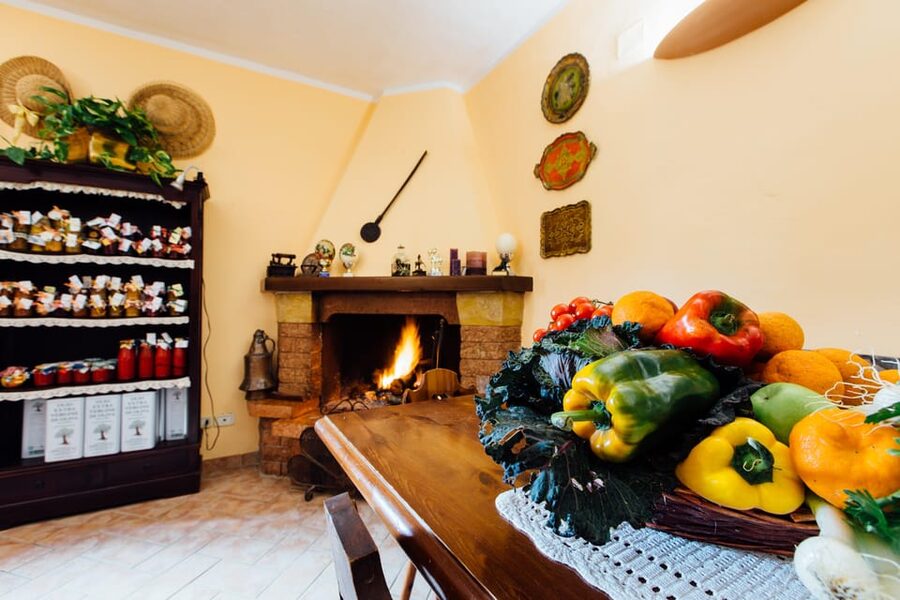
Elena is described as a kind and warm host, and that personal welcome is an important part of the experience. The farm is meant to feel comfortable and home-like, not polished into a high-production attraction. That can be especially appealing if you want to meet local people and see a less formal side of Tuscany.
The trade-off is that a family farm may have fewer tourist-style conveniences than a major attraction. You should not expect a large visitor center, extensive signage, or a choice of several tour languages. The live guide speaks Italian, so non-Italian speakers may get the most from the visit if someone in the group understands Italian or is comfortable following demonstrations.
You can still enjoy the animals and food without fluent Italian, but detailed explanations about care, crops, and farm routines may be harder to follow. This is worth considering before booking.
A two-hour visit with a sensible pace
The total duration is two hours, which is long enough for an introduction to the farm without taking an entire day from your Tuscan plans. You will have time for animal care activities, egg collection, and the food tasting at the end.
This length works well as a morning or afternoon stop, though you need to check the available starting times when booking. Since the visit begins and ends at Lillastro Farm, there is no separate drop-off point or town-center finish to plan around.
The farm is in Grosseto, but private transportation is not included. You need to organize your own route and arrive on time. This is the most important logistical point. A late arrival could cut into a short two-hour program, so allow extra time for finding the farm and parking or reaching it by your chosen method. The available information does not specify a shuttle, hotel pickup, or public transportation connection.
The small group limit of 10 people adds value here. A larger group could make animal feeding feel crowded, especially when several children want a turn. With fewer participants, the farm team can better adapt the activities to different ages and abilities.
What the $33 price gets you
At $33 per person, this is priced as a modest half-day-style activity rather than a major attraction. The fee includes the farm tour, animal interaction, local product tasting, and water. For families, the cost buys more than admission to see animals because it includes guided participation and food.
I see the best value for people who want a local encounter and enjoy hands-on activities. If you only want a quick animal viewing stop, the price may feel less compelling. The experience earns its cost through the personal setting, the small group, and the tasting at the end.
The value also depends on how easily you can reach the farm. Because transportation is not included, you need to count your own travel costs and time. If Lillastro Farm fits naturally into your Grosseto plans, the price is easier to justify. If reaching it requires a complicated journey, the overall cost and effort will be higher than the listed amount.
Booking flexibility helps. You can reserve now and pay later, and cancellation is allowed up to 24 hours before the activity for a full refund. That is useful when your Tuscany schedule may change, though you still need to check the starting time and make your own transport arrangements.
Who will enjoy this most
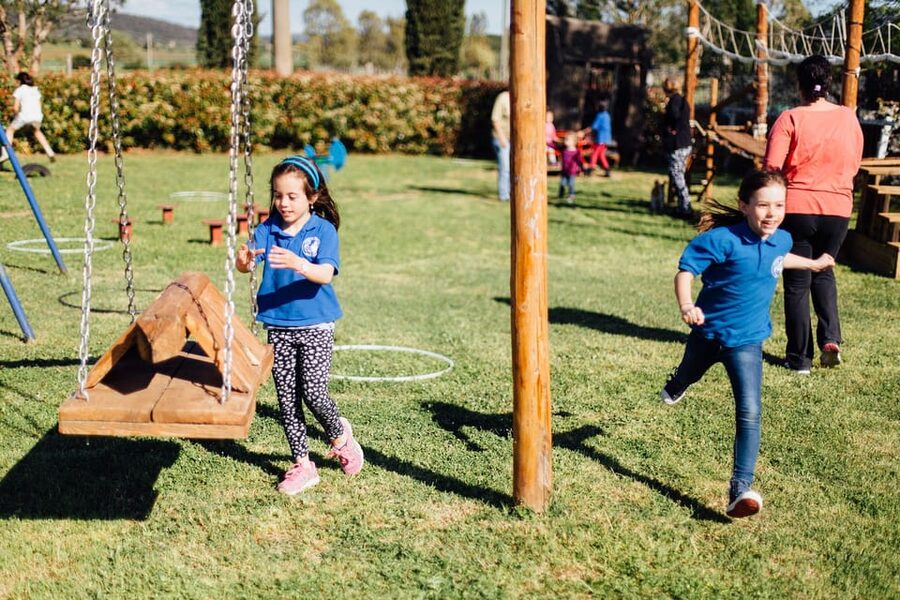
I would recommend this farm visit to families with children who like animals and prefer doing something rather than simply looking. The activities are concrete and easy to understand: feed the animals, collect eggs, learn about the farm, then eat seasonal products.
It also suits couples and adults who want a quieter rural activity near Grosseto. You do not need to be an agricultural enthusiast. An interest in local food, small farms, or everyday Tuscan life is enough.
People with reduced mobility can consider it because the activity is listed as wheelchair accessible and suitable for people with reduced mobility. Contact the farm ahead of time about your specific needs, since the published details do not describe the exact route or facilities.
I would not choose it if you need an English-language guide, a vegan tasting, or gluten-free food. I would also look elsewhere if you want a full meal, a wine-focused tour, or a broad historical explanation of Tuscany. This is a personal farm visit with animals and a snack, not a general sightseeing tour.
My practical take on the experience
The strongest reason to book is the chance to take part in ordinary farm work. Feeding a horse, giving grain to chickens, or collecting eggs creates a more direct connection with the place than a quick photograph from a roadside stop.
The warm family atmosphere is another reason this visit has appeal. Elena’s personal welcome and the farm’s comfortable setting suggest an experience built around hospitality rather than salesmanship. You should expect a simple, genuine visit, with the hosts sharing their animals, food, and daily routines.
Keep your expectations realistic. The tour is in Italian, transportation is your responsibility, and the snack cannot meet vegan or gluten-free needs. Those limits are clear, but they matter. If they work for your group, the two-hour format offers a pleasant way to spend time in the Grosseto countryside while supporting a small family farm.
Should you book Lillastro Farm?
Book it if you want a small, hands-on farm visit with animals, fresh eggs, and a seasonal tasting. It is especially well suited to families, Italian speakers, and anyone who values personal contact over polished tourist presentation.
Skip it if you need English guidance, vegan or gluten-free food, or included transportation. For everyone else, $33 is a fair price for two hours of animal care, farm learning, and local food, provided you can reach Lillastro Farm easily and arrive ready for a simple Italian-language experience.
FAQ
How long does the Grosseto farm visit last?
The activity lasts two hours. Starting times vary, so check availability when booking.
Where does the activity begin and end?
You meet at Lillastro Farm in Grosseto. The activity ends back at the same meeting point.
What animals will I see?
The farm has horses, sheep, goats, rabbits, chickens, and other types of poultry.
Can I take part in caring for the animals?
Yes. With guidance from the farm team, you can feed hay to the horses, give food to the rabbits, provide grain for the chickens, collect fresh eggs, and join other care activities.
What food and drinks are included?
The tasting includes seasonal local products such as cheese, wine, and vegetables. Water is also included.
Is the activity suitable for people with reduced mobility?
Yes. The activity is listed as wheelchair accessible and suitable for people with reduced mobility. Contact the farm in advance about your specific requirements.
Is the visit suitable for vegans or people with gluten intolerance?
No. The farm cannot serve vegan or gluten-free food. You should communicate other food intolerances or dietary needs in advance.
Newly listed farm visits around Italy
- Sorrento Half-Day Farm Experience: Pizza, Cheese Making and Wine★ 5.0 · 17 reviews
- Amalfi Coast & Sorrento Cooking Class School at Farmhouse★ 5.0 · 25 reviews
- Sorrento: Authentic Lemon Experience at a Farm with Tastings★ 5.0 · 6 reviews
- Farm-to-Table Experience: Olive Oil, Garden Tour & Nonna’s Lunch★ 5.0 · 35 reviews
- Cooking Class & Guided Farm Tour On The Hills Of Sorrento★ 5.0 · 10 reviews
- Tasting Limoncello, Oil and Typical Products in Farmhouse★ 5.0 · 13 reviews
- Marì Cooking Class in a Family Farm with Amalfi Coast view★ 5.0 · 11 reviews
- Sorrento Villa Cooking Class with Fresh Harvest Lunch★ 5.0 · 25 reviews
Italy Farm Tours, compared.
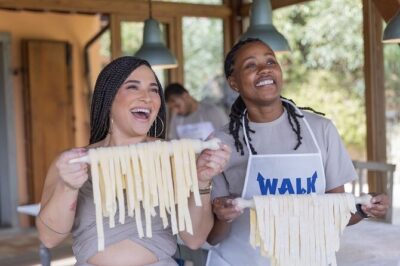
Florence Pizza or Pasta Class with Gelato Making at a Tuscan Farm
Read our review →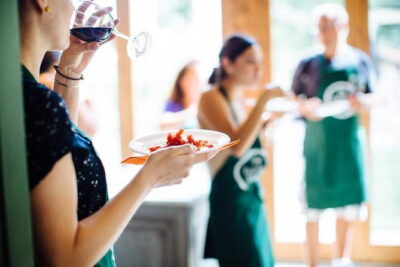
Cooking Class and Lunch at a Tuscan Farmhouse with Local Market Tour from Florence
Read our review →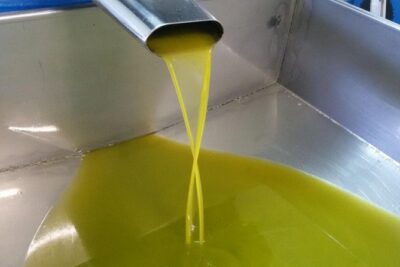
Sorrento Farm and Food Experience including Olive Oil, Limoncello, Wine tasting
Read our review →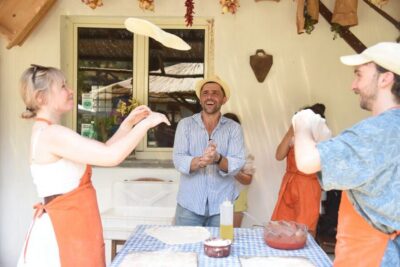
Pizza Lesson, Wine, and Limoncello at a Local Farm
Read our review →
Hands-On Cooking Class & Farmhouse Tour on the Amalfi Coast
Read our review →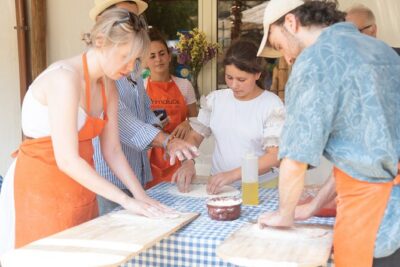
Pizza School with Wine and Limoncello Tasting in a Local Farm
Read our review →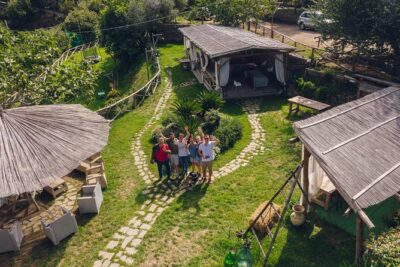
Authentic Farm Tour with Pizza, Cheese, Wine & Limoncello Tasting
Read our review →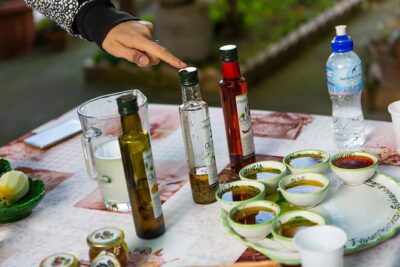
Sorrento Farm by Tuk Tuk: Cheese, Limoncello & Hands-On Pizza
Read our review →Browse the lists this tour appears in