
Review · MAUI
Hali’imaile: Pineapple Farm Tour
Maui Pineapple Tour takes you past the resort side of the island and into the working world of Hali’imaile, where pineapples are grown, harvested, packed, and sent on their way. You’ll walk through the grove, learn how the crop grows, and taste pineapple fresh from the farm. The fruit is so sweet that it may reset your standards for supermarket pineapple.
I like the mix of farm work and Maui history, and I like the practical details, such as how to choose a ripe pineapple and how fruit gets packed for the flight home. The main consideration is physical: the tour includes a slow 20-minute walk on uneven, mulched ground and about 24 broad stairs, so it is not suitable for people with mobility impairments.
Key points to know before booking
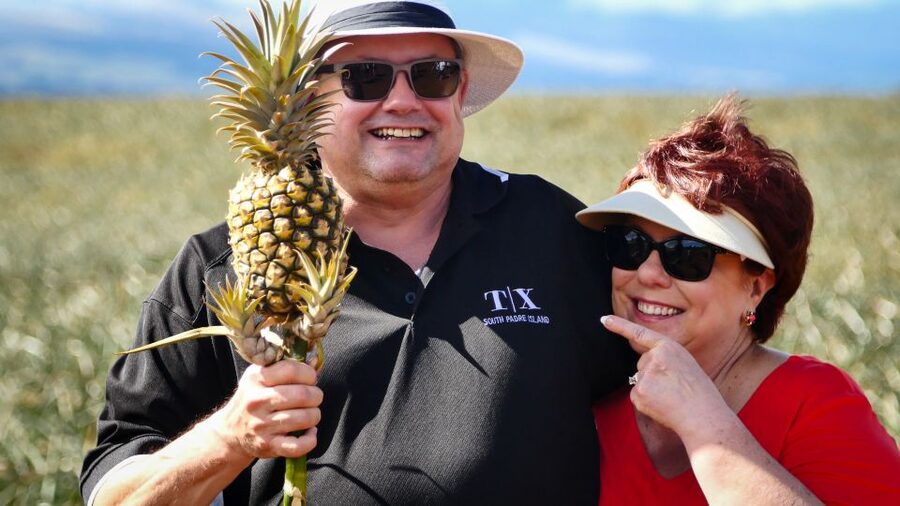
- Fresh pineapple in the field: Taste Maui Gold pineapple during the farm portion, with fruit offered at different stages of sweetness.
- A working operation: You see both the growing fields and the packing process, not just a display garden.
- Useful island context: The guide connects pineapple farming with daily life and the story of Hali’imaile.
- Airport-ready souvenir: Each person receives a pineapple prepared for air travel.
- Strong guide-led experience: Guides including Shilo, Josh, Rudy, Ken, and Mo are praised for humor, clear explanations, and good interaction with different ages.
- Short but active outing: The 90-minute format fits neatly into a Maui day, but requires comfortable walking shoes, sunscreen, and insect repellent.
A farm visit in Hali’imaile, not a resort attraction
The tour begins at 870 Haliimaile Road, where you check in at the front desk of the Maui Pineapple Store. From there, the guide leads the group through the farm and returns everyone to the same location.
That setting matters. Pineapple can seem like a tropical decoration when you see it sliced on a breakfast buffet. Here, you get a closer look at the crop as a working product. You learn how the plants are cultivated, how long the growing cycle takes, and how the farm handles fruit after harvest.
The town of Hali’imaile also gives the outing a more local feel. The focus is not simply on taking photographs of a field. You learn about workday life in this part of Maui and how agriculture fits into the island’s past and present.
The experience is guided in English. The personality of the guide seems to be a large part of the fun. Shilo is known for making the information lively, Josh for his enthusiasm and depth of explanation, and Rudy for his easygoing humor. Other guides, including Ken and Mo, have also made a strong impression by keeping families involved and explaining the farm in plain language.
More farm tours around Maui:
- Maui Pineapple Farm Tour in Haliimaile
★ 5.0 · 2,855 reviews - Lahaina: Maui Ku’ia Estate Guided Cacao Farm Tour and Tasting
★ 5.0 · 1,103 reviews - Maui: Road to Hana Adventure with Farm to Table Lunch
★ 5.0 · 877 reviews
What happens during the 90-minute tour
The entire outing lasts about an hour and a half. That is long enough to cover the farm, the growing process, tasting, and packing without taking over your whole day.
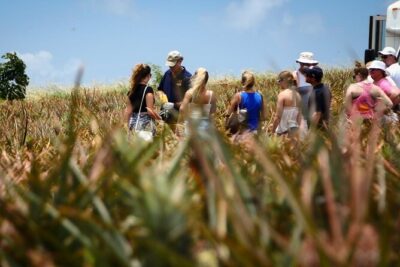
You begin with the guided farm visit. Expect to spend about 20 minutes walking slowly through the grove on uneven or mulched ground. This is where you see pineapple plants up close and learn how the crop is grown. The route is not described as strenuous, but the ground is not smooth pavement, and the walk requires steady footing.
The guide explains cultivation methods and the pineapple growing cycle. You also learn about Maui Gold pineapple, the local crop featured throughout the tour. The value here is in seeing how much work sits behind a familiar piece of fruit. A pineapple does not appear overnight, and the farm’s methods make more sense once you see the plants in their growing environment.
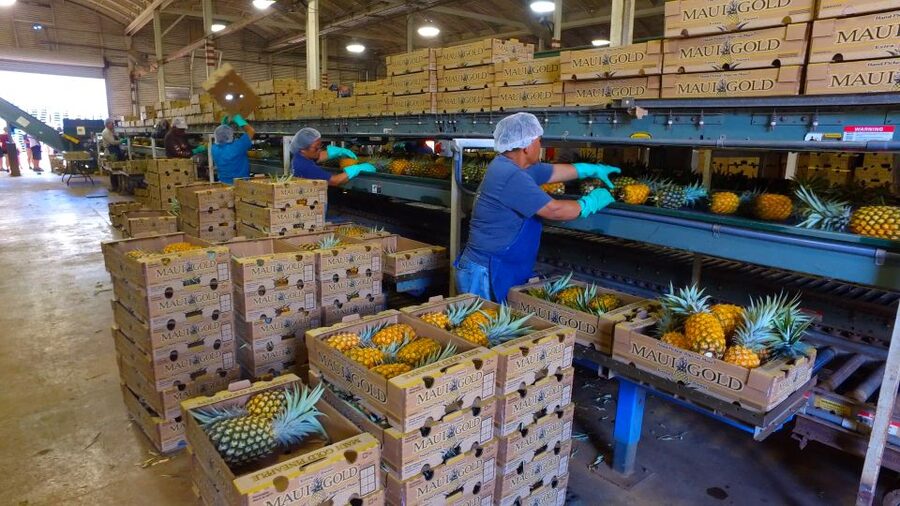
At some point, the group makes its way through the working operation and packing area. This gives you a look at what happens after the fruit leaves the field. The tour is not limited to a scenic walk among plants. You also get a sense of the steps involved in preparing pineapples for sale and shipment.
There is a flight of about 24 broad stairs with a railing. This is an important detail to consider before booking. The farm walk and the stairs make the field portion unsuitable for people with mobility impairments. The tasting area at the factory is seated and fully accessible, but there is no space in the vehicles to store walkers.
The pineapple tasting is more useful than it sounds
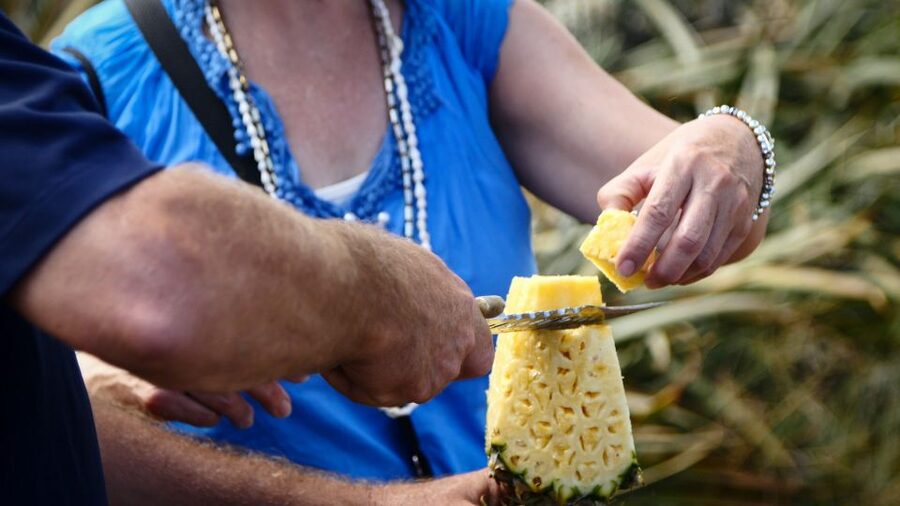
The tasting is not just a quick sample at the end. It helps explain one of the reasons Maui Gold pineapple has such a strong following. You may taste fruit at different stages of sweetness and learn how to judge pineapples when shopping.
That shopping advice is one of the tour’s most useful takeaways. Instead of simply telling you that the fruit is sweet, the guide explains what to look for when choosing a pineapple in a store. You leave with a better sense of how ripeness and flavor relate, which is helpful long after the farm visit is over.
The fresh tasting also gives the tour a welcome physical reward. Pineapple is easy to discuss in a classroom, but sampling it near the fields makes the lesson more memorable. The fresh fruit has been described as especially sweet, and several visitors have wanted to buy more to ship home to family.
The format works well for children old enough to follow a guided walk. Children must be at least 3 years old, and the tour can suit a family with older children or teenagers who enjoy food and hands-on learning. Very young children may find the walking and explanations less engaging, but the tasting and take-home fruit add a clear payoff.
Seeing the packing process and taking fruit home
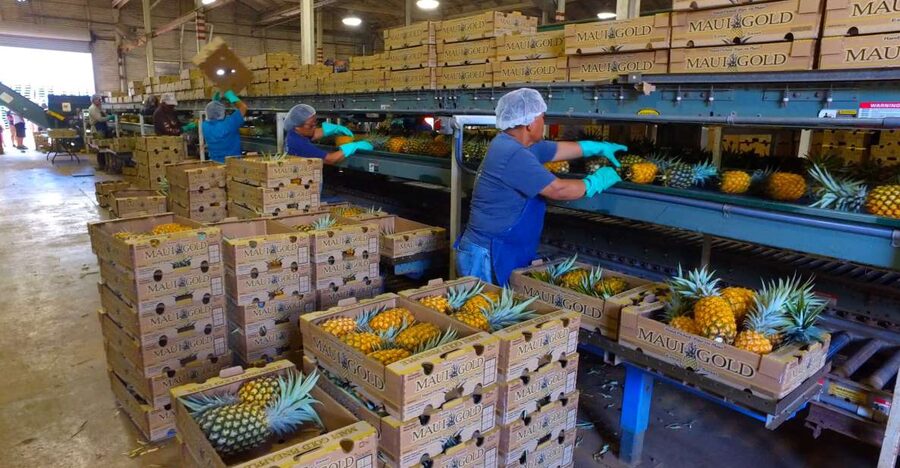
The take-home pineapple is one of the strongest practical features. You receive a fresh pineapple approved and packaged for airport transport, so you do not have to figure out how to carry a loose piece of fruit through your trip.
That makes the $99 price easier to judge. You are paying for a guided visit to a working farm, a tasting, the farm story, and a packaged souvenir. The pineapple alone is not the reason to book, but it gives the experience a tangible ending.
The packing portion also adds context. You see that the farm is not only growing fruit for local tables. It has a process for preparing pineapples so visitors can bring them home by air. The box turns a pleasant farm visit into something you can share after returning home.
You can also purchase additional pineapples for later shipment. The information provided does not specify shipping prices or delivery timing, so ask the staff directly if that option interests you. The important point is that the tour gives you a chance to take the taste home in more than one way.
Same countryside, another kind of harvest:
- Maui Horseback Adventure at Circle M Ranch With Real Cowboys
★ 5.0 · 761 reviews - The Maui Butterfly Farm Tour
★ 5.0 · 446 reviews - Taste of Hawaii: A Maui Farm Tour
★ 5.0 · 152 reviews - Lahaina: Maui Ku’ia Estate Guided Cacao Farm Tour & Tasting
★ 4.8 · 137 reviews
What makes the guides important
This is a guide-dependent experience. The plants and packing area matter, but the explanation is what turns a short farm stop into a worthwhile activity.
A good guide has to cover several subjects without making the outing feel like a lecture: the pineapple plant, cultivation, harvesting, the Maui Gold operation, local history, and the packing process. The strongest guide names associated with the tour are Shilo, Josh, Rudy, Ken, and Mo. Their styles differ, but the common thread is humor, clear information, and an effort to include the whole group.
That matters if you are visiting with children or with people who do not know much about farming. The guide can point out details you would miss on your own and explain why the plants are handled in certain ways. The best moments are likely to come from questions and conversation, so take the chance to ask about growing time, sweetness, or how to choose fruit at home.
The tour has a 4.9 rating from 126 reviews, with especially strong praise for the guides, the fresh tasting, and the chance to walk among the plants. That high rating should not make you expect a polished theme-park show. This is a compact agricultural tour, and its appeal comes from real farm work, clear explanations, and good fruit.
The walking requirements deserve serious attention
Bring comfortable shoes. The route includes uneven, mulched ground and a slow walk of around 20 minutes. Sunscreen and insect repellent are also sensible choices because the experience takes place around the farm rather than entirely indoors.
The stairs are the bigger concern for some people. You climb approximately 24 broad steps with a railing. The tasting at the factory is seated and accessible, but the full tour itself is not ADA accessible.
People who use walkers should take special care when deciding. There is no room in the vehicles to store walkers, and the uneven ground may be difficult even before the stairs. The tour is not suitable for people with mobility impairments, according to the activity information.
Weather can affect comfort. One outing continued in rain and was still considered worthwhile, but you should be prepared for outdoor conditions. A light rain layer may be useful, though it is not listed among the required items. The supplied essentials are comfortable shoes, sunscreen, and insect repellent.
Is $99 a fair price?
At $99 per person, this is not a cheap stop for a quick taste of fruit. The value depends on what you want from a Maui activity.
I think the price is easier to justify if you care about local agriculture, want a guided experience away from the main resort areas, or are looking for a family activity that combines learning with food. The take-home pineapple, airport packaging, tasting, guide, and working-farm access are all included.
The price is harder to justify if you want only a scenic photo stop or a short tasting. You could buy pineapple elsewhere for less, and the tour does not include hotel pickup or drop-off. You need to make your own way to Haliimaile Road.
The 90-minute length helps. You are not committing half a day, and the tour can fit around other Maui plans. It works best when you treat the outing as an agricultural lesson with a delicious souvenir, not simply as a pineapple purchase.
Who should book this Hali’imaile experience
I would recommend it to families with children aged 3 and up, couples who enjoy food-focused activities, and anyone curious about how a familiar crop is grown. It is also a good choice if you want to see a less commercial side of Maui and hear about the working life of Hali’imaile.
It suits people who enjoy asking questions and learning small practical details. You may leave knowing how to pick a better pineapple, how the fruit is handled for air travel, and why the growing cycle matters.
I would be cautious about booking it for anyone who dislikes outdoor heat, uneven ground, stairs, or guided group activities. The tour is active enough to require steady walking, yet educational enough that visitors seeking a purely scenic outing may find it slower than expected.
You can cancel up to 24 hours before the start time for a full refund, and the reserve-now, pay-later option gives you some flexibility while planning. Hotel transportation is not included, so allow time to reach the meeting point at the Maui Pineapple Store.
Should you book the Maui Pineapple Tour?
Book it if you want a short, friendly look at real pineapple farming, especially if fresh food and local history appeal to you. The strongest parts are the field walk, the practical tasting lesson, the packing process, and the airport-ready pineapple you take home.
Skip it if you need a fully accessible activity, want hotel pickup, or are looking for a broad plantation tour with many different crops. For most visitors who can manage the walk and stairs, the $99 cost buys more than a snack: it gives you a clear look at how Maui Gold pineapple moves from field to flight.
FAQ
Where does the Maui Pineapple Tour begin?
The tour begins at 870 Haliimaile Road. Check in at the front desk of the Maui Pineapple Store.
How long does the tour last?
The guided tour lasts approximately 90 minutes and returns to 870 Haliimaile Road.
Is pineapple tasting included?
Yes. Pineapple tasting is included, and you can taste fresh fruit during the farm portion of the experience.
Do I receive a pineapple to take home?
Yes. You receive a fresh pineapple packaged for airport transport.
Is the tour accessible for people with mobility impairments?
No. The farm route includes a slow 20-minute walk over uneven, mulched ground and a flight of approximately 24 broad stairs. The seated factory tasting is accessible, but walkers cannot be stored in the vehicles.
What should I bring?
Bring comfortable shoes, sunscreen, and insect repellent. The tour is conducted in English, and children must be at least 3 years old.
Newly listed farm visits around Maui
- Maui Farm Distillery and local craft experience Full-Day Tour★ 5.0 · 22 reviews
- Alpaca Farm Experience on the Road to Hana★ 4.0 · 12 reviews
- Maui Pineapple Tour: Farm and Feast Experience★ 5.0 · 32 reviews
- Pueo Farm Tour (1.5 hr) Upcountry Kula Maui Hawaii★ 5.0 · 21 reviews
- Farm to Taco: A Farm to Table Cooking Class★ 5.0 · 41 reviews
- Maui: Interactive Butterfly Farm Entrance Ticket★ 4.9 · 62 reviews
- Maui: Feast at Mokapu Farm-to-Table Luau in Wailea★ 4.5 · 105 reviews
- Lahaina: Maui Ku’ia Estate Guided Cacao Farm Tour & Tasting★ 4.8 · 137 reviews
Maui Farm Tours, compared.
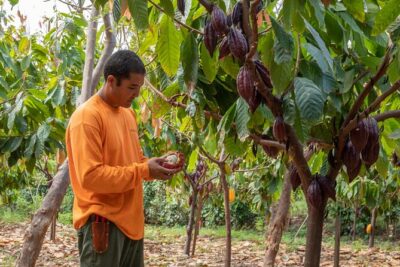
Maui Ku’ia Estate Guided Cacao Farm Tour and Tasting
Read our review →
Maui Horseback Adventure at Circle M Ranch With Real Cowboys
Read our review →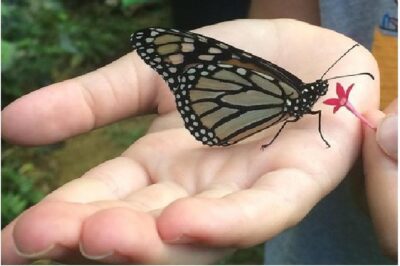
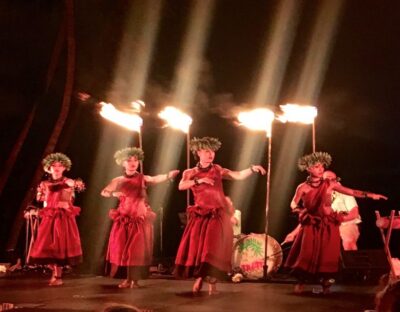
Maui: Feast at Mokapu Farm-to-Table Luau in Wailea
Read our review →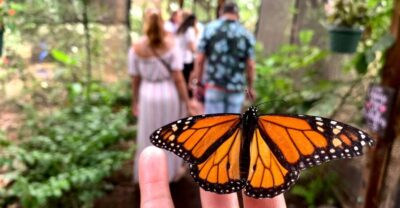
Maui: Interactive Butterfly Farm Entrance Ticket
Read our review →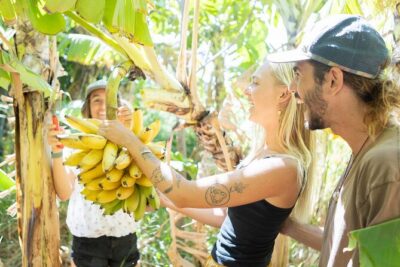
Browse the lists this tour appears in