
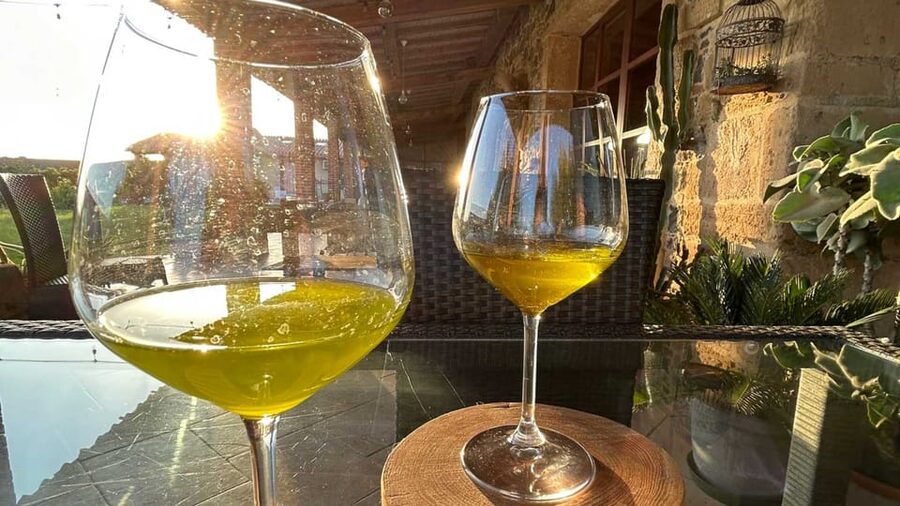
Review · ITALY
Oristano: visit a farm with oil tasting
The best part of this Oristano experience is that olive oil is treated as a food with its own character, not just something poured over a salad. At a fifth-generation farm in Massama, Anna and Antonella lead you from the olive grove to the tasting table, explaining how Sardinian cultivars shape the final flavor.
I like the family farming story dating to 1857 and the chance to compare oils made from local varieties such as Bosana, Nera di Villacidro, Sa Manna, and Semidiana. I also like the practical tasting lesson, which helps you tell extra virgin oil from ordinary olive oil and lampante oil, then match bitter or peppery oils with food.
The main drawback is the short 1.5-hour schedule. You get a focused introduction rather than a long farm visit, and the activity may not suit you if walking is difficult, since it is listed as unsuitable for people with mobility impairments.
Key points to know before booking
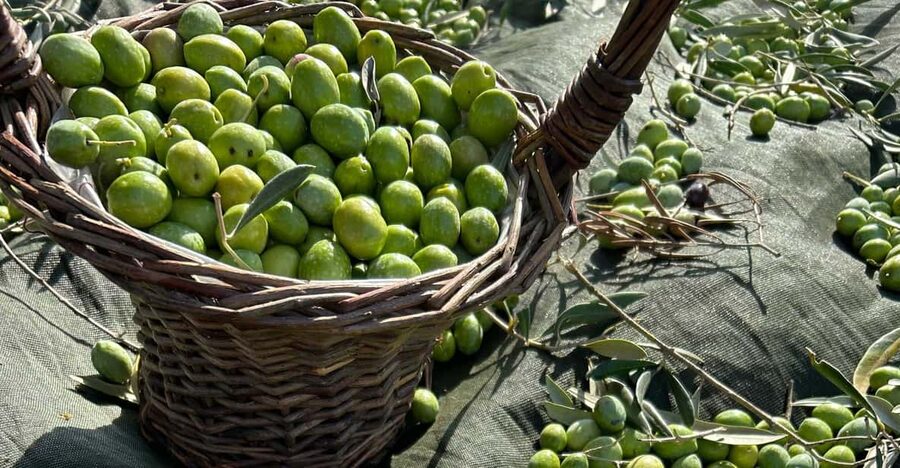
- Five generations of olive-oil expertise: Anna and Antonella guide the visit, drawing on their family’s farming and oil-making tradition.
- A real Sardinian cultivar lesson: Learn how Bosana, Nera di Villacidro, Sa Manna, and Semidiana differ.
- Grove-to-table format: The visit covers harvesting, transport, pressing, storage, tasting, and food pairing.
- Tasting with proper local food: Expect country crostone, seasonal vegetables, legume hummus, a chef’s surprise, water, and a glass of local wine.
- Organic, award-winning production: The farm is certified organic and has received national and international recognition for its extra virgin olive oil.
- Plan for a short, active visit: The activity lasts 1.5 hours, uses Italian and English, and requires comfortable clothing.
A family farm in Massama, close to Oristano
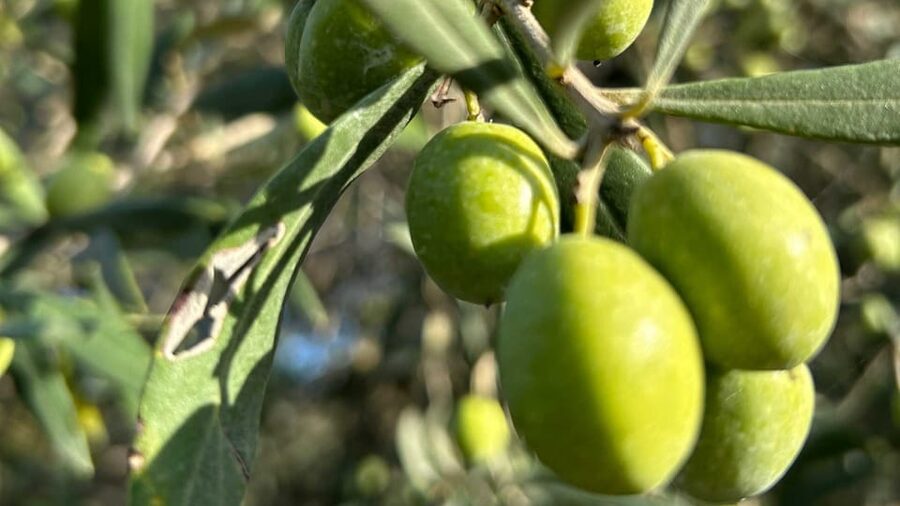
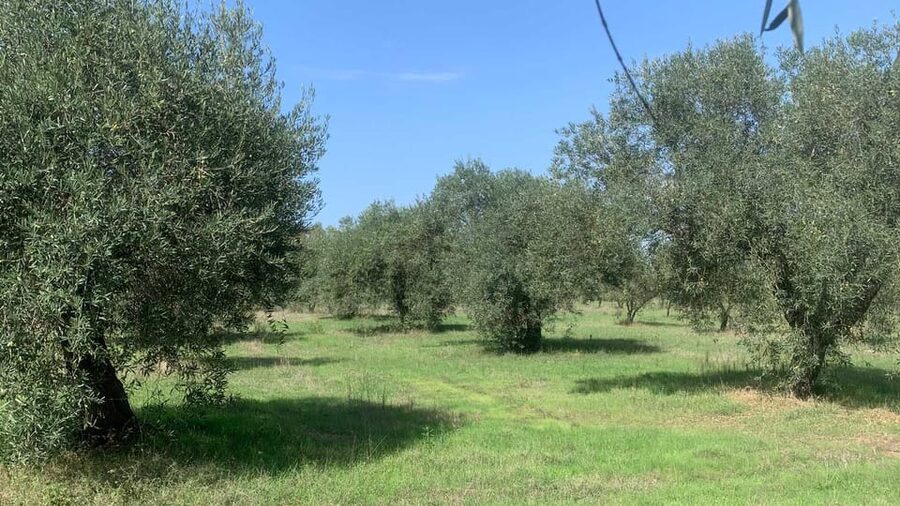
Massama is a small village near Oristano, and this setting gives the experience a useful sense of place. You are not simply attending a tasting in a shop. You begin at a working farm, among olive trees, with the food connected to the soil and to a family enterprise.
The farm was founded in 1857 and is recognized by Unioncamere as a historical enterprise. That detail matters because it puts the tasting in a long local tradition. Sardinia is often presented through beaches and ancient archaeological sites, but food production tells another part of the island’s story. Here, olive growing is the main subject.
The visit takes place partly outdoors and partly in a historic manor house. The setting under ancient olive trees should appeal to you if you prefer small-scale food experiences to formal sightseeing. At the same time, the farm setting means you should wear comfortable clothes and be ready for some movement between areas.
The activity is listed as lasting 1.5 hours. The description calls it a half-day experience in one place, but the stated duration is much shorter, so plan on a compact visit rather than an extended farm stay. That makes it easy to fit into a day exploring Oristano, the Sinis Peninsula, or nearby villages.
More farm tours around Italy:
- Florence Pizza or Pasta Class with Gelato Making at a Tuscan Farm
★ 5.0 · 6,801 reviews - Cooking Class and Lunch at a Tuscan Farmhouse with Local Market Tour from Florence
★ 5.0 · 4,831 reviews - Sorrento Farm and Food Experience including Olive Oil, Limoncello, Wine tasting
★ 5.0 · 2,524 reviews
Beginning under the olive trees
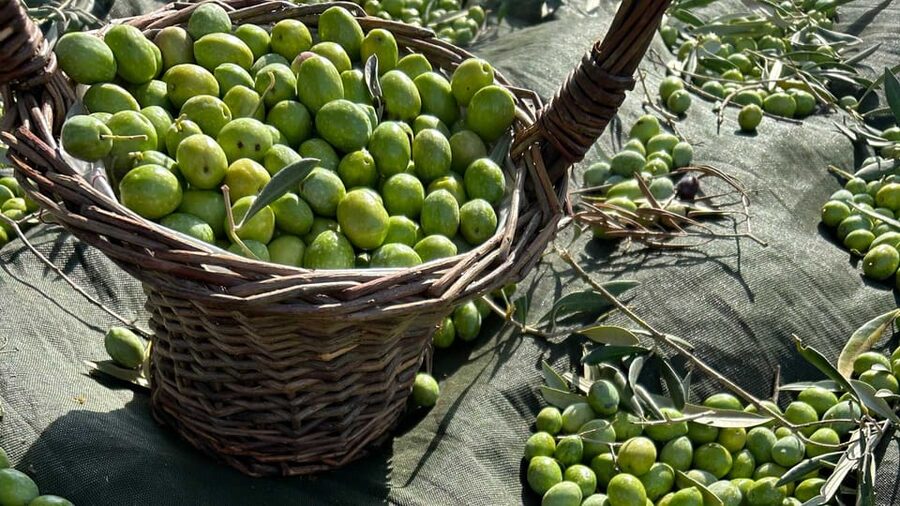
The first part introduces the different Sardinian olive cultivars. This is more useful than simply hearing that one oil is fruity and another is peppery. You learn that the variety of olive helps shape the oil’s aroma, bitterness, and heat.
The farm produces oil from Bosana, Nera di Villacidro, Sa Manna, and Semidiana. Semidiana is especially tied to the Oristano area, so this is a good opportunity to taste a product connected to the local region rather than a generic Italian blend.
Anna and Antonella explain how olives are harvested, moved, and pressed. These steps can sound simple, but each one affects quality. The time between picking and pressing matters, as does the way the olives are handled and the way the finished oil is stored.
You will also hear about the best method of preserving extra virgin olive oil. That part has value long after you leave Sardinia. At home, you can apply the same principles when choosing where to keep an opened bottle and how to protect it from conditions that damage its flavor.
The farm’s organic certification and awards give you useful context, but the real benefit is learning what happens before the bottle reaches the table. You begin to see oil as the end result of farming, timing, pressing, and storage, not as a single undifferentiated ingredient.
Learning what extra virgin really means
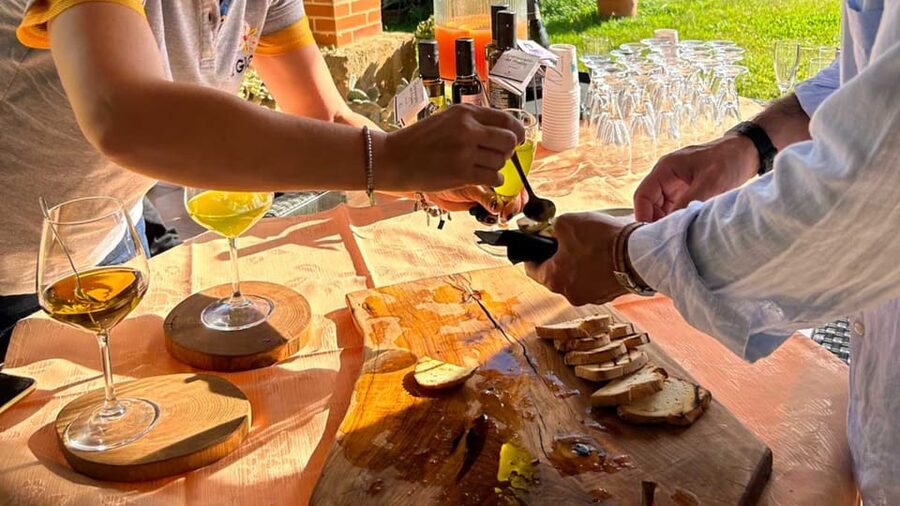
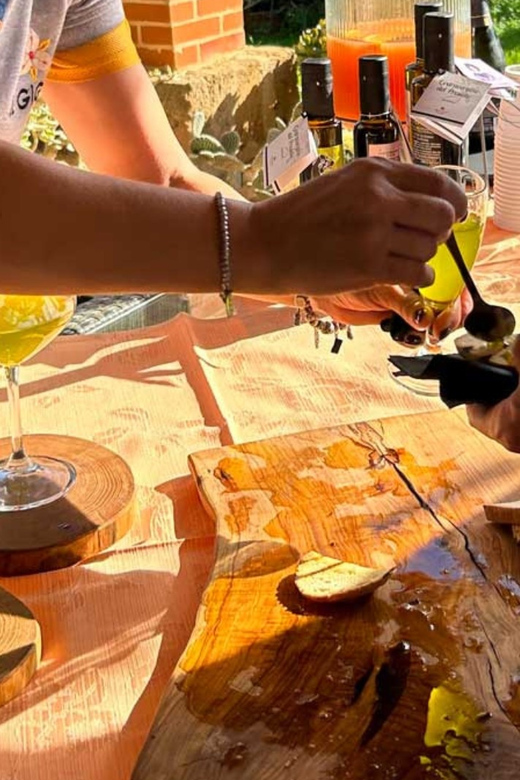
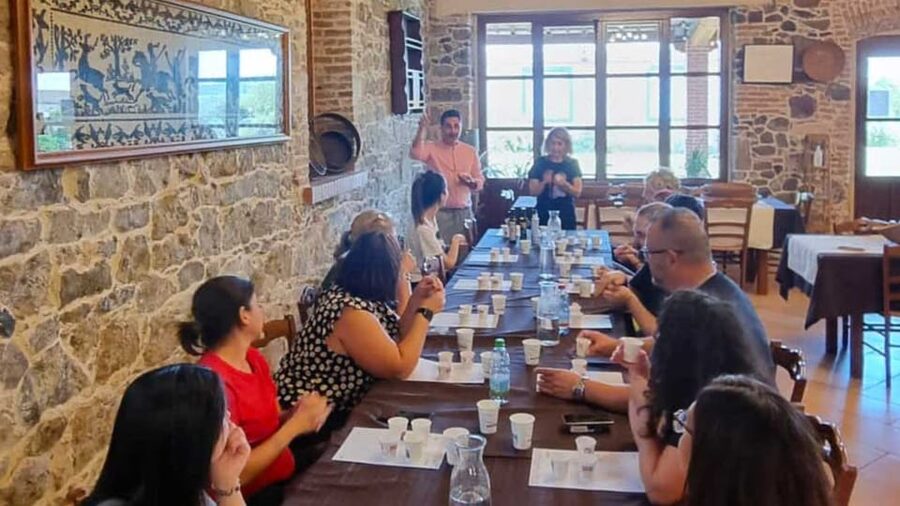
The tasting lesson moves beyond simply dipping bread into oil. Antonella and Anna teach you how to recognize extra virgin olive oil through organoleptic analysis, using your senses to assess smell and taste.
You compare an extra virgin olive oil with olive oil and lampante oil. For many people, the labels are confusing. This session gives you a basic framework for understanding the difference and noticing why quality matters.
Expect to pay attention to fruitiness, bitterness, and spiciness. These qualities are not flaws. In a good oil, they can show freshness and the character of the olive. Still, the right level depends on how you plan to use it.
A gentle, fruity oil may suit delicate vegetables or mild dishes. A more bitter or peppery oil can work better with foods that have enough flavor to hold their own. The point is not to declare one oil best for everything. The point is to choose according to the food.
That is the most practical skill you take away. You are not expected to become an oil judge in one short visit. You are given a simple vocabulary and a way to compare oils, which can make future shopping and cooking more informed.
Pairing oils with crostone and seasonal food
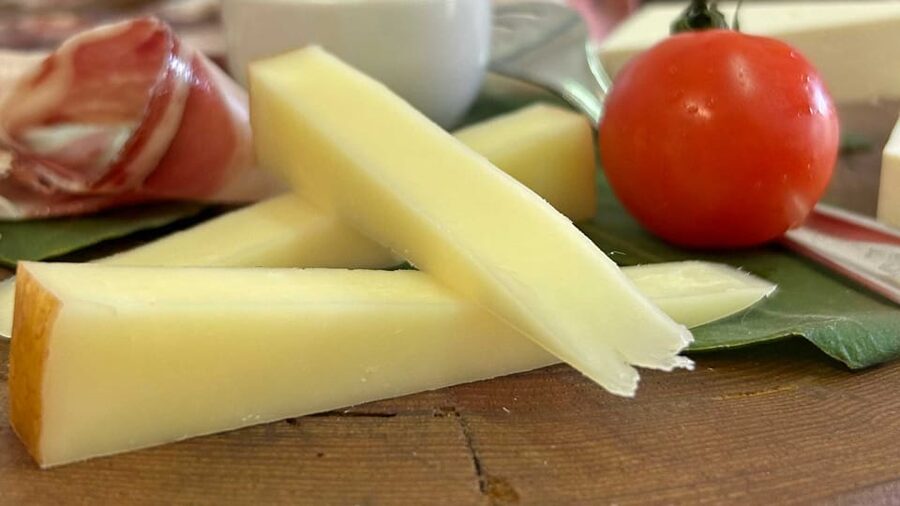
The tasting includes country crostone, seasonal vegetables, legume hummus, and a chef’s surprise. You also receive water and a glass of local wine.
Crostone gives you a straightforward base for comparing oils. With a plain piece of toasted country bread, the flavor of the oil has room to show itself. You can notice fruitiness, bitterness, and pepper without a complicated recipe getting in the way.
The seasonal vegetables provide a second test. Vegetables can be delicate, sweet, earthy, or sharp, so different oils may change the balance of the dish. This is where the lesson becomes easy to remember: taste the food, taste the oil, then decide if they help each other.
Legume hummus adds a creamy, hearty pairing. A more assertive oil may work well with this kind of dish, while a lighter oil could keep the flavors softer. The exact preparation is not specified, and the chef’s surprise means one part of the tasting changes with the farm’s choice.
The glass of local wine rounds out the table without turning the event into a full meal. You should think of the food as a generous tasting spread rather than lunch. If you need a substantial meal, plan one before or after the visit.
Food accommodations are available for allergies, intolerances, and vegetarian or vegan diets, but you must give notice at least two days before the experience using the number on your reservation voucher. Do not wait until you arrive. The farm can prepare for your needs only if you tell them in advance.
Same countryside, another kind of harvest:
- Sorrento: Pizza Lesson, Wine, and Limoncello at a Local Farm
★ 5.0 · 1,513 reviews - Florence: Pizza or Pasta Class with Gelato at a Tuscan Farm
★ 4.9 · 1,181 reviews - Hands-On Cooking Class & Farmhouse Tour on the Amalfi Coast
★ 5.0 · 956 reviews - Pizza School with Wine and Limoncello Tasting in a Local Farm
★ 5.0 · 845 reviews
Why the guides make a difference
Anna and Antonella are fifth-generation oil and wine sommeliers. Their role is important because they connect technical information with family experience.
You hear about the cultivars and production methods, but you also get the story behind the labels and the farm’s long connection to agriculture. That combination should suit you if you like food tours that explain both the product and the people who make it.
The guides speak Italian and English. If you are comfortable asking questions, this is the moment to ask about the differences among the four Sardinian cultivars, how the oil is stored, or which style works best with a food you often cook at home.
A verified booking from August 2025 described the experience as beautiful, interesting, and clearly explained, with the participant learning a great deal. Another verified booking from September 2024 specifically praised the farm tour and oil tasting. The common thread is clear: the teaching is a major part of the appeal, not a side note before the food arrives.
What the short duration means for value
No price is provided here, so I cannot judge the exact cost in euros. To decide if the activity is good value, compare the quoted rate with what it includes: a guided farm visit, instruction from two fifth-generation specialists, a tasting of several oils, local food, water, and wine.
For you, the value will be strongest if you want to understand olive oil rather than simply sample it. The lesson can change how you shop and cook, which gives the experience use beyond your holiday.
The value is weaker if you want a long agricultural tour, a full meal, or a broad survey of Sardinian food. This is a focused olive-oil visit. Its short format is convenient, but it limits the amount of time available for walking through the farm and asking questions.
Because no group size is stated, you should not assume a private visit or a very small class. If the size of the group matters to you, ask before booking. The activity is offered by Escursì, and the tour language is Italian or English.
Who should book this Oristano experience
I would recommend this visit to home cooks, food-focused visitors, and anyone curious about how Italian olive oil differs from bottle to bottle. It also works well for people who want a quieter rural activity near Oristano rather than another town walk or museum.
The tasting is especially useful if you have always bought extra virgin olive oil without knowing how to assess it. You learn what to look for, what the common oil categories mean, and how to match oil with food.
Families may appreciate the farm setting, but the suitability depends on each person’s mobility and interest in a guided tasting. The experience is explicitly not suitable for people with mobility impairments, so check the physical demands carefully before booking.
Pets are allowed on leashes both outside and inside the facility, except in processing rooms or areas where food is handled. They must be docile. If you are traveling with a dog, this is more flexible than many food activities, but you still need to follow the farm’s restrictions.
The visit may be less satisfying for you if you dislike tasting strong flavors or prefer a tour with more general sightseeing. The subject stays firmly on olive farming, oil production, and food pairing.
Useful planning details near Oristano
The meeting point is in Massama, a village near Oristano. The supplied information does not include transport from Oristano, so check how you will reach the farm before confirming your plans. Do not assume that a transfer is included.
Wear comfortable clothes. You will begin in the olive grove and move through farm areas before reaching the tasting. Since mobility limitations are a stated concern, contact the provider if you need specific information about walking surfaces or access.
Free cancellation is available up to 24 hours before the start for a full refund. You can also reserve now and pay later, which helps if your Sardinia schedule is still changing. The available start times should be checked for your date.
The best place for this activity in your itinerary is likely a day when you are already visiting Oristano or nearby parts of western Sardinia. At 1.5 hours, it can fit before another outing, but allow extra time for getting to Massama and finding the farm.
My call: book it for the lesson, not just the tasting
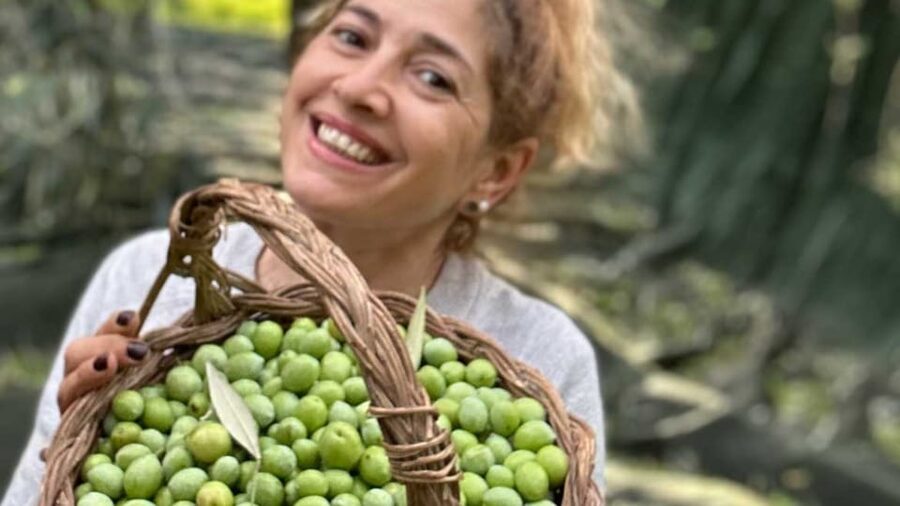
Book this farm visit if you want a clear, hands-on introduction to Sardinian olive oil. The combination of a historic family farm, local cultivars, organic production, sensory testing, and simple food pairings gives you more than a quick sample at a shop.
I especially like that the experience teaches you how to use the oil. You leave with a better sense of why one oil suits bread or vegetables while another works with a stronger dish. That is a useful souvenir, and it takes up no space in your luggage.
Skip it if you need a full meal, a long countryside excursion, or an activity with no walking. Also check the final price, transport plan, and accessibility details before booking. For food lovers spending time near Oristano, this is a focused and worthwhile way to connect a famous Sardinian ingredient with the land and the family behind it.
FAQ
Where does the olive oil experience take place?
It takes place at a farm in Massama, a village near Oristano in Sardinia.
How long does the experience last?
The stated duration is 1.5 hours.
Which languages are available?
The live guide is available in Italian and English.
Which olive cultivars will I learn about?
The farm produces oil from Bosana, Nera di Villacidro, Sa Manna, and Semidiana. Semidiana is typical of the Oristano area.
What food and drink are included?
The tasting includes country crostone, seasonal vegetables, legume hummus, a chef’s surprise, water, and a glass of local wine.
Can dietary requirements be accommodated?
Allergies, intolerances, and vegetarian or vegan alternatives can be accommodated with prior notice. Contact the number on your reservation voucher at least two days before the experience.
Are pets allowed?
Pets are allowed on leashes outside and inside the facility, except in processing rooms or areas where food is handled. They must be docile.
What are the cancellation terms?
You can cancel up to 24 hours in advance for a full refund. Reserve now and pay later is also available.
Newly listed farm visits around Italy
- Sorrento Half-Day Farm Experience: Pizza, Cheese Making and Wine★ 5.0 · 17 reviews
- Farm-to-Table Experience: Olive Oil, Garden Tour & Nonna’s Lunch★ 5.0 · 35 reviews
- Amalfi Coast & Sorrento Cooking Class School at Farmhouse★ 5.0 · 25 reviews
- Sorrento: Authentic Lemon Experience at a Farm with Tastings★ 5.0 · 6 reviews
- Cooking Class & Guided Farm Tour On The Hills Of Sorrento★ 5.0 · 10 reviews
- Tasting Limoncello, Oil and Typical Products in Farmhouse★ 5.0 · 13 reviews
- Marì Cooking Class in a Family Farm with Amalfi Coast view★ 5.0 · 11 reviews
- Sorrento Villa Cooking Class with Fresh Harvest Lunch★ 5.0 · 25 reviews
Italy Farm Tours, compared.
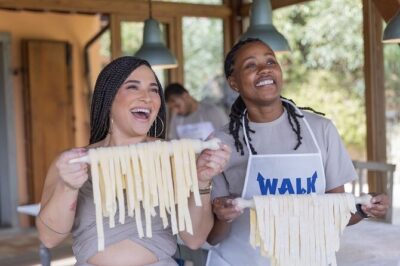
Florence Pizza or Pasta Class with Gelato Making at a Tuscan Farm
Read our review →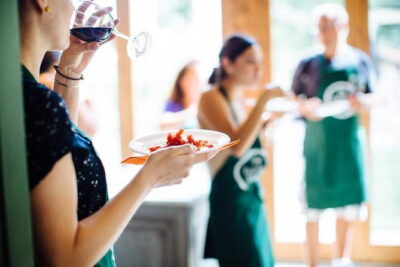
Cooking Class and Lunch at a Tuscan Farmhouse with Local Market Tour from Florence
Read our review →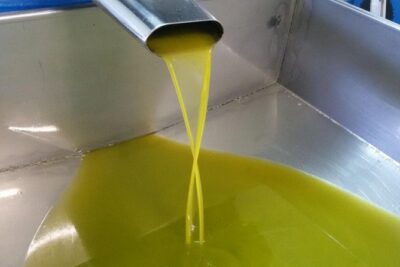
Sorrento Farm and Food Experience including Olive Oil, Limoncello, Wine tasting
Read our review →
Pizza Lesson, Wine, and Limoncello at a Local Farm
Read our review →
Hands-On Cooking Class & Farmhouse Tour on the Amalfi Coast
Read our review →
Pizza School with Wine and Limoncello Tasting in a Local Farm
Read our review →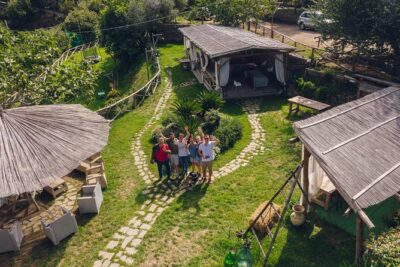
Authentic Farm Tour with Pizza, Cheese, Wine & Limoncello Tasting
Read our review →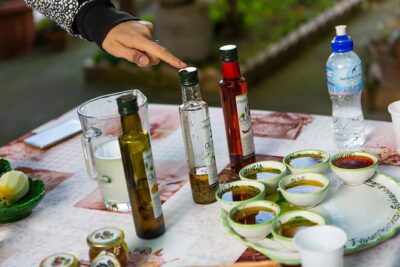
Sorrento Farm by Tuk Tuk: Cheese, Limoncello & Hands-On Pizza
Read our review →Browse the lists this tour appears in