
Review · AROUND THE WORLD
Accra: Aburi Botanical Garden, Cocoa Farm, and Waterfall …
Ghana’s cocoa story begins with a small farm, not a chocolate factory. This private trip links that farm with Aburi Botanical Garden and a forest path to Asenema Waterfall, giving you three very different views of the Eastern Region in one day.
I like the mix of hands-on cocoa tasting and quiet time by the falls. I also like that transport, lunch, water, guiding, and entry fees are included, so the $194 price covers the main costs rather than leaving you to add them up along the way.
The main thing to consider is the pace. Six hours is enough for a useful look at all three places, but not a long, slow visit at each one. You should also expect a moderate amount of walking, including the path to the waterfall.
Key points to know before you book
- Three very different stops: Learn about tropical plants, cocoa farming, and a forest waterfall in one outing.
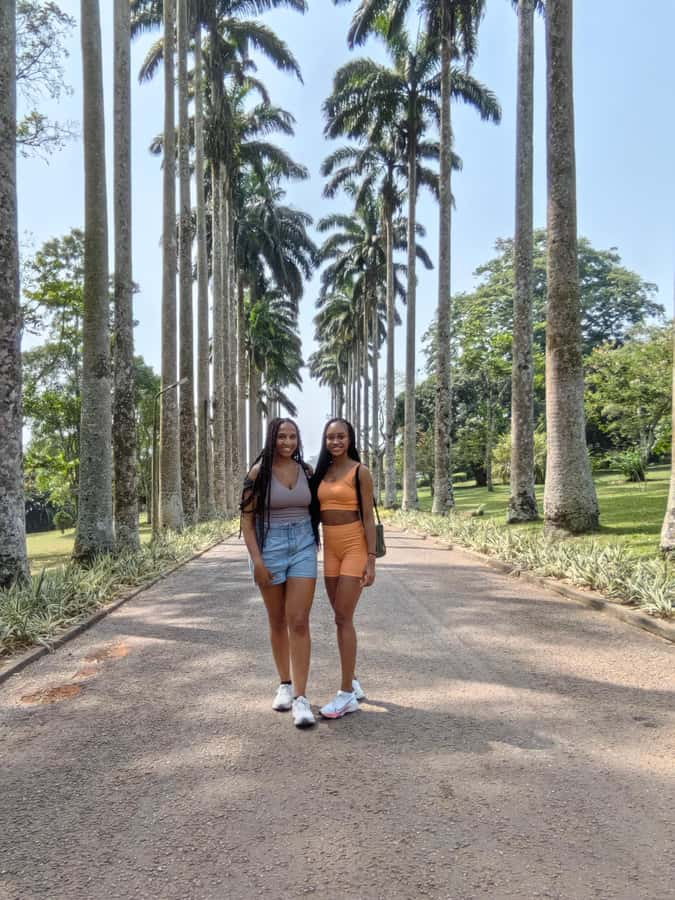
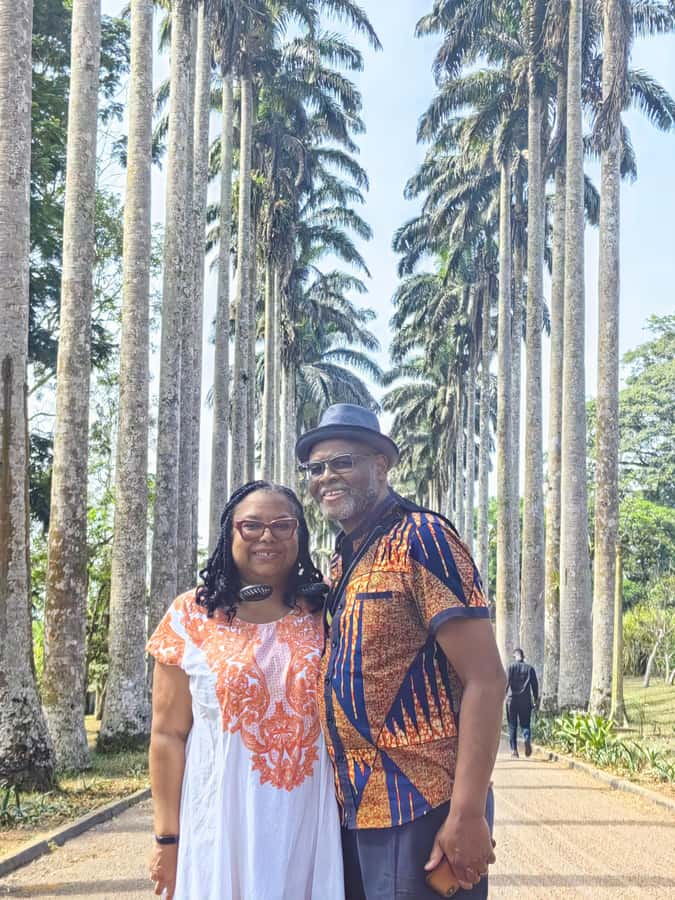
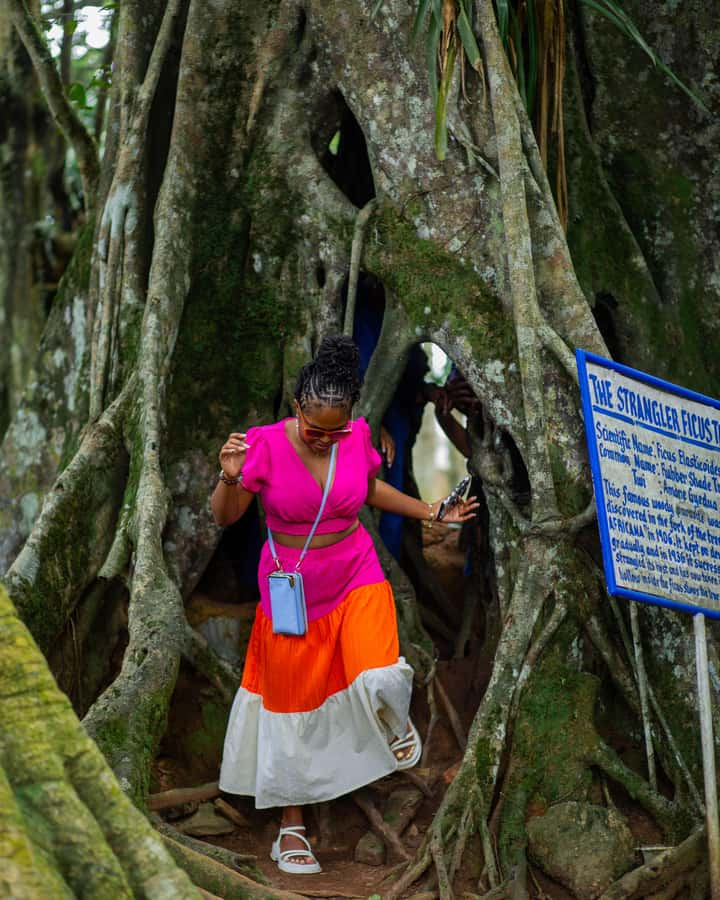
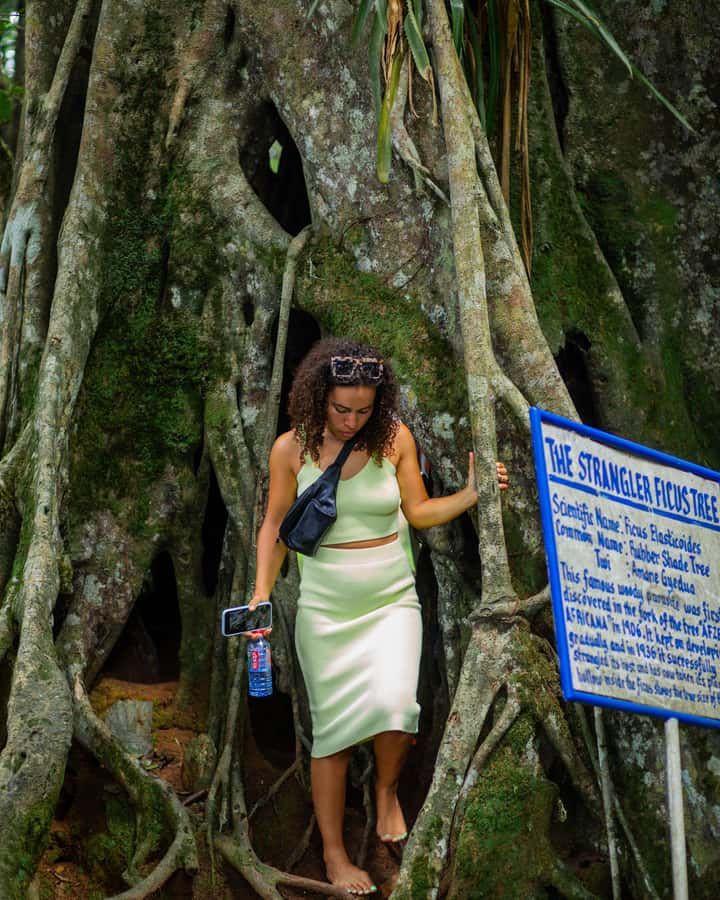
- Aburi’s 1890 garden: Walk through 160 acres of tropical plantings, including Kapok trees, a Strangler Fig, and royal palms.
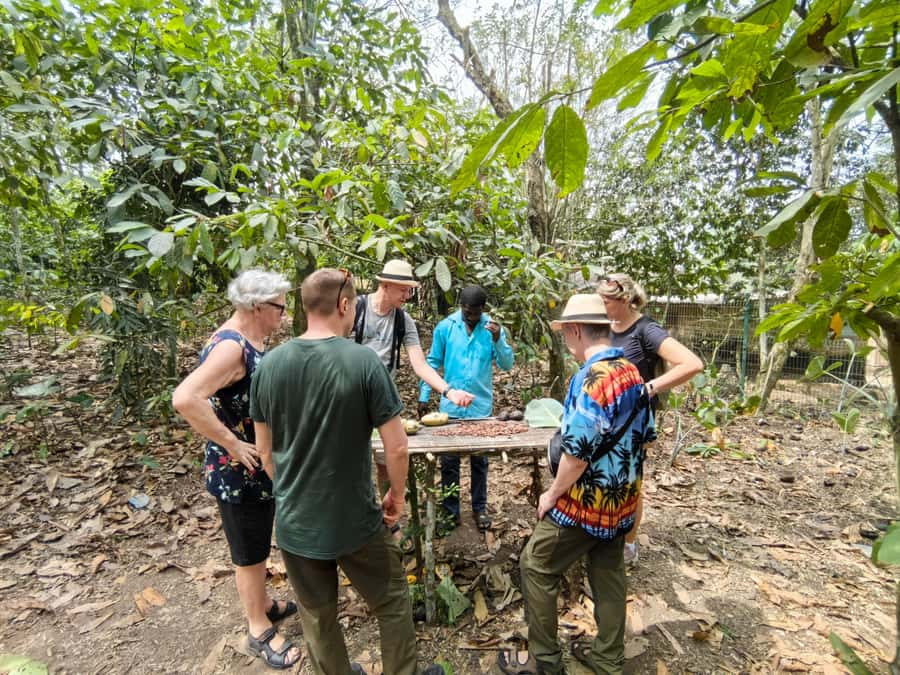
- Fresh cocoa beans: Crack open a cocoa pod and taste the beans before they become chocolate.
- A short waterfall walk: Reach Asenema Waterfall by following a forested path near Adukrom.
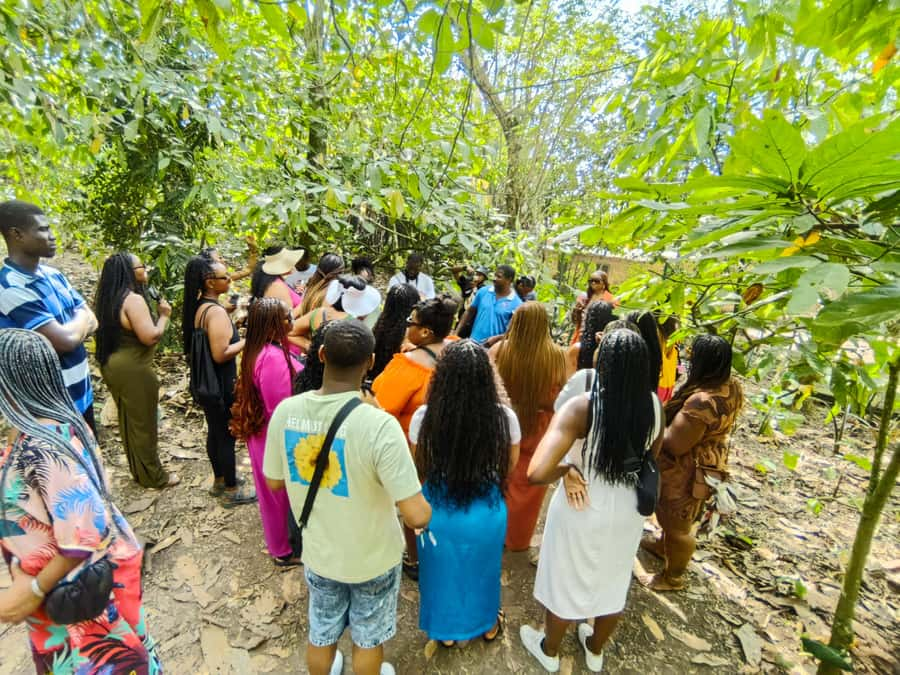
- Private and English-speaking: You have a private group and a live guide rather than joining a large shared coach.
- Useful inclusions: Car transport, lunch, water, entrance fees, and guiding are part of the price.
From Accra to the hills of the Eastern Region
The day begins with a drive out of Accra. The city gradually gives way to rolling hills and greener views, which makes the transfer part of the experience rather than dead time between attractions.
The route offers a change of mood. Accra can feel fast and crowded, while the Eastern Region gives you more open space and plant life. You are not simply ticking off three unrelated sights. The drive sets up a day focused on Ghana’s botany, farming, and water sources.
The activity lasts six hours, so the schedule is best for someone who wants a compact outing. You will see several important places without committing to a full-day excursion. The trade-off is that each stop has a practical limit. If you like lingering over every plant, asking long questions about cocoa, or swimming for hours at a waterfall, this itinerary may feel brisk.
Because the group is private, the day can feel more personal than a standard group tour. You can direct questions to the English-speaking guide as you go, and the guide’s role matters here. At the garden and cocoa farm, context makes the sights far more useful than simply walking around on your own. The strongest praise attached to this experience is aimed at the guide, so expect the human side of the tour to be an important part of the day.
More Cocoa Farm Tours in the world:
- Lahaina: Maui Ku’ia Estate Guided Cacao Farm Tour and Tasting
★ 5.0 · 1,103 reviews - Kauai Chocolate Farm Tasting Tour
★ 5.0 · 666 reviews - Lahaina: Maui Ku’ia Estate Guided Cacao Farm Tour & Tasting
★ 4.8 · 137 reviews
Aburi Botanical Garden and its old tropical trees
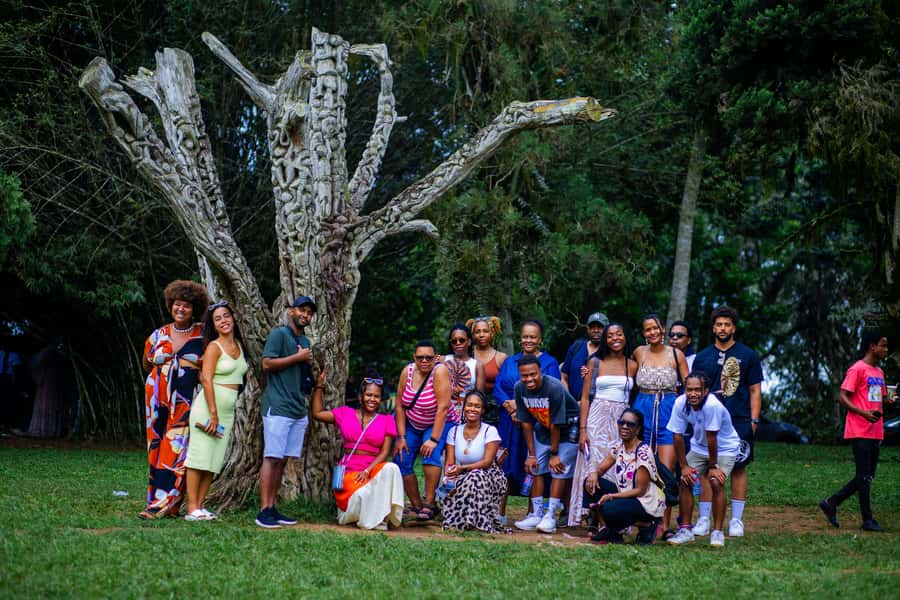
Aburi Botanical Garden was established in 1890 and covers about 160 acres. That gives you plenty of room to walk, but the purpose of the visit is not to race across every corner. A guided route helps you notice the plants and trees that would be easy to miss without explanation.
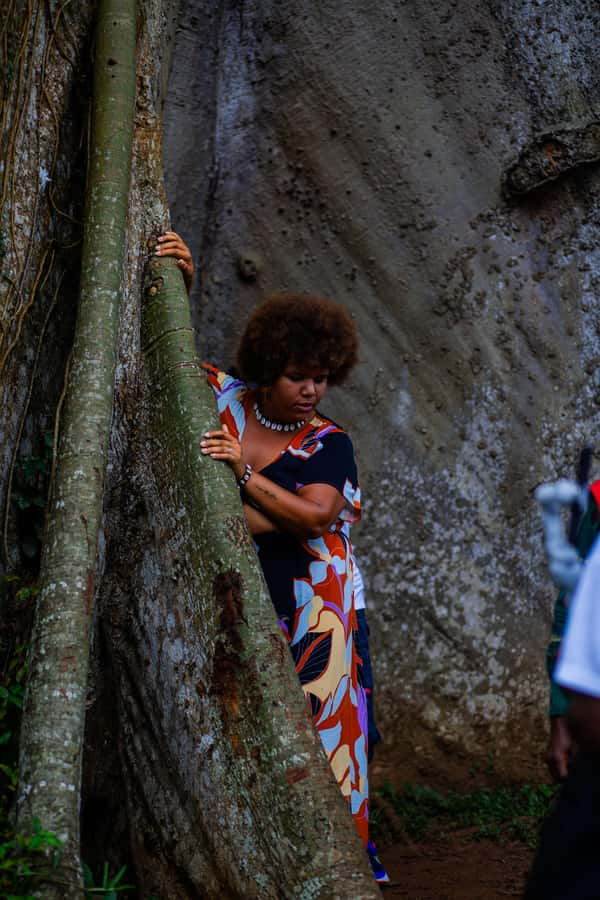
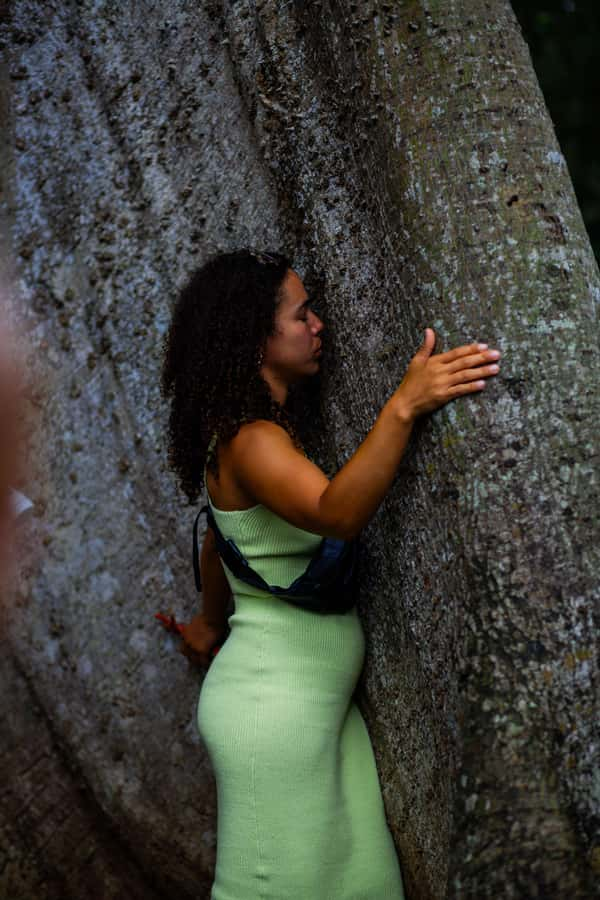
The garden offers a broad look at Ghana’s tropical plant life. You can expect towering Kapok trees, an ancient Strangler Fig, and an avenue lined with royal palms. Each creates a different impression. The Kapok trees show the scale of the tropical forest, the Strangler Fig brings a sense of age and survival, and the palms give the garden a formal, almost ceremonial feel.
I like this stop because it gives the day a quiet beginning after the drive from Accra. You get a chance to stretch your legs in a green setting before moving on to the more focused cocoa visit.
The guide leads you through different sections of the garden and explains the plants along the way. The supplied details do not give a full plant list, so you should not book this expecting a specialist botanical course. Think of it as an accessible introduction to Ghana’s flora, with a few memorable trees and paths providing the visual highlights.
Wear comfortable walking shoes. The garden is large, and the tour includes a moderate amount of walking. A hat and sunscreen are sensible, since parts of the grounds may leave you exposed to the sun. Bring a camera, but keep your attention on the guide too. The value of this stop comes from knowing what you are looking at.
Tetteh Quarshie Cocoa Farm and the road to chocolate
The cocoa farm gives the day its clearest historical focus. It is linked with Tetteh Quarshie, a Ghanaian blacksmith who brought the first cocoa beans from Fernando Po, now called Bioko in Equatorial Guinea, in the late nineteenth century.
That detail gives you a useful way to understand cocoa’s place in Ghana. The farm is not only about seeing cocoa trees. It connects one person, one crop, and a major part of the country’s economy.
A guide takes you through the basic growing process. You learn how cocoa trees are planted and cared for, then how pods are harvested. The visit also covers fermentation and drying, two post-harvest stages that affect the quality of the beans.
Those steps matter because the bean inside the pod is not ready to become a chocolate bar. Fermentation and drying help turn freshly harvested cocoa into a product that can be stored, traded, and eventually processed. You get a clearer sense of the work between the tree and the finished food.
The most enjoyable part is hands-on. You can crack open a cocoa pod and taste the fresh beans. Do not expect the taste to match a sweet chocolate bar. The point is to experience cocoa in its raw form and understand how much processing comes later.
This is also where the tour feels most connected to everyday production. A packaged chocolate display would tell you what cocoa becomes. The farm shows you where it starts.
The visit is guided, but the available information does not specify how long the farm walk lasts or exactly how many trees you will see. Plan for outdoor conditions and walking on an agricultural site. Comfortable shoes are more useful than stylish ones, and sunscreen will help during the open parts of the visit.
Asenema Waterfall near Adukrom
The final stop shifts from cultivated land to a natural setting. Asenema Waterfall lies near Adukrom and is reached by a short, easy hike through a forested path.
The walk is part of the appeal. You move through greenery before hearing and seeing the water, rather than stepping straight from a vehicle onto a viewing platform. The sound of cascading water arrives as the path leads you toward the rocky cliff.
At the waterfall, water tumbles into a clear pool below. You can take photographs, rest, or dip your feet in the water. The stop is described as a calm break from the day’s heat, and that is the right way to approach it. It is a place to slow down rather than another attraction to rush through.
The waterfall is not presented as a difficult trek. Still, the whole outing includes a moderate amount of walking, and the path is forested. Good shoes remain important, especially if conditions make the ground less firm. The information provided does not confirm swimming arrangements, changing facilities, or the depth of the pool, so treat dipping your feet as the reliable plan.
I like the order of the itinerary. The garden introduces the region’s plant life, the farm explains how people work with that environment, and the waterfall lets you enjoy it without a lesson or schedule of activities. It gives the day a natural finish.
More farm tours around the world:
- Half-Day Thai Cooking Class at Organic Farm in Chiang Mai
★ 5.0 · 19,087 reviews - Florence Pizza or Pasta Class with Gelato Making at a Tuscan Farm
★ 5.0 · 6,801 reviews - From Porto: 2 Wine Regions, Farm-to-Table Lunch & Boat
★ 4.9 · 5,724 reviews - Cooking Class and Lunch at a Tuscan Farmhouse with Local Market Tour from Florence
★ 5.0 · 4,831 reviews
What the $194 price really covers
At $194 per person, this is not a low-cost independent day out. The value depends on what you would otherwise need to arrange yourself.
The price includes car transportation, a private group, a live English-speaking guide, entry fees, lunch, and water. Those inclusions matter because the three stops are spread across the Eastern Region, and arranging transport between them would be the main practical challenge.
A private vehicle also changes the feel of the day. You are not sharing the outing with a large group, and you have direct access to the guide’s explanations. For a couple, family, or small private party that values convenience, the package can make sense.
Personal expenses are not included. The supplied details do not list specific optional purchases, so bring money only if you want to buy something beyond the included arrangements. The core sightseeing costs are already covered.
I would compare this price with your priorities. If you want the cheapest possible way to reach one waterfall or one garden, this is more than you need. If you want three connected stops, a private car, lunch, and a guide in a six-hour window, the price is easier to justify.
Who will get the most from this outing
This experience suits you if you want variety without planning a complicated route. You get garden scenery, a cultural and agricultural lesson, and a short nature walk in one trip from Accra.
It is a good match for first-time visitors to the area who want an introduction to the Eastern Region. The guide can explain the plant life and cocoa process, while the private format gives you space to ask questions.
Families may also like the changing pace, especially the cocoa pod tasting and waterfall stop. The walking requirement means you should consider the abilities of everyone in your group. The activity data confirms moderate walking, but it does not provide specific accessibility details.
Photography-minded visitors have several subjects to work with: large tropical trees, the royal palm avenue, cocoa pods, and falling water. Bring a camera, but also bring a hat and sunscreen. The day takes place largely outdoors.
This is less suitable if your main goal is a long swim, a demanding hike, or an in-depth specialist study of plants or cocoa. It is a sampler, with enough explanation to make the stops meaningful and enough movement to keep the day varied.
Practical preparation for the six-hour day
Wear comfortable walking shoes from the start. You will walk through the botanical garden, explore the cocoa farm, and follow a forest path to the waterfall.
Pack a hat and sunscreen. The garden and farm may include sunny stretches, and the waterfall visit comes after several hours outdoors. Water is included, but carrying your own small supply may still be useful if you prefer to drink often.
A camera is worth bringing. The royal palms, old trees, cocoa pods, and waterfall each offer different kinds of photographs. Keep your gear protected on the forest path.
Lunch and water are included, which removes two common concerns on a short excursion. The data does not specify the meal or menu, so anyone with dietary needs should ask the provider before booking.
The tour offers free cancellation up to 24 hours before departure, and you can reserve now and pay later. Starting times depend on availability, so check the schedule when choosing your date.
Should you book the Aburi, cocoa farm, and waterfall trip?
I would book this if you want a private, well-rounded escape from Accra and value a guide who can connect nature with Ghana’s cocoa story. The combination is the main strength. Aburi gives you old trees and formal garden paths, Tetteh Quarshie Farm gives you a direct look at cocoa production, and Asenema provides a quiet finish beside falling water.
The guide is especially important, and the available feedback gives that part a full five-star mark. Since the tour relies on explanation at both the garden and farm, a strong guide can turn a simple outing into a useful introduction to the region.
I would hesitate only if you want lots of free time at each stop or dislike walking outdoors. Six hours passes quickly across three locations, and the price is best justified by the private transport, included meals and fees, and the range of stops.
For most visitors looking for a convenient introduction to the Eastern Region, this is a sensible choice. Bring good shoes, protect yourself from the sun, and expect a day that mixes trees, cocoa, and cool water rather than one single headline attraction.
FAQ
How long does the tour last?
The tour lasts six hours.
Where does the tour go?
It travels from Accra into Ghana’s Eastern Region, visiting Aburi Botanical Garden, Tetteh Quarshie Cocoa Farm, and Asenema Waterfall near Adukrom.
Is the tour private?
Yes. The experience is offered for a private group.
What language does the guide speak?
The live tour guide speaks English.
Is lunch included?
Yes. Lunch and water are included in the tour price.
What should I bring?
Bring comfortable walking shoes, a hat, sunscreen, and a camera. You should expect a moderate amount of walking, including a short hike to the waterfall.
Newly listed farm visits around the world
- Half-Day Farm Visit and Cow Milking Experience★ 5.0 · 16 reviews
- Boutique tour , Mt Maunganui, NZ farm, Rotorua lakes/geothermal★ 4.5 · 50 reviews
- Gourmet Mushroom Farm Tour in Tennessee★ 5.0 · 5 reviews
- Cozy Farm Experience with Wagon Wheels and Acoustic Meal★ 5.0 · 2 reviews
- Animal farm park with free hotel pickup★ 5.0 · 2 reviews
- Alpaca Farm Tours with Toffeemont★ 5.0 · 8 reviews
- Private, via beaches, Kiwi farm to Rotorua 8 lakes & Geothermal★ 5.0 · 20 reviews
- One Day Tour of Yilan, Zhang Mei Ama Farm★ 5.0 · 2 reviews
Cocoa and Chocolate Farm Tours, compared.
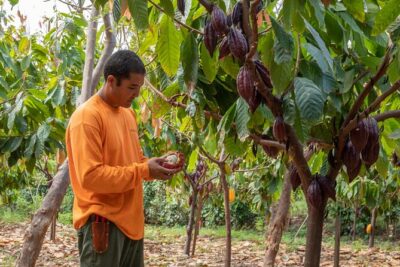
Maui Ku’ia Estate Guided Cacao Farm Tour and Tasting
Read our review →
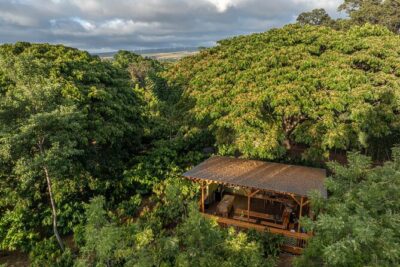
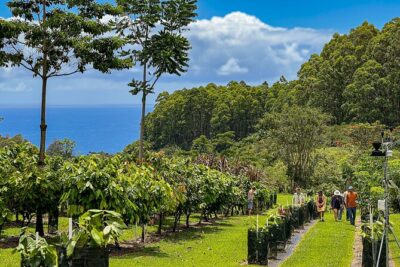
Craft Chocolate Tasting and Farm Experience on the Big Island
Read our review →
Cuenca to Guayaquil one-way tour with Cajas Park and a Cacao Farm visit
Read our review →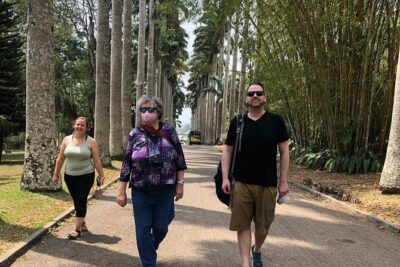
Experience Boti Waterfalls, Aburi Botanical Gardens & Tetteh Quarshie Cocoa Farm
Read our review →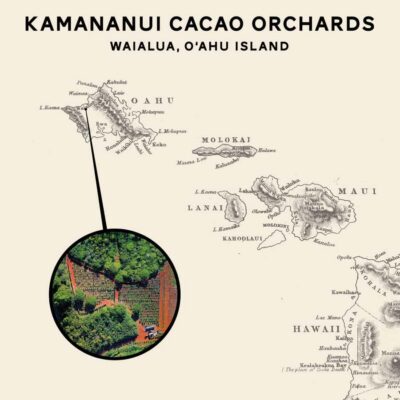
Oahu: Chocolate Farm Tour with Tasting – Kamananui Cacao
Read our review →
Escape Accra City to Aburi Gardens and Tetteh Quarshie Cocoa Farms
Read our review →Browse the lists this tour appears in