
Review · AROUND THE WORLD
Cacao Farm Excursion Day Trip from Guayaquil
Chocolate tastes different when you have watched it begin as a bright cacao pod. On this four-hour private excursion, you travel from Guayaquil to a family farm near Naranjal, walk among cacao and tropical fruit trees, then turn roasted beans into a thick chocolate paste and your own bars. The process is hands-on, not a quick look at a gift shop.
I especially like two things here: the farm lunch uses many ingredients grown on the property, and the guides bring the outing to life with local stories. Guides including Jaime, Eddie, and Adrian have been praised for making the drive informative and easy, while the farm hosts explain cacao with patience. The main drawback is the road time. Traffic leaving Guayaquil can stretch the journey, and the countryside can be hot and buggy, so bring repellent, sunscreen, and light long clothing.
Key points at a glance
- From pod to chocolate: Follow cacao from seed sowing and tree care through harvesting, roasting, husking, grinding, and tasting.
- A real working farm: The 30-acre property grows cacao, rice, mangoes, papayas, dragon fruit, avocados, breadfruit, vegetables, and herbs.
- Lunch is part of the appeal: Eat a typical Ecuadorian meal made with many farm-grown ingredients, with the menu subject to change.
- Private hotel transfers: Your group is picked up at a centrally located Guayaquil hotel at 10am and returned there afterward.
- Good for families: Children can take part when accompanied by an adult, and the activities suit young children, tweens, and teens.
- Plan for the tropics: Bug repellent is recommended, and drinks cost extra.
Leaving Guayaquil for the cacao country
The day begins with hotel pickup at 10am. Your guide and driver take you out of Guayaquil toward Naranjal, a countryside area about 32 miles from the city, with the Churute hills and Churute River nearby.
The drive is more than a simple transfer. Guides such as Jaime have used the route to explain Guayaquil, Ecuador, and local life, which gives you useful context before you reach the farm. If you enjoy asking questions, this is a good part of the day to do it. The private format also helps: you are not trying to get a word in with a large busload of people.
Allow some flexibility for traffic. The stated journey is about 40 minutes, but roads leaving Guayaquil can be slow at busy times. One important point: this is the cacao farm outing described here. A separate mangrove and monkey add-on has sometimes been offered to some groups, and that version involved a much longer drive. Do not assume those extra stops are part of this four-hour booking.
More Cocoa Farm Tours in the world:
- Lahaina: Maui Ku’ia Estate Guided Cacao Farm Tour and Tasting
★ 5.0 · 1,103 reviews - Kauai Chocolate Farm Tasting Tour
★ 5.0 · 666 reviews - Lahaina: Maui Ku’ia Estate Guided Cacao Farm Tour & Tasting
★ 4.8 · 137 reviews
A 30-acre family farm near Naranjal
Cacao y Mango Farm is a family-run property rather than a polished chocolate factory. That matters. You see cacao growing in the same setting as rice, fruit trees, vegetables, and herbs, which makes the visit feel tied to daily farm work instead of a staged demonstration.
The property covers about 30 acres, or 12 hectares. Along with cacao, you may see mango, papaya, dragon fruit, avocado, breadfruit, tomatoes, green peppers, lemongrass, lemons, and rice. The farm also has a cacao greenhouse. Many of these crops supply the meal, so the walk and lunch connect in a satisfying way.
The farm setting can be warm and uneven underfoot, and you should expect insects. Wear sensible shoes and use repellent before you leave the city. One particularly useful tip is to bring sunscreen and wear long sleeves or trousers if mosquitoes bother you. Black clothing may attract more insects, according to advice shared by the tour team.
Learning how cacao grows
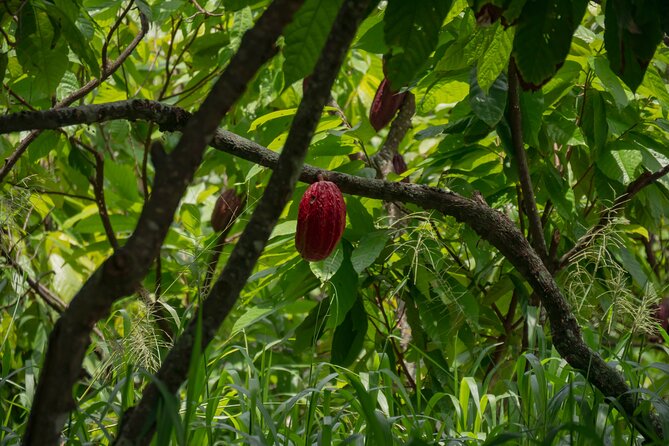
The farm visit starts with the plant itself. You learn how farmers sow cacao seeds, care for young trees, and harvest the ripe fruit. Seeing a fresh cacao pod helps correct a common assumption: chocolate does not begin as a brown bar or even as a dry bean. It begins inside a colorful fruit growing on a tree.
The farm team also explains the work behind each harvest. Cacao farming requires regular care before the beans ever reach a workshop or chocolate maker. That simple connection gives the tasting more meaning. You are not just sampling a sweet product. You are seeing the crop, the labor, and the early stages of processing in one place.
The tour also gives you a look at plants that have nothing to do with chocolate. This is one reason the outing works well for families. Children can move between cacao, fruit, rice, and garden crops instead of spending the whole visit listening to a technical talk.
Turning fresh beans into chocolate
The strongest part of the experience is the hands-on sequence. After opening the cacao fruit, you follow the beans through several stages:
- The cacao seeds are toasted.
- You help remove the husks.
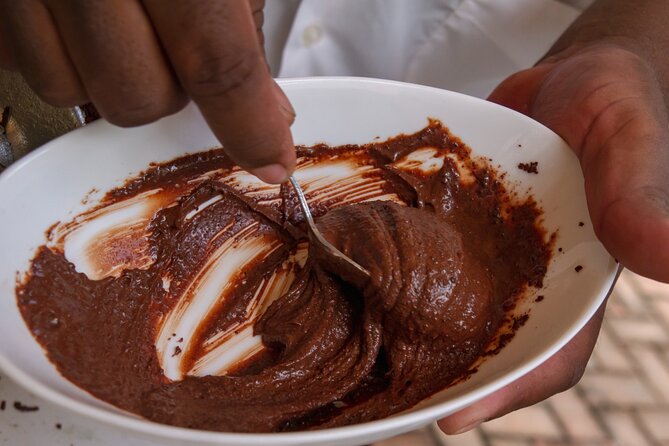
- The beans are ground into a thick paste.
- The paste is used as the base for chocolate.
- You taste chocolate drinks and help shape chocolate bars.
The thick paste is the basic ingredient for a finished bar. Sugar, milk, and flavorings are added later, so this stage lets you understand how much of chocolate’s character comes from the cacao itself. The farm team also prepares hot chocolate, giving you another way to taste the beans after processing.
This is not a professional chocolate-making class with elaborate equipment. Its appeal is that you take part in the basic work with the people who grow and process the crop. You may also have the chance to take chocolate home, depending on the preparation arranged during your visit. Additional chocolate and coffee have been available for purchase, but purchases are not part of the listed tour cost.
The activity has enough movement to hold a child’s attention, yet enough explanation for adults who want to understand farming and food production. Young children should stay with an adult, as required by the tour conditions.
More One-Day Trips in the world:
- Gaucho Day Trip from Buenos Aires: Santa Susana Ranch
★ 4.0 · 272 reviews - Amsterdam: Day trip to Tulip Farm, Keukenhof + Windmill Cruise
★ 4.5 · 211 reviews - Appenzell Alps Day Trip from Zurich – Farm Life & Cheese Tasting
★ 4.5 · 148 reviews - Gaucho Experience: A Day Trip to Don Silvano Ranch
★ 4.0 · 148 reviews
A farm lunch with Ecuadorian flavors
After the cacao work, you sit down for a typical farm lunch. The exact menu changes, but meals described for this experience have included traditional Ecuadorian dishes such as crab empanadas, fried fish, rice, and a chocolate dessert. A three-course meal has also been served.
The important point is not a fixed menu. It is the source of the ingredients. Many of the vegetables, herbs, fruit, and other items are grown on the property, and the lunch is prepared with organic ingredients from the farm. That gives the meal a freshness you will not get from a standard restaurant stop.
Lunch is included, but drinks are not. Bring enough money for anything you want beyond the included food and tastings. If you have dietary restrictions, ask about them before booking, since the available information does not promise a particular alternative menu.
This meal also slows the pace of the day. You are not rushed from one photo stop to the next. The farm family and guides may sit with you, and the table becomes another chance to ask about Ecuadorian food, farming, and the family’s work.
Guides who shape the day
The quality of the guiding is a major part of this experience. Jaime is repeatedly identified as a friendly and engaging guide who explains Guayaquil and Ecuador during the drive. Eddie and Adrian have also led hotel transfers and farm visits, and the guide assigned to you may be multilingual.
At the farm, the teaching is handled by members of the farm team. Jamil, Jamil, Simon, Alberto, Shirley, and other family members have been involved at different times, so the exact host may vary. Their role is especially useful because they can explain the property, the cacao process, and the family’s connection to the work.
A private tour gives you room to ask for more detail or keep the explanations short. That flexibility helps families and solo visitors alike. It also means the experience can depend somewhat on the guide assigned that day, so if you have a particular language need, confirm it when booking rather than assuming it.
What the $205.72 price includes
At $205.72 per person, this is not a bargain-priced city attraction. The price makes more sense when you add up what is bundled: private transportation from and back to your Guayaquil hotel, the farm visit, food tastings, lunch, taxes, fees, and handling charges.
You are paying for a half-day experience with a private group, not just admission to a plantation. The transfer saves you from arranging a car to the countryside, and the lunch removes the need to find a separate restaurant. The farm setting and practical chocolate work are also difficult to reproduce with a short urban tasting.
The value is strongest if you want an easy countryside outing and care about meeting producers. It is less compelling if you only want to sample premium chocolate or if your schedule allows just a quick Guayaquil activity. You should also remember that drinks are extra and that traffic can reduce the time you feel you have at the farm.
The tour is commonly booked around 13 days ahead, so leaving it until the last moment may limit your choice of date. Free cancellation is available up to 24 hours before the start time. Changes or cancellations made inside that window are not accepted for a refund.
Who should book this farm visit
I would put this near the top of the list for families, couples, and solo visitors who want to get outside Guayaquil without arranging their own transport. The chocolate work gives the outing a clear focus, while the fruit trees, rice fields, and lunch add variety.
It also suits people who enjoy food with a story behind it. You see where the cacao grows, handle the beans, and learn why the final chocolate depends on several small steps. If you prefer quiet cultural experiences over crowded attractions, the family-run setting should appeal.
Families should note the child rule: the child rate applies only when sharing with two paying adults, and children must be accompanied by an adult. Most people can take part, but the farm environment is outdoors, warm, and likely to include bugs.
I would hesitate if you dislike road transfers, heat, or informal rural conditions. The farm is welcoming, but it is not presented as a luxury venue. You should also avoid booking it if you expect a full-day wildlife tour, since the standard plan focuses on cacao, farming, food, and transport between Guayaquil and Naranjal.
Practical details before you go
Pack insect repellent even if you do not usually use it. Add sunscreen, a hat, and breathable clothing, with long trousers or sleeves if you are sensitive to mosquitoes.
Wear shoes suitable for walking around a working farm. You may handle cacao and food, so it is sensible to carry hand sanitizer, though no special equipment is listed.
The tour starts at 10am with pickup from a centrally located Guayaquil hotel. Hotel pickup and return are included, but the supplied details do not promise pickup from every address, so confirm your accommodation when booking.
The activity lasts about four hours. A typical order is the drive from Guayaquil, the farm visit, the cacao demonstration and lunch in Naranjal, then the return transfer. Since traffic can affect the drive, keep the rest of your day flexible.
Should you book the Cacao Farm Excursion?
Book it if you want a personal, food-focused look at Ecuadorian agriculture and like the idea of making chocolate with your own hands. The best reasons are the farm-to-table lunch, the full cacao process, the private hotel transfer, and guides such as Jaime who add local context along the way.
Think twice if $205.72 feels high for a half-day outing, or if you want a polished factory tour with guaranteed timing. The road can be slow, the weather can be hot, and the countryside is basic. For a family, couple, or curious food lover who values access to a working farm, though, this is a strong way to trade Guayaquil’s city streets for cacao trees, fresh produce, and a meal that begins just outside the kitchen.
FAQ
How long does the cacao farm excursion last?
The experience lasts approximately four hours, including the farm visit, cacao activities, lunch, and return transfer to your Guayaquil hotel.
What time does the tour start?
Hotel pickup begins at 10am.
Where is the cacao farm located?
Cacao y Mango Farm is near Naranjal, about 32 miles from Guayaquil, near the Churute hills and Churute River.
Is hotel pickup included?
Yes. Pickup and drop-off at centrally located Guayaquil hotels are included.
Is lunch included?
Yes. A typical farm lunch is included, along with food tastings. The meal uses many ingredients grown on the property, and the menu can change.
Are drinks included?
No. Drinks are not included in the tour price.
Will I make chocolate during the visit?
Yes. You can help toast cacao seeds, remove their husks, grind them into paste, and make chocolate bars. The experience also includes tasting chocolate and a chocolate drink.
Is the tour suitable for children?
Yes. It is family-friendly, and children can participate when accompanied by an adult. The child rate applies only when sharing with two paying adults.
Is this a private tour?
Yes. Only your group participates in the activity.
What should I bring?
Bring insect repellent, sunscreen, and clothing suited to a warm farm setting. Long sleeves and trousers may help protect you from mosquitoes.
Can I cancel for a refund?
Yes. You can cancel up to 24 hours before the experience start time for a full refund. Cancellations or changes made less than 24 hours before the start time are not accepted for a refund.
Newly listed farm visits around the world
- Half-Day Farm Visit and Cow Milking Experience★ 5.0 · 16 reviews
- Boutique tour , Mt Maunganui, NZ farm, Rotorua lakes/geothermal★ 4.5 · 50 reviews
- Gourmet Mushroom Farm Tour in Tennessee★ 5.0 · 5 reviews
- Cozy Farm Experience with Wagon Wheels and Acoustic Meal★ 5.0 · 2 reviews
- Animal farm park with free hotel pickup★ 5.0 · 2 reviews
- Alpaca Farm Tours with Toffeemont★ 5.0 · 8 reviews
- Private, via beaches, Kiwi farm to Rotorua 8 lakes & Geothermal★ 5.0 · 20 reviews
- 1D Tour to Cingjing Farm from Taichung★ 4.5 · 3 reviews
Cocoa and Chocolate Farm Tours, compared.
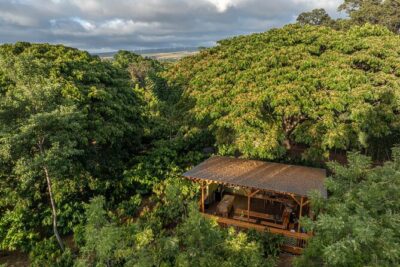
Maui Ku’ia Estate Guided Cacao Farm Tour and Tasting
Read our review →
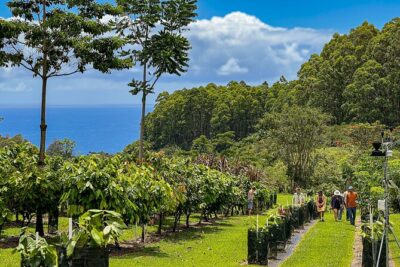
Craft Chocolate Tasting and Farm Experience on the Big Island
Read our review →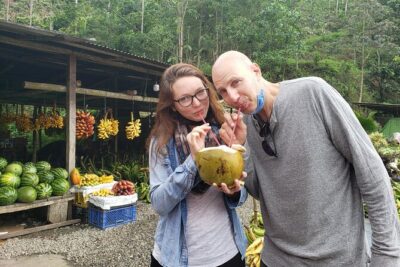
Cuenca to Guayaquil one-way tour with Cajas Park and a Cacao Farm visit
Read our review →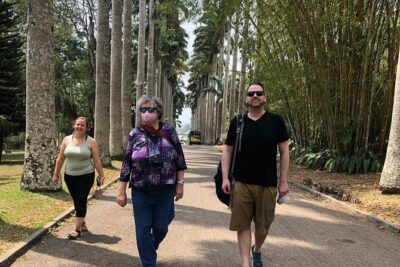
Experience Boti Waterfalls, Aburi Botanical Gardens & Tetteh Quarshie Cocoa Farm
Read our review →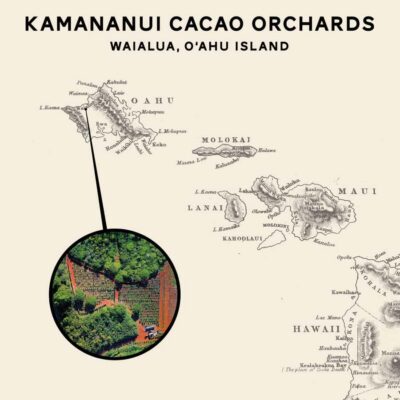
Oahu: Chocolate Farm Tour with Tasting – Kamananui Cacao
Read our review →
Escape Accra City to Aburi Gardens and Tetteh Quarshie Cocoa Farms
Read our review →Browse the lists this tour appears in