
Review · ITALY
Cagliari Olive Oil Farm & Tasting (Since 1600, 20 Minutes Away)
The most interesting part of this Cagliari outing is the way it links four centuries of family olive oil making with modern production. At Sa Mola de su Notariu in Dolianova, you see an operating mill, an old underground oil cistern, ancient lamps, and a museum before sitting down to taste the finished oils.
I like the small maximum of 10 people, which leaves room for questions, and I like the tasting format. It is not just bread dipped in oil: you compare plain extra virgin olive oil with lemon oil and a spicy blend, alongside Sardinian meats, cheese, olives, carasau bread, sparkling wine, and pizza. The main consideration is timing. The booking information describes the activity as about one hour, while the masterclass itself is presented as 90 minutes, so allow at least an hour and a half.
Key points to know before booking
- Francesco’s personal teaching style: The owner and guide explains production, tasting, and family traditions in a friendly, witty way.
- Three distinct oils: Taste Olio del Tempio, lemon-infused Limolio, and the herb-and-chili Rogo del Tempio EVO.
- A working mill and old cistern: You see both present-day equipment and a 400-year family connection to olive oil.
- A proper Sardinian spread: Expect cured meats, fresh goat cheese, olives, carasau bread, sparkling wine, and small pizzas.
- Small-group setting: The experience accepts a maximum of 10 people and requires at least two participants.
- Easy Cagliari add-on: The museum is about 20 minutes from Cagliari, with departures at 10am, noon, 3pm, and 5pm.
Why this olive oil visit is worth your time
Many food tastings give you a few samples and a sales pitch. This one gives you a useful lesson first. You learn how olive oil is made, how to taste it, and how to spot the difference between a fresh extra virgin oil and a dull product that has spent too long on a shelf.
That practical knowledge is the real souvenir. After the visit, you can taste the oils in your own kitchen with more confidence. You will know to pay attention to smell, bitterness, fruitiness, and the peppery finish in the throat, rather than judging a bottle by its label alone.
The setting also gives the experience a clear sense of place. Dolianova is close enough to Cagliari for an easy half-day outing, yet the visit focuses on a local family business rather than a large commercial attraction. Sa Mola de su Notariu preserves old tools and methods while also showing the machinery used in current production.
Francesco is a big part of the appeal. The information provided describes him as the owner and guide, and the experience clearly benefits from his personal connection to the subject. He has a warm, humorous teaching style and welcomes questions. One especially thoughtful detail is his willingness to pause so another family member can translate for relatives who do not speak English or Italian. The tour is offered in English, but that example shows a flexible approach to communication.
More farm tours around Italy:
- Florence Pizza or Pasta Class with Gelato Making at a Tuscan Farm
★ 5.0 · 6,801 reviews - Cooking Class and Lunch at a Tuscan Farmhouse with Local Market Tour from Florence
★ 5.0 · 4,831 reviews - Sorrento Farm and Food Experience including Olive Oil, Limoncello, Wine tasting
★ 5.0 · 2,524 reviews
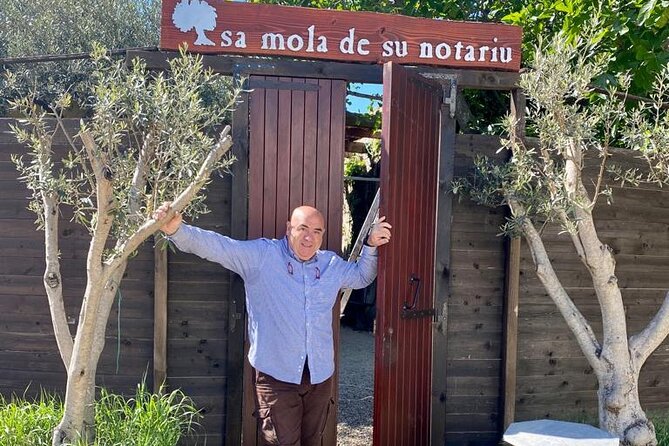
Entering Sa Mola de su Notariu in Dolianova
You meet at Sa Mola de su Notariu Oil Museum, Olio del Tempio, at Viale Europa 18 in Dolianova. The site is about 20 minutes from Cagliari, making it practical for a morning or afternoon outside the city.
The first stop is the Museo dell’Olio, or Oil Museum. This is not simply a display room added to a modern shop. The museum presents around 400 years of family involvement with olive oil, giving the visit a human scale. You are learning about a craft that has been passed through generations, not just reading a general account of Mediterranean agriculture.
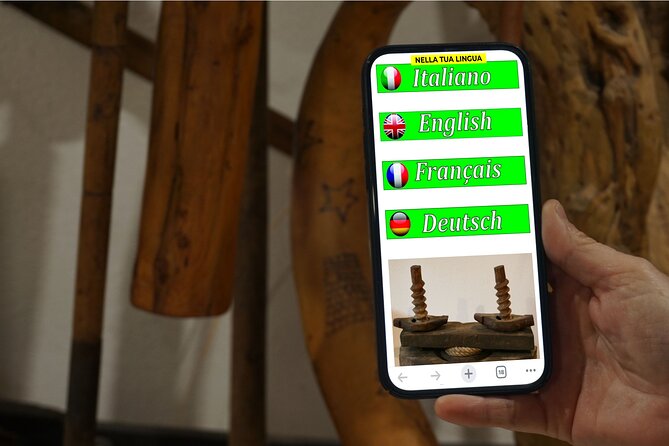
Expect information about olive harvesting and oil production through photographs, display boards, machinery, and a film. The material helps you place the tasting in context. You see what happens before oil reaches a bottle, and you get a clearer idea of why harvest timing, handling, and milling matter.
The museum portion also helps families and younger visitors. Olive oil production can sound dry on paper, but machines, old tools, and a guided explanation give the subject something to look at. Feedback from a family with two teenagers suggests that the visit can hold younger attention, which is useful if you are planning more than a series of adult food stops.
Seeing the mill and the underground oil cistern
The live mill production tour is the most hands-on part of the visit. You see equipment used in the oil-making process and hear how olives move from harvest to finished oil. The exact production activity may vary by season, but the promise of a live mill tour gives the visit more substance than a museum-only stop.
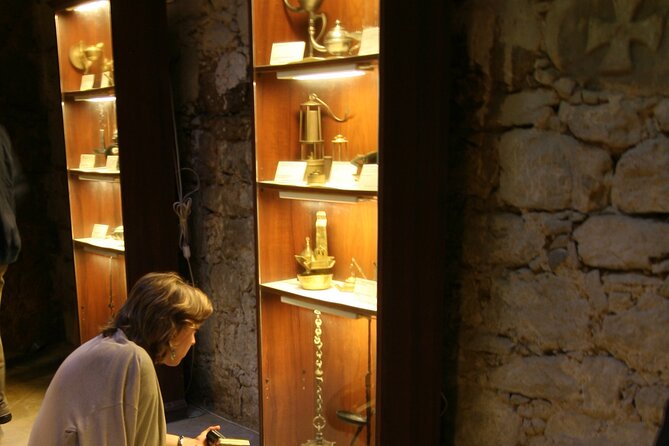
The underground oil cistern is another unusual feature. Its old lamps help you picture how oil was stored and used before modern bottling and electrical lighting. This small detail gives the museum a physical connection to the past. You are not just told that the family business is old. You see a place built for the practical needs of earlier olive growers.
I would pay close attention during this section, even if you mainly booked the tour for food. The later tasting makes more sense when you understand the work behind the bottle. You can also ask questions about the machinery and storage methods while the explanation is fresh.
The one limitation is that the supplied information does not promise a full orchard walk or a harvest demonstration. If you want a long outdoor farm visit among the olive trees, this may not be the right choice. The focus is the museum, mill, production story, and tasting.
Tasting Olio del Tempio, Limolio, and Rogo del Tempio
The guided tasting features three best-selling oils, each with a different role at the table.
Olio del Tempio is the standard extra virgin olive oil. This is the essential reference point for the tasting. Start with it so you have a base for comparing the flavored oils. Pay attention to its aroma, bitterness, and finish before moving on to the stronger options.
Limolio combines olive oil and lemon. It is recommended with seafood, salads, and fish carpaccio, and the sample menu pairs it with fresh goat cheese. The lemon element gives you a clear example of how a flavored oil can be used as a finishing ingredient rather than a general cooking oil.
Rogo del Tempio EVO combines extra virgin olive oil with nine Sardinian herbs and a spicy note. It is intended for grilled meats, pizza, and pecorino cheese. The sample menu pairs it with small pizzas, which sounds like the best setting for understanding its use. The heat and herbs should bring more character to simple foods without requiring a complicated dish.
This three-oil structure is smart because it gives you contrast. You are not tasting three bottles that all perform the same job. One is the everyday reference, one leans fresh and citrusy, and one is herbaceous and hot.
The tasting should also teach you how to use flavored oils at home. Limolio makes sense with fish and salad, while Rogo del Tempio belongs on foods that can handle spice and herbs. That is more useful than simply being told which bottle tastes best.
Same countryside, another kind of harvest:
- Sorrento: Pizza Lesson, Wine, and Limoncello at a Local Farm
★ 5.0 · 1,513 reviews - Florence: Pizza or Pasta Class with Gelato at a Tuscan Farm
★ 4.9 · 1,181 reviews - Hands-On Cooking Class & Farmhouse Tour on the Amalfi Coast
★ 5.0 · 956 reviews - Pizza School with Wine and Limoncello Tasting in a Local Farm
★ 5.0 · 845 reviews
The Sardinian food pairing
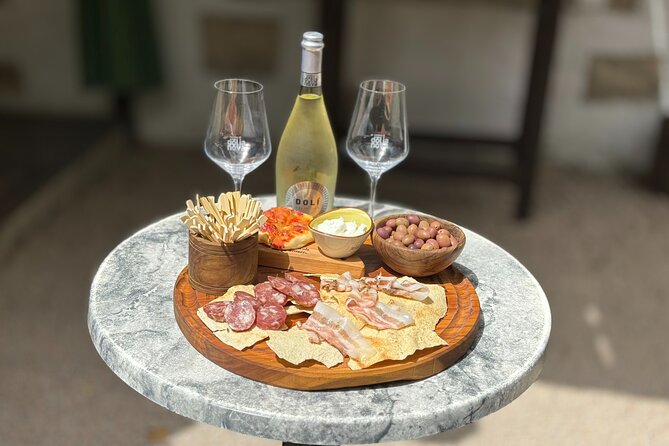
The food is a proper part of the experience, not a token cracker beside the tasting glass. The spread includes cured Sardinian meats, natural olives, carasau bread, sparkling wine, and fresh goat cheese. The menu also includes small pizzas.
Carasau is especially fitting. This thin, crisp Sardinian bread is good for tasting because it lets the oil show through without adding a heavy flavor. It also gives you a practical way to use the oils at home, where a simple piece of bread is often the best first test.
The cured meats bring salt and richness, while the olives offer another link to the raw ingredient. Fresh goat cheese works with the lemon oil, and small pizzas provide a sturdy base for the spicy herb blend. Sparkling wine rounds out the table and makes the session feel like a relaxed local food gathering rather than a technical class.
Portions and exact food selection can change, so you should not book this as a full lunch or dinner. Think of it as a generous tasting plate. If you have dietary restrictions, ask ahead, since the listed menu includes meat, dairy, bread, and alcohol.
The atmosphere is part of the value. The food gives you time to talk with Francesco, compare your impressions, and return to an oil after tasting it with different ingredients. This is where the lesson becomes practical. You learn not only what an oil tastes like alone, but what it does to cheese, bread, pizza, or seafood.
Buying direct at a 20 percent discount
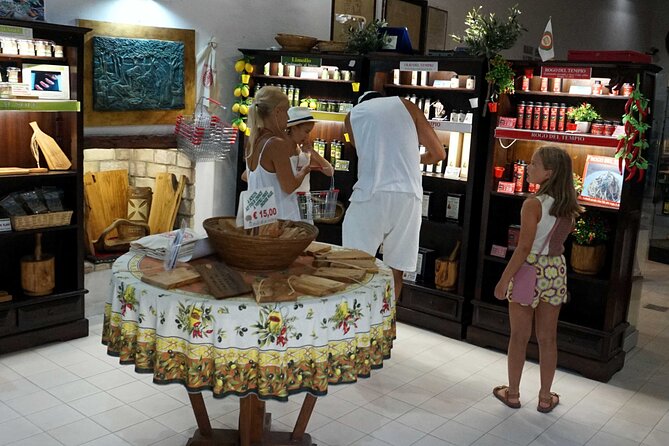
After the tasting, you can buy your preferred oils directly from the producer. The on-site discount is 20 percent, which makes the shopping stop more useful than a standard souvenir counter.
I like the direct-buy option because olive oil is easy to transport and useful long after your Sardinia trip. You can choose the plain extra virgin oil for everyday meals, Limolio for fish and salads, or Rogo del Tempio for pizza, grilled meat, and cheese.
The discount also affects the overall value. At $66.26 per person, this is not a cheap quick sample. You are paying for a guided production visit, museum access, a small-group lesson, a substantial food pairing, and the chance to buy directly at a lower price. If you plan to purchase a bottle or two, the discount helps offset part of the tour cost.
Still, the shopping should be a bonus, not the main reason to book. You are paying for the explanation and tasting first. If you do not want to carry food products home, the experience can still work, but part of its appeal will be less relevant to you.
Timing, group size, and getting there
Departure times are 10am, noon, 3pm, and 5pm. These options make it easy to fit the visit around a morning in Cagliari, an afternoon break, or an early evening plan.
The experience requires at least two people and accepts a maximum of 10. That small size matters. You should have a better chance to ask about production, compare tasting notes, and speak with Francesco than you would in a large coach group.
The activity ends back at the meeting point. Transportation from Cagliari is not listed, so you need to arrange your own way to Viale Europa 18 in Dolianova. The site is near public transportation, but no detailed route or pickup service is provided in the supplied information. Check your route before choosing a departure time.
A mobile ticket is accepted, and confirmation arrives when you book. The tour is offered in English. Service animals are allowed.
Allow more time than the one-hour headline suggests. The program is described as a 90-minute extra virgin olive oil masterclass, and the museum, production explanation, tasting, food, and shopping can easily make the visit feel like a longer stop. I would avoid placing a tight reservation immediately afterward.
The price and who gets the best value
At $66.26 per person, the cost is fair if you value food education and a guided tasting. The price includes more than three small pours. You receive a museum visit, a mill explanation, access to an unusual underground cistern, three oils, Sardinian foods, sparkling wine, and a personal lesson on tasting.
It is especially good value for food-focused visitors, couples, and small families who want an activity beyond Cagliari’s central sights. The setting also suits anyone who plans to bring edible souvenirs home. The 20 percent shop discount adds practical value if you find an oil you like.
I would be more cautious if your main goal is a long farm walk, a full meal, or a broad tour of Sardinian agriculture. This is a focused olive oil experience. Its strength is detail, not variety.
The visit also works well for people who think they already know olive oil. The tasting is designed to sharpen your judgment, and the comparison between plain, lemon, and spicy herb oils gives you clear examples rather than vague tasting language.
Cancellation and weather details
You can cancel for a full refund up to 24 hours before the start time. Changes or cancellations made within 24 hours are not accepted for a refund.
The activity requires good weather. If poor weather causes cancellation, you are offered another date or a full refund. The provider also requires a minimum number of participants. If that minimum is not reached, you are offered another date or experience, or a full refund.
These terms are reasonable, but they make it smart to book early in your Cagliari schedule rather than on your final day. The experience is booked an average of 17 days ahead, so popular departure times may fill before your trip.
Should you book the Cagliari olive oil farm visit?
Book it if you want a small, personal food experience close to Cagliari, especially if you enjoy learning how local products are made. Francesco’s friendly teaching, the 400-year family connection, the underground cistern, and the three very different oils give the visit real substance.
I would also recommend it for families with older children and teenagers, since the machinery, tasting, and food make the subject easier to follow. Couples who want a relaxed afternoon with wine and Sardinian snacks should find the pace appealing.
Skip it if you want a full agricultural tour, a large meal, or a broad sightseeing program. For everyone else, the combination of production, museum, tasting, and direct shopping makes the $66.26 price defensible. Plan for 90 minutes or more, arrange your own transport to Dolianova, and leave room in your luggage for a bottle you will actually use.
FAQ
Where does the olive oil experience begin?
It begins at Sa Mola de su Notariu Oil Museum, Olio del Tempio, at Viale Europa 18, 09041 Dolianova, Sardinia. The activity also ends at the meeting point.
How far is the museum from Cagliari?
The museum is about 20 minutes from Cagliari.
How long does the experience last?
The booking information describes the activity as approximately one hour, while the olive oil masterclass is described as 90 minutes. Allow at least 90 minutes so you are not rushed.
What oils will I taste?
You taste Olio del Tempio extra virgin olive oil, Limolio made with olives and lemon, and Rogo del Tempio EVO made with nine Sardinian herbs and a spicy flavor.
What food is included with the tasting?
The menu includes cured Sardinian meats, olives, carasau bread, fresh goat cheese, small pizzas, and sparkling wine. The lemon oil is served with goat cheese, and the spicy oil is served with small pizzas.
Is the tour offered in English?
Yes. The experience is offered in English.
How many people can join the tour?
The group has a maximum of 10 participants, and the experience requires at least two people.
Can I cancel for a refund?
Yes. You can cancel at least 24 hours before the start time for a full refund. Poor weather or failure to meet the minimum number of participants may also lead to a new date or a full refund.
Newly listed farm visits around Italy
- Sorrento Half-Day Farm Experience: Pizza, Cheese Making and Wine★ 5.0 · 17 reviews
- Farm-to-Table Experience: Olive Oil, Garden Tour & Nonna’s Lunch★ 5.0 · 35 reviews
- Amalfi Coast & Sorrento Cooking Class School at Farmhouse★ 5.0 · 25 reviews
- Sorrento: Authentic Lemon Experience at a Farm with Tastings★ 5.0 · 6 reviews
- Cooking Class & Guided Farm Tour On The Hills Of Sorrento★ 5.0 · 10 reviews
- Tasting Limoncello, Oil and Typical Products in Farmhouse★ 5.0 · 13 reviews
- Marì Cooking Class in a Family Farm with Amalfi Coast view★ 5.0 · 11 reviews
- Sorrento Villa Cooking Class with Fresh Harvest Lunch★ 5.0 · 25 reviews
Italy Farm Tours, compared.

Florence Pizza or Pasta Class with Gelato Making at a Tuscan Farm
Read our review →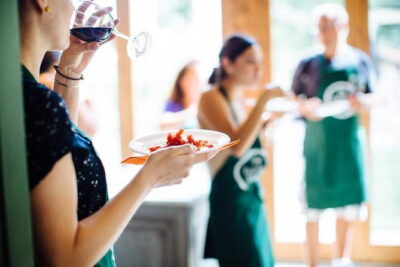
Cooking Class and Lunch at a Tuscan Farmhouse with Local Market Tour from Florence
Read our review →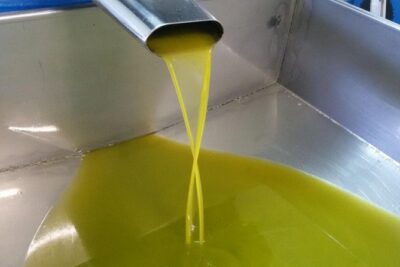
Sorrento Farm and Food Experience including Olive Oil, Limoncello, Wine tasting
Read our review →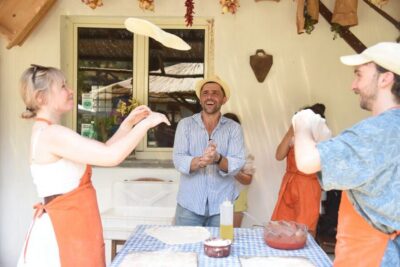
Pizza Lesson, Wine, and Limoncello at a Local Farm
Read our review →
Hands-On Cooking Class & Farmhouse Tour on the Amalfi Coast
Read our review →
Pizza School with Wine and Limoncello Tasting in a Local Farm
Read our review →
Authentic Farm Tour with Pizza, Cheese, Wine & Limoncello Tasting
Read our review →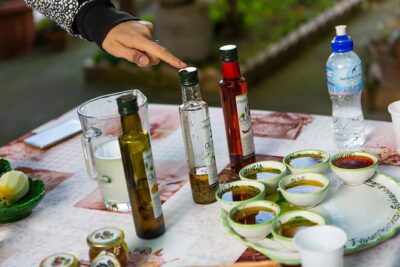
Sorrento Farm by Tuk Tuk: Cheese, Limoncello & Hands-On Pizza
Read our review →Browse the lists this tour appears in