
Review · AROUND THE WORLD
Cusco: Alpaca and Llama Farm Tour w/ Transfer & Weaving Demo
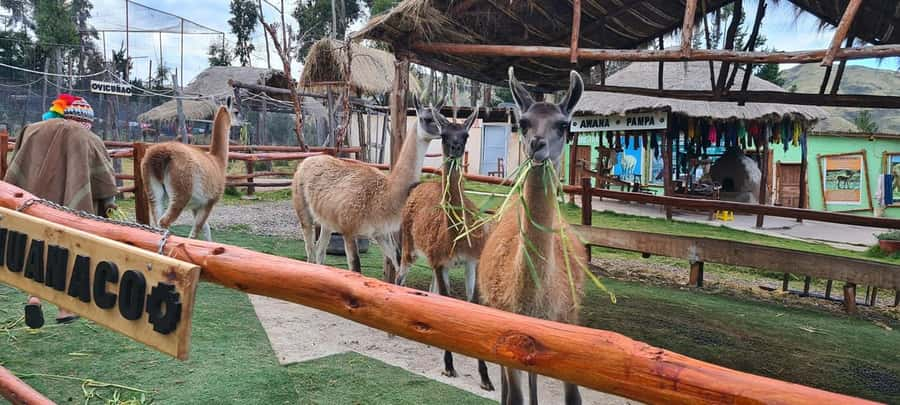
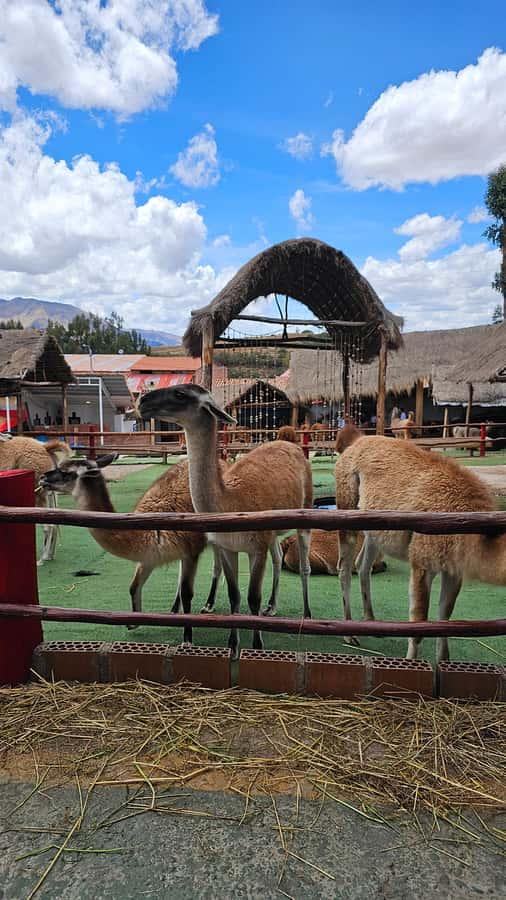
The most memorable part of this short Cusco outing is getting close to the animals that helped shape Andean life. At Manos de la Comunidad, you can see alpacas, llamas, vicuñas, and huanacos together, learn how the Incas developed particular species, and watch a textile demonstration rather than simply posing for a quick farm photo.
I like two things especially. First, the farm is only about 20 minutes from Cusco’s historic center, yet the views and open setting provide a welcome break from city streets. Second, the guide connects the animals to local culture and explains how to tell genuine baby alpaca fabric from cheaper imitations. Guides including Marileth, Holger, Olga, and Olger have earned praise for clear explanations and helpful photo assistance.
The main consideration is the shopping stop. The woven goods are interesting, but the outlet can feel commercial, and some prices are much higher than those in Cusco shops. The tour itself is a good value at $34, but you should enjoy the demonstration without feeling obliged to buy.
Key points to know before you go
- Four Andean camelid species in one visit: See alpacas and llamas alongside their wild relatives, vicuñas and huanacos.
- A gentle first activity in Cusco: The short transfer and leisurely pace make this useful while you are getting used to the altitude.
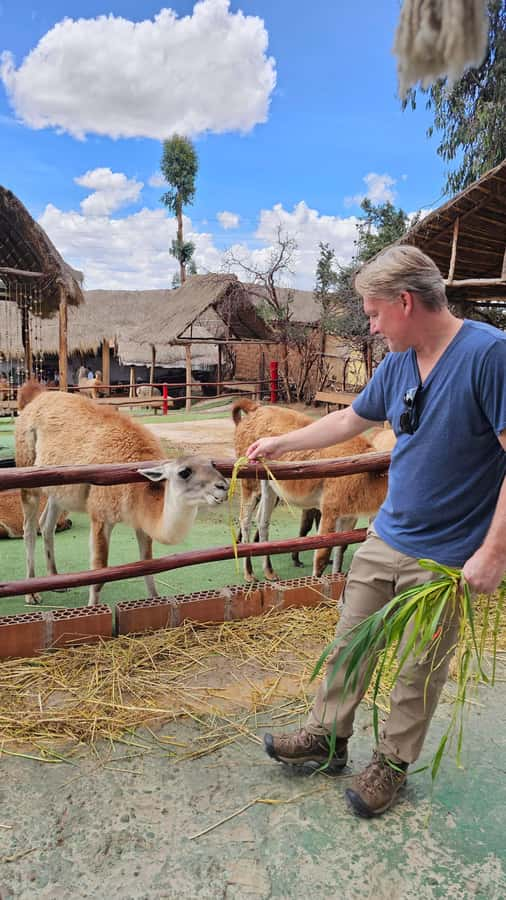
- Hands-on animal time: Depending on the visit, you may feed and pet llamas and alpacas.
- Weaving has real practical value: Learn about wool, natural dyes, hand production, and ways to identify genuine baby alpaca fabric.
- Guides add much of the value: Marileth, Holger, Olga, and Olger have been praised for their warmth, humor, and help with photographs.
- Plan around the retail stop: The shop is part of the experience, but prices may exceed those in central Cusco.
A close look at the camelids near Cusco
This is not a long ranch visit in the countryside. It is a compact cultural outing designed to fit neatly into a Cusco day, with hotel pickup, a farm visit, a weaving presentation, and a return transfer included.
The ride from the historic center takes about 20 minutes. That short journey matters in Cusco, where a half-day excursion can otherwise consume much of your schedule. You leave the city, travel upward, and get broad views back toward Cusco along the way. The change of setting is one of the pleasures here: you can spend the morning among colonial streets and archaeological sites, then be near animals in a more open setting without committing to a full-day trip.
At the farm, your guide introduces the South American camelids and explains how people domesticated them. The talk also covers the species developed under the Incas, giving the visit more substance than a basic animal encounter.
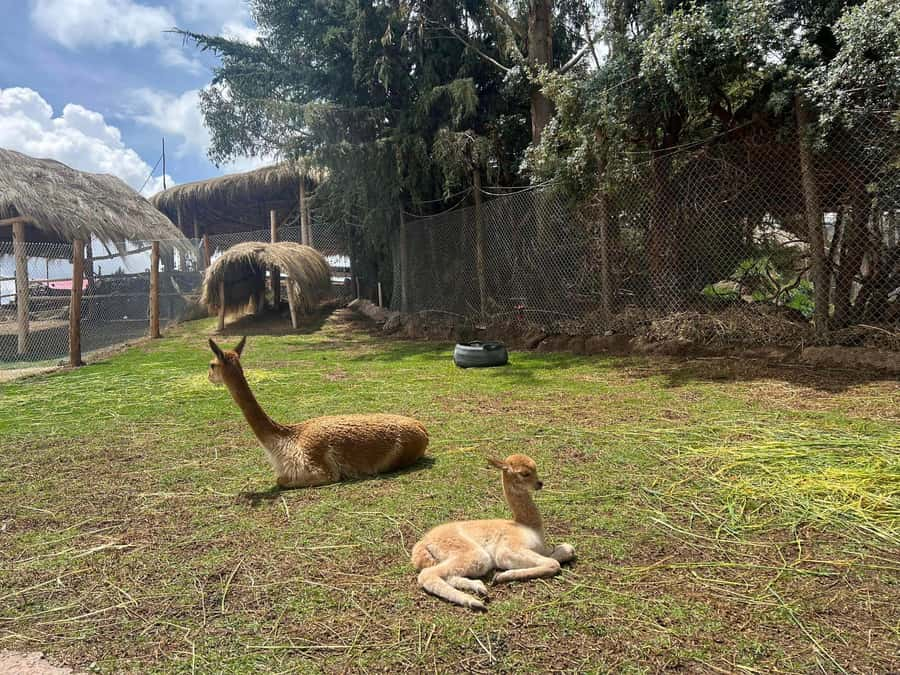
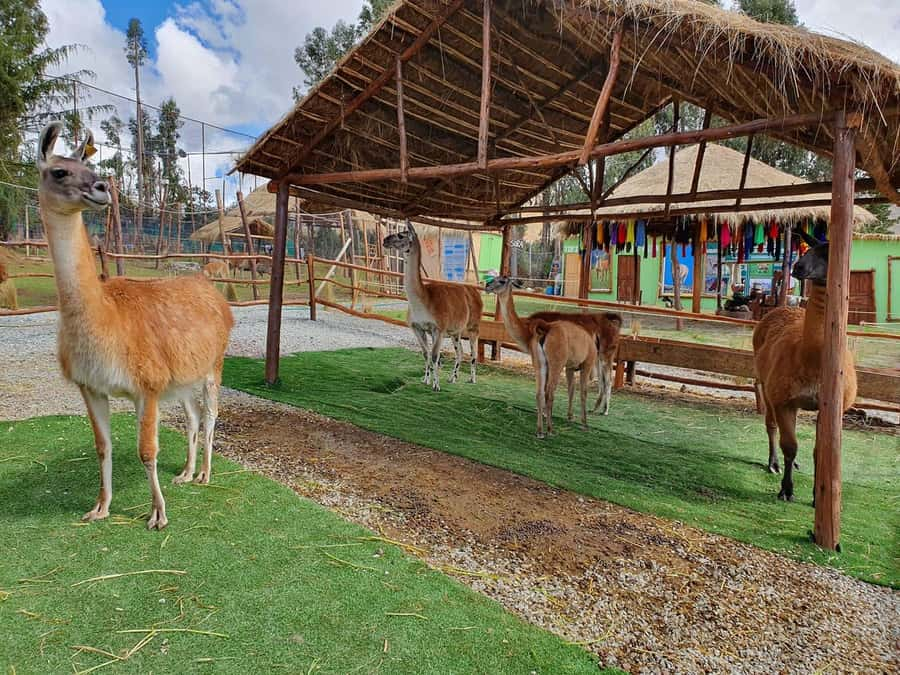
You will see two varieties of alpaca, different types of llama, and the animals regarded as their ancestors or close wild relatives. Vicuñas are especially important in Andean culture. Their fine fiber has long been prized, which explains the nickname the gold of the Andes. Huanacos are another important part of the story, and seeing these species together helps you understand that alpacas and llamas are not simply different names for the same animal.
The guide’s explanation is useful because the animals can look similar at first glance. The differences in size, build, coat, and behavior become easier to notice once someone points them out. A good guide also turns the visit into a short lesson about how animals supported Andean communities through transport, food, clothing, and trade.
More Alpaca and Llama Farms in the world:
- Alpaca and Llama Farm Tour
★ 5.0 · 446 reviews - Shamarra Alpaca Farm Tours
★ 5.0 · 117 reviews - Llama/Alpaca Hike and Farm Tour
★ 5.0 · 111 reviews
Feeding and photographing the animals
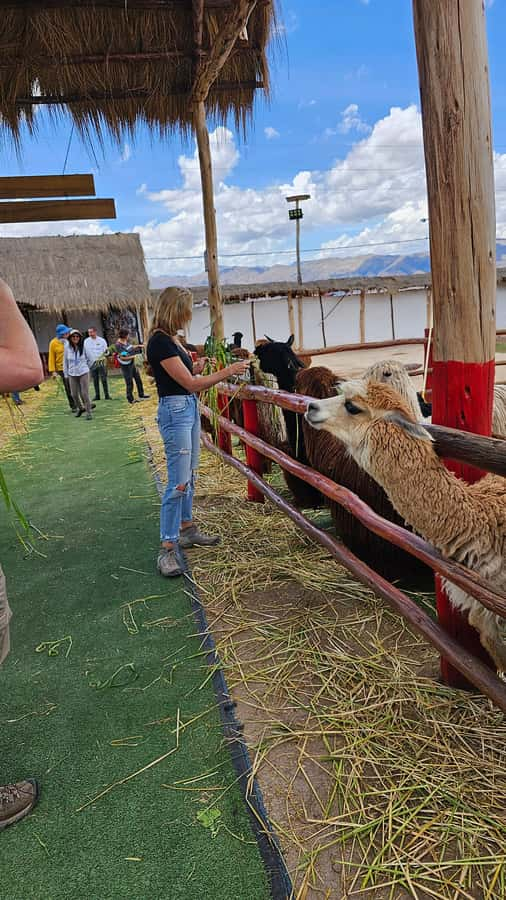
The animal area is the most playful part of the tour. You can get close enough for photographs, and some visits include feeding and petting llamas and alpacas by hand. That makes this a strong choice for families, animal lovers, and anyone who wants more than a museum explanation.
You should still treat the animals as living creatures rather than photo props. The guide manages the interaction and can help you approach them properly. Several guides have also helped visitors take pictures, which is useful when you are traveling without a companion who can handle the camera.
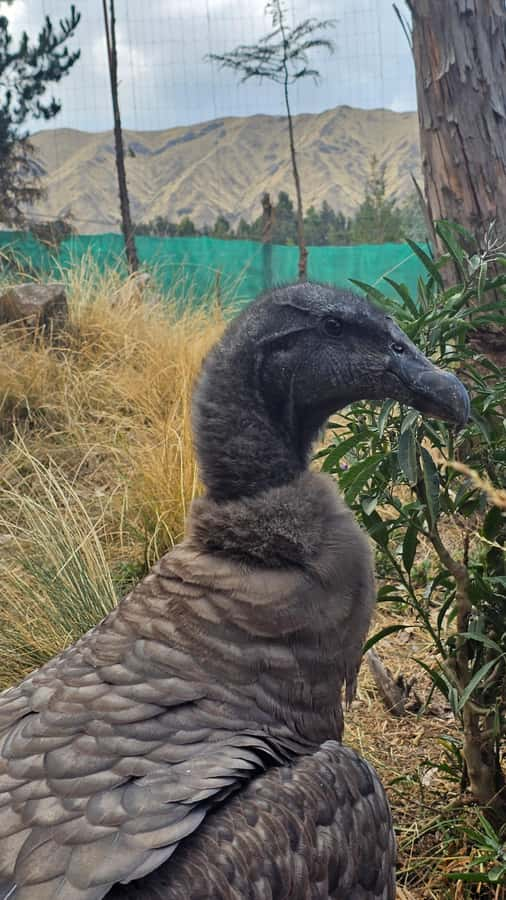
The animals seen here can include more than the main camelids. Some visits have included rescued condors, deer, and guinea pigs, although these should be viewed as possible extras rather than guaranteed parts of the central program. The conservation element also adds a worthwhile angle, since the setting is not presented only as a place to sell wool products.
The pace is generally easy and unhurried. One visitor found the tour somewhat rushed and shorter than expected, so I would keep your expectations realistic: the published duration is 150 minutes, but the guided farm portion is listed at about 80 minutes, with the rest used for transfers and the other parts of the visit. If you want a full morning with extended animal time, this will feel brief. If you want a manageable introduction, the length works well.
Why the weaving demonstration matters
The weaving presentation is the part that turns a pleasant animal visit into a more useful look at Peruvian culture. You watch native weaving methods and learn how wool is processed into textiles. The demonstration can include spinning, dyeing, and the hand skills used to create finished garments and other goods.
This is also where you get practical information that can save you money later. Guides explain how to distinguish genuine baby alpaca fabric from synthetic or lower-grade material. In a city with many textile shops, that lesson is valuable. You may not become an expert in a few minutes, but you will leave with better questions to ask before buying a scarf, sweater, or blanket.
Some visits have included a display of older textiles, giving the presentation a link to earlier Andean craftsmanship. The point is not only that the finished products are attractive. The process requires time, practiced hands, careful dyeing, and an understanding of fiber quality. Seeing those steps helps explain why a genuine item can cost more than a factory-made souvenir.
The weaving demonstration is also a quieter contrast to the animal area. If you are traveling with children, they may prefer the llamas, while adults often appreciate the practical shopping advice. Both parts belong together: the animals provide the raw material and cultural background, while the weaving shows how that material becomes useful clothing and household goods.
The retail stop: worth browsing, not an obligation
The tour usually ends near a large retail outlet. This is the one part I would approach with a clear budget and a little caution.
The shop can be educational because you can look at different grades of wool and connect the products to the earlier demonstration. It may also be a convenient place to buy a polished souvenir without searching through Cusco’s shops. If you want a scarf or small textile and prefer a structured buying experience, the selection may suit you.
Prices, however, can be notably higher than elsewhere. One visitor compared yarn priced at 15 soles in a Cusco shop with the same yarn offered for 60 soles at the outlet. That does not prove every item is overpriced, and higher prices may reflect quality, presentation, or support for local production. Still, compare before buying if cost matters to you.
You might also feel watched while browsing. The sales attention has not been described as forceful, but it can make the stop less relaxed. I would treat it as a chance to learn, ask about fiber content, and buy only if the price and quality make sense. The tour does not require you to purchase souvenirs.
More farm tours around the world:
- Half-Day Thai Cooking Class at Organic Farm in Chiang Mai
★ 5.0 · 19,087 reviews - Florence Pizza or Pasta Class with Gelato Making at a Tuscan Farm
★ 5.0 · 6,801 reviews - From Porto: 2 Wine Regions, Farm-to-Table Lunch & Boat
★ 4.9 · 5,724 reviews - Cooking Class and Lunch at a Tuscan Farmhouse with Local Market Tour from Florence
★ 5.0 · 4,831 reviews
Why the $34 price can make sense
At $34 per person, the cost covers more than admission to an animal enclosure. You receive hotel pickup and drop-off, a live guide in English or Spanish, the farm visit, the weaving demonstration, and water. The transfer is a real part of the value because you do not need to arrange a taxi to a location outside the center.
The price is strongest for travelers who want a short, organized activity with cultural content. A private taxi, separate entrance, and independent visit could take more planning, and you would lose the guide’s explanation of the animals and textiles. The included return ride also makes this simple to fit before dinner or another Cusco activity.
The value is less clear if you dislike commercial stops or already plan to visit several textile markets. In that case, the retail portion may feel unnecessary, and you may prefer a longer rural excursion. You are paying for convenience, interpretation, and a compact introduction, not a full agricultural or wildlife program.
The tour has a 4.9 rating from 151 reviews, and the praise centers on the same practical features: friendly guides, clear animal explanations, hands-on contact, and the weaving lesson. That pattern tells you where the experience delivers best. The guide makes the difference, and names such as Marileth, Marlith, Maylith, Holger, Olga, and Olger appear in especially positive accounts. Guide assignments can change, so booking does not guarantee a particular person.
A smart choice for your first days in Cusco
Cusco sits at high elevation, and many people prefer to begin with a light activity rather than a demanding hike or a long day at Machu Picchu. This tour involves transport, walking around the farm, standing for demonstrations, and animal interaction, but it is not described as strenuous.
That makes it a useful first or second activity while you are getting your bearings. You can see something distinctive, learn about local culture, and return to your hotel without giving up an entire day. One visitor specifically found it a good way to adjust to the elevation, while another described the pace as leisurely.
The tour is also wheelchair accessible, which broadens its usefulness. You should still confirm any personal mobility needs when booking, since the provided information does not detail every surface or transfer arrangement.
English and Spanish guiding are available. If you need a particular language, check the departure details before paying, since the tour may operate with either language depending on the scheduled guide.
How the itinerary fits together
The experience has three clear stages:
- Hotel pickup in Cusco: You are collected from your hotel and driven toward the farm. The short transfer keeps the outing practical and provides views as you travel upward.
- Guided visit at Manos de la Comunidad: For about 80 minutes, you learn about camelids, see the different species, and may feed or pet some animals. This is the most photo-friendly section.
- Weaving and return transfer: You watch textile production, learn about wool quality and traditional methods, then return to your Cusco hotel.
The full activity lasts about 150 minutes. Because the animal visit itself is shorter than the total duration, do not book it expecting hours at the farm. The appeal is the complete package: transport, animals, history, textiles, and a simple return to the city.
Who should book this farm tour?
I would recommend it to families, first-time visitors to Peru, animal lovers, and anyone who wants an easy cultural activity between bigger excursions. It is especially useful if you want to understand why alpaca wool matters before shopping for Andean textiles.
It also suits you if you have only a few hours free. The short ride from central Cusco means you can pair it with other plans, though you should leave enough time for pickup variations and the retail stop.
You may want to skip it if you are looking for a remote farm, a long wildlife outing, or a strictly no-shopping experience. The setting is accessible and organized, not wild. The retail stop is part of the rhythm, and the animal time can feel short if the group moves quickly.
Should you book the Cusco alpaca and llama farm tour?
Book it if you want a friendly, low-effort introduction to Andean camelids and Peruvian textiles. The combination of alpacas, llamas, vicuñas, huanacos, Inca-era context, and weaving makes the $34 fee reasonable, especially with hotel transfers included.
Go with realistic expectations. You are not signing up for a full-day countryside adventure, and you should not feel pressure to buy from the outlet. If you treat the shop as an educational stop, listen closely during the weaving demonstration, and let the guide explain the animals, this is a pleasant and useful addition to a Cusco itinerary.
FAQ
How long does the Cusco alpaca and llama tour last?
The activity lasts 150 minutes in total. The guided visit at Manos de la Comunidad is listed as about 80 minutes, with the remaining time used for transfers and the other activities.
What animals can I see?
You can see two varieties of alpaca, different types of llama, vicuñas, and huanacos. Some visits have also included rescued condors, deer, and guinea pigs, but these are not listed as the main guaranteed focus.
Can I feed or pet the llamas and alpacas?
Yes, the experience can include feeding and petting llamas and alpacas by hand. The guide helps manage the interaction and can assist with photographs.
Is hotel transportation included?
Yes. Pickup from your Cusco hotel and drop-off after the visit are included. The farm is about 20 minutes from the historic center by transfer.
Is the tour available in English?
Yes. Live guiding is available in English and Spanish. Check the available language when selecting your departure.
Can I cancel the booking?
You can cancel up to 24 hours in advance for a full refund. The activity also allows you to reserve now and pay later.
Newly listed farm visits around the world
- Half-Day Farm Visit and Cow Milking Experience★ 5.0 · 16 reviews
- Boutique tour , Mt Maunganui, NZ farm, Rotorua lakes/geothermal★ 4.5 · 50 reviews
- Gourmet Mushroom Farm Tour in Tennessee★ 5.0 · 5 reviews
- Cozy Farm Experience with Wagon Wheels and Acoustic Meal★ 5.0 · 2 reviews
- Animal farm park with free hotel pickup★ 5.0 · 2 reviews
- Alpaca Farm Tours with Toffeemont★ 5.0 · 8 reviews
- Private, via beaches, Kiwi farm to Rotorua 8 lakes & Geothermal★ 5.0 · 20 reviews
- Hida Private E-Bike Tour with Premium Lunch and Farm Experience★ 5.0 · 7 reviews
Alpaca and Llama Farms, compared.
PRIVATE Alpaca Guided Forest Walk + Feeding Helsinki
Read our review →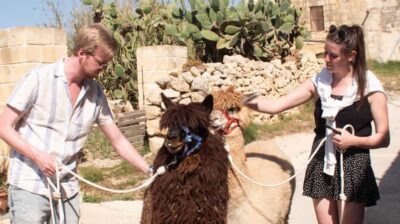
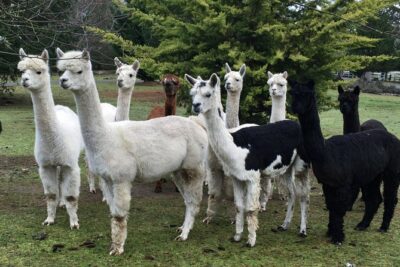
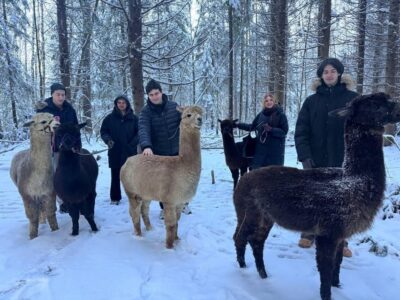
Helsinki: Alpaca Farm Tour with Guided Walk (private)
Read our review →Browse the lists this tour appears in