
Review · SPAIN
Fuerteventura: Artisan Goat’s Cheese Making at Local Farm
Fuerteventura’s most useful souvenir may be the one you help make. On this small-group farm visit, you milk Majorera goats, turn their milk into fresh cheese, and finish by vacuum-packing your own creation. It is a close look at island food culture, not a quick tasting at a shop.
I like the hands-on work and the warm contact with the animals, especially the chance to feed goats and, when available, bottle-feed baby kids. I also like the generous breakfast: fresh cheese, a cheese sandwich, local mojos, homemade jams, and a drink while your cheese rests.
The main consideration is that the farm setting can be fairly basic, and the experience depends on clear communication. English and Spanish guidance is offered, but one past session had no guide present, leaving the group to use Spanish and Google Translate.
Key points to know before booking
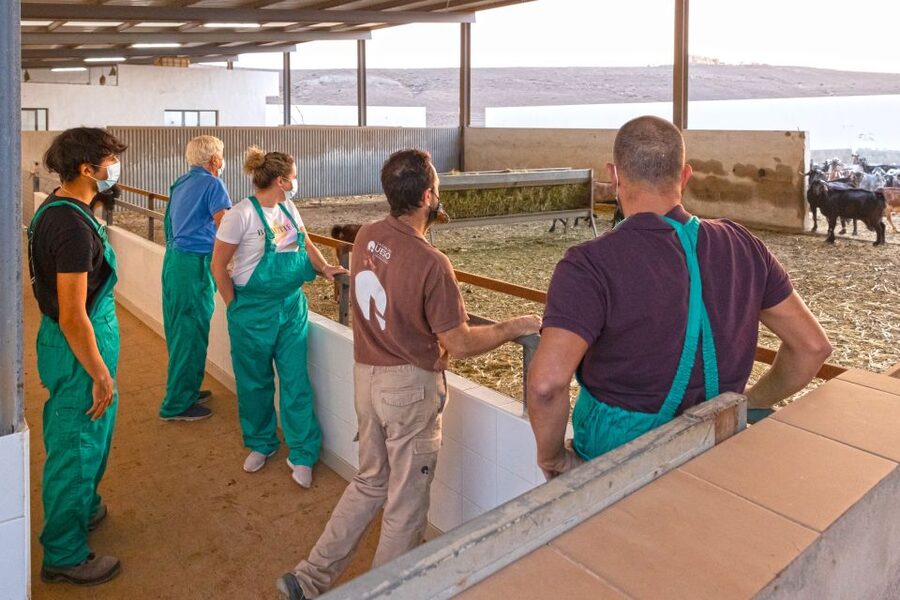
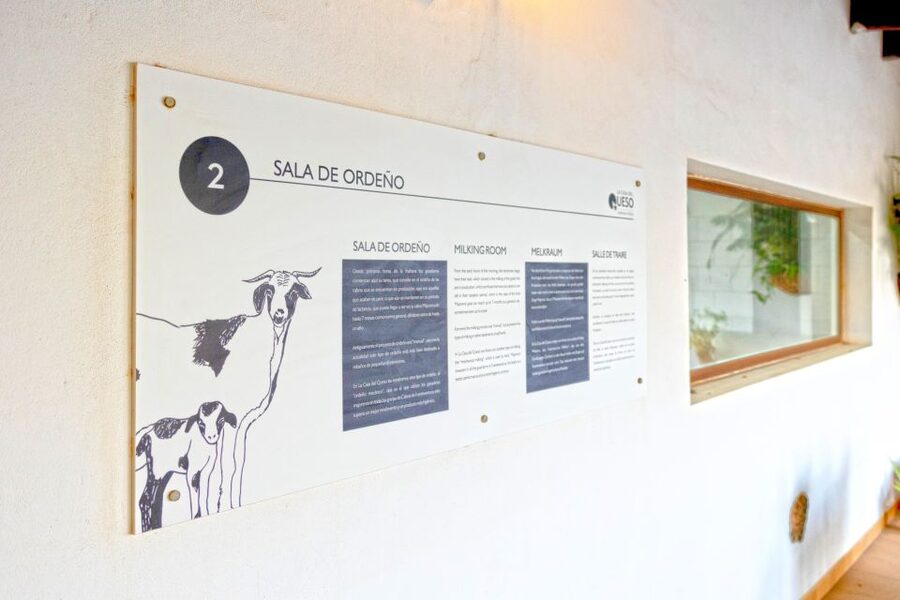
- Milk the Majorera goats: Learn both hand milking and machine milking, with farm staff showing you the process.
- Make about 1 kilogram of cheese: Press, vacuum-pack, and label your own fresh cheese to take home.
- Spend real time with the animals: Feeding goats and cuddling baby kids can be a major part of the morning when young animals are on the farm.
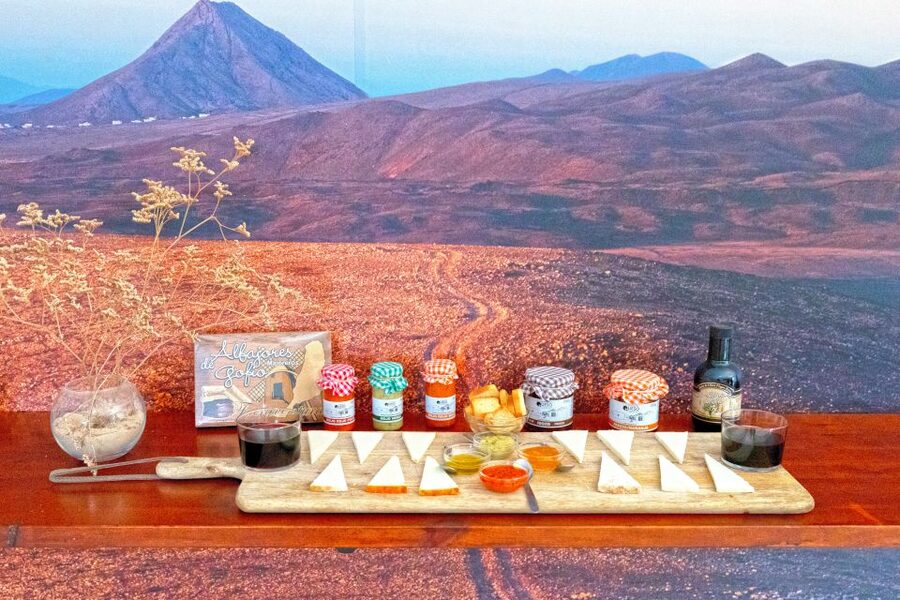
- Eat a proper Canarian breakfast: Expect fresh cheese, a cheese sandwich, a cheese board, mojos, jams, and one drink.
- Small groups keep it personal: The group is limited to 10 people, with English and Spanish available.
- Allow 2.5 hours: This is a relaxed farm activity, not a short demonstration or tasting.
Why Majorero cheese is worth your morning
Fuerteventura is famous for Majorero cheese, made from the milk of Majorera goats. These goats are well suited to the island’s dry conditions, and the cheese is one of the clearest ways to taste local farm life.
This visit lets you see the process from animal to finished food. You do not simply watch a cheesemaker work behind a counter. You learn how goats are milked, help prepare the curds, press the cheese, and take responsibility for the final package.
That matters because food tours can sometimes stop at the tasting table. Here, the tasting comes after practical work. You get a better sense of the time, care, and routine behind a product that often appears on restaurant menus without much explanation.
The farm is also a family-run setting, with the owners closely involved in the animals and production. David, the owner, has been described as patient and keen to show visitors how the farm operates. Elaine has guided many sessions, bringing a friendly, practical approach. Helen has also led the activity, explaining each stage in detail.
Guide assignments can change, so do not book solely to meet one named person. Still, the repeated emphasis on patient instruction is useful, particularly if you have never handled a goat or made cheese before.
More Cheese Farm Tours in Spain:
- Tenerife – Farm Tour with Cheese Tasting
★ 4.9 · 54 reviews - Visit San Sebastian and a Family Cheese Farm with Tasting (From Bilbao)
★ 5.0 · 4 reviews - Authentic Farm Tour with Pizza, Cheese, Wine & Limoncello Tasting
★ 5.0 · 698 reviews
Arrival coffee and a first look at the farm
Your visit begins with a welcome coffee and an introduction to the farm. This gives you a few minutes to settle in before the work starts, and it helps put the cheese-making process in context.
The farm is not presented as a polished museum. It is a working agricultural place, and that is part of its appeal. You are there to see ordinary tasks that support the family business, not a staged performance built around photo stops.
The group size is limited to 10 people. That is small enough for the guide and farm staff to help with milking and cheese preparation, though the exact feel will depend on how many people attend your session.
If you are traveling with children, the animals may be the immediate highlight. If you are mainly interested in food production, listen closely during the introduction, since the later hands-on stages make more sense once you understand the basic process.
Feeding goats and meeting the younger animals
The animal contact is one of the strongest parts of this activity. You may help feed the goats, and several sessions have included time with baby kids. Bottle-feeding very young goats can be especially memorable, though the number and age of the babies naturally change from season to season.
You may also see older goats being fed and spend time around a large herd. One farm visit included contact with roughly 50 goats from a herd of more than 100. That gives you a better idea of the scale of the work than a single demonstration animal would.
The animal time is not just decoration before the cheese lesson. It shows you the living part of the production chain. You see the animals that provide the milk, learn how they are handled, and get a closer sense of the daily care required on a goat farm.
Parents should note that this is an active farm experience. You may be asked to feed, guide, or handle animals under supervision. The exact activities can depend on the farm routine and the animals present that day.
The baby goats can also make the visit emotionally appealing, even for people who are not serious food fans. The best sessions balance affection for the animals with a clear explanation of how milk production works.
Learning hand milking and machine milking
Next comes the milking lesson. You learn manual milking first, then see how machine milking is done. This comparison is useful because it links traditional methods with the equipment used to make farm work more practical.
Hand milking takes patience and the right technique. The farm staff demonstrate what to do, then give you a chance to try. You should expect a little awkwardness at first. That is part of the fun, and the instruction is intended for beginners.
The machine demonstration shows another side of the farm. It explains how a working operation can handle a larger herd while still relying on careful animal care. Seeing both methods keeps the session from becoming a romantic picture of old-fashioned farming alone.
Some past participants have even tasted fresh milk directly from the goat. That is not listed as a standard inclusion, so you should not assume it will happen on your visit. The reliable part is learning the two milking techniques.
If you are uncomfortable touching animals or milk, this may not be the best activity for you. For everyone else, the lesson gives the morning a practical edge. You are not just hearing that cheese begins with goat milk. You are seeing the first step up close.
More farm tours around Spain:
- Montserrat Lunch & Wine at Farmhouse Small Group from Barcelona
★ 5.0 · 2,368 reviews - Barcelona: Montserrat Visit & Lunch at Farmhouse Small Group
★ 4.7 · 1,313 reviews - Montserrat Full Day Tour with Farmhouse Lunch and Winery Visit
★ 5.0 · 1,068 reviews - Montserrat & Winery Visit Tour with Traditional Farmhouse Lunch
★ 4.5 · 1,035 reviews
Making your own fresh Majorero cheese
The central workshop is the cheese-making session. With guidance, you prepare your own fresh cheese step by step, using the tools and equipment provided by the farm.
This is where the activity earns much of its price. You are not only given a sample. You make an individual cheese, press it, and later return to finish the package. The process gives you something tangible to remember, and the cheese is edible rather than destined for a shelf.
The cheese rests in a press while you take your breakfast break. That pause makes good practical sense. Instead of rushing through every stage, the schedule gives the cheese time to set while you sit down and eat.
When the cheese is ready, you return to the production room. You vacuum-pack and label it yourself, using the farm’s equipment. The finished cheese is reported to be around 1 kilogram, though the supplied activity details describe it simply as your own cheese from the press, so the exact size may vary.
This is a good point to think about transport. The cheese is vacuum-packed, which makes it easier to carry than a loose fresh product. Still, it is a perishable food, so plan your day with care if you are not returning to your accommodation soon.
The label turns an ordinary food item into a personal souvenir. You made it, packed it, and can share it with friends or family later. That gives the activity more lasting value than a standard tasting.
Breakfast with cheese, mojos, and homemade jams
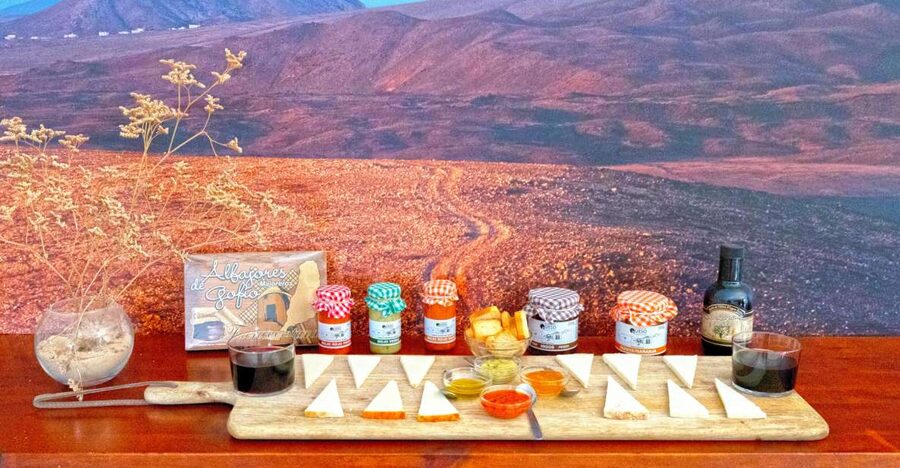
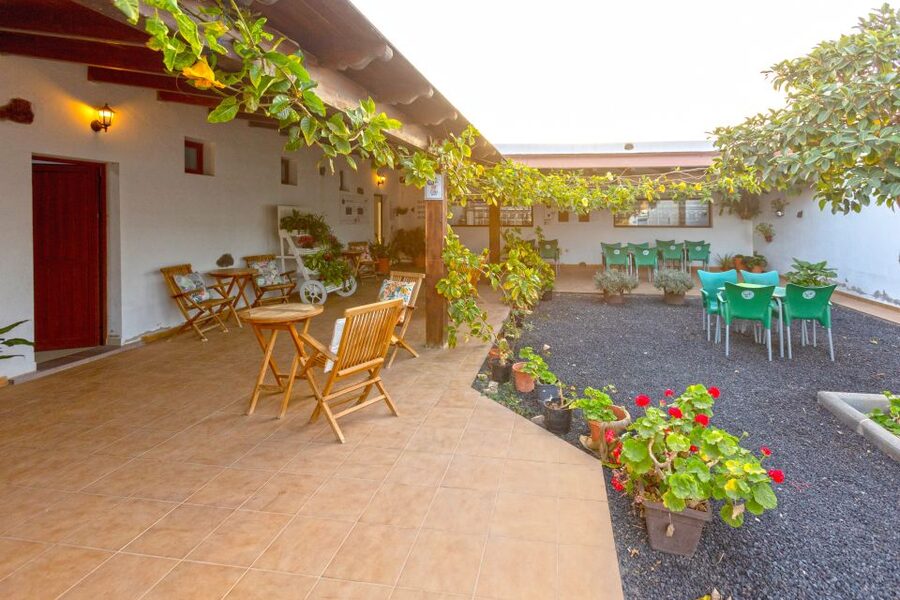
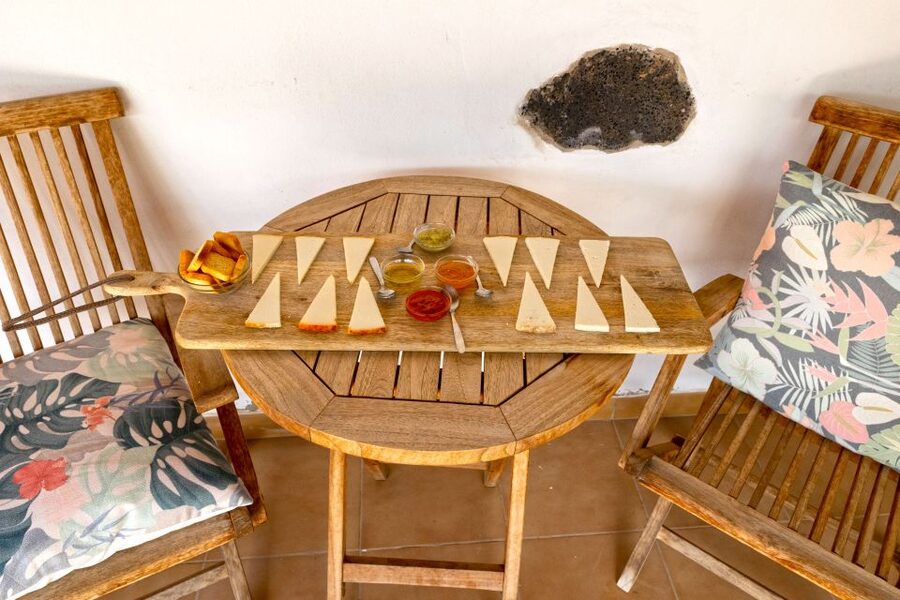
While the cheese rests, you sit in the garden patio for a traditional Fuerteventura breakfast. The meal includes a fresh cheese sandwich, a cheese board, Canarian mojos, homemade jams, and one drink.
The breakfast is more substantial than a token snack. It gives you several ways to taste the farm’s main product, from a simple sandwich to a board with sauces and preserves. The mojos bring a distinctly Canarian touch, while the jams add sweetness and contrast.
You can choose one drink from coffee, tea, Tenerife wine, beer, soft drinks, or water. Additional drinks are not included, so keep that in mind if you expect a long meal or want more than one serving.
I like this part because it connects the workshop to everyday eating. You have just handled the milk and cheese-making tools, then sit down to taste cheese in familiar local combinations. It is a simple farm-to-table lesson, without needing a formal lecture.
The breakfast is also the natural social break in the morning. With no more than 10 people, you have time to talk with the guide, farm staff, and the rest of the group. Past sessions have had an international mix, which can make the meal feel relaxed and informal.
What the 2.5-hour schedule feels like
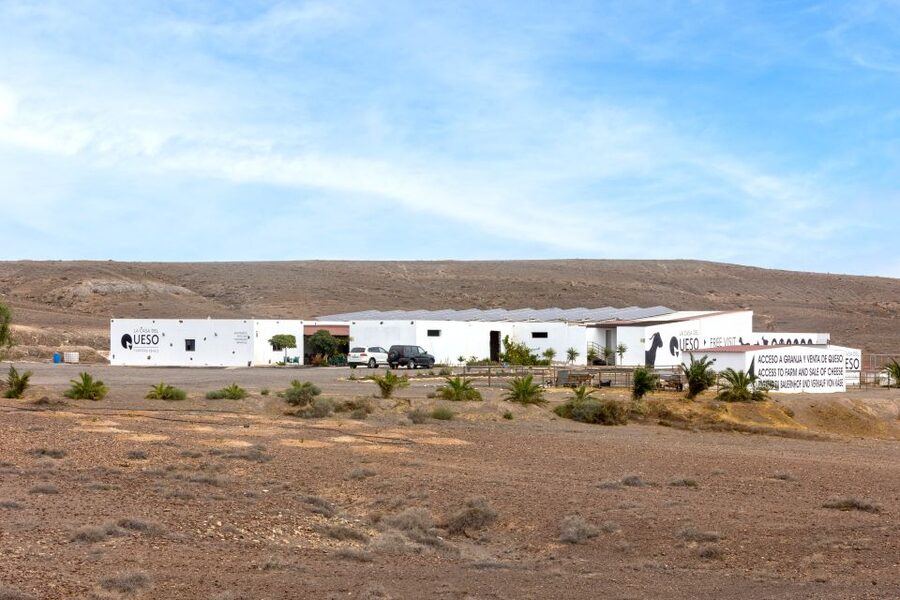
The listed duration is 2.5 hours, but the pace is not built around rushing from one station to another. You move through arrival coffee, animal care, milking, cheese preparation, breakfast, and final packaging.
Past sessions have sometimes spent longer with the goats than people expected. That can be a plus if you want animal contact, but it also means the precise balance between the parts may shift. A morning with several babies to feed may feel different from one focused mainly on production.
The schedule works best if you enjoy a little unpredictability. A farm is not a theater with every minute fixed. The main components are clear, but the animal portion can naturally take more or less time.
The 2.5-hour length is long enough to feel worthwhile without taking up an entire day. You can pair it with other Fuerteventura plans, though you should allow extra time around the stated duration if you have a tightly timed booking afterward.
Is $85 a fair price?
At $85 per person, this is not the cheapest goat farm visit you will find. The value comes from the amount included: a guided workshop, manual and machine milking, animal contact, breakfast, equipment, and your own vacuum-packed cheese.
A cheese tasting alone would offer less. A farm visit without the take-home product would also leave you with memories but no edible result. Here, the meal and the roughly 1-kilogram cheese help justify the cost, especially if you would otherwise pay separately for a food tour and a local product.
The small group is another factor. A limit of 10 people gives you a better chance to try the milking and cheese-making yourself rather than standing at the back of a large crowd.
The price feels strongest for people who value participation. If you want only to sample Majorero cheese, you can probably find cheaper ways to do that. If you want to understand how it is made and leave with something you produced, $85 is more reasonable.
One drink is included, but extra drinks cost more. Keep your expectations focused on the full activity rather than an unlimited meal or a full-day farm visit.
Who will enjoy this farm visit most?
I would choose this for food lovers, families, and curious people who like learning by doing. Children may especially enjoy feeding the goats and seeing the baby kids, while adults can appreciate the production lesson and the local breakfast.
It also suits visitors who want a break from beaches and sightseeing. Fuerteventura is often sold through its coast and dry open spaces, but this activity brings you into contact with a working family business and a food tradition tied to the island.
You do not need previous cheese-making experience. The process is guided, and the tools are supplied. A willingness to touch animals, follow instructions, and work with fresh milk matters more than culinary skill.
I would be more cautious if you have limited mobility or dislike farm conditions. The activity is listed as wheelchair accessible, but the farm setting may still feel less controlled than a modern visitor center. Ask the provider about your specific needs before booking.
Language should also factor into your decision. English and Spanish are offered, but communication quality can depend on the guide assigned. One past visit went ahead without the scheduled guide, and the participants relied partly on Spanish and Google Translate. That appears to be an exception, but it is the clearest practical warning in the available information.
Booking flexibility and useful planning details
The activity offers free cancellation up to 24 hours before the start time, with a full refund. You can also reserve now and pay later, which helps if you are still arranging your Fuerteventura schedule.
The group limit is 10 people, so booking ahead is sensible if you want a particular time. Starting times vary, and you need to check availability for the day you want.
English and Spanish are the stated languages. If you are not comfortable in either, bring a translation app as a backup, especially for a hands-on lesson where small instructions matter.
The experience is provided by Timonfaya Travel Lanzarote, even though the farm activity takes place in Fuerteventura. Check your confirmation carefully for the exact meeting details and start time before setting out.
Should you book the goat cheese workshop?
Book it if you want an active, local food experience with real contact with animals. The best reasons are the chance to milk Majorera goats, make a personal cheese, eat a generous breakfast, and meet the family behind the farm.
I would not choose it if you want a polished culinary demonstration, a quick tasting, or a tightly timed excursion with no flexibility. The farm is a working place, and the animal portion can shape the pace.
For most visitors who enjoy food and hands-on activities, this is a strong use of half a morning. The 4.9 rating from 112 reviews reflects the experience’s main strengths: friendly staff, patient guidance, generous time with the goats, and a cheese you can take home. Just confirm the language support and meeting details, then arrive ready to work.
FAQ
How long does the goat cheese-making activity last?
The activity lasts 2.5 hours.
How much does the experience cost?
The listed price is $85 per person.
What languages are available?
Live guidance is available in English and Spanish.
How many people are in the group?
The experience is offered as a small-group activity limited to 10 participants.
Is the activity wheelchair accessible?
Yes, the activity is listed as wheelchair accessible.
What do I make during the workshop?
You make your own fresh Majorero cheese, then vacuum-pack and label it yourself.
Can I take my cheese home?
Yes. After the cheese has rested in the press, you vacuum-pack and label it to take home.
What food is included?
The breakfast includes a fresh cheese sandwich, a local cheese board, Canarian mojos, homemade jams, and one drink.
What drinks can I choose from?
You can choose coffee, tea, Tenerife wine, beer, a soft drink, or water. Additional drinks are not included.
Can I cancel the booking for a refund?
Yes. You can cancel up to 24 hours in advance for a full refund. You can also reserve now and pay later.
Newly listed farm visits around Spain
- Animal farm park with free hotel pickup★ 5.0 · 2 reviews
- Bull Breeding Farm: Guided Half-Day Tour from Seville★ 4.5 · 24 reviews
- Olive Oil Farm Tour with Tasting from Seville★ 4.5 · 61 reviews
- From Seville: Pig Farm private day tour and old villages visit★ 4.5 · 4 reviews
- ” Basque Farm House & Cider house” tour + meal from San Sebastian★ 5.0 · 9 reviews
- Fuerteventura Villages Caves and Farm Tour with Lunch from North★ 3.0 · 9 reviews
- Menorca: Cheesemaking and Farm-Fresh Product Tasting★ 5.0 · 29 reviews
- Tropical Tour: Avocado & Mango Farm – Small group and tasting★ 5.0 · 38 reviews
Cheese Farm Tours, compared.
Authentic Farm Tour with Pizza, Cheese, Wine & Limoncello Tasting
Read our review →
Sorrento Farm by Tuk Tuk: Cheese, Limoncello & Hands-On Pizza
Read our review →
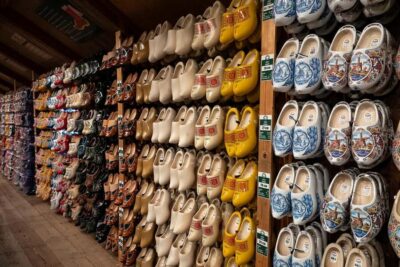
Experience Zaanse Schans Windmills & Cheese Farm
Read our review →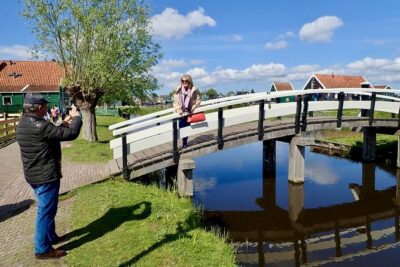
Amsterdam private tour to windmills, cheese farm and villages
Read our review →
Appenzell Alps Day Trip from Zurich – Farm Life & Cheese Tasting
Read our review →
Experience Chianti & Cheese w/ 3 wineries & dairy visit—max 8 pp
Read our review →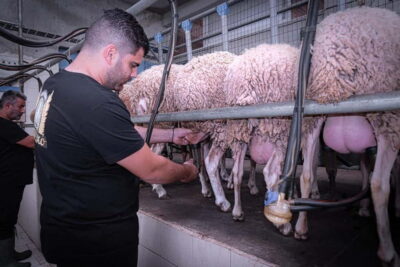
Farm Visit with Cheese Tasting and Milking Experience
Read our review →Browse the lists this tour appears in