
Review · AROUND THE WORLD
Guayaquil to Cuenca one-way tour with Cajas Park and a Cacao Farm visit
The best reason to take this Guayaquil to Cuenca transfer is that the road becomes part of your Ecuador trip instead of dead time. You move from warm lowland farms to cold Andean moorland, with cacao, fruit, lunch, and a Cajas hike along the way.
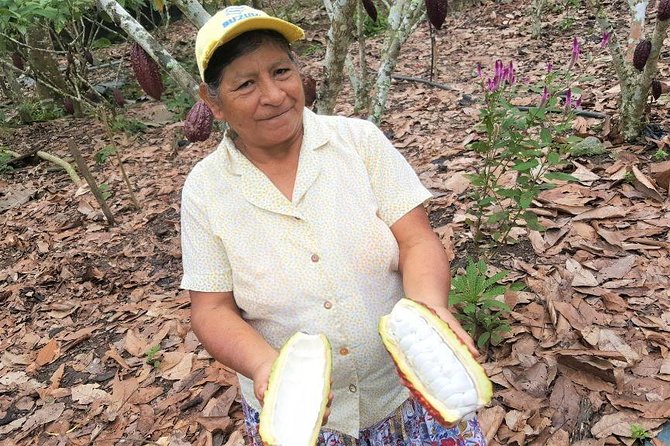
I like the family cacao farm visit, where you can taste the sweet pulp around fresh cacao beans before chocolate-making begins. I also like the way the Cajas stop gives you a real walk, not just a quick photo pause. The main consideration is altitude: Cajas reaches roughly 11,000 feet, and cold, wind, and thin air can limit your hike.
Key points
- Fresh cacao pulp before chocolate: See cacao pods opened and sample the coating around the beans.
- A useful one-way transfer: Turn a long ride between Guayaquil and Cuenca into a full day of local stops.
- Fruit with real local flavor: Sample bananas, mandarins, coconut, dragon fruit, passionfruit, and other produce at Puente de las Frutas de Tamarindo.
- Cajas hiking time: Walk through high Andean moorland, native Polylepis forest, and the lake country around Laguna La Toreadora.
- Patient bilingual guiding: Guides including Wilson, Louis, and Javier explain the route, culture, plants, and food in English and Spanish.
- Good value for a private ride: At $73.99 per person, transportation, hotel pickup, guiding, and the listed stops make the price reasonable, but check the lunch option and the separate $3 cacao farm fee.
Why This Road Trip Beats a Plain Transfer
Guayaquil and Cuenca feel like different worlds. Guayaquil is low, warm, and tropical. Cuenca sits high in the Andes, with cooler air, colonial streets, and mountain weather. This trip lets you watch that change happen in stages.
The drive takes about six to eight hours, depending on road conditions and the pace of the stops. You are not simply sitting in a vehicle all day. You see cacao growing in the lowlands, try fruit sold and eaten locally, stop for a proper meal, then climb toward Cajas National Park.
I especially like this setup if you are already moving between the two cities. Flying may be quicker in the air, but it gives you none of the farm visits or mountain scenery. A regular public bus costs less, yet it will not stop at the cacao farm or let you arrange a hike through Cajas. This tour is designed for people who value the day itself.
The service is private, meaning only your group participates. For one to five people, the bilingual guide also drives. Larger groups receive a separate driver and bilingual guide. That difference matters because a guide-driver can offer flexible conversation and advice, but must also divide attention between the road and the commentary.
More Cocoa Farm Tours in the world:
- Lahaina: Maui Ku’ia Estate Guided Cacao Farm Tour and Tasting
★ 5.0 · 1,103 reviews - Kauai Chocolate Farm Tasting Tour
★ 5.0 · 666 reviews - Lahaina: Maui Ku’ia Estate Guided Cacao Farm Tour & Tasting
★ 4.8 · 137 reviews
Cacao Loma: From Pod to Chocolate
The first stop introduces you to cacao as a crop, not just a flavor on a candy shelf. At Cacao Loma, a local family farm grows cacao along with breadfruit, coffee, passionfruit, pineapple, and other products.
You can see how the cacao pod is opened and taste the soft, sweet pulp around the beans. This is the part many people do not expect. The pulp tastes fruity, while the raw beans themselves are not yet the dark, familiar chocolate you know.
The visit also covers the early stages of craft chocolate making. Your guide explains cacao’s place in Ecuadorian customs and food culture, while the farm shows how the product begins. The stop is scheduled for about 30 minutes, so expect a compact introduction rather than a long agricultural workshop.
A $3 per-person cacao farm fee is not included. Build that into the price before booking. The exact farm interaction can vary. One guide, Javier, once arranged a visit with a nearby grower when the usual farm owner was unavailable. That kind of flexibility can help, but it also means you should not expect a polished factory tour or a large commercial operation.
For me, the farm is valuable because it connects the final product to the soil, trees, and people who produce it. If you want a formal chocolate tasting with many finished samples, this is probably not the right expectation. If you want a close look at the first steps, it fits well.
Puente de las Frutas de Tamarindo: Ecuador on a Fruit Stand
The next stop is short, about 15 minutes, but it adds a useful taste of everyday food life. At Puente de las Frutas de Tamarindo, local sellers offer fruit from the surrounding region.
You might sample bananas, mandarins, coconut, dragon fruit, passionfruit, and other seasonal produce. The point is not simply to identify familiar fruit. Ecuador’s warm growing regions can give those familiar foods a different freshness and sweetness than you may be used to.
Your guide helps explain what you are tasting and how the fruit fits into local meals and daily habits. The stop is brief, so you will not have much time for a long market visit or a relaxed shopping trip. Still, it breaks up the drive and gives you a simple, direct connection to the region’s agriculture.
I would keep an open mind here. Some fruit may be available only according to the day and season, and the supplied details do not promise a fixed tasting menu. The appeal is the local setting, not a carefully staged food presentation.
Lunch at Mestizo Restaurant
After the lowland food stops, the trip pauses for about an hour at Mestizo Restaurant. Trout is the specialty, and you can also ask about vegetarian and vegan choices.
The restaurant stop matters because this is a long road journey. A proper meal gives you time to rest before the climb into the Andes. You can also take in views of the mountains from the restaurant area.
Check the booking option carefully. Lunch is included only if you select the option that includes it. The advertised price and meal arrangements may therefore differ depending on what you choose. Dietary needs should be provided when booking, especially if you want a vegetarian or vegan meal.
Do not expect a rushed roadside snack. The stop is planned as a full hour, and the restaurant provides a chance to sit down. At the same time, it is one part of a transfer day, not a standalone food tour. Trout may be the best choice if you want the restaurant’s specialty, but the guide can point you toward other options.
More farm tours around the world:
- Half-Day Thai Cooking Class at Organic Farm in Chiang Mai
★ 5.0 · 19,087 reviews - Florence Pizza or Pasta Class with Gelato Making at a Tuscan Farm
★ 5.0 · 6,801 reviews - From Porto: 2 Wine Regions, Farm-to-Table Lunch & Boat
★ 4.9 · 5,724 reviews - Cooking Class and Lunch at a Tuscan Farmhouse with Local Market Tour from Florence
★ 5.0 · 4,831 reviews
Climbing Into Cajas National Park
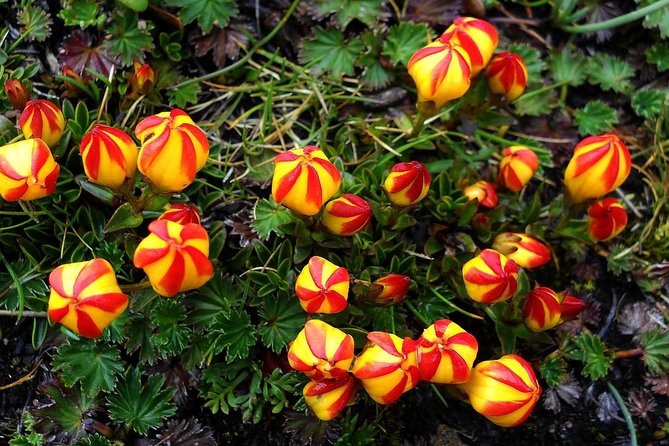
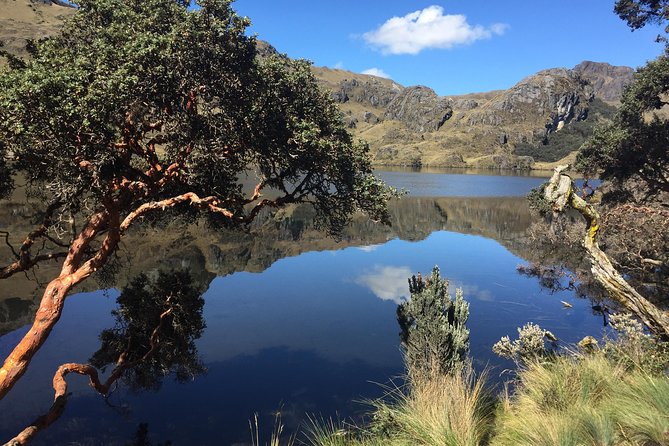
Cajas is the visual climax of the route. The road climbs into a high Andean protected area filled with lakes, open moorland, unusual plants, and native Polylepis forest. The park is also the main water source for Cuenca, which gives the scenery practical importance as well as beauty.
The scheduled stop at Laguna La Toreadora lasts about an hour and a half. You can take a hike suited to your fitness level and explore the moorland ecosystem. The route may include an Inca trail section, and some outings also use the Tres Cruces viewpoint before reaching Cuenca.
This is not a low-effort sightseeing stop. One account describes hiking for more than an hour along the Inca trail, with the guide meeting the group farther along the route. That style can be rewarding because you walk through the park instead of seeing it only from a vehicle, but you should be ready for uneven ground and high altitude.
The highest pass reaches about 11,000 feet. Cold weather and wind are common concerns, even when Guayaquil feels hot. Bring warm layers and dress for exposure. A rain layer is sensible, though the supplied details do not promise a particular weather pattern or trail condition.
You do not need to be a serious hiker to participate. The hike is adjusted to fitness, and the park visit can be approached at a gentler pace. Still, altitude can affect anyone. If you feel unwell, tell your guide rather than trying to push through for the sake of a longer walk.
Cajas is also where the private format helps. Guides such as Wilson have been praised for patience on the hike, while Louis and Javier have been noted for clear explanations and strong English. A good guide can tell you what you are seeing and help you judge how much walking makes sense that day.
The Guides Make a Difference
The company uses licensed guides, and for small groups the guide also drives. Several names come up in the supplied experience details.
Wilson is described as friendly, patient, and helpful during the walk. Louis is noted for his clear explanations and calm manner. Javier, the company founder, has training in hospitality and experience guiding before starting his own operation. He is also described as helpful with Spanish corrections and recommendations for Cuenca.
That matters on a long transfer. You spend many hours with the same person, so communication and attitude count as much as the vehicle. Javier is also reported to be responsive through WhatsApp, which can be useful before departure when confirming details.
The guide’s role is broader than pointing out scenery. You can ask about cacao, local customs, plants, wildlife, and the places along the road. The exact depth of the commentary will depend on your guide, group, and language needs, but the small-group format gives you a better chance to ask questions than a large coach tour.
Comfort, Timing, and the One-Way Setup
The tour begins in Guayaquil and ends in Cuenca, with drop-off at your Cuenca hotel or another location of your choice. The stated meeting point is Avenida 12 SE 1206 in Guayaquil, and hotel pickup is included.
The one-way design is the central practical advantage. You avoid arranging a separate transfer after sightseeing, and you arrive in Cuenca ready to continue your trip. It also means you should pack so that anything you need during the day is easy to reach. Your main luggage will remain part of the transfer, but the supplied details do not specify storage arrangements inside the vehicle, so confirm any special luggage needs.
The ride is described as comfortable and safe, with professional service from start to finish. For a small private group, you can generally expect a more personal day than on a standard bus. The vehicle itself is transportation first, not a luxury touring coach, and the total time can reach eight hours.
The tour requires at least two people to operate shared departures, although the activity itself is private to your group. Most people can participate, and the meeting area is near public transportation. Passport name, number, and nationality are required for every participant at booking.
Is $73.99 a Good Price?
At $73.99 per person, the price is fair if you actually need to travel from Guayaquil to Cuenca. You are paying for the transfer, licensed guide-driver, hotel pickup and drop-off, cacao and fruit stops, lunch if selected, and Cajas National Park access as specified.
The value is strongest for two or more people who want to turn transportation into sightseeing. A solo visitor would pay the same listed per-person rate, while a small group gains more from the private format. Compare the total against a basic bus or flight, but remember that cheaper transport will not include this combination of stops and guiding.
Budget separately for the $3 cacao farm fee per person. Also confirm whether your booking includes lunch, since that depends on the option selected. These are small costs, but knowing the full total prevents surprises.
Free cancellation is available when you cancel at least 24 hours before the start time. Changes or cancellations inside that window are not accepted for a refund.
Who Should Book This Experience?
This tour suits you if you need to travel between Guayaquil and Cuenca and want to see more than the inside of a bus. It is especially good for people interested in local food, cacao production, mountain scenery, and a manageable outdoor walk.
It also suits first-time visitors who want a guide to explain what they are seeing. The route crosses several climate zones, and a bilingual guide can connect the farm, fruit market, highlands, and city in a way that independent transport cannot.
You should think twice if you dislike long road days, cold high-altitude weather, or flexible outdoor plans. Cajas may be windy and uncomfortable without warm clothing, and the farm visit is an informal local experience rather than a polished attraction. If your main goal is the fastest possible arrival, take a direct flight or bus instead.
FAQ
How long does the Guayaquil to Cuenca tour take?
The trip takes approximately six to eight hours, depending on the route, stops, road conditions, and hiking pace.
Is this tour one-way?
Yes. It is a one-way trip from Guayaquil to Cuenca, or the reverse direction if that option is arranged.
Where does the tour end in Cuenca?
You can be dropped at your Cuenca hotel or at another location of your choice within Cuenca.
Is lunch included?
Lunch is included only when you select the option that includes it. The meal stop is at Mestizo Restaurant, where trout is the specialty, with vegetarian and vegan choices available.
Is the cacao farm fee included?
No. The cacao farm fee is $3 per person.
What can I taste at the cacao farm?
You can taste the sweet pulp surrounding fresh cacao beans and learn about the early stages of craft chocolate making.
How difficult is the Cajas hike?
The hike is adjusted to your fitness level, but Cajas is at high altitude. The pass reaches about 11,000 feet, and cold or wind may make walking harder.
Will the guide speak English?
For groups of one to five passengers, a bilingual guide-driver is provided. For larger groups, the tour includes a driver and a bilingual guide.
Can I cancel for a full refund?
Yes, if you cancel at least 24 hours before the experience begins. Cancellations or changes made less than 24 hours before the start time are not accepted for a refund.
Should You Book It?
Book this tour if you need the Guayaquil to Cuenca transfer and want the road to count as part of your Ecuador experience. The combination is unusually useful: fresh cacao, local fruit, a sit-down lunch, and a high-altitude hike in Cajas.
I would choose it over a plain bus when time and budget allow, especially for a small group. Just confirm the lunch option, add the $3 cacao fee, and pack for a cold, windy mountain stop. If you do that, this is a practical transfer with real local content, not just a ride from one city to another.
Newly listed farm visits around the world
- Half-Day Farm Visit and Cow Milking Experience★ 5.0 · 16 reviews
- Boutique tour , Mt Maunganui, NZ farm, Rotorua lakes/geothermal★ 4.5 · 50 reviews
- Gourmet Mushroom Farm Tour in Tennessee★ 5.0 · 5 reviews
- Cozy Farm Experience with Wagon Wheels and Acoustic Meal★ 5.0 · 2 reviews
- Animal farm park with free hotel pickup★ 5.0 · 2 reviews
- Alpaca Farm Tours with Toffeemont★ 5.0 · 8 reviews
- Private, via beaches, Kiwi farm to Rotorua 8 lakes & Geothermal★ 5.0 · 20 reviews
- 1D Tour to Cingjing Farm from Taichung★ 4.5 · 3 reviews
Cocoa and Chocolate Farm Tours, compared.
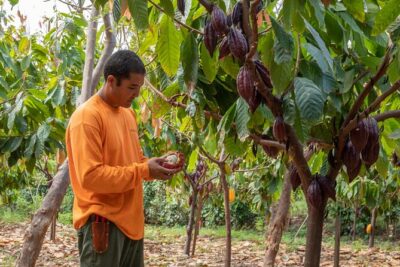
Maui Ku’ia Estate Guided Cacao Farm Tour and Tasting
Read our review →
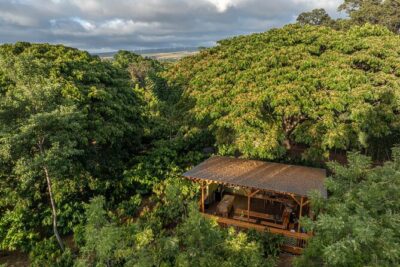
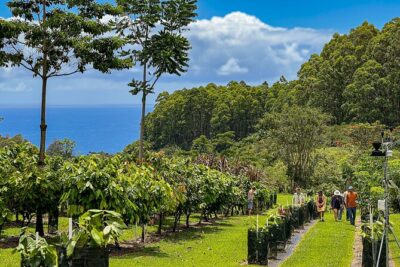
Craft Chocolate Tasting and Farm Experience on the Big Island
Read our review →
Cuenca to Guayaquil one-way tour with Cajas Park and a Cacao Farm visit
Read our review →
Experience Boti Waterfalls, Aburi Botanical Gardens & Tetteh Quarshie Cocoa Farm
Read our review →
Oahu: Chocolate Farm Tour with Tasting – Kamananui Cacao
Read our review →
Escape Accra City to Aburi Gardens and Tetteh Quarshie Cocoa Farms
Read our review →Browse the lists this tour appears in