
Review · THE UK
Liverpool: Music Icons Tour with 90s band ‘The Farm’
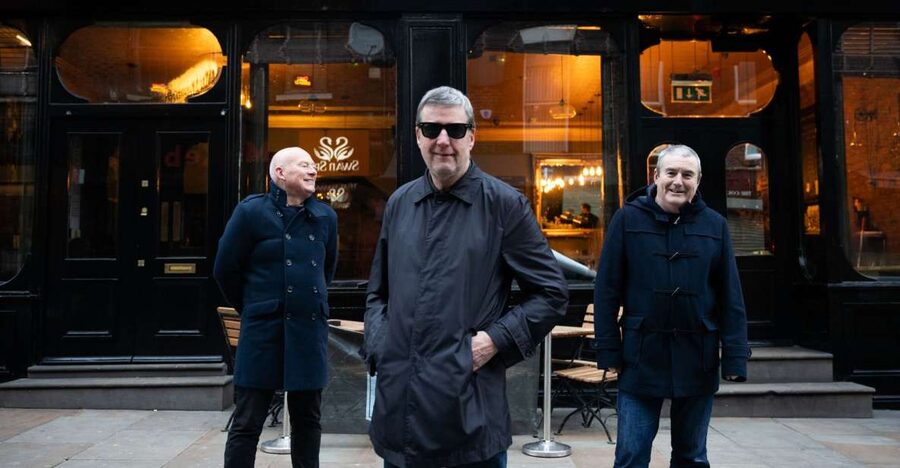
Liverpool’s music story gets far more interesting when it is told by someone who lived it. On this small-group walk with Pete Hooton or Keith Mullin of The Farm, you hear about the band’s rise, the city’s 1990s music scene, and the real places where musicians rehearsed, played, met, and relaxed.
I like the access to Ministry Rehearsal Rooms, linked with acts such as Echo and the Bunnymen, Frankie Goes to Hollywood, and The Farm. I also like the relaxed ending in a central pub, where you can ask questions, have the included drink, and get a selfie or an autograph.
The main thing to consider is the price: $80 is fair for a personal music experience, but high if you only want a general Liverpool sightseeing walk. The tour is in English, and you should wear comfortable shoes.
Key points to know before booking
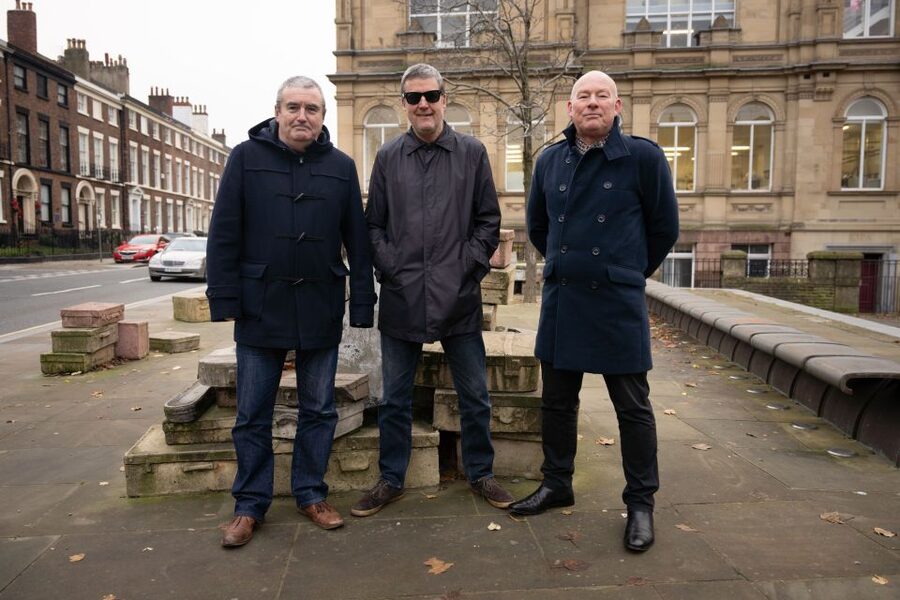
- Walk with a member of The Farm: Pete Hooton or Keith Mullin leads the group in person.
- Small groups of up to 12: You get a much better chance to ask questions than on a large bus tour.
- Music places beyond the usual Beatles route: The walk covers Probe Records’ former location, Ministry Rehearsal Rooms, pubs, venues, and a former UK superclub.
- A personal view of the 1990s: Expect stories about The Farm’s rise and Liverpool’s wider music scene.
- A pub finish with a drink included: The tour ends with time to chat, take photos, and have memorabilia signed.
- Easy pace, but still a city walk: The route lasts about two hours, with the full activity taking roughly two and a half hours.
Meeting The Farm in Liverpool
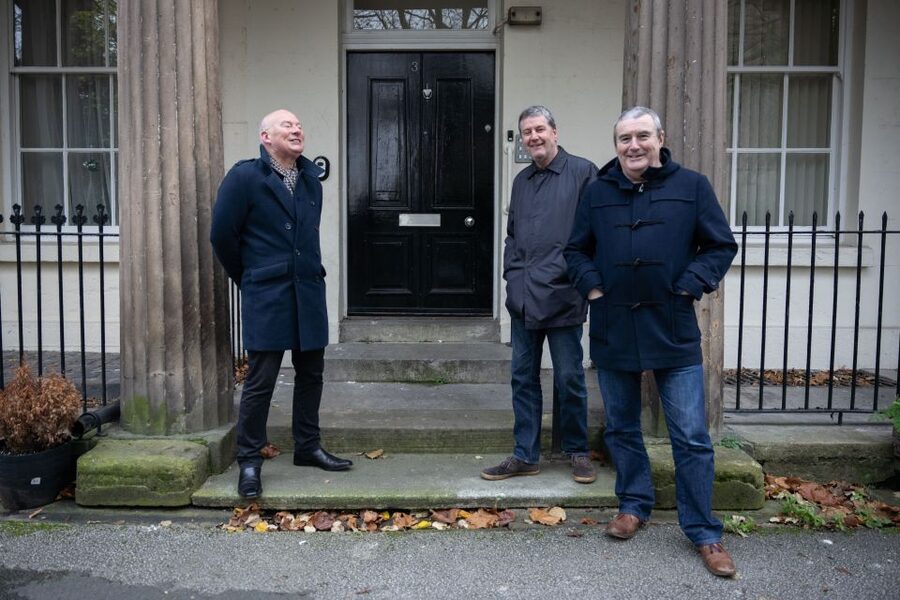
This is not a standard music-history walk led by a guide with a prepared script. Pete Hooton, the lead singer of The Farm, or Keith Mullin, the band’s guitarist, takes you around Liverpool personally.
That difference matters. You are not only looking at buildings and hearing dates. You are hearing how the city felt to a musician trying to build a career, which places mattered, and what was happening around the band during the 1990s.
Pete and Keith bring slightly different connections to the story. Pete gives you the frontman’s view of The Farm’s rise, while Keith offers the perspective of a guitarist who was part of the band’s working life. The exact guide depends on the day, so you should not book expecting one particular person unless the operator confirms it.
The group is limited to 12 people. That is a useful size for this kind of experience. You can hear a story without standing at the back of a crowd, and the guide can answer questions without turning the walk into a formal lecture.
The starting point is outside the Liverpool Institute for Performing Arts on Mount Street, near Hope Street. Meet 10 minutes before the start by the suitcases at the top of Mount Street. From Lime Street Station, allow about 15 minutes on foot.
If rain arrives, you can shelter at the entrance to LIPA, about 30 seconds from the meeting point. That small detail is worth knowing in Liverpool, where the weather may change before the first story begins.
More farm tours around the world:
- Half-Day Thai Cooking Class at Organic Farm in Chiang Mai
★ 5.0 · 19,087 reviews - Florence Pizza or Pasta Class with Gelato Making at a Tuscan Farm
★ 5.0 · 6,801 reviews - From Porto: 2 Wine Regions, Farm-to-Table Lunch & Boat
★ 4.9 · 5,724 reviews
The 1990s through a local musician’s eyes
The heart of the tour is The Farm’s own story. You get a personal account of the period when the band was riding high in the charts, along with anecdotes about the people and places connected to Liverpool music.
This is where the tour earns its price. A broad city music walk can tell you that a venue existed. Pete or Keith can explain why it mattered, what sort of people used it, and how it fitted into the city’s music network.
You may hear about the hard work behind the public success, not just the record covers and chart positions. The useful part is the link between personal memory and place. A street corner or pub becomes easier to picture when you know how musicians used it at the time.
The tour also reaches beyond The Farm. Liverpool’s story here includes several generations of music. You hear about the 1990s, but also about the groups that shaped the city in the 1970s and 1980s.
That wider scope keeps the walk from becoming a long band biography. It gives you a better sense of how Liverpool’s music scenes overlapped, with rehearsal rooms, independent record shops, clubs, pubs, and live venues all playing their part.
Probe Records and Liverpool’s independent music culture
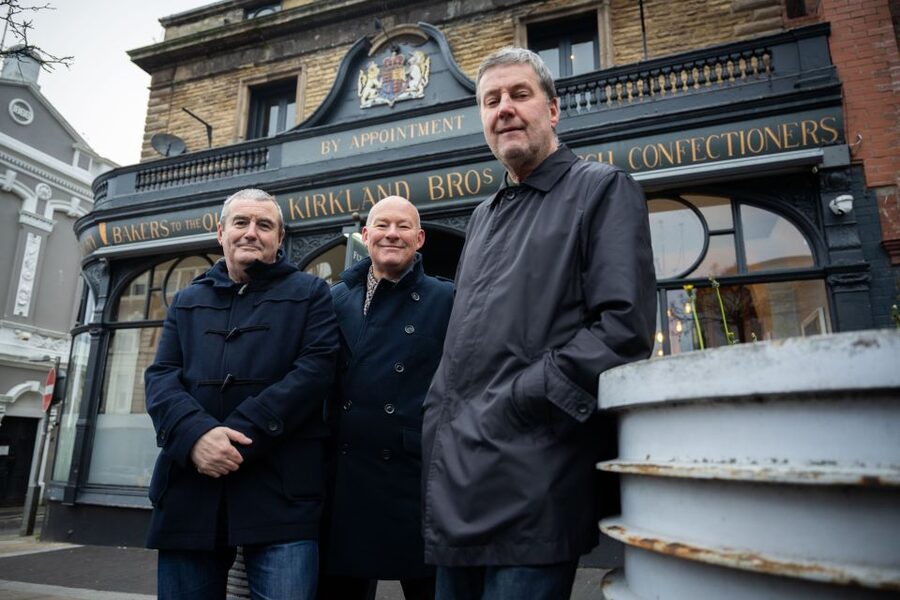
One stop is the former location of Probe Records, a shop associated with the second wave of Liverpool groups in the 1970s and 1980s.
For music fans, record shops are more than places to buy albums. They are meeting points, information exchanges, and places where local musicians can find an audience. Probe’s former location helps you picture that part of Liverpool’s music life.
The stop is also useful if your idea of Liverpool music begins and ends with The Beatles. This tour gives attention to later acts and the city’s independent scene, including the period that helped shape the sound and attitude of bands who followed.
You should not expect a museum display or a preserved recording studio at every stop. Some places are viewed from the outside or understood through the guide’s explanation. The value comes from the story attached to the location, not from a large collection of objects.
That is a good reason to listen closely and ask questions. The physical remains may be modest, but the local context is the point.
Ministry Rehearsal Rooms and the working side of music
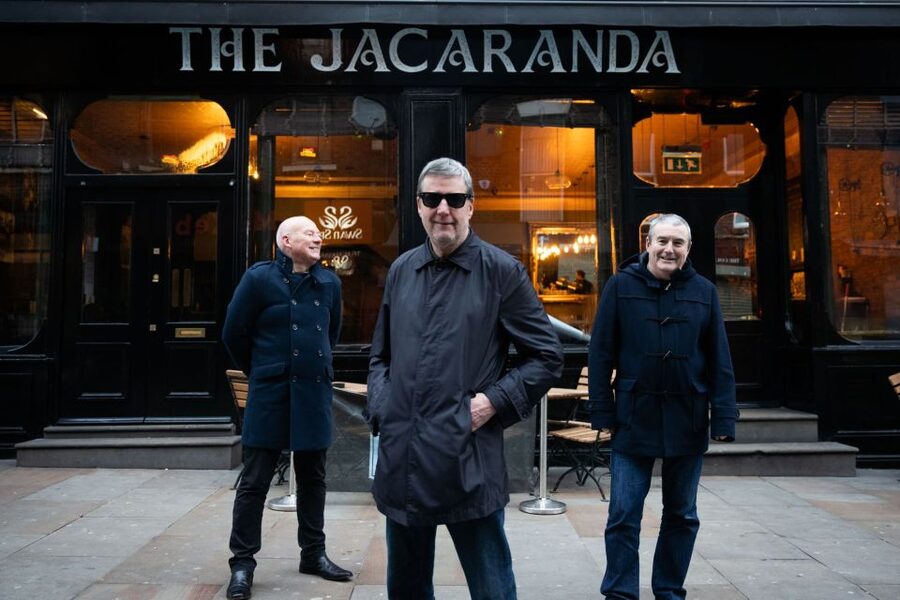
The visit to Ministry Rehearsal Rooms is one of the strongest parts of the route. The rooms have been used by Echo and the Bunnymen, Teardrop Explodes, Frankie Goes to Hollywood, The Farm, Wah Heat, Black, A Flock of Seagulls, and The Pale Fountains.
That list gives you a sense of the place’s reach. It was not tied to one band or one short period. It formed part of the working infrastructure behind Liverpool music.
Rehearsal rooms are often more revealing than glamorous venues. A concert hall shows you where an audience saw the finished performance. A rehearsal room points to the repeated practice, unfinished songs, and small decisions that came before it.
You get a look at the less polished side of a music career. That makes the stop particularly useful for anyone interested in how bands actually developed their sound.
The exact access and amount of time spent at each location can depend on the day. The tour information identifies Ministry as a stop, but it does not promise a long indoor visit or a specific behind-the-scenes demonstration. Plan on hearing the stories and seeing the place as part of the walk, rather than treating it like a full museum visit.
Same countryside, another kind of harvest:
- Cooking Class and Lunch at a Tuscan Farmhouse with Local Market Tour from Florence
★ 5.0 · 4,831 reviews - Chiang Mai: Authentic Cooking Class with Market & Farm Visit
★ 4.9 · 4,546 reviews - Tromsø: Reindeer Camp and Sami Cultural Tour with Lunch
★ 4.7 · 3,326 reviews - Maui Pineapple Farm Tour in Haliimaile
★ 5.0 · 2,855 reviews
Liverpool’s club scene and the first UK superclub
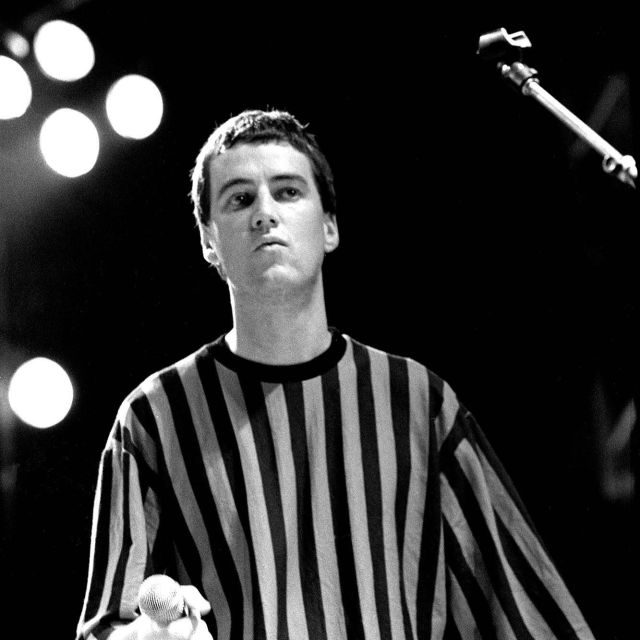
The route also includes the location of the first UK superclub, a venue said to have changed the face of dance music in Britain.
The tour does not present Liverpool only as a guitar-band city. This part adds the club and dance side of the story, showing how music culture shifted from live stages and rehearsal rooms toward large-scale nightlife.
That contrast is one of the tour’s strengths. You can connect the city’s independent bands with the wider changes in British popular music during the late 20th century.
Again, the importance is partly historical rather than visual. You may be looking at a location that no longer operates in its original form. Pete or Keith supplies the missing connection, explaining what happened there and why the site mattered.
If you want a tour built around famous buildings that remain exactly as they were, this may feel less satisfying. If you like the idea of seeing ordinary city locations tied to major music changes, it adds a valuable layer to your time in Liverpool.
The slow pace makes room for conversation
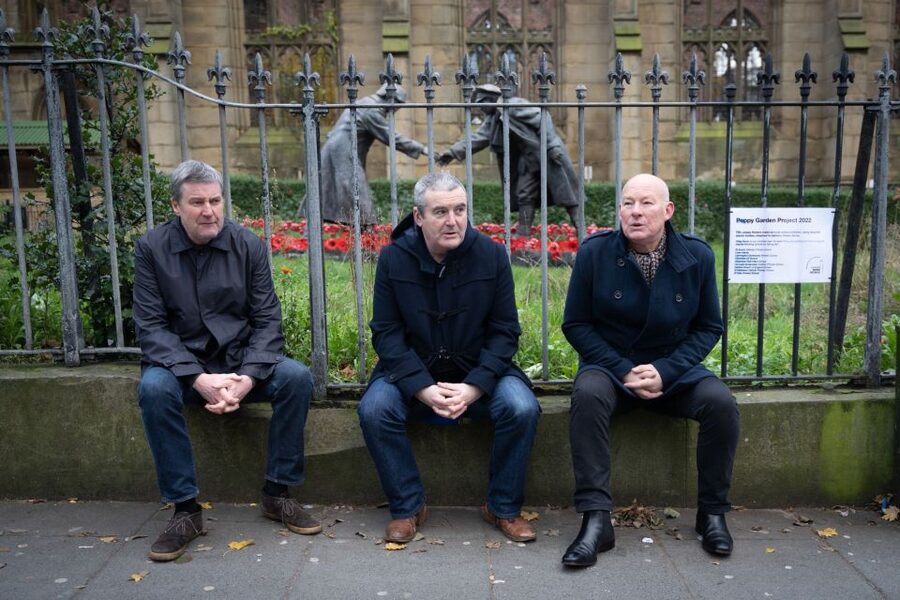
The walk is described as easy and slow-paced. The walking portion lasts about two hours, with the full activity taking approximately two and a half hours.
That pace suits the subject. You need time to stop, hear a story, take in a location, and ask a question. This is not a race between landmarks, and you should not expect a packed schedule of attractions.
The group size helps here. With no more than 12 people, the guide can keep the conversation open. If you have a question about The Farm, Liverpool venues, or the 1970s and 1980s music scene, you have a reasonable chance to ask it directly.
You should still wear comfortable shoes. The route is not described as strenuous, but it is a city walk, and Liverpool’s streets can be tiring if you are already spending the day on foot.
The meeting point is not directly beside Lime Street Station. It is about a 15-minute walk away, so allow time to find the suitcases by LIPA. Arriving 10 minutes before the start is sensible, especially if you do not know the area.
Finishing at a central Liverpool pub
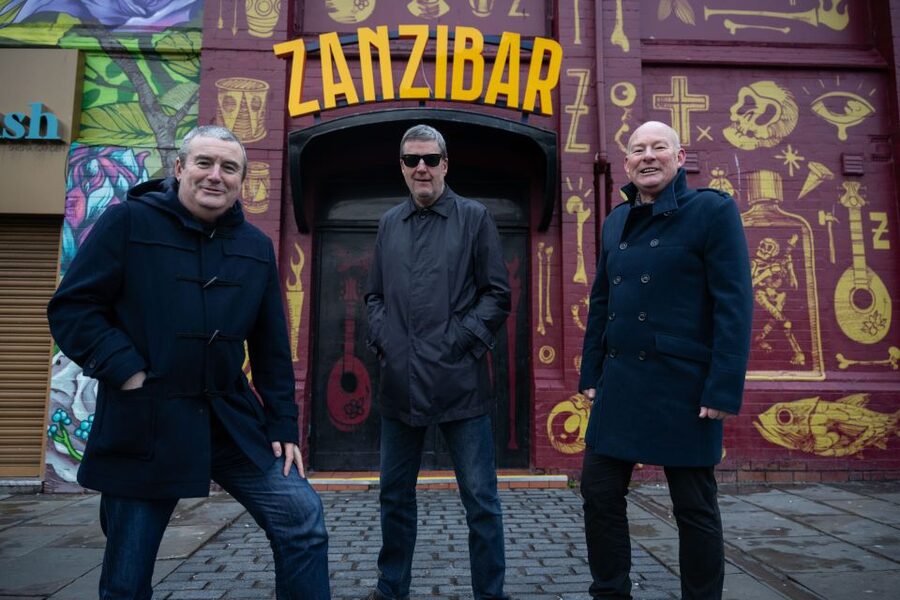
The final part takes place in a pub closely linked with the guide’s life. This is more than a quick drop-off point. It gives the tour a natural ending and lets the group move from walking and listening into conversation.
Your drink is included. You can relax, ask Pete or Keith about the band, take photographs, and have memorabilia signed. The chance to get a selfie at the end is also included in the experience.
I like this ending because it fits the subject. Music stories often make more sense in a pub than beside a plaque. You have time to follow up on something you heard earlier, and the guide can answer questions in a less formal setting.
The pub stop is also a social part of the afternoon. One person may want to ask about recording, another about Liverpool clubs, and someone else may simply want a photograph. The small group makes this easier than it would be on a large organized tour.
Do not assume the drink means a full meal or an extended pub session. The information confirms a free beverage, not food or a wider package. If you want lunch, arrange that separately.
Is $80 good value?
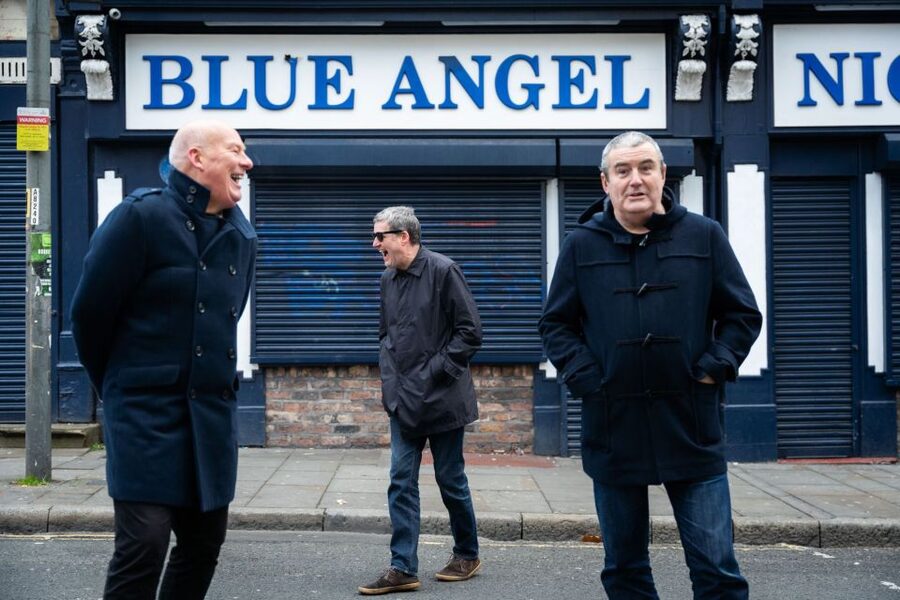
At $80 per person, this is not the cheapest way to see Liverpool. You are paying for a personal appearance by Pete Hooton or Keith Mullin, a small group, local stories, a two-hour walk, and the pub conversation with a drink included.
For a serious fan of The Farm or Liverpool music, that can be good value. Meeting the musician who tells the story is the part you cannot easily replace with a book, audio guide, or general city tour.
The price is harder to justify if your main aim is a quick introduction to Liverpool. You will see music locations, but the route is built around stories and conversation rather than a long list of major sights. A first-time visitor with limited time may need a separate tour for Liverpool’s best-known attractions.
This experience also has value for local people. The route includes streets and places that even someone from the area may not know well. The focus is not simply on the postcard version of the city.
The included drink helps, but it is the personal guide that drives the price. I would book it for the access and first-hand stories, not for the number of locations covered.
Who will enjoy this tour most?
You are a strong match if you:
- Know The Farm and want a closer look at the band’s story.
- Enjoy Liverpool’s music scene beyond The Beatles.
- Like small groups and direct conversation.
- Prefer local stories to a formal sightseeing script.
- Are interested in the 1970s, 1980s, and 1990s music scenes.
- Want time for photographs, questions, and signed memorabilia.
You may want something else if you dislike walking, need a tour in a language other than English, or want a major-attractions tour with extensive indoor visits.
The experience is also a good choice for a repeat visit to Liverpool. If you have already seen the main tourist sights, the route gives you a different way to understand the city through its music rooms, record-shop culture, clubs, and pubs.
Practical details for your afternoon
The tour costs $80 per person and lasts around two and a half hours. The walking section is roughly two hours, followed by the pub conversation and drink.
It is led in English only. The guide will be Pete Hooton or Keith Mullin, depending on the scheduled tour.
Meet 10 minutes early outside the Liverpool Institute for Performing Arts, Mount Street, Liverpool L1 9HF. Look for the suitcases at the top of Mount Street by Hope Street. From Lime Street Station, allow around 15 minutes to walk there.
Bring comfortable shoes. If it rains, shelter is available at the LIPA entrance close to the meeting point.
You can cancel up to 24 hours before the activity for a full refund. You can also reserve now and pay later, which helps if you are still arranging your Liverpool schedule.
Should you book the Music Icons Tour with The Farm?
Book it if you want a personal Liverpool music story, especially one that reaches beyond the city’s most famous band. The strongest parts are the small group, the chance to walk with Pete or Keith, the music locations that are not standard sightseeing stops, and the relaxed pub finish.
Skip it if you only want a cheap orientation walk or a broad tour of Liverpool’s main sights. At $80, the experience makes sense when you value access to a working musician and the stories attached to places that might otherwise look ordinary.
For fans of The Farm, Liverpool music, or the club and rehearsal-room side of British pop, this is a thoughtful choice. Bring good shoes, arrive at LIPA early, and save your best questions for the pub.
FAQ
Who leads the Liverpool Music Icons Tour?
The tour is led by Pete Hooton, lead singer of The Farm, or Keith Mullin, guitarist with the band. The guide depends on the scheduled tour.
How long does the experience last?
The full activity lasts about 2.5 hours. The walking portion takes about two hours, followed by time at a central Liverpool pub.
Where does the tour meet?
Meet outside the Liverpool Institute for Performing Arts on Mount Street, Liverpool L1 9HF. Meet by the suitcases at the top of Mount Street near Hope Street, 10 minutes before the start.
How far is the meeting point from Lime Street Station?
The meeting point is approximately a 15-minute walk from Lime Street Station.
What places are included on the route?
The tour includes music venues, recording studios, pubs, musician hangouts, the former location of Probe Records, Ministry Rehearsal Rooms, and the location of the first UK superclub.
Is a drink included?
Yes. The tour includes one free beverage at the pub where the experience finishes.
Can I cancel the booking?
Yes. You can cancel up to 24 hours before the tour for a full refund. You can also reserve now and pay later.
Newly listed farm visits around the world
- Half-Day Farm Visit and Cow Milking Experience★ 5.0 · 16 reviews
- Gourmet Mushroom Farm Tour in Tennessee★ 5.0 · 5 reviews
- Cozy Farm Experience with Wagon Wheels and Acoustic Meal★ 5.0 · 2 reviews
- Boutique tour , Mt Maunganui, NZ farm, Rotorua lakes/geothermal★ 4.5 · 50 reviews
- Animal farm park with free hotel pickup★ 5.0 · 2 reviews
- Alpaca Farm Tours with Toffeemont★ 5.0 · 8 reviews
- Private, via beaches, Kiwi farm to Rotorua 8 lakes & Geothermal★ 5.0 · 20 reviews
- 1D Tour to Cingjing Farm from Taichung★ 4.5 · 3 reviews
UK Farm Tours, compared.

Farm Attraction – Highland Cows, Animal Feeding, Wholesome fun!
Read our review →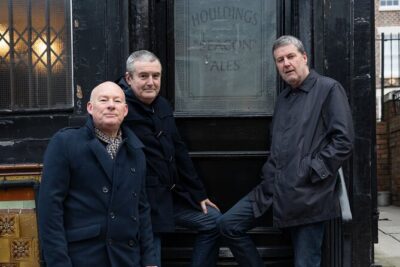
Liverpool Music Icons Tour led by a member of 90s band The Farm
Read our review →
Guided Hebridean Farm Hike near Tobermory, Isle of Mull, Scotland
Read our review →

Makars Mushroom Farm Summerhall Tour with DIY Block Making
Read our review →
Private Downton Abbey Tour, including Bampton, Cogges Farm, and Highclere
Read our review →
Browse the lists this tour appears in