
Review · LUANG PRABANG
Living Land Rice Farming Experience
The best part of the Living Land Rice Farming Experience is that rice stops being an anonymous bowl on your table. You work through its many stages, sometimes knee-deep in mud, then sit down to eat the result in a mountain-framed farm outside Luang Prabang.
I like the hands-on work and the way the farm connects it to village life. I also like that proceeds help more than 60 students with their studies and fund free English classes for the village. The main drawback is practical: transport and add-on arrangements can be poorly managed, and booking through a third party may cost more than arranging it directly with the farm.
Key points before you book

- Fourteen steps of rice production: You may plow, plant, transplant, harvest, process, cook, and taste rice.
- A real farm setting: The community farm sits beside rice fields with mountains behind it, just outside Luang Prabang.
- Mud is part of the deal: Wear shorts and clothes you can wash. You will be asked to remove your shoes in the field.
- Several local crafts included: Bamboo weaving, sugar cane pressing, and blacksmithing add context beyond rice.
- Lunch is an option worth considering: The meal includes typical Luang Prabang dishes and fruit, but lunch is not included with every booking.
- Keep transport simple: The farm program is strong, while some combined farm, waterfall, and hotel transfers have caused long waits and needless backtracking.
Why rice farming makes a better lesson than a museum
Rice supports daily life in Laos, but the work behind it is easy to miss. At Living Land Farm, you do not just hear that rice takes effort. You handle the work yourself, moving from seed and soil to cooked food.
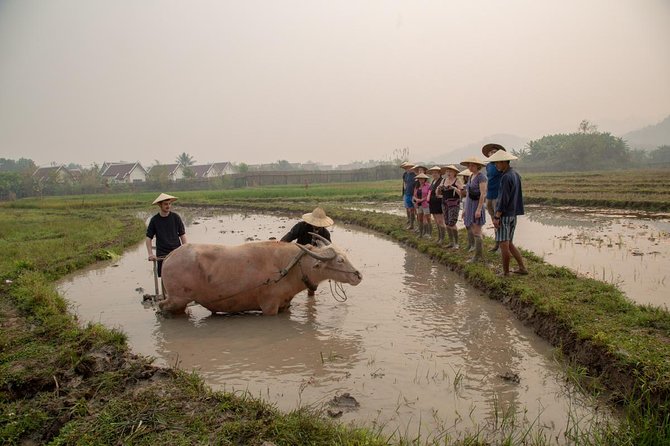
The program presents the traditional process in roughly 14 stages. Depending on the season and the day’s conditions, you may plant seeds, prepare a field, transplant young rice, harvest mature stalks, separate grain, and cook rice-based food. One part involves working behind a water buffalo, an unusual sight for many city visitors and a useful reminder that farming here has long depended on animals, hand tools, water, and patience.
The lesson has value because it stays tied to real work. You are not watching a staged dance or walking through a display of old tools. You are shown how each task fits into the next one. That makes the final snack taste better, and it gives you a clearer sense of why rice farming takes so much time.
The farm also adds other rural skills. You might try bamboo weaving, sugar cane pressing, or blacksmithing. These activities prevent the morning from becoming a single long session in a paddy, while showing how a village makes and uses practical goods.
More Rice Farming Experiences in the world:
- The Rice Barn Thai Cooking Farm Chiangmai
★ 5.0 · 603 reviews - Hoi An Wet Rice Farming Tour Private Round Boat Fishing & Lunch
★ 5.0 · 13 reviews - Hoi An Wet Rice Farming Tour-Basket Boat Tour Fishing-Lunch
★ 4.1 · 11 reviews
Reaching the farm from Luang Prabang
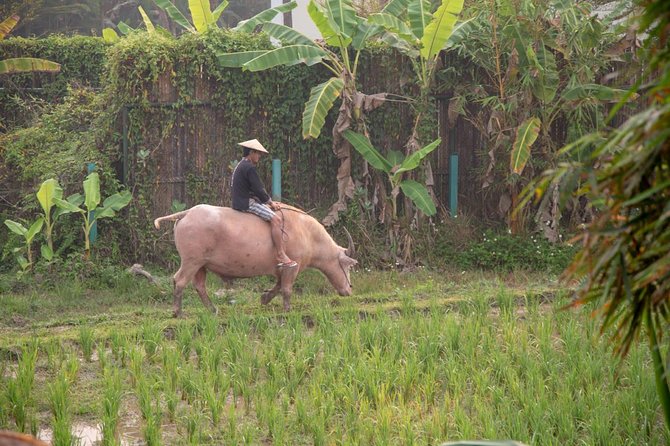
The meeting time is listed as 8:00 a.m., while the half-day farm program begins at about 8:30 and ends with rice-based snacks. The farm is just outside Luang Prabang, so the setting changes quickly from town streets to open fields and mountain views.
Pickup is offered, but confirm the exact arrangement before you leave your hotel. The farm activity itself is separate from optional trips to waterfalls, caves, and other sights. That distinction matters because combined transport has not always been well coordinated.
The clearest advice is to treat the farm as the main event. If you add a waterfall excursion, ask where you will go immediately after lunch and how the return transfer works. Some arrangements have sent people back to their hotel first, only to drive past the farm again toward the waterfall. That can waste about two hours.
The group limit is 20 people. That is large enough for a social morning, but small enough that you should still get a turn with the tools and demonstrations. Pickup details and confirmation are subject to availability, with confirmation promised within 48 hours of booking.
Working the field, from buffalo to young rice
The farm’s central activity is the rice field. You take off your shoes and step into the kind of wet, sticky ground that makes the work memorable. If you dislike mud, this is not the right morning for you. If you are willing to get dirty, it is the part you will likely remember longest.
Plowing with a water buffalo gives you a practical sense of how the field is prepared. The animal is part of the lesson, not simply a photo prop. One account describes a gentle buffalo named Suzanne, while another mentions Bentley during the farm activities. The names and animals may vary, but the point is the same: you see how animal power fits into the farming process.
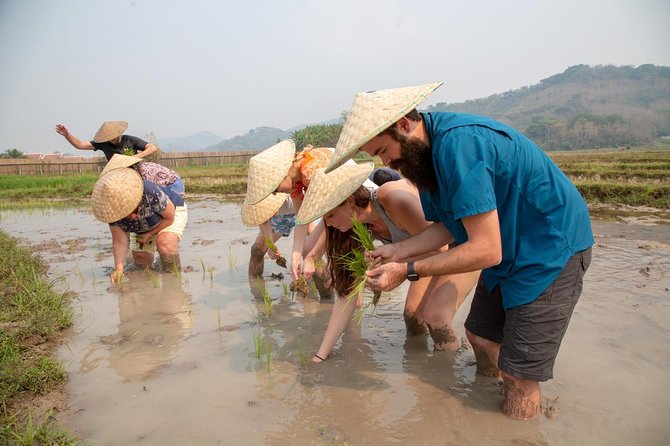
Planting is more demanding than it looks. You may work in a prepared trench, place rice seedlings, and learn how young plants are handled before they become the crop you recognize in a field. Harvesting then shows the other end of the cycle, when the mature stalks are cut and prepared for processing.
This is a good place to pace yourself. The program is designed for participation, but you do not need to treat it as a physical contest. Most people can take part, and the staff demonstrate each task before you try it. Still, expect bending, standing, mud, and outdoor heat depending on the weather.
Turning grain into food
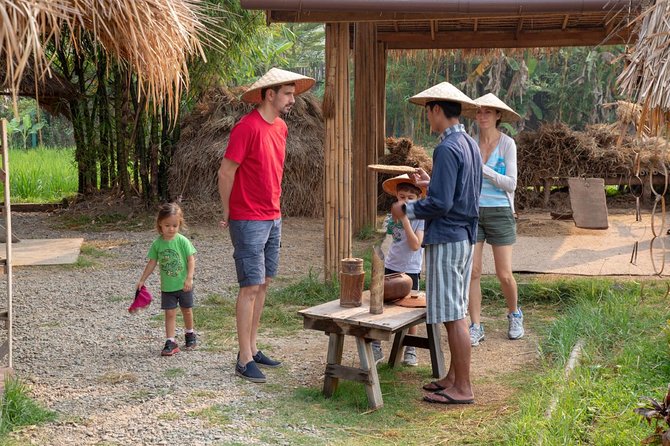
The farm does not stop when the rice leaves the field. You learn about the steps that prepare it for sale and the table, including processing and cooking. That fuller sequence is what makes the program more useful than a quick photo stop beside a paddy.
Rice-based snacks are served at the end of the morning. They provide a small taste of what the grain becomes after all that work. If you select the option with lunch, you also receive a meal of typical Luang Prabang dishes and fruit at the farm.
I would choose the lunch option if your schedule allows. The meal is part of the connection between farm work and local food, not just a convenient stop. It also gives you time to sit down after the field activities. Lunch is not included in every booking, so check the exact option before paying.
Some people leave after the snacks and skip lunch. That can work if you have another appointment, but you lose one of the more satisfying parts of the visit. The meal helps turn a series of demonstrations into a complete morning about growing, preparing, and eating rice.
More farm tours around the world:
- Half-Day Thai Cooking Class at Organic Farm in Chiang Mai
★ 5.0 · 19,087 reviews - Florence Pizza or Pasta Class with Gelato Making at a Tuscan Farm
★ 5.0 · 6,801 reviews - From Porto: 2 Wine Regions, Farm-to-Table Lunch & Boat
★ 4.9 · 5,724 reviews - Cooking Class and Lunch at a Tuscan Farmhouse with Local Market Tour from Florence
★ 5.0 · 4,831 reviews
Bamboo, sugar cane, and village skills
Rice is the focus, but the extra demonstrations widen the picture. Bamboo weaving shows how a common local material becomes useful household equipment and craftwork. Sugar cane pressing explains how a crop can be turned into a sweet drink or ingredient with simple machinery and physical effort.
Blacksmithing adds another practical skill. It is a reminder that rural life depends on more than agriculture. Tools have to be made, repaired, and adapted, and those skills belong to the same local economy as rice growing.
The range of activities also helps families or mixed-age groups. Not everyone wants to spend the whole session in mud. You can take part in the field and then try a craft or food activity that uses different movements and interests.
One activity involving a person or animal named Bentley did not appeal to everyone, so expectations should stay realistic. The program is strongest when it explains farming and village work. A few side elements may feel less necessary if you want a tightly focused agricultural lesson.
The guides shape the morning
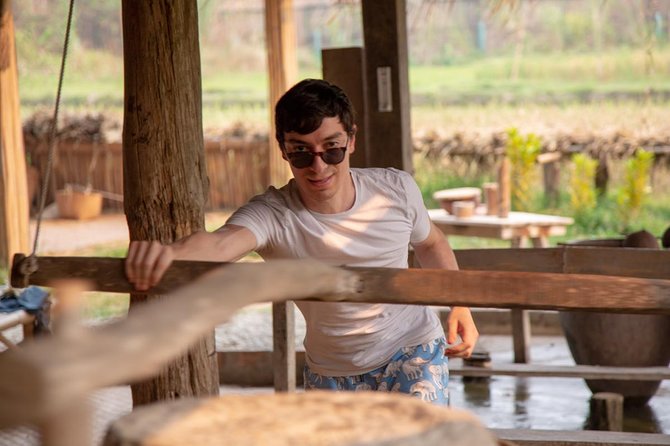
The individual guide can make a big difference. Johnny has been praised for explaining organic rice farming through family stories and for showing how planting, harvesting, and cooking connect. Kham is described as friendly, fun, and a good teacher, while Sai is noted for making the instruction practical and easy to follow. Geo has also been singled out as a strong guide.
These names are useful to know, but guide assignments can change. The important point is that the best version of this tour depends on clear demonstrations and personal explanation, not just access to the fields.
A good guide gives you the reason behind each task. Why is the soil prepared in a certain way? How are seedlings moved? What happens between cutting the stalk and eating the grain? Those answers turn muddy work into a lesson about family farming and food.
The program also connects the farm to education. Proceeds support more than 60 students with their studies, and the farm provides free English classes for the whole village. That gives the admission fee a purpose beyond your own morning, though you should still compare prices carefully.
Price, value, and booking direct
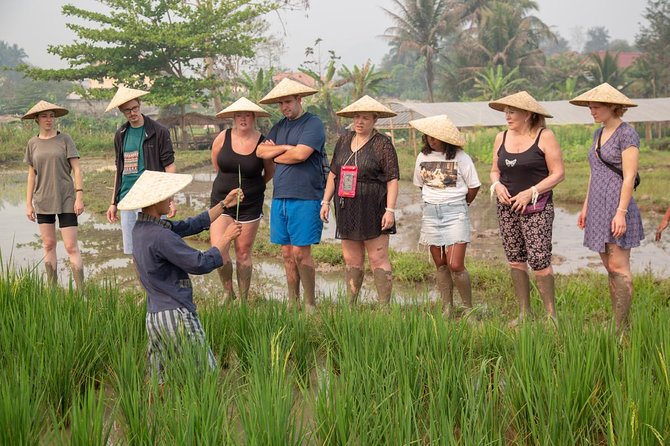
The listed price is $64.17 per person. For a five-hour experience with transport offered, a farm program, hands-on instruction, snacks, and an optional lunch, that can be fair value if you want a close look at rural life rather than a standard sightseeing loop.
The value is strongest when you take part in several stages and include lunch. You are paying for access, instruction, food, and support for a community project. You are not simply paying for a ride to take photographs of rice fields.
There is an important price warning. One family reported being charged more than $100 extra for four people through a booking platform compared with the farm’s own price. I cannot confirm that the difference applies to every date or booking type, but I would compare the current third-party price with Living Land Farm’s direct rate before committing.
The provider listed for this booking is Manifa Travel. That may mean your farm visit and transport are arranged through a separate operator. Read exactly what is included, especially lunch, pickup, and any waterfall or cave add-on.
What to wear and bring
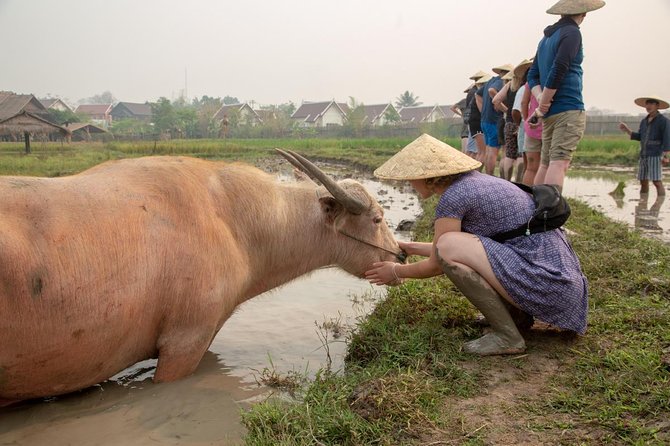
The most useful clothing advice is simple: wear shorts or clothes that can get muddy. You take off your shoes in the rice field, and you should expect wet soil on your legs and feet.
Bring a change of clothes if you have plans afterward. Even if you stay near the edges of the field, the program is built around participation, not observation from a dry platform.
A phone or camera is useful for the mountain views, buffalo work, and craft activities, but protect it from mud and water. The farm is outdoors, so weather can affect the experience. The program requires good weather, and a cancellation caused by poor conditions should result in a different date or a full refund.
The activity is suitable for most people, but the provided information does not promise a specific accessibility setup. If you need assistance with uneven ground, mud, or field work, ask before booking rather than assuming the farm can adapt every task.
When the waterfall add-on makes sense
The farm can be combined with other excursions, including waterfalls and caves. That sounds efficient, but the transport plan needs careful checking.
A well-planned combination could fill a full day with two very different sides of the area: rural work in the morning and a natural attraction afterward. A poorly planned one can produce long waits, an unnecessary return to town, and confusion about who is guiding you.
The farm itself has a clear half-day shape, starting around 8:30 and ending with snacks, with lunch afterward when selected. If you add another stop, ask these questions before departure:
- Does the vehicle go directly from the farm to the waterfall?
- Is a guide included at the second stop?
- Where will lunch take place?
- Will the same vehicle return you to Luang Prabang?
- How long will you wait if another group is involved?
If the answers are vague, book the farm separately and arrange the other outing on its own. The farm deserves your time, and a complicated transfer should not weaken an otherwise worthwhile morning.
Who will enjoy Living Land Farm most
I would recommend this experience to you if you want to understand Luang Prabang through work and food, not only temples and viewpoints. It suits curious families, couples, solo visitors, and anyone who likes learning by doing.
It is especially good for people who want a local project with a clear community purpose. The education support and village English classes give the visit a useful connection beyond tourism.
You should think twice if you need a polished, passive tour with little physical effort. Mud, outdoor work, early transport, and possible heat are part of the appeal, but they are still demands. You should also avoid combining it with a tightly timed afternoon plan unless your transfer is confirmed clearly.
Should you book it?
Yes, if you are happy to get dirty and want a practical introduction to Lao farming. The strongest parts are the 14-step rice lesson, the chance to work behind a water buffalo, the well-regarded guides, and the Lao meal that follows the work.
Book with care. Compare the direct farm price with the Manifa Travel or third-party rate, confirm whether lunch is included, and keep waterfall or cave transport separate unless the route is explained clearly. With those details settled, Living Land Farm offers one of the more meaningful half-days near Luang Prabang.
FAQ
Where is the Living Land Rice Farming Experience held?
It takes place at Living Land Farm just outside Luang Prabang, beside rice fields with mountain views.
How long does the experience last?
The tour lasts about five hours. The farm program itself takes about three hours and 20 minutes, beginning around 8:30 a.m.
What time does the tour start?
The listed meeting time is 8:00 a.m. The farming program starts at approximately 8:30 a.m.
Is pickup available?
Yes, pickup is offered. Confirm the exact pickup details and availability when booking.
Is lunch included?
Lunch is included only when you select the option that includes it. The meal consists of typical Luang Prabang dishes and fruit.
Will I work in mud?
Yes. The program includes work in a rice field, and you take off your shoes for some activities. Wear clothes that can get dirty, and consider bringing a change of clothes.
What activities are included besides rice farming?
The program may include bamboo weaving, sugar cane pressing, blacksmithing, rice processing, cooking, and rice-based snacks.
Can I add a waterfall or cave excursion?
Additional excursions to waterfalls, caves, and other places may be available. Confirm the transport route and guide arrangements before adding one.
How many people can join the tour?
The maximum group size is 20 people.
What happens if bad weather cancels the experience?
If poor weather causes cancellation, you should be offered a different date or a full refund. The experience is also subject to a minimum number of participants.
Newly listed farm visits around the world
- Half-Day Farm Visit and Cow Milking Experience★ 5.0 · 16 reviews
- Boutique tour , Mt Maunganui, NZ farm, Rotorua lakes/geothermal★ 4.5 · 50 reviews
- Gourmet Mushroom Farm Tour in Tennessee★ 5.0 · 5 reviews
- Cozy Farm Experience with Wagon Wheels and Acoustic Meal★ 5.0 · 2 reviews
- Animal farm park with free hotel pickup★ 5.0 · 2 reviews
- Alpaca Farm Tours with Toffeemont★ 5.0 · 8 reviews
- Private, via beaches, Kiwi farm to Rotorua 8 lakes & Geothermal★ 5.0 · 20 reviews
- One Day Tour of Yilan, Zhang Mei Ama Farm★ 5.0 · 2 reviews
Rice Farming Experiences, compared.
Hoi An Wet Rice Farming Tour Private Round Boat Fishing & Lunch
Read our review →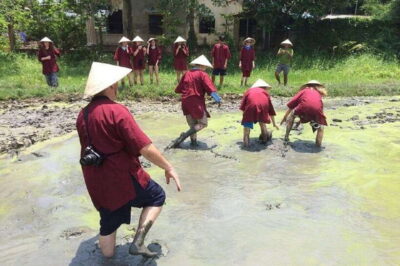
Hoi An Wet Rice Farming Tour-Basket Boat Tour Fishing-Lunch
Read our review →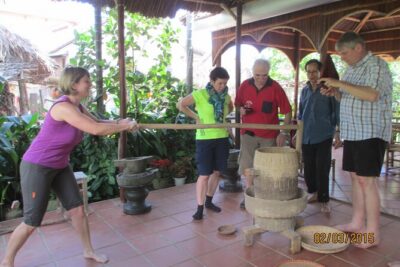
Hoi An Rice Farm Tour and Buffalo Riding with Local Home Meal
Read our review →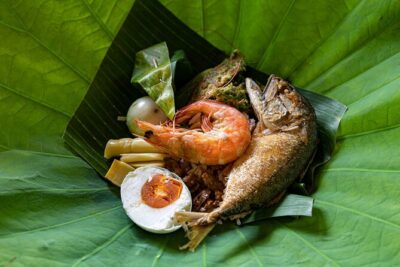
Plough to Plate: Be A Rice Farmer in Phetchaburi from Hua Hin
Read our review →
Cultural immersion: Thai cooking, rice farming, eco printing
Read our review →
Browse the lists this tour appears in