
Review · INDIA
North Goa: Mulgao Village and Coconut Farming Experience
Mulgao’s old shrines and coconut groves offer a fine change from Goa’s beach scene. You’ll hear local stories tied to guardian deities, visit holy sites linked to pre-Portuguese folk culture, then see how a working organic farm turns coconuts into oil and other useful products. The village setting and farm-to-table meal are the real draws.
I like the easy three-hour pace, and I like that the visit explains sustainability through real farm work rather than slogans. The main thing to plan for is transport: this is not a walking trail, so you must bring your own vehicle or arrange transport for the stops within Mulgao.
Key points
- Fifty-plus shrines: Explore a village with numerous temples and holy places tied to local guardian deities.
- Mulgão Verde farm: Learn how coconuts are grown, processed, and made into virgin coconut oil.
- Goan meal under the palms: Eat a traditional vegetarian meal prepared by local villagers at the farm.
- Sustainability in practice: See organic farming, zero-waste ideas, and new uses for every part of the coconut palm.
- Three hours, English guide: The experience is led by a local storyteller, with Rachana praised for clear stories and a friendly manner.
- Bring your own transport: You need transport to Mulgao and between parts of the visit.
Why Mulgao Makes a Good Break From the Beaches
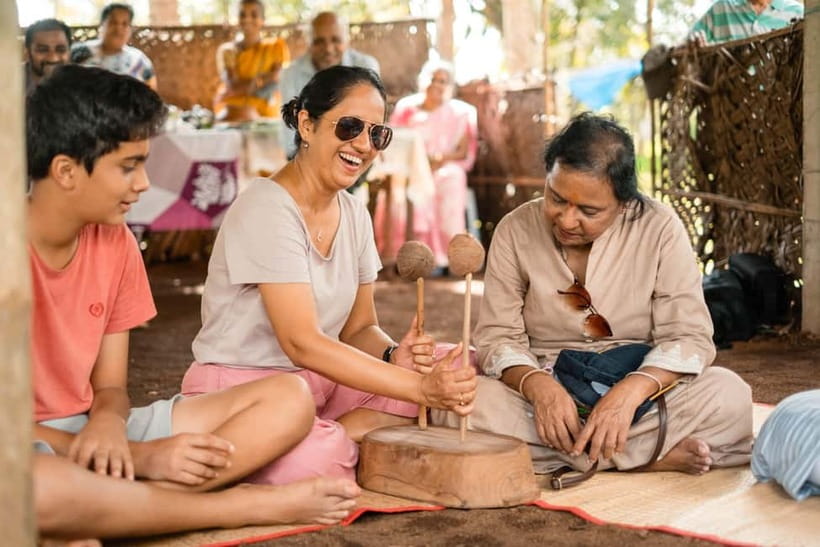
North Goa is often sold through sand, nightlife, and seafood. Mulgao offers another side of the state: village shrines, farm work, coconut palms, and stories passed through local communities.
The village has more than fifty temples and shrines. You will not visit every one, of course. The route focuses on selected holy sites and the stories behind them, including the guardian deities respected by local people.
That matters because the religious sites are not presented as empty monuments. They are part of village life. Your local storyteller helps explain how folk beliefs, farming, and daily customs fit together. This gives the visit more meaning than simply stopping to take photographs.
The old pre-Portuguese cultural links also add useful context. Goa’s past did not begin with colonial buildings and churches. Local worship, oral stories, and village traditions reach back much further, and Mulgao gives you a chance to see that older layer.
You should expect a calm visit rather than a dramatic sightseeing circuit. The appeal is in the details: a shrine beneath trees, a local explanation of a deity, a farm worker describing coconut production, or a meal served in the shade of the grove.
More farm tours around the world:
- Half-Day Thai Cooking Class at Organic Farm in Chiang Mai
★ 5.0 · 19,087 reviews - Florence Pizza or Pasta Class with Gelato Making at a Tuscan Farm
★ 5.0 · 6,801 reviews - From Porto: 2 Wine Regions, Farm-to-Table Lunch & Boat
★ 4.9 · 5,724 reviews
Starting at Kelbai Temple
The experience begins at Kelbai Temple in Mulgao. This is both the meeting point and the place to get your bearings before the village portion begins.
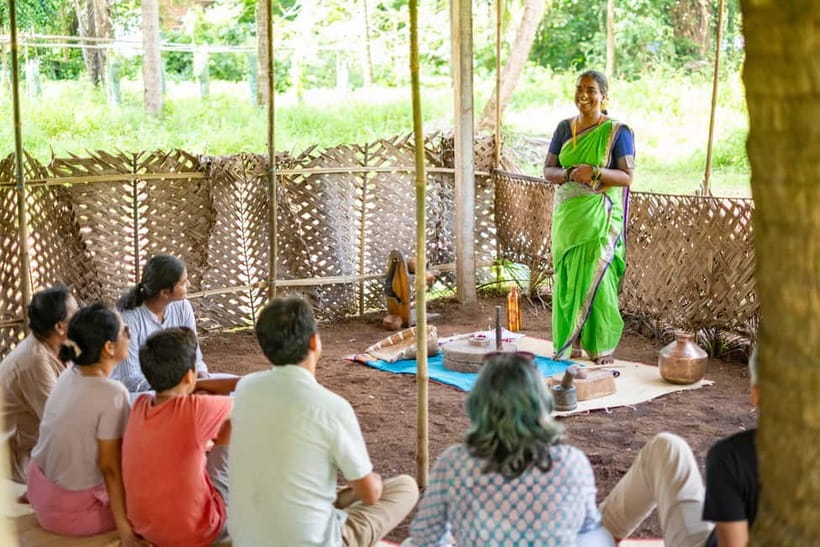
The first guided section lasts about an hour. It focuses on selected shrines and holy places around the village, along with the stories connected to them. The guide speaks English, and the goal is to explain local culture in a way that makes the sites understandable to an outsider.
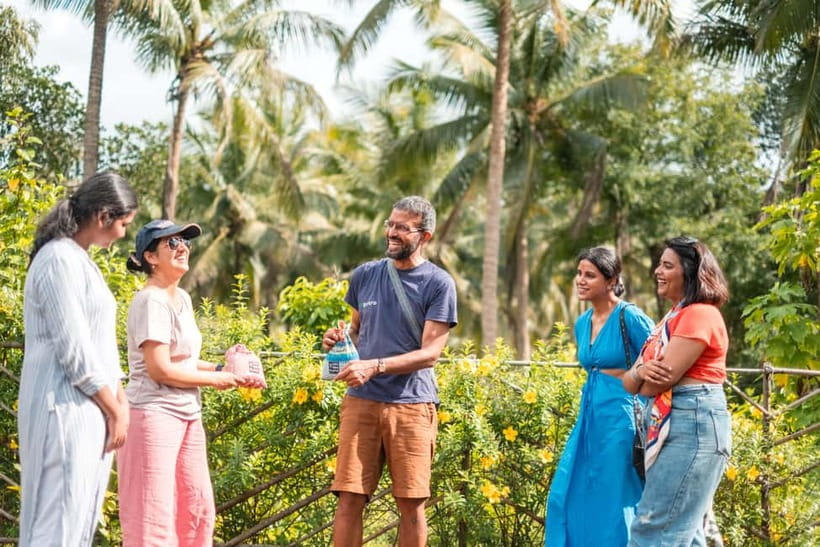
Rachana received especially warm praise for her friendly manner, interesting stories, and clear knowledge of the village. Another guide, described as a friendly young man during the temple portion, explained the history of the temples in an open and approachable way. Since guide assignments can vary, you should treat those names as examples rather than a promise that Rachana will lead every departure.
Wear clothing suitable for walking and respectful around religious sites. Comfortable shoes are important, even though this is not a long hiking tour. Carry water, sunscreen, and a hat, since shade and sun can vary from stop to stop.
The Shrines and Stories of Mulgao
The temple visits are the cultural heart of the experience. Mulgao’s sacred places are connected with guardian deities and folk traditions that remain meaningful to the local community.
You can expect stories rather than a formal lecture. That is a useful distinction. A local storyteller can explain why a shrine matters, how people relate to it, and how village beliefs connect with the surrounding land. The result is personal and grounded.
The route includes a second guided section of about twenty minutes. The exact stop order may vary, but the total timing gives you a clear sense of the pace: enough time to listen and ask questions, without turning the morning or afternoon into a full-day commitment.
Do not expect every temple to have grand architecture or a polished museum display. Some of the most interesting places may be modest. Their value comes from their role in village life and from the explanation you receive.
Photography is useful for recording the scenery and the farm, but religious sites call for good judgment. Ask before photographing people, ceremonies, or sacred objects. A respectful approach will serve you better than trying to document everything.
At Mulgão Verde Coconut Farm
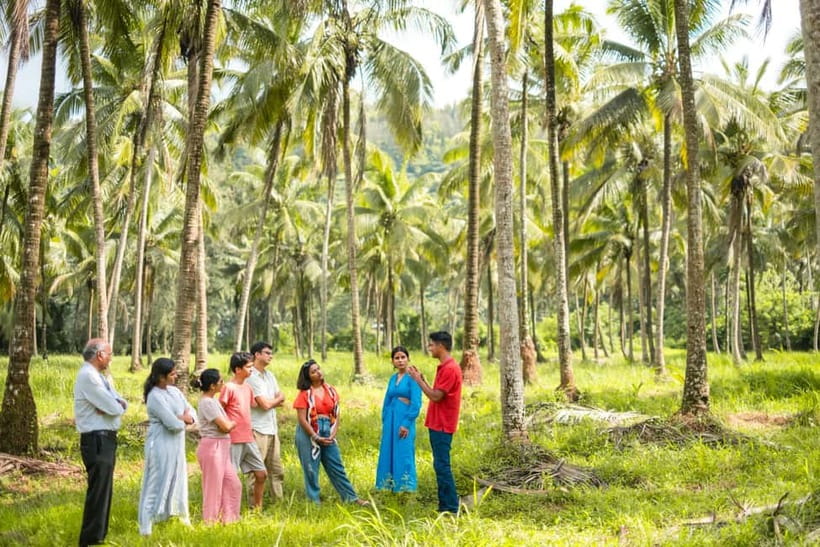
The farm visit takes about an hour and a half, making it the largest part of the outing. Here you learn how coconut farming works and how the crop becomes a range of useful products.
The focus is not only on the coconut itself. You also learn how the palm supports daily life in Goa. Coconuts can be used for food, household needs, farming, and production. The farm shows how a single crop can connect agriculture with local habits and small-scale business.
A central lesson is the making of virgin coconut oil. You will hear about the production process and see how the farm develops other coconut-based products. The information is practical, especially if you are interested in food production, village enterprise, or responsible farming.
The farm also introduces organic methods and zero-waste ideas. Rather than treating waste as an unavoidable end point, the approach looks for additional uses for farm materials. That gives the sustainability message some weight because it is linked to actual work and production.
The wording of the experience suggests some hands-on participation in stages of farming, though the exact tasks are not specified. You may be able to take part in selected activities, depending on the day and farm conditions. It is best to arrive ready for simple outdoor work, not dressed for a polished resort visit.
The coconut grove setting should appeal to anyone who prefers a slower rural stop. The breeze under the palms and the working farm create a pleasant contrast with Goa’s busier coastal areas. Still, remember that this is an operating farm. Conditions may be warm, earthy, or uneven, so practical clothing matters more than appearance.
Same countryside, another kind of harvest:
- Cooking Class and Lunch at a Tuscan Farmhouse with Local Market Tour from Florence
★ 5.0 · 4,831 reviews - Chiang Mai: Authentic Cooking Class with Market & Farm Visit
★ 4.9 · 4,546 reviews - Tromsø: Reindeer Camp and Sami Cultural Tour with Lunch
★ 4.7 · 3,326 reviews - Maui Pineapple Farm Tour in Haliimaile
★ 5.0 · 2,855 reviews
A Goan Vegetarian Meal Under the Palms
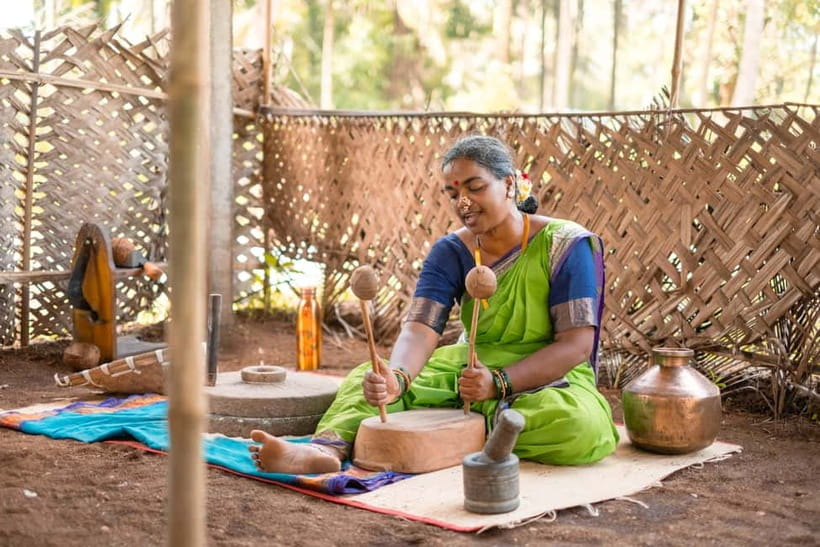
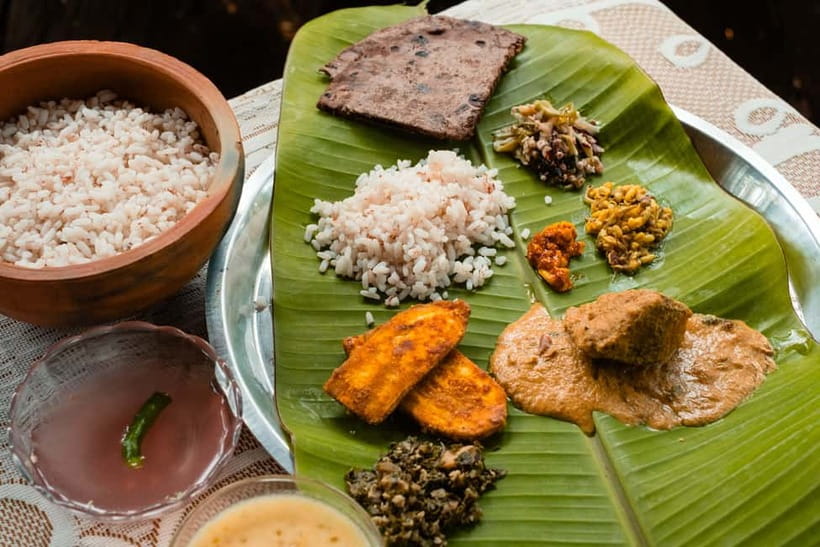
The meal is served at the coconut farm and prepared by local villagers. It is vegetarian and traditional Goan in style.
For many people, this will be the most memorable part of the visit. Food turns the cultural explanation into something you can experience directly. You are not only hearing about village life. You are sitting in the setting, eating a meal prepared by people from the community, and seeing how local ingredients and cooking habits fit into the day.
The food is described as both authentic and excellent, with a strong impression made by its traditional Indian character. No specific menu is provided, so do not book this expecting a particular dish or dietary customization unless you confirm it in advance.
The meal is also part of the value of the tour. A simple farm meal can take more time and care than a standard restaurant stop, while giving you a stronger connection to the place. You should allow yourself to slow down here rather than treating lunch as a quick refueling stop.
If you have dietary restrictions, ask the provider before booking. The meal is vegetarian, but no further dietary details are given.
What the $30 Price Really Covers
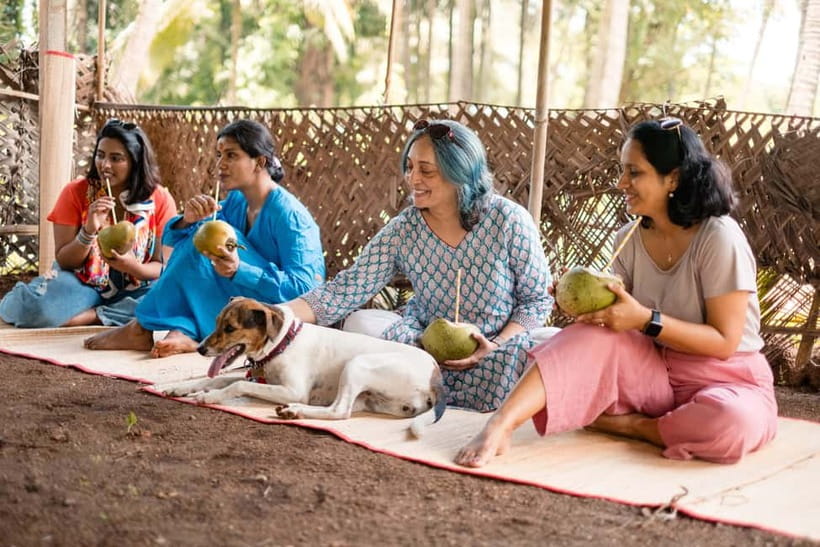
At $30 per person, this is priced as a small cultural and farm visit rather than a simple temple stop. You are paying for about three hours with an English-speaking local guide, access to selected village shrines, a farm visit, an explanation of virgin coconut oil production, and a prepared vegetarian meal.
The price makes the most sense if you value local interpretation and a meal connected to the place. If you only want to see temples quickly, you may find it more than you need. If you enjoy food, farming, and village culture, the combination is more useful than paying separately for a short sightseeing stop and a restaurant meal.
Transport is the main extra cost to consider. You must arrange your own way to Mulgao and your own transport within the village. That may be easy if you have a rental vehicle, but it requires more planning if you are relying on taxis or public transport.
Because the visit is only three hours, it can fit neatly into a day that includes other North Goa plans. Build in enough time to reach Kelbai Temple and move between stops. The activity ends back at the temple, which makes the start and finish simple if you are driving.
Free cancellation up to twenty-four hours before the experience and a reserve-now, pay-later option add flexibility. These policies are useful if your Goa schedule is still changing.
Who Will Enjoy This Experience Most
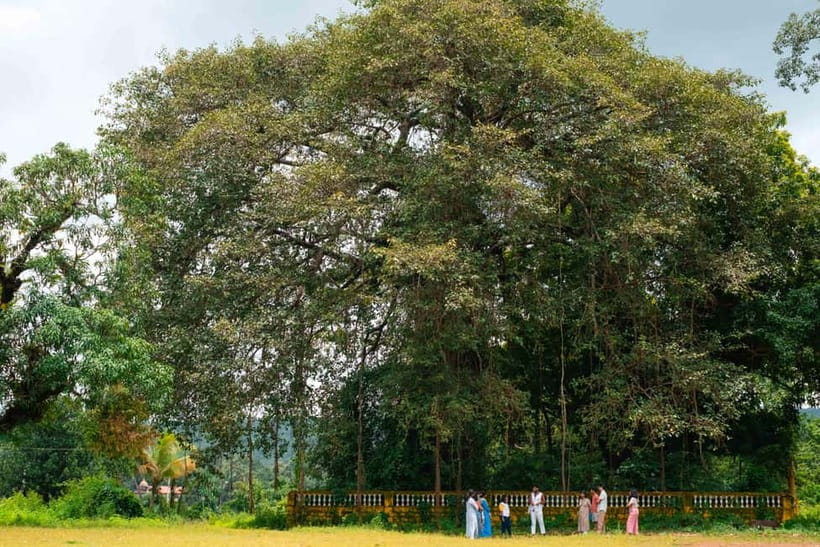
I would recommend this to you if you want to see a rural side of Goa without committing to a full-day excursion. It suits couples, families with older children, food-focused visitors, and anyone curious about farming or local customs.
It is also a good choice for repeat visitors who have already spent time on the coast. The visit does not depend on nightlife, beach activities, or major monuments. Instead, it gives you a closer look at how a village works and how local traditions remain part of everyday life.
You will get the most from it if you enjoy asking questions. The stories about the shrines, the explanation of coconut oil production, and the discussion of zero-waste practices are central to the value.
This is less suitable if you want a long walk, a large museum, or a tightly packed list of major sights. It is not accessible for wheelchair users, and the need for transport makes it less convenient for anyone without a vehicle or reliable local arrangement.
The schedule is easy paced. One verified booking described the day as varied and relaxed, which is a useful way to think about it. You have several different elements, but none should feel rushed.
Practical Preparation for Mulgao
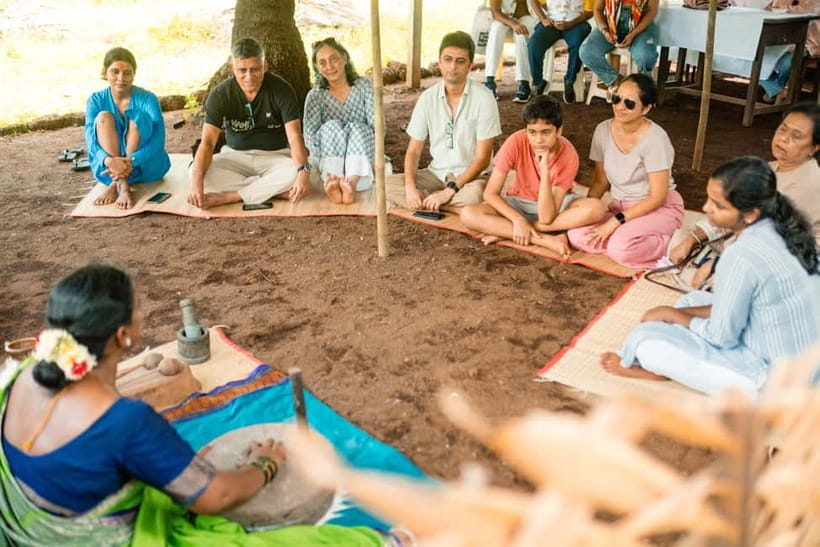
Wear comfortable shoes and clothes that can handle village paths and farm activity. A hat, sunscreen, and water are important, especially in warm weather.
Bring a camera for the scenery, but keep it secondary to the visit. You may see good views among the palms and interesting details at the shrines, but respectful behavior matters at holy sites.
The provider does not supply umbrellas, raincoats, hats, face masks, or hand sanitizer. Pack what you might need, particularly during Goa’s wetter months.
Smoking, alcohol, and drugs are not allowed. The setting is a village and working farm, so follow the guide’s instructions and be considerate around residents and sacred places.
The experience is offered in English with a live guide. Group size is not specified, so you should not assume a private tour or a very small group unless that is confirmed when booking.
My Take: Should You Book It?
Book this experience if you want a gentle, grounded look at North Goa beyond the beach circuit. The combination of old shrines, local stories, coconut farming, virgin oil production, and a home-cooked vegetarian meal gives the three hours a clear purpose.
The strongest reasons to go are the human scale and the useful detail. You learn why the shrines matter, how the coconut palm supports daily life, and how a farm can apply organic and zero-waste ideas. The meal adds warmth without turning the visit into a staged cultural show.
Skip it if you do not want to arrange transport, if you need wheelchair access, or if your main goal is major architecture and famous sights. For everyone else, $30 is a fair price for a short cultural outing, especially when you are willing to slow down and listen.
FAQ
How long does the Mulgao village and coconut farm experience last?
The experience lasts three hours. The village visit includes about one hour of guided touring, another guided section of about twenty minutes, and roughly one and a half hours at the coconut farm.
Where does the experience start and finish?
It starts and ends at Kelbai Temple in Mulgao.
Is transportation included?
No. You must arrange transportation to the village and transport between locations during the experience.
What language is the tour conducted in?
The live tour guide speaks English.
Is a meal included?
Yes. A traditional Goan vegetarian meal prepared by local villagers is included at the coconut farm.
What should I bring?
Bring comfortable shoes, a hat, sunscreen, water, and a camera. The provider does not supply umbrellas, raincoats, hats, face masks, or sanitizer.
Newly listed farm visits around the world
- Half-Day Farm Visit and Cow Milking Experience★ 5.0 · 16 reviews
- Boutique tour , Mt Maunganui, NZ farm, Rotorua lakes/geothermal★ 4.5 · 50 reviews
- Gourmet Mushroom Farm Tour in Tennessee★ 5.0 · 5 reviews
- Cozy Farm Experience with Wagon Wheels and Acoustic Meal★ 5.0 · 2 reviews
- Animal farm park with free hotel pickup★ 5.0 · 2 reviews
- Alpaca Farm Tours with Toffeemont★ 5.0 · 8 reviews
- Private, via beaches, Kiwi farm to Rotorua 8 lakes & Geothermal★ 5.0 · 20 reviews
- 1D Tour to Cingjing Farm from Taichung★ 4.5 · 3 reviews
India Farm Tours, compared.
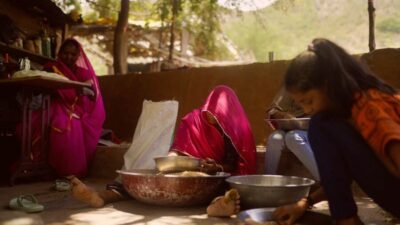
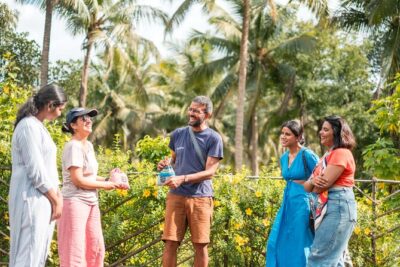
Mulgao Folk Village & Coconut Farming Experience – Make It Happen
Read our review →
Farm stay in Sikkim to explore monasteries and villages over 5 days
Read our review →
Nandi hills trek sunset or sunrise drive from Bangalore
Read our review →
Coorg: Mercara Gold Estate Coffee/Spice Farm and Museum Tour
Read our review →Browse the lists this tour appears in