
Review · ITALY
Parma: Parmigiano Reggiano Farm Tour & Tasting with Transfer
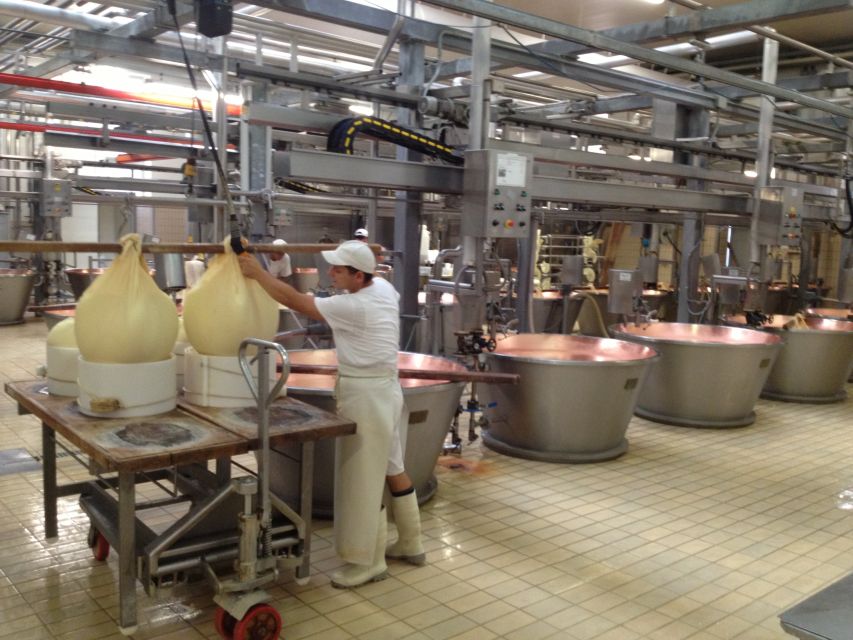
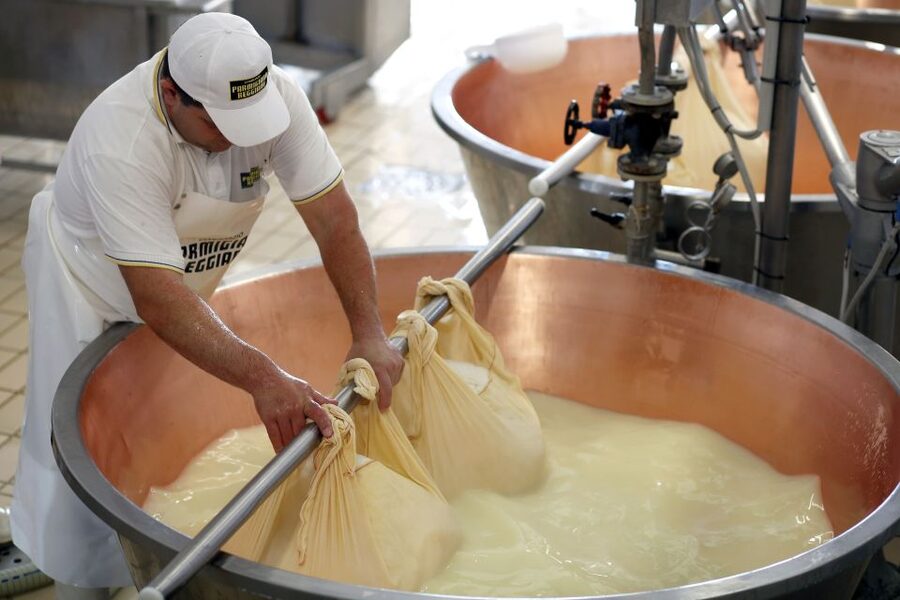
The most memorable part of this Parma outing is seeing cheese made in real time, from milk vats to enormous wheels resting in the aging room. You’ll watch makers separate whey, shape the curds, salt the wheels, and explain how the Parmigiano-Reggiano seal is earned.
I like the small group, limited to 10 people, and the useful transfer from Parma’s NH Hotel. I also like that the tasting compares different ages of cheese instead of handing you one token sample. The main drawback is the meeting point: it can be confusing if you are not arriving by train, and the van leaves 10 minutes after the scheduled pickup.
Key points to know before booking
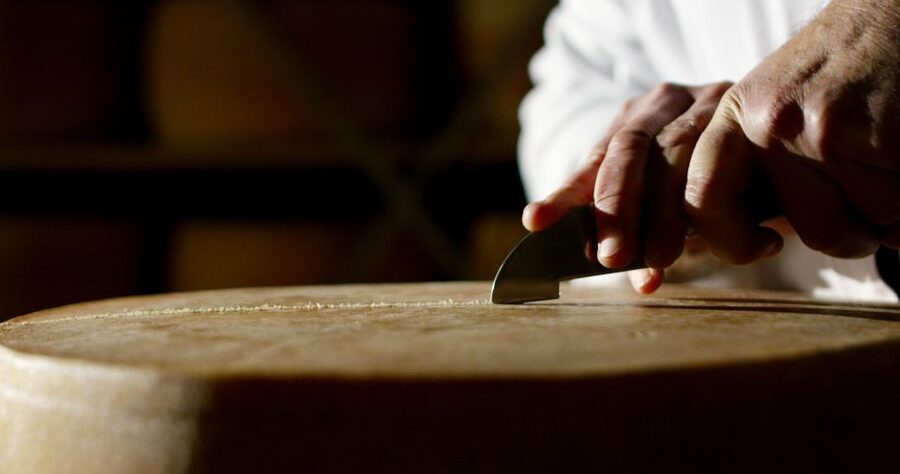
- Watch the cheese-making process in action: The tour covers cooking, whey separation, shaping, salting, aging, and official testing.
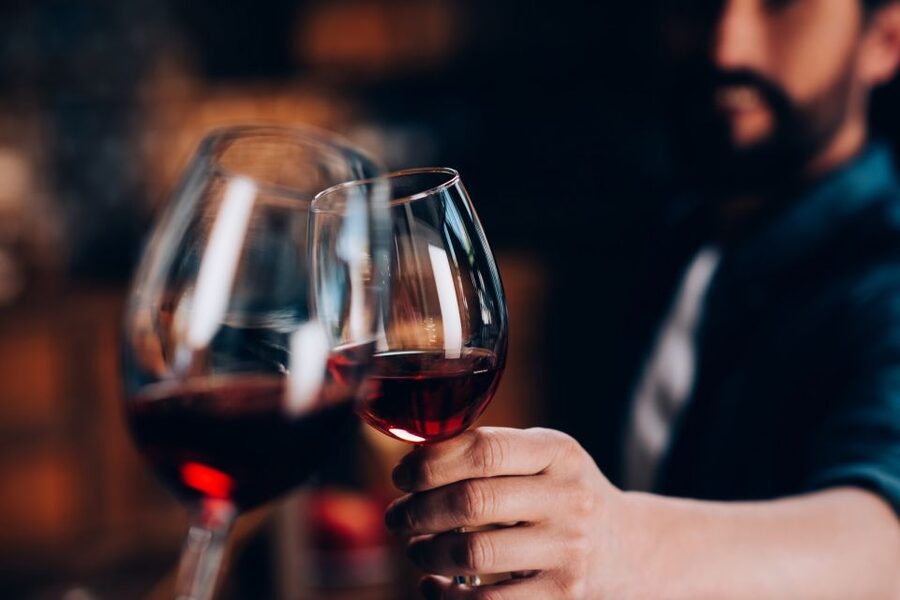
- Taste cheese with local wine: The tasting includes Parmigiano-Reggiano and sparkling wine from the area.
- Small group of up to 10: This keeps the factory visit more manageable, though some areas can still feel tight.
- Meet at Parma’s NH Hotel: The van waits by the bus parking area near the station’s north exit.
- Allow 3.5 hours: About 25 minutes each way is spent in the van, with roughly 65 minutes at the factory.
- The guides make a difference: George, Loris, Lawrence, Mattia, and Sergio have all been praised for clear explanations and humor.
Why Parma is the right place for this cheese
Parmigiano-Reggiano is not simply a generic name for hard Italian cheese. It is a protected product made only in the official production zone around Parma, Reggio Emilia, Modena, and parts of Bologna and Mantova.
The method reaches back more than nine centuries. That long history matters because the cheese still depends on a strict set of rules, from the milk used to the way each wheel is shaped, salted, aged, checked, and marked.
I find this more interesting than a standard food tasting because you see the work before you taste the result. The wedge on your plate is the final stage of a process that begins with large copper or metal vats and ends with wheels inspected one by one.
The European Union protects the name Parmigiano-Reggiano. That protection helps explain why the factory visit spends time on certification rather than treating cheese-making as a casual kitchen craft. You are seeing a food system built around consistency and place.
More farm tours around Italy:
- Florence Pizza or Pasta Class with Gelato Making at a Tuscan Farm
★ 5.0 · 6,801 reviews - Cooking Class and Lunch at a Tuscan Farmhouse with Local Market Tour from Florence
★ 5.0 · 4,831 reviews - Sorrento Farm and Food Experience including Olive Oil, Limoncello, Wine tasting
★ 5.0 · 2,524 reviews
Leaving Parma from the NH Hotel
The tour begins at the NH Hotel by Parma station, at the north exit marked Falcone/Borsellino. The van waits in the bus parking area in front of the hotel.
This is the part I would plan carefully. If you are coming by train, the location should be easier to identify. If you are already staying in Parma, do not assume that searching only for the hotel name will get you to the correct spot. The hotel is connected with the station area and can be confusing to find from the street.
Give yourself extra time to locate the building and the bus parking area. The vehicle leaves after 10 minutes past the scheduled pickup, so this is not a meeting point for a relaxed last-minute arrival. Keep your phone ready, but do not depend entirely on messages or calls for directions.
Large bags and luggage are not allowed in the van. Leave your suitcase at your hotel or use another luggage storage option before meeting the group.
The 25-minute ride into the Parma countryside
Once everyone is aboard, the drive to the factory takes about 25 minutes. The return drive takes roughly the same amount of time, making transportation a useful part of the $91 price.
You could try to arrange your own visit, but the included transfer removes one practical problem: reaching a rural cheese producer without a car. It also keeps the outing simple for a short stay in Parma, especially if you are fitting it between train connections and a city walk.
The group is limited to 10 people. That is small enough for the guide to keep explanations personal, though the factory itself may have narrow working areas. One person specifically found the spacing between groups a little tight and suggested allowing more time between visits.
The tour operates in poor weather when conditions are safe. That is worth knowing if rain is in the forecast, since this is not an activity that depends on clear skies.
Watching curds become Parmigiano-Reggiano
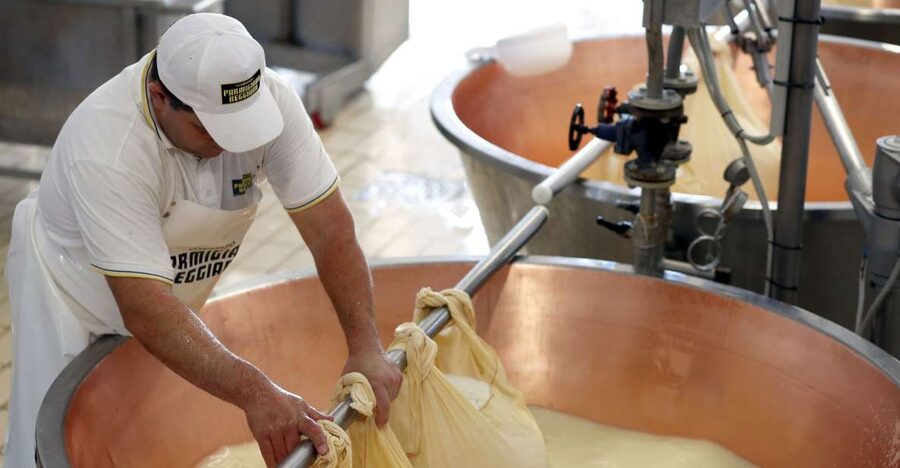
The factory visit lasts about 65 minutes, and it follows the production process in a sensible order.
First, you see the cheese makers work with milk in large vats. The ingredients may sound simple, but the process is precise. The milk is cooked, and the solid curds are separated from the liquid whey. Watching this happen gives you a better sense of why Parmigiano-Reggiano is so labor intensive.
You may see the cheese makers pull the product from the vats, a striking moment that turns a familiar food into something physical and substantial. This is not a polished demonstration prepared only for tourists. The value comes from seeing the working stages and understanding how each one affects the finished wheel.
The guide explains the role of whey as the curds separate. This is one of the useful details that can be missed when you only buy cheese in a shop. The factory visit shows the practical chain from liquid milk to a dense wheel that will spend months or years aging.
Next come the shaping and salting rooms. The curds are formed into their familiar round shape, then prepared for aging. Salt is not just a seasoning added at the end. It plays an important role in preserving the cheese and developing its flavor over time.
The visit does not turn every technical detail into a lecture. The guides are there to explain the process in plain language. George, Loris, Lawrence, Mattia, and Sergio have each led versions of this experience, and the strongest feedback centers on their clear explanations, humor, and ability to make the process easy to follow.
Same countryside, another kind of harvest:
- Sorrento: Pizza Lesson, Wine, and Limoncello at a Local Farm
★ 5.0 · 1,513 reviews - Florence: Pizza or Pasta Class with Gelato at a Tuscan Farm
★ 4.9 · 1,181 reviews - Hands-On Cooking Class & Farmhouse Tour on the Amalfi Coast
★ 5.0 · 956 reviews - Pizza School with Wine and Limoncello Tasting in a Local Farm
★ 5.0 · 845 reviews
Thousands of wheels in the stagionatura
The most visual stop is the stagionatura, the aging room. Here, rows of cheese wheels sit on shelves while time does much of the work.
You can expect the room to smell strongly of cheese. That is part of the appeal. The wheels are not hidden behind glass or reduced to a small display. Seeing so many of them together helps you understand the scale of production and the patience involved.
A key point is that Parmigiano-Reggiano is sold at different ages. The tasting later in the visit lets you compare those stages, so pay attention to how the guide connects the aging period with taste and texture.
This is also where the factory’s traditional character becomes clear. The cheese does not move straight from vat to shop counter. It spends a long period under controlled conditions, and every wheel must pass checks before it can carry the official name.
The hammer test and fire branding
Parmigiano-Reggiano wheels undergo strict testing by the Consorzio, the organization responsible for protecting the product’s standards. One of the memorable checks involves tapping the wheel with a hammer.
The sound helps identify whether the cheese has the right internal structure. It is a small action, but it shows how much attention goes into certification. A wheel is not automatically approved simply because it was produced in the correct area.
After the testing process, approved cheese receives the familiar fire branding. This mark confirms that the wheel meets the standards for Parmigiano-Reggiano.
I like this part because it explains why the protected name has meaning. You are not only hearing that the cheese is regulated. You are seeing the inspection tradition that supports the name.
The guide can also help you understand why some wheels are suitable for different uses. Younger cheese may work differently from a more mature wheel, while older cheese can offer a firmer texture and stronger flavor. The tasting brings these differences into focus.
Tasting several ages with sparkling local wine
The final tasting is more than a quick bite before returning to Parma. You taste Parmigiano-Reggiano paired with sparkling local wine, with different ages of cheese available to compare.
Start with the cheese itself. Notice the texture, salt, aroma, and length of flavor. Then try it with the wine. The pairing gives you a practical idea of how this cheese works at the table, not just as an ingredient grated over pasta.
The tasting is especially useful if you are planning to buy cheese during your time in Emilia-Romagna. You can identify the age and style you prefer before spending money at a market or specialty shop.
The wine portion is included, but this is not presented as a full winery tour or a large wine tasting. The focus remains firmly on Parmigiano-Reggiano. If you want a broad survey of local wines, you will need a different experience.
The tasting also gives the group a relaxed finish after the production visit. It is a chance to ask final questions and compare impressions, although the exact amount of time available can depend on the pace of the factory visit.
Is $91 a fair price?
At $91 per person, this is not the cheapest way to taste Parmesan in Parma. You can buy cheese in a shop for much less. The question is what you are paying for.
The price includes hotel pickup and drop-off from the NH Hotel, transportation in a small van, the factory visit, cheese tasting, and wine tasting. You are also paying for access to a working producer and for explanations that make the cheese easier to understand.
For me, the transfer adds real value. Without it, you would need to arrange transport to a factory outside the city, allow for navigation, and coordinate your return. The 3.5-hour schedule also keeps the outing compact.
The value is strongest for first-time visitors who want one focused food experience. It is less compelling if you have already toured a Parmigiano-Reggiano producer or if your main goal is simply to buy a large amount of cheese at the lowest price.
A small group helps justify the cost. Ten people is far more manageable than a large coach group, and the guides can answer questions without shouting across a crowded room. Still, the factory’s working spaces can feel close when groups arrive too near one another.
Who will enjoy this factory visit most?
I would recommend this tour to anyone curious about how a famous Italian food is actually made. It suits couples, solo visitors, and small groups who want a structured half-day activity without renting a car.
It is also a good choice if you are staying near Parma station or using Parma as a stop between Italian cities. The pickup point is fixed and the trip lasts only 3.5 hours, so it does not consume an entire day.
Food-focused visitors will get the most from it, but you do not need technical knowledge. The guides explain the process clearly, and the cheese-making stages are visual enough to hold your attention.
Families may enjoy the dramatic vat and aging-room scenes, though the information is aimed at general adults rather than built as a children’s program. The tasting includes wine, so it is best understood as an adult-oriented food experience.
You should think twice if you dislike strong cheese smells, dislike small working spaces, or need to carry luggage with you. You should also avoid booking a tight connection immediately afterward, since the return timing can be affected by traffic and the pace of the factory visit.
Booking details that matter
The activity is offered in English and Italian, with an English or Italian host or greeter. The group is limited to 10 participants.
You can cancel up to 24 hours before the start for a full refund. A reserve-now, pay-later option is also available, which helps if your Parma plans are not fully fixed.
Check the available starting time before booking. The experience lasts 3.5 hours, but the exact departure time can vary.
Bring only what you need for the outing. Large bags and luggage are not allowed in the van. If you are arriving from another city by train, arrange storage for your suitcase before you meet the group.
Should you book the Parma Parmigiano-Reggiano tour?
Book it if you want more than a cheese sample. The factory visit shows the full chain, from milk vats and whey separation to shaping, salting, aging, hammer testing, and fire branding. The final tasting then gives you a clear reason to compare the cheese at different ages.
The guides are a strong part of the experience. George, Loris, Lawrence, Mattia, and Sergio have all been praised for explaining the process with humor and clarity. The 4.8 rating from 87 reviews also points to consistently strong satisfaction.
Skip it if you are only looking for a quick market stop, cannot manage the fixed meeting point, or need to bring luggage. For everyone else, $91 is a reasonable price for a small-group factory visit with transport, tasting, and a close look at one of Emilia-Romagna’s defining foods.
FAQ
Where does the tour begin?
The meeting point is the NH Hotel by Parma station, at the north exit marked Falcone/Borsellino. The van waits at the bus parking area in front of the hotel.
How long does the experience last?
The full activity lasts 3.5 hours.
How long is the drive to the factory?
The van ride to the cheese factory takes about 25 minutes. The return journey also takes roughly 25 minutes.
How long is the factory visit?
The guided factory visit, including time for shopping, lasts about 65 minutes.
What languages are available?
The host or greeter speaks English and Italian.
How many people are in the group?
The group is limited to 10 participants.
Is transportation included?
Yes. Hotel pickup and drop-off from the NH Hotel in Parma are included.
What will I taste?
You will taste Parmigiano-Reggiano cheese paired with sparkling local wine. Different ages of cheese may be included in the tasting.
Can I bring luggage?
No. Luggage and large bags are not allowed in the van.
What happens if the weather is bad?
The tour operates in bad weather as long as conditions are safe.
Can I cancel the booking?
You can cancel up to 24 hours in advance for a full refund. A reserve-now, pay-later option is also available.
Newly listed farm visits around Italy
- Sorrento Half-Day Farm Experience: Pizza, Cheese Making and Wine★ 5.0 · 17 reviews
- Amalfi Coast & Sorrento Cooking Class School at Farmhouse★ 5.0 · 25 reviews
- Sorrento: Authentic Lemon Experience at a Farm with Tastings★ 5.0 · 6 reviews
- Farm-to-Table Experience: Olive Oil, Garden Tour & Nonna’s Lunch★ 5.0 · 35 reviews
- Cooking Class & Guided Farm Tour On The Hills Of Sorrento★ 5.0 · 10 reviews
- Tasting Limoncello, Oil and Typical Products in Farmhouse★ 5.0 · 13 reviews
- Marì Cooking Class in a Family Farm with Amalfi Coast view★ 5.0 · 11 reviews
- Sorrento Villa Cooking Class with Fresh Harvest Lunch★ 5.0 · 25 reviews
Italy Farm Tours, compared.
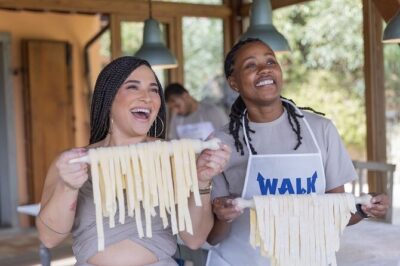
Florence Pizza or Pasta Class with Gelato Making at a Tuscan Farm
Read our review →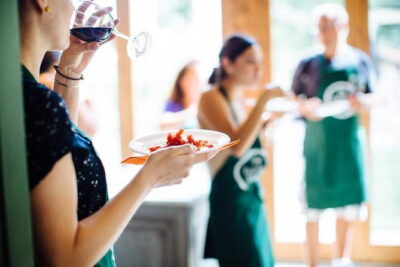
Cooking Class and Lunch at a Tuscan Farmhouse with Local Market Tour from Florence
Read our review →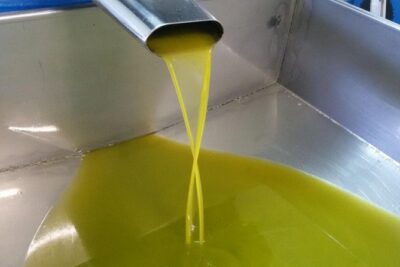
Sorrento Farm and Food Experience including Olive Oil, Limoncello, Wine tasting
Read our review →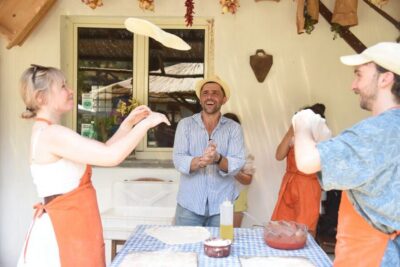
Pizza Lesson, Wine, and Limoncello at a Local Farm
Read our review →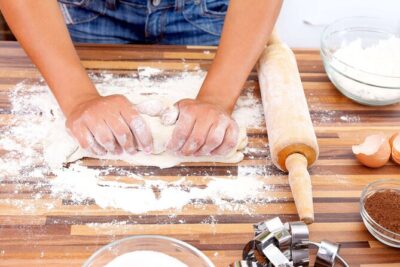
Hands-On Cooking Class & Farmhouse Tour on the Amalfi Coast
Read our review →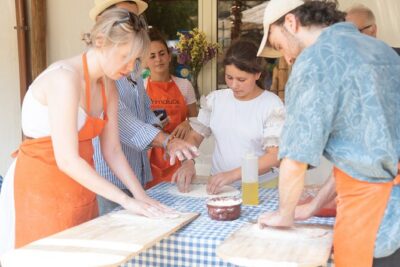
Pizza School with Wine and Limoncello Tasting in a Local Farm
Read our review →
Authentic Farm Tour with Pizza, Cheese, Wine & Limoncello Tasting
Read our review →
Sorrento Farm by Tuk Tuk: Cheese, Limoncello & Hands-On Pizza
Read our review →Browse the lists this tour appears in