
Review · GREECE
Rethymno 4×4 Safari: Tastes & Farm Experience
The most memorable part of this Crete 4×4 safari is not simply the rough mountain road. It is the way food, farming, village life, and mountain scenery fit together. You taste wine at Klados Winery, peppery olive oil at Melidoni, and handmade cheese at a shepherd’s hut before lunch in Axos. I like the small vehicle groups and the chance to meet people who still make food by hand. I also like that the day reaches places a normal coach tour cannot.
The main thing to consider is the road itself. A 4×4 makes the remote sections possible, but it also means bumps, twists, and motion. This trip is not a good match for anyone with serious back, heart, mobility, or motion problems, and the vehicle has stated height and weight limits.
Key points at a glance
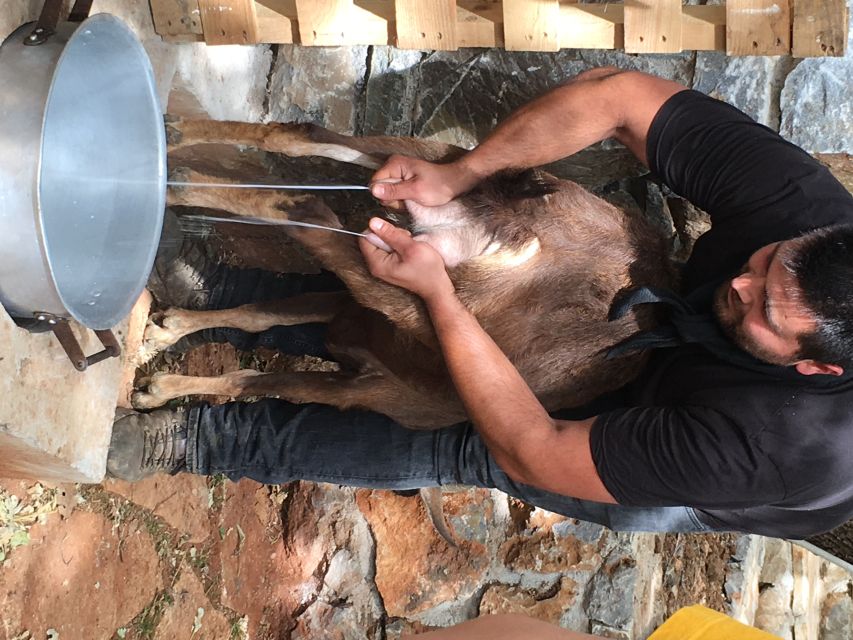
- Cheese made at a mountain mitato: Watch the traditional process and taste local cheese where shepherds still work.
- A food-focused route: Wine, extra-virgin olive oil, cheese, and a Cretan lunch are all included.
- Real mountain access: The route leaves the paved roads and reaches viewpoints, villages, and wildlife areas around Psiloritis.
- A manageable small-group format: Vehicles carry up to six or eight people, depending on the vehicle used.
- Hotel pickup across the Rethymno area: Collection is available from Rethymno, Georgioupoli, Panormos, Platanes, and nearby resort areas.
- A useful value at $128: Seven hours of transport, guiding, tastings, entrance fees, and lunch are included.
Why this safari reaches beyond the beach
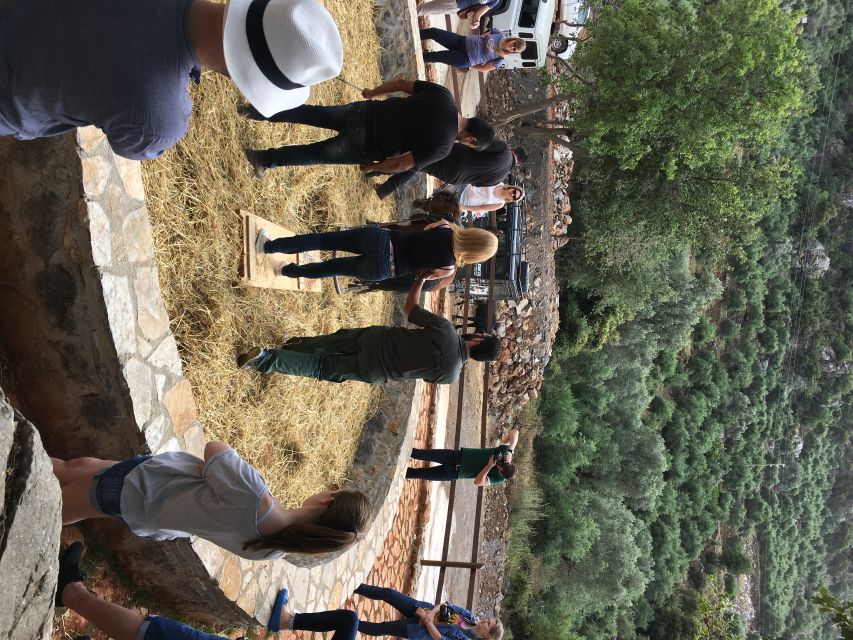
Crete is easy to experience as a beach destination. You can spend a week beside the water and barely see the island’s interior. This outing gives you a different Crete, one of mountain villages, stone huts, olive groves, family tavernas, and steep roads with broad views.
I like the balance. You are not confined to a long cultural lecture or a string of photo stops. The day moves between active visits and scenic driving. You learn how wine and olive oil are produced, then see cheese made in a working shepherd’s hut. The food is not an afterthought. It is the thread tying the day together.
The small-group setup matters here. With up to six or eight people in a 4×4 or 4×4 minivan, the guide can talk with you more easily than on a full-size bus. German and English guiding is available. Past guides have included Panos and Sebastian, both praised for humor, clear explanations, and personal attention.
The tradeoff is that the schedule covers a lot of ground. Seven hours sounds generous, but the day includes several drives, mountain roads, tastings, a cheese-making visit, and a full lunch. If you want to linger at every stop, this will feel brisk.
More farm tours around Greece:
- Mykonos: Farm, Ano Mera Village, and Beaches Guided Tour
★ 4.4 · 1,283 reviews - Crete: Road-trip to Lasithi, Zeus Cave & Olive Mill Farm
★ 4.4 · 451 reviews - Heraklion: Olive Farm Tour with Tasting of Local Delicacies
★ 4.9 · 411 reviews
Start with Cretan wine at Klados Winery
Pickup begins in the morning, with times varying by area. The stated schedule starts around 8:30 a.m. in Georgioupoli, 9:00 in Rethymno, and 9:45 in Panormos. You should wait outside your hotel reception 10 minutes early. Drivers wait no more than five minutes, so this is one tour where a slow breakfast can cause trouble.
The first major stop is Klados Winery in Panormos. The winery is described as award-winning, and the owner personally leads the visit through the vines and cellar. That personal connection gives the stop more substance than simply standing at a tasting counter.
You learn about Cretan wine and taste indigenous varieties from the island. This is useful even if you are not a serious wine drinker because it gives you an early introduction to local agriculture. Crete has its own grape traditions, and tasting local varieties helps explain why the island’s wine is part of its identity rather than just another product for tourists.
The visit lasts about 50 minutes, including the tour and tasting. Wine purchases are not included, so bring money if you want to take a bottle home. Anyone under 18 can join the visit but cannot drink the wine.
Follow the olive from tree to bottle
The next stop is Melidoni Olive Oil Mill, about 20 minutes away. Here, the focus shifts from grapes to olives. You see how olive oil moves from harvest to bottle, with traditional stone presses shown alongside newer production methods.
The tasting is a good lesson in freshness. Extra-virgin olive oil can be surprisingly peppery, grassy, or sharp, and the sample here is presented as a fresh Cretan product with a strong character. I like this stop because it gives you something practical to take home: after tasting good olive oil at the mill, you will have a better idea of what to look for in a shop.
The visit lasts about 30 minutes. It is shorter than the winery stop, but that is probably the right pace. You get the basic production story and a tasting without turning the morning into a technical class.
Purchases are separate from the tour price. If you plan to buy oil or wine, carry cash as well as a card, since cash is specifically recommended.
Watch the road change through the mountain villages
After Melidoni, the drive heads into the hills through places such as Apladiana, Doxaro, Agridia, and Tsachiana. Some are pass-by stops rather than full village visits, so you should think of this part as a scenic transition rather than a walking tour.
This is where the 4×4 format earns its keep. You travel on routes that connect small settlements and mountain areas, with views opening across valleys and toward Psiloritis. The route is not just transport between attractions. The drive shows how quickly Crete changes once you leave the coastal resorts.
Your guide can add context as you go, and this is a good time to ask questions about village life, farming, and the mountain communities. The pace also gives you chances for photographs, though you should not expect to stop at every viewpoint.
The road can be rough. If you get motion sickness, this may be the hardest part of the day. Sit where you feel most stable, keep your sunglasses and water close, and avoid bringing bulky bags into the vehicle.
Same countryside, another kind of harvest:
- Lassithi, Zeus Cave, Olive Mill Farm & Knossos Combo Tour
★ 4.6 · 404 reviews - Naxos Perivoli Farm Experience & Wood-fire Cooking Class
★ 5.0 · 339 reviews - Cretan Cooking Class and Olive Oil Tasting
★ 5.0 · 178 reviews - Melanes: Naxos Perivoli Farm & Cooking Class with Wood Fire
★ 5.0 · 177 reviews
Pause at Halepa Monastery
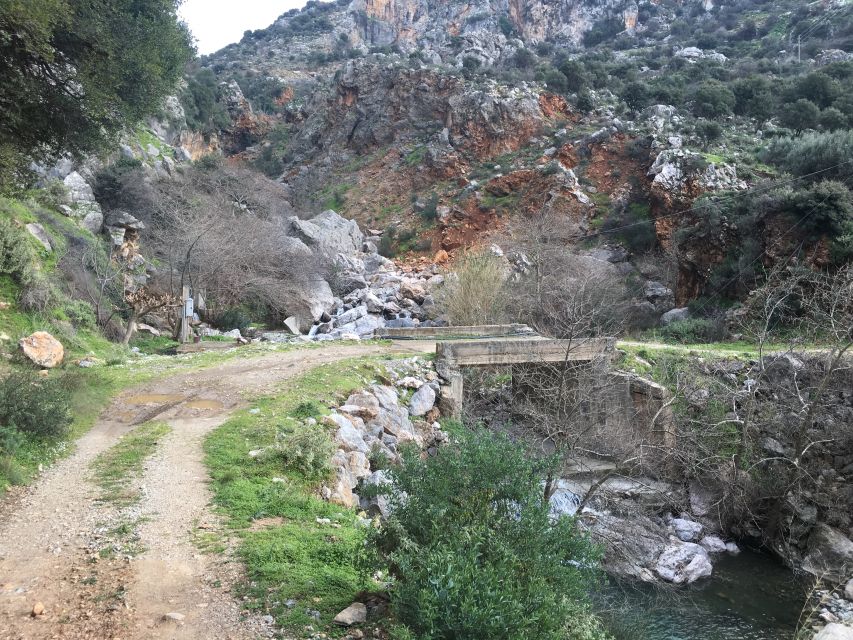
Halepa Monastery is a short but rewarding stop. It sits high above the surrounding valleys, with wide views across the mountains and countryside. The visit lasts about 20 minutes, so this is mainly a sightseeing and photo stop rather than a long monastery visit.
The monastery also connects the scenery to Crete’s turbulent past. It served as a refuge for Cretan rebels, giving the site a practical role as well as a religious one. Your guide can explain that background while you look across the high country.
Bring a light jacket even on a warm day. The pickup points are near the coast, but the route climbs, and mountain weather can change faster than conditions at your hotel. Comfortable clothes and sensible shoes are more useful than anything stylish.
Leave the pavement for the mitato
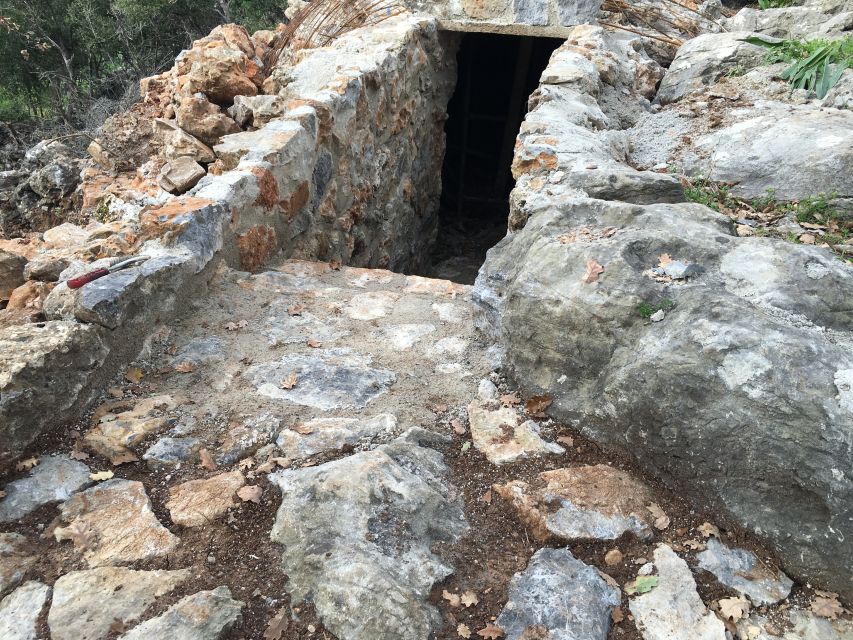
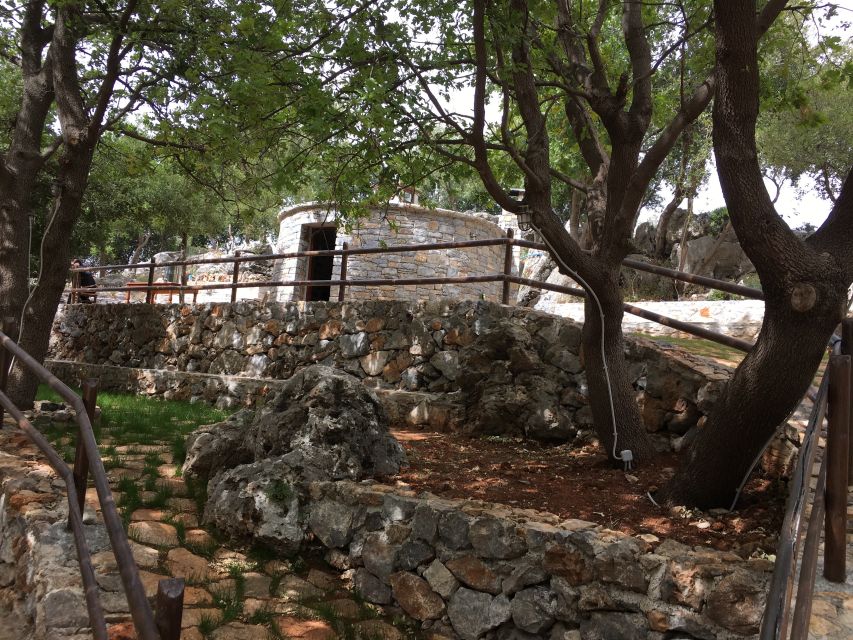
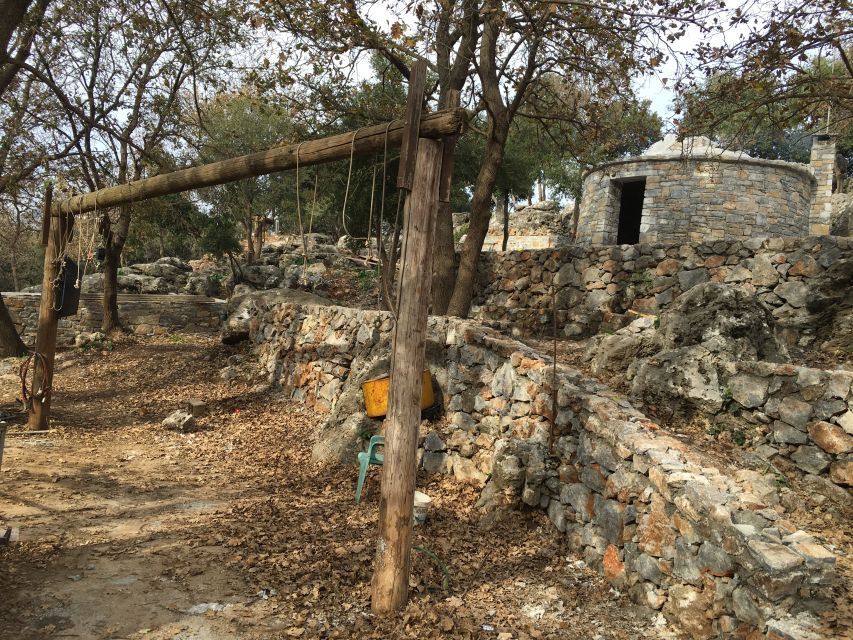
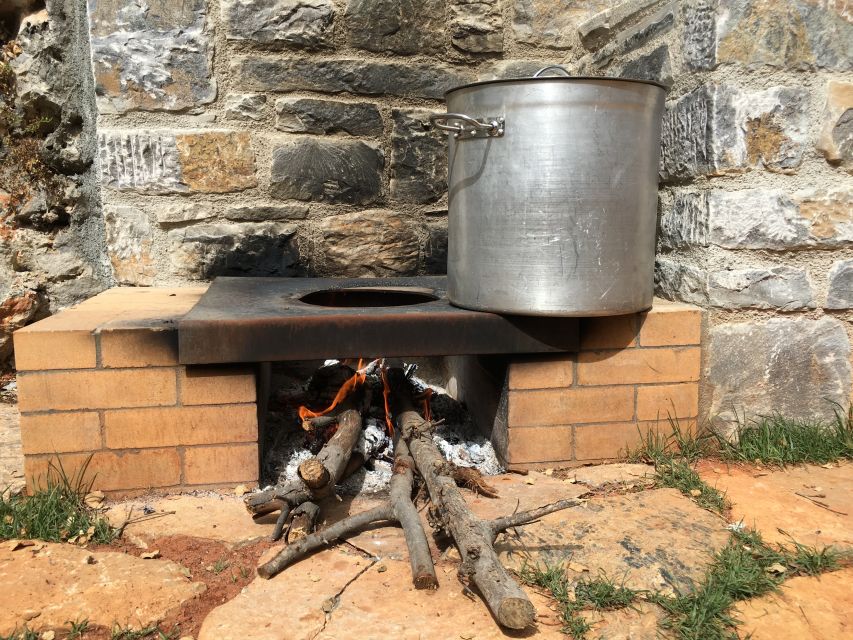
The strongest part of the day comes after the monastery, when the vehicle takes an off-road route to a viewpoint and then a traditional shepherd’s mitato. A mitato is a simple stone hut used in the mountains, closely tied to shepherding and cheese production.
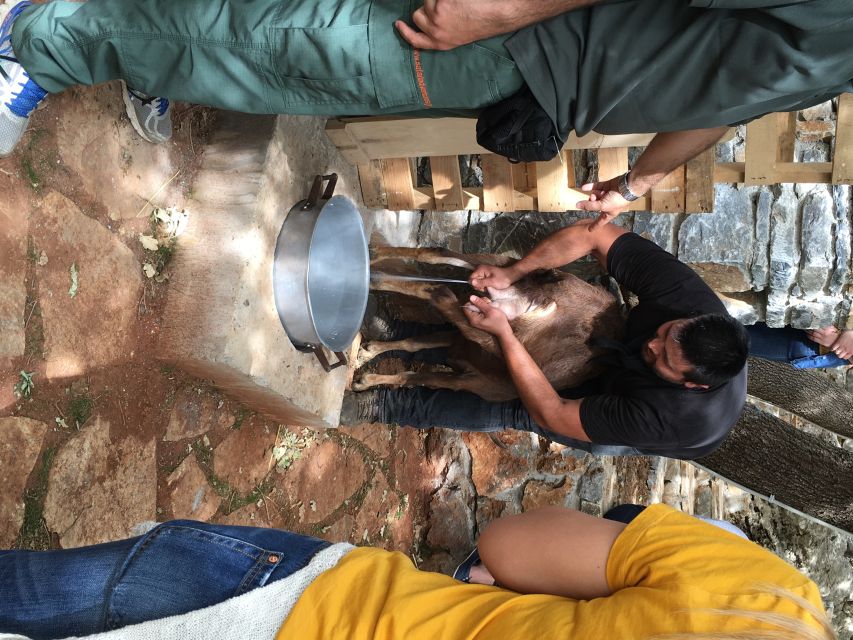
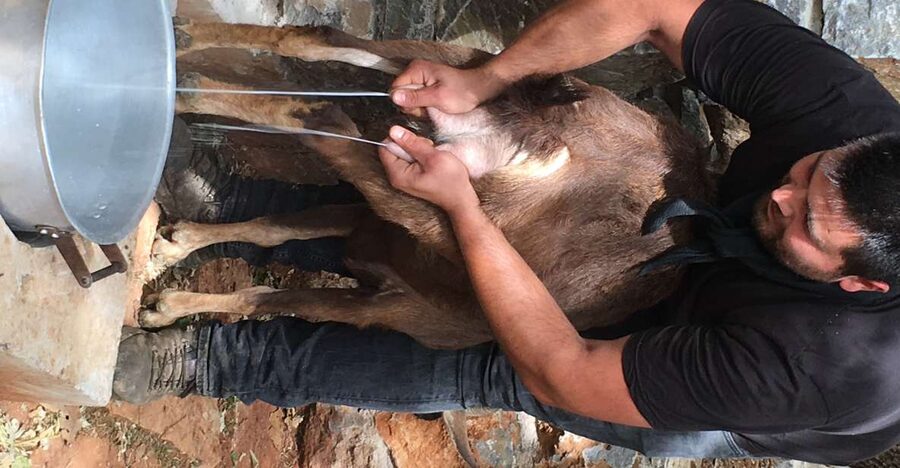
At the farm stop, you can watch cheese being made by hand and sample local cheese and snacks. The visit lasts about 75 minutes, giving the guide and the people at the hut time to explain the process instead of rushing through it.
This is the experience’s most authentic food stop because you are seeing production rather than only tasting the finished product. Cheese here is part of a working mountain tradition. You can connect the animals, the hut, the tools, and the food on your plate.
The stop also includes a chance to look for wildlife. Kri-kri, the wild Cretan ibex, may appear, and eagles or vultures can be seen overhead. Sightings are never guaranteed, so treat them as a bonus rather than a promise. Bring a camera, but do not let the search distract you from the cheese-making demonstration.
The ground around a stone hut and an off-road stop may be uneven. This is not suitable for wheelchair users or people with mobility impairments. The outing is also not recommended during pregnancy, after recent surgery, or for people with high blood pressure, altitude sickness, or serious back problems.
Eat a Cretan lunch in Axos
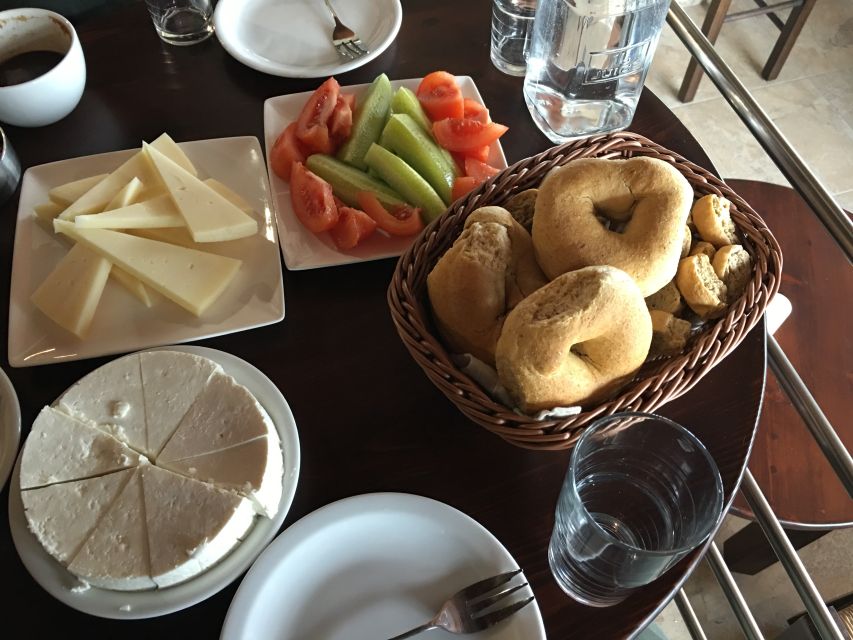
The route ends at Axos, a mountain village where you eat at a family-run tavern. Lunch lasts about an hour and a half, with traditional Cretan platters and regional dishes made from local ingredients.
This is one of the better features of the tour. You have already seen wine, olive oil, and cheese in their production settings, so the meal feels connected to the rest of the day. Instead of treating lunch as a standard stop between attractions, the tour uses it to bring the food story together.
The included meal covers the traditional platters, but coffee, beer, and other refreshments are not included. Dietary needs and food allergies can be accommodated if you give notice in advance. It is worth doing that when you book, since a mountain tavern may have fewer last-minute alternatives than a large restaurant.
You should also allow time for the meal to run at its own pace. This is a family-style stop, not a fast roadside lunch. The extra time makes the day feel less mechanical, though anyone hoping to return early to a resort should note the full schedule.
What the $128 price really covers
At $128 per person, this is not the cheapest way to see Crete’s countryside. It is also more than a basic winery visit or a short off-road ride. The price makes more sense when you add up what is included: seven hours of transport, hotel pickup and return, a multilingual driver-guide, all entry fees, wine tasting, olive oil tasting, farm access, cheese tasting, and lunch.
You are also paying for access. Reaching the mitato and the mountain roads without your own capable vehicle would be difficult. Renting a car would give you independence, but not necessarily the local knowledge, tasting arrangements, or safe access to the rougher sections.
The value is strongest if you want one full day that combines food and scenery. It is weaker if you only want a relaxing drive or a formal winery tour. The tour price does not include purchases, coffee, beer, or refreshments at the tavern, so budget a little extra.
A minimum of four people is required for group participation to start. Vehicle size depends on the group, with 4×4 vehicles or 4×4 minivans listed as seven or nine seaters, while the semi-private experience is described as carrying up to six or eight people per vehicle. Ask about the vehicle arrangement if having a very small group is important to you.
Pickup, comfort, and practical limits
Pickup is available from seven areas: Georgioupoli, Rethymno, Stavromenos, Adelianos Kampos, Paralia Kourna, Panormos, and Platanes. The exact collection point may be outside your hotel if the vehicle cannot reach the entrance. You need to provide the hotel name when booking.
The vehicles are driven by escort-guides and display the company logo. One account described the vehicle as an old Jeep, which may appeal to you if you like a more rugged safari feel. If you prefer a smoother ride, remember that the vehicle may instead be a 4×4 minivan, and the route itself still includes off-road sections.
Leave large luggage behind. Large bags are not allowed, and food or drinks cannot be consumed in the vehicle. Smoking, alcohol, and drugs are prohibited in the vehicle. Wear comfortable clothing and shoes, bring a hat and sunglasses, and pack a jacket for the higher sections.
The tour is not suitable for children under seven. People over 6 feet 6 inches, or 200 centimeters, and people over 287 pounds, or 130 kilograms, should check the restrictions before booking. The experience is also unsuitable for serious motion sickness, heart problems, mobility limitations, recent surgery, or pregnancy.
Free cancellation is available up to 24 hours before departure, and you can reserve now and pay later. Weather and group size can alter the timing, so keep the rest of your day flexible.
Who should book this Crete 4×4 safari?
I would choose this outing if you want to understand Crete through food and working traditions rather than only through ruins and beaches. It suits couples, friends, and families with older children who are comfortable on rough roads and happy to spend most of a day moving between different stops.
It is especially good for you if you enjoy:
- Small groups instead of large coaches
- Local wine and olive oil tastings
- Handmade food and farm visits
- Mountain scenery and rough-road driving
- Guides who mix facts with humor
- A substantial included lunch
I would skip it if you need a smooth, quiet ride, have limited mobility, or dislike a tightly timed day. It also may not suit you if your main interest is ancient sites, since the focus here is farming, villages, food, and scenery.
Should you book it?
Book this safari if you want a full taste of inland Crete in one day. The combination of Klados Winery, Melidoni Olive Oil Mill, Halepa Monastery, the mitato, wildlife views, and lunch in Axos gives you much more than a scenic jeep ride.
The best reason to go is the shepherd’s hut. Seeing cheese made by hand, then eating local food after a day in the mountains, gives the experience a sense of place that a standard tasting cannot match. Just be honest about your tolerance for bumps and motion, arrive early for pickup, bring a jacket and cash, and notify the operator about dietary needs before you go.
FAQ
How long does the Rethymno 4×4 safari last?
The experience lasts about seven hours, including transport, tastings, sightseeing, the farm visit, and lunch.
Where can pickup and drop-off take place?
Pickup and drop-off are available in Georgioupoli, Rethymno, Stavromenos, Adelianos Kampos, Paralia Kourna, Panormos in Rethymno, and Platanes. If the vehicle cannot reach your hotel, you will be given the nearest available meeting point.
What food and drink are included?
The price includes wine tasting, olive oil tasting, cheese tasting, local snacks at the farm, and lunch with traditional Cretan platters. Coffee, beer, and other refreshments at the tavern are not included.
Are wine and olive oil purchases included?
No. Purchases at the winery and olive oil mill are separate from the tour price.
What languages are available?
Live guiding is available in English and German.
Is the tour suitable for children?
Children under seven are not allowed. Children under 18 may attend the winery visit but cannot consume wine.
Newly listed farm visits around Greece
- Insightful Pistachio Orchard and Factory Tour★ 4.5 · 27 reviews
- Private Olive Oil tasting & Liqueur experience★ 5.0 · 17 reviews
- Santorini 5 Hour Private Oia Tour & Lunch/Dinner at a Local Farm★ 5.0 · 40 reviews
- Flavors of Santorini: Farm-to-Table Meal Wine & Authentic Village★ 5.0 · 12 reviews
- Cooking Class Sunset Dinner and Tour in Paros Farm★ 5.0 · 5 reviews
- Katakolon 7hour tour : Olympia-Honey Farm-Winery-Beach★ 5.0 · 53 reviews
- Olympia Shore Ex: Olympic site, Honey Farm & Olive Oil Tasting★ 4.5 · 57 reviews
- Naxos Farm Experience and cheese making★ 5.0 · 5 reviews
Greece Farm Tours, compared.
Olive Farm Tour with Tasting of Local Delicacies
Read our review →
Naxos Perivoli Farm Experience & Wood-fire Cooking Class
Read our review →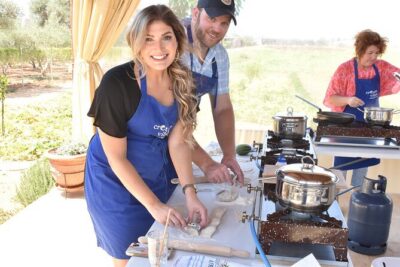
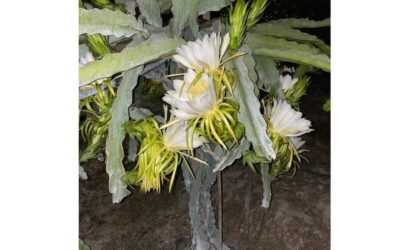
Traditional Olive Grove and Dragon Fruit Farm Tour
Read our review →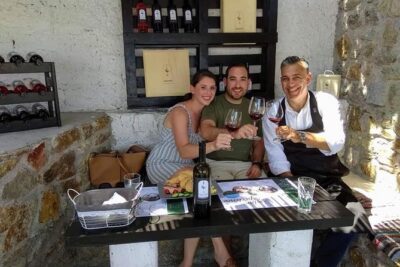
Wine Tasting Tour at a traditional farm in Mykonos
Read our review →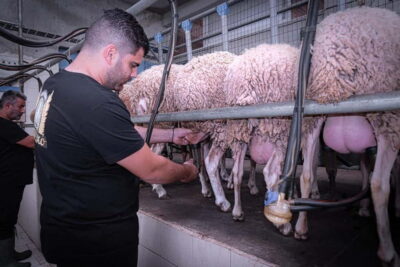
Farm Visit with Cheese Tasting and Milking Experience
Read our review →
Santorini Family Farm Food & Wine Tour with Cooking Class
Read our review →
Rhodes: 1952 Farmhouse Cooking & Lunch with Unlimited Wine
Read our review →Browse the lists this tour appears in