
Review · GREECE
The Olive Oil Experience @ Lefkada Micro Farm
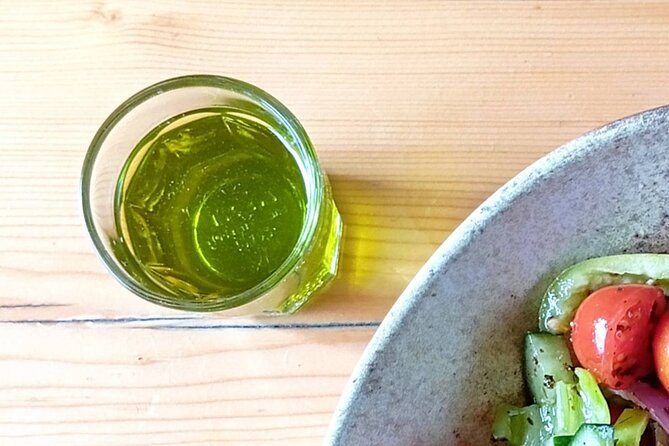
The most useful part of this olive oil masterclass is not the tasting alone. It is learning how to tell fresh, genuine extra virgin olive oil from a tired supermarket bottle, then understanding what that difference means in your own kitchen. You walk among Lefkada’s rare White Lefkadian trees, hear how the farm works, and taste the peppery kick linked to high polyphenol levels.
I like the personal farm setting and the practical advice you can use at home. I also like the chance to taste good and poor oil side by side, since that makes the lesson clear fast. The main consideration is a serious one: one recent booking report raised a concern about political messaging at the property, so anyone sensitive to that issue may want to confirm the current setting before booking.
Key points
- A 1.5-hour open-air lesson: Walk through Lefkada Micro Farm, meet the trees and plants, then sit down to taste the oil.
- Rare White Lefkadian trees: The farm focuses on local trees and regenerative organic methods.
- Practical tasting skills: Learn to spot freshness, defects, bitterness, fruitiness, and the peppery finish.
- Useful kitchen advice: Get help choosing a bottle, storing oil, and cooking with it without wasting its benefits.
- English-speaking instruction: The experience is led by a certified olive oil tasting trainer.
- A clear value question: At $54 per person, the price makes the most sense if you want a proper lesson, not just a sample and a quick farm walk.
Why this small Lefkada farm is worth your morning
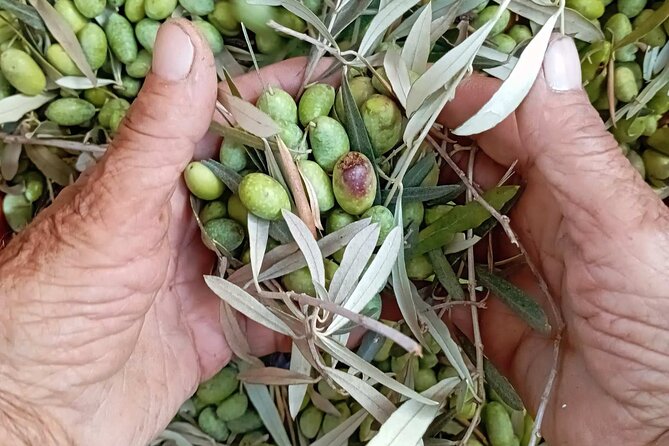
Olive oil is one of those foods most people buy on habit. You reach for the same bottle, trust the label, and hope for the best. This experience asks you to slow down and use your senses instead. That is a fine reason to spend part of a morning or evening at Lefkada Micro Farm.
The farm’s story is unusually young. Its first harvest was only five years ago, yet it now presents its oil as one of the best on Lefkada and has earned Silver Awards in New York in 2025 and 2026. Those awards do not mean you must like the oil, of course. Taste is personal. They do suggest that the producers take quality control seriously and have entered the wider international olive oil conversation.
The setting matters, too. This is not a tasting room cut off from the source. You walk among the trees and see the place where the oil begins. That simple connection helps explain why harvest timing, tree health, fruit condition, and handling all affect the final bottle.
The farm calls its method regenerative organic practice. The provided information does not spell out every technique, so you should not expect a technical farming seminar. You can expect an introduction to the way the owners care for the groves and the local conditions that shape the oil.
More farm tours around Greece:
- Mykonos: Farm, Ano Mera Village, and Beaches Guided Tour
★ 4.4 · 1,283 reviews - Crete: Road-trip to Lasithi, Zeus Cave & Olive Mill Farm
★ 4.4 · 451 reviews - Heraklion: Olive Farm Tour with Tasting of Local Delicacies
★ 4.9 · 411 reviews
Walking among White Lefkadian trees
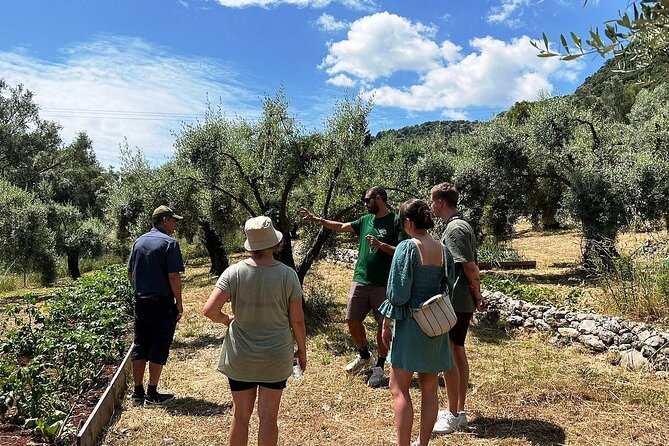
The tour begins with a guided walk around the micro farm. The rare White Lefkadian trees are a special focus, giving the visit a strong sense of place rather than making it a general Greek food lesson.
You may also encounter animals, aromatic plants, and fruit trees during the walk. The experience can feel pleasantly informal here. One part of the farm visit includes smelling plants and eating fruit directly from the branch, a small detail that makes the property feel like a working home and farm rather than a polished attraction built only for visitors.
That informality has a tradeoff. You are not signing up for a large agricultural museum with displays, machinery, and a fixed stage show. The charm comes from the personal setting and the owner’s connection to the work. If you want a highly structured technical tour, this may feel light. If you want to see where a small producer’s passion starts, it should feel more convincing.
The walk is also a good reason not to book this as a rushed stop between major sights. You need time to notice the trees, plants, and farm life. At 1.5 hours, the experience is short enough to fit into a full Lefkada day, but not so short that the farm visit becomes an afterthought.
Tasting the difference between good and poor oil
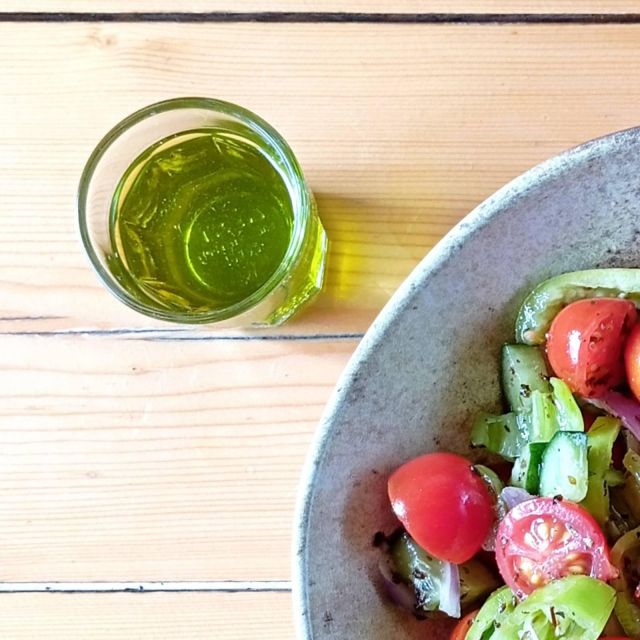
The tasting is the heart of the experience. Instead of simply handing you a small glass and telling you that the farm’s oil is excellent, the lesson sets up a comparison between lower-quality oil and proper extra virgin olive oil.
That contrast is valuable because many people have never tasted oil in a focused way. You learn to notice the smell first, then the taste and finish. Good oil can be fruity, bitter, and peppery. Those traits are not automatically flaws. The peppery sensation at the back of your throat can point to polyphenols, the natural compounds linked with much of olive oil’s antioxidant reputation.
The experience presents that peppery kick as a useful sign of high polyphenol levels. Still, do not reduce quality to throat burn alone. A strong finish does not give you permission to ignore rancid smells, flat flavor, poor storage, or a misleading label. The lesson’s real value is learning to judge several clues together.
You may find the tasting more interactive than a formal wine-style presentation. The aim is not to turn you into a professional judge in one sitting. It is to give you a working vocabulary and enough confidence to question what you buy.
A certified olive oil tasting trainer leads the instruction in English. The provider does not give the guide’s name, so you should not expect a named celebrity producer or a famous culinary figure. The strength here is the trainer’s specialist certification and direct connection to the farm.
The olive oil ABC you can take home
The most practical section covers what happens after you leave Lefkada. You learn how to select a bottle, where to keep it, and how to cook with it while preserving as much of its quality as possible.
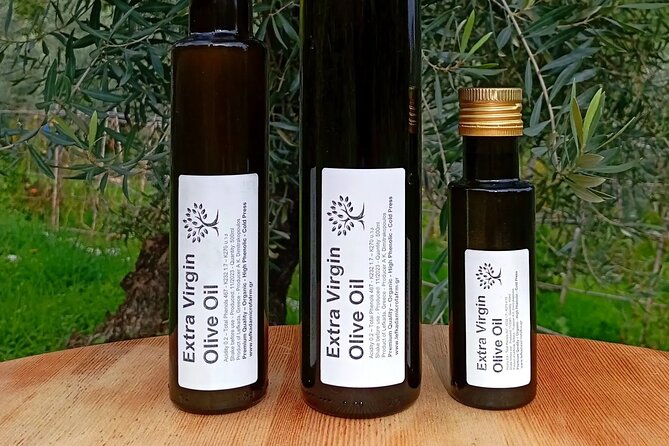
When shopping, you are shown how to look beyond attractive packaging and broad claims. The point is to understand the label, the type of oil, and signs of freshness. This is the kind of information that can save you from paying a premium for a product that has been poorly handled or has lost its best character.
Storage is just as important. Extra virgin olive oil is not a bottle you should leave anywhere in the kitchen and forget for months. The session explains the proper way to store it so that heat, light, and time do less damage. That advice is especially useful if you buy a quality bottle on holiday and plan to take it home.
Cooking brings a useful dose of common sense. The farm explains how to use olive oil in healthy cooking while keeping as much of its benefit as possible. You are not promised a miracle diet, and the session does not turn every meal into a medical treatment. Instead, you get a clearer idea of how a good everyday fat fits into the Mediterranean way of eating.
This is where the $54 price can earn its keep. A bottle tasting alone may feel expensive at that rate. A short farm visit plus a lesson that changes how you shop and store olive oil has longer value. You can use the information again and again, long after the holiday ends.
Same countryside, another kind of harvest:
- Lassithi, Zeus Cave, Olive Mill Farm & Knossos Combo Tour
★ 4.6 · 404 reviews - Naxos Perivoli Farm Experience & Wood-fire Cooking Class
★ 5.0 · 339 reviews - Cretan Cooking Class and Olive Oil Tasting
★ 5.0 · 178 reviews - Melanes: Naxos Perivoli Farm & Cooking Class with Wood Fire
★ 5.0 · 177 reviews
What the farm setting adds to the lesson
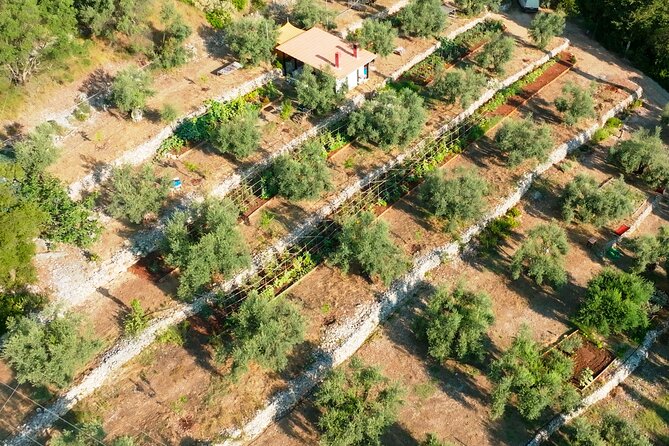
A tasting in a shop can teach you about flavor. A farm gives those flavors a physical source. Standing among the trees makes it easier to understand that olive oil is not an anonymous pantry liquid. It begins with fruit, weather, cultivation, harvest, and careful production.
The farm also gives the guide room to explain the local terroir. That word is often used loosely, but here it refers to the combination of Lefkada’s conditions, trees, and farming methods that shape the oil’s character. You will hear why the producers believe their grove creates something different from industrial oil.
The contrast with large-scale production is part of the message. The guide pulls back the curtain on how industrial oil can differ from the original product. This may be eye-opening, especially if you have assumed that every bottle labeled olive oil is roughly the same.
Keep your expectations measured. The tour cannot make every supermarket brand bad, and a small farm label is not automatically perfect. The best outcome is not that you reject every oil except this one. It is that you learn to read labels, taste carefully, and store the bottle properly.
How personal is the experience?
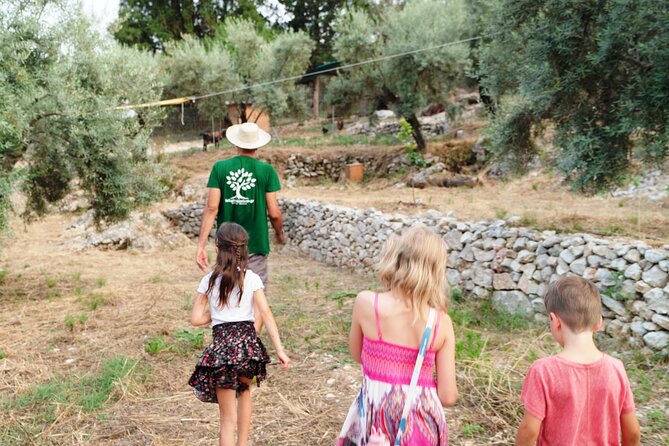
The tone is likely to be warm and direct rather than corporate. The owner is described as humble, hardworking, and deeply attached to the craft. That personal connection comes through in the farm walk and in the way the production process is explained.
The outdoor format also gives the experience a relaxed feel. You may stop to smell plants, notice animals, or taste fruit, rather than moving from one display to the next. Families and curious food lovers should find that appealing, though anyone seeking a strict, advanced certification course should choose something more specialized.
Humor and personal storytelling are part of the appeal. The lesson is designed for everyone, not only food experts. You do not need prior knowledge of olive oil, and you should feel comfortable asking basic questions about bitterness, freshness, or cooking.
There is one important social consideration. A serious complaint associated with a September 2025 booking alleges antisemitic political messaging at the property, including a sign related to October 7 and a statement the complainant viewed as victim blaming. That allegation is not part of the advertised olive oil program, but it is significant enough to mention plainly. If the issue affects your comfort or your decision to support a business, contact the provider before reserving and ask what you can expect to see at the property now.
Who will get the most from the $54 price?
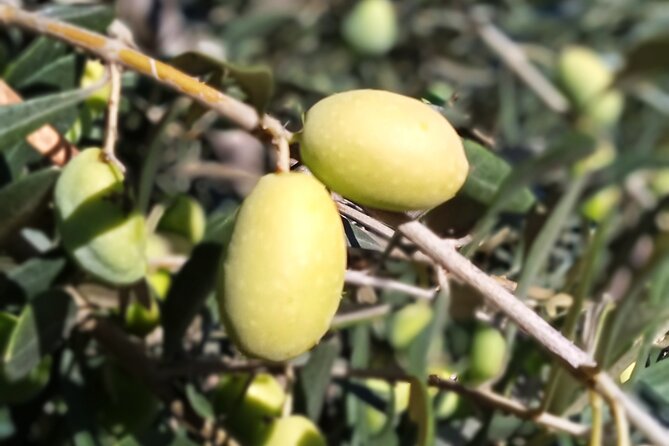
At $54 per person, this is not the cheapest food stop in Greece. The price is easier to justify if you value instruction, a farm visit, and a tasting designed to teach rather than simply entertain.
I would recommend it most strongly to:
- People who cook often and want to buy better olive oil
- Visitors curious about Greek food beyond a restaurant meal
- Couples looking for a calm, short activity in the countryside
- Families who enjoy hands-on tasting and farm settings
- Anyone who has always wondered what extra virgin really means
It may be less suitable if you dislike tasting strong flavors or have no interest in food production. The peppery finish can surprise you, especially if you are used to mild, old, or refined oils.
You should also share any food allergies or dietary restrictions before the visit. The experience includes tasting, so this is not a detail to leave until arrival. The activity is wheelchair accessible, which makes it easier for many people to consider, though the supplied information does not describe every surface or route around the groves.
Timing, language, and booking flexibility
The activity lasts 1.5 hours and is conducted in English. That length works well as a focused introduction. You get enough time for the walk and tasting without committing half a day to one product.
Starting times vary, so check availability for the date you want. The experience offers free cancellation up to 24 hours in advance for a full refund. You can also reserve now and pay later, which helps if your Lefkada plans are still shifting.
Because the farm is the main setting, arrive ready for an outdoor visit rather than expecting a fully indoor tasting room. The exact meeting details are not provided here, so confirm them when booking.
Final verdict: book it for the lesson, not just the sample
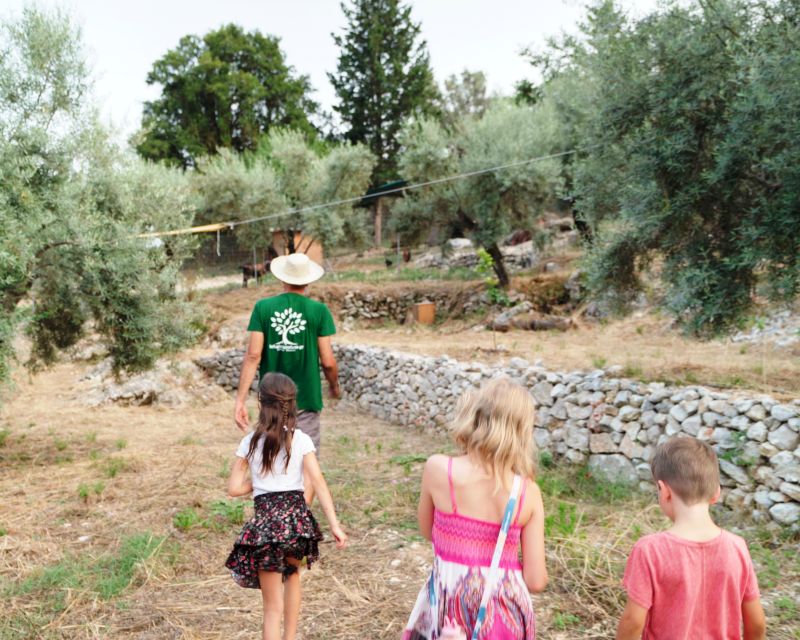
I would book the Olive Oil Experience at Lefkada Micro Farm if I wanted a personal introduction to Greek olive oil and practical skills I could use at home. The rare White Lefkadian trees, open-air walk, direct comparison tasting, and storage advice give the 1.5-hour visit more substance than a quick sip at a shop.
The $54 cost is fair for a focused farm lesson, especially if you cook with olive oil and plan to buy a bottle during your trip. It is harder to justify if you only want a free sample or a scenic walk.
Before booking, consider the reported concern about political messaging and ask the provider for current details if that matters to you. With that qualification in mind, this is a useful, compact experience for curious eaters who want to understand what makes Greek extra virgin olive oil taste and perform differently.
FAQ
How long does the Olive Oil Experience at Lefkada Micro Farm last?
The experience lasts 1.5 hours.
What does the $54 price include?
The price includes an olive oil tasting and a guided tour around Lefkada Micro Farm.
Is the tour offered in English?
Yes. The live tour guide leads the experience in English.
Is the experience wheelchair accessible?
Yes, the activity is listed as wheelchair accessible.
Can I cancel and receive a full refund?
Yes. You can cancel up to 24 hours in advance for a full refund.
Should I report food allergies or dietary restrictions?
Yes. You should inform the provider about any food allergies or dietary restrictions before taking part, since the activity includes tasting.
Newly listed farm visits around Greece
- Insightful Pistachio Orchard and Factory Tour★ 4.5 · 27 reviews
- Private Olive Oil tasting & Liqueur experience★ 5.0 · 17 reviews
- Santorini 5 Hour Private Oia Tour & Lunch/Dinner at a Local Farm★ 5.0 · 40 reviews
- Flavors of Santorini: Farm-to-Table Meal Wine & Authentic Village★ 5.0 · 12 reviews
- Cooking Class Sunset Dinner and Tour in Paros Farm★ 5.0 · 5 reviews
- Katakolon 7hour tour : Olympia-Honey Farm-Winery-Beach★ 5.0 · 53 reviews
- Olympia Shore Ex: Olympic site, Honey Farm & Olive Oil Tasting★ 4.5 · 57 reviews
- Naxos Farm Experience and cheese making★ 5.0 · 5 reviews
Greece Farm Tours, compared.
Olive Farm Tour with Tasting of Local Delicacies
Read our review →
Naxos Perivoli Farm Experience & Wood-fire Cooking Class
Read our review →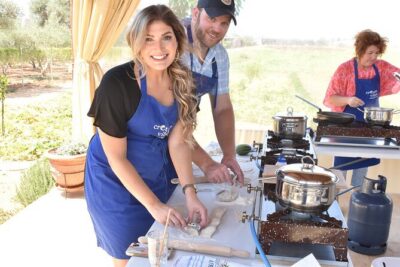
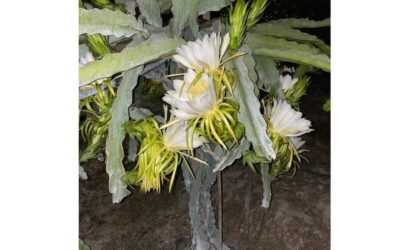
Traditional Olive Grove and Dragon Fruit Farm Tour
Read our review →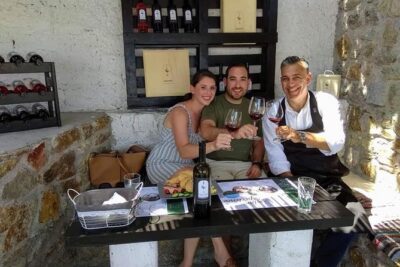
Wine Tasting Tour at a traditional farm in Mykonos
Read our review →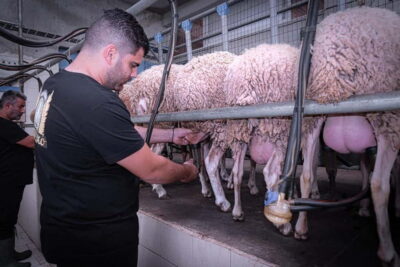
Farm Visit with Cheese Tasting and Milking Experience
Read our review →
Santorini Family Farm Food & Wine Tour with Cooking Class
Read our review →
Rhodes: 1952 Farmhouse Cooking & Lunch with Unlimited Wine
Read our review →Browse the lists this tour appears in