
Review · INDONESIA
Ubud: Balinese Cooking Class at an Organic Farm
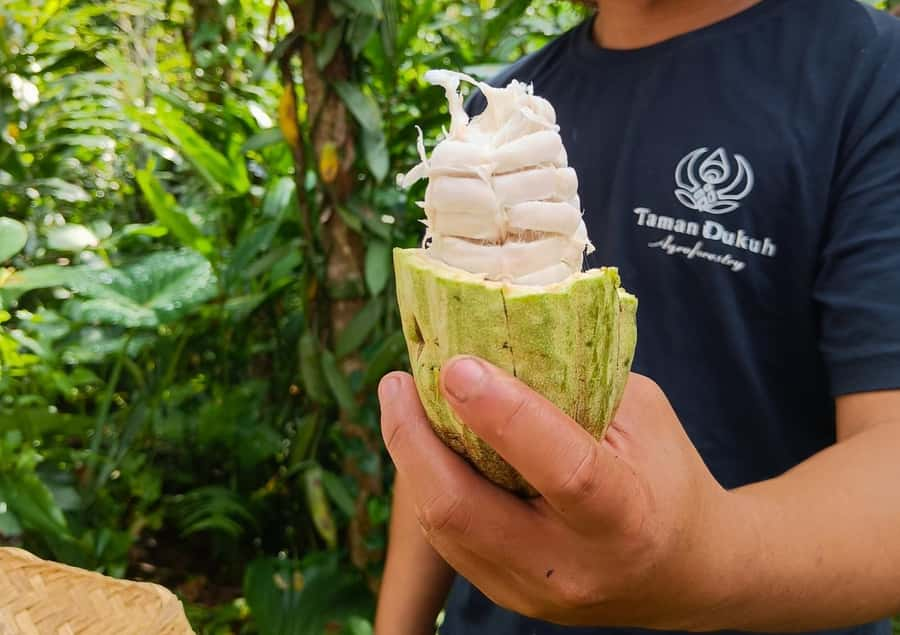
The best part of this Ubud cooking class happens before anyone turns on a stove. You walk through a local market, taste unfamiliar fruit, and pick vegetables from an organic farm before cooking six Balinese dishes in an open-air kitchen. It feels less like a standard lesson and more like a look at how food moves from soil to table.
I like the morning market visit, which gives you a useful introduction to local ingredients, and I like the farm tour, where you harvest some of the vegetables for your own meal. The main consideration is time: this is a long outing, lasting from 330 minutes to as much as eight hours, and the farm can involve a lengthy drive from Ubud in heavy traffic.
Key points to know before booking
- Morning market access: Choose a morning departure if you want the market visit, local fruit tasting, and an early look at daily food shopping.
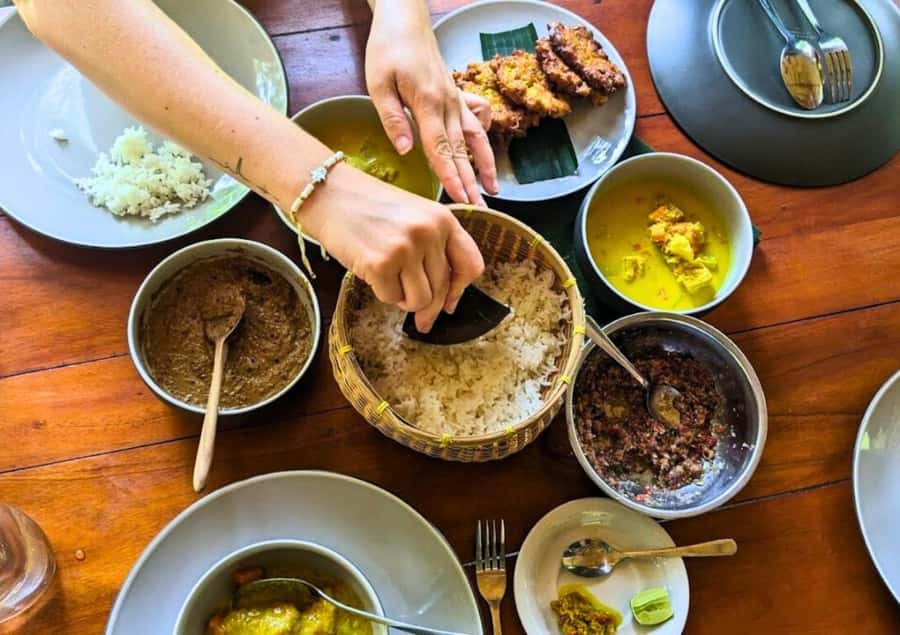
- Six dishes from scratch: You prepare a full meal, including spice paste, vegetables, mains, and dessert.
- Farm-to-table cooking: You tour the organic farm and collect some ingredients before class.
- Two menu choices: Select the regular menu or a vegetarian menu when booking.
- Small working groups: Groups are limited to 14, but cooking stations are shared by two people.
- Strong value at $32: Transport from the Ubud meeting point, food, drinks, the class, farm visit, and recipes are included.
From Ubud market to the farm kitchen
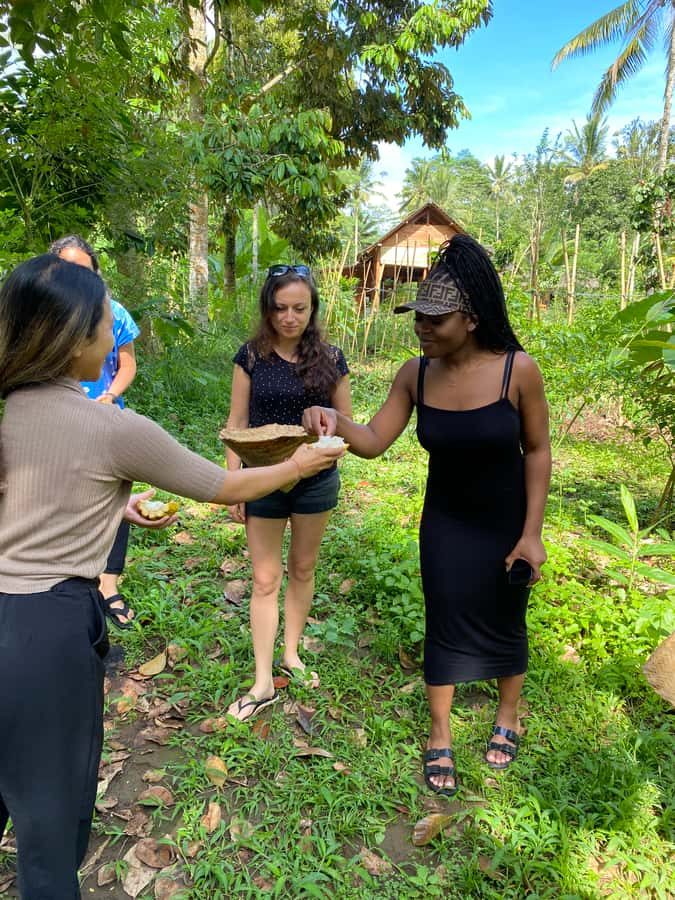
The morning version begins at a local market. This is one of the strongest reasons to book the early class rather than a later session. You see the day getting started, learn about common produce, and taste local fruit while your guide explains what you are looking at.
This stop gives the cooking lesson useful context. A list of ingredients on a recipe card tells you what to buy, but a market walk shows you how those ingredients look, smell, and fit into daily life. You may also see vegetables and spices that are not familiar from a supermarket at home.
The market visit is available with the morning class only, so check the exact departure time before paying. Meeting points can vary by the option you choose, and the included shuttle is arranged from a Ubud meeting point. That makes the outing easier than finding the farm on your own, but you should allow plenty of time for the full day.
After the market, you travel to the organic farm. Some schedules involve a drive of about an hour from the Ubud meeting area, and traffic can make the return slower. If you have a spa booking, airport transfer, or another fixed appointment later, leave a generous gap.
More Organic Farm Visits in the world:
- Half-Day Thai Cooking Class at Organic Farm in Chiang Mai
★ 5.0 · 19,087 reviews - Buggy Tour to Macao Beach and Water Cave with Organic Farm
★ 5.0 · 1,201 reviews - Chiang Mai: Cooking Class with Organic Farm at Mama Noi
★ 4.9 · 1,151 reviews
A peaceful farm tour with edible surprises
At the farm, you receive coffee or tea and a light breakfast. Fresh fruit and small bites may be part of this opening meal, giving you a chance to try something new before the main cooking begins.
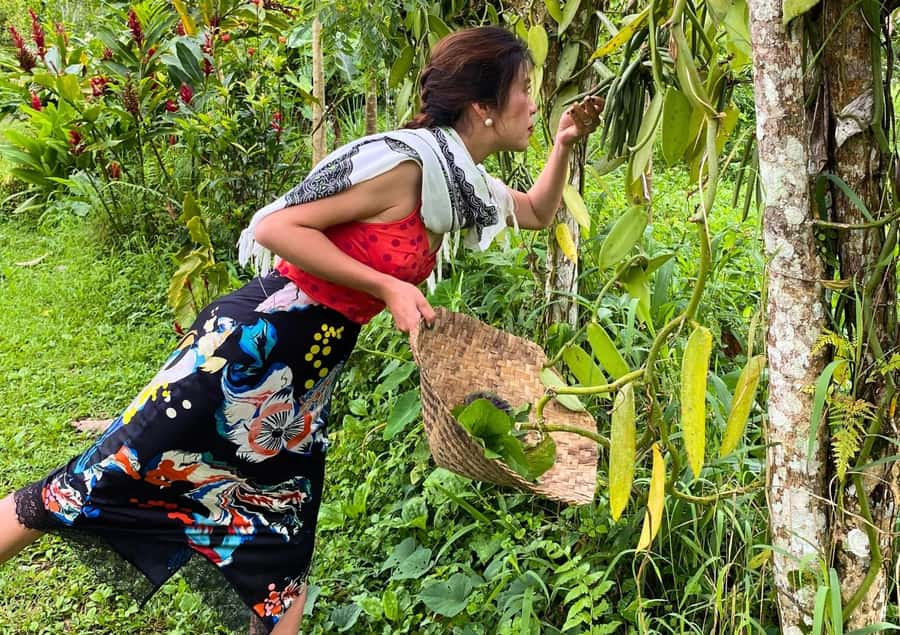
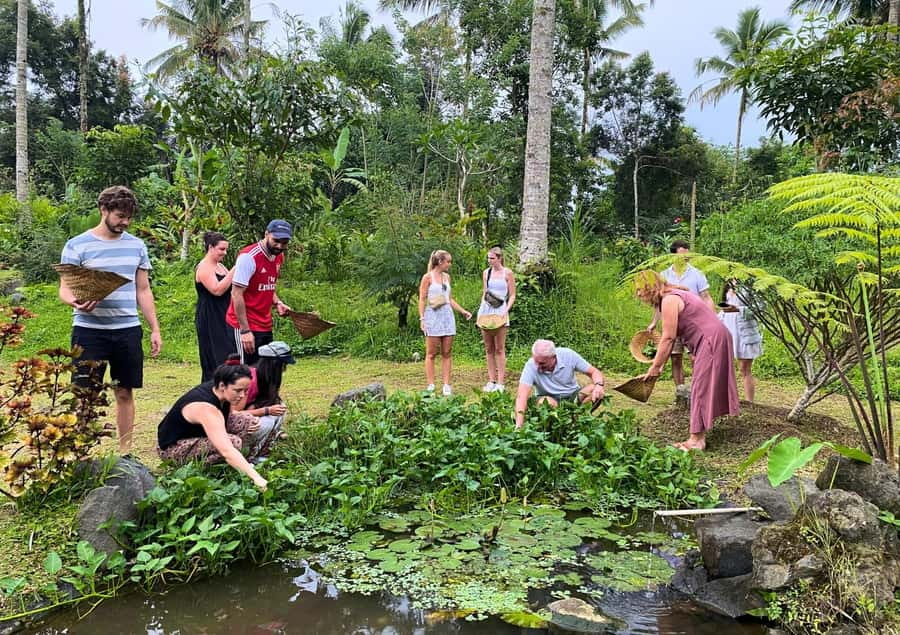
The farm tour is not just a quick walk past a few garden beds. You learn how a Balinese family uses the natural resources around the property, then collect vegetables for the class. The setting is quiet and surrounded by trees, spices, and garden plants. For many people, this is as memorable as the cooking itself.
The produce is not presented as a fancy display. It is part of a working food system. You see what can be grown on the property and how the class fills any gaps with ingredients from the market. That makes the farm visit useful rather than decorative.
The grounds are not suitable for wheelchair users, and rain is possible in Bali. Umbrellas may be available for walking around the garden, but comfortable shoes with a little grip are still a sensible choice. You will spend time outdoors before moving into the covered cooking area.
What you actually cook in the regular class
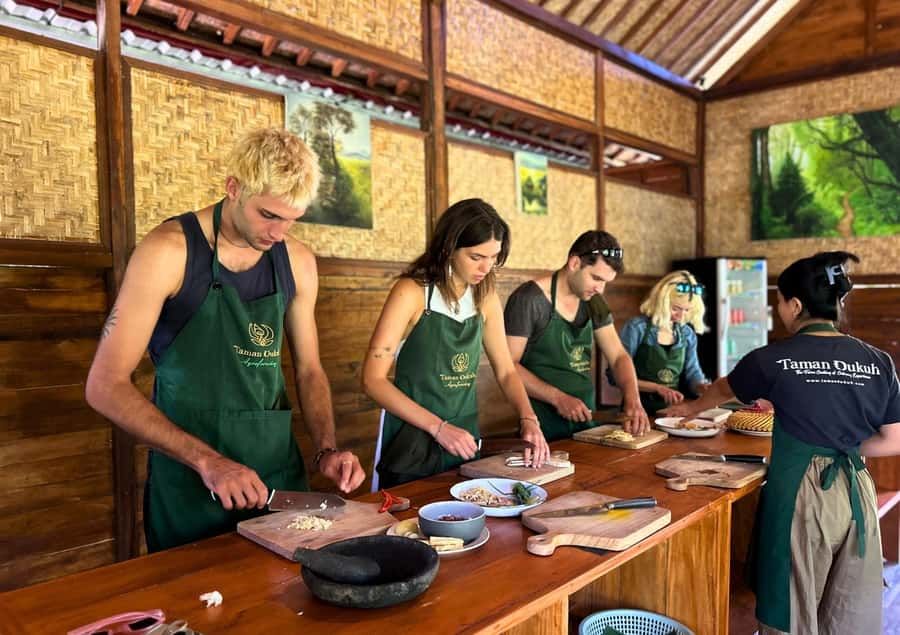
The regular menu gives you a broad tour of Balinese flavors. The class begins with Base Gede, a traditional spice paste that forms the foundation of many dishes. Learning this mixture is valuable because it explains why Balinese food tastes layered rather than simply hot.
You then prepare Sayur Urab, a mixed green salad with coconut and spices. It is a good early dish because you see how fresh vegetables, shredded coconut, and seasoning work together without heavy cooking.
The main dishes include Opor Ayam, a Balinese chicken curry, and sate lilit. Sate lilit is different from the familiar skewer style found in many Indonesian restaurants. The meat is mixed with coconut and spices, then shaped into a traditional kebab.
You also prepare pindang base tomat, fish with tomato sauce, and tempe asam manis, a sweet-and-sour tempe dish. This gives the meal a useful range: curry, grilled-style seasoned meat, fish, fermented soybean, vegetables, and spice paste.
For dessert, you make either pisang goreng or bubur injin. Pisang goreng is banana fritters served with coconut and palm sugar syrup. Bubur injin is black rice pudding. Both are simple, filling endings to an already substantial meal.
The class is hands-on, but you are not left to figure everything out alone. The chef guides the sequence and handles the parts that require more fiddly preparation when needed. That balance works well for beginners, while more experienced cooks still get a clear look at the ingredients and techniques.
The vegetarian menu is a real meal, not an afterthought
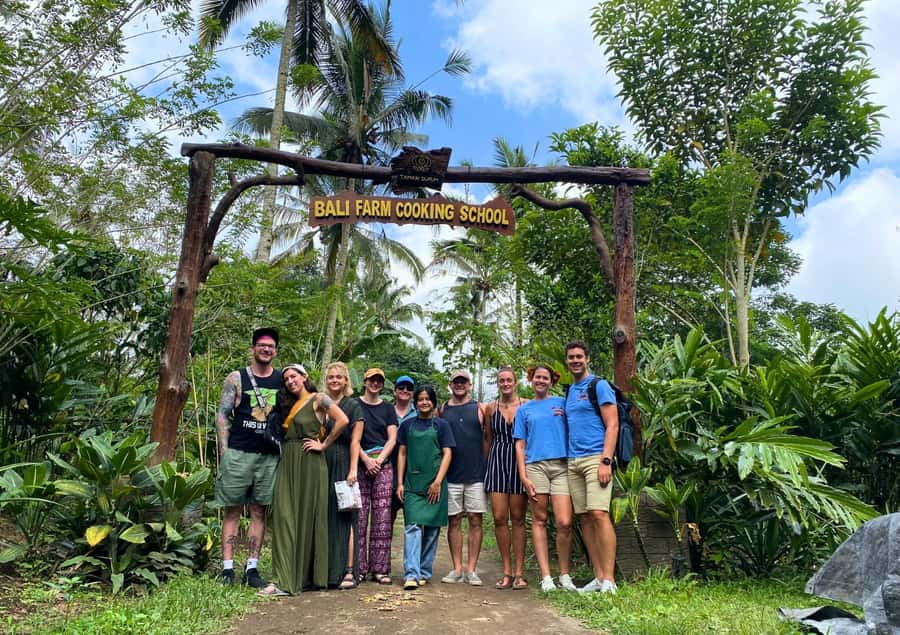
The vegetarian menu follows the same generous format. You start with Base Gede, then make gado gado, blanched vegetables with traditional peanut sauce.
The mains include opor tempe, a Balinese tempe curry, and bergedel, fried corn seasoned with Balinese spices. You also prepare tempe asam manis and vegan sate lilit made with jackfruit and spice paste.
Dessert is again pisang goreng or bubur injin. If you eat vegan, check the exact menu details at booking, but the class offers a dedicated vegetarian route rather than simply removing meat from the regular dishes. One vegetarian participant specifically appreciated that the non-vegan food was cooked separately.
This menu suits anyone who wants to understand the role of tempe, vegetables, peanuts, coconut, and spice paste in Indonesian cooking. It also works well for a mixed group, since some people can take the regular menu while others cook the vegetarian version.
More Cooking Classes in the world:
- From Porto: 2 Wine Regions, Farm-to-Table Lunch & Boat
★ 4.9 · 5,724 reviews - Cooking Class and Lunch at a Tuscan Farmhouse with Local Market Tour from Florence
★ 5.0 · 4,831 reviews - Chiang Mai: Authentic Cooking Class with Market & Farm Visit
★ 4.9 · 4,546 reviews - Hands-On Cooking Class & Farmhouse Tour on the Amalfi Coast
★ 5.0 · 956 reviews
The instructors make the difference
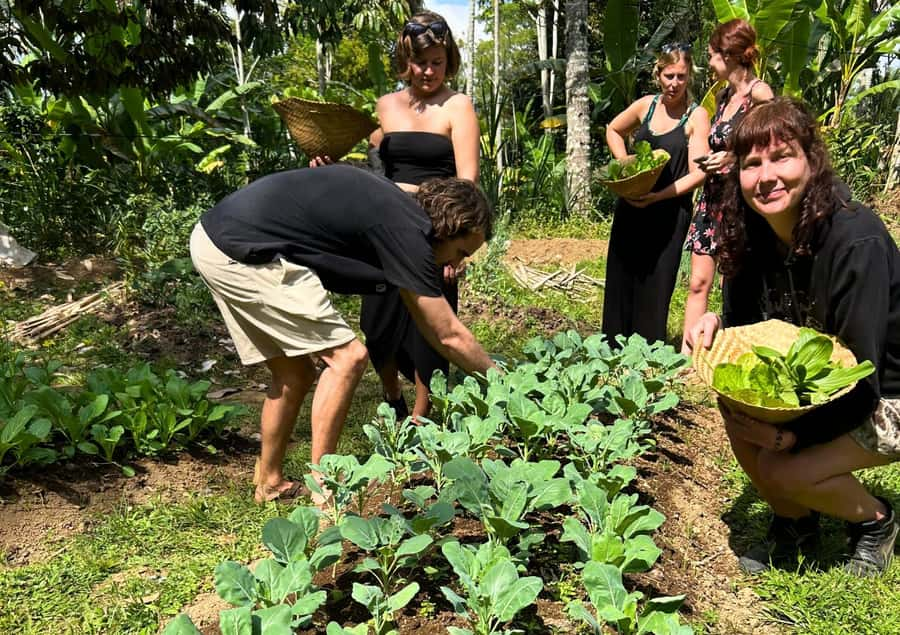
The quality of a cooking class often depends on the person at the stove with you. Here, the teaching team includes guides and chefs such as Buda, Depi, and Wayan, with English and Indonesian available.
Buda is described as funny and clear in his explanations. Depi has led both market tours and cooking sessions, and is noted for patient instruction and fluent English. Wayan has guided visitors through the farm and cooking process. Names and staff can change by date, but the experience depends heavily on this friendly, personal teaching style.
The class is limited to 14 people per group, though there may be two or three groups at the farm in a session. Each cooking station is shared by two people. That last point matters. If you want complete control of every knife, bowl, and pan, sharing may feel limiting. If you are traveling with a partner or friend, it makes the work social and keeps the class moving.
You can expect a group setting rather than a private chef lesson. The upside is the relaxed atmosphere and chance to cook alongside people from different countries. The tradeoff is that you may not have individual attention every second.
Eating the food you prepared
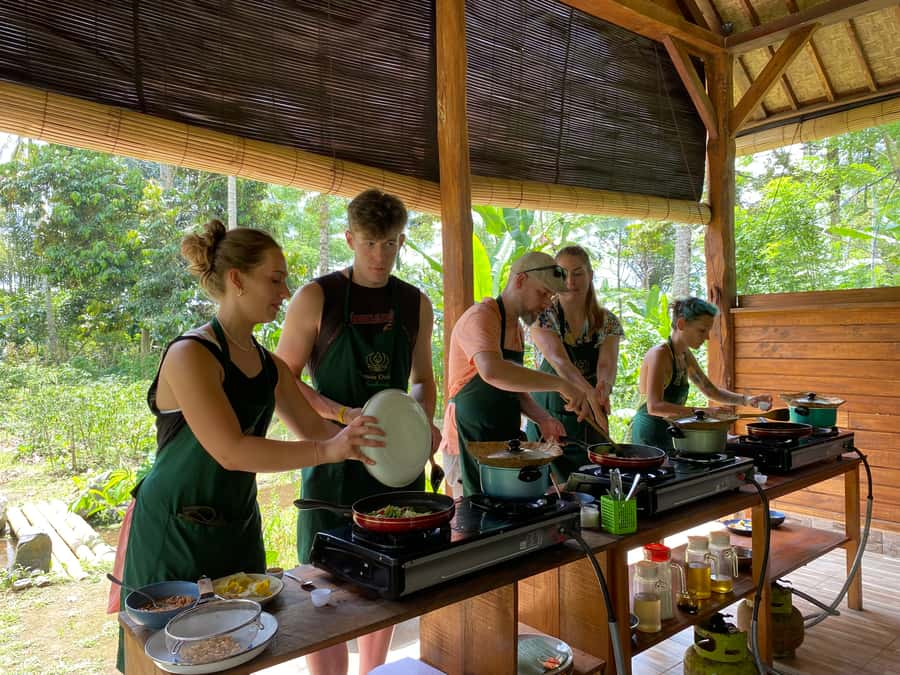
The meal is included, and you eat what you cook. Depending on the flow of the class, dishes may be served as they are finished rather than held until every course is complete. That helps you avoid one enormous pile of food at the end and lets you taste each dish while its preparation is still fresh in your mind.
The portions are substantial. Plan for a very full meal, especially if you try every course and sample the breakfast as well. Soft drinks and beer are not included but can be purchased.
This is also where the class proves its value. At $32 per person, you are not only paying for a meal. You receive transport from the Ubud meeting point, a market tour on the morning schedule, farm access, ingredient harvesting, instruction, drinks such as coffee or tea and mineral water, the food, and a recipe book.
The recipe book includes the dishes from the class, and a downloadable PDF with the latest recipes is also provided. That makes the experience more useful after Bali. You can shop for ingredients at home and try to rebuild the Base Gede, curry, tempe dishes, and dessert in your own kitchen.
How long the day feels
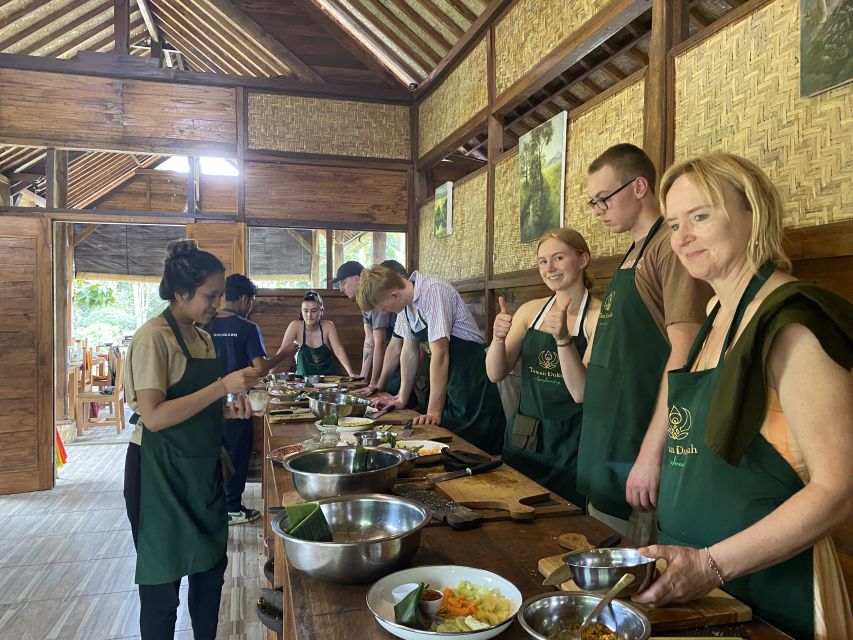
The advertised duration ranges from 330 minutes to eight hours, depending on the option and timing. A morning class takes longer because it adds the market stop and transport. The class itself includes breakfast, the farm tour, harvesting, cooking, and eating, so it is not a quick demonstration.
I would treat this as a major half-day or full-day plan, not a small activity to squeeze between two other tours. The drive from Ubud can also be affected by traffic. Pick-up and drop-off arrangements are included from the designated Ubud meeting point, but confirm the exact location for your booking.
The long format is part of the appeal. You get time to walk, ask questions, cook, and eat without rushing. It is less suitable if you want a fast lesson or have a tight schedule.
Who will get the most from this class
I would recommend it most strongly to first-time visitors who want something beyond temples, shopping, and pool time. The market and farm give you a more grounded view of Balinese food culture, and the recipes offer something practical to take home.
It is also a good family activity. Children who enjoy gardens, tasting fruit, and helping with simple kitchen tasks should find plenty to do, though adults should consider the long duration and open-air setting.
Couples and friends will enjoy sharing a cooking station. Solo participants can also fit into the small-group format, especially if they like meeting people while working on a meal.
Vegetarians have a clear menu choice, and the class suits cooks at different levels. Beginners receive step-by-step direction. More confident home cooks can pay attention to the spice paste, coconut combinations, and local methods.
I would hesitate only if you dislike group activities, need wheelchair access, have mobility concerns on garden paths, or cannot spare much of a day. The experience is active, with walking, standing, food preparation, and travel.
Small details that make the day better
Book the morning option if the market matters to you. It adds a distinctive part of the day and lets you see local buying and selling before the farm visit.
Wear clothes and shoes you can use outdoors and in a kitchen. The garden may be wet, and the class can involve standing for some time. If rain arrives, umbrellas may be supplied, but it is still wise to dress for changing weather.
Tell the operator about your preferred menu when booking. The regular and vegetarian classes use different dishes, and cooking stations are shared by two people.
Do not plan a tight activity after the class. The drive back to Ubud may take longer in traffic, and the meal itself is not something you will want to rush through.
Some sessions include photos or a short video of the day, but this should not be treated as a guaranteed feature. The recipe book and downloadable recipes are the reliable take-home materials.
Should you book the Bali Farm Cooking School experience?
Yes, if you want an active food experience with genuine time spent outside the kitchen. The strongest features are the morning market, the farm harvest, the six-dish menu, and the practical recipe book. At $32, the package offers a lot for the price.
Choose it with realistic expectations. This is not a private class, the station is shared, the farm may be a long drive from central Ubud, and the full outing can last up to eight hours. But if you have the time, this is one of the better ways to connect Balinese ingredients with the food on your plate.
FAQ
How much does the cooking class cost?
The price is $32 per person.
How long does the experience last?
The duration ranges from 330 minutes to eight hours, depending on the option and starting time.
Is transport included?
Yes. Shuttle transport from a Ubud meeting point is included. The exact meeting point may vary by the option booked.
Does every class include a local market tour?
No. The local market tour is included with the morning class only.
What food can I cook?
The regular menu includes Base Gede, Sayur Urab, Opor Ayam, sate lilit, fish with tomato sauce, sweet-and-sour tempe, and a choice of banana fritters or black rice pudding. The vegetarian menu includes gado gado, tempe curry, fried corn, vegan sate lilit, sweet-and-sour tempe, and the same dessert choices.
Is a vegetarian menu available?
Yes. You can choose a vegetarian menu with tempe, vegetables, jackfruit, peanut sauce, and other plant-based dishes.
How many people are in each group?
The maximum group size is 14 people. There may be two or three groups at the farm during a session, and each cooking station is shared by two people.
What is included besides the cooking lesson?
The experience includes the farm tour, harvesting ingredients, the morning market tour when applicable, coffee or tea, mineral water, the meal you prepare, transport from the Ubud meeting point, and a recipe book with access to a downloadable PDF of the latest recipes.
Newly listed farm visits around the world
- Half-Day Farm Visit and Cow Milking Experience★ 5.0 · 16 reviews
- Boutique tour , Mt Maunganui, NZ farm, Rotorua lakes/geothermal★ 4.5 · 50 reviews
- Gourmet Mushroom Farm Tour in Tennessee★ 5.0 · 5 reviews
- Cozy Farm Experience with Wagon Wheels and Acoustic Meal★ 5.0 · 2 reviews
- Animal farm park with free hotel pickup★ 5.0 · 2 reviews
- Alpaca Farm Tours with Toffeemont★ 5.0 · 8 reviews
- Private, via beaches, Kiwi farm to Rotorua 8 lakes & Geothermal★ 5.0 · 20 reviews
- 1D Tour to Cingjing Farm from Taichung★ 4.5 · 3 reviews
Cooking Classes, compared.
Half-Day Thai Cooking Class at Organic Farm in Chiang Mai
Read our review →
Cooking Class and Lunch at a Tuscan Farmhouse with Local Market Tour from Florence
Read our review →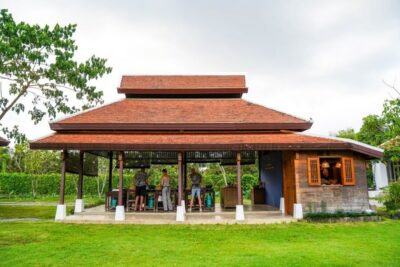
Authentic Cooking Class with Market & Farm Visit
Read our review →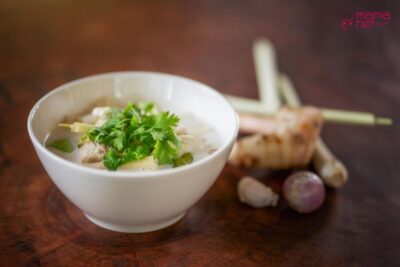

Hands-On Cooking Class & Farmhouse Tour on the Amalfi Coast
Read our review →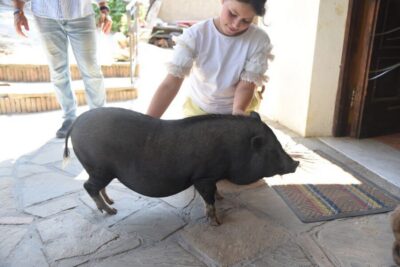

Thai Cooking Class | Since 2012 | Farm to Table
Read our review →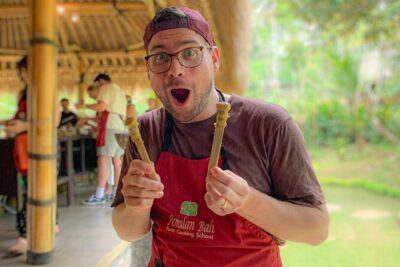
Browse the lists this tour appears in