
Review · NEW ZEALAND
Wool Sheep Farm Experience with Handmade Wool Hat in New Zealand
The best part of this one-hour farm visit is the complete wool story. You do not just look at sheep in a paddock. You meet the animals, learn how their fleece is handled, see it dyed and spun, and finish by choosing a handmade wool hat made from the farm’s own sheep wool. Angie leads the visit and adds the personal touch of a working farm owner.
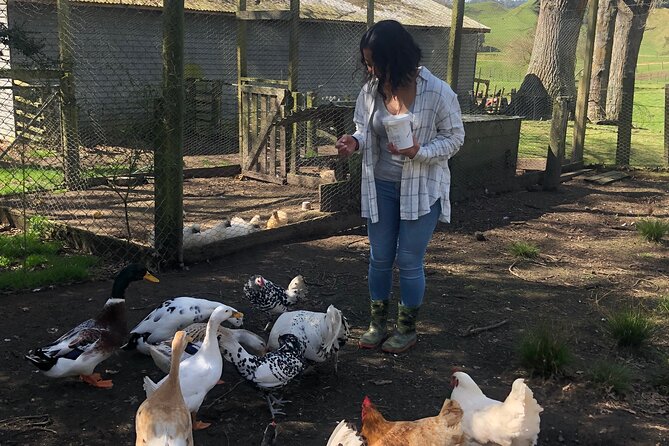
I like two things here: the chance to feed several kinds of animals, not only sheep, and the clear link between farming and New Zealand history. You can hand-feed chickens, ducks, Corriedale sheep, horses, and Scottish Highland cows, then try wool spinning yourself.
The main consideration is the short one-hour format. You get a friendly introduction rather than a long farm day, and the activity depends on good weather and minimum numbers. The farm is also at 291 Parsons Road near Ātiamuri, so you will need to make your own way there.
Key points at a glance
- Feed a whole farmyard: Meet Corriedale sheep, chickens, ducks, horses, Scottish Highland cows, and the farm dog Joey.
- Follow wool from fleece to hat: See how wool is processed, naturally dyed, hand-spun, and knitted.
- Choose your own souvenir: Select a handmade woolly hat made from wool from the farm’s sheep.
- Learn from Angie: The owner explains animal care, farm life, and the part sheep farming has played in New Zealand.
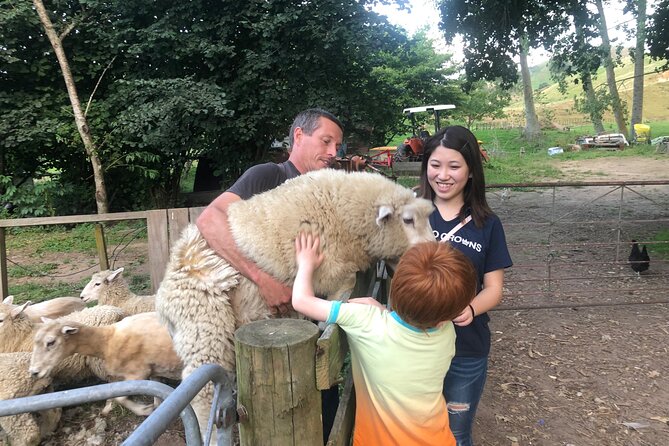
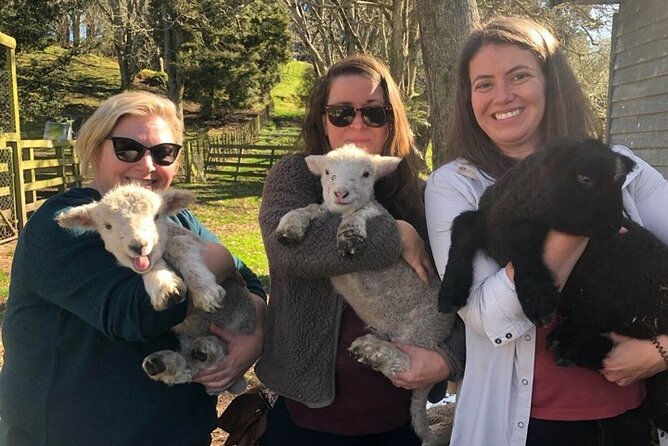
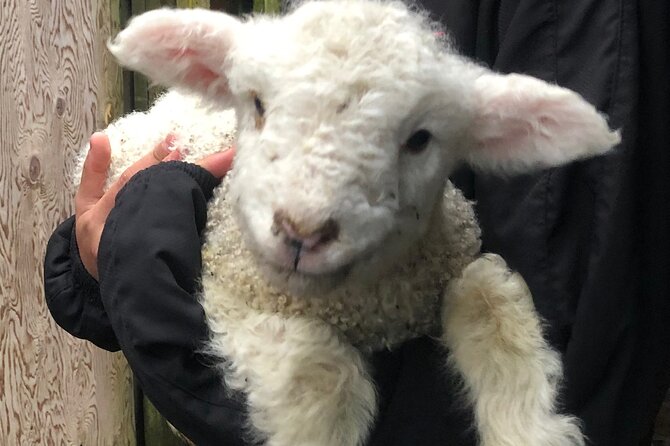
- Good for families: Children have enjoyed holding baby sheep and bottle-feeding lambs when available.
- Easy one-hour visit: The tour begins and ends at 291 Parsons Road, with a maximum group size of 20.
Meeting Angie at the Ātiamuri farm
This experience begins at 291 Parsons Road, Ātiamuri 3077, in New Zealand’s North Island. It is a farm visit, not a town walking tour, so you should plan around the meeting point and allow enough time to arrive without rushing.
Angie is both your host and the person who cares for the animals. That matters here. Instead of hearing a broad presentation about agriculture, you get the story of one farm, its animals, and the work involved in turning raw wool into something useful.
The group can include up to 20 people. That is small enough for a personal feel, though it is not a private visit. You can ask questions about animal care, wool, and daily farm life as you move around the property.
The activity uses a mobile ticket, and confirmation is provided when you book. The visit returns to the same meeting point, which keeps the logistics simple.
More Sheep Farm Tours in New Zealand:
- Sheep Farm Day Trip from Christchurch + Lunch and Winery visit.
★ 5.0 · 51 reviews - From Christchurch: Sheep Farm Experience with Lunch & Winery
★ 4.9 · 24 reviews - Lyttelton Cruise Excursions: Christchurch Sightseeing with Sheep Farm
★ 3.5 · 20 reviews
Hand-feeding sheep, chickens, and Highland cows
The animal portion is active rather than simply observational. You can hand-feed chickens, ducks, Corriedale wool sheep, horses, and Scottish Highland cows. The variety gives the visit a broader farm feel than a sheep-only stop.
Corriedale sheep are especially important to the wool demonstration. You are seeing the animals that provide the raw material later in the visit, which makes the move from feeding sheep to learning about fleece feel natural.
The chickens and ducks add movement and variety, while the horses and Highland cows give you more chances to ask about the different animals living on the property. Joey the dog may also be part of the welcome. The animal encounters are one reason this works well for families, particularly children who want to do something rather than stand and listen.
You should still treat the farm animals with care and follow Angie’s instructions. Hand-feeding is a memorable part of the visit, but the animals are not props. The value comes from seeing how a small farm manages its animals and environment.
On some visits, children have been able to hold baby sheep and bottle-feed them. That sounds like a major highlight, but I would treat it as a possible part of the farm experience rather than a guaranteed feature for every date. The supplied details specifically promise animal feeding and personal interaction, not a fixed lamb-feeding schedule.
Seeing wool change from fleece to yarn
The most distinctive part of the visit comes after the animal introductions. Angie demonstrates what happens to wool after shearing, including organic processing, hand dyeing, hand spinning, and knitting.
This is useful because many wool products appear in shops without any explanation of the work behind them. Here, you see the steps in order. The fleece begins as a farm product, then becomes a prepared fiber, colored wool, yarn, and finally clothing.
You also have the chance to try wool spinning. It is a small hands-on task, but it helps you understand how much care goes into producing even a simple ball of yarn. Spinning by hand is not just a quick craft activity. It connects you with an older method of textile production and with the practical skills that once shaped rural households.
The demonstration also explains how New Zealand wool helped shape the country. Sheep farming has played a major role in New Zealand’s economy and identity, and this visit puts that national story into a personal setting. You are not getting a long museum lecture. You are learning through the material itself, while standing near the animals that produced it.
I like this balance. The experience gives you history, but it does not lose the farm setting. You see the living animals, the raw fleece, and the finished object in one compact visit.
Choosing a naturally dyed wool hat
At the end, you choose a specially handmade woolly hat to take home. The hat is made from the farm’s sheep wool and is described as hand-dyed, hand-spun, and knitted.
This is the part that changes the value calculation. At $31.03 per person, you are not paying only for a one-hour animal visit. The price includes the hosted farm experience, the wool demonstration, the chance to try spinning, and a wearable souvenir.
I would not compare it with a basic petting-farm admission. The hat gives the visit a lasting connection to the place. You can remember the farm not just through photographs, but through something made from its own wool.
The exact hat selection is not described, so do not expect a specified color, size, or style. You choose your own hat from what is available. The appeal is the handmade quality and the direct connection to the farm, not a guaranteed retail-style range.
Wool is also practical in New Zealand’s changeable weather. The hat is a useful keepsake rather than a decorative trinket that sits in a drawer. If you already own plenty of wool hats, the value may feel less striking, but you are still receiving the wider experience and the story behind the material.
More farm tours around New Zealand:
- Queenstown: Queenstown Lake Cruise and Walter Peak Farm Tour
★ 4.8 · 950 reviews - Dinner at Walter Peak High Country Farm and Cruise from Queenstown
★ 4.5 · 576 reviews - Queenstown Lake Cruise and Walter Peak Farm Adventure
★ 4.5 · 439 reviews - Rotorua: Authentic Kiwi Farm Experience at the Agrodome
★ 4.8 · 270 reviews
Why this short tour can be worth $31.03
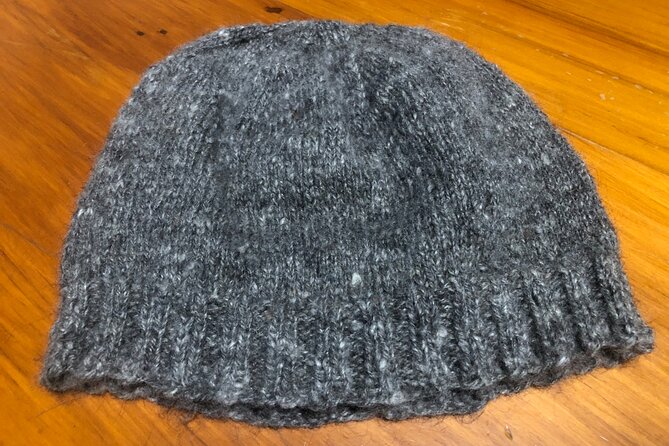
One hour is brief, but the visit packs several different activities into that time. You meet animals, ask questions, hear about farming, watch wool processing, try spinning, and select a hat.
The cost makes the most sense for someone who values contact with a real working farm and wants a locally connected souvenir. It is also a practical choice if you have a busy North Island itinerary and cannot spare half a day for a larger farm program.
The price may feel less attractive if you want a long country walk, a full shearing demonstration, or several hours of independent time on the property. Those features are not promised. This is a focused introduction.
I especially like that the activity is not built around a staged show. Angie explains how she farms and cares for the animals and environment, then shows how wool is prepared. That personal scale can make the experience more memorable than a large commercial attraction, even though it also means the program may depend on the farm’s conditions on the day.
A good choice for families and curious first-time visitors
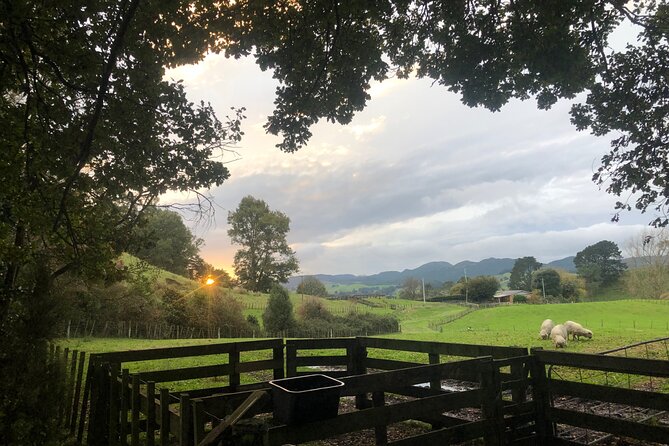
Families should find plenty to hold their attention. Feeding animals gives children a direct role, and the wool work adds a craft element. The possibility of holding and bottle-feeding baby sheep can be especially appealing when lambs are available.
The visit also suits adults who want a clearer understanding of New Zealand’s sheep industry. You do not need prior knowledge of wool or farming. Angie’s story and demonstration provide the context as you go.
It is a good fit if you like:
- Small-scale farm experiences
- Hands-on animal encounters
- Local stories connected to everyday work
- Handmade goods with a clear origin
- Short activities that fit into a driving itinerary
- Family outings with both animals and learning
It may not suit you if you want a completely weatherproof attraction, a long formal tour, or a guaranteed schedule of baby-lamb activities. The experience requires good weather, and the exact animal interaction may vary with farm conditions.
Service animals are allowed, and most people can participate. The supplied information does not describe specific walking distances, ground surfaces, or hat sizes, so you should ask Angie directly if you have mobility concerns or need a particular accommodation.
Weather, timing, and the practical details
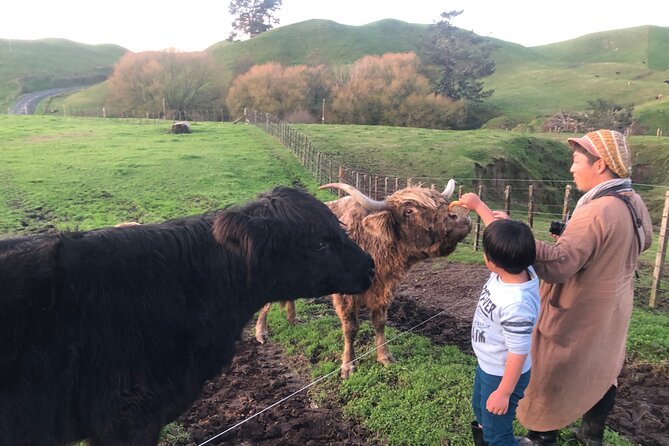
The tour lasts about one hour and begins and ends at the farm meeting point. Because the experience takes place outdoors and involves animals, good weather is required. If poor weather causes cancellation, you can choose another date or receive a full refund.
The activity also requires a minimum number of participants. If that minimum is not reached, you will be offered another date or experience, or receive a full refund. These conditions are worth noting if you are building a tightly timed travel day around the visit.
You can cancel for a full refund up to 24 hours before the start time. Cancellations or changes made less than 24 hours before the activity are not refunded or accepted. Cut-off times follow local time in New Zealand.
Since the tour is booked, on average, 49 days ahead, advance planning is sensible if you have fixed dates. That booking pattern also suggests that you should not assume a last-minute place will be available, particularly if you are visiting during a busy travel period.
How the visit compares with a typical animal attraction
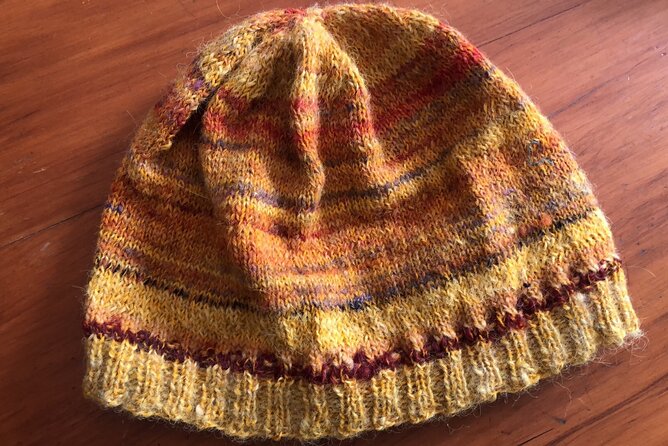
A standard animal attraction often gives you a set viewing route and a fixed presentation. This farm experience is more personal. You meet the owner, ask questions about how the animals are cared for, and see a product made from the farm’s own wool.
The trade-off is predictability. A large attraction can offer clear facilities and a set timetable. A working farm may feel more informal, and the weather or animal behavior can shape the visit.
That informal quality is part of the appeal. You are not only watching a performance. You are seeing how farm life, animal care, and textile work connect. The tour also gives you a useful reminder that New Zealand wool is not just a souvenir label. It begins with animals, land, labor, and practical skills.
I would also keep expectations sensible about the one-hour duration. You will get an introduction to the farm and wool process, not an exhaustive account of every part of sheep farming. For many people, the compact format is a strength. You can enjoy the experience without giving up most of your day.
Who should book this farm experience?
I would recommend it to families, craft-minded visitors, and anyone who wants a personal New Zealand activity beyond scenic viewpoints. The combination of animals and wool gives children something physical to do, while adults can focus on the farming story and handmade process.
It is also a smart choice if you want a souvenir with a clear local connection. Choosing a hat made from the farm’s sheep wool feels more meaningful than buying a generic item at an airport shop.
You should think twice if bad weather is likely, if you need a highly structured attraction, or if you are looking for a long farm tour. The price is fair when you value the hat and hands-on elements together, but less compelling if you only want a quick look at sheep.
Should you book it?
Book this if you want a friendly, small-scale farm visit where the animals and the wool product are part of the same story. The strongest features are the range of animals, Angie’s personal explanation, the chance to try spinning, and the handmade hat you take home.
I would plan it as a one-hour stop near Ātiamuri, not as a full-day farm adventure. Arrive ready for outdoor conditions, keep your schedule flexible, and ask ahead if a particular animal encounter or hat size matters to you. For families and visitors curious about New Zealand wool, it offers a lot of connection in a short time.
FAQ
Where does the wool sheep farm experience take place?
The experience starts and ends at 291 Parsons Road, Ātiamuri 3077, New Zealand, on New Zealand’s North Island.
How long does the experience last?
The activity lasts approximately one hour.
What animals can I meet?
You can hand-feed chickens, ducks, Corriedale wool sheep, horses, and Scottish Highland cows. Joey the dog may also be part of the farm experience.
Can children participate?
Most people can participate, and the activity is suitable for families. Children have been able to hold baby sheep and bottle-feed them on some visits, but this is not stated as a guaranteed part of every tour.
Will I learn how wool is made into clothing?
Yes. Angie demonstrates how wool is processed after shearing, including organic processing, hand dyeing, hand spinning, and knitting.
Can I try spinning wool?
Yes. The experience includes an opportunity to try wool spinning.
Do I receive a wool hat?
Yes. You can choose a handmade woolly hat made from wool from the farm’s sheep. The hat is hand-dyed, hand-spun, and knitted.
How much does the experience cost?
The listed price is $31.03 per person.
What happens if the weather is poor or the minimum group size is not reached?
If poor weather or an insufficient number of participants causes cancellation, you can choose another date or experience, or receive a full refund. You can also cancel up to 24 hours before the start time for a full refund.
Newly listed farm visits around New Zealand
- Boutique tour , Mt Maunganui, NZ farm, Rotorua lakes/geothermal★ 4.5 · 50 reviews
- Private, via beaches, Kiwi farm to Rotorua 8 lakes & Geothermal★ 5.0 · 20 reviews
- Queenstown Lake Cruise to Walter Peak Farm with BBQ Buffet★ 4.5 · 25 reviews
- Queenstown: Walter Peak Farm Tour and Lake Cruise★ 5.0 · 5 reviews
- Bullswool Heritage Farm General Entry Ticket★ 5.0 · 6 reviews
- Mt. Hay Farm Experience Genuine Country Farming(Carbon Positive)★ 4.0 · 2 reviews
- Christchurch Sheep Farm Visit★ 4.0 · 10 reviews
- Lyttelton Cruise Excursions: Christchurch Sightseeing with Sheep Farm★ 3.5 · 20 reviews
Sheep Farm Tours, compared.
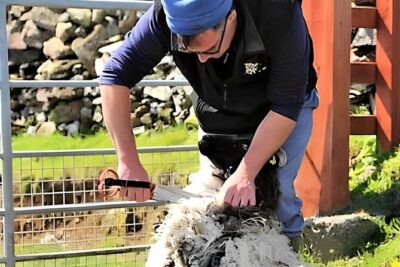
Visit traditional working sheep farm with sheepdog demo. Galway.
Read our review →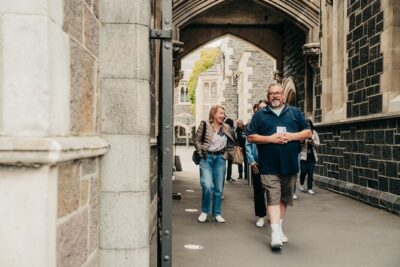
Sheep Farm Day Trip from Christchurch + Lunch and Winery visit.
Read our review →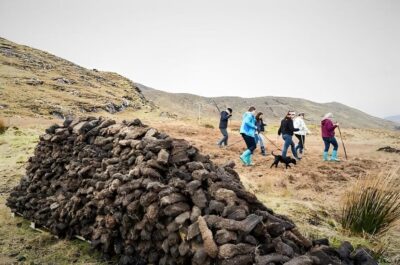
Sheepdog herding demo on working sheep farm. Galway. Guided.
Read our review →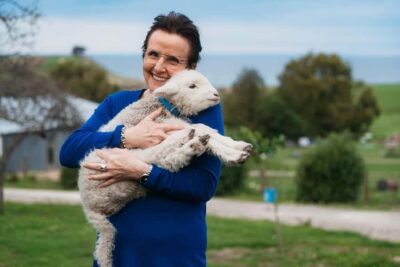
From Christchurch: Sheep Farm Experience with Lunch & Winery
Read our review →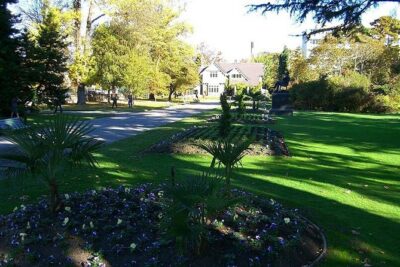
Lyttelton Cruise Excursions: Christchurch Sightseeing with Sheep Farm
Read our review →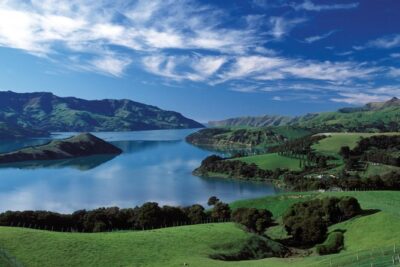
Akaroa Shore Excursion: Akaroa Harbour and Sheep Farm Local Tour
Read our review →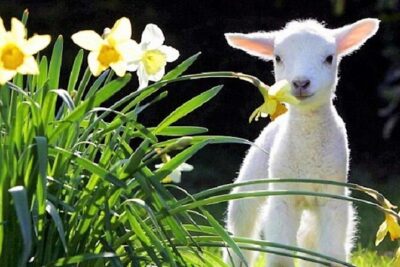
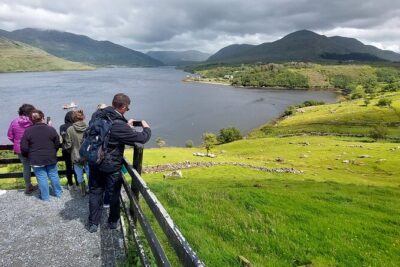
Connemara Sheep Farm experience & Kylemore Abbey by Lux Limousine
Read our review →Browse the lists this tour appears in