
Review · AROUND THE WORLD
Bavarian Schnitzel Cooking Class in Oberaudorf Farmhouse
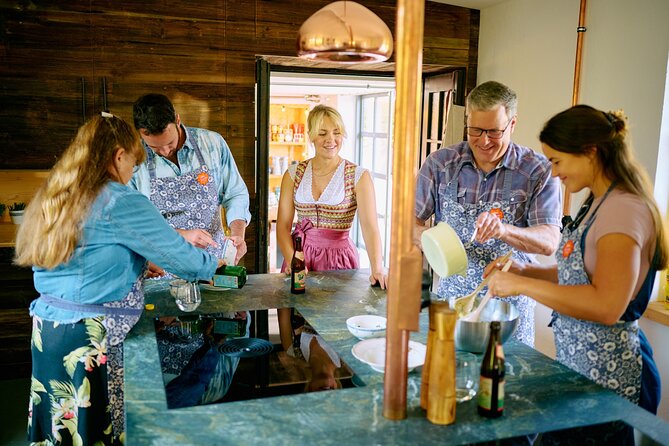
The best part of this experience is that you do not simply watch someone cook Bavarian food. You swing a schnitzel hammer, prepare the salads, fry each cutlet, and finish the meal with kaiserschmarrn in a 150-year-old farmhouse near the Bavarian Alps. Anna, Tyler, and Cole create the feel of a friendly family kitchen, not a formal cooking school.
I like two things right away: the class gives you recipes you can actually make at home, and the train ride from Munich turns this into a pleasant day outside the city. The views, the village setting, and Anna’s stories about recipes learned from her Oma add real local character. The main consideration is price: at $252.05 per person, this is a costly four-hour activity, and station transfers may cost extra.
Key points to know before booking
- You cook the complete meal: Make Bavarian salads, veal schnitzel, and fluffy kaiserschmarrn rather than watching a demonstration.
- The farmhouse setting matters: The class takes place in a renovated kitchen inside a 150-year-old home with modern equipment and old-world character.
- Anna is the central host: She teaches family recipes, explains the background of the dishes, and guides beginners through each step.
- Oberaudorf makes a good side trip from Munich: Trains run hourly, and the journey takes about an hour without a train change.
- The group stays small: A maximum of 10 people keeps the hands-on work manageable.
- Plan for extra time afterward: You can walk through Oberaudorf, and nearby activities mentioned by the hosts include a short hike and summer toboggan ride.
A farmhouse kitchen instead of a cooking-school classroom
Adventure Bavaria’s Werkstatt Kitchen occupies a local farmhouse that is about 150 years old. The kitchen has been renovated with modern amenities, but the setting still feels like a lived-in Bavarian home. That combination is important. You get proper work surfaces and equipment without losing the sense of place.
The class begins at about 10 a.m. at Adventure Bavaria, with the meeting point listed as Oberaudorf train station. If you arrive by train, the team meets you on the platform. Look for people in lederhosen and dirndl, then expect roughly a five-minute drive to the kitchen.
You begin with a cappuccino and Bavarian appetizers. This gives you time to settle in, meet the other people at the table, and get a feel for the kitchen before the work starts. The group limit of 10 is a practical advantage. You are less likely to spend the entire class standing behind someone else, waiting for a turn.
The atmosphere sounds relaxed and social. Anna is the main teacher, while Tyler and Cole help host and keep the day moving. This is a good match for families and mixed-age groups. One family with three generations found that the hosts kept everyone involved, including adolescent boys who might not normally choose a cooking lesson.
More Cooking Classes in the world:
- Half-Day Thai Cooking Class at Organic Farm in Chiang Mai
★ 5.0 · 19,087 reviews - From Porto: 2 Wine Regions, Farm-to-Table Lunch & Boat
★ 4.9 · 5,724 reviews - Cooking Class and Lunch at a Tuscan Farmhouse with Local Market Tour from Florence
★ 5.0 · 4,831 reviews
Starting with pretzels, Obazda, and Bavarian spreads
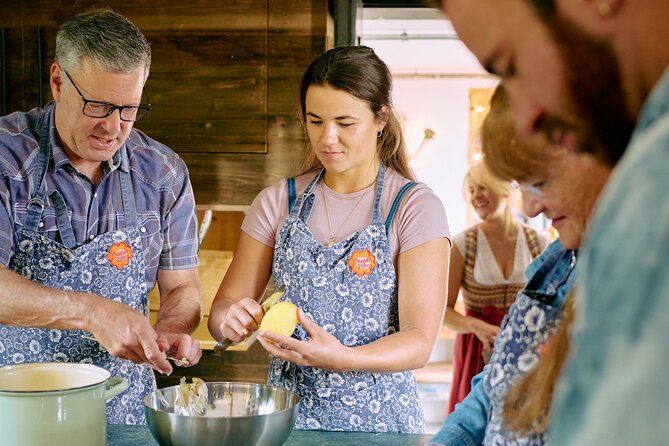
The first food on the table is a classic Bavarian welcome: fresh pretzels with several spreads. You get Obazda, a paprika-flavored cheese spread, along with blue cheese and black pepper, and herb butter.
Obazda is worth paying attention to. It is a familiar Bavarian beer-garden food, and tasting it gives you a quick introduction to the region’s preference for hearty, salty snacks. The starter is not just something to eat while instructions are given. It sets the tone for a meal built around simple ingredients, strong flavors, and food meant to be shared.
You also get a cappuccino at the start, with beer, soft drinks, and other drinks available as the cooking continues. Some sessions finish with schnapps. Alcohol is part of the social feel, but you can still take part if you prefer not to drink. The supplied information specifically notes a cappuccino, beer, soft drinks, coffee, and a selection of schnapps, so you know the day includes more than the main meal.
Making the salads before the schnitzel
The first hands-on work involves the side dishes. You help prepare a Bavarian potato salad, a radish salad, and a fresh green salad.
Potato salad may sound basic, but it is one of the useful parts of the class. The method is easier to repeat at home than a restaurant-style dish, and it gives you a practical side dish for future schnitzel dinners. The radish salad brings a crisp contrast to the fried main course.
This order also makes sense in the kitchen. The salads can be prepared before the schnitzel, giving their flavors time to settle while you work on the main dish. You are not rushing through every recipe at once. Each part of the meal has a place in the sequence.
Anna explains how to prepare the ingredients and where to find them. The class is therefore useful for more than learning a single recipe. You get a sense of the ingredients used in Bavarian home cooking and the way the dishes fit together as a meal.
Vegetarian adjustments are possible. A family group said the hosts handled a vegetarian request with ease, but you should give the team notice when booking so they can plan properly. The information supplied does not specify a full vegetarian menu, so ask exactly what replacement will be provided.
The schnitzel hammer is the star of the class
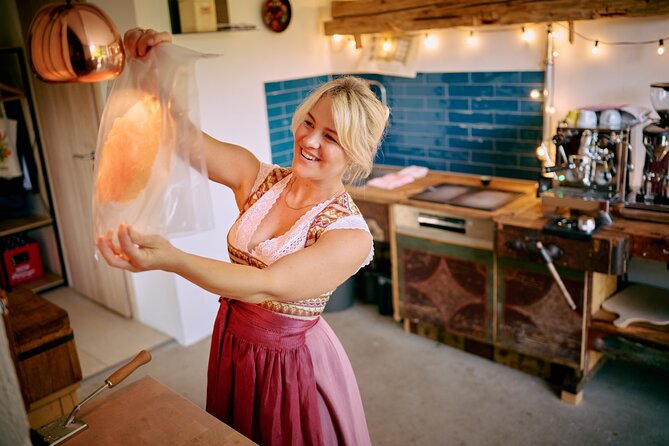
Then comes the part most people will remember: preparing the Wiener Schnitzel. The hosts provide custom Adventure Bavaria schnitzel hammers, and you use one to pound each cutlet thin.
This is more useful than it sounds. The thickness of the meat affects the cooking time, texture, and shape of the finished schnitzel. By doing this step yourself, you see how thin the cutlet should be rather than relying on a vague instruction to flatten it a little.
The cutlets are breaded and fried one at a time. You learn to watch for the signs of a good schnitzel: a crisp coating, a golden color, and a slightly puffed surface. The meal includes veal schnitzel served with lemon and lingonberry jam, along with the potato, radish, and green salads.
There is a small practical point here. Frying each piece individually means this is a hands-on activity, but it also means the class moves at a measured pace. You should not expect a quick demonstration followed by an immediate meal. The cooking itself is the point.
If you have never cooked before, this should still be approachable. The class is directed step by step, and even people with no cooking experience can take part. If you cook often, you may already know the broad method, but the thinness of the cutlet, the frying technique, and the family recipe details can still make the session worthwhile.
More farm tours around the world:
- Florence Pizza or Pasta Class with Gelato Making at a Tuscan Farm
★ 5.0 · 6,801 reviews - Chiang Mai: Authentic Cooking Class with Market & Farm Visit
★ 4.9 · 4,546 reviews - Tromsø: Reindeer Camp and Sami Cultural Tour with Lunch
★ 4.7 · 3,326 reviews - Maui Pineapple Farm Tour in Haliimaile
★ 5.0 · 2,855 reviews
Sitting down to eat what you prepared
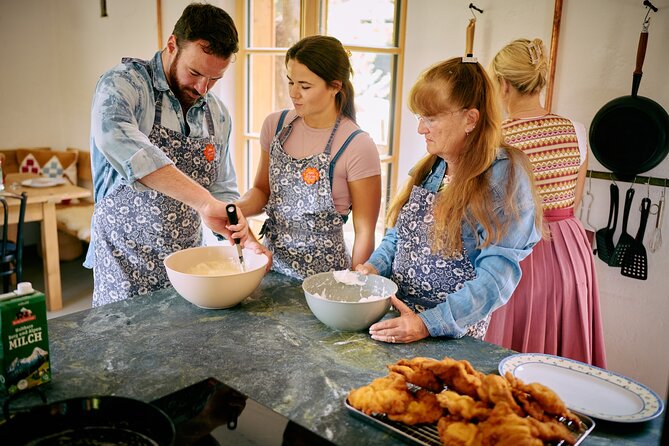
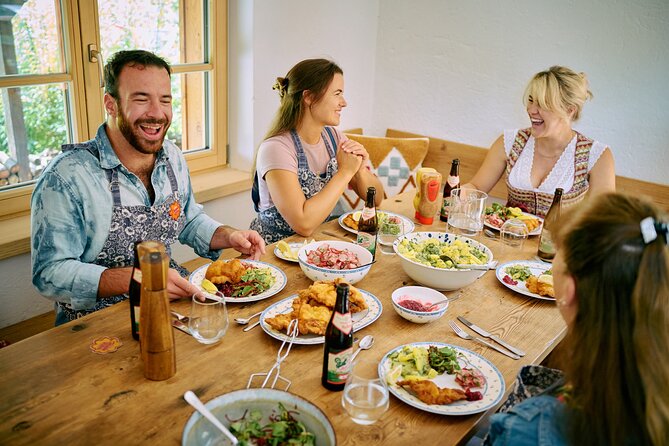
Once the final schnitzel is ready, the group sits down to eat while the food is fresh. This is where the class becomes more than a lesson. You have worked through the meal together, so the lunch feels earned.
The meal is substantial. Veal schnitzel, fried breading, potato salad, radish salad, green salad, lemon, and lingonberry jam make this a proper lunch rather than a light tasting. If you prefer a small meal or do not eat veal, confirm your options before booking.
The hosts’ style is one of the strongest parts of the experience. Anna teaches while also sharing stories about Bavarian food and recipes from her grandmother. The tone is personal and informal. Several groups described feeling as if they were helping prepare food in a friend’s home.
That warmth can be a real benefit if you want contact with local life. It can also be a consideration if you prefer a tightly scripted professional demonstration. The class appears designed around conversation and participation, not a polished stage performance with every minute fixed.
Finishing with kaiserschmarrn and schnapps
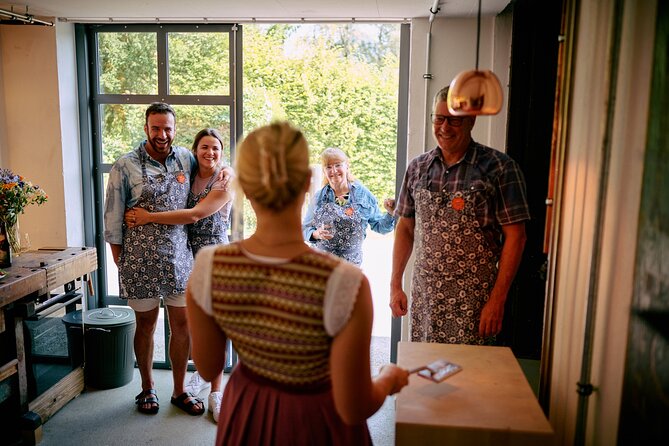
Dessert is kaiserschmarrn, a fluffy alpine pancake that is cooked, flipped, and torn into pieces. You prepare the batter while the schnitzel is frying, then let it rest until the main course is finished.
After lunch, you return to the kitchen to complete the dessert. The batter is flipped and ripped into uneven pieces, then served as the sweet finish. This method is part of the charm. Kaiserschmarrn is not meant to look like a neat restaurant pancake. Its rough shape is built into the dish.
The class ends with coffee and possibly schnapps. That final pause gives you time to ask last questions, compare notes, and collect the recipes. The recipe cards may be the most lasting part of the day. They let you repeat the meal at home and share something more specific than photographs.
Taking the train from Munich to Oberaudorf
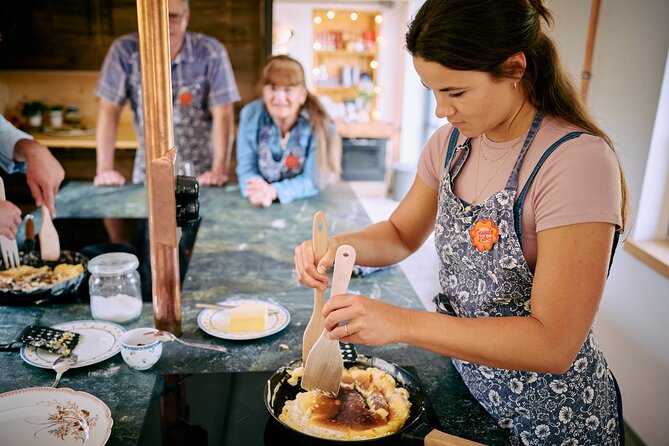
For a day trip from Munich, Oberaudorf is reasonably straightforward. Trains run hourly, and the journey takes about an hour. A major advantage is that the trip can be made without changing trains, which makes it less intimidating if you are not used to German rail travel.
The hosts meet you at Oberaudorf station and drive you about five minutes to the farmhouse. Pickup and drop-off from the station are offered, but the stated tour details indicate that this transfer may involve an additional charge. Clarify the exact cost when booking.
One useful rail tip is to sit in the front two coaches when leaving Munich. The train may split during the trip, and being in the wrong section can create confusion. Check the departure display and listen for onboard announcements as well.
You can also arrange a private transfer from Munich for an added cost. That may suit a group with children, heavy luggage, or little interest in train travel, but it changes the value calculation. The train is part of the easy day-trip appeal, while a private car adds convenience at a higher price.
After the class, consider walking back through Oberaudorf rather than taking the short drive to the station. The village is described as worth seeing, and this gives you a little breathing room after a large meal. You can also ask about a short hike or a nearby summer toboggan ride. These additions are not part of the four-hour class, so allow extra time and check availability separately.
What the $252.05 price really buys you
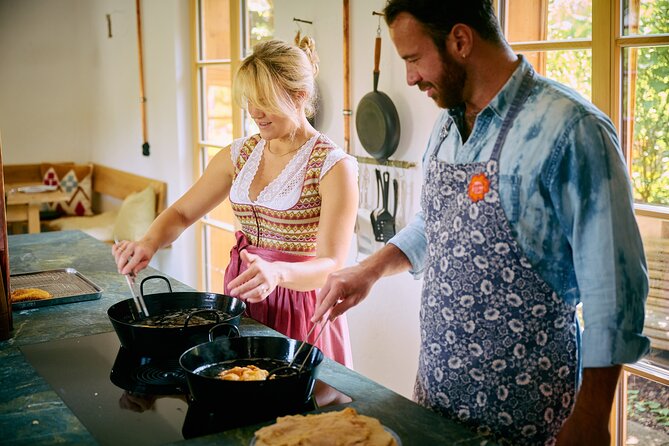
At $252.05 per person, this is not a budget cooking lesson. You are paying for a small-group experience, several hours of instruction, a full meal, drinks, a private-home setting, and the hosts’ time. The included recipes add value because you can use them long after your holiday ends.
The price makes more sense if you treat the class as a half-day cultural outing from Munich rather than a simple lunch. You are also paying for the setting and the personal welcome, not only for the cost of meat, potatoes, flour, and dessert ingredients.
Still, the price deserves a clear-eyed look. Train fare and any station pickup charge may be extra. If you only want to learn how to fry schnitzel, you could find cheaper options. This class is best value for you if the farmhouse, Bavarian family recipes, social atmosphere, and nearby village make up a large part of what you want from the day.
The experience is offered in English, and confirmation is sent within 48 hours, subject to availability. It is capped at 10 people, which helps justify the cost for those who value personal instruction. Service animals are allowed, and the meeting point is near public transportation.
Who should book this Oberaudorf cooking day
I would recommend this most strongly to families, couples, small groups, and first-time visitors who want a gentle way to get beyond Munich’s center. It suits people who enjoy eating as much as cooking and who like learning through conversation.
It is also a good choice for anyone nervous about public transportation. The route from Munich is simple, the station is easy to identify, and the team meets you on arrival. The day can feel like a manageable first excursion into Bavaria rather than a complicated independent trip.
You may want to skip it if you dislike group activities, cannot eat the planned menu, or expect a highly technical culinary course. The central meal includes veal schnitzel, and the schedule is built around cooking and eating together. Vegetarian accommodations are possible, but they should be arranged in advance.
The experience has received a 5 out of 5 rating from 21 ratings, with 100 percent recommending it. That strong record fits the clearest strengths: warm hosting from Anna, a lovely farmhouse, hands-on instruction, and a meal you prepare yourself.
Should you book the Bavarian Schnitzel Cooking Class?
Book it if you want a personal Bavarian food experience and are happy to spend most of a day on it. The combination of an easy train ride, a small group, a local farmhouse, family recipes, and a full meal gives you more than a standard city cooking class.
Before paying, confirm the station transfer fee, mention any vegetarian needs, and check the train details. Remember that the booking is non-refundable and cannot be changed after purchase, except when the minimum group size is not met and the operator offers another date or a full refund.
For someone seeking the cheapest schnitzel lesson, the price is hard to defend. For someone who wants to cook, eat, meet warm local hosts, and see a quieter corner of Bavaria, it is one of the stronger day-trip choices from Munich.
FAQ
Where does the cooking class begin?
The meeting point is Oberaudorf train station at Bahnhofpl. 2, 83080 Oberaudorf, Germany. The activity ends back at the same meeting point.
What time does the class start?
The listed start time is 10 a.m.
How long does the experience last?
The cooking class lasts approximately four hours.
Is transportation from Munich included?
You can travel by train from Munich, with trains running hourly. The hosts can also arrange a private transfer from Munich for an additional cost. Confirm any transfer charges when booking.
What food will I prepare?
You will prepare Bavarian potato salad, radish salad, green salad, veal schnitzel, and kaiserschmarrn. The welcome food includes pretzels with Bavarian spreads.
Is the class offered in English?
Yes. The experience is offered in English.
What happens if I need to cancel?
The experience is non-refundable and cannot be changed for any reason. If the operator cancels because the minimum number of people is not met, you will be offered another date or experience, or a full refund.
Newly listed farm visits around the world
- Half-Day Farm Visit and Cow Milking Experience★ 5.0 · 16 reviews
- Boutique tour , Mt Maunganui, NZ farm, Rotorua lakes/geothermal★ 4.5 · 50 reviews
- Gourmet Mushroom Farm Tour in Tennessee★ 5.0 · 5 reviews
- Cozy Farm Experience with Wagon Wheels and Acoustic Meal★ 5.0 · 2 reviews
- Private, via beaches, Kiwi farm to Rotorua 8 lakes & Geothermal★ 5.0 · 20 reviews
- Animal farm park with free hotel pickup★ 5.0 · 2 reviews
- Alpaca Farm Tours with Toffeemont★ 5.0 · 8 reviews
- 1D Tour to Cingjing Farm from Taichung★ 4.5 · 3 reviews
Cooking Classes, compared.
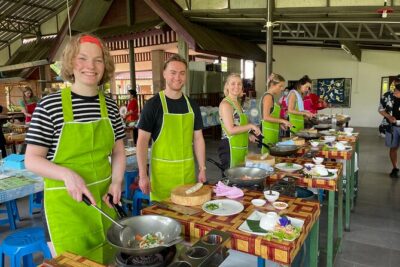
Half-Day Thai Cooking Class at Organic Farm in Chiang Mai
Read our review →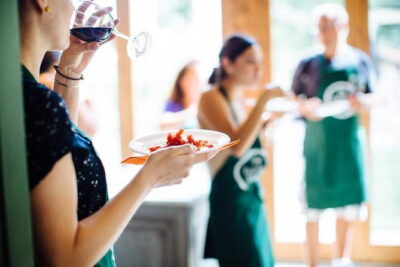
Cooking Class and Lunch at a Tuscan Farmhouse with Local Market Tour from Florence
Read our review →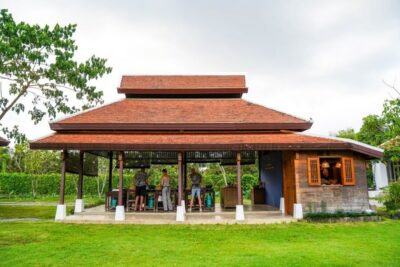
Authentic Cooking Class with Market & Farm Visit
Read our review →
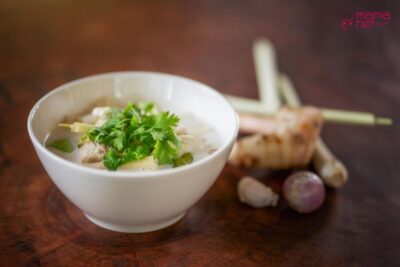
Hands-On Cooking Class & Farmhouse Tour on the Amalfi Coast
Read our review →

Thai Cooking Class | Since 2012 | Farm to Table
Read our review →Browse the lists this tour appears in