
Review · THE USA
Explore Chicago’s Indoor Mushroom Farm Experience
Chicago’s mushroom scene starts long before a chef puts oyster or specialty mushrooms on a plate. At Four Star Mushrooms, you get to see the working farm behind that process, inside a controlled indoor growing facility in the city.
I like two things here: the tour explains the full production chain, and it connects mushroom farming to Chicago’s restaurant trade and regenerative agriculture. The main consideration is that this is an adult-oriented working-facility tour, not a hands-on children’s attraction.
Key points at a glance
- Follow the crop from raw substrate to packaged product: See bagging, sterilization, inoculation, incubation, fruiting, and packing.
- Visit a real urban production site: This is a working indoor farm, not a museum display or staged garden.
- Learn why indoor growing matters: The tour shows how controlled agriculture supports specialty food production in Chicago.
- A focused 90-minute outing: The farm portion lasts about an hour, with the overall activity listed at roughly one and a half hours.
- Small enough to hear the explanation: The group limit is 25 people, and the tour is offered in English.
- Good value for food-minded visitors: At $20, the experience gives you access to a production process most diners never see.
Inside Chicago’s indoor mushroom operation
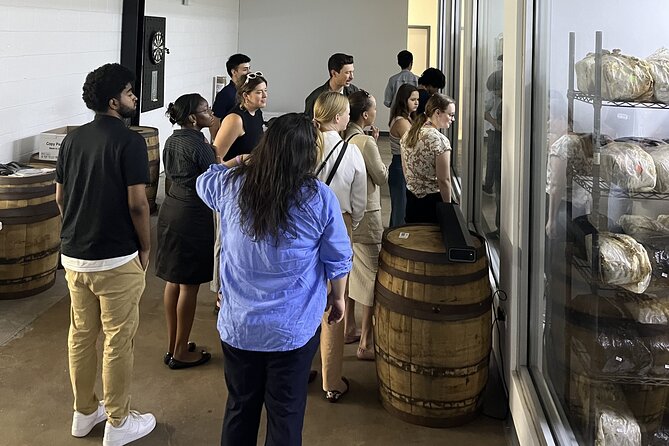
The appeal of this experience is simple: you get to see an ingredient being made before it reaches the kitchen. Mushrooms can look mysterious in a restaurant dish, but the farm tour breaks the process into clear working steps.
You begin at Four Star Mushrooms, located at 320 N Oakley Blvd in Chicago. The address places the experience in the city rather than at a distant rural farm, which is part of the point. This is urban agriculture in practice, with specialty crops produced indoors and supplied to customers across Chicagoland.
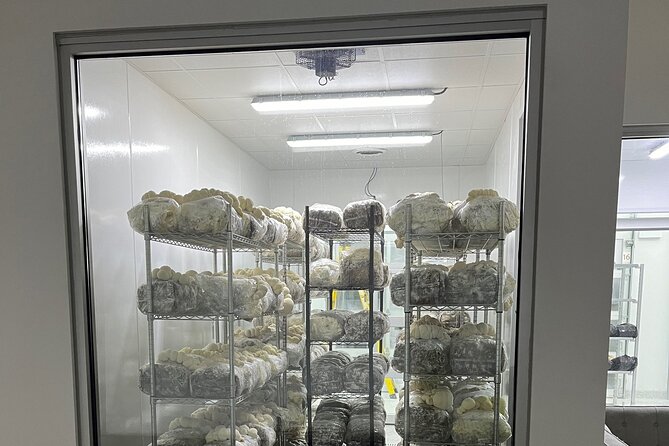
The facility uses a controlled environment. That means the growing process is managed inside rather than left to changing outdoor conditions. You can expect the explanation to focus on how the farm creates the right stages for mushroom production, from preparing the growing material to encouraging the mushrooms to fruit.
This is useful context if you are interested in food systems. A restaurant menu usually gives you the mushroom’s name and perhaps its farm source. Here, you see the work between those two points.
More farm tours around the USA:
- Maui Pineapple Farm Tour in Haliimaile
★ 5.0 · 2,855 reviews - Half-Day Thoroughbred Horse Farm Tour in Kentucky
★ 5.0 · 1,924 reviews - Oahu: Kualoa Ranch Movie Sites and Ranch Tour
★ 4.5 · 1,655 reviews
Starting with substrate, sterilization, and inoculation
The first part of the process deals with the material mushrooms need in order to grow. Raw substrate is bagged and sterilized before it is inoculated. Those words may sound technical, but they describe the basic preparation that makes the later growing stages possible.
You will see how the substrate is placed into bags and treated before the mushroom culture is introduced. The tour gives you a chance to understand that growing specialty mushrooms is not simply a matter of placing fungi in a dark room and waiting. Careful preparation comes first.
Sterilization is an especially important part of the story. It helps prepare the growing material for the next stage, while inoculation introduces the mushroom culture. From there, the bags are staged for incubation.
This section should appeal to anyone who likes seeing the practical side of food production. I like that the visit does not begin with the finished mushroom. It starts with the less glamorous work, the bagging and preparation that make the final crop possible.
Because this is a working facility, the experience may feel more like a production visit than a polished attraction. That is a benefit if you want an honest look at commercial growing. It also means the focus is on explanation and observation, not on touching equipment or taking part in the production process.
The incubation stage shows patience at work
After inoculation, the bags are moved into incubation. This is the stage where the mushroom culture develops through the prepared substrate before fruiting begins.
You will learn how the farm stages this material and why different rooms or sections of the facility serve different purposes. The process has a clear rhythm: prepare, inoculate, wait, move, grow, and package.
Incubation is a good reminder that indoor farming is not instant farming. The technology helps control the setting, but it does not remove the need for time and careful handling. The farm still has to manage a sequence of stages before anything is ready for sale.
I find this part valuable because it changes the way you look at specialty mushrooms. They are not just an unusual garnish. They are the result of a managed production cycle that requires space, equipment, timing, and regular attention.
The tour lasts about 60 minutes for the farm visit, so the explanation needs to stay focused. You should not expect a long class in mycology or a full scientific lecture. Instead, you get a practical account of how Four Star Mushrooms turns prepared substrate into a crop for local buyers.
Seeing where the mushrooms fruit
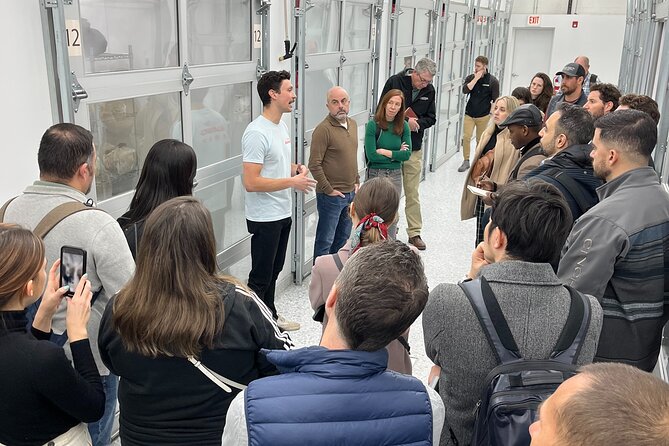
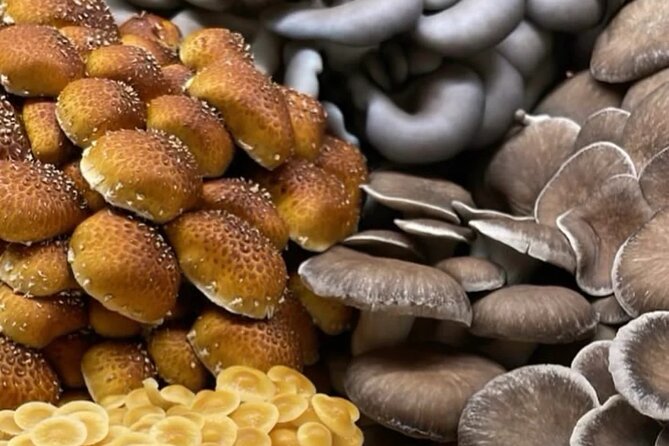
The grow rooms are the visual center of the experience. This is where you see the mushrooms in their fruiting stage and gain a better sense of the conditions needed before harvest.
The grow rooms help connect the earlier preparation stages with the product you recognize from a market or restaurant. Bags that began as raw substrate have moved through sterilization, inoculation, and incubation. Now the mushrooms are developing into a crop that can be harvested and sold.
You may find this section particularly interesting if you cook with specialty mushrooms. The controlled setting gives you a closer look at how different stages of growth are managed indoors. It also shows why an urban mushroom farm can operate in a city where traditional open-field agriculture is limited.
The indoor setting has another practical advantage: it allows the producer to focus on specialty crops near the customers who buy them. Four Star Mushrooms supplies retail and wholesale customers throughout Chicagoland, so the tour connects production with a real local food network.
That restaurant connection is one of the best parts of the visit. Chicago is known for serious cooking, and the farm helps explain how chefs can work with distinctive ingredients grown close to the city. You are not only seeing a crop. You are seeing part of the supply chain that supports local kitchens.
Same countryside, another kind of harvest:
- Oahu: Kualoa Ranch UTV Raptor Tour
★ 4.5 · 1,569 reviews - Premium Amish Country Tour including Amish Farm and House
★ 4.5 · 1,306 reviews - Unique Horse Farm Tours with Insider Access to Private Farms
★ 5.0 · 1,192 reviews - Lahaina: Maui Ku’ia Estate Guided Cacao Farm Tour and Tasting
★ 5.0 · 1,103 reviews
From grow room to Chicago restaurant
Once the mushrooms are ready, they are packaged for retail and wholesale customers. This final step gives the tour a useful commercial angle.
Many farm visits end with the crop growing in a field. Here, you also learn what happens after harvest. Packaging matters because the product has to move from the farm to the buyer in a form suited to retail sales or professional kitchens.
The farm’s customers throughout Chicagoland make the experience feel connected to everyday city life. After the tour, you may notice specialty mushrooms differently on a menu or in a market display. You have seen the stages that come before the dish.
I also like that the tour addresses both retail and wholesale sales. That gives you a broader picture of the business. The farm is not producing only for one type of customer, and the packaging stage reflects the different ways the crop reaches people.
Do not expect a tasting menu or a cooking demonstration. Those features are not part of the stated experience. The value comes from seeing how the mushrooms are produced and distributed, not from eating them during the visit.
Why regenerative agriculture matters here
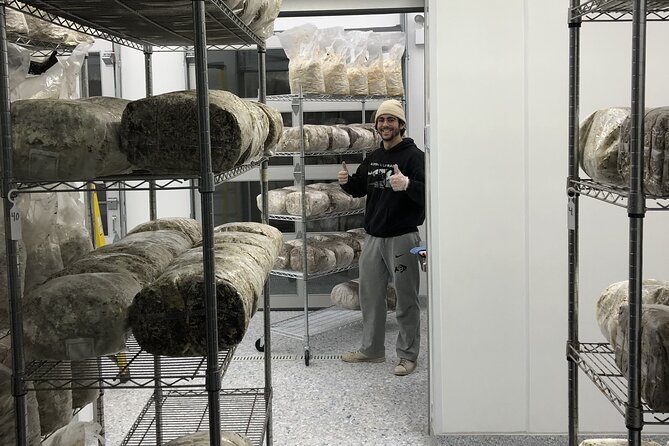
The tour also places mushroom cultivation within regenerative agriculture. That subject gives the visit a wider purpose beyond production techniques.
Mushroom farming can play a role in conversations about how food is grown, how materials are used, and how urban producers fit into a more responsible food system. The tour explains that role as part of the farm’s overall approach.
You should keep your expectations measured. The experience is about showing how this operation works and why mushroom cultivation matters. It is not presented as a full course in sustainable agriculture, nor is enough information provided to judge every environmental claim in detail.
Still, this connection adds useful context. You see an indoor farm operating in Chicago, supplying local buyers, and growing a specialty crop in a controlled setting. That makes the sustainability discussion more concrete than a general talk about farming.
For me, the strongest point is the link between local production and local demand. The mushrooms are not simply grown as a curiosity. They are packaged for customers across the Chicago area, including the restaurant trade.
A one-and-a-half-hour plan that fits a Chicago day
The experience begins at 12:00 p.m. at 320 N Oakley Blvd. The tour itself is listed at about 60 minutes, while the total activity lasts roughly 90 minutes.
That timing makes it easy to pair with another Chicago plan, but do not schedule something immediately afterward if you want breathing room. A working facility can take a little time for orientation and movement between areas, and the listed duration is approximate.
The activity ends back at the meeting point. That is convenient, since you do not need to arrange a separate pickup or figure out a second location at the end.
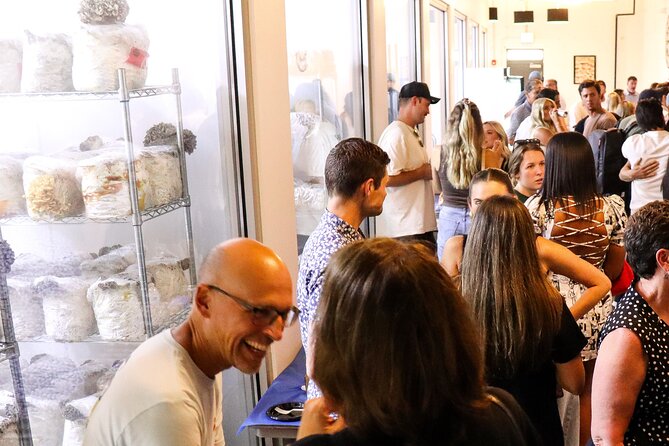
A mobile ticket is provided, and the tour is offered in English. The group limit is 25 people. That is large enough to create a social outing but limited enough that the explanation should remain reasonably focused.
The meeting point is an address rather than a famous sightseeing landmark, so check your route before setting out. The supplied details do not specify parking, public transit instructions, restrooms, food, or a dress requirement. I would avoid assuming those services are available and would plan your city transportation accordingly.
Is $20 a fair price?
At $20 per person, this is a modestly priced specialty tour. The value depends on what you want from a farm visit.
If you want a broad Chicago sightseeing tour, this is not the right use of your time or money. The experience stays focused on mushroom cultivation and the operation at Four Star Mushrooms.
If you enjoy food production, urban agriculture, restaurant culture, or the science behind specialty crops, the price is easier to justify. You receive access to a working indoor producer and a guided explanation of the full process, from raw substrate through packaging.
I especially like the fact that the tour goes beyond a single grow room. You see preparation, incubation, fruiting, and distribution. That makes the $20 feel more useful than a quick look at a display area.
The group size also helps the value. With a maximum of 25 people, you are not signing up for a huge industrial tour. The experience remains fairly focused, though the exact feel will depend on the day’s group.
Is it suitable for children?
The tour can accommodate families, but its strongest audience is adults and older children who can follow a production explanation.
Young children can attend, and the farm’s staff are welcoming toward families. Still, the working setting may not hold the attention of very young kids for the full visit. A child may be more interested in the equipment than in the growing process, and the facility is not designed as a children’s play space.
One practical point matters here: this is a working environment. You should keep young children close and follow staff instructions around equipment. The experience is better for children who are curious about food, science, or how businesses operate.
For adults, couples, food-focused families, and small groups of friends, the visit offers a clear subject and a manageable length. It can also work for someone who has already seen Chicago’s major attractions and wants a more local, behind-the-scenes activity.
What I like, and what I would keep in mind
I like the complete story. You are not shown only the finished mushrooms. You follow the operation from substrate preparation through retail and wholesale packaging.
I also like the Chicago connection. The farm supplies customers throughout Chicagoland, including the restaurant scene, so the visit links indoor production with the food you may encounter around the city.
The main limitation is its narrow focus. If mushrooms do not interest you, the tour may feel technical and specialized. It is also not a tasting experience, a cooking class, or a general farm outing.
The lack of named guides in the available details means you cannot choose a particular presenter. The tour is offered in English, and the group is capped at 25, but the exact style of the guide may vary.
Cancellation is flexible if you act early: you can cancel for a full refund up to 24 hours before the start time. Changes or cancellations inside that 24-hour window are not refundable, so keep that cutoff in mind when planning your Chicago day.
Should you book the Four Star Mushrooms tour?
Book it if you like seeing how food is made, want a practical look at urban agriculture, or are curious about the mushrooms used in Chicago’s restaurant kitchens. The process is detailed without requiring a full science background, and the $20 price keeps the outing accessible.
Skip it if you want a major landmark, a tasting, or an activity built around children’s entertainment. This is a focused working-farm visit with a clear educational purpose.
For the right audience, it is a smart way to spend 90 minutes in Chicago. You leave with a better understanding of how specialty mushrooms move from prepared substrate to local kitchens, and you see a side of the city’s food system that most diners never encounter.
FAQ
Where does the mushroom farm tour begin?
The tour begins at 320 N Oakley Blvd, Chicago, IL 60612, USA.
What time does the tour start?
The listed start time is 12:00 p.m.
How long does the experience last?
The total activity lasts approximately 1 hour and 30 minutes. The farm tour itself is about 60 minutes.
Where does the experience end?
The activity ends back at the meeting point.
Is the tour offered in English?
Yes. The experience is offered in English.
How many people can join the tour?
The activity allows a maximum of 25 participants.
Newly listed farm visits around the USA
- Gourmet Mushroom Farm Tour in Tennessee★ 5.0 · 5 reviews
- Cozy Farm Experience with Wagon Wheels and Acoustic Meal★ 5.0 · 2 reviews
- Farms, Flights: Finger Lakes Brewery Tour★ 4.5 · 25 reviews
- Scenic Scottsdale E-Bike Tour – 2 Hours★ 5.0 · 47 reviews
- Wine Country Farm to Table Bike Tour w/Lunch★ 5.0 · 31 reviews
- Santa Fe Farmers Market & Railyard Food Tour★ 5.0 · 2 reviews
- Mere Point Oyster Farm Tour★ 5.0 · 2 reviews
- The Hood-Columbia Loop: Timberline, Orchards, and Waterfalls★ 5.0 · 12 reviews
USA Farm Tours, compared.

Half-Day Thoroughbred Horse Farm Tour in Kentucky
Read our review →
Premium Amish Country Tour including Amish Farm and House
Read our review →
Unique Horse Farm Tours with Insider Access to Private Farms
Read our review →
Maui Ku’ia Estate Guided Cacao Farm Tour and Tasting
Read our review →

Maui Horseback Adventure at Circle M Ranch With Real Cowboys
Read our review →
Horseback Riding on Scenic Texas Ranch near Waco
Read our review →Browse the lists this tour appears in