
Review · THE USA
Half-Day Thoroughbred Horse Farm Tour in Kentucky
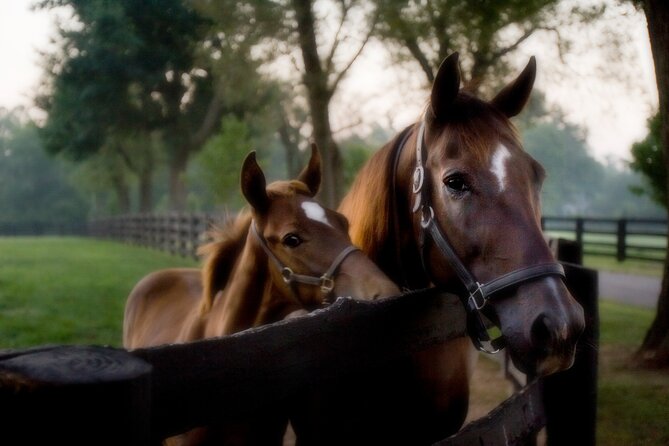
The most revealing part of this Lexington tour happens away from the grandstand, at the working farms where thoroughbreds are bred, raised, trained, and cared for. You ride in a small van through Kentucky’s Bluegrass country, stop at one or more farms, and learn how a foal can become a racehorse, a breeding prospect, or part of the sport’s aftercare system.
I like the small group size, which makes it easier to ask questions and hear the guide without fighting a busload of people. I also like the guides’ practical background. Tim, Vicky, Richard, Mark, and others are known for explaining the business in plain terms, from breeding and racing to the daily work around mares and foals.
The main consideration is that the exact route can change. You may see Keeneland up close, or you may mainly view it from the van, and the number of farms and horse interactions depends on availability. There is some driving, so this suits you best if you want context and local insight as much as hands-on time with horses.
Key points before you book
- Working farms, not just a racecourse: Learn about breeding, training, racing, and aftercare in the places where the horses live and work.
- A genuinely small group: Transportation is in a 14-person van, with a maximum of 13 participants.
- Guide quality is a major strength: Tim, Vicky, Richard, Mark, John, Mike, and other guides are praised for local experience and clear storytelling.
- Keeneland access can vary: The tour includes the famous racecourse as part of the horse-country experience, but the amount of behind-the-scenes access is not fixed.
- Possible horse encounters: You may meet mares, foals, older horses, or stallions, but contact depends on farm conditions and availability.
- Good value at $45: For about three and a half hours of transport, guiding, horse-country scenery, and farm access, the price is modest.
Why Lexington is the right place for this tour
Lexington is not simply a city with a racecourse nearby. Thoroughbred breeding and racing shape the area’s identity, economy, and open countryside. The farms around town are part of a working network that includes breeding operations, training facilities, owners, trainers, sales, and horse aftercare.
That makes this tour more useful than a quick photo stop at a racetrack. You get a clearer idea of how the sport functions before race day. The focus is not only on famous winners. It includes the less visible parts of the trade: selecting bloodlines, raising young horses, preparing them for racing, and deciding what happens after their racing careers.
I especially appreciate that the experience covers aftercare, not just racing and breeding. That gives you a broader picture of the horse industry and keeps the tour from feeling like a promotional visit built only around prestige.
The scenery is part of the pleasure. From the van, you see the broad Bluegrass region and the farm country around Lexington. Some of your time will be spent on the road, but that is also when the guide can explain what you are seeing and connect local places to the larger racing story.
More Horse and Stud Farms in the USA
- Unique Horse Farm Tours with Insider Access to Private Farms
★ 5.0 · 1,192 reviews - Gypsy Gold Horse Farm Tour
★ 5.0 · 438 reviews - Lexington: Thoroughbred Horse Farm Tour and Scenic Bluegrass
★ 4.9 · 363 reviews
Starting at the Thoroughbred Heritage Visitors Center
The tour begins at 366 Waller Ave, Suite 119, in Lexington. Free parking is available at the Thoroughbred Heritage Visitors Center, which is useful if you are driving yourself rather than staying close to the pickup point.
The first stop is listed as a short orientation at the visitors center, followed by transportation into the horse-farm area. The full activity lasts about three hours and 30 minutes, so plan a half-day rather than trying to squeeze it between two tightly scheduled attractions.
You will ride in a 14-person passenger van, with no more than 13 people on the tour. That setup matters. It is small enough for conversation, yet large enough that the tour can run efficiently without requiring a private vehicle.
The van is also part of the experience. You are not simply being dropped at one attraction and left to explore alone. Your guide drives or accompanies the group, points out places along the route, and answers questions as you move between the farms and racecourse area.
What happens at the horse farms
The farms are the heart of the tour. Depending on the day’s arrangements, you may visit one farm or several. The exact order and locations can change based on availability, so you should think of this as a guided introduction to Lexington’s thoroughbred country rather than a fixed farm circuit.
At the farms, the guide explains the main stages of the horse business:
- Breeding and bloodlines
- Raising young thoroughbreds
- Training and racing
- The role of mares and foals
- Stallion operations
- Care after a horse leaves racing
The best visits appear to be the ones where farm staff, trainers, or owners are available to speak with the group. That can turn an already useful explanation into a direct look at daily work. You might hear about the breeding process, see stable areas, or meet horses at close range.
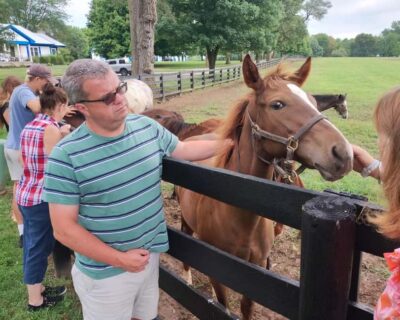
Horse contact is possible, but it is not guaranteed. Some visits include the chance to see or touch mares and young horses. Other days may offer less hands-on interaction. Farm schedules, horse behavior, and safety rules naturally control what can happen.
That uncertainty is worth understanding before you book. If you need guaranteed time petting foals, this is not the safest choice. If you are happy to learn how the farms operate and treat hands-on contact as an extra, the format works much better.
Several guides have been singled out for bringing real experience to the subject. Tim is noted for years in the horse business and for explaining the industry with humor. Vicky is praised for her warmth and clear explanations, while Richard is known for answering questions patiently. Mark brings strong experience in the equine world and a clear affection for horses.
Guide assignments can change, so you cannot count on a particular person. You can expect, however, that the guide will be central to the experience. This is not a self-guided farm visit.
Seeing Keeneland and understanding its role
Keeneland is one of Lexington’s defining horse-racing places, and visiting or viewing it helps connect the farm country to the sport’s public face. The tour includes Keeneland as a major point of interest, but you should read the access carefully.
Some departures may include a closer visit to the racecourse. On others, you may mainly drive by or view the grounds from the van. One important distinction is that seeing Keeneland is not always the same as receiving a restricted behind-the-scenes tour of the track.
That difference is the clearest limitation of the experience. If your main goal is to enter every part of Keeneland, check the current itinerary before booking. If you want to understand how the racecourse fits into Lexington’s breeding and racing network, the stop still adds real value.
The guide’s explanation is what makes Keeneland more than a passing sight. You can ask about racing, local operations, and the connection between farms, trainers, owners, and the racecourse. Guides such as John are praised for linking local history with current racing activity, which helps you see the area as a living industry rather than a museum display.
Same countryside, another kind of harvest:
- Maui Pineapple Farm Tour in Haliimaile
★ 5.0 · 2,855 reviews - Oahu: Kualoa Ranch Movie Sites and Ranch Tour
★ 4.5 · 1,655 reviews - Oahu: Kualoa Ranch UTV Raptor Tour
★ 4.5 · 1,569 reviews - Premium Amish Country Tour including Amish Farm and House
★ 4.5 · 1,306 reviews
The guide makes or breaks the afternoon
This tour depends heavily on the person in the front of the van. A strong guide can turn a drive past fences and barns into a useful lesson. A weak guide would leave you watching scenery without much context.
The available guide feedback is unusually consistent on this point. Tim, Vicky, Richard, Mark, John, and Mike are all described as friendly, engaging, and well informed about horses and Lexington. They encourage questions and explain both the glamour and the ordinary work behind the sport.
That matters if you are new to thoroughbreds. You do not need to know racing terms before you arrive. A good guide can explain why bloodlines matter, how horses move through the industry, and what changes when a horse leaves competition.
You will also get more from the tour if you ask questions. Ask about the difference between breeding and training farms, the care of mares and foals, the role of a stallion, or how aftercare works. The small group makes those conversations practical rather than formal.
The tone is not stiff. Guides are often described as funny and personable, which helps during the driving portions. You are likely to spend a fair amount of time in the van, so a guide who tells stories and welcomes questions makes a real difference.
Is three and a half hours a good use of your time?
At $45 per person, I consider this a strong value for a half-day activity. The fee includes the professional guide, transportation, the horse-country route, and access to the farm visits arranged for that departure.
You are not paying only for admission to a single attraction. You are paying for local transportation and interpretation across several parts of the thoroughbred world. That is useful if you do not have a car, do not want to arrange private farm visits, or would like someone to explain what you are seeing.
The value is less clear if you want constant horse contact. Some of the three and a half hours will involve driving, and farm access varies. A private tour or a specialized stable visit might offer more control, but it would likely cost more than $45.
I would also avoid judging the tour by the number of famous names you see. The point is not a guaranteed visit with a celebrity racehorse. The appeal is learning how a working horse region operates, then seeing real farms and horses within that setting.
Practical details that affect your day
Wear comfortable walking shoes. Even though much of the tour is by van, farm visits may include walking around stables or outdoor areas.
Food is not allowed on the tour. Bottled water and covered drinks are permitted, so bring water if you need it. Food and drinks are not included.
No animals, including service animals, are allowed on the tours. That is an important rule to know before booking.
The tour is offered in English and uses mobile tickets. Most people can participate, but the activity includes walking around farm settings and getting in and out of a passenger van.
From November 12 through March 10, at least four people are required for the tour to operate. At other times, minimum numbers can still affect departures. A cancellation caused by weather or an unmet minimum gives you the option of another date or a full refund.
You can cancel for a full refund up to 24 hours before the start time. Cancellations or changes within 24 hours are not refunded or accepted, so keep your plans firm once you enter that window.
There is also a standard Kentucky farm-animal activity warning. Horses are large animals, and participation carries inherent risks. Follow the guide’s instructions and do not assume that a calm horse is automatically safe to approach.
Who will enjoy this Kentucky horse tour?
I would recommend it most strongly to first-time visitors who want an introduction to Lexington’s horse culture without spending a full day at a racetrack. It also suits families, couples, solo visitors, and anyone with a genuine interest in breeding, racing, or farm life.
It is especially good for you if:
- You want a guide to explain the industry in everyday language.
- You enjoy scenery and local stories during a drive.
- You would like a chance to see horses at farms rather than only at a public racecourse.
- You prefer a small group over a large coach tour.
- You are curious about what happens before and after race day.
You may want a different activity if your priority is guaranteed hands-on time, a fixed list of farms, or a full behind-the-scenes Keeneland visit. The itinerary can shift, and some departures may include more driving than horse interaction.
Families should remember that no food is allowed in the van, though covered drinks are fine. Children and adults who can manage ordinary walking and vehicle transfers should find the format approachable, but the farm-animal safety rules apply to everyone.
Should you book the Thoroughbred Horse Farm Tour?
Yes, if you want a well-priced introduction to the people, places, and horses behind Lexington racing. The strongest reasons to book are the small van, the guide’s local experience, the chance to visit working farms, and the useful coverage of breeding, training, racing, and aftercare.
Book with realistic expectations. Keeneland access may be limited on your departure, and direct contact with horses is possible rather than promised. The route may include a fair amount of driving, but the scenery and guide commentary help make that time worthwhile.
For $45, this is a sensible half-day choice for anyone who wants to understand why Lexington is tied so closely to the thoroughbred world. If you treat horse interaction as a bonus and value clear local explanation, you should book it.
FAQ
How long does the Thoroughbred Horse Farm Tour last?
The tour lasts approximately three hours and 30 minutes, including transportation between the meeting point and the horse farms.
Where does the tour begin and end?
It begins at 366 Waller Ave, Suite 119, Lexington, Kentucky 40504, and ends back at the same meeting point.
How many people are in the tour group?
Transportation is provided in a 14-person passenger van, and the maximum group size is 13 travelers.
Will I visit Keeneland on every tour?
Keeneland is part of the advertised horse-country experience, but the exact itinerary can change depending on availability. You may receive a closer visit or view the racecourse from the van.
Can I touch or interact with the horses?
You may have the chance to interact with horses, including mares and foals, when available. Hands-on contact is not guaranteed and depends on farm conditions and safety requirements.
What happens if the tour is canceled?
If poor weather or an unmet minimum number of participants causes cancellation, you will be offered another date or experience, or a full refund. You can also cancel for a full refund if you do so at least 24 hours before the start time.
More Half-Day Trips in the USA
- Half-Day Private Scallop Harvesting Snorkel Excursion
★ 5.0 · 11 reviews - Half-Day Thai Cooking Class at Organic Farm in Chiang Mai
★ 5.0 · 19,087 reviews - Chiang Mai: HALF-DAY COOKING COURSE at a Thai Cooking Farm
★ 4.9 · 705 reviews - From Rome: Half-Day Frascati Wine Tour with Farmhouse Lunch
★ 4.9 · 372 reviews
More Horse Riding Trips in the USA
- Maui Horseback Adventure at Circle M Ranch With Real Cowboys
★ 5.0 · 761 reviews - Horseback Riding on Scenic Texas Ranch near Waco
★ 5.0 · 720 reviews - Waipi’o on Horseback: Mountain Ocean Views Working Cattle Ranch
★ 5.0 · 252 reviews - Sedona Horseback Rides At Dead Horse Ranch with River Crossing
★ 4.5 · 160 reviews
Newly listed farm visits around the USA
- Gourmet Mushroom Farm Tour in Tennessee★ 5.0 · 5 reviews
- Cozy Farm Experience with Wagon Wheels and Acoustic Meal★ 5.0 · 2 reviews
- Farms, Flights: Finger Lakes Brewery Tour★ 4.5 · 25 reviews
- Scenic Scottsdale E-Bike Tour – 2 Hours★ 5.0 · 47 reviews
- Wine Country Farm to Table Bike Tour w/Lunch★ 5.0 · 31 reviews
- Santa Fe Farmers Market & Railyard Food Tour★ 5.0 · 2 reviews
- Mere Point Oyster Farm Tour★ 5.0 · 2 reviews
- The Hood-Columbia Loop: Timberline, Orchards, and Waterfalls★ 5.0 · 12 reviews
Horse and Stud Farms, compared.

Unique Horse Farm Tours with Insider Access to Private Farms
Read our review →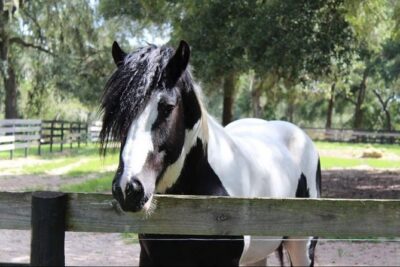
Thoroughbred Horse Farm Tour and Scenic Bluegrass
Read our review →
From Ljubljana: Lipica Stud Farm and Piran Full-Day Tour
Read our review →Traditional Egyptian Breakfast at the AlHabib Arabian Horse Farm
Read our review →
Lipica Stud Farm and Škocjan Caves from Trieste
Read our review →
Ocala: Gypsy Gold Horse Farm Horses & History Tour
Read our review →Browse the lists this tour appears in