
Review · CHIANG MAI
Chiang Mai: Authentic Cooking Class with Market & Farm Visit
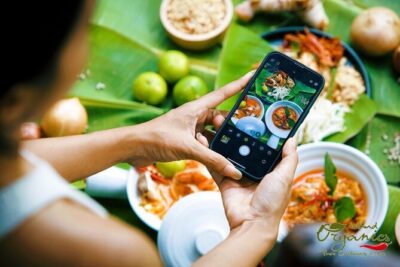
Thai cooking makes more sense when you see the ingredients before they reach the wok. This Chiang Mai experience takes you from a local market to Grandma’s organic farm, where you can pick mushrooms, smell herbs, collect eggs, and then cook Thai classics at your own station.
I like the farm-to-kitchen link and the fact that you make curry paste with a mortar and pestle instead of simply watching a demonstration. I also like the practical teaching style. Instructors such as Kiki, Jimmie, Patty, Roger, and Jimmy explain each step, adjust dishes for allergies, and keep the class moving.
The main consideration is the range of class formats. A morning, afternoon, or evening session is shorter, while the full-day option adds coconut milk making and more cooking time. Pickup can also feel cramped if the van is full, and hotel service is free only within 5 kilometers of central Chiang Mai.
Key points to know before booking
- The market comes first in most daytime classes: You learn to identify herbs, vegetables, sauces, and other ingredients before cooking them.
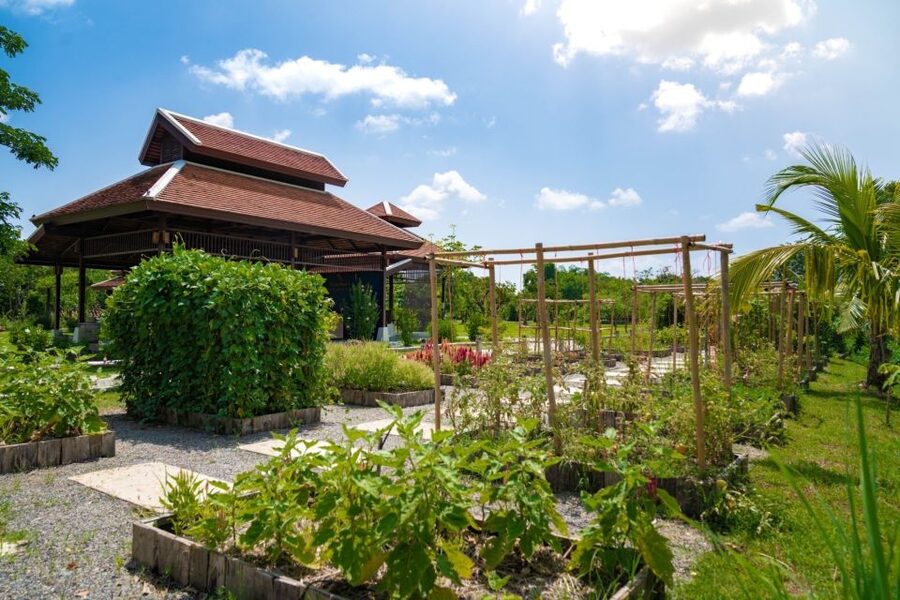
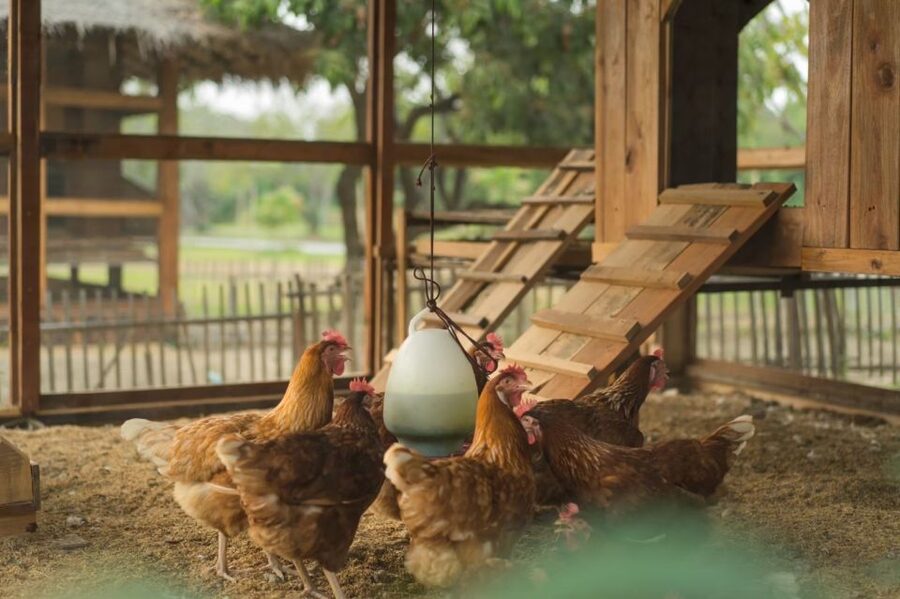
- The organic farm is part of the meal: You can feed and gently hug chickens, collect eggs, visit the mushroom hut, and see herbs and vegetables growing.
- You cook at your own station: This is hands-on, not a class where you sit back and watch one chef do everything.
- Khao Soi is a major highlight: Chiang Mai’s famous curry noodle soup is included among the possible dishes.
- You eat a lot: Each dish is cooked and served during the class, followed by mango sticky rice in the applicable sessions.
- Dietary needs can be handled: Vegetarian, Halal, gluten-free, allergy-friendly, and other special requests should be shared before class.
Why this Chiang Mai cooking class works so well
At $34 per person, this is unusually good value if you want more than a meal and a recipe card. You get transportation within the central pickup area, a market visit on most daytime options, a farm tour, drinks, a private cooking station, several dishes, dessert, and a digital recipe book.
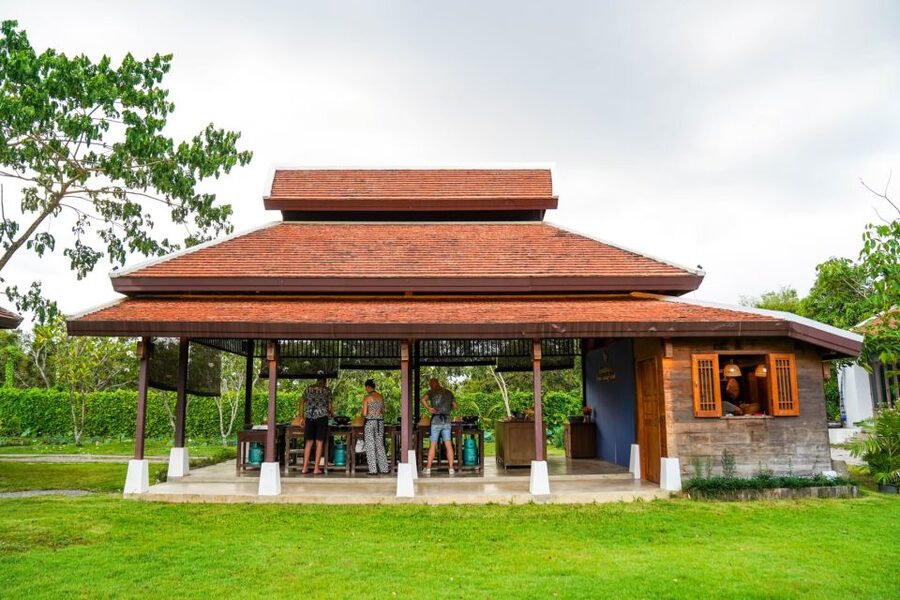
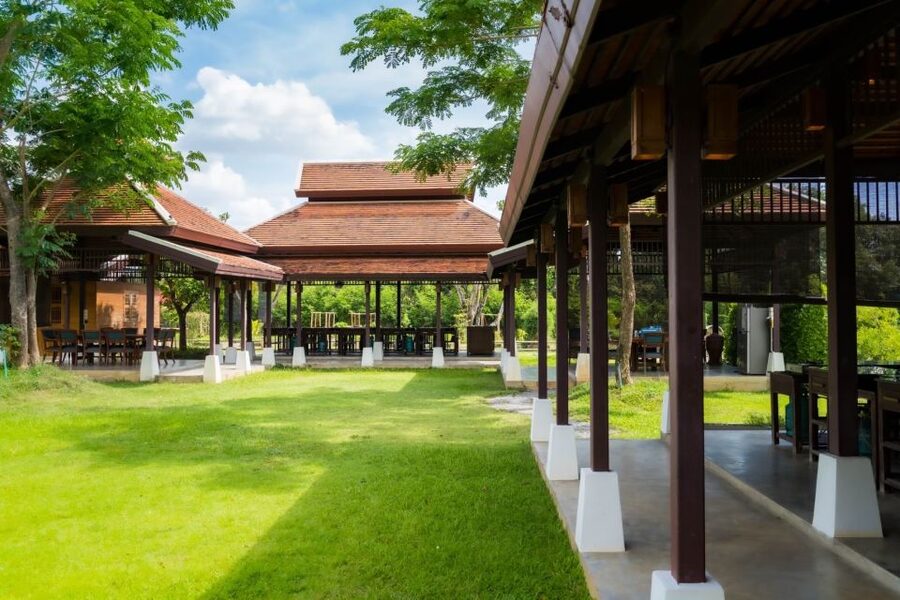
The real value is the setting. You are not cooking in a plain indoor classroom. The school uses open-air kitchen areas on a farm surrounded by rice fields, gardens, chickens, and growing ingredients. That gives the day a clear rhythm: see the food, learn what it is, cook it, then eat it.
The experience is also well suited to mixed groups. You do not need previous cooking experience. The instructors guide you step by step, and each person chooses a menu at the beginning. Families can join, though children under 10 are treated as visitors unless you pay for an adult place and want them to have their own station.
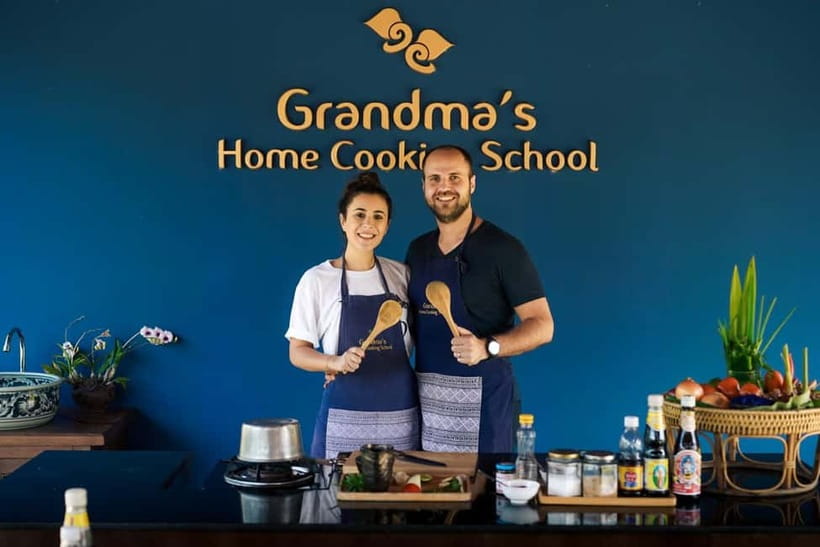
The school is professionally organized, so do not picture a tiny kitchen run by one grandmother. The property has several cooking bungalows, and the operation can accommodate sizable groups. It still aims for personal instruction, but the mood is more polished cooking school than private family kitchen.
More Cooking Classes in Chiang Mai:
- Half-Day Thai Cooking Class at Organic Farm in Chiang Mai
★ 5.0 · 19,087 reviews - Chiang Mai: Cooking Class with Organic Farm at Mama Noi
★ 4.9 · 1,151 reviews - Cooking Class with Organic Farm in Chiang Mai at Mama Noi
★ 5.0 · 502 reviews
Hotel pickup and the trip beyond central Chiang Mai
The day begins with pickup in an air-conditioned van. Free hotel pickup and drop-off apply within 5 kilometers of Chiang Mai city center. If you stay farther out, the school can arrange a nearby meeting point or may charge a small additional amount.
Pickup details deserve attention. The listed pickup window for some sessions is around 3:30 PM to 4:00 PM, and one participant found the communication about the exact time less clear than expected. I would confirm the meeting point and stay in your hotel lobby a little early.
Transport is generally a strong part of the arrangement. The driver brings you to the market or school and returns you to your accommodation afterward. One practical note: a van can feel snug when every seat is filled. That is a minor tradeoff for having door-to-door service rather than arranging taxis yourself.
Bring comfortable shoes and a sun hat. The farm walk is easy to combine with cooking, but it is still an outdoor visit in a warm climate. You will want footwear that handles paths and garden areas better than sandals with thin soles.
The local market: a useful introduction to Thai ingredients
Morning, afternoon, and full-day classes include a market tour. Evening classes have a different shape, so check the exact option before booking if the market is important to you.
The market visit gives you a useful vocabulary for Thai food. Your instructor points out the herbs, vegetables, spices, sauces, and other ingredients used later in the kitchen. This matters because Thai menus can seem like a blur of unfamiliar names when you first arrive. Seeing galangal, herbs, chilies, vegetables, and curry ingredients in their everyday setting helps you recognize them in restaurants and shops during the rest of your trip.
This is also where the experience feels most connected to ordinary Chiang Mai life. You are not only being told that Thai food depends on fresh ingredients. You are seeing the raw materials and learning how they are used.
Do not expect a long guided market history lesson. The market stop is practical and focused on food preparation. That is a strength if you want useful information you can apply at home, though it may feel brief if you prefer a full cultural market tour.
Grandma’s farm and the small details that make it memorable
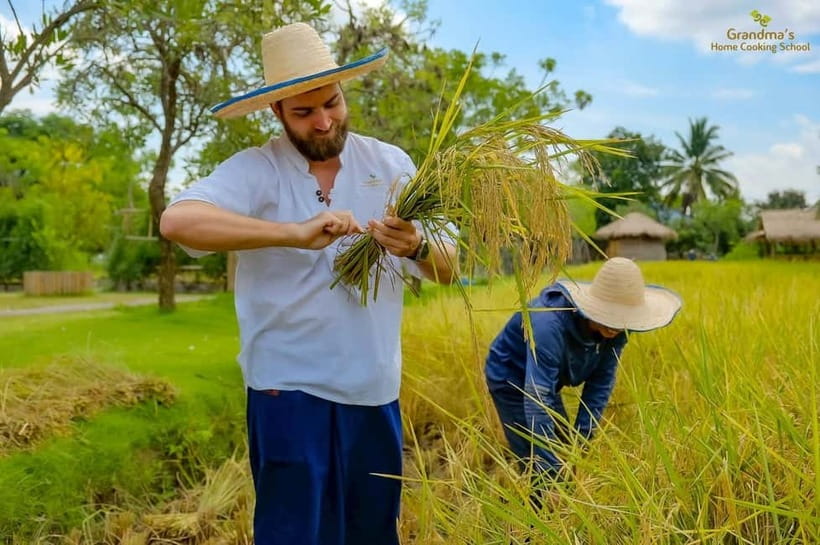
The farm is the most distinctive part of the experience. After the market, you visit a peaceful property with rice fields, gardens, herbs, fruit, chickens, and a mushroom hut.
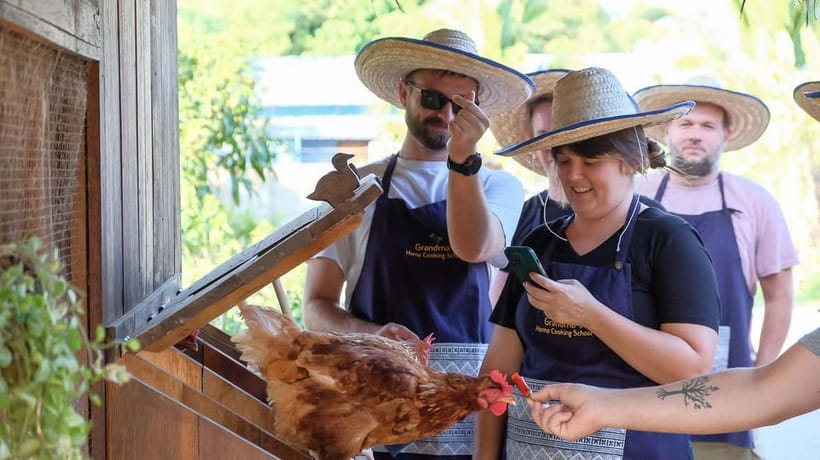
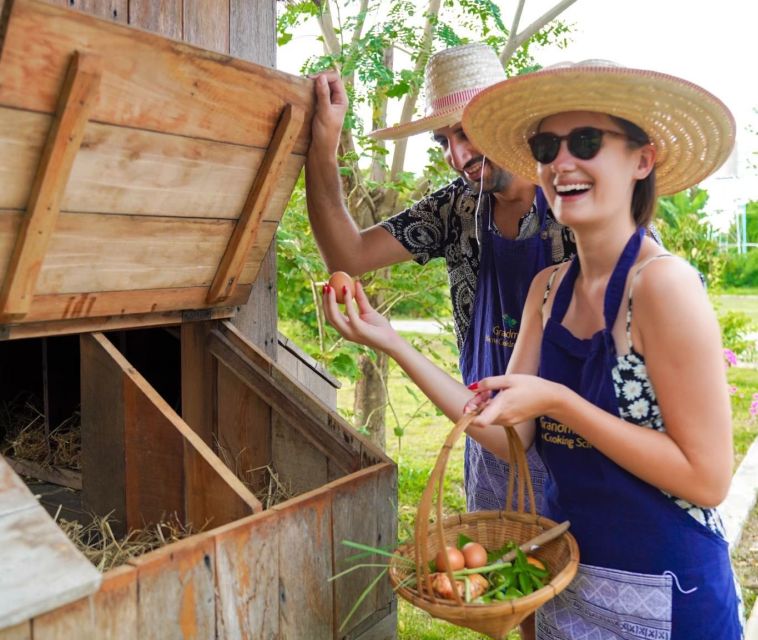
You can feed the chickens, collect fresh eggs, and gently hug them. This is not just a quick photo stop. The chicken activity gives children and non-cooks something to enjoy, and it adds a warm family touch to a class that could otherwise feel like a standard food workshop.
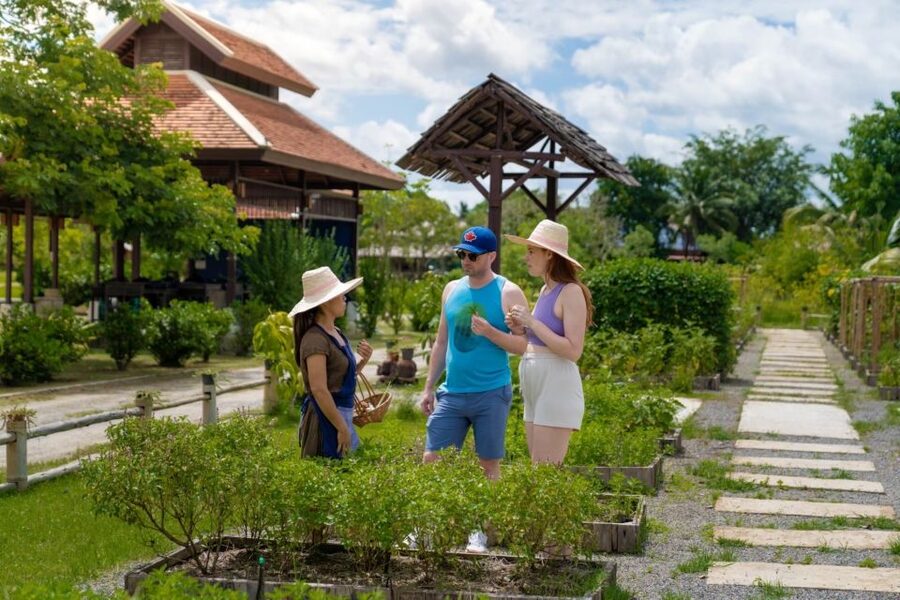
You can also pick mushrooms from the special mushroom hut and smell different herbs and fruits. Vegetable picking depends on what is ready, so do not book expecting to harvest a particular crop. The farm changes with the growing season.
I like this part because it makes the ingredients less abstract. You understand that a Thai curry is not only a printed recipe. It is also fresh herbs, fragrant leaves, vegetables, and careful balance. The open-air setting gives you time to look around before the cooking begins, and the grounds offer plenty of pleasant photo spots.
The farm is not wilderness, and the property is designed for organized classes. That is worth knowing if you want a rough, highly local farm visit. You get a clean, attractive, well-run setting with a clear connection between growing food and preparing it.
More Market Tours in Chiang Mai:
- Evening Cooking Class in Organic Farm with Local Market Tour
★ 5.0 · 394 reviews - Morning Cooking Class in Organic Farm with Local Market Tour
★ 5.0 · 157 reviews - Morning Thai Cooking with Grandma – Market Visit & Farm Tour
★ 5.0 · 148 reviews - Full-Day Thai Cooking Class with Grandma – Market and Farm Tour
★ 5.0 · 48 reviews
Your own station and the Thai menu
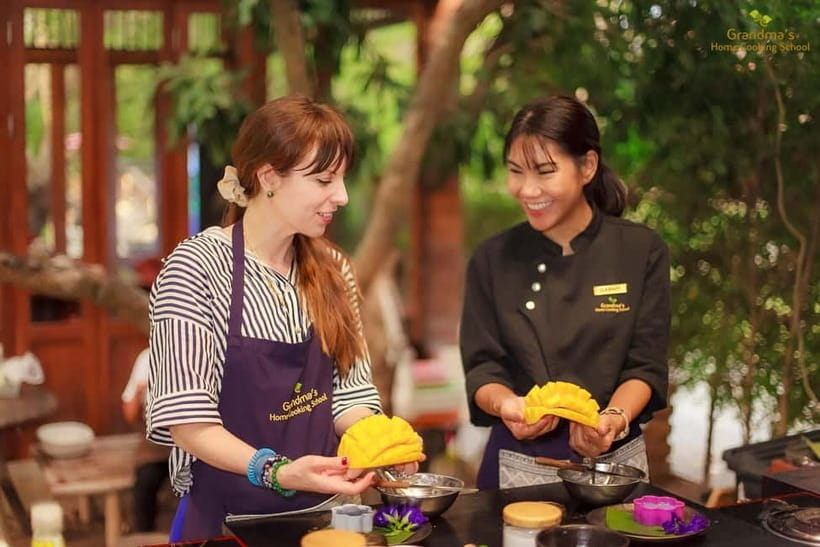
The cooking takes place at your own station, with an instructor leading the class step by step. This is one of the strongest reasons to choose this experience over a demonstration-only lesson. You chop, pound, stir, season, and cook rather than simply taking notes.
The menu can include several well-known Thai dishes:
- Pad Thai
- Pad Kra Prao
- Green curry
- Red curry
- Panang curry
- Tom Yum
- Tom Kha
- Som Tam
- Spring rolls
- Khao Soi
Each person chooses a menu at the start of class, so the exact number and combination of dishes depends on the session and your selection. Past class participants commonly prepared a soup, Pad Thai, and a curry, while some evening and full-day formats included four dishes or more.
Khao Soi deserves special attention. This curry noodle soup is one of Chiang Mai’s signature foods, and learning to make it gives the class a strong local identity. It is a better regional choice than spending the entire lesson on dishes you could find anywhere in Thailand.
The curry paste session is another worthwhile detail. You make the paste from scratch with a mortar and pestle. That takes more effort than using a blender, but it shows how herbs and spices turn into a base with texture and aroma. You also have the chance to adjust flavors to your own taste, which helps you understand the balance of salty, sour, sweet, spicy, and rich elements in Thai food.
The instructors keep the recipes approachable. You do not need to be an experienced cook, and the equipment is supplied at your station. English is the teaching language. Guides such as Kiki, Patty, Jimmie, Roger, and Jimmy have been praised for their clear explanations, humor, and ability to keep a group involved.
The tone can vary by instructor. Some teachers use a lot of jokes and high energy. That makes the class lively for many people, but you may prefer a quieter lesson if you dislike constant banter. The teaching itself remains the focus.
Mango sticky rice and the very full finish
Food is cooked and served as you go, so you are not waiting until the final hour for one large plate. This also means you should arrive hungry. The portions add up quickly, especially in the full-day class.
Mango sticky rice is served in the morning and afternoon classes. In the full-day and evening formats, it is taught as part of the cooking rather than simply placed in front of you. The dessert is a useful finish because it rounds out the meal and gives you another recipe to recreate later.
Full-day participants also make fresh coconut milk with a traditional wooden coconut grater. This is an extra step that adds a hands-on cultural detail, but it is available only with the full-day option.
Unlimited drinking water is provided throughout the day, along with a welcome drink such as Thai milk tea, Thai lemon tea, or butterfly pea flower tea. An herbal drink is also served during the class. Alcohol is not included, though it can be purchased.
Choosing between morning, afternoon, evening, and full day
The experience runs from about 210 minutes to seven hours, depending on your choice. The best format depends on how much food culture you want and how much time you have in Chiang Mai.
Morning: This includes the market visit and cooking, with mango sticky rice served as dessert. It works well if you want your afternoon free for temples, museums, or a rest.
Afternoon: This combines the market, farm, and cooking later in the day. It is a good middle ground and may suit you if you prefer a slower start.
Evening: The evening session is useful if you want a cooking class that doubles as dinner. It has a pleasant atmosphere as the light changes, but it does not follow the same market-focused schedule as the daytime options.
Full day: This is the choice for serious food fans. You get more time, market and farm activities, hands-on mango sticky rice, and traditional coconut milk preparation. It is also the format most likely to leave you extremely full, so keep your earlier meal light.
The class options are not interchangeable. Read the included activities carefully before paying, especially if you want the market visit, coconut grating, or a particular schedule.
Dietary needs and family practicalities
Vegetarian and Halal menus are available. Gluten-free meals, allergy adjustments, and other special needs can also be arranged, but you should tell the school before the class starts.
The cooking school has shown practical flexibility with ingredients. Gluten-free soy sauce and oyster sauce have been used for people with gluten intolerance, and gluten-free spring rolls may be available when arranged in advance. Do not rely on explaining a serious allergy only after you arrive. Send the details ahead of time so the kitchen can prepare safely.
Children under 10 can join their parents in cooking, but they do not receive their own station at the child visitor rate. If you want a younger child to cook independently, book that child at the adult price.
Pets are not allowed. The chicken area is part of the organized farm visit, so you can enjoy contact with the animals provided by the school without bringing your own.
What you take home besides dinner
The digital recipe e-book is one of the most useful inclusions. It gives you a way to repeat the food after your trip, when the market smells and open-air kitchen are far away.
Make sure you can access the recipe link before leaving or save it when you receive it. One person had trouble opening the QR code, so it is sensible to check that the digital book works while you still have help from the school.
You also leave with a better sense of what to order in Chiang Mai. After seeing the herbs, curry ingredients, and sauces in use, a Thai menu becomes easier to read. That practical knowledge may be more valuable than a souvenir kitchen tool.
Who should book this experience?
I would choose this class if you want an activity that combines food, countryside, and practical instruction. It suits couples, families, solo visitors, and small groups. You will get the most from it if you enjoy eating what you cook and want to participate rather than watch.
It is also a good choice for anyone nervous about Thai cooking. The instructors break the process into manageable steps, and you can select dishes at the beginning. You do not need to know how to handle a mortar and pestle or balance a curry before you arrive.
I would be more cautious if you want a very small, private lesson with no other groups. The school is a polished operation with several cooking areas, not a quiet home kitchen for one party. It is organized and clean, but the scale is larger than the name might suggest.
Should you book Grandma’s Home Cooking School?
Yes, if you want strong value and a full introduction to Northern Thai food. At $34, the combination of transport, market or farm activities, instruction, multiple dishes, drinks, dessert, and recipes is hard to beat.
Choose the full-day option if coconut milk making, Khao Soi, extra farm time, and a longer food lesson matter to you. Choose the evening class if you want dinner and a pleasant outdoor setting without using your morning. For the best balance of sightseeing and cooking, the morning or afternoon class is enough.
Confirm your pickup time, state dietary needs early, wear comfortable shoes, and do not eat a large meal beforehand. With those details handled, this is one of the more useful ways to turn a Chiang Mai meal into a skill you can carry home.
FAQ
How much does the Chiang Mai cooking class cost?
The listed price is $34 per person. The price includes the cooking class, farm activities, included market tours for the applicable sessions, drinks, dessert, recipes, and hotel transport within 5 kilometers of central Chiang Mai.
How long does the experience last?
The duration ranges from about 210 minutes to seven hours, depending on whether you choose the morning, afternoon, evening, or full-day class.
Is hotel pickup included?
Yes, pickup and drop-off are included for hotels within 5 kilometers of Chiang Mai city center. Hotels outside that area may use a nearby meeting point or incur a small extra charge.
Is the market visit included in every class?
The market tour is included with the morning, afternoon, and full-day options. The evening class follows a different schedule, so check its included activities before booking.
What dishes can I cook?
Possible dishes include Pad Thai, Pad Kra Prao, Green Curry, Red Curry, Panang Curry, Tom Yum, Tom Kha, Som Tam, spring rolls, and Khao Soi. You choose your menu before cooking begins.
Is mango sticky rice included?
Yes. Mango sticky rice is served in the morning and afternoon classes. In the full-day and evening classes, it is taught as part of the cooking.
Is coconut milk making included?
Traditional coconut milk preparation with a wooden grater is included only with the full-day option.
Can the class accommodate vegetarian, Halal, or gluten-free diets?
Yes. Vegetarian and Halal choices are available, and gluten-free meals, allergy adjustments, and other dietary needs can be arranged. Tell the school before the class starts.
Do children get their own cooking station?
Children under 10 are considered visitors and can cook with their parents, but they do not receive their own station at the child visitor rate. Book them at the adult price if you want a separate station.
Newly listed farm visits around Chiang Mai
- Authentic Thai Cooking Class and Farm Visit in Chiang Mai★ 5.0 · 66 reviews
- Aroidee’s Farm-Fresh Thai Cooking Experience★ 5.0 · 8 reviews
- Full-Day Thai Cooking Class with Grandma – Market and Farm Tour★ 5.0 · 48 reviews
- One Day Tour Doi Suthep Temple, Palad Temple, Orchid Farm, Longneck hill tribe village (Private tour)★ 5.0 · 7 reviews
- Chiang Mai Farm Life & Khao Soy Tasting on a Half-Day Boat Tour★ 4.5 · 64 reviews
- Local Farming Experience in Chiang Mai, Thailand★ 5.0 · 3 reviews
- Chiang Mai Mae Ping River Cruise and Thai Farmer House Visit★ 4.0 · 3 reviews
- Doi Suthep Temple, Pha Lat Temple, Sticky Waterfall, Orchid farm★ 5.0 · 31 reviews
Cooking Classes, compared.
Half-Day Thai Cooking Class at Organic Farm in Chiang Mai
Read our review →
Cooking Class and Lunch at a Tuscan Farmhouse with Local Market Tour from Florence
Read our review →
Hands-On Cooking Class & Farmhouse Tour on the Amalfi Coast
Read our review →
Thai Cooking Class | Since 2012 | Farm to Table
Read our review →
Browse the lists this tour appears in