
Review · MOROCCO
Cooking Classes Farm to Table Marrakech
Marrakech’s best cooking lesson begins before you reach the kitchen. You meet near Koutoubia, walk through the old medina, and help choose the vegetables, meat, fruit, and spices that will become lunch. I like that market stop because it gives you a better feel for Moroccan food than a recipe sheet ever could.
I also like the calm change of scene at the farm, where Chef Abdel and his team lead you through hands-on cooking in an outdoor kitchen. Tea, sweets, a garden walk, and a shared meal make this feel like a half-day visit with a local family, not just a class. The main consideration is the five-hour length and the need to meet at the stated point, so check pickup details carefully if your accommodation is outside the medina.
Key points to know before booking
- Market shopping comes first: Walk through a local food market and help select the ingredients for the meal.
- Chef Abdel leads the class: He teaches Moroccan methods, spices, and preparation in English.
- The farm setting slows the day down: Expect tea, sweets, trees, vegetation, and an outdoor cooking area.
- You cook with your own hands: Tajine is central, with some sessions also including salads, couscous, meatballs, or bread.
- Small groups keep it personal: The maximum is 12 people, with group discounts available.
- The price covers a full half-day: At $75.60 per person, the value comes from the market visit, instruction, ingredients, setting, and meal.
From Koutoubia to the medina market
The meeting point is at Koutoubia, the large mosque and familiar landmark beside Marrakech’s old city. This is a practical place to begin, but the medina can be confusing, so arrive with enough time to locate the exact meeting spot. Pickup is offered, though the published starting point remains Koutoubia. If you are staying in a riad, ask in advance how pickup works for your address.
The first part of the class is a walk through the medina lanes toward a local market. This is not simply a stop to look at stalls. You help shop for the meal, choosing fresh vegetables, proteins, fruit, herbs, and spices. That detail matters. Moroccan cooking depends heavily on the quality and balance of its basic ingredients, and you get to see those ingredients before they are chopped, seasoned, and cooked.
The market also gives the class a cultural layer. You can take photographs and short videos as you walk, but keep your attention on the shopping and on the people around you. A market is a working place, not a stage set, so your guide’s help is useful when you want to understand what an ingredient is or how it is used.
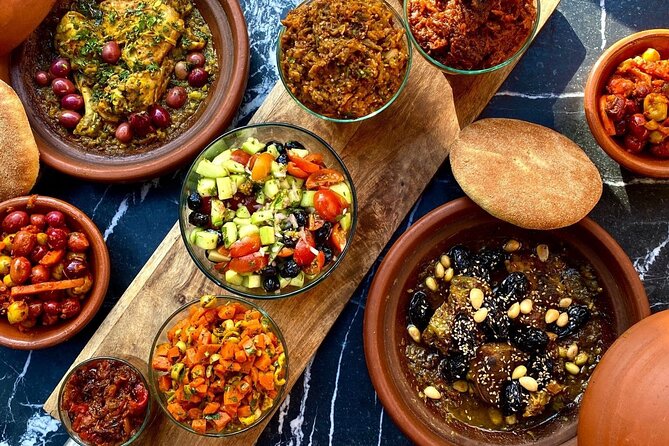
The exact menu can vary. The class is built around tajine, but several sessions have included different meat or vegetable tajines, Moroccan salads, couscous, meatballs, and fresh bread. Some participants choose between sweet and savory dishes or between beef, chicken, lamb, and vegetarian options. Do not assume every dish is included every time. The useful point is that the class can offer more than one tajine, rather than limiting you to a single fixed plate.
More Cooking Classes in the world:
- Half-Day Thai Cooking Class at Organic Farm in Chiang Mai
★ 5.0 · 19,087 reviews - From Porto: 2 Wine Regions, Farm-to-Table Lunch & Boat
★ 4.9 · 5,724 reviews - Cooking Class and Lunch at a Tuscan Farmhouse with Local Market Tour from Florence
★ 5.0 · 4,831 reviews
A farm kitchen away from Marrakech’s noise
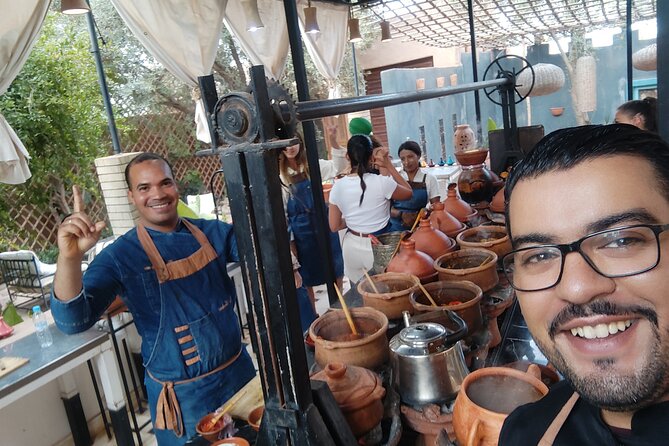
After shopping, the group goes to the farm cooking site. The change is part of the appeal. Instead of spending the entire class in the tight lanes of the medina, you reach a quieter place with trees, plants, and an outdoor kitchen. The setting gives you room to work and makes the meal feel like a social occasion.
The day begins at the farm with Moroccan tea and sweets. You also take a short walk through the farm to see the vegetation before cooking starts. These moments are not filler. They help you connect the spices and produce from the market with the setting where the meal will be prepared.
The cooking area is outdoors, and some food is cooked over coal. That traditional method adds a practical lesson that you will not get from simply watching someone prepare a dish. You can see how heat, time, oil, liquid, and spice affect the final result. You may also get a better sense of why Moroccan food often tastes layered rather than simply hot.
The class provides aprons, so you can work without worrying too much about your clothing. Still, wear comfortable clothes and shoes. You will be moving between the market, the farm, and the cooking area, and the day lasts about five hours.
Learning Moroccan spices and tajine technique
Tajine is the main event. You prepare your own dish by hand, following the chef’s direction from chopping and seasoning to arranging the ingredients for cooking. The method is valuable because a tajine is more than a recipe. The order in which ingredients are placed, the amount of liquid used, and the pace of cooking all affect the result.
A useful part of the lesson is the explanation of common Moroccan seasonings. Ras el hanout and preserved lemons have been part of the cooking for some sessions, along with the familiar herbs and spices used in Moroccan food. The point is not to memorize a long list. You learn how a spice blend works with meat, vegetables, fruit, or a slow-cooked sauce.
Chef Abdel is described as an engaging teacher who speaks English well and enjoys answering questions. His team, including Fathima, helps keep the class moving and the kitchen organized. That division of work matters in a group class. One person can explain the next step while another helps with preparation and service.
The class is hands-on rather than a demonstration followed by lunch. You should expect to chop, mix, season, shape, and assemble food yourself. If you have cooked before, you can ask about technique and ingredient choices. If you are new to Moroccan cooking, the step-by-step format should make the process manageable.
The lesson is also flexible enough to suit different tastes in some sessions. Vegetarian, chicken, lamb, and beef options have been offered, and some people have prepared sweet versions. Confirm the available choices when you book if dietary needs are important to you. The supplied information does not promise a specific menu for every date.
Salads, couscous, bread, and a generous lunch
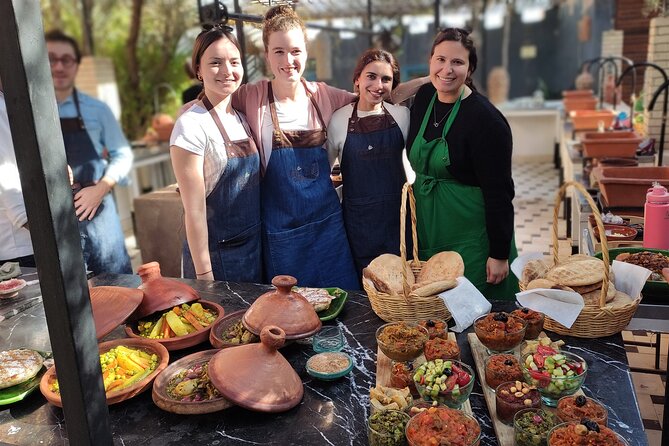
The tajine gets the most attention, but it may not be the only food you prepare. Several classes have included a broad selection of Moroccan salads, sometimes as many as six or nine dishes. These can include different combinations of cooked vegetables, herbs, spices, and sauces.
That variety is one of the strongest reasons to choose this class over a simple tajine lesson. Moroccan meals are often built around several small vegetable dishes, not just one main course. Preparing them helps you understand how acidity, sweetness, herbs, and warm spices balance each other.
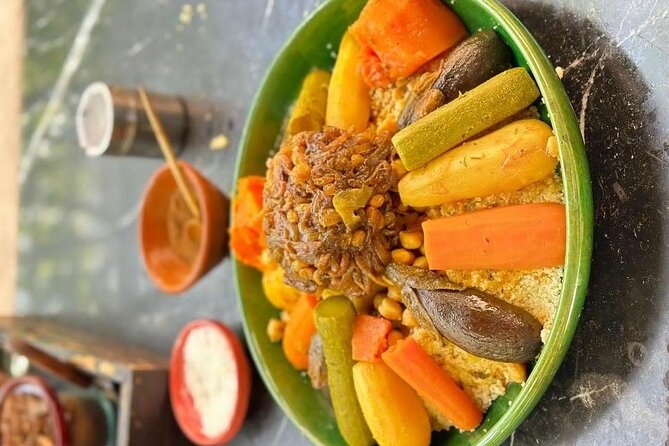
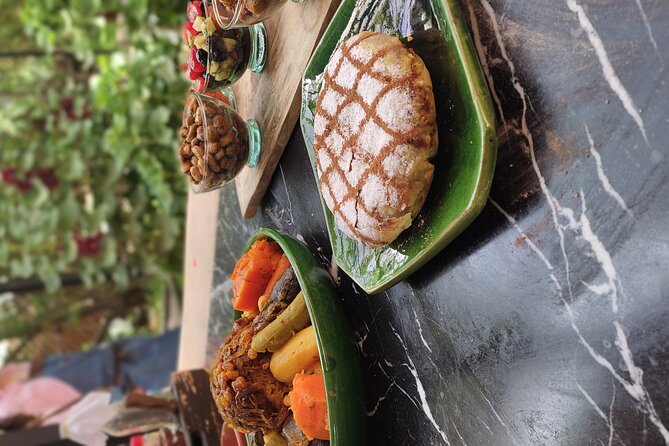
Couscous, meatballs, and fresh bread have also appeared in the menu. One session included four salads, chicken tajine, and bread, while another produced a large shared feast with individual tajines and many salads. The exact number of dishes is not guaranteed, but the class can be much more substantial than the phrase cooking a tajine suggests.
Portions are reported as generous, which is useful if you are planning the rest of your day. You eat what you prepare, and the meal becomes the natural end of the class. Tea and sweets are served as well.
The meal is a social part of the experience. You work individually on your chosen dish, then share food made by the group. That balance is appealing: you get ownership of one recipe while still tasting a wider range of Moroccan cooking.
More farm tours around the world:
- Florence Pizza or Pasta Class with Gelato Making at a Tuscan Farm
★ 5.0 · 6,801 reviews - Chiang Mai: Authentic Cooking Class with Market & Farm Visit
★ 4.9 · 4,546 reviews - Tromsø: Reindeer Camp and Sami Cultural Tour with Lunch
★ 4.7 · 3,326 reviews - Maui Pineapple Farm Tour in Haliimaile
★ 5.0 · 2,855 reviews
Why the five-hour format works
Five hours sounds long if you are looking for a quick activity, but it suits this itinerary. The class includes the meeting, medina walk, market shopping, transport to the farm, tea, the farm visit, preparation, cooking, and lunch. Rushing any one of those steps would weaken the experience.
The half-day timing also leaves the rest of your day open. You can schedule the class in the morning and return to Marrakech for sightseeing, or treat it as the main activity before an evening in the medina. The experience is long enough to feel worthwhile without taking an entire day away from your plans.
The pace appears leisurely but active. You are not standing still for five hours, yet you are also not being hurried from one task to the next. That is particularly helpful in a cooking lesson, where the value comes from seeing each stage clearly.
There is one practical tradeoff. Because the class includes a market and farm transfer, the timing may be less exact than a simple city-center demonstration. Keep your schedule flexible around the five-hour estimate, especially if you have a train, flight, or fixed reservation afterward.
What $75.60 buys you
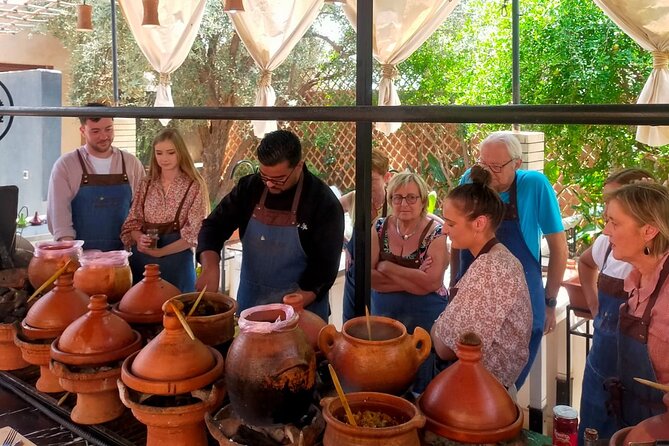
At $75.60 per person, this is not the cheapest food activity in Marrakech. The price makes more sense when you count the whole package: a guided market visit, ingredients, transport to the farm cooking site, tea and sweets, an apron, instruction, the meal, and a garden setting.
You are also paying for access to a working food culture. A restaurant can give you a polished plate, but it cannot show you how the ingredients were selected or how the dish was built. This class lets you handle the food and take the method home.
The value is strongest for people who want to repeat the recipes. A cooking lesson pays off after the trip if you can use the techniques again. One participant who paid extra for a private class received the recipes by email afterward, though the message initially went to a junk folder. Recipe follow-up may depend on the booking type, so ask if written recipes matter to you.
Private classes may cost more, while this experience is designed for a group of up to 12. A group size of 12 is still small enough for a personal class, but it is not the same as cooking alone with the chef. If you want individual attention throughout, check private options before booking.
Group discounts are available. That can improve the price for families or larger parties, particularly since children and teenagers have taken part successfully. The class is best suited to people who enjoy doing things rather than simply being shown around.
Who will enjoy this class most
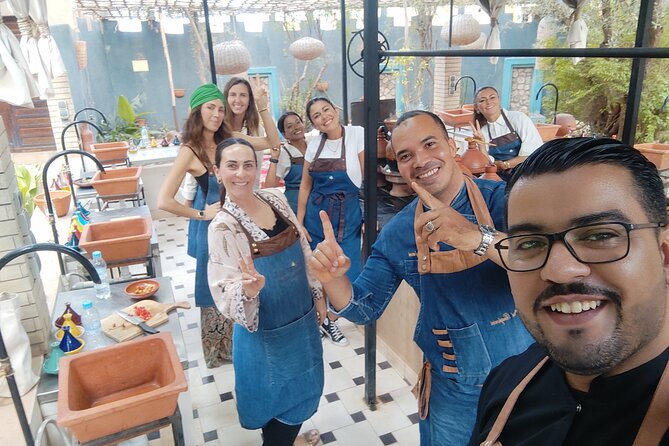
I would choose this experience for you if food is one of the main ways you like to understand a place. The market stop, spice lesson, and shared meal give you more context than a standard sightseeing tour.
It also suits couples, families, and mixed-age groups. Children and teenagers from 8 to 15 have taken part, and the hands-on work gives younger participants a clear role. Parents should still decide if a five-hour cooking day fits their children’s patience and energy.
It is a good choice for repeat visitors to Marrakech who want a break from monuments and souks. The farm provides a quieter setting without losing the connection to the city’s food culture.
You may want a different activity if you need a tightly fixed schedule, dislike group cooking, or want a class focused on one exact recipe. The menu can vary, and the group format means the pace is shared with other people.
The experience also depends on weather. If poor weather cancels the class, you are offered another date or a full refund. The provider also requires a minimum number of participants, so a cancellation is possible if that minimum is not reached.
Practical advice for a smoother morning
Book ahead if your dates are fixed. The experience is booked an average of 37 days in advance, which suggests that popular dates can fill early.
Wear clothes that are comfortable for chopping and cooking outdoors. An apron is provided, but sensible shoes remain a good idea. Bring a phone or camera if you want market photos, but ask before photographing people and keep your hands free when the cooking begins.
Tell the provider about food preferences when booking. Beef, chicken, lamb, and vegetarian choices have been available, but the information does not promise the same menu on every date.
Plan to finish back at the meeting point. The activity ends where it starts, at Koutoubia, unless your confirmed pickup arrangement says otherwise.
The cancellation policy is simple: cancel at least 24 hours before the start time for a full refund. Changes or cancellations inside that window are not refunded, and the cutoff uses Marrakech local time.
Should you book Farm to Table Marrakech?
Yes, if you want a hands-on food experience with a strong sense of place. The market shopping, farm setting, outdoor cooking, tea, and generous meal give the class more substance than a short demonstration.
I especially like the connection between the market and the plate. You see the produce, learn how Moroccan cooks use spices, then prepare the food yourself under Chef Abdel’s guidance. That sequence makes the meal easier to remember and the recipes more useful later.
Think twice if you want complete privacy, an exact menu, or a short activity. For everyone else, the $75.60 cost is reasonable for a five-hour experience that combines food, culture, instruction, and a peaceful setting. It is one of the better ways to give a Marrakech day a clear purpose beyond sightseeing.
FAQ
Where does the cooking class begin?
The listed meeting point is Koutoubia, Marrakesh 40000, Morocco. Pickup is offered, so confirm the arrangement for your accommodation when booking.
Where does the activity end?
The activity ends back at the meeting point.
How long does the experience last?
The class lasts approximately five hours.
How many people can join the class?
The maximum group size is 12 participants.
What food do you prepare?
Tajine is the central dish. Depending on the session, you may also prepare Moroccan salads, couscous, meatballs, fresh bread, or other sweet and savory tajine options.
Is the market visit part of the experience?
Yes. You walk through the medina to a local market and help buy vegetables, proteins, fruit, herbs, and spices before going to the farm kitchen.
What happens if I need to cancel?
You can receive a full refund if you cancel at least 24 hours before the experience start time. Cancellations or changes made less than 24 hours in advance are not refunded.
Newly listed farm visits around the world
- Half-Day Farm Visit and Cow Milking Experience★ 5.0 · 16 reviews
- Boutique tour , Mt Maunganui, NZ farm, Rotorua lakes/geothermal★ 4.5 · 50 reviews
- Gourmet Mushroom Farm Tour in Tennessee★ 5.0 · 5 reviews
- Cozy Farm Experience with Wagon Wheels and Acoustic Meal★ 5.0 · 2 reviews
- Animal farm park with free hotel pickup★ 5.0 · 2 reviews
- Alpaca Farm Tours with Toffeemont★ 5.0 · 8 reviews
- Private, via beaches, Kiwi farm to Rotorua 8 lakes & Geothermal★ 5.0 · 20 reviews
- 1D Tour to Cingjing Farm from Taichung★ 4.5 · 3 reviews
Cooking Classes, compared.
Half-Day Thai Cooking Class at Organic Farm in Chiang Mai
Read our review →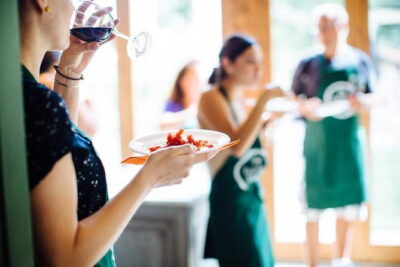
Cooking Class and Lunch at a Tuscan Farmhouse with Local Market Tour from Florence
Read our review →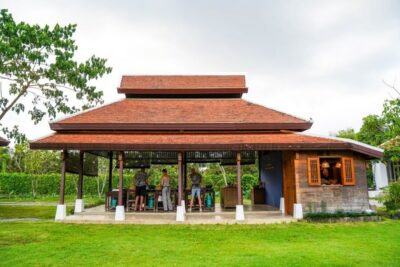
Authentic Cooking Class with Market & Farm Visit
Read our review →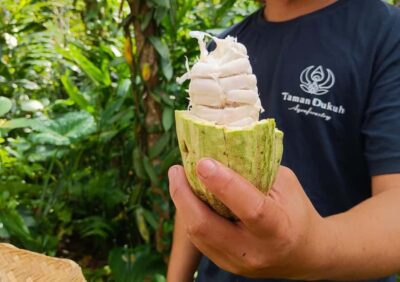
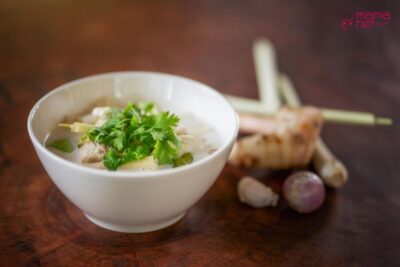
Hands-On Cooking Class & Farmhouse Tour on the Amalfi Coast
Read our review →

Thai Cooking Class | Since 2012 | Farm to Table
Read our review →Browse the lists this tour appears in