
Review · CAMBODIA
Phnom Penh Kampot Kep Tour “Pepper Farm, Salt Field, Crab Market”
The best part of this long day is its variety. In one outing, you move from Phnom Penh to Kampot’s old French-era sights, a pre-Angkorian cave temple, a former Khmer Rouge-era dam, pepper fields, salt flats, and Kep’s seafood market. It gives you a useful first look at southern Cambodia without arranging several separate trips.
I like the La Plantation visit, where you learn about black, red, white, and fresh Kampot pepper from a farm guide. I also like the easy transport: Simon, an English-speaking driver, handles the roughly 160-kilometer road journey in an air-conditioned vehicle, with bottled water provided. The main drawback is the length. With about six hours on the road and several stops, this can be a tiring 8 to 10-hour day.
Key points to know before booking
- Pepper farm is the main attraction: La Plantation includes a farm visit and an English or French-speaking guide.
- The road day is long: Phnom Penh to Kampot takes about three hours each way.
- The cave temple needs some effort: Phnom Chhngok is reached by a winding dirt road and involves a one-hour visit.
- Salt fields depend on the season: The salt-field stop is available only during the dry season.
- Kep adds a seafood finish: You have time at the Crab Market and a photo stop at Kep Beach.
- Small groups keep the ride manageable: The maximum group size is 12, and private group arrangements may occur.
Why this Phnom Penh to Kampot day works
This is not a quick city excursion. It is a road trip through southern Cambodia, built around the things that make Kampot and Kep different from Phnom Penh. The day links rural production, old architecture, religious sites, coastal food, and the country’s most famous pepper-growing area.
You leave Phnom Penh at 7:30 a.m. from your hotel. That early start matters because the route is long and the itinerary has several stops. The drive to Kampot is about three hours, covering approximately 160 kilometers. You will want to treat the vehicle as part of the experience, not just a transfer between attractions.
The air-conditioned car is an important part of the value. This is a lot of road time in one day, and a comfortable vehicle makes the schedule easier to handle. Bottled water is included, and the driver speaks English. Simon has been praised for being helpful, careful, and generous with water, which are exactly the qualities you want on a full-day road journey.
The tour can include up to 12 people, although a private group experience may be arranged. A smaller group usually makes stops less hurried and gives you more room in the vehicle. Still, the exact feel of the day depends on the group size and road conditions.
More Salt Farm Tours in Cambodia
- Kampot: Pepper Farm Tour, Salt Field, Cave & Secret Lake
★ 4.9 · 283 reviews - Kampot Countryside include Pepper farm, Salt field & Lake
★ 4.9 · 100 reviews - Kampot Countryside include Pepper farm,Salt field and Secret lake
★ 5.0 · 52 reviews
Kampot’s old bridge and French-era remains
Your first look at Kampot comes through the town’s old iron bridge, which crosses the Kampot River. The bridge dates from the French colonial period and provides a simple but useful introduction to the town’s past.
You also visit old French buildings in Kampot. This is a short stop, listed at about 30 minutes, so do not expect a long architectural walk or a detailed town tour. Instead, think of it as a quick orientation before heading into the countryside.
I like this opening because it gives the day some context before the rural stops begin. Kampot is not only a gateway to pepper farms and beaches. Its riverfront and older buildings reflect the area’s connection with French colonial administration and trade.
The short timing is also a limitation. If old buildings are your main interest, this will not replace a longer exploration of Kampot town. The tour is designed to show you several parts of the region in one day, not to linger in each one.
Phnom Chhngok Cave Temple and the rough road in
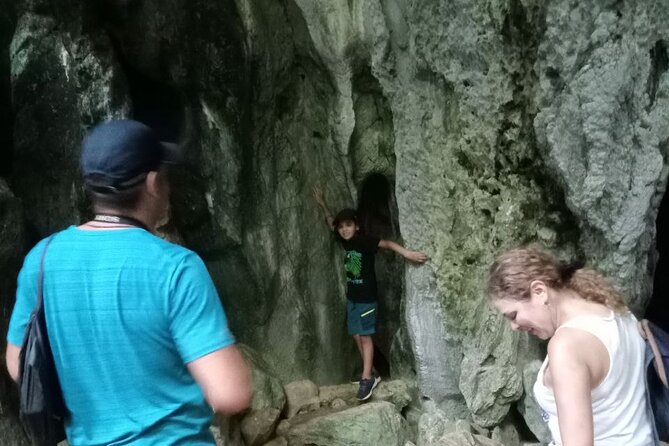
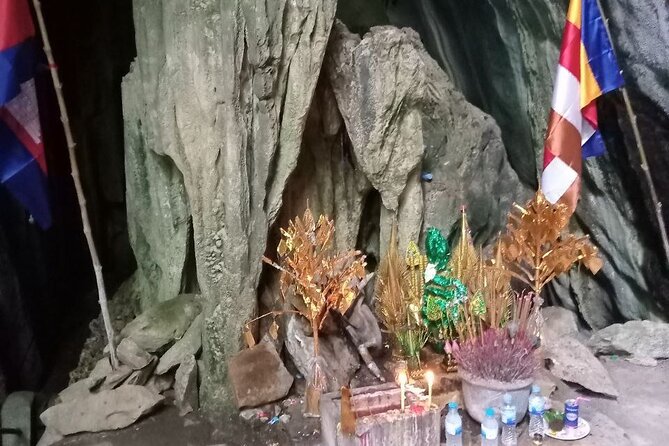
The journey to Phnom Chhngok Cave Temple takes you away from the main road toward Kep and onto a winding dirt road. The ride can be tiring, especially after the morning drive, but it also takes you through Cambodian countryside that you would miss on a direct transfer.
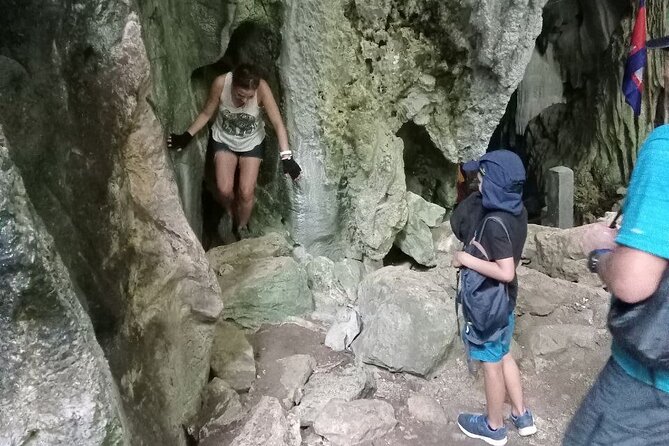
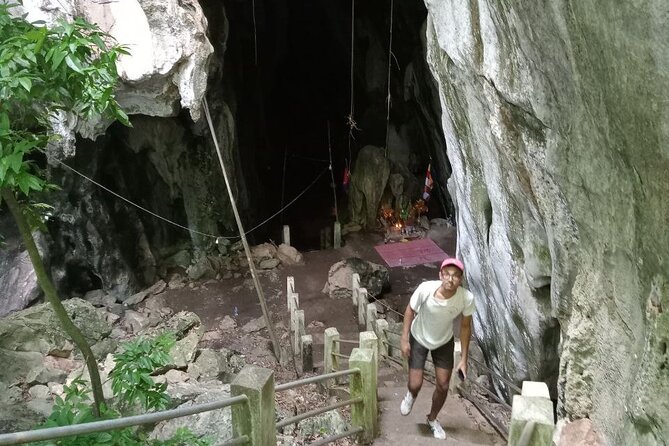
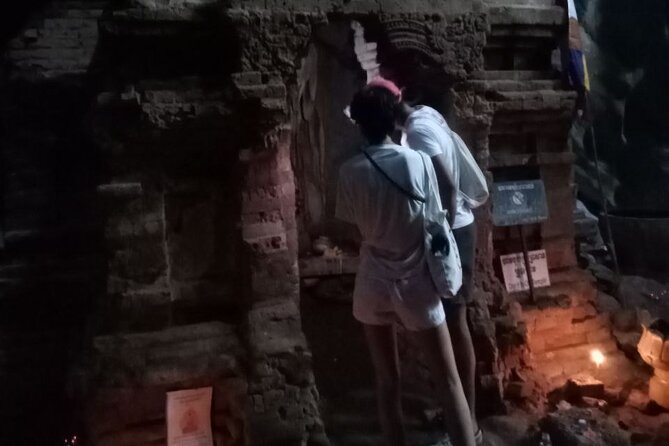
The temple is pre-Angkorian and set inside a cave. You have about an hour here, with the entrance fee included. The unusual setting is the reason to make the effort. Rather than seeing a large, formal temple complex, you visit an older religious site shaped by rock and reached through a less polished approach.
This stop rewards curiosity more than comfort. The road is not presented as smooth, and the visit may not suit you if you have trouble with uneven routes or prefer easy roadside sightseeing. The supplied information says most people can take part, but it does not give more detailed mobility information, so ask the operator if you have specific concerns.
The countryside views help make the transfer worthwhile. You are not simply losing time on a rough road. You are seeing farmland and open rural scenes between Kampot and Kep, with the cave temple providing a strong change from the town’s colonial buildings.
Secret Lake and the story behind the dam
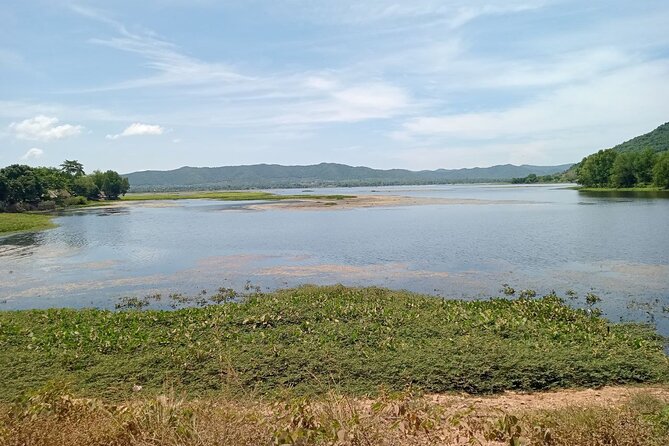
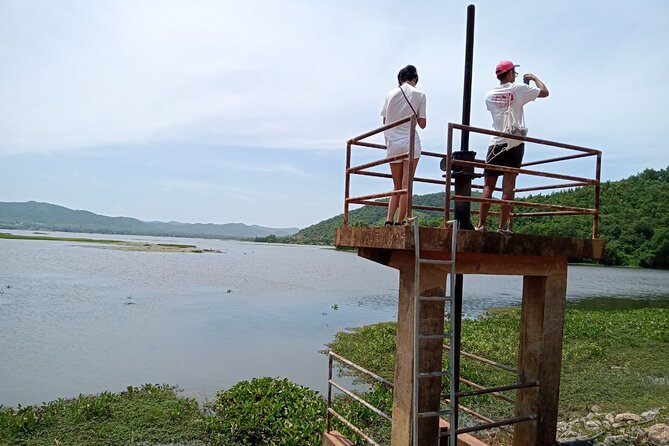
Brateak Krola Lake is commonly called Secret Lake, though it is actually a man-made dam. The structure was built with slave labor during the Khmer Rouge era, giving this brief stop a serious historical weight.
The visit lasts about 15 minutes. That is enough for a look and some photos, but not enough for a long interpretive talk. You should expect a short roadside pause rather than a full museum-style history lesson.
I appreciate the stop because it adds a difficult part of Cambodia’s past to a day otherwise centered on scenery, food, and agriculture. The lake is also large for a man-made body of water, so it gives you a visual break after the cave road.
The short visit means you will need to absorb the context quickly. Your driver may provide some explanation, but the included English or French-speaking guide is specifically listed for La Plantation, not for every stop. If you want a detailed account of the dam’s history, this tour may leave you wanting more.
More Pepper Farm Tours in Cambodia:
- Kampot: Full-day Countryside Tour with Pepper Farm and Kep
★ 4.9 · 245 reviews - Kampot: Tuk Tuk Trip to Pepper Farm, Kep, Crab Market & More
★ 4.9 · 143 reviews - KAMPOT TRAVEL-Pepper farm. Cave.Secret lake-Crab market & Salt…
★ 5.0 · 87 reviews - Kampot’s Countryside & Kayak Tour, Pepper Farm include Lunch
★ 4.8 · 74 reviews
La Plantation, the day’s strongest stop
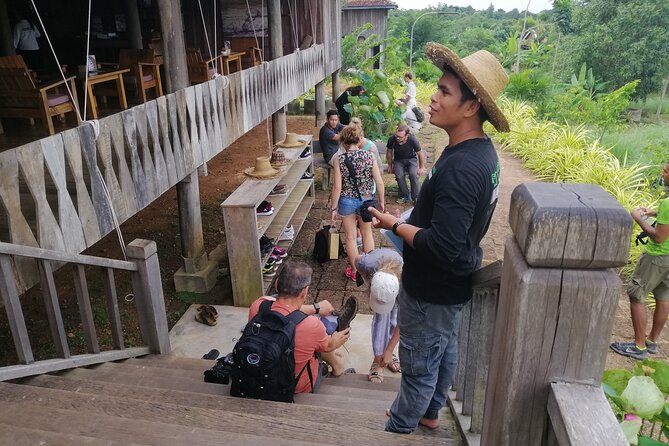
La Plantation is the centerpiece for many people. It is described as a social and sustainable family project combining traditional farming with modern processing. The farm produces black, red, white, and fresh Kampot pepper.
You spend about two hours here, and an English or French-speaking farm guide leads this part of the visit. That is a major advantage. You are not just looking at rows of plants from the roadside. You get a focused explanation of how Kampot pepper is grown and processed, with the chance to understand why the product has such a strong reputation.
The range of pepper types makes the stop more interesting than a basic farm tour. Black, red, white, and fresh pepper are not simply different labels on a shelf. They reflect different stages and methods of handling the same crop. The guide can give you the useful background that turns a food purchase into a better understanding of the region.
The farm also adds a human element to the day. The project is family-based and linked with sustainable farming, so you can connect the famous Kampot product with the people and land that produce it.
This is where the tour’s value is strongest. The $89 price includes transport from Phnom Penh, the driver, entrance fees, water, and the farm guide. If you arranged a private car and separate farm visit yourself, the total could become more complicated. The tour gives you a ready-made route and removes the need to negotiate several transfers.
Keep in mind that meals are not included. You should budget separately for lunch or seafood later in the day. The information provided does not specify a restaurant meal at La Plantation, so do not assume food is part of the farm visit.
Salt fields and the importance of timing
Salt fields are part of the route, but this stop is available only during the dry season. That condition is important when comparing this tour with other southern Cambodia trips. You may receive the main pepper-farm and Kep experience while missing the salt fields if the season is not suitable.
Salt production gives you another view of local work. After seeing pepper grown inland, you see a different kind of rural industry tied to sun, water, and open drying areas. The stop helps explain why this region is known for more than scenery and seafood.
The supplied timing does not give a separate duration for the salt fields. Because the full day is already tightly packed, you should expect a brief visit rather than a long guided lesson. Ask about seasonal availability before booking if this stop is one of your main reasons for choosing the tour.
Kep Beach and the Crab Market
The final major section takes you toward Kep. You have a photo stop at Kep Beach, followed by time at the Crab Market. This is the coastal change of pace the itinerary needs after a morning of roads, temples, and farming.
The market is a practical place to see Cambodian seafood culture. Fishermen bring in their catch, and vendors sell seafood directly. You may bargain with vendors, and the market gives you the chance to choose seafood rather than simply receiving a fixed meal.
This is also where the tour becomes more flexible. You can focus on watching the market activity, looking for a seafood lunch, or taking photos. The listed market visit lasts about one hour, so you have time to look around without turning the stop into a long afternoon.
Meals are not included, so any seafood you eat is at your own expense. That is worth planning for because Kep’s crab is one of the area’s best-known food experiences. The tour provides the access and time, but you pay for what you order.
The market may feel less polished than a restaurant, and that is part of its appeal. You see the buying and selling process close up. If you prefer a quiet sit-down meal with a fixed menu, the market could feel hectic or informal. If you like seeing where food comes from, it is a strong finish.
The return trip and the real cost of the day
After Kep, the driver takes you back to Phnom Penh, or drops you at a hotel in Kampot or Kep if you are staying there. This makes the tour more useful than a simple round-trip outing for people moving through southern Cambodia.
The overall duration is listed as about 8 to 10 hours, but the itinerary includes a three-hour trip out, a three-hour return, and several stops. A longer day is possible, especially with road delays, a larger group, or extra time at the market. One customer specifically appreciated Simon’s safe driving when the tour lasted longer than expected.
At $89 per person, the value depends on what you need. The price is reasonable if you want one vehicle, one driver, included entrance fees, bottled water, and a farm guide without arranging the pieces yourself. It is less appealing if you are already staying in Kampot or Kep and can visit these places more slowly from there.
The strongest value comes from convenience and coverage. In one day, you reach locations that are spread across the Kampot and Kep area. The tradeoff is that you spend much of the day in transit and have limited time at some individual stops.
Who should book this tour
I would choose this tour if you have a short Cambodia itinerary and want to see more than Phnom Penh. It suits you if you like mixing food, rural production, history, temples, and coastal scenery rather than spending the whole day at one major attraction.
It also suits you if you prefer a driver to handle the route. Simon has been described as helpful and safe, and the spacious, comfortable car matters when the road day runs long. The maximum of 12 people keeps the group from becoming too large, though you should still confirm the group arrangement if that affects your decision.
You may want a different plan if you dislike long drives, rough side roads, or tightly scheduled days. The cave road can be tiring, the salt fields may not operate during your visit, and the old bridge and Secret Lake stops are brief. This is a sampling tour, not a slow stay in Kampot.
Book early if your dates are fixed. The experience is often reserved about 79 days ahead, which suggests that availability can matter during busy periods. Also, the booking is non-refundable and cannot be changed for any reason, so confirm your date, pickup details, and preferred drop-off before paying.
Should you book it?
Book this tour if you want a broad, efficient introduction to Kampot and Kep from Phnom Penh, with La Plantation and the Crab Market as the highlights. The included transport and farm guide make the $89 cost easier to justify, especially for a first visit or a tight schedule.
Skip it if you have several days in the south and would rather explore Kampot and Kep at a slower pace. For everyone else, this is a useful, well-packed road day. Just bring patience for the long drive, keep room in your schedule for a late return, and confirm whether the salt fields will be operating.
FAQ
How long does the Phnom Penh to Kampot and Kep tour last?
The tour lasts approximately 8 to 10 hours. The drive from Phnom Penh to Kampot takes about three hours, and the return journey takes about three hours.
What time does the tour start?
The stated start time is 7:30 a.m. Pickup is offered from your hotel in Phnom Penh.
Is transportation included?
Yes. An air-conditioned vehicle and an English-speaking driver are included. The vehicle transfers you between Phnom Penh, Kampot, the countryside stops, Kep, and your return destination.
Is a tour guide included at every stop?
An English or French-speaking guide is included at La Plantation pepper farm. The tour also includes an English-speaking driver, but a separate guide is not specifically listed for every other stop.
Is the salt-field visit available all year?
No. The salt fields are available only during the dry season. Confirm seasonal availability if this stop matters to you.
Are meals included in the $89 price?
No. Meals are not included. Food at or near the Kep Crab Market must be paid for separately.
Can I finish the tour in Kampot or Kep instead of Phnom Penh?
Yes. The driver can return you to your hotel in Phnom Penh, or drop you at a hotel in Kampot or Kep if you are staying there.
More Market Tours in Cambodia
- Full day Tour, Countryside, Pepper farm & Kep, crab market…
★ 5.0 · 49 reviews - Kampot/Cambodia pepper farm . Cave. lake. Kep Crab market & more.
★ 5.0 · 27 reviews - Private Kampot Countryside Tour & Pepper farm, Kep/Crab Market
★ 5.0 · 21 reviews - Kampot Pepper Farm, Salt Fields, Crab Market from Phnom Penh
★ 4.8 · 21 reviews
Newly listed farm visits around Cambodia
- Private Kampot Countryside Tour & Pepper farm, Kep/Crab Market★ 5.0 · 21 reviews
- KAMPOT- Pepper farm ..salt fields.Kep/Crab market & more……..★ 4.5 · 12 reviews
- Kampot Tuktu tour: Pepper farm, Salt field & Secret lake★ 5.0 · 17 reviews
- Pepper Farm Guided Tour, Kep/Crab Market, Salt Field &Secret Lake★ 4.5 · 2 reviews
- Kampot/Cambodia pepper farm . Cave. lake. Kep Crab market & more.★ 5.0 · 27 reviews
- Kampot Classic Tour & Kayaking at the Green Cathedral with lunch★ 5.0 · 9 reviews
- Half-Day Adventure to the Pepper Farm by Scooter★ 5.0 · 3 reviews
- Full Day Pepper Farm Adventure by Scooter★ 5.0 · 4 reviews
Pepper Farm Tours, compared.
Pepper Farm Tour, Salt Field, Cave & Secret Lake
Read our review →
Full-day Countryside Tour with Pepper Farm and Kep
Read our review →
Tuk Tuk Trip to Pepper Farm, Kep, Crab Market & More
Read our review →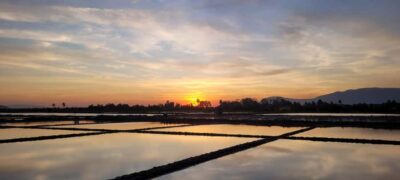
Kampot Countryside include Pepper farm, Salt field & Lake
Read our review →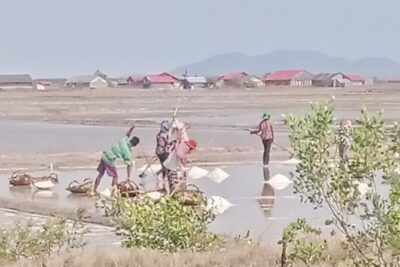
KAMPOT TRAVEL-Pepper farm. Cave.Secret lake-Crab market & Salt…
Read our review →
Kampot’s Countryside & Kayak Tour, Pepper Farm include Lunch
Read our review →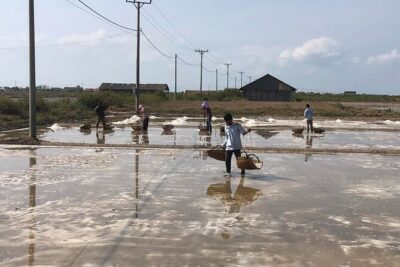
Kampot Countryside Tour – Pepper Farm, Salt Lake, Caves, and more
Read our review →
Kampot Private Tour: Pepper Farm, Salt Field & Secret Lake
Read our review →Browse the lists this tour appears in