
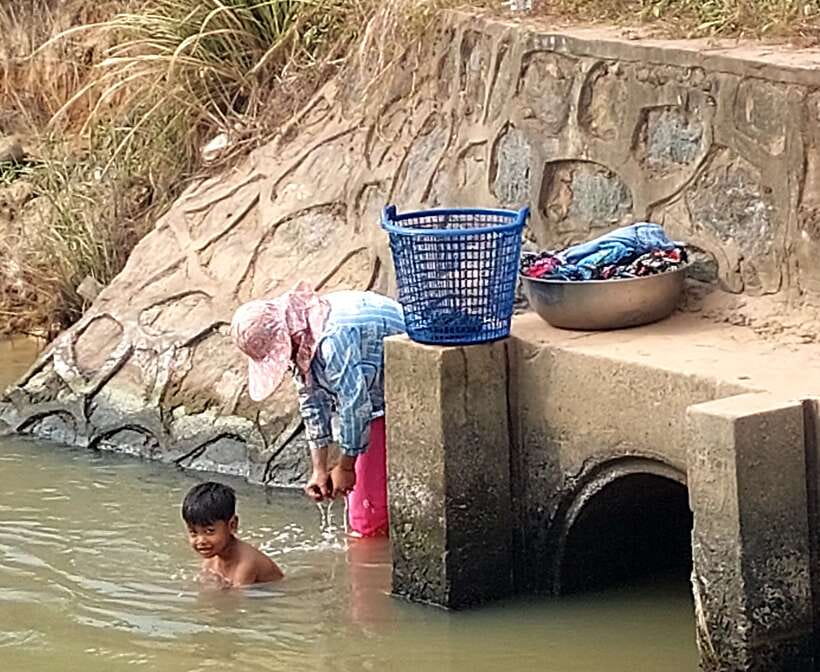
Review · KAMPOT
Kampot: Pepper Farm Tour, Salt Field, Cave & Secret Lake
The most memorable part of this Kampot outing is the mix of working countryside and underground history. You move from salt pans and pepper vines to a limestone cave with a 7th-century Hindu temple, then slow down beside the peaceful Secret Lake.
I like the strong local focus, especially the chance to learn how salt is made and taste several types of Kampot pepper. I also like the guides’ personal approach. Names such as Micki, Vandy, Seth, Nak, and Roy appear among the guides, and each brings local stories, safe driving, and a friendly style.
The main consideration is the season. Salt production depends on dry weather, and heavy rain can leave the fields quiet or empty. The cave also requires walking and climbing, so this is not a good fit for people over 70 or anyone who needs a fully level outing.
Key points at a glance
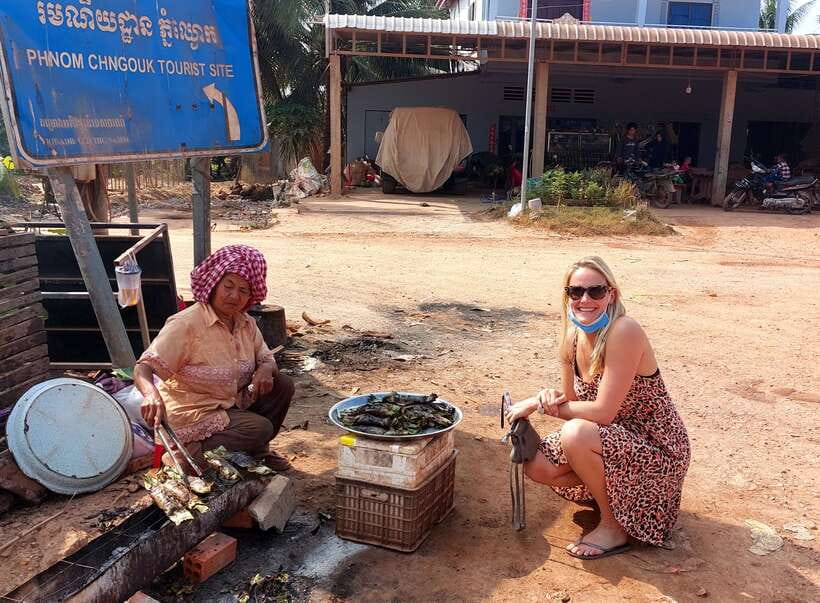
- Taste several kinds of Kampot pepper: The plantation stop includes explanations of growing and processing, plus pepper, curry, and unusual pepper ice cream tastings.
- See salt production up close: In the dry season, you can walk among the salt fields and watch workers. In wet weather, your guide may explain the process with photos or video instead.
- Explore a real limestone cave: The cave visit includes the old temple inside, bats, uneven ground, and useful help with photos.
- Hear local stories at Secret Lake: This quiet stop connects scenery with Cambodia’s recent past, including stories linked to the Khmer Rouge.
- Travel with a local guide: English-speaking guides such as Micki and Vandy explain rural life, farming, fishing, village customs, and Cambodian history.
- Good value at $23: Pickup within 3 kilometers of central Kampot, entrance fees, water, and soft drinks are included. Meals and longer transfers cost extra.
Why this Kampot countryside tour works
Kampot is easy to enjoy from a riverside café, but the province makes more sense once you leave town. This tour takes you into the working countryside, where salt, pepper, rice, fishing, and village life matter more than postcard views.
I like the balance. You are not spending the whole day at one commercial attraction. The stops shift between work, nature, history, and food. That gives the outing a useful rhythm: learn how a product is made, walk through a cave, hear a local story, then sit back with a drink before the next stop.
The guides are an important part of the experience. They were born and raised in the region, so they can explain more than the basic facts. You can ask about family life, farming, local customs, and the way people earn a living. Micki is often praised for his humor and calm manner, while Vandy, Seth, Nak, Roy, and other guides are also named as capable local hosts.
The transport is generally by tuk-tuk. That suits the rural setting and lets you feel the road, though it is not a sealed, quiet vehicle. Bring sunscreen, protect anything valuable from dust or rain, and expect a day that feels outdoorsy rather than polished.
More Salt Farm Tours in Cambodia
- Kampot Countryside include Pepper farm, Salt field & Lake
★ 4.9 · 100 reviews - Kampot Private Tour: Pepper Farm, Salt Field & Secret Lake
★ 5.0 · 27 reviews - Kampot Pepper Farm, Salt Fields, Crab Market from Phnom Penh
★ 4.8 · 21 reviews
Salt fields and the reality of seasonal work
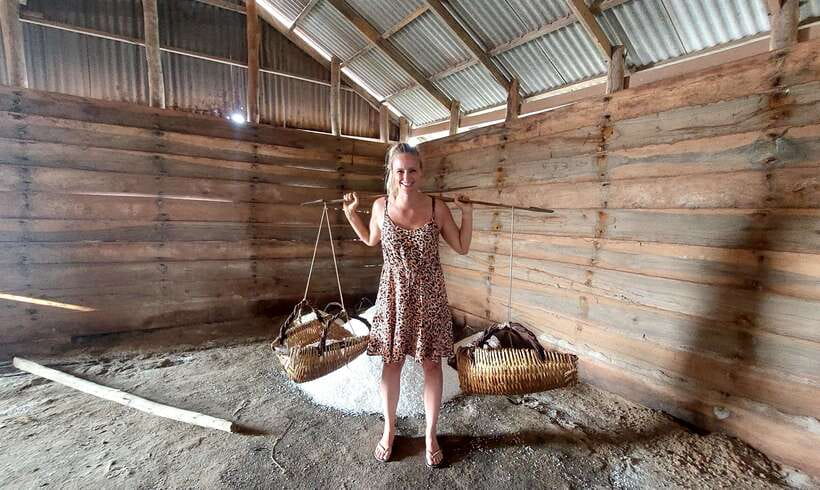
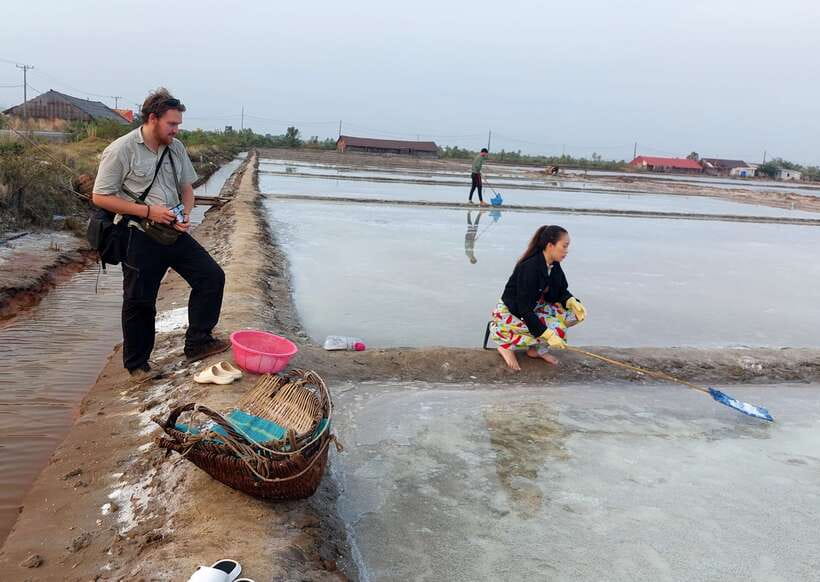
The salt fields are usually the first stop, with about 30 minutes set aside to look around. In the dry season, seawater is collected and left to evaporate in broad shallow pans. You can walk closer to the work areas, take photographs, and ask how sea salt becomes a product that reaches local markets and kitchens.
This is not a staged demonstration. The fields are a place of work, and the activity you see depends on weather and timing. During the dry season, you might find salt workers active among the pans. After heavy rain, production may stop and the fields can look bare or flooded.
That seasonal change is worth understanding before you book. You are paying for a wider countryside tour, not a guaranteed live salt-making show. When the pans are inactive, the guide can still explain the process and may use a video or photographs to show what the work looks like in action.
I find this stop valuable because it connects Kampot to ordinary labor. The bright pans can be striking, but the better reason to visit is to understand the effort behind a familiar household product. Wear sunscreen, since shade may be limited.
Inside the limestone cave and its old temple
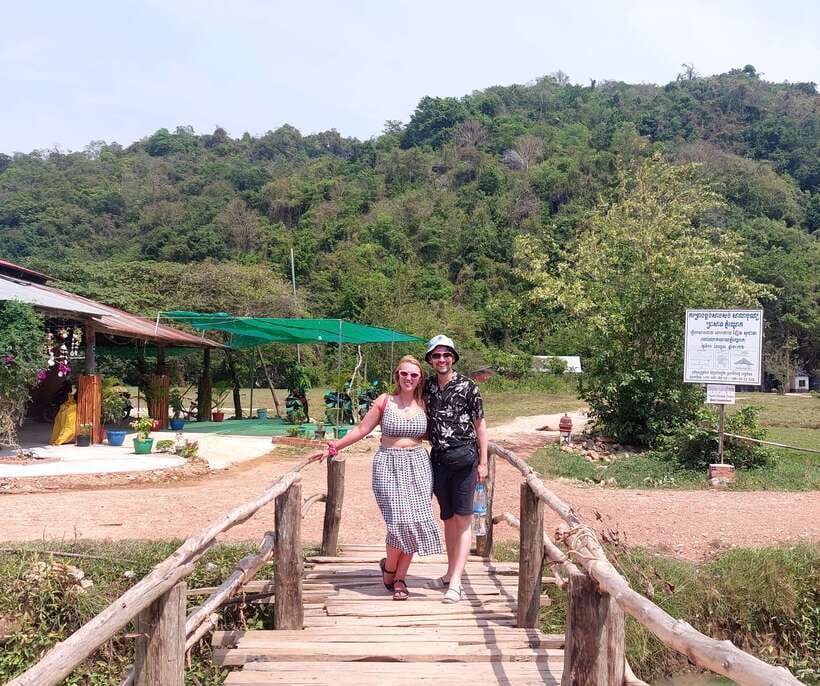
The cave is the most physical part of the outing. You will walk over uneven ground and may need to climb or squeeze through tighter sections. The guide leads the way, points out features inside, and helps you move carefully.
Within the limestone cave is a Hindu temple dating from the 7th century. That combination makes the stop more than a short nature walk. You get a look at the region’s early religious past, then see how the cave itself has shaped the experience of the place.
The cave can be dark and damp, and the footing is not uniform. This is one reason the tour is not suitable for people over 70. The guides are attentive, though, and can adjust their pace. Vandy, for example, is praised for respecting physical limits, while other guides help visitors find safe positions for photographs.
You might also see bats. The cave is not presented as a fully developed attraction with smooth paths and bright lighting, which is part of its appeal and part of its challenge. If you want a completely easy sightseeing day, this stop may feel demanding. If you enjoy a little scrambling and genuine exploration, it is likely to be one of the day’s best moments.
Wear shoes with a secure grip. The supplied information specifically asks you to bring sunscreen, but sensible footwear is just as useful for the cave.
Secret Lake, quiet views, and difficult stories
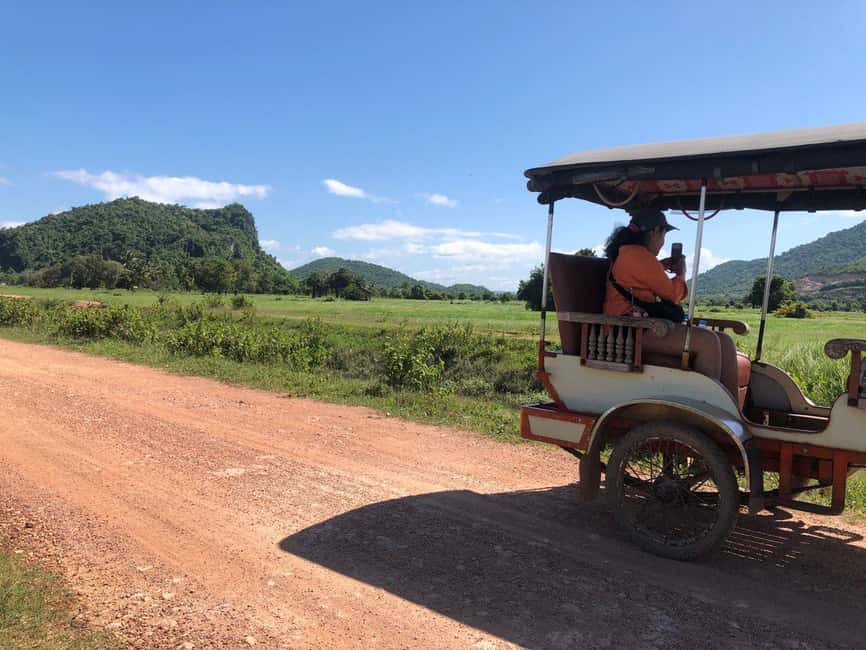
Secret Lake offers a change of pace after the cave. Instead of climbing and watching your footing, you can sit, take in the water, and listen to the guide explain the place.
The lake is also tied to Cambodia’s difficult recent history, including the period of the Khmer Rouge. A good guide can make this stop more meaningful by connecting the site to local memory and the lives of people in the surrounding area. The story is not treated as a detached history lesson. It is part of the place you are standing in.
Soft drinks are included, and several guides provide or arrange fresh coconut water during the outing. Some stops also offer a chance to rest in a hammock. These details matter because the tour packs several activities into one day, and a quiet break keeps the pace from becoming tiring.
Secret Lake is not a major monument. Its appeal comes from stillness, local stories, and the contrast with the busier parts of the trip. If you need a dramatic attraction at every stop, you may find it modest. I prefer it as a pause that gives the day room to breathe.
More Pepper Farm Tours in Kampot:
- Kampot: Full-day Countryside Tour with Pepper Farm and Kep
★ 4.9 · 245 reviews - Kampot: Tuk Tuk Trip to Pepper Farm, Kep, Crab Market & More
★ 4.9 · 143 reviews - Kampot’s Countryside & Kayak Tour, Pepper Farm include Lunch
★ 4.8 · 74 reviews - Kampot Pepper Farm Tour: Salt Fields, La Plantation & Cave
★ 4.8 · 18 reviews
Kampot pepper, from vine to tasting table
For many people, the pepper farm is the highlight. Kampot pepper has a strong reputation, and this visit shows you how the crop grows, how it is handled, and how different varieties taste.
The plantation experience often includes La Plantation, where a plantation guide explains the crop in more detail. Your local tour guide still helps put the visit into context, especially by connecting pepper farming with the wider rural economy.
The tasting is the fun part. You can try several types of pepper and compare their differences rather than simply hearing a sales pitch. Curry tastings may also be included, and one especially memorable option is pepper ice cream. It sounds odd until you try it, and the combination gives the stop a playful finish.
The visit is useful even if you do not plan to buy pepper. You learn why the crop matters to Kampot and how much care goes into producing and processing it. If you do want to purchase something, take a moment to compare products and prices rather than feeling pressured to buy.
This stop also works well for people who enjoy food-focused travel. You are not only looking at plants. You are tasting the result and learning how pepper fits into local life.
What the guides add to the day
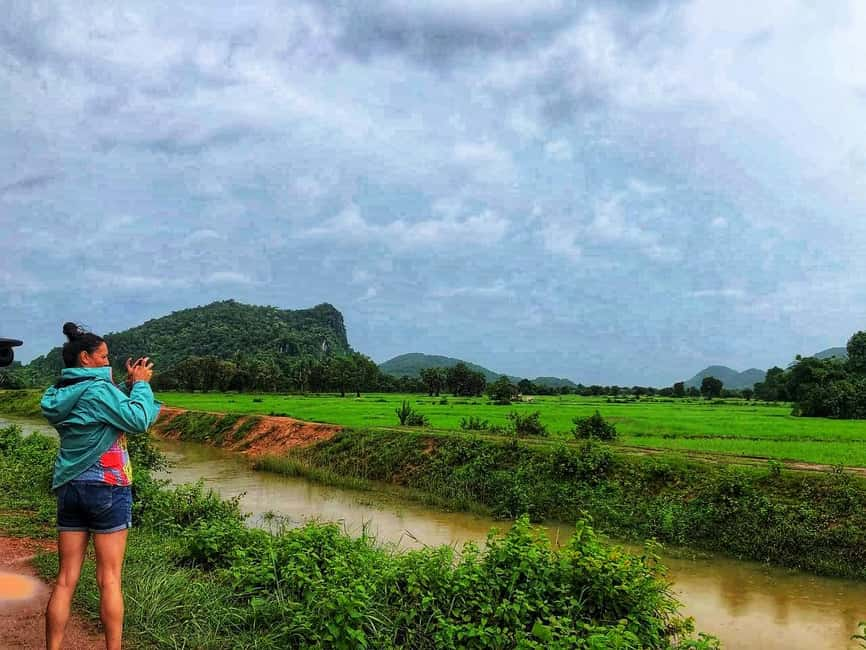
The strongest part of the experience is the guide rather than any single stop. The tour company uses several guides, so your experience depends partly on who is assigned. Micki is described as funny, warm, patient, and confident in the cave. Vandy is often praised for clear explanations, safe driving, and a friendly manner. Seth, Nak, Roy, Jason, Chet, Ali, and others are also named as English-speaking guides who explain the area well.
That variety means you should not book expecting one specific guide unless the operator confirms it. Still, the repeated pattern is clear: the guides do more than point at attractions. They answer questions, share personal experience, and explain Cambodian countryside life from a local point of view.
They also manage the pace. One guide may leave you alone to look around, then step in when you want a story or explanation. That balance is better than a nonstop lecture. It also helps when rain changes the plan. One outing continued successfully in wet weather because the guide adjusted the order of stops several times.
The drivers matter too. Safe, steady driving is especially important on rural roads and during bad weather. Pickup and drop-off are included for hotels within 3 kilometers of central Kampot. If you are farther away, expect an extra charge starting at $2.
Price, timing, and what the $23 covers
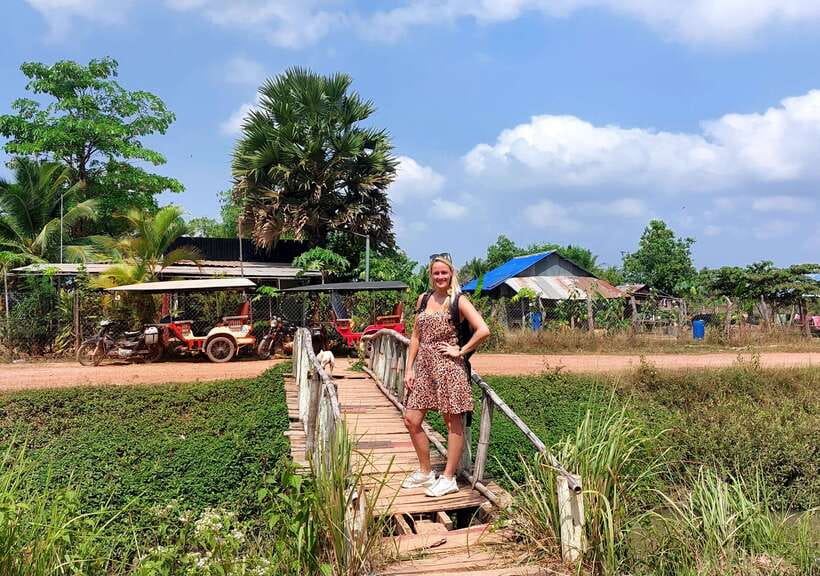
At $23 per person, this is a strong-value outing if you want several Kampot highlights in one booking. The price includes the guide, entrance fees, drinking water, soft drinks, and hotel pickup and return within the stated central area.
Meals are not included. You should plan to eat before or after the tour, or ask the operator what food options are available during the day. Some outings have included local snacks or traditional pancakes, but that should not be treated as part of the fixed package.
The schedule can feel full, though the stops are varied enough that it does not usually feel repetitive. Reports describe half-day and afternoon versions as well as longer outings, so confirm the expected duration when booking. The exact order may also change because of rain, sunset timing, or salt-field conditions.
Sunset can be part of the appeal when the salt pans or another rural stop are visited late in the day. That timing is not guaranteed, so ask if sunset matters to you.
You can reserve now and pay later, which helps if your Kampot plans are still shifting. Cancellation is allowed up to 24 hours before departure for a full refund.
Who should book this experience
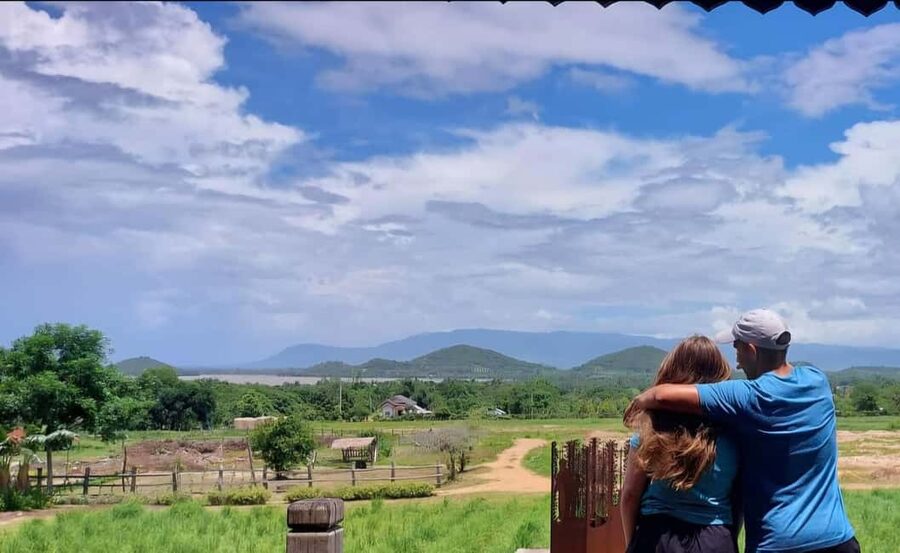
I would choose this tour if you want to understand Kampot beyond the town center. It suits couples, solo visitors, and families with older children who enjoy food, local history, rural work, and a little physical activity.
It is especially good for you if:
- You want a local guide rather than a self-guided drive
- You enjoy tasting regional products
- You are curious about farming and salt production
- You like caves and do not mind uneven ground
- You want several different stops for one modest price
- You value conversation and local stories
I would think twice if you need step-free access, dislike tuk-tuk travel, or want guaranteed salt production activity. The cave is not suitable for everyone, and the salt fields can be quiet during the wet season.
Pack sunscreen, comfortable shoes, water-friendly clothing if rain is possible, and a phone or camera. Alcohol and drugs are not allowed, and baby strollers or baby carriages are not suitable for this outing.
Should you book the Kampot pepper, salt, cave, and lake tour?
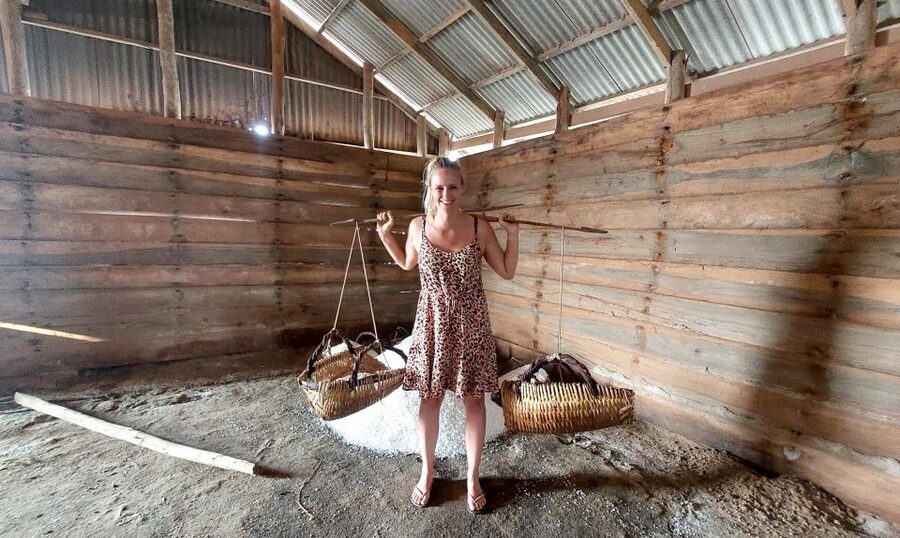
Yes, if you want a practical introduction to Kampot Province and do not mind a day that mixes comfort with a little roughness. The pepper tasting, cave temple, and local stories give the tour more substance than a simple countryside drive.
The best reason to book is the combination. You see how people work, taste what the region produces, hear about Cambodia’s past, and spend time in quiet rural places. The main warning is seasonal: the salt fields may not be active, especially after rain.
Ask about the assigned guide, expected duration, salt-field conditions, and pickup distance before paying. If those details suit your plans, $23 buys a lot of Kampot in one outing.
FAQ
How much does the Kampot countryside tour cost?
The tour costs $23 per person.
What is included in the price?
The price includes an English-speaking guide, entrance fees, drinking water, soft drinks, and hotel pickup and drop-off for hotels within 3 kilometers of Kampot city center.
Is hotel pickup included?
Yes, pickup and drop-off are included within 3 kilometers of Kampot city center. Transfers beyond that distance cost extra, starting at $2.
Are meals included?
No. Meals are not included in the tour price.
Will I see salt workers making salt?
You may see salt workers in action during the dry season. Rain can stop production, leaving the fields inactive. The guide can explain the process and may show a video or photographs when live work is not taking place.
What will I do at the pepper farm?
You will learn how Kampot pepper is grown and processed, then taste different types of pepper. The experience may also include curry tasting and pepper ice cream.
Is the cave visit physically demanding?
The cave has uneven ground and requires walking and climbing. It is not suitable for people over 70 years old.
What should I bring?
Bring sunscreen. Comfortable shoes are also sensible because of the cave’s uneven ground.
Can I cancel the booking?
You can cancel up to 24 hours in advance for a full refund. You can also reserve and pay later, which keeps your plans flexible.
More Salt Farm Tours in Kampot
- Hawaiian Salt Farm Tour in Kona
★ 5.0 · 767 reviews - Guided tour of the Marsala Salt Pans and salt harvesting
★ 4.7 · 60 reviews - Sunset Kona Salt Farm Tour
★ 5.0 · 55 reviews - Kampot Countryside include Pepper farm,Salt field and Secret lake
★ 5.0 · 52 reviews
Newly listed farm visits around Kampot
- Pepper farm guided tour, Kep/Crab Market, salt & secret lake★ 4.9 · 16 reviews
- Kep town: Local tuk tuk to Countryside & Pepper farm★ 4.6 · 8 reviews
- Kampot Pepper Farm, Salt Fields, Crab Market from Phnom Penh★ 4.8 · 21 reviews
- Kampot Pepper Farm Tour: Salt Fields, La Plantation & Cave★ 4.8 · 18 reviews
- Kampot Pepper farm & Kayak trip around Green cathedral Sunse★ 5.0 · 2 reviews
- Kampot Pepper farm Enjoy Tour & Testing our process 4 free★ 4.8 · 5 reviews
- Kampot Countryside include Pepper farm,Kep crab market beach★ 5.0 · 4 reviews
- Discover half day country side tours ;cave;salt; pepper farm★ 5.0 · 2 reviews
Pepper Farm Tours, compared.
Full-day Countryside Tour with Pepper Farm and Kep
Read our review →
Tuk Tuk Trip to Pepper Farm, Kep, Crab Market & More
Read our review →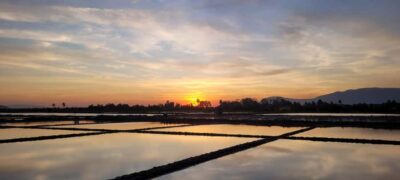
Kampot Countryside include Pepper farm, Salt field & Lake
Read our review →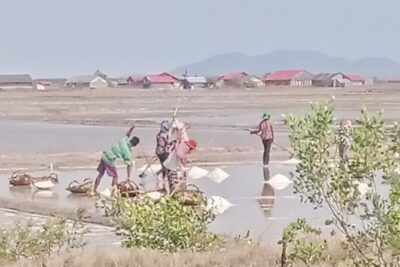
KAMPOT TRAVEL-Pepper farm. Cave.Secret lake-Crab market & Salt…
Read our review →
Kampot’s Countryside & Kayak Tour, Pepper Farm include Lunch
Read our review →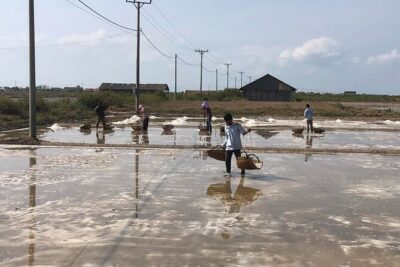
Kampot Countryside Tour – Pepper Farm, Salt Lake, Caves, and more
Read our review →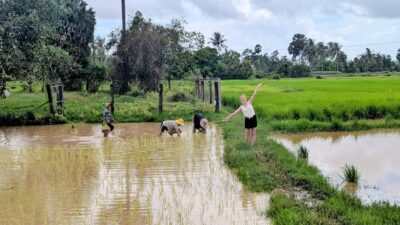
Kampot Private Tour: Pepper Farm, Salt Field & Secret Lake
Read our review →
Kampot/Cambodia pepper farm . Cave. lake. Kep Crab market & more.
Read our review →Browse the lists this tour appears in