
Review · UBUD
Balinese Vegan Cooking Class with Fresh Harvesting & Garden Tour
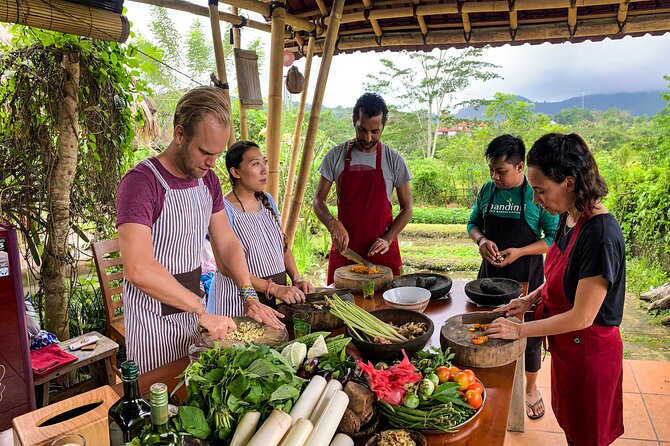
The best part of this experience happens before the cooking begins: you walk through an organic garden and harvest ingredients for your own meal. I like the direct link between the soil and the plate, and I like that the class uses traditional Balinese cooking methods rather than treating local food as a standard kitchen lesson. The small maximum of eight people should also keep the session personal.
I also like the generous four-course meal and the setting, with plantations, hills, and distant Mount Agung in view. The main consideration is the location: the meeting point is in Sidemen, in Karangasem, even though the experience is listed under Ubud. Private transportation is not included, so you must arrange your own way there.
Key points to know before booking
- Harvest your own ingredients: The garden walk is part of the cooking lesson, not a separate photo stop.
- Four vegan courses: You cook and eat a full Balinese-style lunch, with portions reported as generous.
- Small class size: The maximum is eight people, though a session can sometimes have only one participant.
- Traditional tools and methods: The class uses ancient Balinese cooking utensils alongside local recipes.
- Sidemen setting: Expect greenery, hills, plantations, and a distant view toward Mount Agung.
- Bring transport plans: Private transportation is not included, and the activity begins and ends at the garden.
Starting at Anandinii Organic Garden & Kitchen
You meet at Anandinii Organic Garden & Kitchen, at Banjar Jl. Raya Tebola in Telaga Tawang, Sidemen, Karangasem. The activity lasts about three and a half hours and ends back at this same meeting point.
That address matters. The experience is associated with Ubud in the booking information, but the supplied meeting point is in Sidemen. Check the route carefully before committing, especially if you are staying elsewhere in Bali. You are responsible for getting there because private transportation is not included.
Once you arrive, the format is straightforward. You are not simply seated at a counter and handed pre-measured ingredients. The class begins outdoors, with the garden providing both the setting and part of the lesson.
The group limit is eight people. That is a useful size for a hands-on class. You should have a reasonable chance to follow the chef, handle the ingredients, and ask questions without being lost in a large demonstration crowd. The class can also run with only one participant, which means the experience may feel unusually personal on a quiet date.
More Cooking Classes in the world:
- Half-Day Thai Cooking Class at Organic Farm in Chiang Mai
★ 5.0 · 19,087 reviews - From Porto: 2 Wine Regions, Farm-to-Table Lunch & Boat
★ 4.9 · 5,724 reviews - Cooking Class and Lunch at a Tuscan Farmhouse with Local Market Tour from Florence
★ 5.0 · 4,831 reviews
Picking ingredients in the organic garden
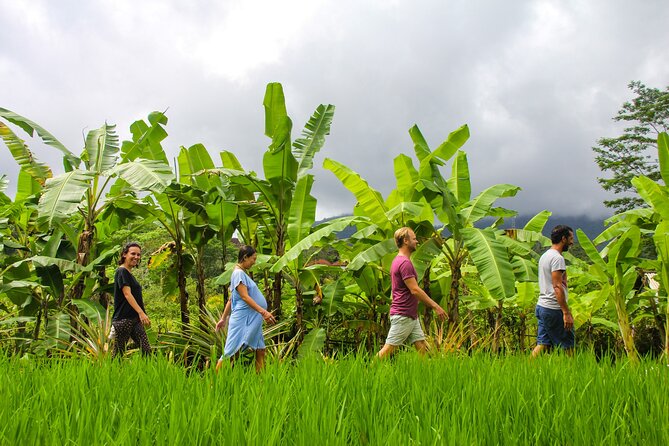
The garden tour gives the class its character. You walk through the growing area with the staff and pick fresh fruits and vegetables for the meal. Along the way, you learn about the ingredients, including their characteristics and benefits.
I like this opening because it gives you useful context before the cooking starts. An ingredient has a different meaning when you have seen where it grows and selected it for lunch. You begin to understand Balinese food as a combination of local produce, familiar techniques, and careful preparation, not just a list of recipes.
The garden also makes the activity a good choice for people who want more than an indoor cooking lesson. You spend part of the morning or afternoon among plants and open views, then return to the kitchen with food you have helped gather.
The information provided does not name the particular fruits and vegetables you will harvest, so do not book this expecting a fixed farm tour with a published plant list. The selection may depend on what is ready in the garden. That changing element is part of the appeal, but readers who want a tightly scripted menu should keep it in mind.
Cooking with old-style Balinese utensils
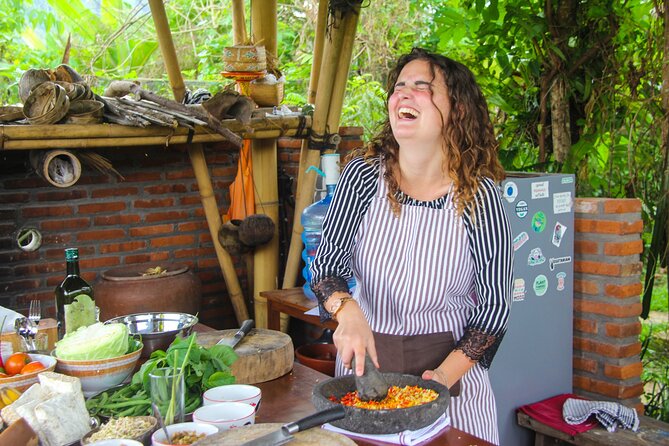
After the harvest, the chefs guide you through a four-course vegan menu. The class uses traditional Balinese cooking methods and ancient cooking utensils, adding a cultural layer that many modern cooking classes leave out.
The tools are important because they show how technique shapes a dish. You are not only learning what goes into the food. You are also seeing how Balinese cooks have prepared ingredients over time. The lesson should suit complete beginners, plant-based eaters, and people who already cook but want to understand local methods.
The menu is Balinese in style but fully vegan. That makes the class especially useful if you are seeking plant-based food in Bali and do not want to spend the day checking every dish for animal ingredients. It is also a good fit for mixed groups, since the activity is designed for couples and families as well as solo participants.
The exact four dishes are not supplied, so you should not expect to choose from a published menu in advance. The safe assumption is that you will learn a set Balinese-style vegan meal based on the garden produce and the class format.
Eating the four-course meal beside the plantations
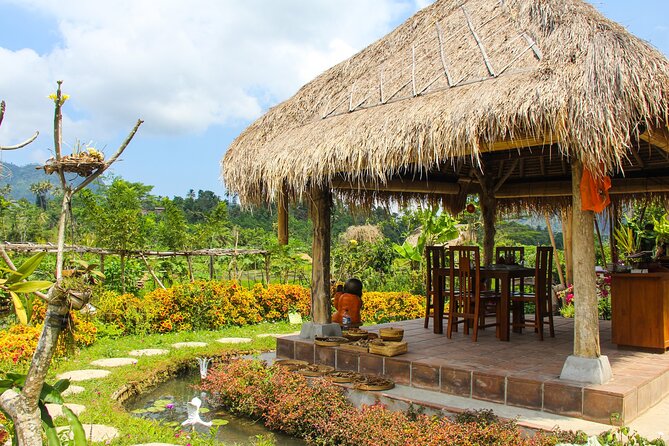
The reward comes at the end, when you sit down to eat what you have cooked. The meal includes four courses, and the portions are generous enough that you should arrive ready for a substantial lunch rather than a small tasting.
The setting adds real value. You eat surrounded by greenery, with plantations and hills nearby and Mount Agung visible in the distance. This is not a restaurant meal where the view is an afterthought. The food, garden, and scenery are tied together by the structure of the experience.
I would give yourself time to enjoy this final part instead of treating it as a quick finish. You have already walked through the garden and prepared the meal, so the table becomes a chance to talk, compare results, and take in the setting.
Drinking water is included in two forms: bottled water and infused drinking water served in jugs. The listing does not specify the infused flavors, so expect a refreshing table drink rather than a named beverage program.
More Vegan and Vegetarian Tours in the world:
- Private Sicilian Vegetarian Cooking Class at a Farmhouse in Noto
★ 5.0 · 4 reviews
What the $41.26 price buys you
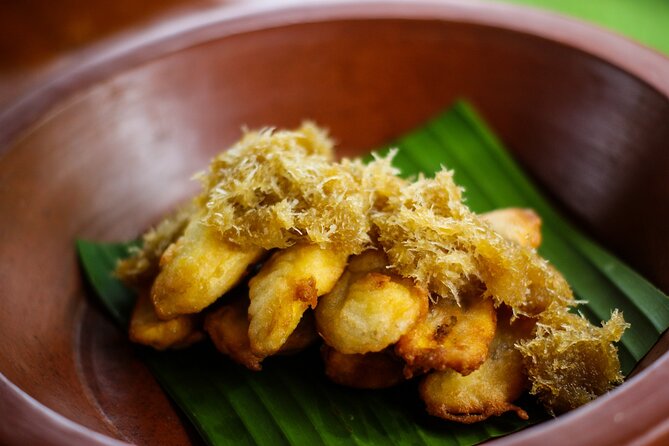
At $41.26 per person, this is not just a recipe demonstration. The price covers the garden tour, harvesting, instruction, cooking, and a four-course vegan lunch. It also includes the setting, the use of traditional utensils, bottled water, and infused water.
I see the strongest value in the combination of activities. A meal alone would be cheaper in many parts of Bali, and a basic cooking lesson might cost less than this. Here, you are paying for a half-day experience that links farming, culture, cooking, and dining.
The value is better if you care about plant-based food, local ingredients, or hands-on activities. It is less compelling if your only goal is to eat a Balinese meal or if you are already spending your day in central Ubud and do not want to arrange transport to Sidemen.
The meal size also matters. Generous portions mean the class functions as a proper lunch, not merely a few bites after the demonstration. For a couple or family, that can make the cost easier to justify.
Who will enjoy this class most
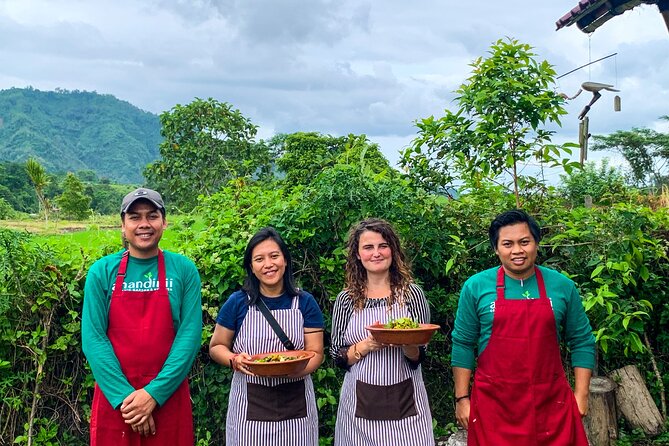
I would recommend this experience to anyone who wants a slower, more grounded food activity. It suits:
- Vegans and people looking for a fully plant-based Balinese menu
- Couples seeking a shared activity
- Families who enjoy garden time and practical lessons
- Solo participants who are comfortable joining a small class
- Home cooks who want traditional tools and methods
- People who value scenery as much as the food
Solo booking is worth considering. One person has attended alone and found the staff welcoming and helpful, and a class with only one participant can become very focused. You should still be comfortable arranging your own ride and spending several hours in a small group or private-style lesson.
Families should note that the activity is described as suitable for families, but no child age range is provided. If you are booking with young children, ask the operator about age suitability before paying.
Service animals are allowed. No other accessibility details are provided, so you should ask directly about the garden paths, kitchen setup, and any mobility needs.
The practical side: timing, transport, and booking
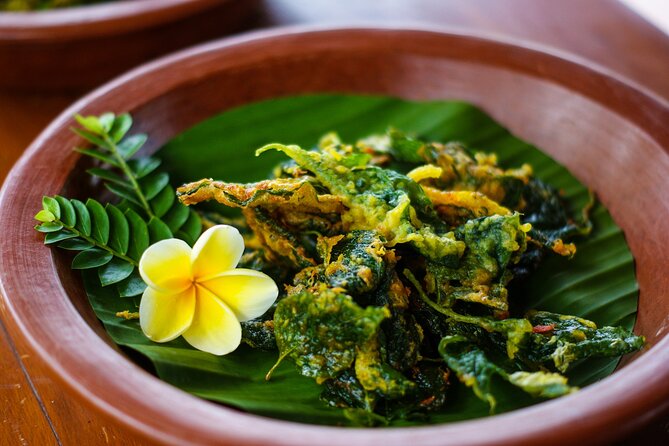
The class lasts about three hours and thirty minutes. That is long enough for the garden tour, harvesting, cooking, and meal without turning the activity into an all-day commitment.
The activity starts and ends at Anandinii Organic Garden & Kitchen. Since private transportation is not included, transportation planning is the key practical issue. One participant used a taxi and arranged for the driver to wait during the class. That may be useful if you do not have a private driver, but waiting arrangements and fares are your responsibility.
Book about a week ahead if you can. The experience averages seven days of advance booking, so a last-minute spot may not always be available. You receive confirmation at the time of booking, and a mobile ticket is provided.
The cancellation rule is strict. The experience is non-refundable and cannot be changed for any reason. I would confirm your date, transport, and dietary needs before booking rather than treating this as a flexible backup plan.
How this compares with a standard cooking class
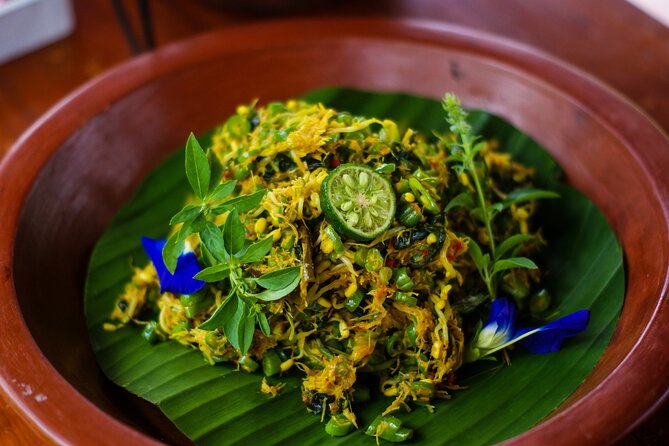
A standard cooking class often begins with bowls of prepared ingredients and moves directly into chopping, mixing, and cooking. This experience adds the garden walk and harvesting first, so you get a clearer picture of where part of the meal comes from.
The use of ancient utensils is another difference. You are not just copying a recipe in a modern teaching kitchen. You are learning through tools and methods connected to Balinese food culture.
The setting also changes the pace. You are surrounded by plantations and hills rather than seated in a city classroom. That is a major benefit if you are visiting Bali for scenery and rural atmosphere, but it makes the location less convenient for anyone based in Ubud without transport.
The vegan focus is clear and practical. You do not need to adapt a mixed menu or hope that a dish can be made without meat, fish, eggs, or dairy. The entire four-course meal follows a vegan plan.
What to expect from the food
The strongest food advantage is freshness. You harvest ingredients, prepare them under the chef’s guidance, and eat the finished dishes during the same experience. That sequence makes the meal feel connected to the garden instead of detached from it.
The cooking is also educational. You learn about ingredient benefits and characteristics during the garden visit, then see how those ingredients are used in Balinese-style dishes. I would bring a notebook or use your phone to record recipes if the chef allows it, especially if you hope to repeat the food at home.
Do not expect a fixed culinary show with a detailed menu published ahead of time. The available information confirms four vegan courses but does not name them. The focus is on the process, the produce, and traditional preparation rather than on a restaurant-style menu preview.
The portions should leave you well fed. The meal is described as generous, so plan your schedule with a proper lunch break in mind rather than arranging another major meal immediately afterward.
The scenery and sense of place
The scenery is not decoration pasted onto a cooking lesson. The garden is where you collect ingredients, and the surrounding plantations help explain why the class takes place in Sidemen.
You will have views of greenery and hills, with Mount Agung visible from a distance. The mountain view is weather dependent, so treat it as an appealing possibility rather than a guaranteed clear panorama.
This rural setting is a good match for people who want a break from Bali’s busier visitor areas. It gives the class a calm, open-air feel without requiring a separate sightseeing stop. You still get a practical activity, not just a viewpoint visit.
At the same time, the scenery comes with a transport tradeoff. Sidemen is not the most convenient meeting point for someone planning a tightly packed day around Ubud. Allow enough time to reach the garden and return afterward.
Is the class worth booking?
I would book this class if you want a hands-on vegan meal, a garden visit, and a small-group introduction to Balinese cooking in one outing. The four-course lunch, fresh harvesting, traditional utensils, and mountain setting give it more substance than a basic kitchen lesson.
I would hesitate only if you need flexible cancellation, included transport, or a location close to central Ubud. The non-refundable policy makes careful planning essential, and the meeting point in Sidemen may require extra time and money to reach.
For a solo visitor, couple, or family that values food with a sense of place, this is a strong choice at $41.26. Arrive with transport sorted, leave room in your schedule for a full meal, and expect the best part to be the connection between the garden and the plate.
FAQ
Where does the Balinese vegan cooking class meet?
It meets at Anandinii Organic Garden & Kitchen, Banjar Jl. Raya Tebola, Telaga Tawang, Sidemen, Karangasem, Bali 80864, Indonesia.
How long does the activity last?
The experience lasts approximately three hours and thirty minutes.
Does the tour include transportation?
No. Private transportation is not included. The activity begins and ends at Anandinii Organic Garden & Kitchen.
What food is included?
You receive a four-course Balinese-style vegan lunch prepared during the class. Bottled water and infused drinking water served in jugs are also included.
Is the garden tour part of the experience?
Yes. The program includes a guided garden tour and fresh ingredient harvesting for the cooking session.
How many people can join the class?
The activity has a maximum of eight participants.
Are service animals allowed?
Yes. Service animals are allowed.
Can I cancel or change my booking?
No. The experience is non-refundable and cannot be changed for any reason.
More Food Tours in the world
- Sorrento Farm and Food Experience including Olive Oil, Limoncello, Wine tasting
★ 5.0 · 2,524 reviews - Florence Sunset Food Tour with Wine & Dine at a Tuscan farmhouse
★ 5.0 · 194 reviews - Charleston Farm-to-Table Food Tour and Chef’s Challenge
★ 5.0 · 110 reviews - Santorini Family Farm Food & Wine Tour with Cooking Class
★ 5.0 · 107 reviews
Newly listed farm visits around the world
- Half-Day Farm Visit and Cow Milking Experience★ 5.0 · 16 reviews
- Boutique tour , Mt Maunganui, NZ farm, Rotorua lakes/geothermal★ 4.5 · 50 reviews
- Gourmet Mushroom Farm Tour in Tennessee★ 5.0 · 5 reviews
- Cozy Farm Experience with Wagon Wheels and Acoustic Meal★ 5.0 · 2 reviews
- Animal farm park with free hotel pickup★ 5.0 · 2 reviews
- Alpaca Farm Tours with Toffeemont★ 5.0 · 8 reviews
- Private, via beaches, Kiwi farm to Rotorua 8 lakes & Geothermal★ 5.0 · 20 reviews
- 1D Tour to Cingjing Farm from Taichung★ 4.5 · 3 reviews
Cooking Classes, compared.
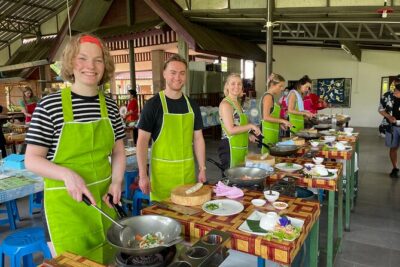
Half-Day Thai Cooking Class at Organic Farm in Chiang Mai
Read our review →
Cooking Class and Lunch at a Tuscan Farmhouse with Local Market Tour from Florence
Read our review →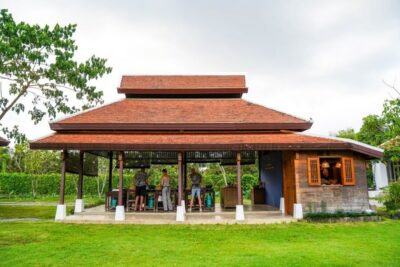
Authentic Cooking Class with Market & Farm Visit
Read our review →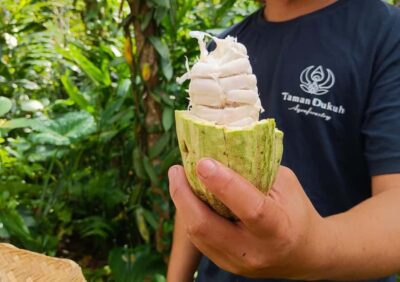
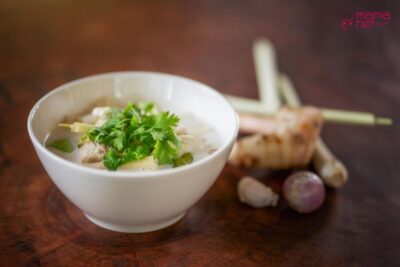

Hands-On Cooking Class & Farmhouse Tour on the Amalfi Coast
Read our review →

Thai Cooking Class | Since 2012 | Farm to Table
Read our review →Browse the lists this tour appears in