
Review · MONTEPULCIANO
Montepulciano: Italian Cooking Class at a Tuscan Farm
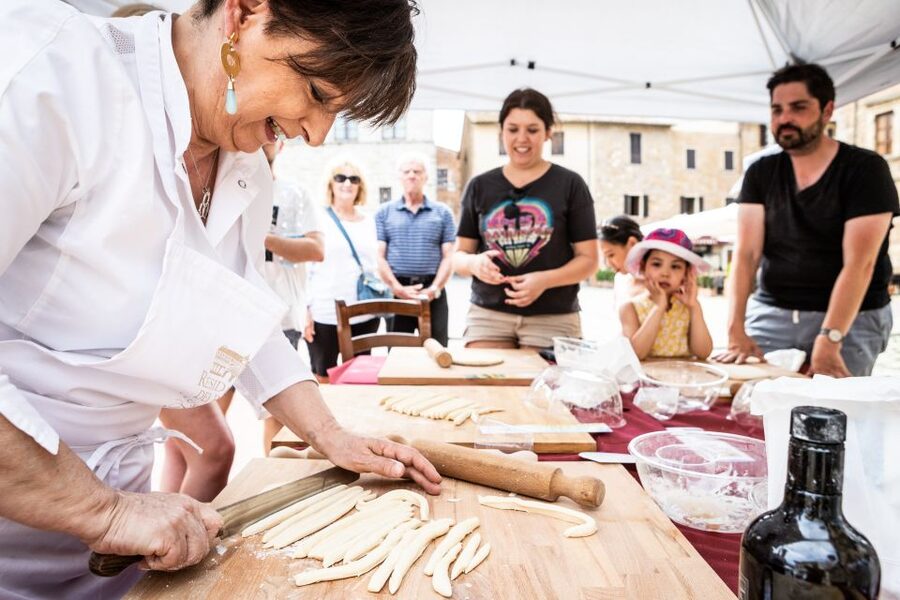
The best part of this Tuscan cooking class is that you get straight to work. You’ll mix flour and water into pici, Siena’s thick handmade pasta, prepare bruschetta and croutons, make a sauce, and finish with dessert. The food follows seasonal, local ingredients and old Valdichiana Senese farmhouse cooking.
I like the hands-on format and the fact that your meal is cooked during the class, not brought in from a separate kitchen. I also like the small group of no more than 10 people, which makes it easier to follow the English or Italian instruction. The main drawback is practical: you won’t know the exact farmhouse until after confirmation, and transportation is not included.
Key points to know before booking
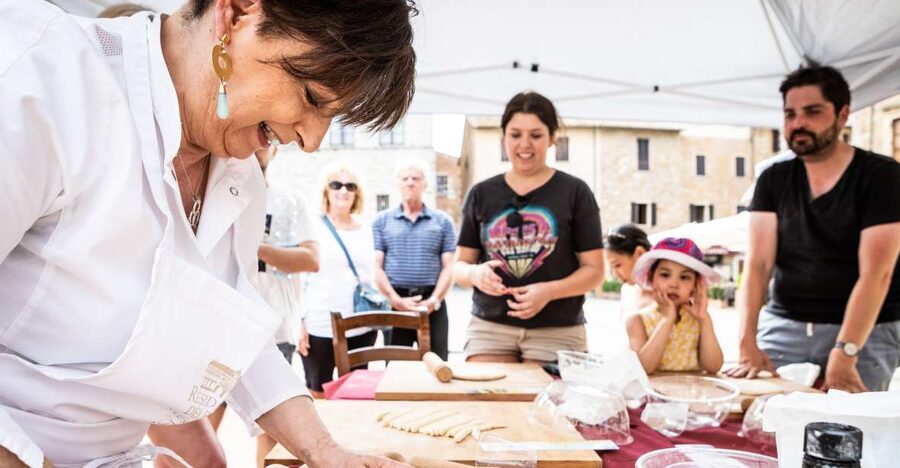
- You make pici by hand: This famous pasta from the Province of Siena is shaped from a simple mixture of water and flour.
- The menu follows the season: Ingredients come from local, zero-mile production when possible, so the dishes reflect what is available in Tuscany.
- Wine is part of the lesson: A welcome drink begins the visit, and local wine accompanies the cooking and final meal.
- You eat what you prepare: The class ends with a set table, freshly cooked food, lunch or dinner, and wine.
- The group is limited to 10: That is a useful size for a practical class where everyone needs some guidance.
- The meeting place is confirmed later: The activity may take place at a farmhouse, farm, or trattoria, so plan your own transport after receiving the address.
A Tuscan meal made from simple ingredients
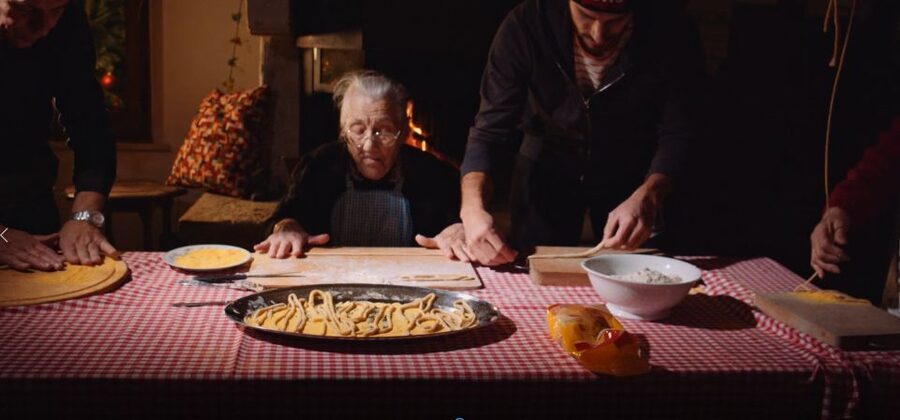
This is not a polished cooking demonstration where you sit and watch someone else do the work. It is a practical introduction to the everyday food of the Valdichiana Senese, an area around southern Tuscany known for straightforward dishes built from flour, oil, vegetables, and local produce.
The cooking reflects the sharecropping period, when meals had to be filling, affordable, and made with what was close at hand. That gives the class a useful focus. You are not being taught an elaborate restaurant menu. You are learning the kind of food that Tuscan families could make with basic ingredients and patient hands.
I like that approach for a first Italian cooking class. The techniques are approachable, and the final meal has a clear connection to the farm setting and local food culture. You should not expect a long lecture on regional cuisine. The format is more direct: prepare, cook, eat.
The experience lasts about three hours. That is long enough to make several dishes and sit down for the meal, but short enough to fit into a day of sightseeing in the Tuscan countryside. Check the available starting times when you book, since the schedule is not fixed in the information provided.
More Cooking Classes in Italy:
- Cooking Class and Lunch at a Tuscan Farmhouse with Local Market Tour from Florence
★ 5.0 · 4,831 reviews - Hands-On Cooking Class & Farmhouse Tour on the Amalfi Coast
★ 5.0 · 956 reviews - Sorrento: Farm Tour with Cheese Tasting & Pizza Making Class
★ 5.0 · 503 reviews
Starting with bruschetta and Tuscan oil
The first cooking task is bruschetta and several types of croutons. One version uses tomato and basil. Another highlights Tuscan extra virgin olive oil, which is often the real test of a simple bruschetta. When a dish has only a few ingredients, the quality of each one matters.
This part should feel familiar even if you have little cooking experience. You will work with bread, toppings, and seasoning rather than complicated equipment or difficult methods. It is a useful warm-up because you can begin handling ingredients before moving on to the class’s main project, handmade pasta.
The bruschetta also shows why local Tuscan cooking can seem plain at first glance but still have plenty of flavor. There is no need for a long ingredient list when the oil, tomatoes, herbs, and bread are good. I would pay attention here to how the host balances the toppings, since those small choices can be easy to repeat at home.
Making pici by hand
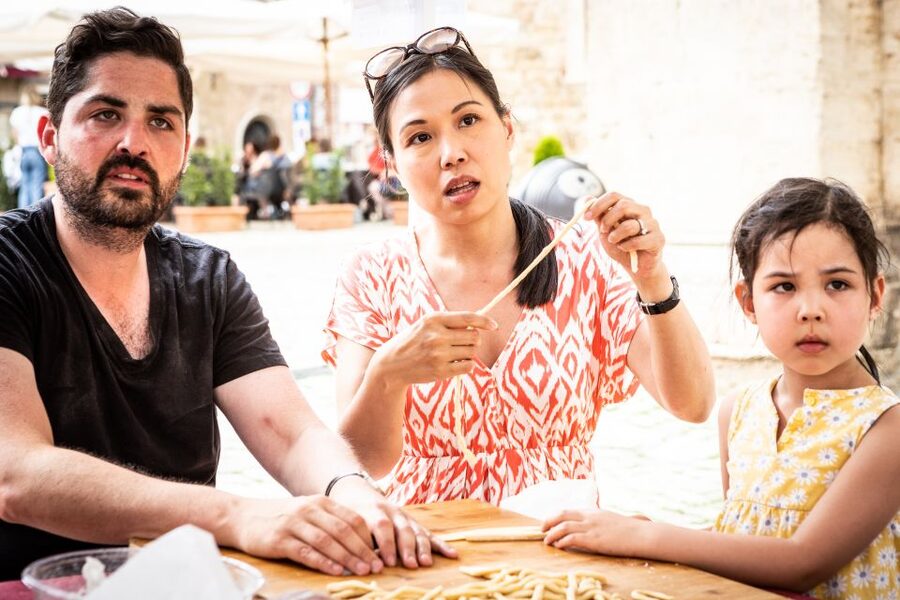
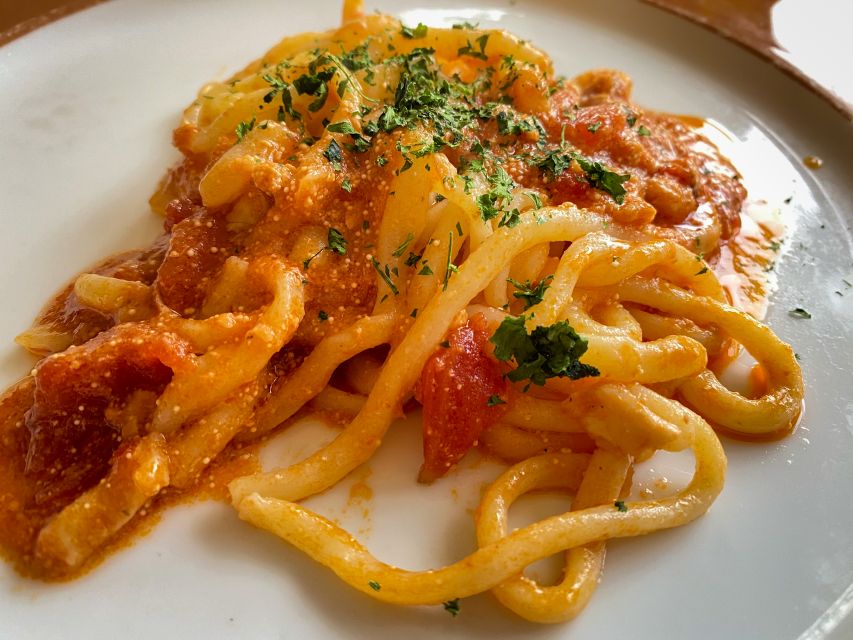
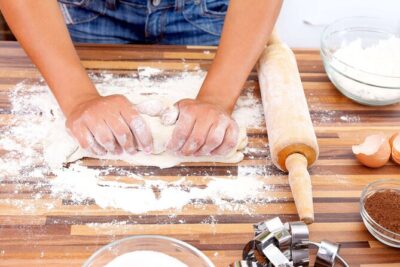
The centerpiece is pici, the thick handmade pasta associated with the Province of Siena. You begin with water and flour, then work the dough into long strands by hand. This is the sort of task that looks simple but takes a little patience. The strands will not all be identical, and that is part of the charm.
Pici is different from delicate egg pasta. It has a hearty, chewy character and works well with a substantial sauce. The class gives you a chance to understand the texture directly, from the first mix of flour and water through the finished pasta on your plate.
A practical cooking class should give you enough hands-on time to understand the method, and this one is built around that idea. Previous feedback describes the approach as direct and practical, with hands-on guidance rather than a lot of unnecessary talk. That suits pici. You learn by doing it.
Do not expect factory-perfect strands. Handmade pasta is supposed to show small differences in thickness and shape. If you want to take the lesson home, remember the basic principle: the dough and shaping matter more than making every piece look identical.
Building the sauce and homemade dessert
After the pasta, you prepare a sauce to go with it. The exact sauce is not specified, and it may change with the season and the local ingredients available at the time. That flexibility is a good fit for the class’s focus on traditional, zero-mile cooking.
The sauce is important because it completes the pici. A good pasta lesson is not only about making dough. It also shows how the pasta is paired, seasoned, and served. You will get a better sense of how a simple Tuscan meal comes together when the pasta and sauce are made as part of the same session.
The final cooking task is a homemade dessert. No particular dessert is named, so you should not book this expecting a specific sweet. Think of it as the last part of a full meal, using the same simple, home-style spirit as the earlier dishes.
The flexible menu may be a minor concern if you have strong food preferences or are hoping to recreate one exact recipe. On the other hand, it means the experience can stay tied to seasonal ingredients rather than forcing the same menu all year.
More farm tours around Italy:
- Florence Pizza or Pasta Class with Gelato Making at a Tuscan Farm
★ 5.0 · 6,801 reviews - Sorrento Farm and Food Experience including Olive Oil, Limoncello, Wine tasting
★ 5.0 · 2,524 reviews - Sorrento: Pizza Lesson, Wine, and Limoncello at a Local Farm
★ 5.0 · 1,513 reviews - Florence: Pizza or Pasta Class with Gelato at a Tuscan Farm
★ 4.9 · 1,181 reviews
Wine, conversation, and the finished table
A welcome drink starts the experience, and wine is present between the preparations. At the end, the table is set with the food you have prepared, and the meal is paired with local wines.
That rhythm matters. You are not cooking against a clock and then being sent away. The work leads to a shared lunch or dinner, which gives the class a social side without turning it into a formal wine event. Other participants may be in the same situation as you, and the small group gives you a natural chance to talk while working.
The wine is included as part of the experience, but the information does not specify how many glasses are served or which wines are poured. If you do not drink alcohol, ask about alternatives before booking. The available details only confirm the welcome drink and local wine with the meal.
The final table is also where the value becomes clearer. You are paying for instruction, ingredients, drinks, and a meal rather than only for a short demonstration. For someone who enjoys food and wants a rural Tuscan setting, that combination can justify the price.
What the farmhouse setting adds
The class may take place at a farmhouse, on a farm, or in a trattoria. The exact venue is communicated after confirmation, so you cannot choose a specific property from the information provided.
That uncertainty is the main logistical point to understand. If you are staying in Montepulciano or nearby, you should wait for the confirmed address before deciding how to reach the class. Transportation is not included, and the activity returns to the meeting point when it ends.
The setting matters because this is meant to be a rural food experience rather than a city kitchen lesson. A farmhouse or farm can give the meal a stronger connection to local production. A trattoria may offer a more restaurant-like setting. Since the location varies, the atmosphere will depend on the host and venue assigned to your booking.
I would treat the unannounced venue as a reason to keep your schedule flexible, not as a major flaw. Just do not assume that the activity begins in central Montepulciano or that a transfer is provided. Confirm the address and plan your route before the day of the class.
How much value does the $164.26 price offer?
At $164.26 per person, this is not a cheap meal. The value depends on how much you want from the experience.
If you only want to eat Tuscan food, you can spend less at a restaurant. If you want a cooking class with several dishes, ingredients, a welcome drink, local wine, and the meal you prepare, the price becomes easier to understand. You are also paying for a three-hour activity and a small group capped at 10 people.
The strongest value is for people who care about participation. You make bruschetta, pici, sauce, and dessert instead of simply tasting them. You also leave with techniques that can be repeated at home, especially the pici method and the basic approach to seasonal Tuscan cooking.
The value is weaker if you want a highly technical lesson, a named chef, or a guaranteed menu. No chef’s name is provided, and the class is led by local housewives or hosts in English and Italian. That suggests a home-style lesson rather than a professional culinary-school course.
I would compare the price with the total cost of a separate countryside meal, drinks, and a cooking activity. For a visitor who wants all three in one afternoon or evening, the package is reasonable. For a serious food student seeking advanced instruction, it may feel too basic.
Who will enjoy this class most?
This experience fits first-time cooking-class participants, couples, families, and solo visitors who like meeting people through food. You do not need advanced kitchen skills. The straightforward format makes it a good choice if you prefer learning by following instructions and handling the ingredients yourself.
It also suits anyone curious about everyday Tuscan food rather than restaurant-style presentation. The dishes come from a simple rural tradition, and the class focuses on making food that is tasty without being complicated.
You may want to choose another activity if you need a fully specified menu, private instruction, or transportation from your hotel. The venue is not announced until after confirmation, and the exact sauce and dessert are not listed. Those details matter if you have strict dietary needs or are planning around a tight schedule.
The small group is a real advantage. Ten people is large enough for a social meal but still manageable for a hands-on session. Since the class is offered in English and Italian, you should have language support, though the exact host is not named.
Booking and timing advice
You can cancel up to 24 hours before the activity for a full refund, which gives you some protection if your plans change. A reserve-now, pay-later option is also available, so you do not need to pay at the time of booking.
The farmhouse address comes only after confirmation. Once you receive it, check the distance from your accommodation and work out your transport. Since no transportation service is included, this is the single most important planning step.
Allow the full three hours for the class and meal. Do not book another activity that begins immediately afterward, especially if you need to travel back from a rural venue. The start time depends on availability, so look carefully at the options before choosing.
Should you book this Tuscan cooking class?
Book it if you want a hands-on rural meal built around pici, seasonal ingredients, local wine, and simple Tuscan methods. The practical style is a good match for people who would rather mix dough and cook than sit through a long presentation.
Think twice if you need an exact location before booking, included transport, or a detailed menu in advance. The venue, sauce, and dessert are not fixed in the information available.
For most food-loving visitors who can arrange their own way to the meeting point, this is a useful three-hour introduction to the cooking of Valdichiana Senese. You will not get a polished culinary-school course. You will get something more direct: local cooks, basic ingredients, handmade pasta, and a meal that comes from your own work.
FAQ
Where does the cooking class take place?
The class takes place at a farmhouse, farm, or trattoria in the Montepulciano and Valdichiana Senese area. The exact farmhouse or venue is communicated after booking confirmation.
How long does the experience last?
The cooking class and meal last about three hours. Starting times depend on availability.
What dishes will I prepare?
You will prepare bruschetta and different types of croutons, handmade pici pasta, a pasta sauce, and a homemade dessert.
Is food and drink included?
Yes. The experience includes a welcome drink, the cooking class, lunch or dinner, and local wine served during the preparations and with the finished meal.
How much does the class cost?
The listed price is $164.26 per person.
Is transportation included?
No. Transportation service is not included, and you must make your own way to the confirmed meeting point.
What languages are offered?
The host or greeter offers the experience in English and Italian.
How large is the group?
The activity is limited to 10 participants.
Can I cancel or pay later?
You can cancel up to 24 hours in advance for a full refund. A reserve-now, pay-later option is also available.
Newly listed farm visits around Italy
- Sorrento Half-Day Farm Experience: Pizza, Cheese Making and Wine★ 5.0 · 17 reviews
- Farm-to-Table Experience: Olive Oil, Garden Tour & Nonna’s Lunch★ 5.0 · 35 reviews
- Amalfi Coast & Sorrento Cooking Class School at Farmhouse★ 5.0 · 25 reviews
- Sorrento: Authentic Lemon Experience at a Farm with Tastings★ 5.0 · 6 reviews
- Cooking Class & Guided Farm Tour On The Hills Of Sorrento★ 5.0 · 10 reviews
- Tasting Limoncello, Oil and Typical Products in Farmhouse★ 5.0 · 13 reviews
- Marì Cooking Class in a Family Farm with Amalfi Coast view★ 5.0 · 11 reviews
- Sorrento Villa Cooking Class with Fresh Harvest Lunch★ 5.0 · 25 reviews
Cooking Classes, compared.
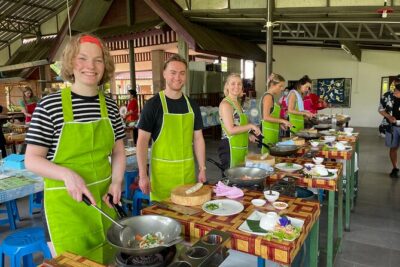
Half-Day Thai Cooking Class at Organic Farm in Chiang Mai
Read our review →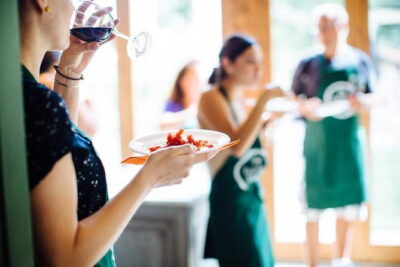
Cooking Class and Lunch at a Tuscan Farmhouse with Local Market Tour from Florence
Read our review →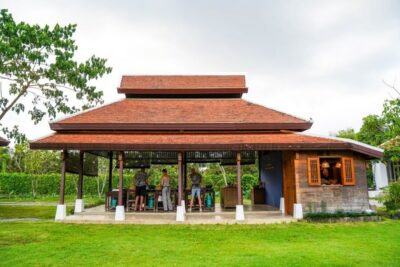
Authentic Cooking Class with Market & Farm Visit
Read our review →
Hands-On Cooking Class & Farmhouse Tour on the Amalfi Coast
Read our review →
Thai Cooking Class | Since 2012 | Farm to Table
Read our review →Browse the lists this tour appears in