
Review · ZANZIBAR
Zanzibar: Spice Farm Tour with Traditional Cooking Lesson
Zanzibar’s spices make the most sense when you meet them as living plants. On this three-hour visit, you can rub a leaf, smell fresh cinnamon or lemongrass, taste tropical fruit, and see how ingredients move from farm to Swahili cooking pot. The lesson ends with a lunch you help prepare, not just a plate set before you.
I like the hands-on cooking and the chance to taste spices straight from the plant. I also like the local connection: guides such as Chiquito, Ahmad, and Abdullah have added Swahili words, stories about island life, and useful context about Zanzibar’s spice trade. The main consideration is that the cooking can be more of a demonstration with light participation than a full class, and some staged leaf crafts may feel touristy.
Key points to know before you go
- Fresh spices are the main event: See, touch, smell, and taste vanilla, cardamom, nutmeg, cloves, cinnamon, black pepper, ginger, turmeric, and more.
- Lunch is part of the lesson: Help with cassava leaves, coconut milk, and local dishes before eating at the farm.
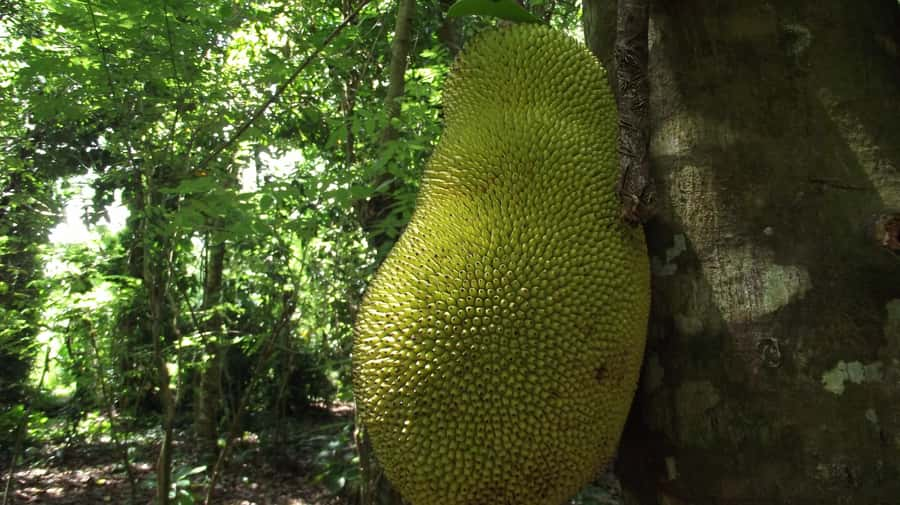
- The fruit tasting adds variety: Try jackfruit, young coconut, and other tropical fruit during the walk.
- Private transport keeps it simple: Meet at Stone Town’s Old Fort at 9:00 AM, or arrange pickup from a beach hotel anywhere in Zanzibar.
- Bring cash for the farm shop: Spice purchases cannot be paid for by card.
- Allow for an informal pace: The activity is wheelchair accessible, but the farm setting and hands-on tasks may vary in ease.
Why Zanzibar’s spice farms matter
Zanzibar and Tanzania’s Mafia Island are often called the Spice Islands because cloves, cinnamon, nutmeg, black pepper, cardamom, vanilla, and other crops have long shaped local trade and cooking. You get a clearer sense of that connection here than you would from simply buying a packet of spices in Stone Town.
The useful part is seeing each plant before it reaches a market shelf. Cinnamon is not just a brown stick, and vanilla is not merely a sweet scent in a bottle. Your guide explains how the plants are grown, how their parts are used, and how spices serve both as food flavoring and traditional medicine.
This is also a good introduction to Zanzibar’s food culture. The island’s cooking reflects local farming, coconut, tropical fruit, and the movement of goods across the Indian Ocean. The tour does not try to cover every part of that story in academic detail, but the farm setting gives the information a practical shape.
More Spice Farm Tours in the world:
- Zanzibar: Prison Island, Stone Town, & Spice Farm Tour
★ 4.5 · 579 reviews - Full-Day Private Stone Town +Spice Farm and Prison Island Tour
★ 4.5 · 216 reviews - Zanzibar: Stone Town & Spice Farm Tour with Lunch
★ 4.5 · 97 reviews
Meeting at the Old Fort or arranging hotel pickup
The standard meeting point is in front of the Old Fort on Mizingani Road in Stone Town at 9:00 AM. That location is easy to identify, and it works well if you are already staying in the old city or combining the tour with a morning in town.
Pickup is also available from beach hotels anywhere in Zanzibar. This matters because the spice farms are outside Stone Town, and a private transfer saves you from arranging separate transport. The activity is described as a private group experience, so you should not expect to be folded into a large coach tour.
The drive is part of the practical value, even though the tour itself focuses on the farm. Guides and drivers have added informal conversation about daily life in Zanzibar, and drivers such as Ahmad have been praised for being punctual and friendly. If you are staying on the coast, confirm the pickup time and exact arrangements when booking.
Walking among vanilla, cloves, and cinnamon
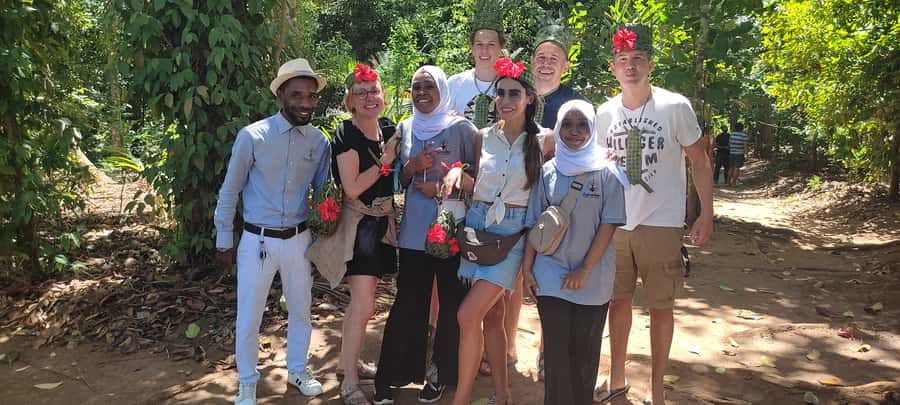
At the farm, the guide introduces the plants one by one. You can touch, smell, and taste them directly, which is the heart of the experience. It is a simple idea, but it changes the way you understand familiar ingredients.
You may see vanilla, cardamom, nutmeg, cinnamon, black pepper, cloves, ginger, turmeric, and lemongrass. The exact order can vary, but the guide’s job is to connect the plants to their uses in meals, local remedies, and Zanzibar’s economy.
The scents are often more striking than the visual details. Fresh leaves and bark do not always resemble the powdered spices in your kitchen, and smelling them on the plant helps explain why Zanzibar became associated with spice production. You are not just looking at rows of crops. You are comparing textures, aromas, and flavors as you move through the farm.
A good guide makes a big difference here. Chiquito has been especially well regarded for mixing clear explanations with humor, while other guides have taught visitors basic Swahili words and shared stories about the island’s past. Ask questions as you go. This is the part of the tour where a short answer about one plant can lead to a much better understanding of local food.
Tropical fruit, with jackfruit as the surprise

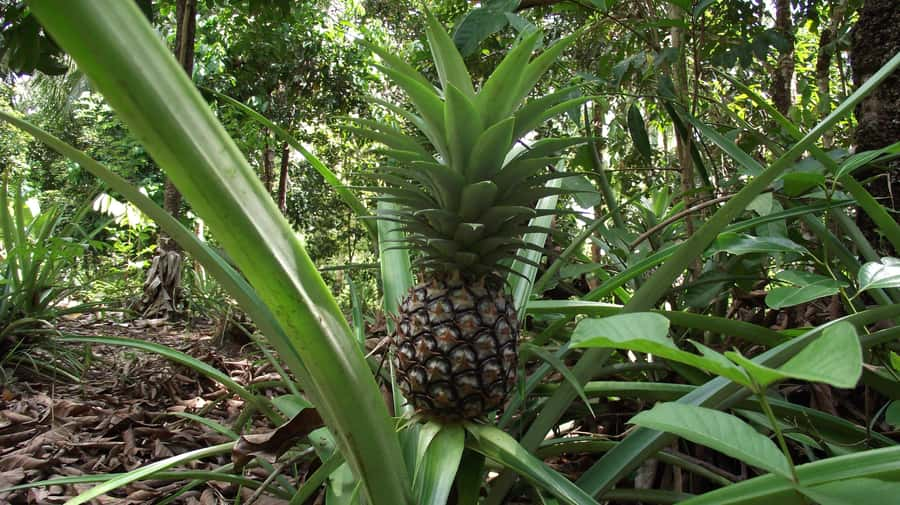
Spices are only half the farm visit. You also see and taste tropical fruit, including jackfruit, described here as the largest fruit in the world. It is a useful break from the spice plants and a chance to try something you may not often encounter at home.
The fruit tasting is not a separate meal, so do not arrive expecting a market-style spread. Instead, treat it as a series of small discoveries along the walk. The fresh young coconut is another highlight. A coconut tree climber picks young fruit for you, giving you a chance to taste coconut straight from the tree rather than from a packaged drink.
This part of the visit works well for families and anyone who likes food experiences more than formal sightseeing. It also keeps the tour from becoming a lecture. You are constantly doing something: smelling a leaf, tasting fruit, watching a coconut being opened, or asking how an ingredient is used.
More Cooking Classes in the world:
- Half-Day Thai Cooking Class at Organic Farm in Chiang Mai
★ 5.0 · 19,087 reviews - From Porto: 2 Wine Regions, Farm-to-Table Lunch & Boat
★ 4.9 · 5,724 reviews - Cooking Class and Lunch at a Tuscan Farmhouse with Local Market Tour from Florence
★ 5.0 · 4,831 reviews - Chiang Mai: Authentic Cooking Class with Market & Farm Visit
★ 4.9 · 4,546 reviews
Making coconut milk and preparing a Swahili meal
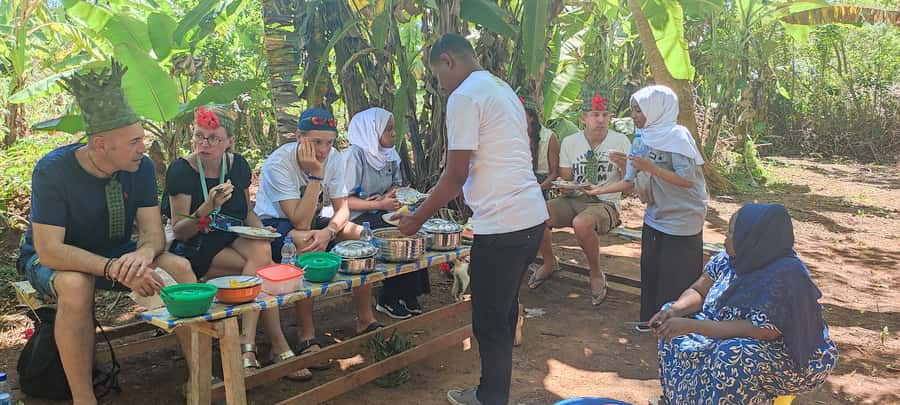
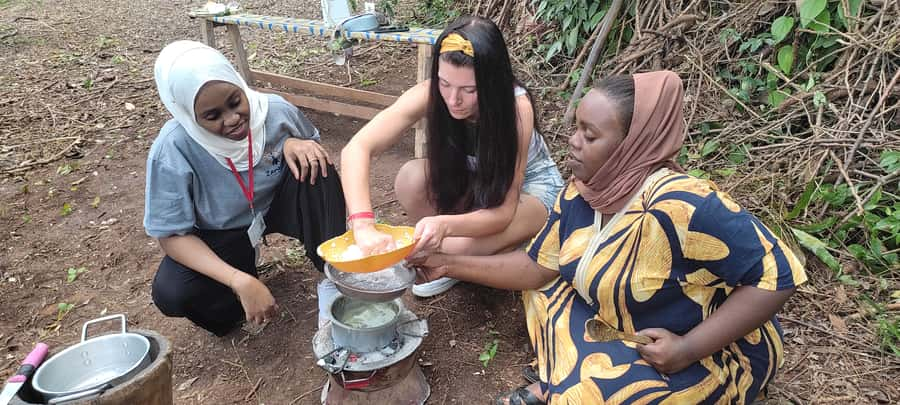
The cooking section is where the tour becomes more personal. You may join a cassava leaf harvest, help make coconut milk, and take part in preparing local dishes. The ingredients are tied to the farm and the surrounding food culture, so the lesson feels more useful than a generic cooking demonstration.
The meal is generally prepared with local cooks, and you have a chance to help with parts of the process. It is important to set your expectations correctly. This is not necessarily a full recipe class where you prepare every dish from start to finish. One account of the experience found that the cooking involved seeing ingredients and helping slightly with one side dish rather than cooking the entire meal.
That limitation does not ruin the activity, but it matters if you are booking specifically for a serious cooking course. I would describe it as a farm visit with a participatory food lesson. You get a look at how coconut, cassava, and spices come together, then you eat the results.
Lunch at the farm
Lunch is included and is one of the strongest reasons to choose this tour instead of a simple spice walk. You sit down after seeing the ingredients and taking part in the preparation, so the food has a clear connection to what you have just learned.
The meal is a traditional Swahili lunch, with spices and local ingredients playing a central role. The food has been described as generous and very tasty, but the key value is not only flavor. You have already watched some of the preparation, handled ingredients, and learned what they do. That gives the meal a sense of place.
You may want to eat lightly before arriving. The schedule includes fruit, coconut, cooking, and lunch within about three hours, so there is plenty to taste. Bring water, since the farm visit takes place outdoors and Zanzibar can be hot.
What the farm shop is really worth
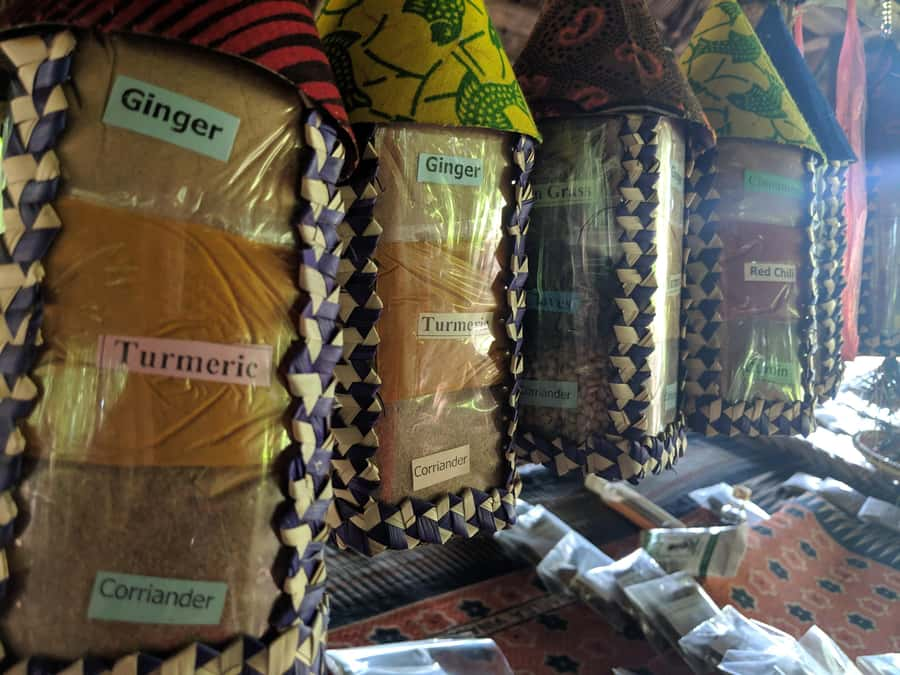
At the end, you can buy fresh spices and teas from the farm shop. Cash is required, so keep Tanzanian shillings or another accepted form of cash with you. This is one of the few points where the tour can cost more than its advertised price, because the shop makes it easy to add several small purchases.
I recommend deciding in advance what you actually want. Cinnamon, cloves, vanilla, pepper, cardamom, turmeric, ginger, and spice blends are practical souvenirs because they are light and useful. Ask about packing and storage if you are buying several items for the trip home.
The shop also supports the local community connected with the activity. That does not mean every purchase is automatically a bargain, so check the price before buying. The better reason to shop here is that you know where the spices were grown and have seen them in their original form.
The theatrical touches and how to handle them
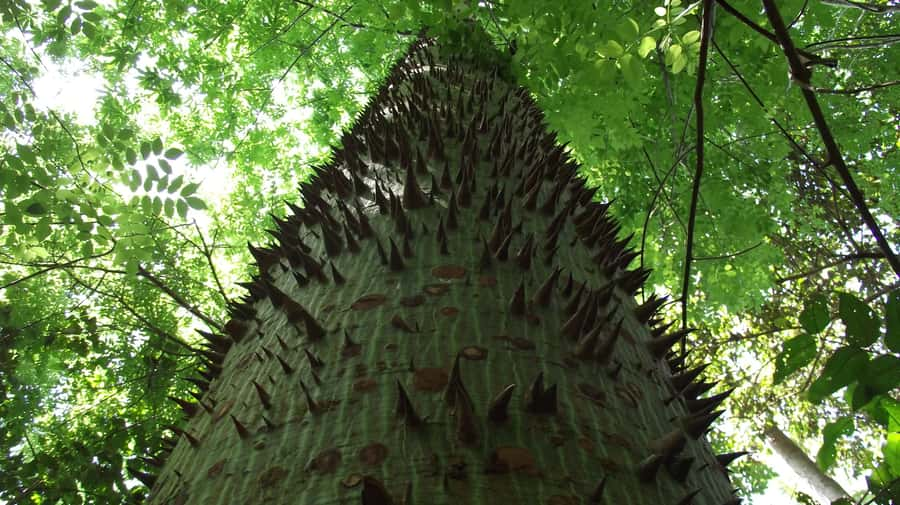
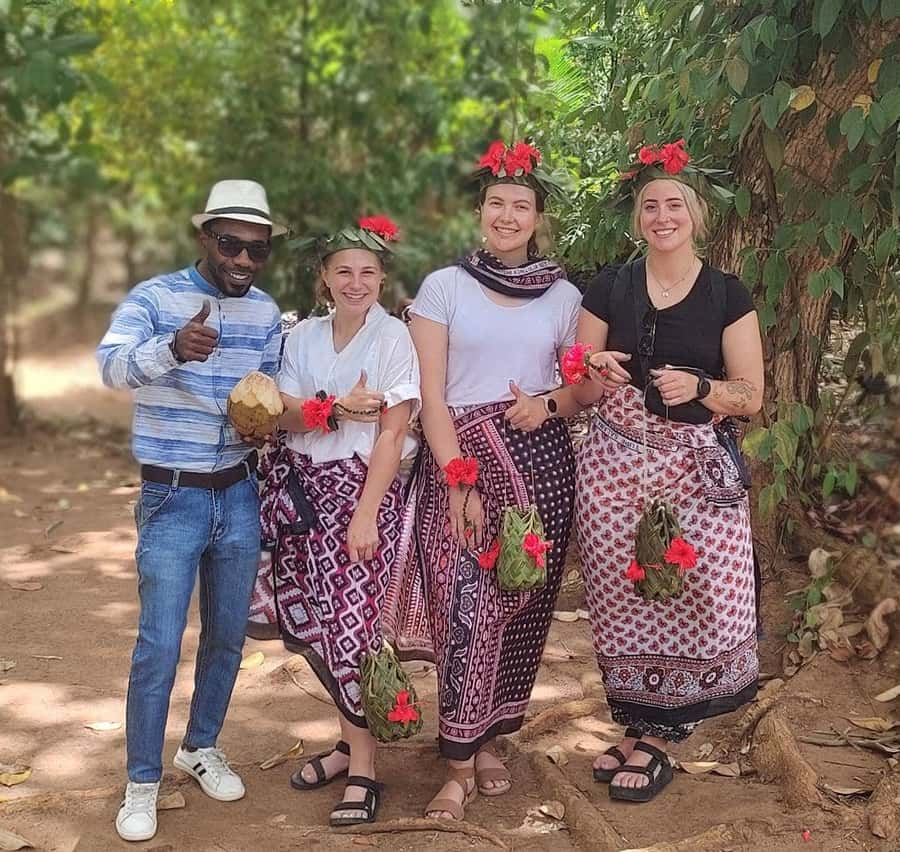
Some parts of a spice farm visit are designed for fun and photographs. You might be offered a crown, tie, or handbag made from leaves. One visitor found this part too touristy, especially because it led to an expected tip.
My advice is to treat these moments as optional entertainment. Join in if you enjoy playful photographs, and politely decline if you came mainly for plants, food, and local knowledge. The leaf crafts should not define the experience, but they are worth knowing about so you are not surprised.
Tipping is not described as included. Carrying small cash is sensible for that reason, as well as for spice purchases. You should feel free to ask what a paid extra involves before accepting it.
Timing, comfort, and who should book
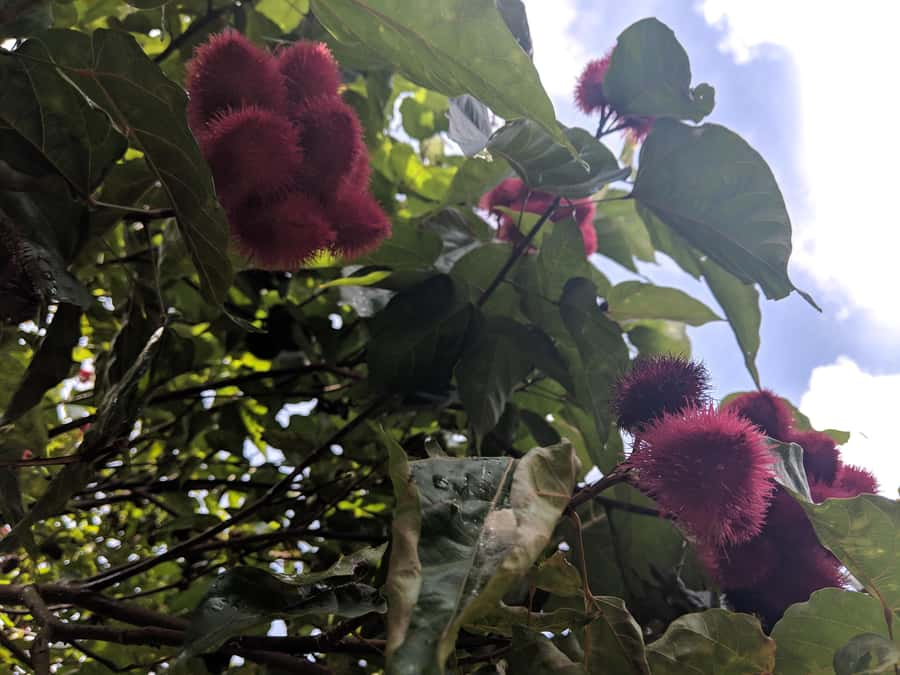
The activity lasts three hours, which is enough time for a clear introduction without using an entire day. It suits someone staying in Stone Town who wants a morning outing, as well as someone at a beach hotel looking for a cultural break from the coast.
Wear comfortable shoes, a sun hat, and sunscreen. Bring water and cash. The walk includes outdoor farm areas and hands-on tasks, so neat resort clothing is less useful than something comfortable and practical.
The tour is listed as wheelchair accessible, but a real farm can include uneven surfaces and work areas that are not equally easy to reach. If you use a wheelchair, confirm the exact route and cooking setup before you go. The activity is not suitable for pregnant women.
English and Swahili are available. A private group format is helpful if you want to ask questions, move at your own pace, or keep the cooking section relaxed. Families and small groups will likely get more from this than people seeking a polished performance with a fixed script.
Is $65 a fair price?
At $65 per person, the price includes pickup from the Stone Town meeting point or a beach hotel, a local guide, the farm visit, the cooking activity, lunch, and a contribution to the local community. For a three-hour private experience with transport options and food included, that is a reasonable package.
The value is strongest if you make use of the full experience. If you only walk through the plants and buy spices, a cheaper farm visit might suit you better. If you enjoy tasting, asking questions, helping with food, and eating lunch on site, the price feels more justified.
The guide is another part of the value. Names and personalities can vary, but Chiquito, Ahmad, Abdullah, Khamis, and Juma have all been associated with warm, informative service on this experience. Good guiding turns a list of plants into a story about food, work, trade, and daily life.
Free cancellation is available up to 24 hours before the activity, and you can reserve now and pay later. Those terms are useful if your Zanzibar plans may shift, but they do not change the need to confirm pickup details and bring cash for the shop.
Should you book this spice farm tour?
Book it if you want to smell spices at their source, taste tropical fruit, and eat a local meal connected to the farm. I especially recommend it early in your Zanzibar stay because it gives you useful background for understanding the island’s food and trade.
Choose another activity if you want a full professional cooking course, a long farm tour, or a completely noncommercial experience. The leaf crafts and shop can feel tourist-oriented, and the cooking may involve demonstration more than full participation.
For most visitors, the combination works well: a friendly guide, unusual plant knowledge, fresh fruit, coconut, a Swahili lunch, and a chance to take spices home. Bring water, sunscreen, comfortable shoes, and cash, then approach the day as a local food lesson with a few playful extras.
FAQ
Where does the tour meet in Stone Town?
The meeting point is in front of the Old Fort on Mizingani Road in Stone Town at 9:00 AM.
Can I be picked up from my beach hotel?
Yes. Optional pickup is available from beach hotels anywhere in Zanzibar.
How long does the spice farm tour last?
The activity lasts three hours.
What languages does the guide speak?
Live guiding is available in English and Swahili.
Is the tour private?
Yes. The activity is arranged for a private group.
What spices can I see?
The farm may include cloves, nutmeg, cinnamon, black pepper, vanilla, cardamom, ginger, turmeric, lemongrass, and other spices and herbs.
Is lunch included?
Yes. Lunch at the spice farm is included, along with the cooking activity.
Do I get to cook during the tour?
You can take part in activities such as harvesting cassava leaves, making coconut milk, and preparing local food. The level of hands-on cooking can vary, and some food may be demonstrated rather than fully prepared by you.
Can I buy spices at the farm?
Yes. You can purchase fresh spices and teas at the farm shop, but purchases can only be made with cash.
Is the tour wheelchair accessible?
The activity is listed as wheelchair accessible. Because it takes place on a farm, you should confirm the exact route and cooking arrangements if you need specific accessibility support.
Newly listed farm visits around the world
- Half-Day Farm Visit and Cow Milking Experience★ 5.0 · 16 reviews
- Boutique tour , Mt Maunganui, NZ farm, Rotorua lakes/geothermal★ 4.5 · 50 reviews
- Gourmet Mushroom Farm Tour in Tennessee★ 5.0 · 5 reviews
- Cozy Farm Experience with Wagon Wheels and Acoustic Meal★ 5.0 · 2 reviews
- Animal farm park with free hotel pickup★ 5.0 · 2 reviews
- Alpaca Farm Tours with Toffeemont★ 5.0 · 8 reviews
- Private, via beaches, Kiwi farm to Rotorua 8 lakes & Geothermal★ 5.0 · 20 reviews
- 1D Tour to Cingjing Farm from Taichung★ 4.5 · 3 reviews
Cooking Classes, compared.
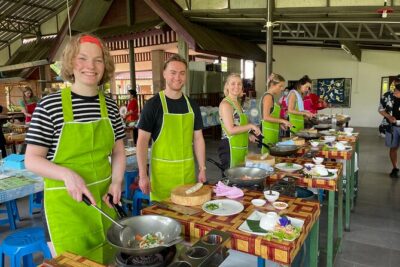
Half-Day Thai Cooking Class at Organic Farm in Chiang Mai
Read our review →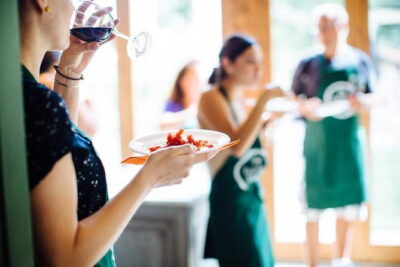
Cooking Class and Lunch at a Tuscan Farmhouse with Local Market Tour from Florence
Read our review →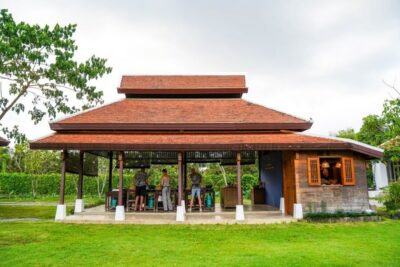
Authentic Cooking Class with Market & Farm Visit
Read our review →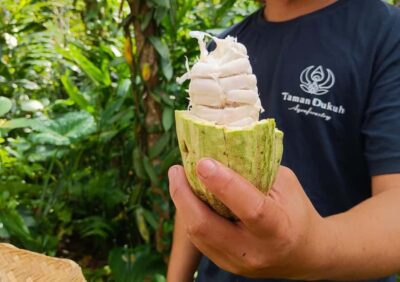

Hands-On Cooking Class & Farmhouse Tour on the Amalfi Coast
Read our review →

Thai Cooking Class | Since 2012 | Farm to Table
Read our review →Browse the lists this tour appears in