
Review · AROUND THE WORLD
Udawalawe: Farm to Table Cooking & Authe: Village Experience
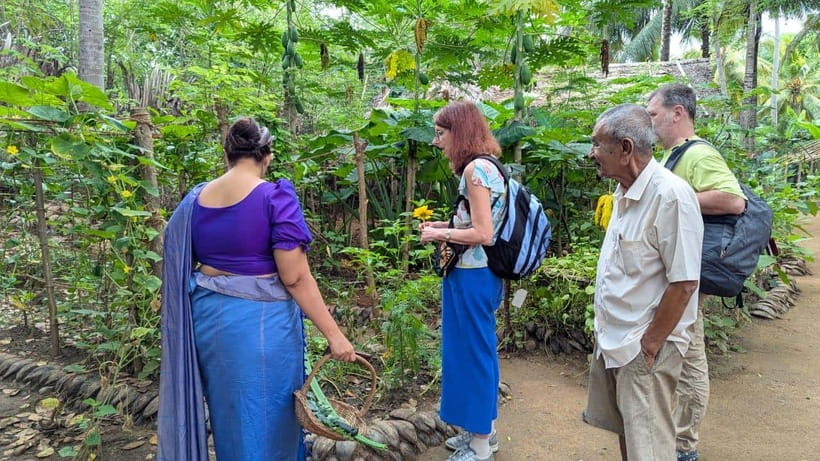
The most interesting part of this Udawalawe experience is its look at ordinary village life. You walk through a reconstructed 200-year-old agricultural village, see how cinnamon is prepared, visit an ancient stone mine, then pick vegetables and cook with local women. The garden-to-kitchen link gives the visit a clear purpose, rather than a string of disconnected demonstrations.
I like the friendly, hands-on cooking and the chance to work with produce picked on site. I also like the setting near Udawalawe Elephant Orphanage, just 1.2 kilometers away, which makes this a handy add-on to a safari-area day. The main caution is value: at $30 per person, drinks with the meal may cost extra, and one visitor was charged much more than shop prices without advance notice.
Key points at a glance
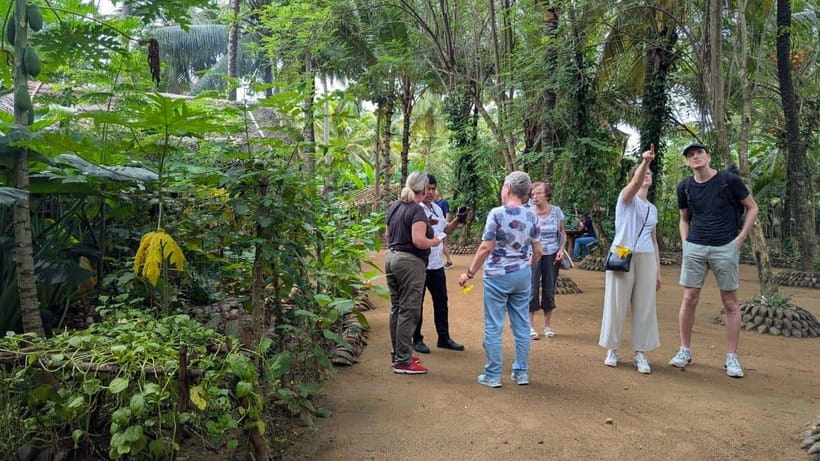
- A 200-year-old village setting: See a reconstructed Sri Lankan farming community and learn about food, work, and customs.
- A practical cooking class: Pick vegetables, grind spices, and help prepare local dishes in a traditional kitchen.
- An old stone mine visit: Learn how miners once searched for Sri Lanka’s precious stones.
- Cinnamon up close: Watch a skilled worker peel and prepare this important local spice.
- A private two-hour visit: The tour is offered in English or Sinhala, with a walking section of about 90 minutes.
- One cost to watch: The meal is included, but drink charges need to be clarified before you sit down.
Entering the reconstructed village near Udawalawe
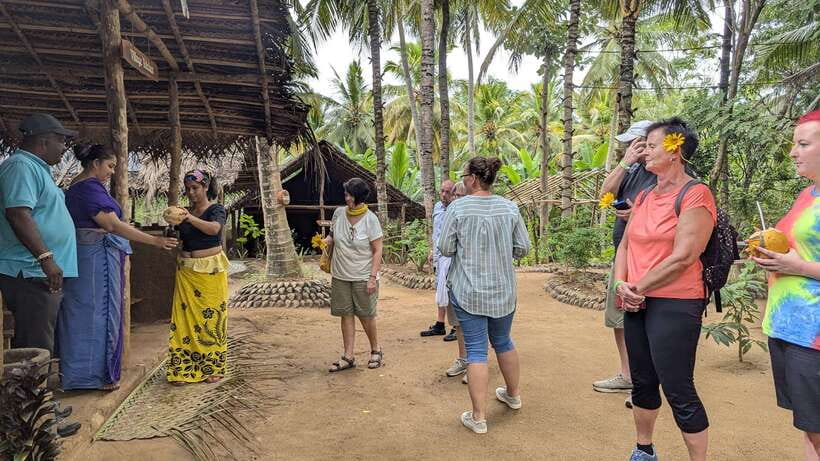
Ceylon 1850 is located in Sabaragamuwa Province, only 1.2 kilometers from Udawalawe Elephant Orphanage. That location makes it easy to pair with another local activity, especially if you want more than wildlife during your time in the area.
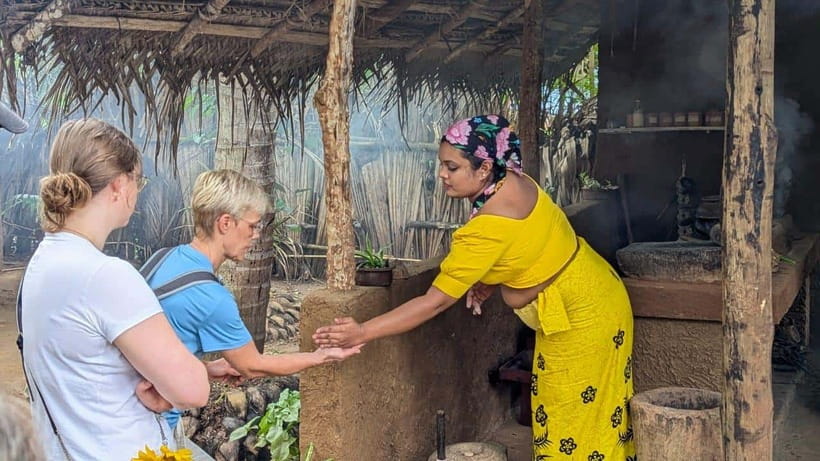
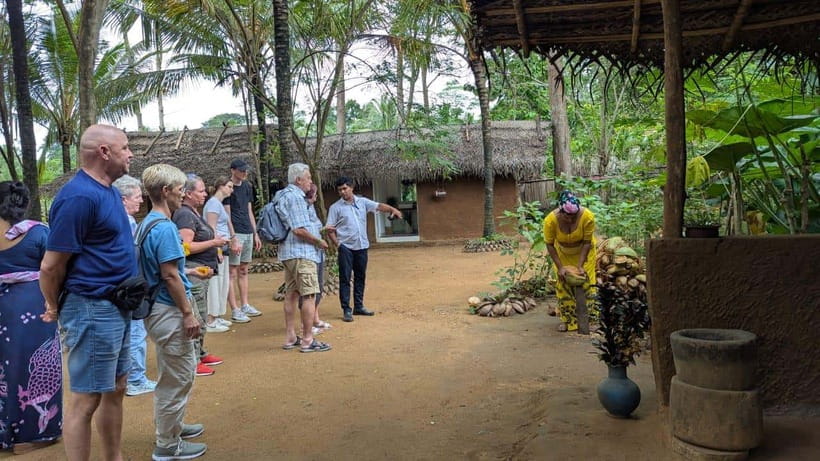
The setting presents village life from roughly 200 years ago. You are not simply shown a building and sent on your way. The visit links the old village setting with agriculture, food preparation, cinnamon work, mining, and local customs. That connection helps you understand how daily work shaped village life.
The experience lasts two hours, though about 90 minutes are spent walking around the property. You should wear comfortable shoes and expect an active visit rather than a sit-down cooking demonstration. Wheelchair users cannot take part, so the walking requirement is important to consider before booking.
Your welcome drink may be cinnamon tea, as described in the experience outline, while the included details also refer to king coconut. Since those two descriptions differ, I would confirm the arrival drink when you book. Either way, the welcome sets up the focus on local crops and flavors.
More Cooking Classes in the world:
- Half-Day Thai Cooking Class at Organic Farm in Chiang Mai
★ 5.0 · 19,087 reviews - From Porto: 2 Wine Regions, Farm-to-Table Lunch & Boat
★ 4.9 · 5,724 reviews - Cooking Class and Lunch at a Tuscan Farmhouse with Local Market Tour from Florence
★ 5.0 · 4,831 reviews
The old stone mine and Sri Lanka’s mineral trade
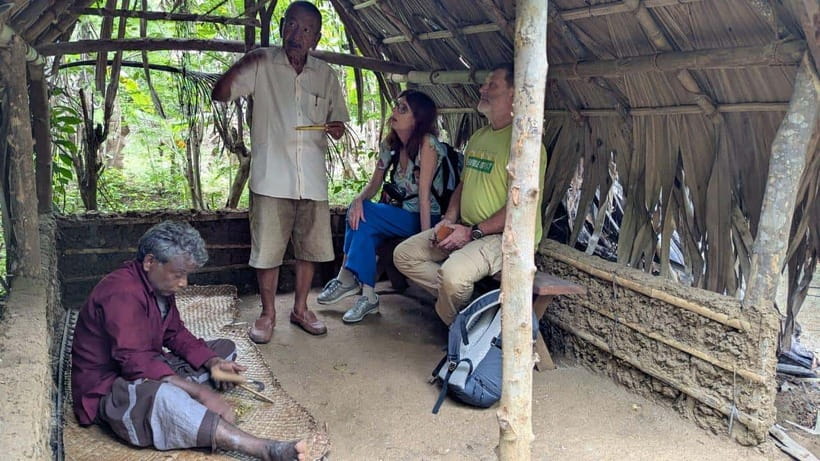
One of the early stops is an ancient stone mine. Sri Lanka is known for its precious stones, and this short visit gives you a look at the work behind that trade. You learn about the mining process and the methods used by earlier miners.
The value here is not in expecting a large underground attraction. This is a guided demonstration within a village experience. The point is to see how a local resource was sought and handled, and to connect mining with the wider working life of the area.
The stop should appeal to anyone curious about how valuable materials are found before they reach a shop or jewelry counter. It also gives the tour some variety before the focus turns to food. If you have limited interest in mining, this part may feel brief, but it remains a useful piece of the local story.
Cinnamon peeling with a strong local connection
The cinnamon demonstration is another small but worthwhile stop. A skilled worker shows how cinnamon bark is peeled and prepared. This is more informative than simply being handed a finished stick, because you see the careful work needed to produce it.
Cinnamon is an important part of Sri Lankan food and trade. Seeing it handled by someone who knows the process gives you a better sense of why the spice is valued. You also start to notice the connection between the raw plant, skilled labor, and the ingredients used in the cooking class.
I like this section because it is short, practical, and easy to understand. There is no need for a long lecture. You watch the work, ask questions through the English or Sinhala guide, and then move on with a clearer idea of what you are tasting in Sri Lankan dishes.
Picking vegetables from the garden
The garden is where the experience becomes hands-on. You walk through the growing area and pick fresh vegetables for the meal. This small task changes your relationship with the food because you have seen where at least some of the ingredients begin.
The garden was a favorite part for one visitor, who enjoyed seeing the fresh produce and the well-kept property. That praise makes sense: the garden gives the cooking class a real setting and prevents it from feeling like a standard restaurant lesson.
You should not expect a full farming course. The activity is about selecting produce and understanding the path from garden to kitchen. Still, this is one of the strongest parts of the visit for families, couples, and anyone who enjoys food with a clear sense of place.
More farm tours around the world:
- Florence Pizza or Pasta Class with Gelato Making at a Tuscan Farm
★ 5.0 · 6,801 reviews - Chiang Mai: Authentic Cooking Class with Market & Farm Visit
★ 4.9 · 4,546 reviews - Tromsø: Reindeer Camp and Sami Cultural Tour with Lunch
★ 4.7 · 3,326 reviews - Maui Pineapple Farm Tour in Haliimaile
★ 5.0 · 2,855 reviews
Cooking with local women in a traditional kitchen
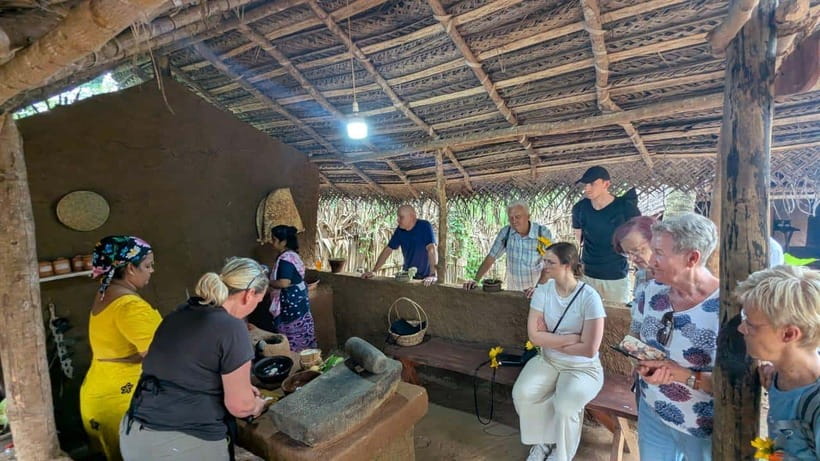
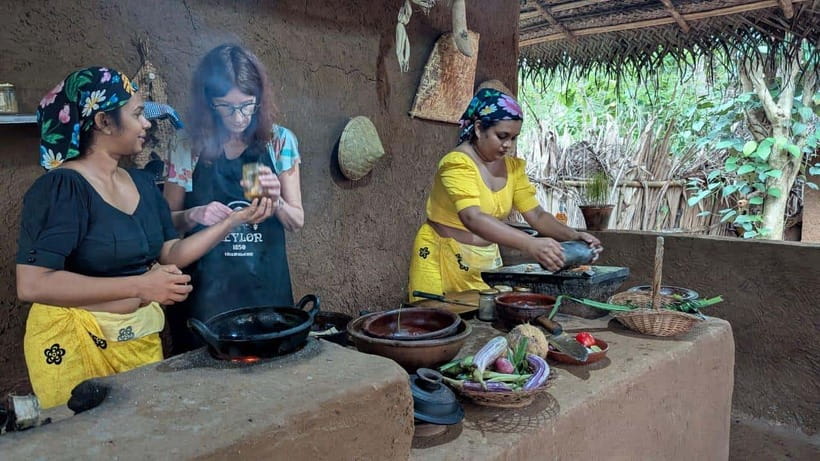
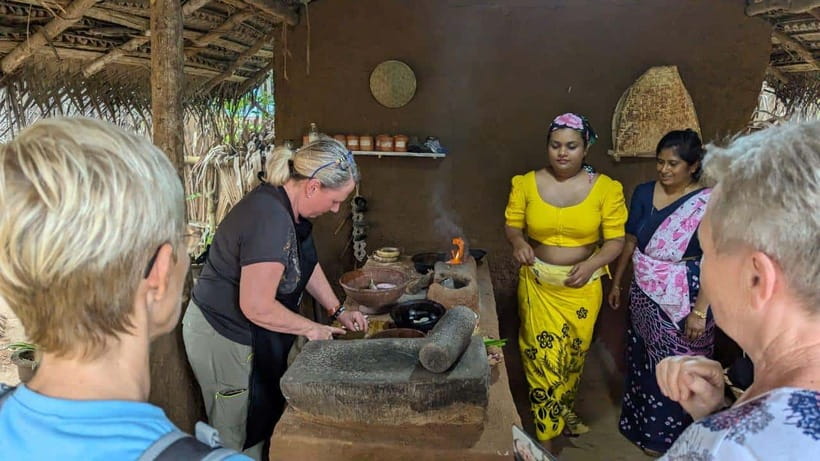
The cooking class is the heart of the experience. After picking vegetables, you join local women in a traditional village kitchen and help prepare Sri Lankan dishes using older methods. The class includes tasks such as grinding spices and cooking over an open flame.
That hands-on format matters. You are not just watching someone cook while standing at a distance. The staff involve you in the process and explain what they are doing. The exact dishes can vary, but the meal is made from the produce and ingredients used during the class.
Two particularly well-liked results are coconut sambal and dhal. One visitor called them the best they had eaten, while another described the cooking class as informative and enjoyable. Those details point to the class’s main strength: friendly instruction paired with food you can eat right away.
The cooking area is traditional, so comfort may be simpler than in a modern cooking school. That is part of the appeal, but it may not suit you if you want polished workstations, fixed recipes, or a formal chef-led lesson. Here, the emphasis is on local methods and participation.
The local women are described as friendly and eager to show how the food is prepared. Since the guide languages are English and Sinhala, you should be able to follow the main explanations in English, though the amount of detail may depend on the guide and your questions.
Sitting down to the local meal
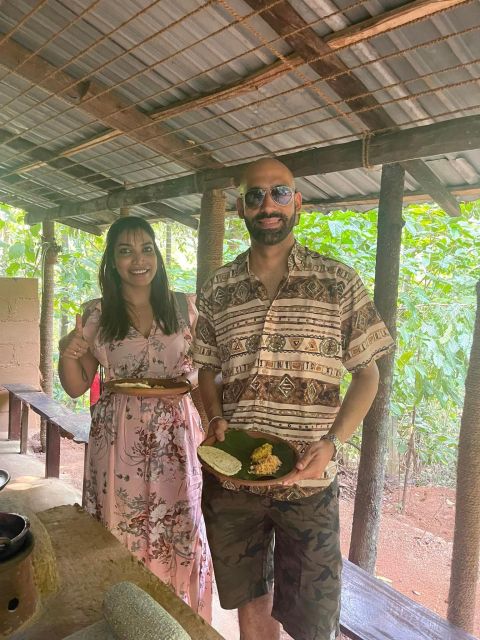
After cooking, you eat the dishes you helped prepare. This shared meal gives the two-hour visit a satisfying finish. You are not left with a recipe card and an empty stomach. The food becomes the final part of the lesson.
I especially like this structure because it rewards your effort. Picking vegetables and helping with the cooking would feel less meaningful if the meal were prepared separately. Eating the finished dishes lets you taste how the ingredients, spices, and cooking methods work together.
The meal is included in the $30 price. Drinks, however, need careful attention. One visitor from Germany said drinks were billed at up to four times shop prices and that the extra charge had not been explained in advance. That is a practical warning, not a reason to reject the experience, but you should ask exactly what is included before ordering anything beyond the meal.
Local melas and the wider cultural program
The experience also includes participation in local melas, described as traditional fairs with crafts, music, dance, and local food. These activities offer a broader look at village customs beyond the kitchen and garden.
Because the total visit lasts two hours, the time available for each part may be limited. The 90-minute walking portion already includes several stops, so the mela element may fit around the main route rather than receive a long separate session. If local fair activities are central to your decision, confirm what will be taking place on your chosen date.
The value of this part depends on timing and availability. When active, it can add music, craft work, and a social feel to the visit. If you mainly want cooking, the class remains the safest reason to book. If you want a wider cultural program, ask how the mela fits into the schedule.
Is $30 per person fair value?
At $30 per person, this is not the cheapest way to eat in Sri Lanka. You can find an inexpensive local meal for far less. The question is what you are paying for beyond the food.
The price covers a private experience with a village walk, an old stone mine visit, cinnamon preparation, vegetable picking, a cooking class, and the meal. It also includes local staff, the property, and the chance to ask questions as you move through the activities. For someone who wants context and participation, that package can be fair.
The value is strongest if you take part fully. Pick the vegetables, help with the cooking, ask about the spices, and pay attention during the cinnamon and mining demonstrations. If you only want lunch, the price will feel high.
The weak point is the unclear drink policy. Since the meal is included but the included information is not clear about drinks, ask before the class begins. A simple question about the price of king coconut, tea, or any other drink can prevent an unpleasant surprise.
Timing, group size, and practical details
This is a private group experience, not a large shared tour. That should make it easier to ask questions and take part in the cooking, though the information provided does not give a maximum group size.
The stated duration is two hours, with starting times depending on availability. Since the walking portion takes about 90 minutes, do not treat this as a quick stop you can squeeze between tightly timed activities. Leave enough time to arrive, walk around the property, cook, and eat without rushing.
The meeting point is 1.2 kilometers from Udawalawe Elephant Orphanage. No transport service is specified, so arrange your own way to the meeting point unless the provider confirms otherwise. English and Sinhala are the available guide languages.
The experience allows free cancellation up to 24 hours before the start time, and you can reserve now and pay later. Those terms are useful if your Udawalawe plans may change, but they do not remove the need to check the start time and drink costs.
Who will enjoy this most?
I would choose this for anyone who wants a food activity with local context. It suits people who like to handle ingredients, learn simple cooking methods, and eat a meal connected to the work they have just done.
Families may enjoy the vegetable picking and hands-on preparation, though the 90-minute walk and traditional kitchen should be considered for younger children. Couples and small private groups will appreciate the personal format.
It also works well for visitors staying near Udawalawe Elephant Orphanage who want to add a cultural activity to a wildlife-focused stay. The short distance makes the location convenient, and the subject matter is different enough from a safari to give your day some variety.
I would hesitate if you need step-free access, dislike walking, or want a highly polished cooking school. I would also hesitate if you expect the mela program to be the main event, since the visit’s schedule gives equal attention to the mine, cinnamon, garden, kitchen, and meal.
Should you book the Udawalawe village cooking experience?
Book it if you want a friendly, practical look at Sri Lankan village food and daily work. The cooking class, fresh garden produce, and meal are the strongest reasons to go, and the old stone mine and cinnamon demonstration add useful local detail.
At $30, the experience earns its price through participation rather than the meal alone. Confirm the welcome drink, ask about drink prices, and allow for the full walking time. If you are comfortable with those details, this is a good choice for a private cultural stop near Udawalawe.
FAQ
Where is the experience located?
It is in Sabaragamuwa Province, Sri Lanka, about 1.2 kilometers from Udawalawe Elephant Orphanage.
How long does the experience last?
The stated duration is two hours. About 90 minutes of that time is spent walking around the property.
What languages are available?
The live guide is available in English and Sinhala.
Is this a private tour?
Yes. The experience is offered for a private group.
Is the meal included?
Yes. You receive a meal featuring dishes prepared during the cooking class.
Are drinks included with the meal?
The information provided is not fully consistent. It describes a welcome drink as cinnamon tea and also lists king coconut as included, while one visitor reported paying separately for meal drinks. Confirm the drink policy and prices before ordering.
What activities are included?
The visit includes a village walk, an old stone mine tour and mining demonstration, cinnamon peeling, vegetable picking, a traditional cooking class, the prepared meal, and participation in local melas.
Is the cooking class hands-on?
Yes. You pick vegetables and help prepare food in a traditional village kitchen with local women. The class may include grinding spices and cooking over an open flame.
Is the experience suitable for wheelchair users?
No. The activity is not suitable for wheelchair users, and about 90 minutes involve walking.
Can I cancel for a full refund?
You can cancel up to 24 hours in advance for a full refund. Reserve now and pay later is also available.
Newly listed farm visits around the world
- Half-Day Farm Visit and Cow Milking Experience★ 5.0 · 16 reviews
- Boutique tour , Mt Maunganui, NZ farm, Rotorua lakes/geothermal★ 4.5 · 50 reviews
- Gourmet Mushroom Farm Tour in Tennessee★ 5.0 · 5 reviews
- Cozy Farm Experience with Wagon Wheels and Acoustic Meal★ 5.0 · 2 reviews
- Animal farm park with free hotel pickup★ 5.0 · 2 reviews
- Alpaca Farm Tours with Toffeemont★ 5.0 · 8 reviews
- Private, via beaches, Kiwi farm to Rotorua 8 lakes & Geothermal★ 5.0 · 20 reviews
- 1D Tour to Cingjing Farm from Taichung★ 4.5 · 3 reviews
Cooking Classes, compared.
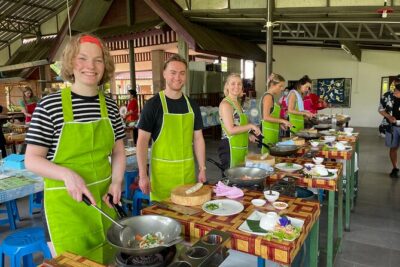
Half-Day Thai Cooking Class at Organic Farm in Chiang Mai
Read our review →
Cooking Class and Lunch at a Tuscan Farmhouse with Local Market Tour from Florence
Read our review →
Authentic Cooking Class with Market & Farm Visit
Read our review →

Hands-On Cooking Class & Farmhouse Tour on the Amalfi Coast
Read our review →

Thai Cooking Class | Since 2012 | Farm to Table
Read our review →Browse the lists this tour appears in