
Review · INDIA
Farm to Table: With a local farmer family
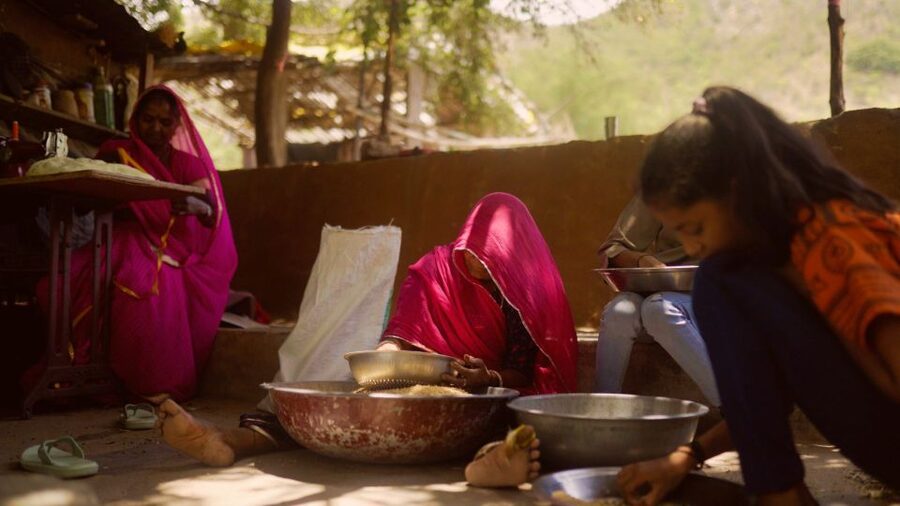
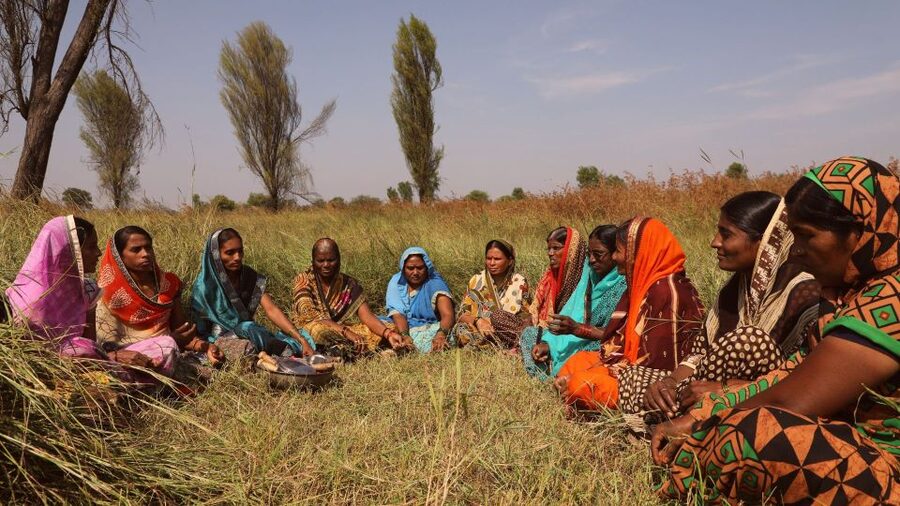
The best part of this farm-to-table visit near Udaipur is that the meal begins in the fields, not on a restaurant menu. You walk among crops, meet local farmers, pick vegetables, then help turn simple ingredients into Dal Bati, Churma, and Gatte Ka Saag in an open-air kitchen.
I like the hands-on cooking and the chance to see daily farm work without dressing it up for tourists. I also like the small cultural touches, from village temples and a stepwell to local artisans and musicians. The main thing to consider is transport: the farm sits outside Udaipur, and the setting may be a family home with a handmade clay stove rather than the polished farm shown in some promotional photographs.
Key points to know before you book
- Two hours with real cooking: You help prepare classic Rajasthani food instead of simply watching a demonstration.
- Fields before the table: Walk among mustard greens and chickpea crops, learn about farming, and pick fresh vegetables.
- A meal under a neem tree: The final spread includes Dal Bati Churma, Sarson Ka Saag, Gatte Ka Saag, and chaas.
- Rural sights depend on transport: The farm is on the outskirts of Udaipur, while nearby village sights may require your own car or a separately arranged vehicle.
- English and Hindi support: Your host or greeter can speak English or Hindi.
- Good value at $21: Food is included, but conveyance is not.
From Udaipur’s edge to a farmer family’s kitchen
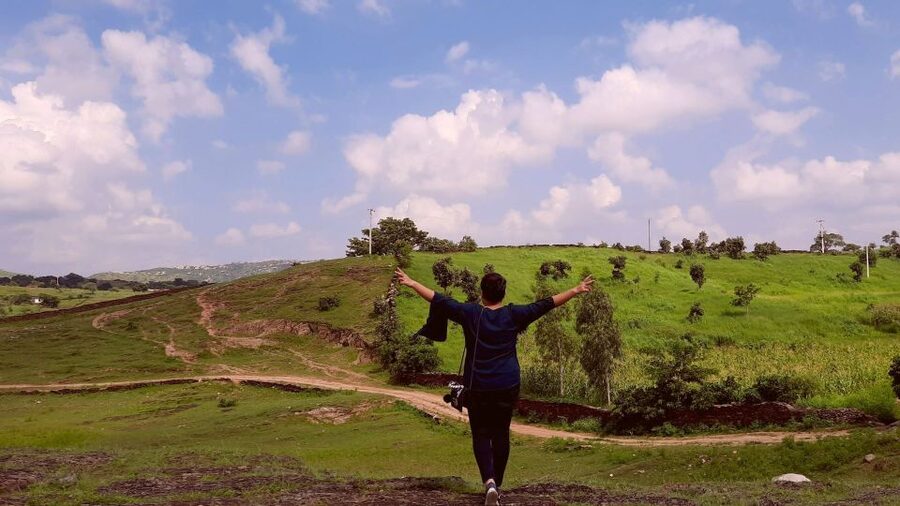
This experience takes place outside central Udaipur, where the city gives way to open fields, village homes, temples, and earthy country air. Your host waits at the meeting point, then welcomes you into a setting shaped by farming and family life.
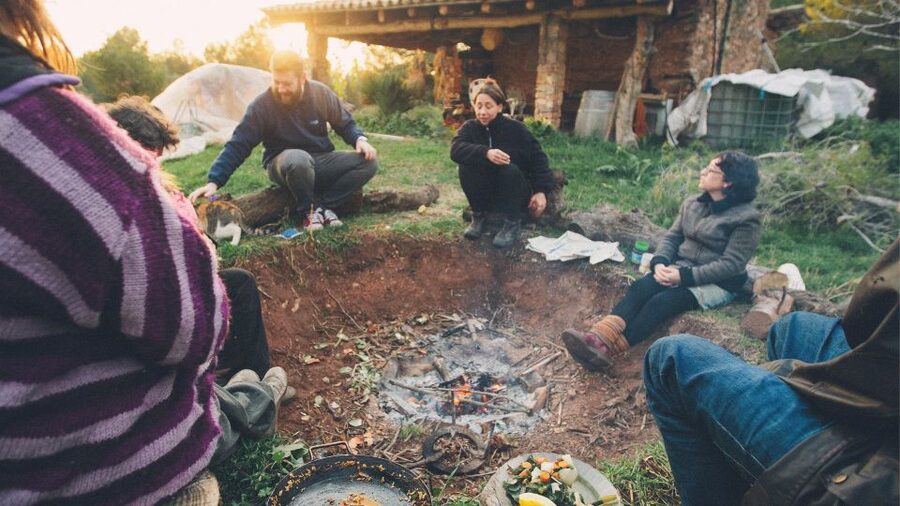
The exact feel can vary. You may cook at a home with a simple, handmade mud-clay fire stove rather than in a large commercial farm kitchen. I see that as part of the appeal, but you should know what you are booking: this is a modest local experience, not a staged cooking studio.
The two-hour schedule is compact. That works well if you have only a short gap between Udaipur sights, but it also means the walk, cooking lesson, meal, and cultural program move at a steady pace. If you want long conversations with the farmers or a slow village wander, you may find the time a little tight.
More Cooking Classes in the world:
- Half-Day Thai Cooking Class at Organic Farm in Chiang Mai
★ 5.0 · 19,087 reviews - From Porto: 2 Wine Regions, Farm-to-Table Lunch & Boat
★ 4.9 · 5,724 reviews - Cooking Class and Lunch at a Tuscan Farmhouse with Local Market Tour from Florence
★ 5.0 · 4,831 reviews
Walking through mustard fields and village farmland
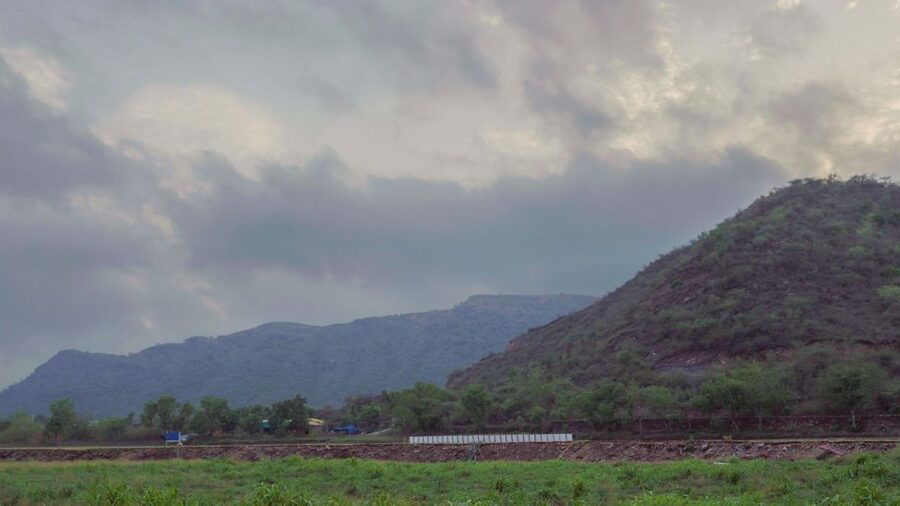
The visit begins with a short walk through fields and gardens. Crops mentioned for the area include mustard greens and chickpeas, with chickpea flour used in several of the dishes you prepare.
This part gives the food a useful context. Gatte Ka Saag is not just a curry you order in a restaurant. Its dumplings begin with chickpea flour, and the farming walk helps connect that ingredient with the soil and seasonal work around you.
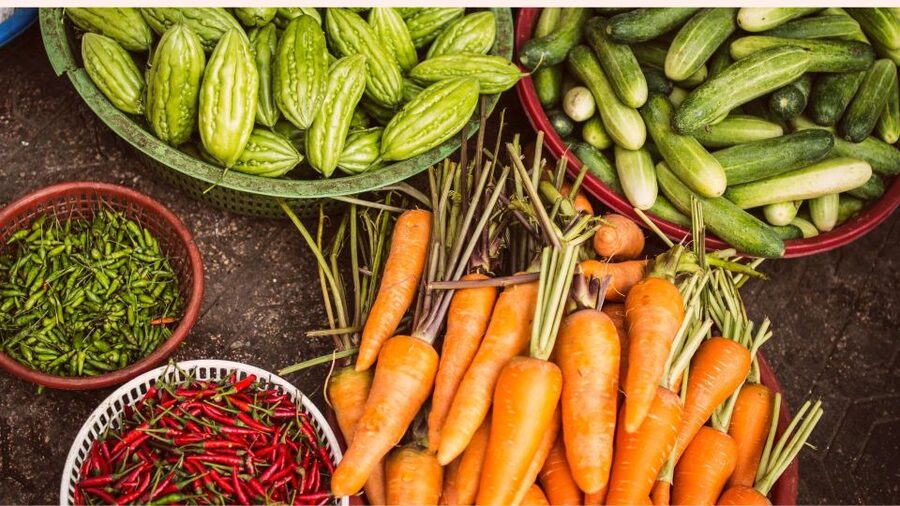
You may also pick fresh vegetables with the farmers. It is a small task, but it changes the tone of the meal. Instead of arriving at a table as a passive diner, you take part in gathering and preparing what you will eat.
The farm walk is not described as a long hike, so I would treat it as a gentle introduction to local agriculture rather than a major outdoor activity. Wear shoes that can handle an unpaved path, and bring protection from the sun. The supplied details do not promise shade during the walk.
Temples, devras, and the wider village setting
The walking portion can include local temples and devras, the small rural shrines found across Rajasthan. These places help show how religious life fits into the daily rhythm of a village, alongside fields, homes, and family work.
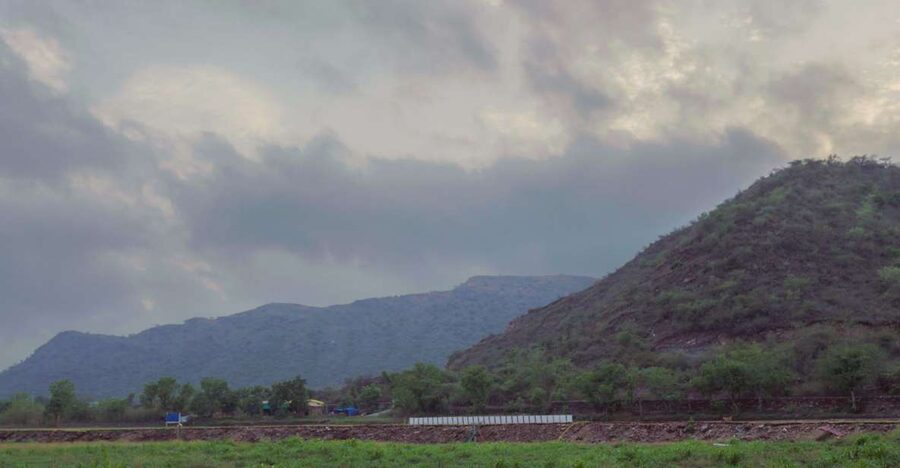
A local temple is part of the view from the farm, and the countryside includes rolling hills and mustard fields. If you have a car and driver, you may be able to continue into a nearby village. One detailed account describes visiting an impressive new Jain temple, a Haveli under renovation, and a stepwell.
That extra village visit is not something I would assume is included in the basic two-hour plan. It depends on having transport, and any vehicle costs are separate. Still, it is a useful tip. If rural architecture and local religious sites matter to you, arrange transport in advance rather than expecting the short farm visit to cover everything.
The mention of Bujra Village also matters. Local artisans and musicians may add performances to the experience, giving you another way to connect with village culture. The program is not only about food. It also introduces craft, music, and the social life around the meal.
Making Dal Bati in a wood-fired clay oven
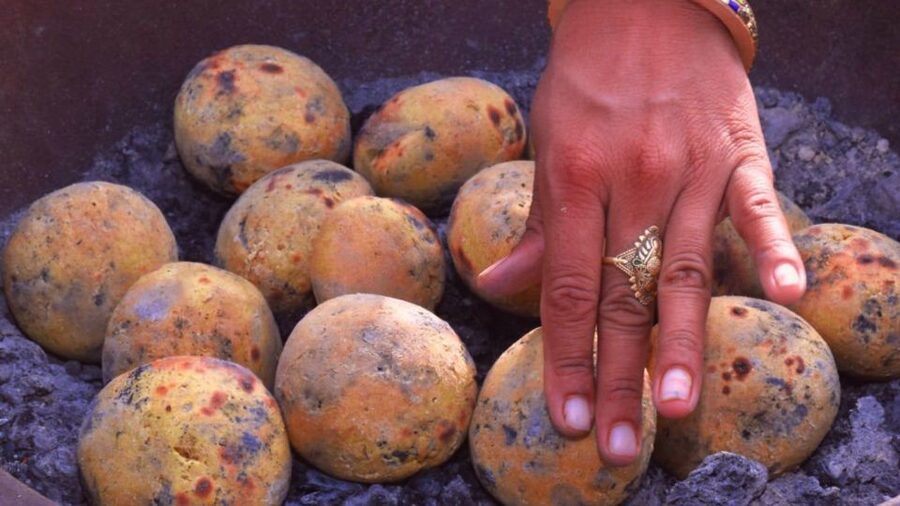
The cooking lesson centers on dishes that define many visitors’ first taste of Rajasthani home cooking. You begin with the dough for bati, the firm baked bread served with dal.
The batis are baked in a wood-fired clay oven. That method gives the food a clear sense of place and makes the lesson more physical than a standard kitchen class. You may shape the dough, watch it bake, and learn how the bread is paired with a spiced lentil curry.
Dal Bati is filling, earthy, and built for a dry climate where sturdy ingredients matter. The dal brings moisture and spice to the baked bati, while ghee adds richness. You will also learn about the local masalas used to season the food.
A short class cannot cover every technique in detail. Still, it gives you enough contact with the ingredients and fire to understand why the dish tastes different from a restaurant version prepared far from Rajasthan.
More farm tours around the world:
- Florence Pizza or Pasta Class with Gelato Making at a Tuscan Farm
★ 5.0 · 6,801 reviews - Chiang Mai: Authentic Cooking Class with Market & Farm Visit
★ 4.9 · 4,546 reviews - Tromsø: Reindeer Camp and Sami Cultural Tour with Lunch
★ 4.7 · 3,326 reviews - Maui Pineapple Farm Tour in Haliimaile
★ 5.0 · 2,855 reviews
Churma, Gatte Ka Saag, and Sarson Ka Saag
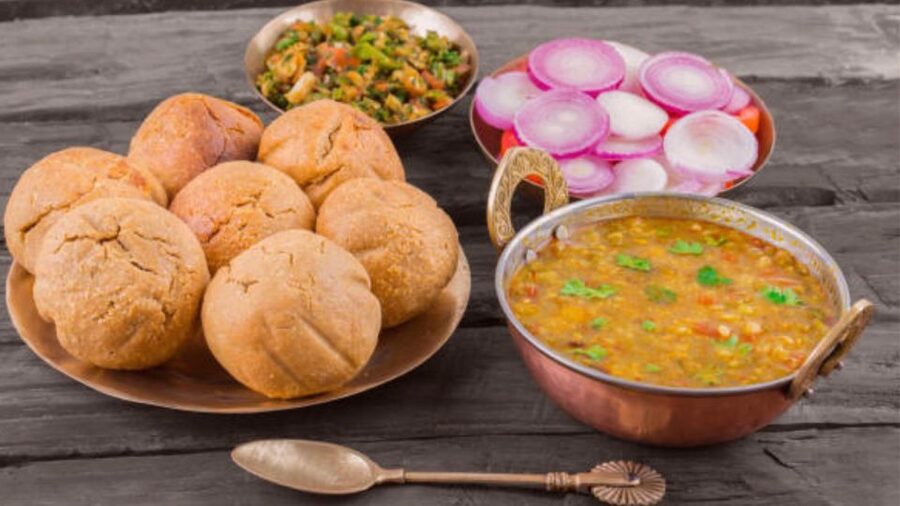
Churma uses crushed batis mixed with ghee and local jaggery. It is sweet, dense, and a natural finish to the meal. Making it also shows how one basic preparation can serve more than one purpose, with the baked bati appearing in both the savory and sweet parts of the menu.
Gatte Ka Saag uses chickpea flour dumplings cooked in a spicy curry. Because the dumplings are made rather than purchased, this is one of the more useful parts of the lesson. You get to see how a few pantry ingredients become a substantial dish without relying on fresh meat or elaborate equipment.
Sarson Ka Saag, made with mustard greens, adds another link between the field and the plate. The crop you see during the walk connects directly with what you eat later under the tree.
The recipes use native spices, but the supplied details do not promise a customized spice level. If you are sensitive to heat, ask the host before cooking begins. English and Hindi are available, so basic food questions should be possible.
Chaas, snacks, and lunch under the neem tree
While the main dishes cook, you receive local snacks and a glass of chaas, the traditional yogurt-based buttermilk drink. Chaas is cooling and lightly spiced in many Indian kitchens, though the precise seasoning here is not specified.
The final meal is served under a neem tree. That setting is one of the strongest reasons to choose this experience over a regular cooking class. You eat the food close to the fields, with the sound and pace of village life around you.
The stated meal includes Dal Bati Churma, Sarson Ka Saag, Gatte Ka Saag, and chaas. Food is included in the $21 price, so you are paying not only for lunch but also for the farm visit, preparation, instruction, and time with the host family.
The meal is described as a group experience. That makes it a good fit if you enjoy sharing food and conversation, but less ideal if you want a private, quiet cooking lesson. The available information does not give a maximum group size, so ask before booking if that detail matters to you.
What makes the $21 price worthwhile
At $21 per person, this is a strong value if you want more than a meal. You receive food, a short farm tour, contact with local farmers, a cooking lesson, and a cultural program with possible music and artisans.
The value comes from the combination. A restaurant could give you Dal Bati Churma, but not the walk through mustard fields, the chance to pick vegetables, or the explanation of how the ingredients are grown and used.
The price does not include conveyance. That is the main extra cost to plan for, especially because the farm is outside Udaipur. If you need help reaching the venue, the provider can arrange a vehicle, but you pay those charges separately.
For two hours, the cost remains reasonable, especially for anyone who wants a rural experience without committing to a full-day excursion. If you already have a driver, the value improves because you can potentially add a village visit after the meal.
Transport is the detail that can shape the whole visit
Do not assume you can walk or easily use local transport from central Udaipur. The experience takes place on the city’s outskirts, and the meeting point is where your host waits.
You may need assistance arranging a vehicle. Contact the provider ahead of time if your hotel cannot help, and confirm the meeting point clearly. A late arrival would be unfortunate because the schedule is only two hours and the cooking stages are linked.
Having a car can also expand the day. One account describes reaching a nearby village with a car and driver, then seeing the Jain temple, renovated Haveli, and stepwell. Those sights are useful additions, but they should be treated as separate from the core farm visit.
The transport question is especially important for families, older visitors, or anyone carrying luggage. The provided details do not state accessibility conditions, path surfaces, or vehicle type, so ask before booking if those concerns affect you.
Who will enjoy this experience most
I would choose this for you if you want food tied to place. It suits curious eaters, families, couples, and small groups who prefer meeting local people to ticking off another city attraction.
It is also a good match if you have already seen Udaipur’s palaces and lakes and want a change of pace. The fields, village shrines, music, and home cooking show a side of the region that city sightseeing cannot provide.
Children may enjoy picking vegetables and shaping dough, although the supplied information does not give a minimum age or a child-specific program. Ask about that before booking.
You may want a different activity if you expect a polished cooking school, a long farm hike, or a private lesson with a fixed menu tailored to your diet. The setting is simple, the timing is short, and the meal is based on traditional Rajasthani dishes.
Booking flexibility and practical timing
The experience lasts two hours, with starting times subject to availability. That makes it fairly easy to fit around a morning palace visit or an afternoon in Udaipur, but leave enough time for the drive to the outskirts.
You can cancel up to 24 hours in advance for a full refund, and the reserve-now, pay-later option lets you hold a place without paying immediately. Those terms help if your Udaipur schedule is still changing.
English and Hindi are the listed languages for the host or greeter. No guide names are provided, so do not book expecting a particular named guide. The hosts are described as local farmers and family members, which is more important here than a formal guiding credential.
Should you book this farm-to-table visit?
I would book it if you want a friendly, hands-on introduction to rural Rajasthan and you are comfortable with simple surroundings. The strongest elements are the cooking, the farm connection, the meal beneath the neem tree, and the chance to add nearby village sights if you have transport.
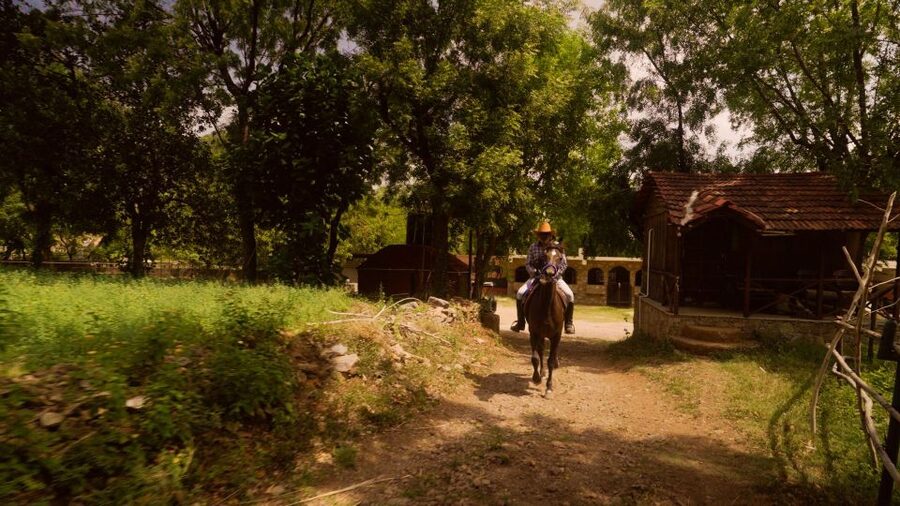
Before paying, confirm the meeting point and vehicle plan. Also set your expectations about the setting. You may cook in a family home with a handmade clay stove, not the picture-perfect open-air setup suggested by some images.
For $21, food included, this is an appealing value. Book it for the people, the process, and the taste of home cooking. Skip it only if transport is difficult or you want a longer, more polished culinary class.
FAQ
Where does the farm-to-table experience take place?
It takes place on the outskirts of Udaipur, Rajasthan, in a rural setting with fields, village homes, local temples, and a nearby temple visible from the countryside.
How long does the experience last?
The activity lasts two hours. Starting times depend on availability.
What food will I prepare and eat?
The menu includes Dal Bati, Churma, Gatte Ka Saag, Sarson Ka Saag, and chaas. You help prepare the dishes and then eat them as a group.
Is food included in the price?
Yes. Food is included in the $21 per-person price.
Is transportation included?
No. Conveyance is not included. You may need help or a separate vehicle to reach the venue, and transportation charges are handled separately.
Can I visit a nearby village during the experience?
A nearby village visit may be possible if you have a car and driver. Sights mentioned include a Jain temple, a Haveli under renovation, and a stepwell.
Will I walk through the fields?
Yes. The experience includes a short walking tour through local fields and gardens, with information about traditional farming methods and crops such as mustard greens and chickpeas.
Can I pick vegetables?
Yes. You can interact with local farmers and pick fresh farm vegetables with them.
What languages are available?
The host or greeter can speak English or Hindi.
Can I cancel for a refund?
Yes. You can cancel up to 24 hours in advance for a full refund. You can also reserve now and pay later.
Newly listed farm visits around the world
- Half-Day Farm Visit and Cow Milking Experience★ 5.0 · 16 reviews
- Boutique tour , Mt Maunganui, NZ farm, Rotorua lakes/geothermal★ 4.5 · 50 reviews
- Gourmet Mushroom Farm Tour in Tennessee★ 5.0 · 5 reviews
- Cozy Farm Experience with Wagon Wheels and Acoustic Meal★ 5.0 · 2 reviews
- Animal farm park with free hotel pickup★ 5.0 · 2 reviews
- Alpaca Farm Tours with Toffeemont★ 5.0 · 8 reviews
- Private, via beaches, Kiwi farm to Rotorua 8 lakes & Geothermal★ 5.0 · 20 reviews
- 1D Tour to Cingjing Farm from Taichung★ 4.5 · 3 reviews
Cooking Classes, compared.
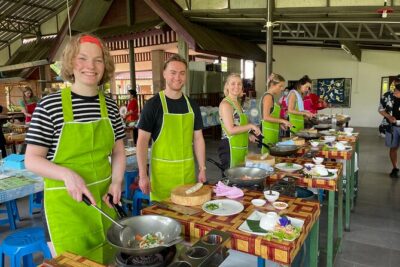
Half-Day Thai Cooking Class at Organic Farm in Chiang Mai
Read our review →
Cooking Class and Lunch at a Tuscan Farmhouse with Local Market Tour from Florence
Read our review →
Authentic Cooking Class with Market & Farm Visit
Read our review →


Hands-On Cooking Class & Farmhouse Tour on the Amalfi Coast
Read our review →

Thai Cooking Class | Since 2012 | Farm to Table
Read our review →Browse the lists this tour appears in