
Review · GREECE
Kalamata: Farm-to-Table Experience with Cooking
The best part of this Kalamata experience happens before you sit down to eat. You pick tomatoes, peppers, herbs, and other seasonal produce, collect eggs, meet the goats and chickens, then turn those ingredients into a traditional Greek meal at Mama Gaia. Cheesemaking gives the visit a real sense of place, especially with regional Sfela and creamy Anthotyro on the menu.
I like the warm, personal scale of the experience, with no more than 10 people and hosts Nicole and Porta leading the work. I also like that you do more than watch a cooking demonstration: you harvest, cook, learn why each dish matters, and eat beneath the olive trees. The main drawback is practical: the farm has uneven ground, animals, and outdoor work, so it is not suitable for wheelchair users, people with back problems, or anyone with animal allergies.
Key Points Before You Book
- Make two local cheeses: Learn to prepare Sfela, a semi-hard brined cheese from the region, along with soft, creamy Anthotyro.
- Harvest the ingredients yourself: Pick garden produce, collect eggs, and, depending on the season, learn about olives, figs, and other Messinian foods.
- Cook a full Greek meal: Prepare Kagianas, beef patties, tzatziki, Greek salad, and other dishes with guidance from local hosts.
- Meet the farm animals: Goats provide the milk for the cheese, while chickens supply the eggs. Farm dogs may accompany you around the property.
- Eat in the olive grove: The final meal is served outdoors at the farm, surrounded by trees and country sounds.
- Keep the group small: A maximum of 10 participants makes it easier to ask questions and take part in each task.
A Working Farm, Not Just a Cooking Demo
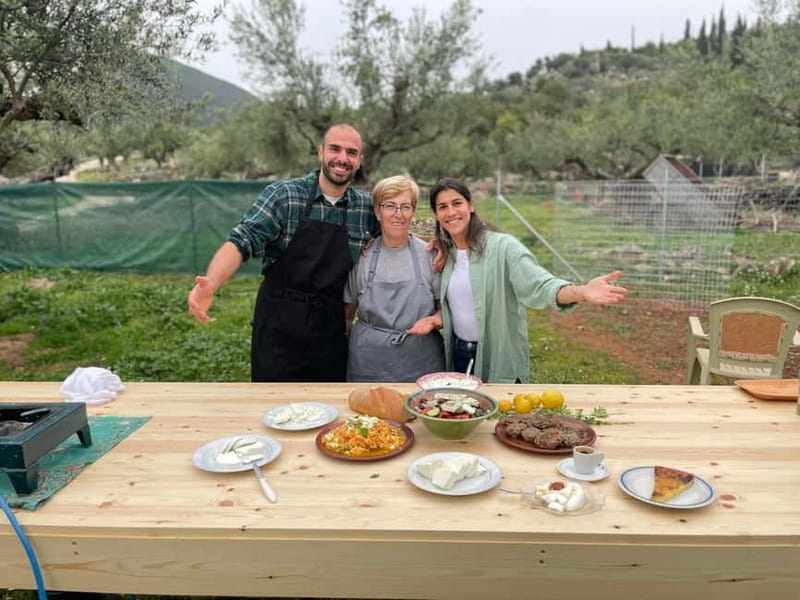
Mama Gaia gives you a look at food before it reaches a market stall or restaurant kitchen. The visit begins with a welcome from local hosts who focus on sustainable farming and traditional cooking, then moves into the farm itself.
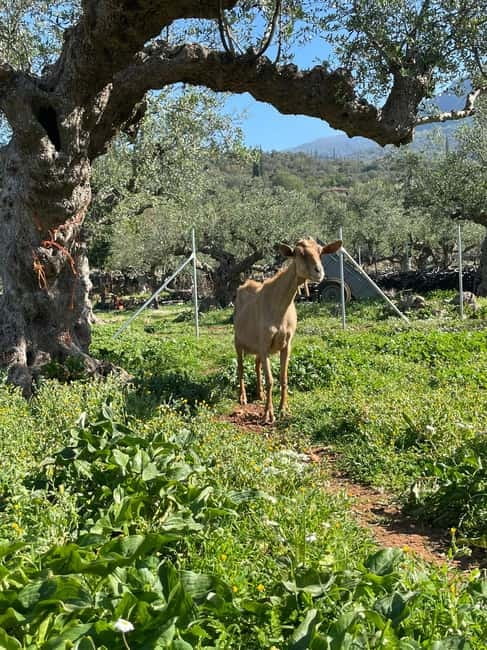
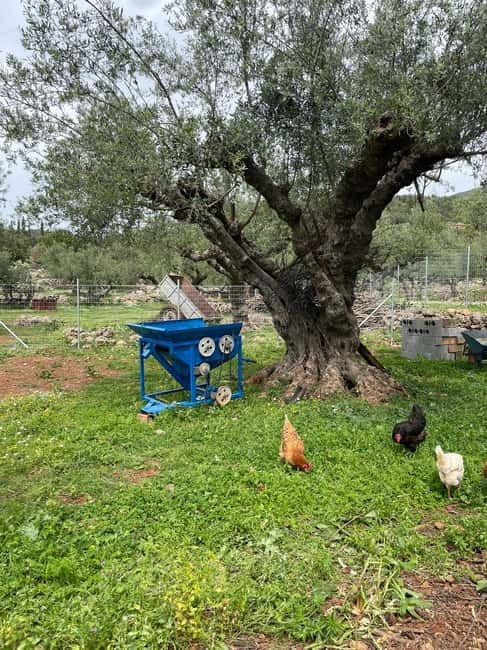
You can expect olive trees stretching across the Messinian countryside, garden beds, animals, and a rustic outdoor kitchen. The setting matters here. You are not simply cooking Greek food in a classroom with ingredients laid out in advance. You are connecting the meal to the soil, the animals, and the people who prepare it.
That does not mean every task is physically demanding, but you should be ready to walk on uneven surfaces and spend time outside. Wear shoes that can handle dirt and rough ground, plus a hat and sunscreen. Bring water, especially during hot weather.
The hosts speak English, Greek, and Spanish. Nicole is singled out in the available feedback for making the experience memorable, while Nicole and Porta are both described as welcoming and passionate about their work. That personal attention is important in a small group, where you should have room to ask about ingredients, methods, and local customs.
More Cooking Classes in Greece:
- Naxos Perivoli Farm Experience & Wood-fire Cooking Class
★ 5.0 · 339 reviews - Cretan Cooking Class and Olive Oil Tasting
★ 5.0 · 178 reviews - Melanes: Naxos Perivoli Farm & Cooking Class with Wood Fire
★ 5.0 · 177 reviews
Meeting Goats, Chickens, and Farm Dogs
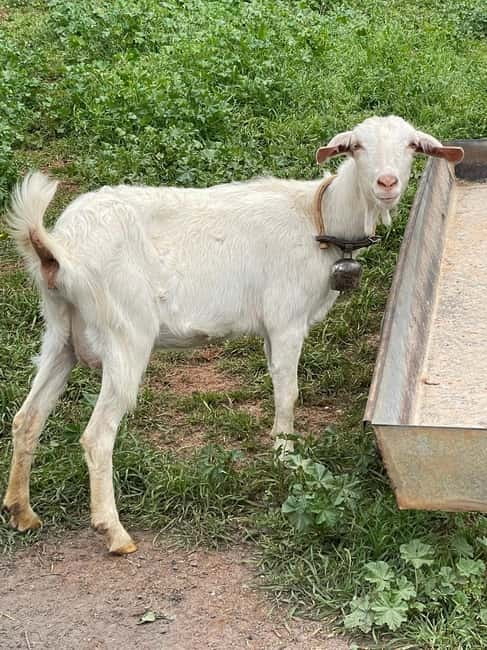
The animal portion adds more than a pleasant photo stop. The goats provide milk for the homemade cheese, so they are tied directly to the food you will later prepare. The chickens supply fresh eggs, which become part of the meal.
You may also meet farm dogs as you walk around the property. This is a friendly, hands-on setting, but it is still a working farm rather than an animal attraction. People with animal allergies should skip this activity, and anyone uneasy around livestock should think carefully before booking.
The goats are a particular highlight for many people, but the real value is seeing how several parts of farm life connect. Milk becomes cheese, eggs become part of Kagianas, and vegetables move from the garden to the cooking table in a short span of time.
You can also collect eggs from the coop. That simple task helps make the meal feel earned, and it gives children and families an easy way to participate. Still, the activity is not described as a children-only program, so all participants should be comfortable following instructions around animals.
Picking Produce in the Messinian Garden
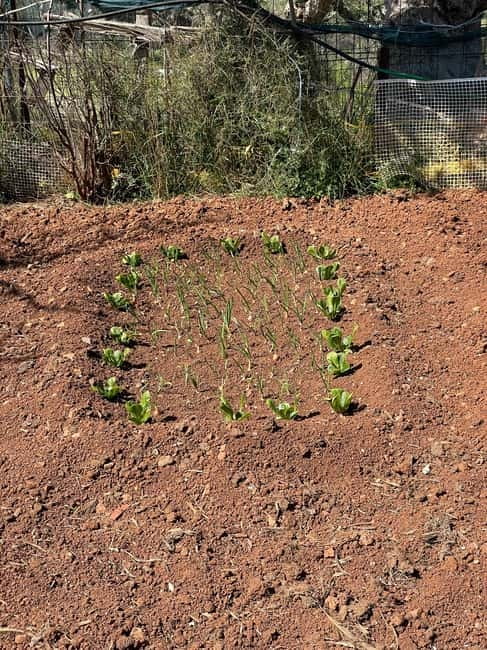
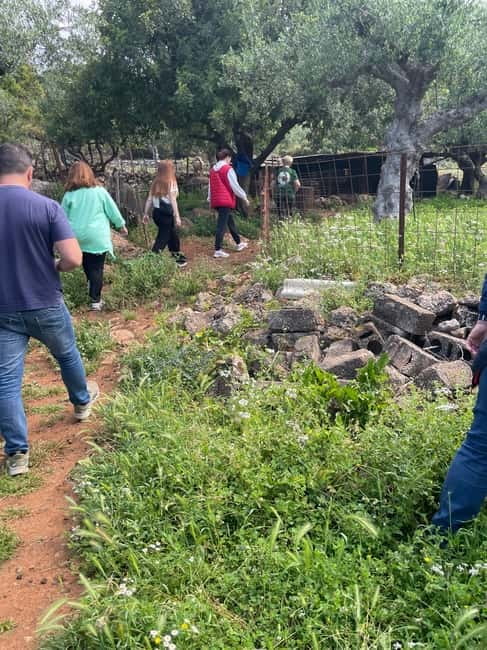
Next, you head into the vegetable garden to gather ingredients for the meal. Depending on the season, you may pick tomatoes, peppers, herbs, and other fresh produce. The exact harvest will change with the time of year, which is part of the appeal of a farm-based meal.
Messinia is known for its Mediterranean growing conditions, and the experience also introduces you to local olives, figs, and other products when available. The seasonal element means you should not expect a fixed list of every ingredient at every visit. Instead, you get a direct lesson in what the farm is producing at that time.
I like this part because it slows the meal down. You start noticing the smell of herbs, the feel of the soil, and the difference between an ingredient picked minutes ago and one that has spent days in storage. The hosts also explain the role of local foods in the area, so the garden walk has cultural value as well as practical value.
The farm is not the right place for polished, city-style convenience. Outdoor conditions and weather can affect the schedule, and bad weather may lead to rescheduling. Pack accordingly, and do not wear clothing or shoes that you mind getting dusty.
Learning Sfela and Anthotyro
The cheesemaking workshop is one of the strongest reasons to choose this experience instead of a standard Greek cooking class. You learn about Sfela, a semi-hard cheese preserved in brine and associated with the region, then prepare Anthotyro, a softer cheese with a mild, creamy texture.
The workshop gives you a closer look at how goat milk becomes part of a meal. You are not just tasting a cheese plate at the end. You take part in the process and learn techniques that connect to traditional farm cooking.
The description does not promise that you will leave with a sealed package of cheese or a formal recipe booklet, so think of this as a practical lesson and tasting experience rather than a professional certification. The value is in understanding the method and using the fresh cheese in the meal that follows.
This is also where the small group matters most. With a maximum of 10 people, you should have a better chance to see what is happening and ask questions without standing at the back of a large crowd. The hosts can explain the cultural role of the cheeses as well as the basic preparation.
More farm tours around Greece:
- Mykonos: Farm, Ano Mera Village, and Beaches Guided Tour
★ 4.4 · 1,283 reviews - Crete: Road-trip to Lasithi, Zeus Cave & Olive Mill Farm
★ 4.4 · 451 reviews - Heraklion: Olive Farm Tour with Tasting of Local Delicacies
★ 4.9 · 411 reviews - Lassithi, Zeus Cave, Olive Mill Farm & Knossos Combo Tour
★ 4.6 · 404 reviews
Cooking Kagianas, Salad, and Beef Patties
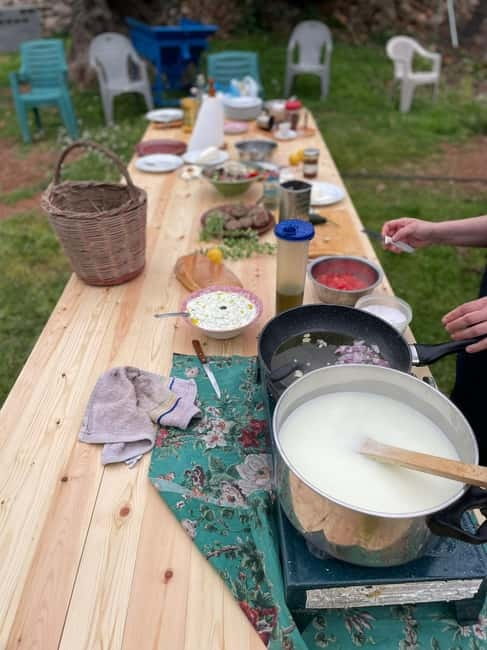
Once the ingredients are ready, you move to the rustic outdoor kitchen. Under the hosts’ direction, you prepare several traditional dishes rather than focusing on one recipe.
Kagianas combines eggs, fresh tomatoes, and local cheese. It is a straightforward rural dish, but it shows how a few good ingredients can carry a meal. The eggs come from the farm, the tomatoes come from the garden when in season, and the cheese connects back to the earlier workshop.
You also grill free-range beef patties and serve them with garden greens and homemade tzatziki. The Greek salad brings together tomatoes, cucumbers, onions, olives, and feta, finished with extra virgin olive oil. Fresh bread made with local flour is baked in a traditional wood-fired oven.
The menu is substantial, so this is not a small tasting with one or two bites. You are preparing a full farm-to-table feast. The hosts also discuss cooking methods and the cultural meaning of the dishes, which helps you understand why the meal looks the way it does.
I would not book this expecting advanced culinary training. The focus is on traditional home cooking, fresh ingredients, and shared work. That makes it suitable for curious beginners, couples, families, and anyone who would rather learn through doing than sit through a formal demonstration.
Dietary restrictions and allergies should be reported in advance. The supplied information does not promise specific substitutions, so you should not assume that every dish can be changed at the last minute.
Eating Beneath the Olive Trees
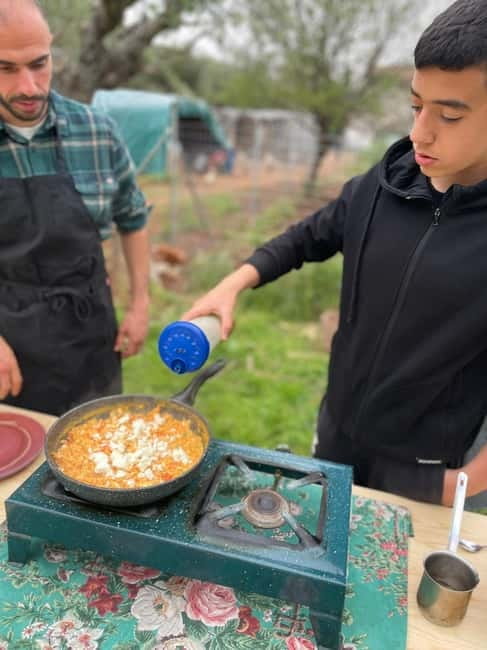
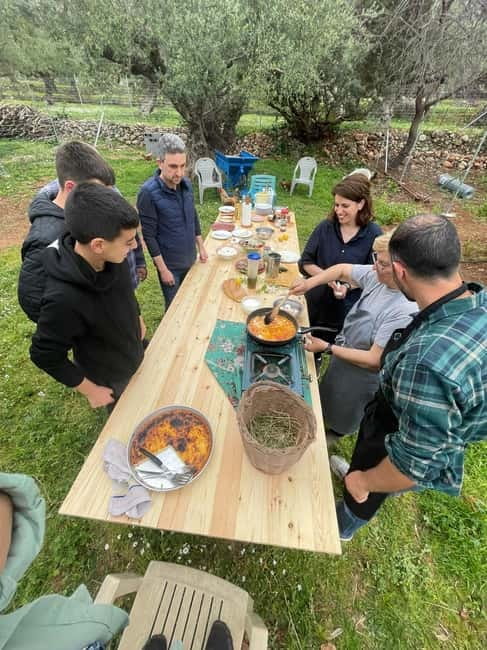
After the cooking, you gather around a set table near the olive trees and eat what you have helped prepare. The setting is open-air, with the sounds of nature around you rather than the noise of a busy restaurant.
This final meal is the payoff, but it works because you have seen the ingredients at each stage. A tomato in the salad has a story. The cheese has a method behind it. The eggs in the Kagianas came from the coop you visited earlier.
The atmosphere is friendly and social, yet the group limit keeps it from feeling like a mass-market food stop. If you prefer quiet sightseeing with little participation, this may feel too active. If you enjoy sharing tasks and meals with other people, it should fit well.
The experience has received a perfect rating from four verified bookings, with particularly strong praise for the warm welcome, clear instruction, the farm animals, and the chance to harvest, cook, and eat in one place. I would place the greatest weight on the repeated praise for the hosts. Good food matters, but patient guidance is what makes a hands-on class work.
Is $141 a Fair Price?
At $141 per person, this is not a cheap meal. You are paying for much more than lunch: a guided farm tour, animal encounters, ingredient harvesting, a cheesemaking workshop, a cooking class, all equipment, all ingredients, and the final feast.
The value is strongest if you would otherwise pay for several separate activities. You get a rural outing, a cultural food lesson, and a substantial meal in one booking. The group size also helps justify the price, since a class limited to 10 can offer more personal guidance than a large tour.
The price is harder to defend if you mainly want to eat Greek food or take a quick cooking lesson. Restaurants in Kalamata will offer a less expensive meal, and a shorter class may suit you better if your schedule is tight.
Transportation to and from the farm is not included. You need to arrange your own way there, and the experience may be rescheduled in bad weather. Check the meeting details and allow enough time for the journey before booking.
Who Will Enjoy Mama Gaia Most?
I would recommend this experience to you if you like food with a story, enjoy being outdoors, and want to take part rather than watch from the side. It is especially well suited to:
- People who want a rural side of the Peloponnese
- Home cooks interested in Greek methods and ingredients
- Couples and small groups who enjoy shared activities
- Families comfortable around goats, chickens, and farm dogs
- Visitors who want a meal connected to local agriculture
- Anyone who values a small group and direct contact with local hosts
I would hesitate if you have back problems, need step-free access, have an animal allergy, or dislike uneven ground. Smoking is not allowed, and the activity depends on weather.
Bring comfortable walking shoes, a hat, sunscreen, water, and a camera. Wear practical clothing, and tell the hosts about allergies or dietary needs before the experience begins.
Should You Book This Farm-to-Table Day?
Book it if you want a personal food experience that links the garden, animals, kitchen, and table. The cheese lesson, seasonal harvesting, and outdoor feast give the day more substance than a standard cooking demonstration.
Skip it if you only want a restaurant meal, need accessible terrain, or prefer a tightly scheduled indoor activity. For everyone else, the combination of Nicole and Porta’s hands-on instruction, a group capped at 10, and a full Messinian meal makes the $141 price reasonable, provided you can arrange transportation and are ready for farm conditions.
FAQ
Where does the farm-to-table experience take place?
It takes place at Mama Gaia in the Messinia area of the Peloponnese, near Kalamata.
How long does the experience last?
The activity is listed as lasting one day. Starting times vary, so you should check availability when booking.
What is included in the price?
The price includes a guided farm tour, a hands-on cheesemaking workshop, a cooking class with local hosts, the farm-to-table meal, and all necessary cooking equipment and ingredients.
Is transportation included?
No. Transportation to and from the farm is not included.
What languages do the hosts speak?
The hosts or greeters speak English, Greek, and Spanish.
How many people can join the group?
The group is limited to 10 participants.
What food will I prepare?
You may prepare Sfela and Anthotyro cheeses, Kagianas with eggs, tomatoes, and local cheese, free-range beef patties, tzatziki, Greek salad, and bread made with local flour and baked in a wood-fired oven.
What should I bring?
Bring comfortable shoes, a hat, sunscreen, water, and a camera. Wear clothing suitable for walking on uneven ground.
Is the activity suitable for everyone?
No. It is not suitable for people with back problems, wheelchair users, or people with animal allergies. You should also inform the hosts about dietary restrictions or allergies in advance.
Newly listed farm visits around Greece
- Insightful Pistachio Orchard and Factory Tour★ 4.5 · 27 reviews
- Private Olive Oil tasting & Liqueur experience★ 5.0 · 17 reviews
- Santorini 5 Hour Private Oia Tour & Lunch/Dinner at a Local Farm★ 5.0 · 40 reviews
- Flavors of Santorini: Farm-to-Table Meal Wine & Authentic Village★ 5.0 · 12 reviews
- Cooking Class Sunset Dinner and Tour in Paros Farm★ 5.0 · 5 reviews
- Katakolon 7hour tour : Olympia-Honey Farm-Winery-Beach★ 5.0 · 53 reviews
- Olympia Shore Ex: Olympic site, Honey Farm & Olive Oil Tasting★ 4.5 · 57 reviews
- Naxos Farm Experience and cheese making★ 5.0 · 5 reviews
Cooking Classes, compared.
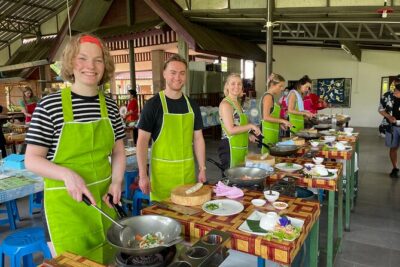
Half-Day Thai Cooking Class at Organic Farm in Chiang Mai
Read our review →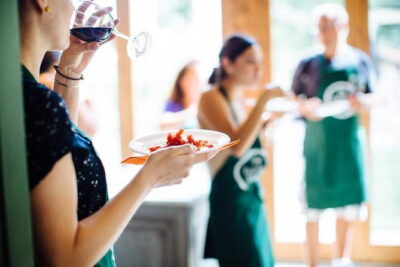
Cooking Class and Lunch at a Tuscan Farmhouse with Local Market Tour from Florence
Read our review →
Authentic Cooking Class with Market & Farm Visit
Read our review →
Hands-On Cooking Class & Farmhouse Tour on the Amalfi Coast
Read our review →

Thai Cooking Class | Since 2012 | Farm to Table
Read our review →Browse the lists this tour appears in