
Review · NEW ZEALAND
Lake Tekapo High Country Farm Tour (Carbon Positive)
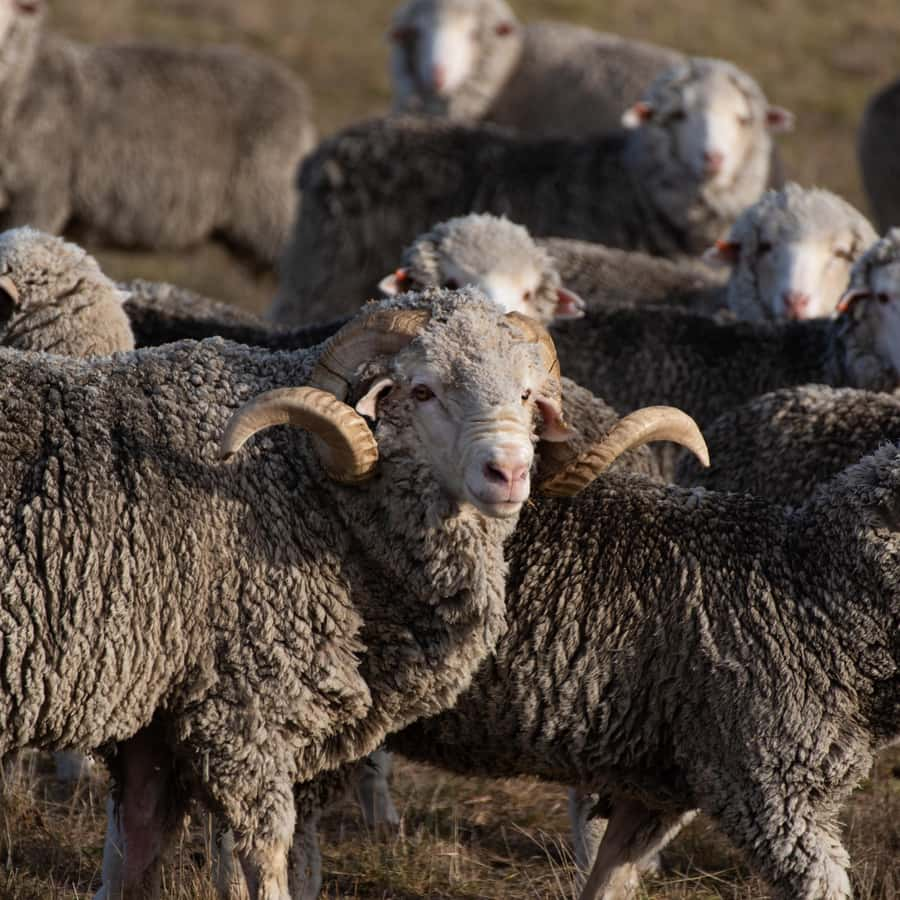
The best part of this tour is the chance to see Mackenzie Country as a working farm, not just as a pretty view from the roadside. A 4WD van carries you across a huge property, past Merino sheep, Angus cattle, alpacas, horses, and working dogs, while your guide explains how farming fits this dry, open corner of the South Island.
I like the small group of no more than 10 people, which gives you a better shot at asking questions and getting a clear view from the van. I also like the mix of mountain scenery, farm history, animal feeding, honey, spring water, and a private Mt. John lookout. One consideration: the opening animal visit may feel a little too child-focused for some adults, and the tour is not suitable if you have animal allergies.
Key points to know before booking
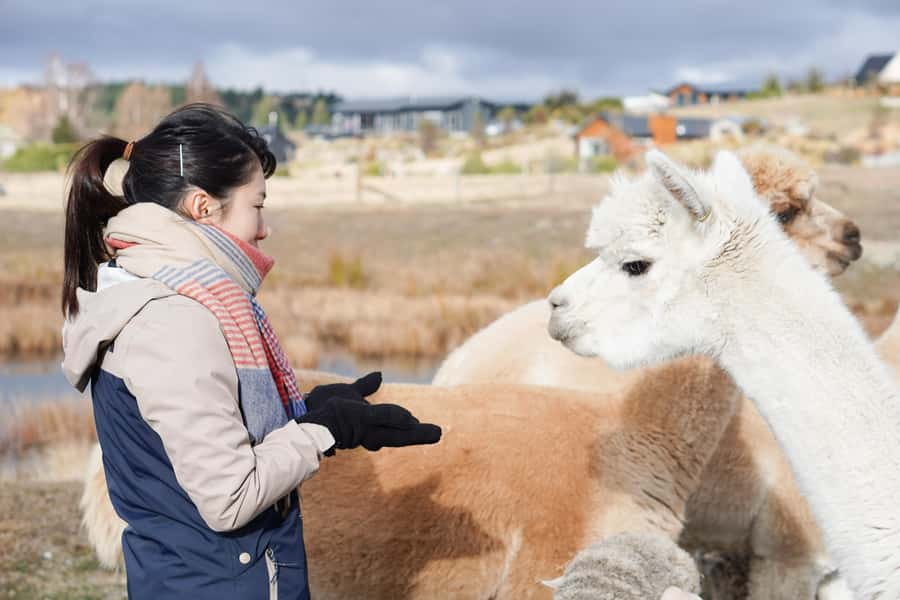
- 50,000-acre working farm: See a vast slice of Mackenzie High Country rather than a small demonstration farm.
- 12-seater 4WD van: The vehicle handles smooth and bumpy farm roads while keeping the group together and protected from the weather.
- Big animal count: The property includes about 12,000 Merino sheep, 700 Angus cows, alpacas, horses, and working dogs.
- Private Mt. John lookout: Finish with wide views and a lighthearted farmer dress-up moment.
- Local stops with purpose: Irishman Creek Hut, Swan Tarn, Forks Stream, New Zealand honey, and endangered black stilt habitat add depth beyond scenery.
- Carbon Positive option: The tour is presented as a Carbon Positive farm experience, with a two-hour format that fits neatly into a Tekapo stay.
Why this farm tour adds something to Lake Tekapo
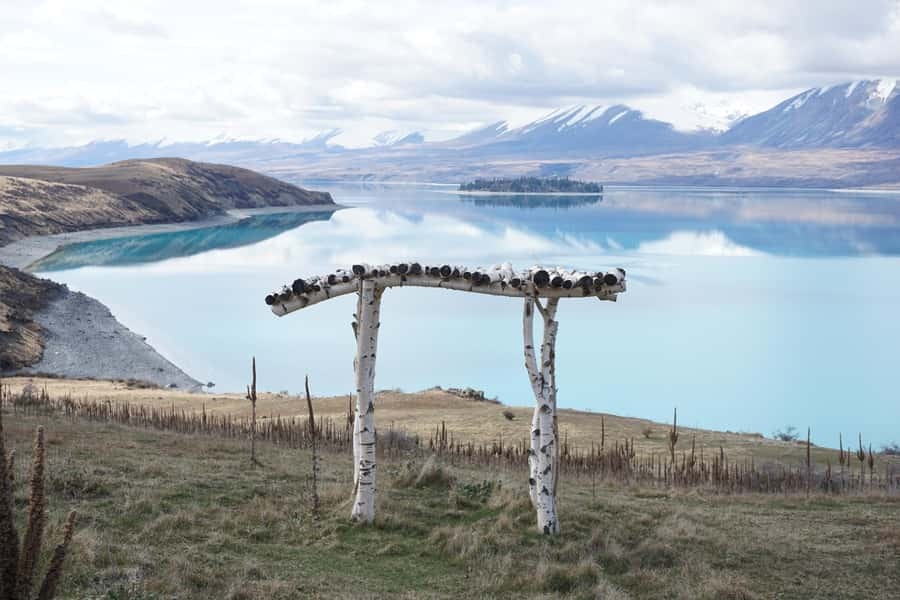
Lake Tekapo is famous for blue water, mountain views, and clear night skies. Those sights are worth your time, but they can leave you seeing the Mackenzie Basin only as scenery. This tour gives you the working side of the region.
The property covers 50,000 acres, a scale that helps you understand the phrase high country. You are not simply looking at a few sheep beside a road. You are crossing a large farm operation where livestock, water, roads, weather, and distance all shape daily work.
The tour also gives you context for the people who live and work here. Your guide talks about Lake Tekapo’s past and Mackenzie farming, so the views have a story attached to them. That matters in a place where the open country can look simple at first glance.
I would choose this tour if you have already allowed time for the lake itself and want a second view of the area. It works particularly well for anyone interested in rural New Zealand, children who enjoy animals, photographers, and visitors who prefer a guided outing over simply taking pictures from the roadside.
More farm tours around New Zealand:
- Queenstown: Queenstown Lake Cruise and Walter Peak Farm Tour
★ 4.8 · 950 reviews - Dinner at Walter Peak High Country Farm and Cruise from Queenstown
★ 4.5 · 576 reviews - Queenstown Lake Cruise and Walter Peak Farm Adventure
★ 4.5 · 439 reviews
Setting off in the 4WD van
The meeting point is at 48a D’Archiac Drive, next to Balmoral Farmyard and Shop. Look for the Go Tekapo signboard and turn into the drive. The office is there, so you do not need to search around the town for a farm entrance.
The vehicle is a modern, air-conditioned 12-seater 4WD van. Tours are limited to 10 participants, leaving some spare room rather than filling every seat. That small group size is useful on a farm tour because questions are part of the experience. You are more likely to hear the guide clearly and get a chance to stop for photographs without dealing with a large crowd.
Expect both smooth and bumpy roads. This is a working property, not a polished visitor attraction with a paved route all the way through. The 4WD is a practical choice, but the ride may not suit you if you need a completely gentle, even journey.
The two-hour length is another strength. You get enough time to go beyond a quick animal encounter, but the outing does not take up an entire day. You can fit it around a walk by Lake Tekapo, a visit to the village, or an evening activity.
Meeting the Mackenzie farm animals
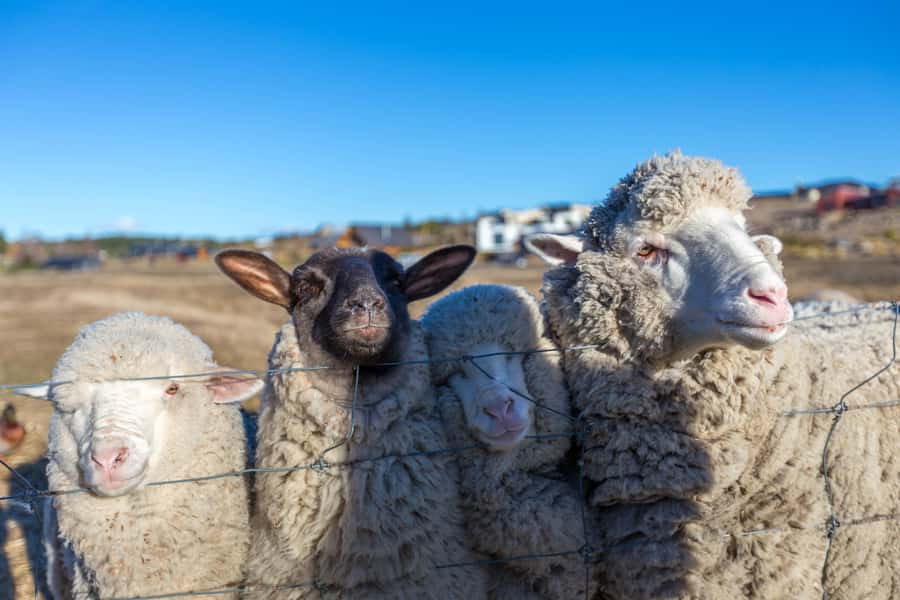
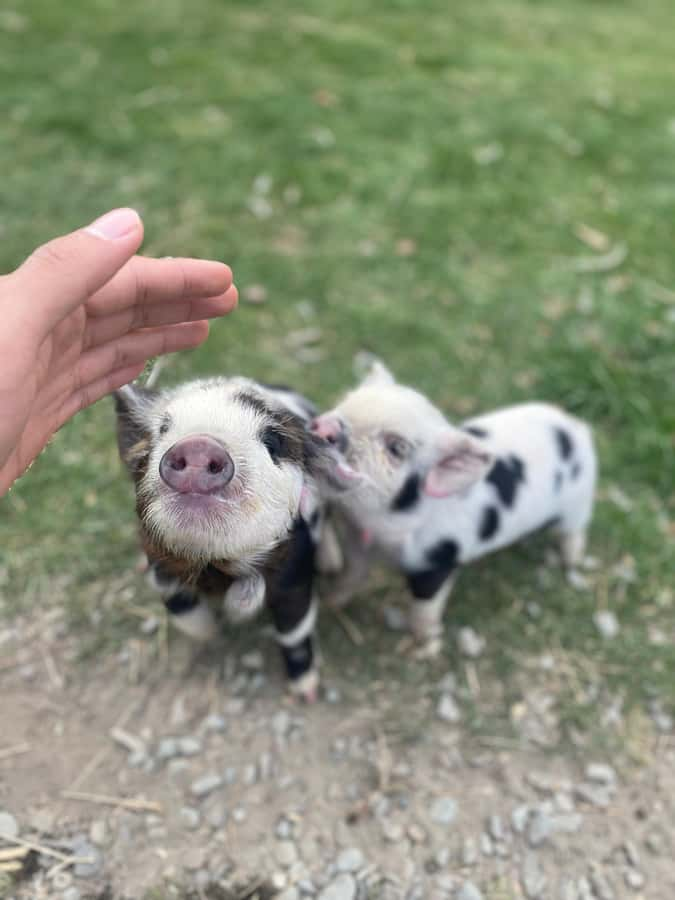
The animals are a major part of the outing, and food is included for feeding them. You can expect to see Merino sheep, Angus cows, alpacas, horses, working dogs, and other farmyard animals.
The farm includes about 12,000 Merino sheep and 700 Angus cows. Those numbers put the scale of the operation into perspective. A small group of animals near the van is one thing, but seeing livestock spread across a large high country property shows how much land is needed for this kind of farming.
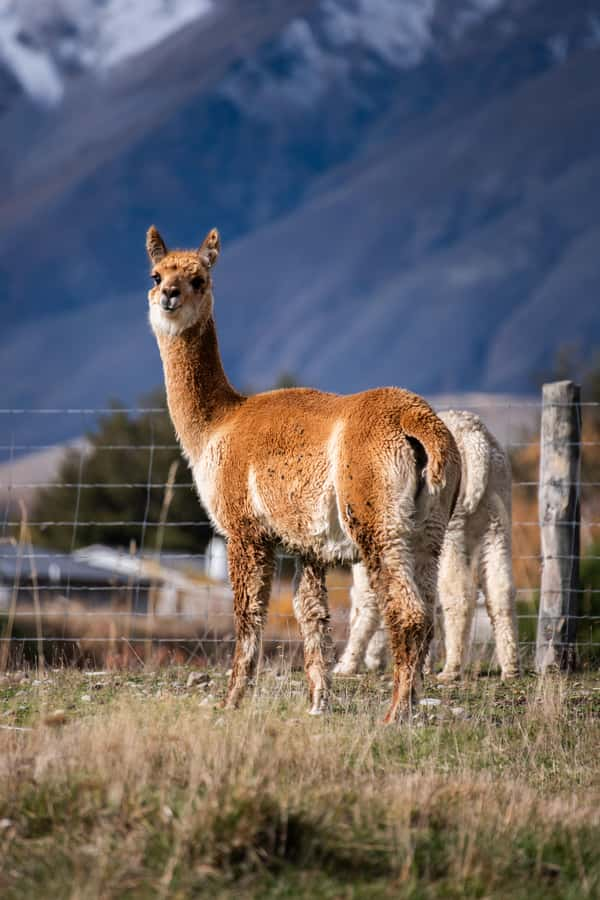
Alpacas provide the most direct animal contact. The tour finishes with time to get close to them, which gives you a clear chance for photographs and a more personal ending than simply watching livestock from a distance.
You may also meet the horses connected with Mulan’s horse stars. This is one of the more unusual details of the experience, especially if you have an interest in horses or farm animals beyond sheep and cattle.
The opening animal viewing has a lighter, more introductory feel. One piece of feedback described this part as too much like a children’s activity, so adults looking for a serious farm study should keep their expectations in check. The main value comes later, when the tour moves into the property and links animals to farming practices and local history.
If you have animal allergies, skip this tour. That restriction is stated clearly, and the experience includes close contact with farm animals and animal food.
Following the farm story across open country
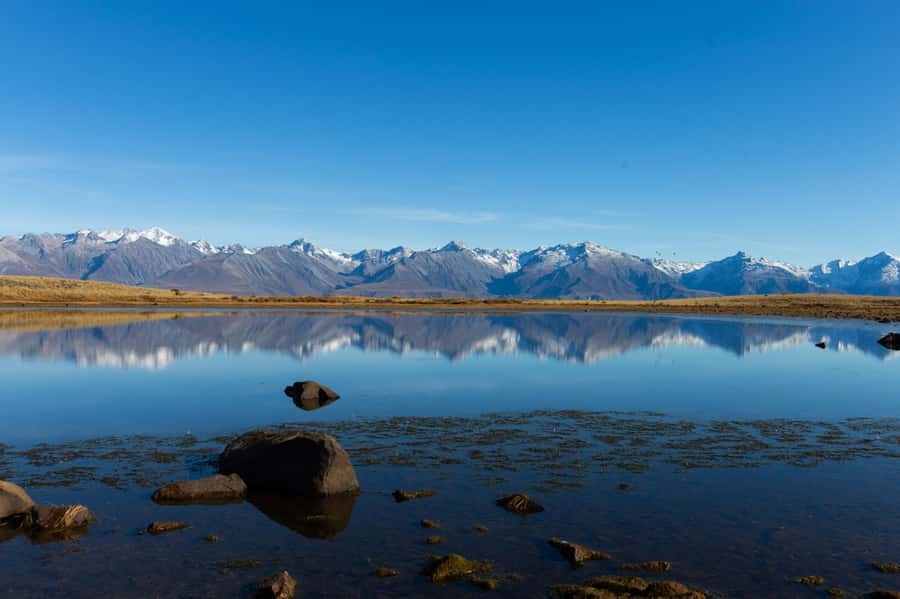
As the van crosses the property, your guide explains Lake Tekapo and the Mackenzie area. The best guides make this part more than a list of dates and names. They connect the road, livestock, huts, streams, and weather to the way people use the high country.
Andy received special praise for answering questions with energy and explaining agriculture in the region clearly. Guide names can vary, so you may not have Andy on your departure, but the tour is conducted in English and includes a live guide.
The high country setting is the main classroom. You see how much open ground surrounds the animals, how water matters, and why farm travel here requires a proper vehicle. The information is practical rather than academic, which suits a short tour.
You should also allow time for photos. The views include the Southern Alps and, when conditions cooperate, Aoraki Mount Cook. Snow-covered paddocks can make the farm look especially striking, as one winter outing showed. Still, mountain visibility depends on the weather, so do not book this solely for a guaranteed Mount Cook view.
Same countryside, another kind of harvest:
- Rotorua: Authentic Kiwi Farm Experience at the Agrodome
★ 4.8 · 270 reviews - Agrodome Farm Experience including Farm Show and Farm Tour – Rotorua
★ 4.5 · 197 reviews - Shamarra Alpaca Farm Tours
★ 5.0 · 117 reviews - Nelson: Guided Quad Biking Tour Through Forest and Farmland
★ 4.8 · 106 reviews
Irishman Creek Hut and Swan Tarn
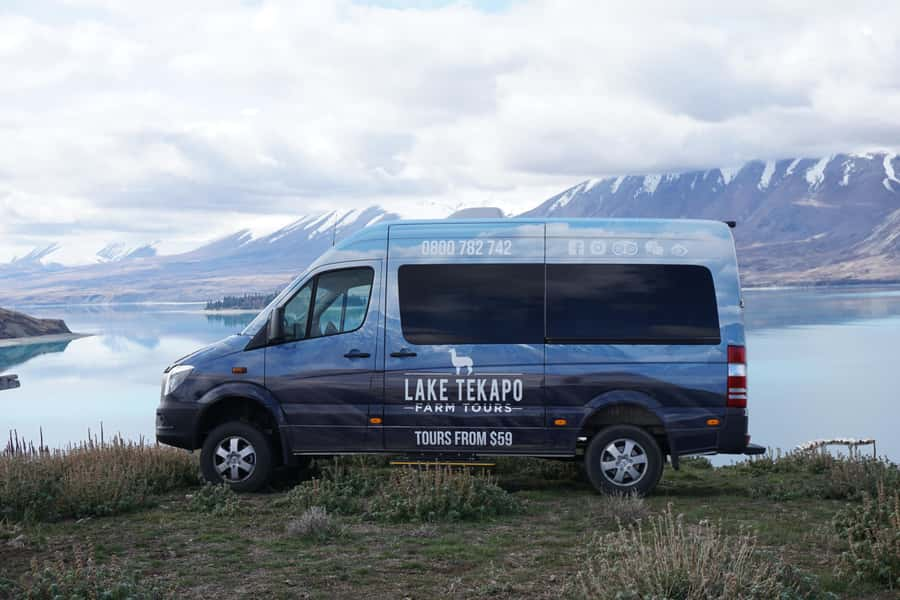
The tour includes Irishman Creek Hut, a useful stop for connecting the present-day farm with earlier high country life. A hut is more meaningful when you see it within the land around it. Here, the setting helps you picture the practical demands of working far from town.
The visit to Swan Tarn adds an environmental side to the tour. The tarn is home to the endangered black stilt bird, so this stop is not just another photo point. It shows that the farm area also contains habitat that needs care.
The available details do not promise a sighting of the black stilt, and you should not expect one. The value is in learning that this rare bird lives in the area and seeing a place connected with its habitat.
These stops also break up the animal viewing. The tour is more varied because you are not spending two hours doing only one thing. You get farm history, wildlife context, water, buildings, animals, and mountain views in a compact outing.
Honey, spring water, and small local touches
New Zealand honey is included, along with fresh spring water at Forks Stream. These details may sound modest, but they give the tour a local taste that a standard sightseeing drive often lacks.
The spring water stop also helps you notice how important water is in high country farming. A stream is not only part of the scenery. It is tied to the life of the property and the animals that depend on it.
The honey offers a simple food taste rather than a full meal. Do not treat it as lunch. It is best understood as a small regional sample during the tour.
I like these touches because they keep the experience connected to the place. You are not just being driven to viewpoints. You are being shown parts of the property that relate to food, water, animals, and work.
The private Mt. John lookout
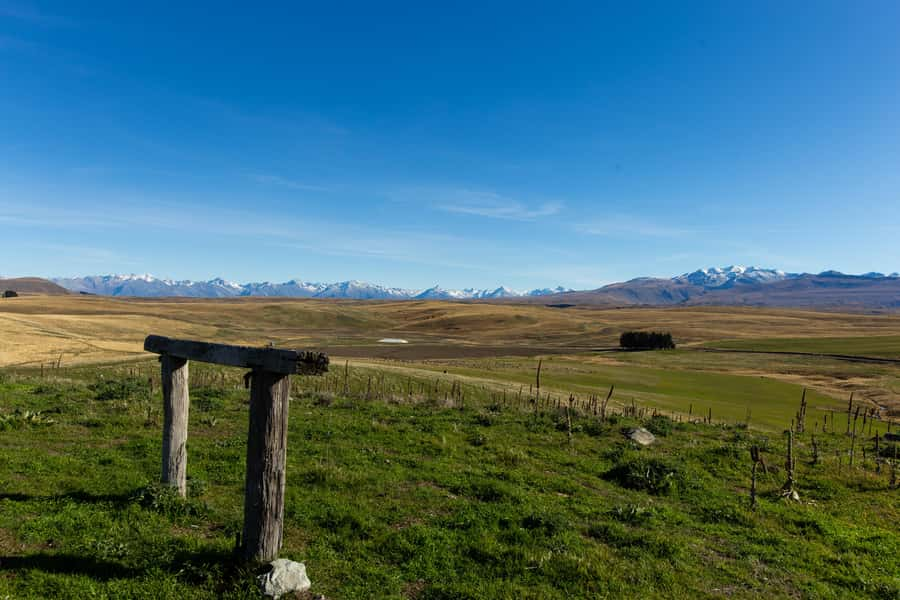
The tour ends at a private lookout on Mt. John. This is one of its strongest features because the setting feels more personal than a busy public viewpoint. You can take in the Tekapo area from a quieter position and use the moment to pull together what you have seen.
The guide explains Tekapo from the lookout, giving you another way to read the surrounding country. After hearing about farming and local history at ground level, you get a broader view of the basin and nearby mountains.
There is also a farmer dress-up moment for laughs. It is deliberately light and may appeal most to families or anyone happy to join in for a funny photograph. If you prefer a serious, quiet tour, this is the part you may find a little staged.
Still, it is brief and gives the outing a warm finish. The main value of the stop remains the private location and the views, not the costume.
How the price compares with the experience
The cost is $89 per person for two hours. That is not the cheapest way to see the Tekapo area, but it covers more than a drive to a viewpoint.
Your price includes the guided visit across a 50,000-acre farm, 4WD transport, animal food, the farm animals, the named landmarks, honey, spring water, and access to the private Mt. John lookout. You are also paying for a small group rather than a large coach.
I see the value most clearly if you want interpretation. You could see mountain views and farm animals from public roads at no cost, but you would miss the explanation of the farming operation, the private access, and the chance to feed animals.
The tour is less useful if you only want a fast photo stop or if you have very little interest in rural life. In that case, the two-hour commitment and fixed format may feel like more than you need.
The Carbon Positive label may also matter to you if environmental impact is part of your booking decision. The supplied information identifies the experience as Carbon Positive, but does not provide the method or figures behind that claim. I would view it as a useful part of the tour’s identity, while avoiding assumptions about exactly how it is calculated.
Who will enjoy this most
I would recommend the tour to:
- Families wanting a hands-on animal experience
- Visitors curious about New Zealand farming
- Photographers looking for animals and Southern Alps views
- People who prefer small groups to large sightseeing vehicles
- Anyone staying in Tekapo for more than one night
- Visitors who want a guided outing with a clear two-hour limit
It may not suit you if you have animal allergies, dislike bumpy roads, or want a purely scenic drive without interaction. The farmer dress-up and introductory animal stop may also feel too playful if you are seeking a formal agricultural tour.
The tour is wheelchair accessible, which broadens its usefulness, though the information does not explain the exact vehicle arrangements or how every stop is handled. If you use a wheelchair, confirm the practical details before booking.
Practical details for planning your morning or afternoon
The tour lasts two hours, with departure times available according to the date you choose. Check the schedule when booking rather than assuming a particular morning or afternoon start.
Meet at 48a D’Archiac Drive beside Balmoral Farmyard and Shop. The Go Tekapo signboard marks the turn, and the office is at the meeting point.
The group is capped at 10 people, although the van itself has 12 seats. That gives the outing a more personal feel and helps with viewing from inside the vehicle.
English is the tour language. If you want to ask about farming methods, local history, animals, or the sights along the route, prepare a few questions in advance. Andy, when guiding, has shown a strong interest in answering them.
You can cancel up to 24 hours before the tour for a full refund, and you can reserve now while paying later. Those terms are useful if your South Island route depends on weather or changing plans.
Should you book the Lake Tekapo High Country Farm Tour?
Book it if you want to understand what lies behind the postcard views of Lake Tekapo. The large farm, animal feeding, private lookout, and clear rural focus give you something different from a standard lake visit.
I would be especially keen to book this after seeing Tekapo from the shore, because the tour adds scale and background. You get the best value when you treat it as a short introduction to Mackenzie farming, not as a guaranteed wildlife sighting or a full-day agricultural course.
Skip it if animal contact is a problem, if you want a completely smooth ride, or if you have no interest in farm life. For everyone else, $89 is a fair price for a small-group outing that combines access, transport, local explanation, and a private view that you cannot simply reproduce from the roadside.
FAQ
How long is the Lake Tekapo High Country Farm Tour?
The tour lasts two hours.
How much does the tour cost?
The price is $89 per person.
Where does the tour meet?
Meet at 48a D’Archiac Drive, next to Balmoral Farmyard and Shop in Lake Tekapo. Look for the Go Tekapo signboard and turn into the property.
What animals can I see?
The farm has Merino sheep, Angus cows, alpacas, horses, working dogs, and other farmyard animals. The property includes about 12,000 Merino sheep and 700 Angus cows.
Is animal food included?
Yes. Animal food is included, and you can get close to the alpacas during the tour.
What sights are included?
The route includes Irishman Creek Hut, Swan Tarn, Forks Stream, and a private Mt. John lookout. You can also see Southern Alps and Aoraki Mount Cook views when conditions allow.
Is the tour suitable for wheelchair users?
The activity is listed as wheelchair accessible. The available information does not provide further details about vehicle boarding or each stop, so confirm those arrangements before booking if needed.
Can I cancel the booking?
Yes. You can cancel up to 24 hours in advance for a full refund. You can also reserve now and pay later.
Newly listed farm visits around New Zealand
- Boutique tour , Mt Maunganui, NZ farm, Rotorua lakes/geothermal★ 4.5 · 50 reviews
- Private, via beaches, Kiwi farm to Rotorua 8 lakes & Geothermal★ 5.0 · 20 reviews
- Queenstown Lake Cruise to Walter Peak Farm with BBQ Buffet★ 4.5 · 25 reviews
- Queenstown: Walter Peak Farm Tour and Lake Cruise★ 5.0 · 5 reviews
- Wool Sheep Farm Experience with Handmade Wool Hat in New Zealand★ 5.0 · 9 reviews
- Bullswool Heritage Farm General Entry Ticket★ 5.0 · 6 reviews
- Mt. Hay Farm Experience Genuine Country Farming(Carbon Positive)★ 4.0 · 2 reviews
- Christchurch Sheep Farm Visit★ 4.0 · 10 reviews
New Zealand Farm Tours, compared.
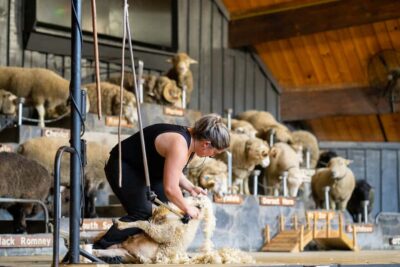
Rotorua: Authentic Kiwi Farm Experience at the Agrodome
Read our review →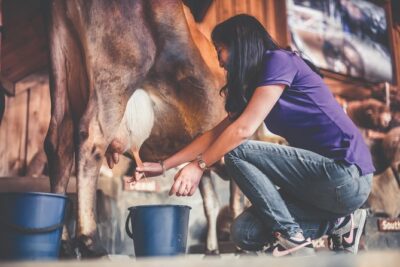
Agrodome Farm Experience including Farm Show and Farm Tour – Rotorua
Read our review →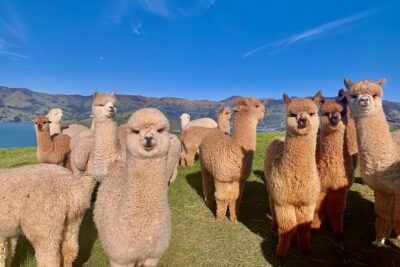
Sheep Farm Day Trip from Christchurch + Lunch and Winery visit.
Read our review →
Boutique tour , Mt Maunganui, NZ farm, Rotorua lakes/geothermal
Read our review →
Queenstown Lake Cruise to Walter Peak Farm with BBQ Buffet
Read our review →Browse the lists this tour appears in