
Review · UBUD
Ubud: Organic Farm Harvest, Bali Cooking Class by Pemulan
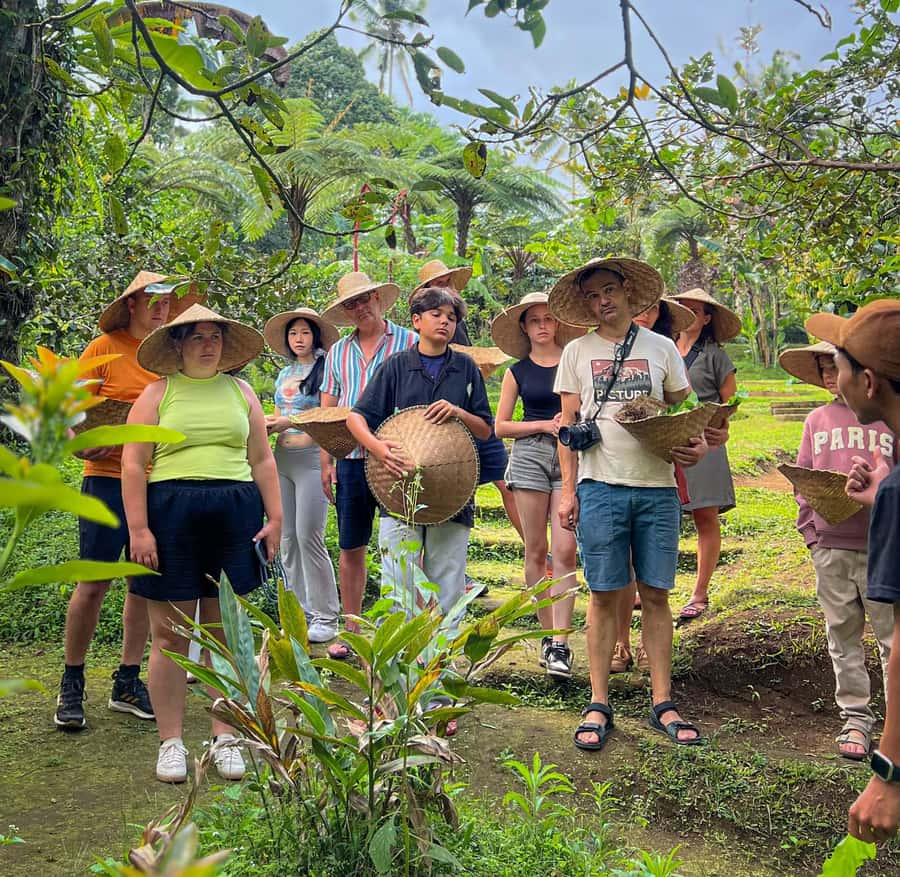
The best part of Pemulan’s class is that your meal begins in the soil, not at the chopping board. You visit a local market on the morning outing, pick vegetables at the organic farm, then turn those ingredients into a full Balinese meal. I especially like the farm harvest and the warm, funny teaching style described by guests. The class is practical, social, and far more connected to daily food traditions than a standard kitchen demonstration.
I also like the value: for $29 per person, you get transport from central Ubud, a market tour if you choose the morning class, farm access, instruction, food, drinks during class, and a recipe PDF. The main caution is that each cooking station is shared by two people, and the class is not suitable for wheelchair users. One booking also went wrong at the meeting point, so confirm the meeting details and keep your phone reachable.
Key points to know before booking
- Your vegetables come from the garden: You pick some ingredients yourself at Pemulan’s organic farm.
- Morning classes add a market visit: You see how people shop for produce and may taste local fruits and vegetables.
- Six dishes are included: The regular menu covers curry, kebabs, tuna, salad, tempe, and dessert.
- Vegetarians get a full menu: The meat-free course includes tempe curry, steamed vegetables, fried corn, and dessert.
- Small groups keep the class personal: The maximum is 14 people, with two guests at each cooking station.
- The class is a meal as well as a lesson: You sit down and eat the dishes you prepared.
Starting beneath Ubud’s big banyan tree
Your meeting point is across from Sens Hotel, under a large banyan tree. From there, transportation is provided in an air-conditioned car. That matters in Ubud, where a short road trip can feel hot and crowded, especially if you are carrying market purchases or kitchen supplies.
The exact class time depends on availability. The morning option is the one to choose if you want the market visit. The experience is listed as valid for seven days, which refers to the period in which you can check available starting times, not a seven-day cooking holiday. Plan on a class outing rather than a week-long program.
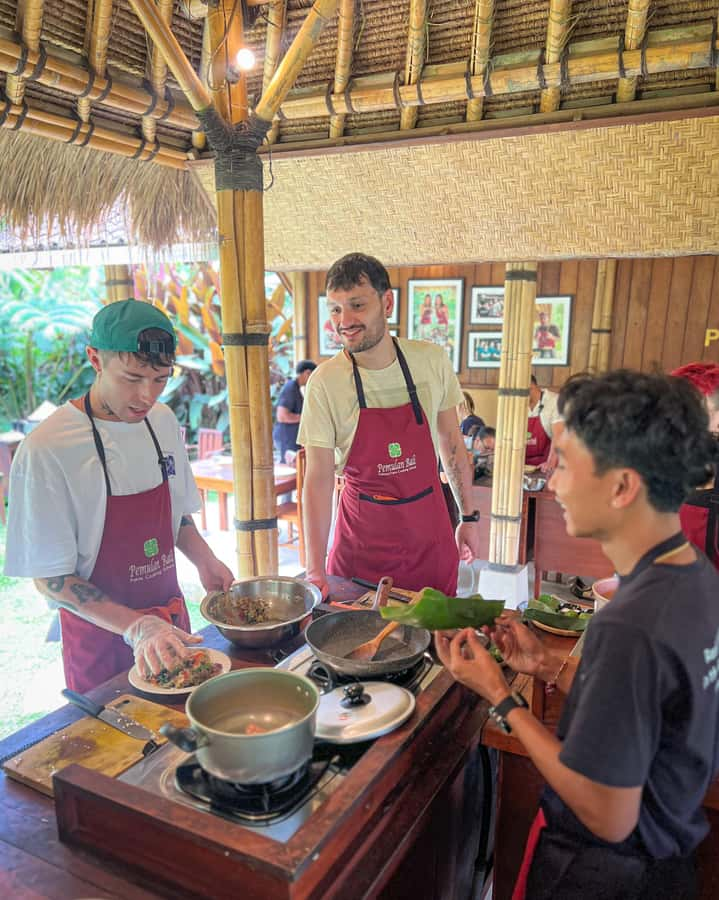
The group limit is 14 people. That is small enough for the chef to explain each step and answer questions, though it does not mean a private lesson. Two people share one cooking station, so couples and friends may find the format easy. Solo participants should expect to work alongside someone else.
The instructor speaks English. The strongest praise has focused on the chef’s humor, warmth, clear explanations, and patience with questions. No individual chef name is provided, so I would not expect to request a particular instructor when booking.
More Organic Farm Visits in the world:
- Half-Day Thai Cooking Class at Organic Farm in Chiang Mai
★ 5.0 · 19,087 reviews - Ubud: Balinese Cooking Class at an Organic Farm
★ 5.0 · 1,786 reviews - Buggy Tour to Macao Beach and Water Cave with Organic Farm
★ 5.0 · 1,201 reviews
A morning market before the cooking begins
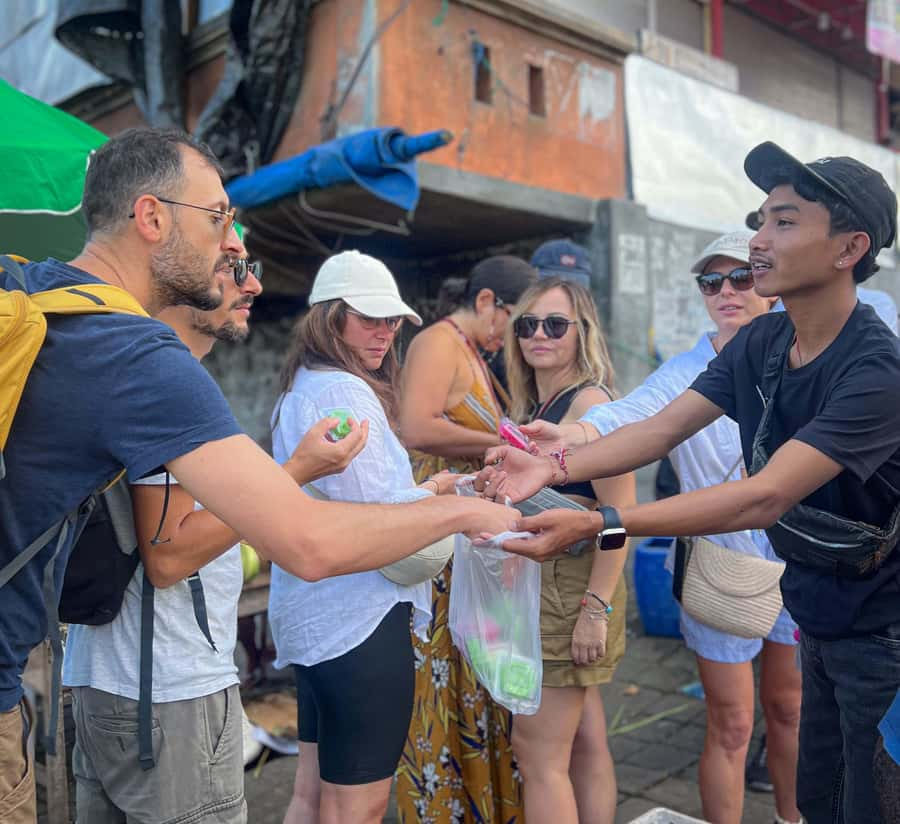
The morning class begins with a local market tour. This is not just a quick stop for shopping. You get a look at the fruits, vegetables, spices, and other ingredients used in Balinese homes, along with the everyday rhythm of buying fresh food.
A market visit helps you understand the cooking class before you start it. You see ingredients in their original setting, rather than meeting them already trimmed and arranged in bowls. You may also taste some of the local fruits and vegetables, which adds a simple but useful sensory part to the lesson.
There is one important limit: the market tour is included only with the morning class. If the available starting time is later, you should expect to go straight to the farm and cooking school instead. For food-focused visitors, the morning option gives you more context and is the better choice.
The market can also be the liveliest part of the outing. If you prefer a calm, orderly kitchen lesson, keep in mind that this portion is about seeing and tasting, not sitting through a polished food talk. Bring sunglasses and a camera, as suggested, and wear shoes that are comfortable for walking.
Picking vegetables at Pemulan’s organic farm

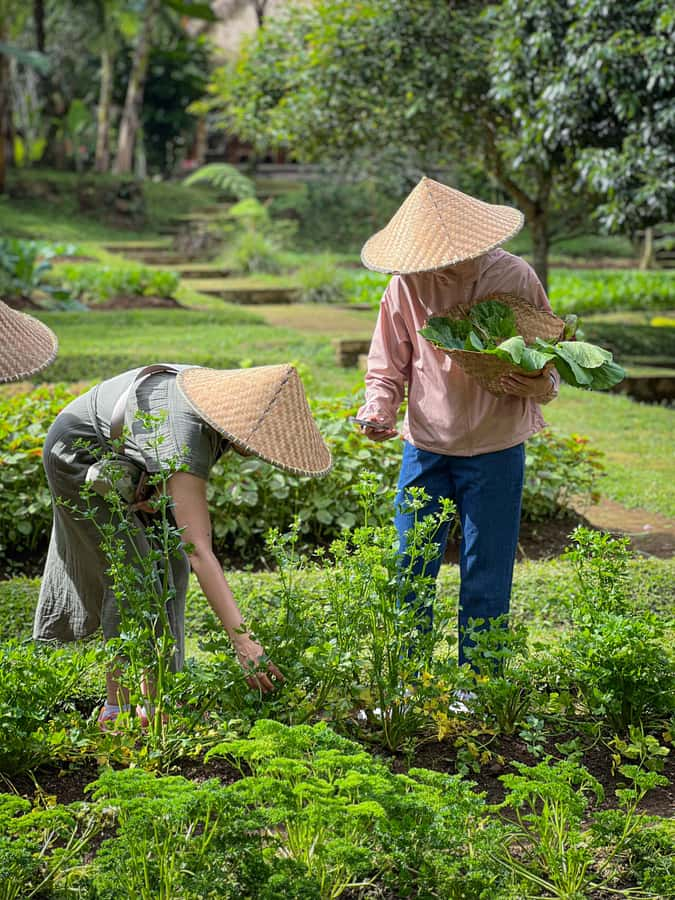
At the farm, you get to harvest some of the ingredients used in the class. That small task changes the feel of the day. You are not simply handed a basket of prepared food. You see where part of the meal comes from and take an active role before the cooking even starts.
The farm visit also gives the class a stronger connection to Bali’s rural side. Ubud is famous for art, temples, and cafés, but food remains tied to gardens, markets, and home kitchens. Picking vegetables offers a direct way to see that connection without turning the outing into a long agricultural tour.
The supplied details do not promise a full farm walk or specify every crop available that day. Expect to harvest selected ingredients rather than gather everything for the menu. That is still enough to make the meal feel personal, especially when you later recognize the vegetables on your cutting board.
The farm is outdoors, so practical clothing helps. Comfortable shoes are recommended, and sunglasses are useful. There is no stated provision for wheelchair access, and the activity is not suitable for wheelchair users. If uneven ground or standing work is difficult for you, ask the provider before booking.
Six courses, with a real choice of menu

The regular six-course menu gives you a broad introduction to Balinese flavors. You prepare:
- Balinese chicken curry
- Traditional pork kebabs
- Tuna with raw sauce
- Mixed green salad with coconut and spices
- Sweet and sour tempe
- Crispy banana fritters or black rice pudding
This is a good spread because it covers several kinds of preparation. You work with curry, grilled or skewered meat, raw sauce, vegetables, fermented soy, and dessert. You also get a sense of how coconut, spice, sweetness, sourness, and fresh ingredients work together across a Balinese meal.
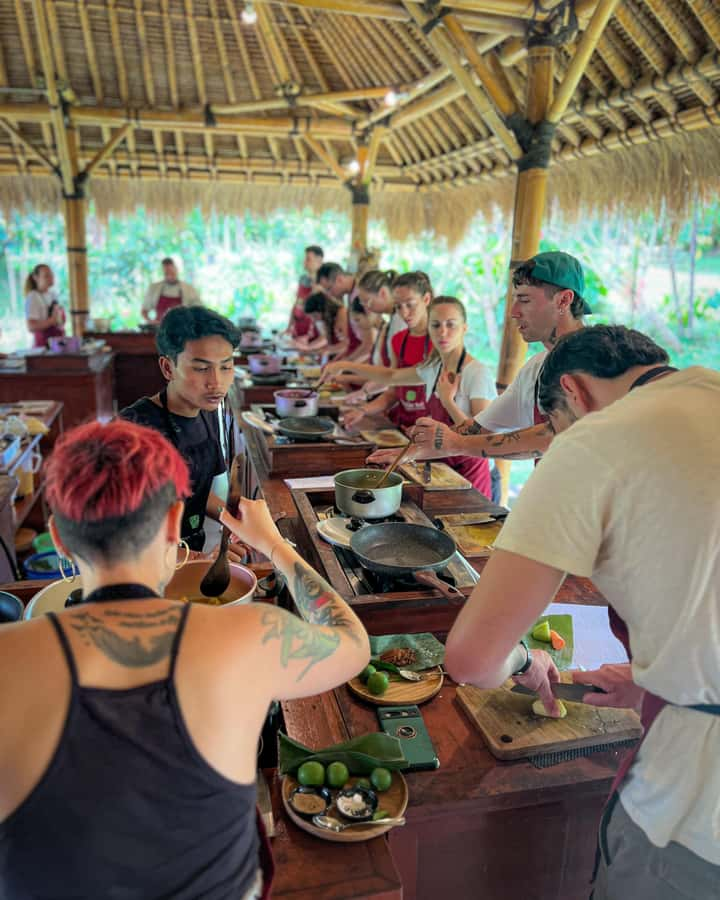
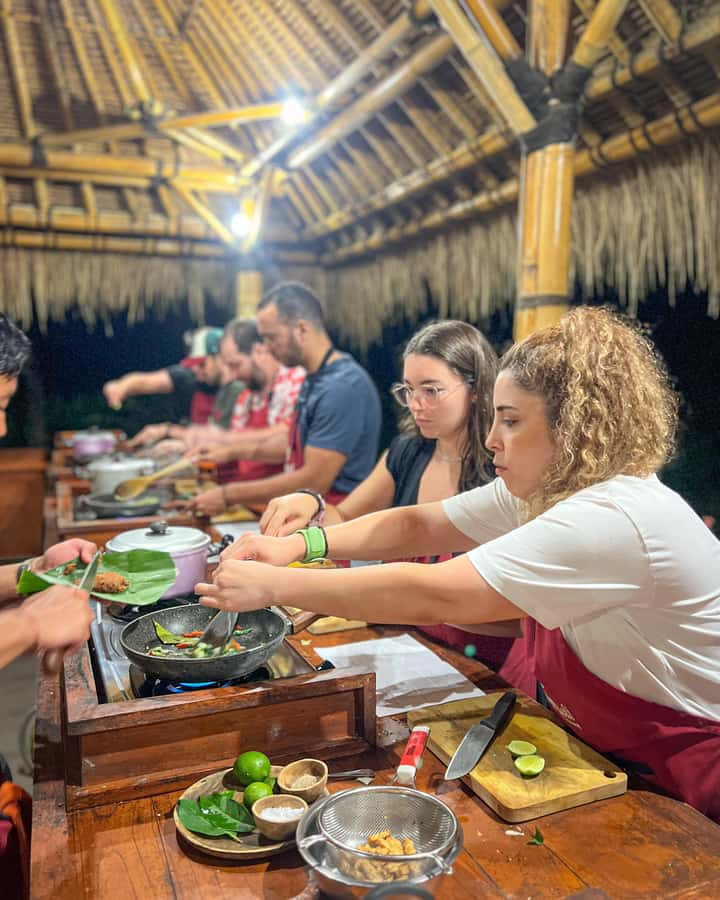
The class is hands-on from start to finish. You are not just watching the chef prepare six plates while you take notes. The chef guides you through the steps, which makes the lesson more useful when you return home and try the dishes again.
The exact dessert choice may be either banana fritters or black rice pudding. If one matters to you, ask about availability at the start. The same applies to particular ingredients in the main menu. Food plans can change with supply, and the provided information does not promise that every dish will be identical on every date.
More Cooking Classes in the world:
- From Porto: 2 Wine Regions, Farm-to-Table Lunch & Boat
★ 4.9 · 5,724 reviews - Cooking Class and Lunch at a Tuscan Farmhouse with Local Market Tour from Florence
★ 5.0 · 4,831 reviews - Chiang Mai: Authentic Cooking Class with Market & Farm Visit
★ 4.9 · 4,546 reviews - Chiang Mai: Cooking Class with Organic Farm at Mama Noi
★ 4.9 · 1,151 reviews
A thoughtful vegetarian menu
Vegetarians do not receive a reduced version of the class. The six-course vegetarian menu includes:
- Tempe curry
- Steamed vegetables with peanut sauce
- Fried corn with Balinese spices
- Additional vegetarian preparations
- Banana fritters or black rice pudding for dessert
The menu puts tempe at the center rather than treating it as a side dish. That is useful if you want to learn how Balinese cooks build satisfying food from soy products, vegetables, corn, peanuts, coconut, and spice.
The information supplied does not list every vegetarian course by name, so ask the chef to explain the complete menu before cooking begins. The two named savory dishes and the dessert give you a clear idea of the style, but guests with allergies or strict dietary needs should confirm ingredients directly.
The class is a good fit for vegetarians who want local food rather than generic vegetable substitutions. It is less suitable if you need a highly controlled kitchen environment, since the class uses shared stations and standard group preparation.
What the chef adds to the lesson
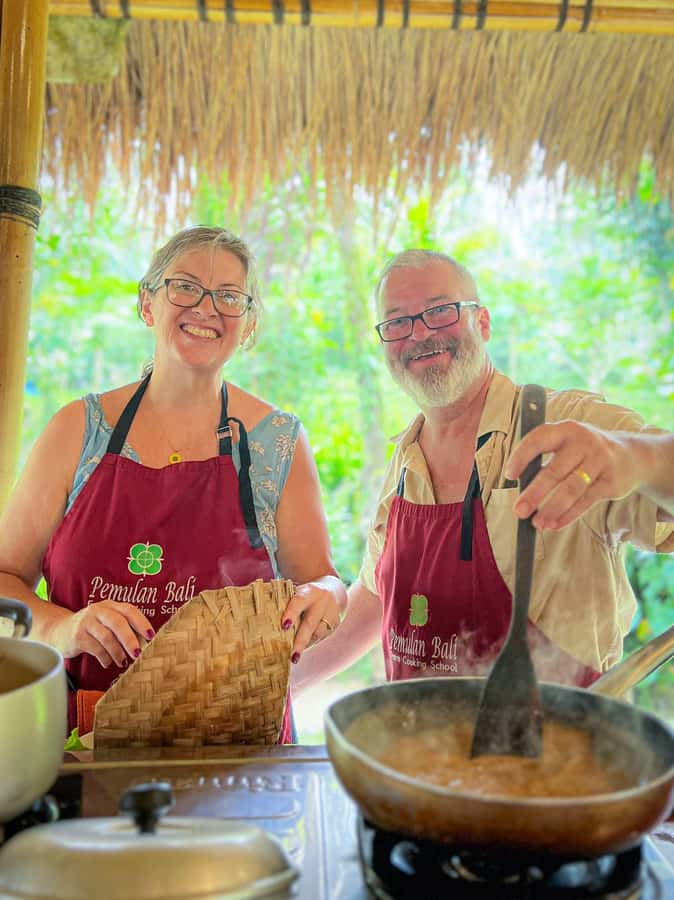
A cooking class succeeds or fails on instruction. Here, the chef is described as friendly, humorous, and highly patient. One particularly strong account praised the clear English, careful explanations, and willingness to answer questions throughout the class.
That tone matters. Balinese cooking can involve unfamiliar combinations of herbs, spices, sauces, and preparation methods. A chef who explains the reason for each step helps you remember the process, rather than leaving you with a plate of food and a vague memory of what happened.
The format also sounds welcoming to beginners. The chef takes you through the meal step by step, so you do not need advanced cooking skills. You should still expect to participate. This is not the place to sit back while someone else handles every knife, pan, and spice bowl.
The humorous approach is another plus, especially in a small group where people may begin as strangers. Cooking together gives you an easy way to talk with other participants. Since each station is shared by two people, you will have a partner for much of the work.
Eating what you have prepared
At the end, you sit down to eat the food made during the class. This is more than a convenient lunch. It lets you judge the balance of the dishes while the cooking steps are still fresh in your mind.
The meal included in the price makes the class good value. You receive several courses rather than a single recipe, and the menu includes meat, seafood, vegetables, tempe, and dessert in the regular version. Mineral water, coffee, or tea are also included during the class. Soft drinks and beer are available for purchase, not included.
Your meal may not taste exactly like a restaurant version of Balinese food. That is part of the point. You are learning to prepare it yourself, with guidance and ingredients linked to the farm and market. The result is a more useful souvenir than another restaurant lunch.
If you have food allergies, do not rely on the general menu names alone. Ask what goes into the sauces, curry, peanut dressing, raw tuna preparation, and desserts before you begin. The available information confirms the menus but does not list allergen details.
The advanced eight to ten course option
Pemulan also offers an advanced class with eight to ten courses. It is aimed at food enthusiasts who want a longer and more involved cooking session than the regular six-course format.
The supplied details do not list the exact advanced dishes, price, or required skill level. I would ask those questions before paying for it. The regular class already covers six preparations, so the advanced option makes the most sense if you want extra cooking time and a broader menu, not simply a faster meal.
For most first-time visitors, the standard course should be enough. You get a full meal, multiple techniques, farm harvesting, and a recipe PDF. Experienced home cooks may prefer the advanced format, but you need the final menu and schedule before deciding if the added cost is worthwhile.
Is $29 a good value?
At $29, this is a strong package if the advertised inclusions match your plans. You get transport from the Ubud meeting point, a morning market visit when applicable, an organic farm visit, harvesting, hands-on instruction, six courses, drinks during class, and downloadable recipes.
The value is especially good if you are already planning to pay for lunch and transport that day. The cooking class replaces a meal while adding an activity and a set of recipes you can use later. The market and farm stops also give you more local context than a kitchen-only session.
The price does not include beer or soft drinks, and the details do not state that hotel pickup is available. You should go to the meeting point beneath the banyan tree unless the provider gives you different instructions. A failed meeting can spoil a good-value outing, so check the start time and keep your phone available.
Free cancellation is available up to 24 hours before the activity for a full refund, and you can reserve now and pay later. Those terms make it easier to fit the class around changing Ubud plans.
Who should book this class?
I would recommend Pemulan to you if you want to cook rather than watch, enjoy trying local food, and like the idea of meeting people in a small group. It suits couples, friends, solo visitors comfortable sharing a station, and families with participants who can manage standing and kitchen work.
Vegetarians have a proper menu, not an afterthought. Food lovers should choose the morning class for the market visit. Beginners can join because the chef provides step-by-step guidance, while confident home cooks can ask about the eight to ten course advanced option.
I would be more cautious if you use a wheelchair, require a private cooking station, or need fully confirmed dietary information before booking. Also, make sure you can reach the meeting point and communicate with the provider on the day. One missed class involved confusion at the meeting point during a Hindu holiday, followed by poor communication, so a little preparation is sensible.
FAQ
Where does the class meet?
The meeting point is across from Sens Hotel in Ubud, under a large banyan tree.
Is transportation included?
Yes. Transportation in an air-conditioned car is included from the Ubud meeting point.
Is the local market tour included with every class?
No. The local market tour is included with the morning class only.
How many people can join the class?
The maximum group size is 14 people.
Do I get my own cooking station?
No. Each cooking station is shared by two people.
How many dishes are included in the regular class?
The regular class teaches six Balinese dishes.
Is there a vegetarian menu?
Yes. The vegetarian six-course menu includes tempe curry, steamed vegetables with peanut sauce, fried corn with Balinese spices, and a dessert option.
Is an advanced class available?
Yes. An advanced option offers eight to ten courses. The exact dishes and other details should be confirmed before booking.
What drinks are included?
Mineral water, coffee, or tea are included during the class. Soft drinks and beer can be purchased separately.
Is the class suitable for wheelchair users?
No. The activity is not suitable for wheelchair users.
Should you book Pemulan Bali Farm Cooking School?
Book it if you want a hands-on food lesson with a market visit, farm harvesting, and a full meal for $29. The mix of fresh ingredients, friendly English-speaking instruction, and a proper vegetarian option gives it broad appeal.
Choose the morning class if seeing the local market matters to you. Confirm the meeting time, bring comfortable shoes and sunglasses, and keep your phone reachable. With those simple precautions, Pemulan offers a useful and tasty way to spend part of your Ubud stay.
Newly listed farm visits around the world
- Half-Day Farm Visit and Cow Milking Experience★ 5.0 · 16 reviews
- Boutique tour , Mt Maunganui, NZ farm, Rotorua lakes/geothermal★ 4.5 · 50 reviews
- Gourmet Mushroom Farm Tour in Tennessee★ 5.0 · 5 reviews
- Cozy Farm Experience with Wagon Wheels and Acoustic Meal★ 5.0 · 2 reviews
- Animal farm park with free hotel pickup★ 5.0 · 2 reviews
- Alpaca Farm Tours with Toffeemont★ 5.0 · 8 reviews
- Private, via beaches, Kiwi farm to Rotorua 8 lakes & Geothermal★ 5.0 · 20 reviews
- 1D Tour to Cingjing Farm from Taichung★ 4.5 · 3 reviews
Cooking Classes, compared.
Half-Day Thai Cooking Class at Organic Farm in Chiang Mai
Read our review →
Cooking Class and Lunch at a Tuscan Farmhouse with Local Market Tour from Florence
Read our review →
Authentic Cooking Class with Market & Farm Visit
Read our review →

Hands-On Cooking Class & Farmhouse Tour on the Amalfi Coast
Read our review →

Thai Cooking Class | Since 2012 | Farm to Table
Read our review →Browse the lists this tour appears in