
Review · THE USA
San Luis Obispo: Margarita Ranch Foraging Tour
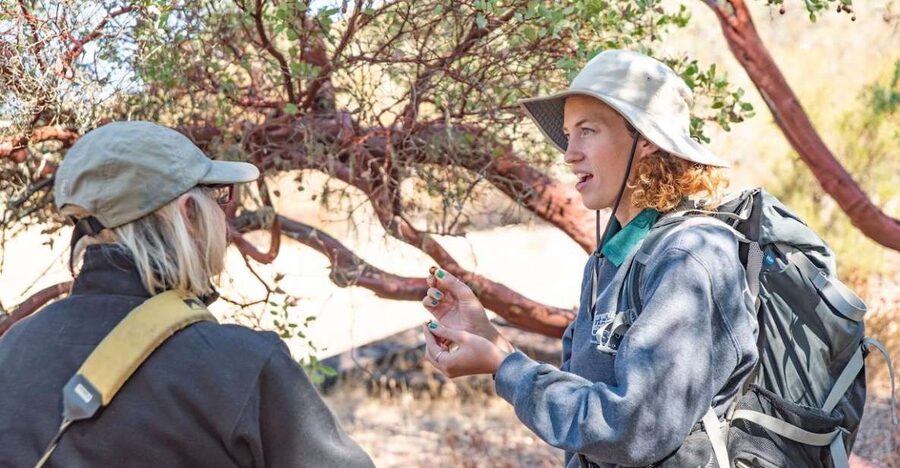
The most interesting part of the Margarita Ranch Foraging Tour is its focus on plants as culture, not just curiosities. Over 2.5 hours, you’ll look at what grows on Santa Margarita Ranch and learn how Native Californian peoples have used plants for food, drinks, healing, health, and survival.
I like the small group of eight or fewer, which should make it easier to ask questions and see plants up close. I also like the practical warning about what to avoid. That matters in foraging, where a confident guess can be a bad idea. The main drawback is that the tour is educational rather than a meal or hands-on cooking class, so don’t book it expecting a full tasting menu.
Key points to know before you book
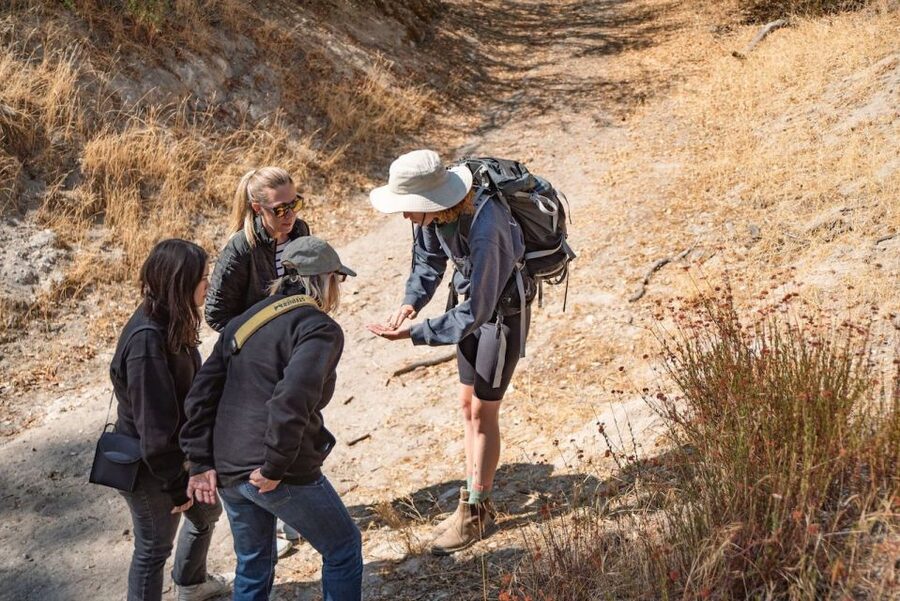
- Native Californian perspective: Learn how foraging connects with health, wellbeing, survival, and cultural practice.
- A practical plant lesson: Study plants used for nutrition, beverages, and healing, along with plants you should avoid.
- Small-group format: The group is limited to eight people, giving the English-speaking guide room to teach and answer questions.
- A steady two-and-a-half-hour pace: The tour gives you time to walk, observe, listen, and think without turning the experience into a rushed checklist.
- Come prepared for the ranch: Meet at Santa Margarita Ranch 30 minutes before the activity and wear comfortable, closed-toe shoes.
- Good first step into foraging: The tour suits curious adults and older children, but children under seven cannot participate.
Why this ranch tour is different from a standard nature walk
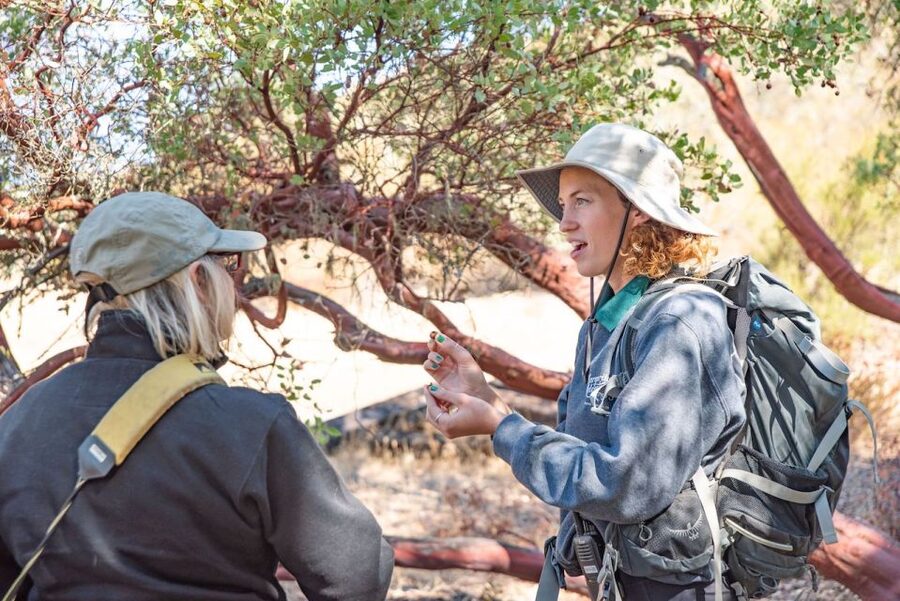
A standard nature walk asks you to notice trees, flowers, views, and wildlife. This outing asks a more useful question: What can people do with the plants around them, and how did they learn that?
That shift gives the tour its purpose. You are not simply walking past vegetation. You are learning how plants may connect to nutrition, beverages, healing, and everyday wellbeing. The lesson also includes plants to avoid, which keeps the experience grounded. Foraging is not just about finding something that looks edible.
The tour places these ideas within a Native Californian context. The experience explains foraging as a practice used by Native Californian peoples for thousands of years, linking it to health, survival, and a careful relationship with the environment. That cultural frame is important. It helps you see foraging as a body of knowledge and a way of paying attention, not a modern hobby invented for weekend outings.
You also get a lesson in mindfulness. The point is to enjoy the environment wherever you are, not only during this visit to the ranch. That makes the experience useful after the tour ends. You may leave more alert to plants on a walk, at a park, or in your own neighborhood, while also knowing that observation is not the same as safe identification.
More farm tours around the USA:
- Maui Pineapple Farm Tour in Haliimaile
★ 5.0 · 2,855 reviews - Half-Day Thoroughbred Horse Farm Tour in Kentucky
★ 5.0 · 1,924 reviews - Oahu: Kualoa Ranch Movie Sites and Ranch Tour
★ 4.5 · 1,655 reviews
Starting at Santa Margarita Ranch
Plan to meet at Santa Margarita Ranch 30 minutes before the activity starts. That early arrival is part of the practical planning for this tour. Give yourself enough time to reach the meeting point, get settled, and avoid beginning the class in a rush.
The exact route and plant stops are not specified, so you should think of the outing as a guided exploration of the ranch grounds rather than a fixed attraction-to-attraction itinerary. The guide leads you through the setting and introduces plants as they appear during the walk.
Wear comfortable shoes, and make sure they are closed-toe. That is not a minor suggestion for a foraging tour. You will be walking outdoors, and sturdy footwear gives you better protection and comfort than sandals. The experience information does not list special equipment, food, or collecting supplies as included, so treat it as an educational walk rather than a take-home harvesting activity.
Reading plants through history and daily use
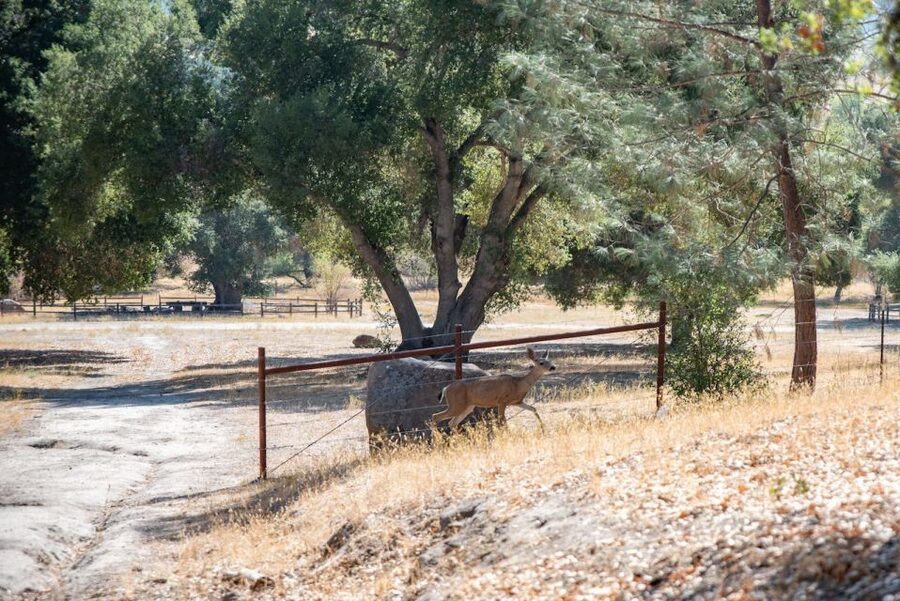
As you move through the ranch, the guide explains the historical significance of the plants you encounter. The value here is in learning how a plant fits into a larger system of use. A plant may have a role in nutrition, a beverage, healing, or another part of daily life.
That approach also helps you understand why the same plant can matter in different ways. One lesson may concern what people consumed. Another may focus on how plants supported health or survival. The tour connects those uses to the long history of Native Californian communities and to modern interest in wellbeing.
I especially like that the experience does not present nature as a shelf of free ingredients. It stresses best uses and what to avoid. You need that balance if you are new to foraging. Identifying a plant by a quick glance is not enough, and a plant’s usefulness depends on how it is prepared and used. The supplied information does not promise detailed preparation recipes, so expect guidance and context rather than a full cooking course.
The plant lesson may also appeal to people who enjoy drinks and food culture. The tour includes plants that can be used for different beverages as well as nutrition. It does not specify which plants you will see, so you should not book it expecting particular ingredients. The reward is learning how to look at the ranch with a more informed eye.
The value of learning what not to use
Many outdoor activities focus on discovery. This one gives equal weight to restraint. That is a wise choice because foraging has real limits. You need to know what is useful, what requires care, and what should remain untouched.
The guide’s warning about plants to avoid is one of the most useful parts for a beginner. It helps replace guesswork with caution. You can enjoy the subject without assuming every interesting plant is safe, edible, or suitable for a drink.
The tour information does not list specific hazards, poisonous plants, or medical advice, so you should not treat the outing as a complete safety certification. Instead, see it as an introduction to responsible observation. If you want to forage on your own later, you will need to keep studying and confirm plant identification through reliable sources.
That practical limit makes the tour more trustworthy. It encourages curiosity without suggesting that a single 150-minute outing turns you into an expert.
Same countryside, another kind of harvest:
- Oahu: Kualoa Ranch UTV Raptor Tour
★ 4.5 · 1,569 reviews - Premium Amish Country Tour including Amish Farm and House
★ 4.5 · 1,306 reviews - Unique Horse Farm Tours with Insider Access to Private Farms
★ 5.0 · 1,192 reviews - Lahaina: Maui Ku’ia Estate Guided Cacao Farm Tour and Tasting
★ 5.0 · 1,103 reviews
Mindfulness as part of the lesson
The mindfulness theme gives the experience a broader purpose. You are encouraged to enjoy the environment wherever you are in nature, not only when a guide points out something useful.
For me, this is where the tour moves beyond a plant-identification class. You learn to slow down, notice details, and think about your place in the setting. The plants are the focus, but the habit is awareness.
This may suit you if you enjoy quiet outdoor experiences and want more than a list of facts. It may suit you less if you prefer constant activity, dramatic sights, or a large number of attractions packed into a short time. The tour’s appeal comes from observation and conversation.
The small group helps here. With no more than eight participants, the guide has a better chance to explain a plant clearly and respond to questions. A small group also makes it easier to keep the walk focused. You will not be one voice lost in a crowd of dozens.
What the 150 minutes are likely to feel like
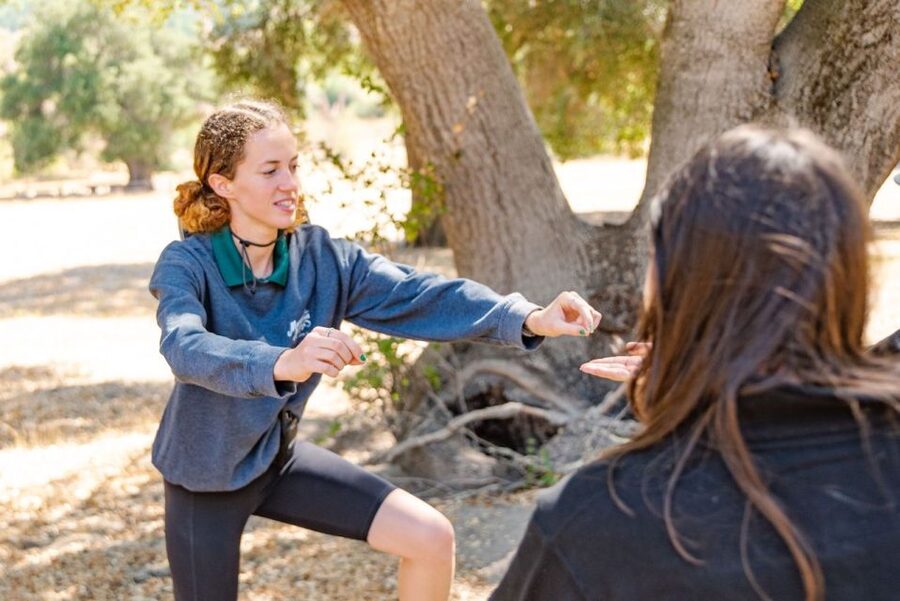
The activity lasts 150 minutes, or two and a half hours. That is long enough for a real lesson but short enough to fit into a day in the San Luis Obispo area.
The outing begins with the ranch setting and the guide’s introduction to foraging. From there, you examine plants found on the grounds and learn their historical importance. The middle of the tour centers on practical uses for nutrition, beverages, and healing, along with guidance about plants to avoid.
The final part returns to the larger ideas of mindful enjoyment and Native Californian approaches to health and wellbeing. The activity is best understood as a connected lesson rather than a series of unrelated stops. Each plant provides a way to talk about use, history, caution, and attention to place.
Do not expect a precise stop list or a guaranteed set of plant species. The provided details do not name individual plants, and natural conditions can affect what is available to see. Book this for the subject and the guide-led experience, not for a particular plant you hope to photograph.
How the $45 price measures up
At $45 per person, this is reasonably priced for a private-feeling, 2.5-hour educational activity with a live guide and a maximum group of eight.
The value depends on what you want from an outdoor outing. If you are looking for a scenic walk with little instruction, you may find the cost harder to justify. If you want structured teaching about foraging, cultural history, practical plant use, and mindfulness, the price compares well with the amount of time and personal attention involved.
The small group is important when judging the cost. You are not paying only for access to the ranch. You are paying for interpretation, questions, and a lesson shaped around a limited number of people. The experience also covers a subject that is difficult to learn safely from casual observation alone.
Nothing indicates that food, drinks, plant samples, transportation, or collecting materials are included. Keep that in mind when comparing this outing with a farm tour or cooking class. Its value is in education and context.
Who should book the Margarita Ranch experience
This tour is a good match for you if you:
- Want to learn about Native Californian relationships with plants.
- Enjoy small-group activities instead of large guided walks.
- Are curious about edible plants, natural beverages, and plant-based healing.
- Prefer a thoughtful outdoor lesson to a high-energy attraction.
- Want practical warnings about what not to use.
- Are visiting San Luis Obispo and want an activity tied to the local setting.
It can also work well for people beginning to explore foraging. The guide provides a starting point and a safer framework for asking questions. Just keep your expectations realistic. This is not advertised as professional certification, a survival course, or a cooking workshop.
Children under seven are not permitted. For older children, the tour may be appealing if they can manage a 2.5-hour educational walk and follow instructions about staying with the group and not handling plants without guidance. The information does not provide a separate child rate or a detailed family program.
Practical planning for a comfortable visit
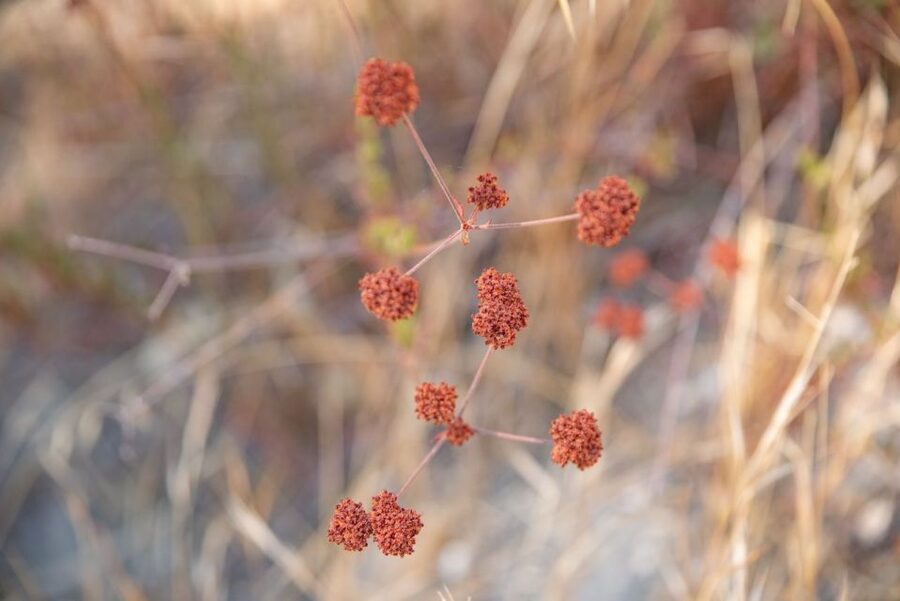
Meet at Santa Margarita Ranch 30 minutes before the activity begins. Check the available start times when booking, since the schedule can vary.
Wear comfortable, closed-toe shoes. That is the only specific clothing guidance provided, but it is the right basic choice for an outdoor ranch walk. The activity is offered in English with a live guide.
The group is limited to eight participants. That cap is a strong reason to reserve ahead, especially if you want to go with friends and stay together in one small group. You can also reserve now and pay later, which keeps your plans flexible.
Cancellation is allowed up to 24 hours before the activity for a full refund. That policy is useful if your San Luis Obispo plans are still changing. It does not remove the need to arrive on time, so build in the requested 30-minute meeting window.
Final call: is this tour worth booking?
I would book the Margarita Ranch Foraging Tour if you want a thoughtful, practical introduction to plants and the Native Californian perspective behind their use. The two strongest reasons are the small group and the balanced teaching about both useful plants and plants to avoid.
The tour is also a good value at $45 when you want two and a half hours of guided learning rather than a quick photo stop. Its main limitation is the lack of promised plant names, samples, recipes, or a meal. If you need hands-on cooking or a precise list of species, choose a different kind of activity.
For curious adults, older children, food-minded visitors, and anyone interested in mindful time outdoors, this is a focused way to spend part of a San Luis Obispo day. Book it for the lessons, not for a guaranteed harvest.
FAQ
Where does the Margarita Ranch Foraging Tour take place?
The tour takes place at Santa Margarita Ranch in the San Luis Obispo area.
How long does the foraging tour last?
The activity lasts 150 minutes, or 2.5 hours.
How much does the tour cost?
The listed price is $45 per person.
How large is the tour group?
The group is limited to eight participants.
What language is the tour offered in?
The tour is conducted in English with a live guide.
What should I wear or bring?
Wear comfortable shoes and closed-toe shoes. These are the specific footwear requirements provided for the activity.
What will I learn during the tour?
You will learn about the historical significance of plants found on Santa Margarita Ranch, their possible uses for nutrition and beverages, best uses, plants to avoid, and the Native Californian perspective on health and wellbeing.
Can children join the tour?
Children under seven are not permitted to participate.
Can I cancel the booking for a refund?
Yes. You can cancel up to 24 hours in advance for a full refund. You can also reserve now and pay later.
Newly listed farm visits around the USA
- Gourmet Mushroom Farm Tour in Tennessee★ 5.0 · 5 reviews
- Cozy Farm Experience with Wagon Wheels and Acoustic Meal★ 5.0 · 2 reviews
- Farms, Flights: Finger Lakes Brewery Tour★ 4.5 · 25 reviews
- Scenic Scottsdale E-Bike Tour – 2 Hours★ 5.0 · 47 reviews
- Wine Country Farm to Table Bike Tour w/Lunch★ 5.0 · 31 reviews
- Santa Fe Farmers Market & Railyard Food Tour★ 5.0 · 2 reviews
- Mere Point Oyster Farm Tour★ 5.0 · 2 reviews
- Private Tour at The Hood-Columbia Loop: Timberline, Orchards, and Waterfalls★ 5.0 · 2 reviews
USA Farm Tours, compared.

Half-Day Thoroughbred Horse Farm Tour in Kentucky
Read our review →
Premium Amish Country Tour including Amish Farm and House
Read our review →
Unique Horse Farm Tours with Insider Access to Private Farms
Read our review →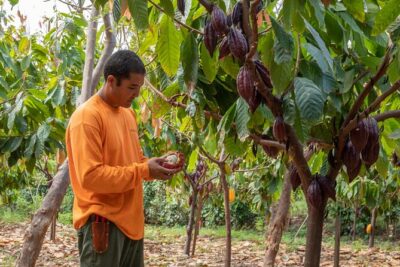
Maui Ku’ia Estate Guided Cacao Farm Tour and Tasting
Read our review →
Maui Horseback Adventure at Circle M Ranch With Real Cowboys
Read our review →
Horseback Riding on Scenic Texas Ranch near Waco
Read our review →Browse the lists this tour appears in