
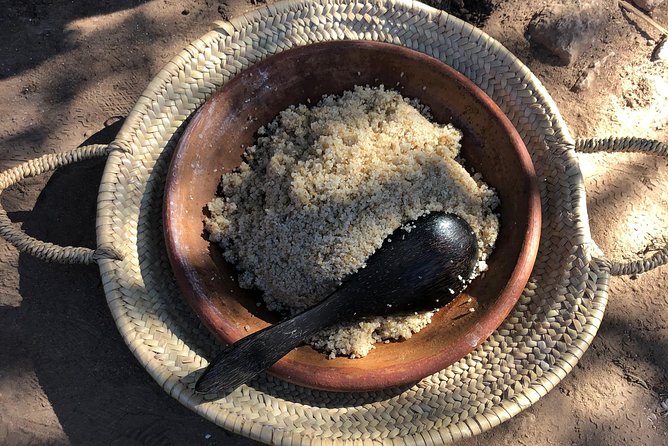
Review · MOROCCO
Berber Cooking Class at a Farm in the Countryside & shopping at a rural Souk.
The best part of this outing is the link between the rural souk and the farm kitchen. You first help find the vegetables, meat, eggs, honey, and other staples, then see those ingredients turned into bread, couscous, and goat tagine over a fire. It gives you a practical look at daily Berber food traditions south of Essaouira.
I like the hands-on work with barley, especially roasting the grain and grinding it in a stone mill. I also like the small group limit of eight, which suits a class where you want to see what is happening and ask questions. The main drawback is the long seven-hour commitment and countryside setting, with few details provided about transport beyond the stated meeting point.
Key points at a glance
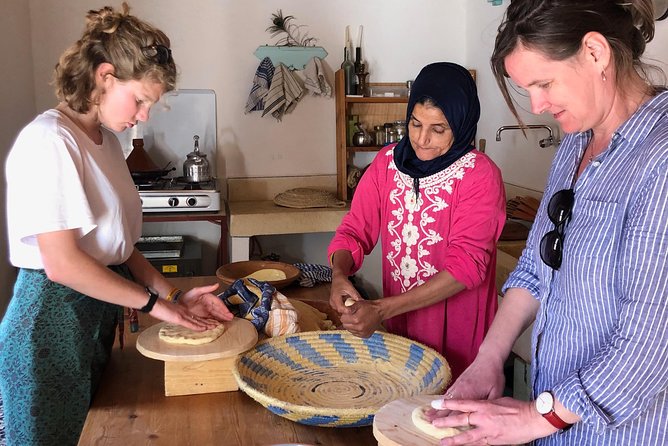
- Rural souk first: Shop for fresh produce, meat, eggs, and honey before cooking with the ingredients.
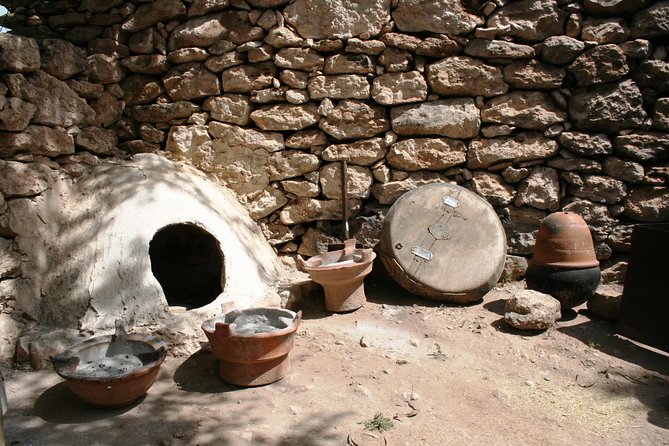
- Traditional Berber kitchen: Work with a clay oven, stone mill, and clay couscous pot at an ecological farm.
- Two local hosts: Khadija and Khadija demonstrate barley preparation, flat bread, couscous, and tagine.
- Meal in the countryside: Eat the food you helped prepare, with fresh-herb tea afterward when conditions allow.
- Optional argan stop: Visit a cooperative in the argan-growing zone and taste products made from the local oil.
- Small group format: The tour accepts no more than eight people and normally runs from 9 a.m. for about seven hours.
From Essaouira to the Haha hills
This is not a cooking lesson tucked into the old town. You leave Essaouira for the Haha region, about 35 kilometers south, where Berber communities farm the hills and keep goats and sheep.
That change matters. The class makes more sense after you have seen the setting that supplies the food. You are not simply handed premeasured ingredients in a modern kitchen. The day connects the market, the farm, the cooking fire, and the meal.
The start time is 9 a.m. at Labo Abdelkrim Khatabi d’Analyses Médicales, 287 Rue Oued El Makhazine, Essaouira. The activity ends back at the same meeting point. Since the tour lasts roughly seven hours, keep most of your day free rather than trying to fit in another major excursion afterward.
The transport arrangement is not described in detail, so I would confirm pickup and vehicle details when booking. The published meeting point is clear, but the information does not state whether hotel pickup is included.
More Cooking Classes in the world:
- Half-Day Thai Cooking Class at Organic Farm in Chiang Mai
★ 5.0 · 19,087 reviews - From Porto: 2 Wine Regions, Farm-to-Table Lunch & Boat
★ 4.9 · 5,724 reviews - Cooking Class and Lunch at a Tuscan Farmhouse with Local Market Tour from Florence
★ 5.0 · 4,831 reviews
Shopping at a working rural souk
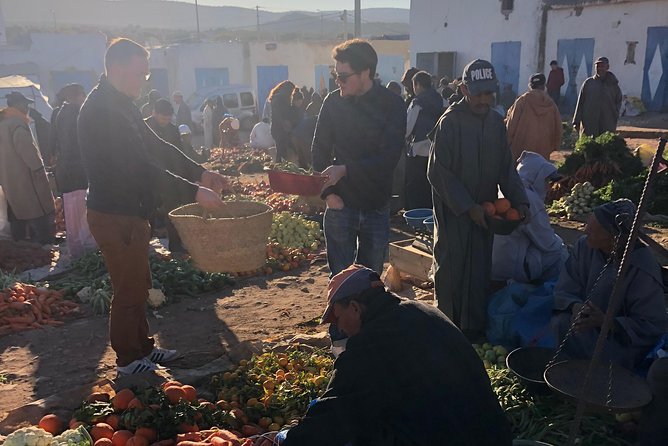
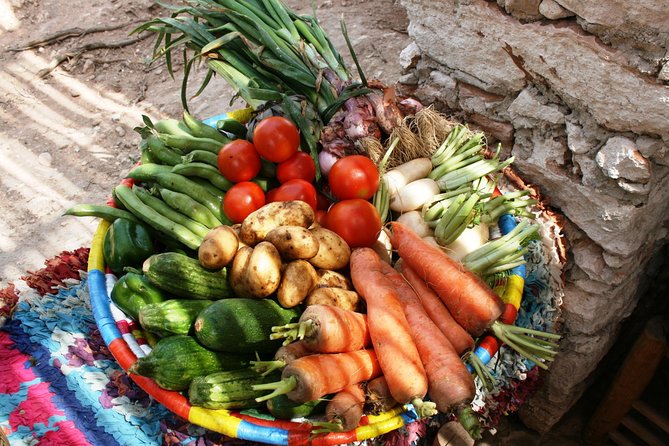
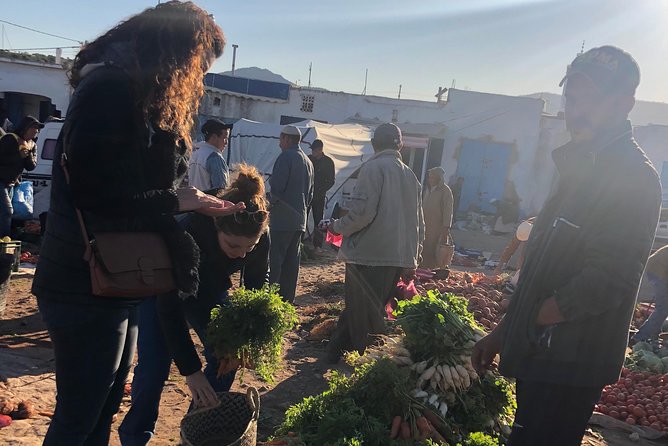
The souk is the first major stop, and it is more than a quick shopping detour. You look for the basic foods used later at the farm: freshly harvested fruit and vegetables, meat, eggs, honey, and other household staples.
This is one of the strongest parts of the day because it gives you context. A tagine is not just a dish on a restaurant menu. Here, you see the ingredients as part of local food life, then follow them from the market to the cooking pot.
A rural souk can also feel less polished than the tourist markets in Essaouira. That is part of its appeal, but it calls for patience and attention. You may need to stand while shopping, move through an active market, and accept that the pace follows local routines rather than a neat sightseeing schedule.
The only detailed account supplied describes the market as an adventure and says the group bought what was needed for the class. That points to a useful feature: you are involved in the start of the meal instead of arriving after all the important choices have been made.
Barley, stone milling, and the Berber kitchen
At the ecological farm, the cooking takes place in an authentic Berber kitchen stocked with traditional preparation tools. Khadija and Khadija show you how barley grains are roasted over a fire and then ground in a stone mill.
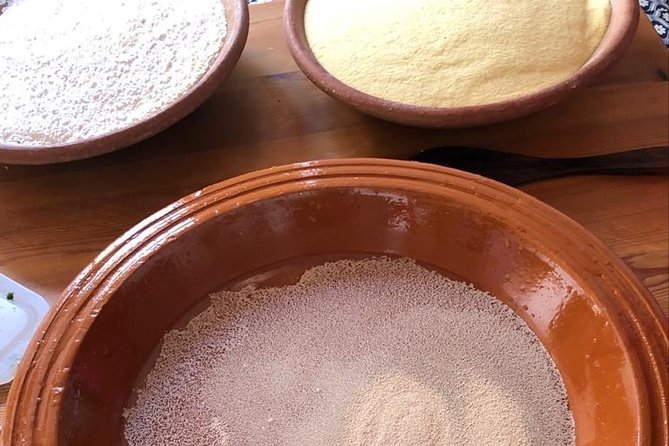
This is a small but memorable lesson. Barley becomes flour and semolina, the foundation for the flat bread and couscous. The method lets you see the work behind the food, including the heat, effort, and simple equipment that modern kitchens usually hide.
You should expect an active class rather than a demonstration where you only watch. The supplied details say you bake flat bread in a clay oven and steam couscous in a traditional clay pot. The open-fire cooking noted in the detailed account adds a sense of place, but it also means the experience may be smoky, warm, and hands-on.
The names of the two local hosts are both given as Khadija. That may sound confusing when you first hear it, so pay attention to how your guide distinguishes them. One available account also identifies Nicole as a German-speaking guide, a useful detail for German-speaking visitors who want more than a few basic explanations.
Making bread, couscous, and goat tagine
The class covers three important parts of a Moroccan meal. First comes flat bread made from the barley preparation. Then couscous is steamed in a clay pot. Finally, you help prepare a vegetable and goat-meat tagine with Moroccan spices and olive oil.
The tagine is especially tied to the place. The oil comes from olive trees growing on the farm, so the meal uses an ingredient connected directly to the property. The goat meat also reflects the animals raised in the Haha hills, where goats and sheep are central to local farming.
Do not expect a restaurant-style cooking school with a long list of optional dishes. The value is narrower and more specific: you learn how a traditional meal comes together with local crops, animal products, spices, fire, clay, and time.
The class may suit you well if you enjoy food but are not an expert cook. The provided information does not claim that special culinary skills are needed, and the activity is open to most participants. Still, you should be comfortable taking part in a countryside cooking session rather than expecting a polished professional kitchen.
More farm tours around the world:
- Florence Pizza or Pasta Class with Gelato Making at a Tuscan Farm
★ 5.0 · 6,801 reviews - Chiang Mai: Authentic Cooking Class with Market & Farm Visit
★ 4.9 · 4,546 reviews - Tromsø: Reindeer Camp and Sami Cultural Tour with Lunch
★ 4.7 · 3,326 reviews - Maui Pineapple Farm Tour in Haliimaile
★ 5.0 · 2,855 reviews
Lunch under the open sky
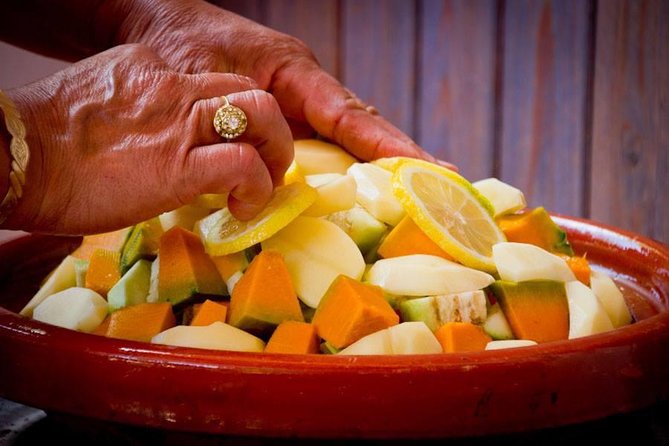
After the cooking, lunch is served outdoors if the weather permits. This is one of the day’s quiet rewards. You eat the bread, couscous, vegetables, and tagine in the same countryside setting where the food was prepared.
Outdoor dining depends on conditions, so do not book this expecting a guaranteed picnic. If the weather is poor, the meal may need to be served inside, and the entire activity can be canceled if conditions are unsuitable. A replacement date or full refund is offered in that situation.
Fresh-herb tea from the garden follows lunch. That closing cup helps shift the pace from work to conversation and rest. It is also a fitting end to a class built around ingredients grown, raised, or prepared close to home.
The meal is included in the shape of the experience, but the information does not provide a separate menu, drink list, or dietary policy. If you have food restrictions, ask before booking. Goat meat is specifically part of the tagine, so you should not assume a vegetarian or alternative version is available.
The argan oil option south of Essaouira
As you travel through the argan-growing zone, you may have the option to visit an argan oil cooperative. The stop explains how the oil is produced and includes tastings of products made with it.
Argan oil is strongly linked to this part of Morocco, so the visit adds useful regional context. It also breaks up the drive and gives you a chance to see how a local product moves from tree to cooperative.
The stop is described as optional, not guaranteed as a central part of the class. I would treat it as an extra rather than the reason to book the day. If argan oil production is your main interest, confirm how much time the cooperative visit receives and whether it operates on your chosen date.
As with many cooperative visits, you may find products for sale, but no shopping details are provided. The stated focus is learning about production and tasting the goods, so go in with that expectation.
Watching for goats in the argan trees
The route south of Essaouira passes through the argan zone, where goats are famous for climbing into the trees. The tour gives you a good chance of seeing them.
This is a charming bonus, but it should remain a bonus. The animals are not guaranteed, and the outing is built around the souk and cooking class rather than a wildlife stop. Keep your camera ready, but do not judge the day by whether a goat appears above the road.
The sight also ties into the wider food story. Argan trees support a local economy, and goats are part of the farming life described for the Haha hills. The countryside is not just a backdrop for lunch. It explains why certain foods and products appear in the region.
What $98.76 buys you
At $98.76 per person, this is not the cheapest way to eat Moroccan food. You can order a tagine in Essaouira for far less. The value here comes from the full chain of activities: transport out of town, a rural market visit, instruction from local hosts, hands-on preparation, lunch, tea, and possibly the argan stop.
The small group limit of eight helps justify the price. A cooking class works better when you can see the fire, handle the ingredients, and follow the steps without standing behind a large crowd. The price also covers a full day rather than a short kitchen demonstration.
I would call it good value for someone who wants a food experience tied to rural life. It is weaker value if you only want a quick lesson or a restaurant meal. You are paying for time, setting, access, and participation, not simply for lunch.
The average booking time is 55 days in advance, which suggests that you should not leave this until the last moment if the date matters. Confirmation arrives within 48 hours of booking, subject to availability.
Who should book this day
I would recommend it to you if you enjoy local food, traditional tools, and slower experiences. It suits couples, families with older children, and small groups who want to spend a full day outside Essaouira.
It is also a strong choice for anyone who wants more context than a standard city food tour can provide. The rural souk and farm show how ingredients are sourced and prepared, while the hosts provide a direct connection to Berber cooking traditions.
You may want to skip it if you have only one short day in Essaouira, dislike long outings, or prefer a tightly timed itinerary with guaranteed stops. The countryside setting, weather-dependent outdoor meal, and optional argan visit mean the day has some flexibility built into it.
Most people can participate, and service animals are allowed. The activity has a maximum of eight participants, but no specific information is provided about vehicle access, walking distances, child ages, or dietary accommodations. Ask those questions before paying if they affect your plans.
The cancellation terms are practical: cancel at least 24 hours before the 9 a.m. start for a full refund. Changes or cancellations inside that window are not accepted for a refund. The same full-refund option applies if poor weather or insufficient bookings cause the operator to cancel.
Is the farm cooking class worth your day?
Book this experience if you want to cook with ingredients bought in a local souk, work beside a fire, and eat a Berber meal in the countryside. The barley grinding, clay oven, couscous pot, and farm-grown olive oil give the day real substance.
I would be less quick to book it for a short Essaouira stay or if you need a guaranteed argan cooperative visit. For the right person, though, the $98.76 price buys a useful connection between market, farm, and table. That is more meaningful than simply adding another tagine to your holiday menu.
FAQ
Where does the cooking class take place?
The class takes place at an ecological farm in the Haha region, about 35 kilometers south of Essaouira.
What time does the experience start?
The activity starts at 9 a.m.
Where is the meeting point?
The meeting point is Labo Abdelkrim Khatabi d’Analyses Médicales, 287 Rue Oued El Makhazine, Essaouira 44000, Morocco.
How long does the experience last?
The experience lasts approximately seven hours and ends back at the meeting point.
What foods do you prepare?
You prepare traditional flat bread, couscous, and a vegetable and goat-meat tagine with Moroccan spices and olive oil.
Is the argan oil cooperative visit included?
The visit is described as an option while driving through the argan-growing zone. The cooperative explains argan oil production and offers tastings.
Can I cancel for a full refund?
Yes. You can cancel at least 24 hours before the experience start time for a full refund. Poor weather or failure to reach the minimum number of participants can also lead to a different date or a full refund.
Newly listed farm visits around the world
- Half-Day Farm Visit and Cow Milking Experience★ 5.0 · 16 reviews
- Boutique tour , Mt Maunganui, NZ farm, Rotorua lakes/geothermal★ 4.5 · 50 reviews
- Gourmet Mushroom Farm Tour in Tennessee★ 5.0 · 5 reviews
- Cozy Farm Experience with Wagon Wheels and Acoustic Meal★ 5.0 · 2 reviews
- Animal farm park with free hotel pickup★ 5.0 · 2 reviews
- Alpaca Farm Tours with Toffeemont★ 5.0 · 8 reviews
- Private, via beaches, Kiwi farm to Rotorua 8 lakes & Geothermal★ 5.0 · 20 reviews
- 1D Tour to Cingjing Farm from Taichung★ 4.5 · 3 reviews
Cooking Classes, compared.
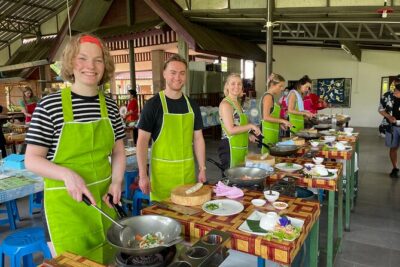
Half-Day Thai Cooking Class at Organic Farm in Chiang Mai
Read our review →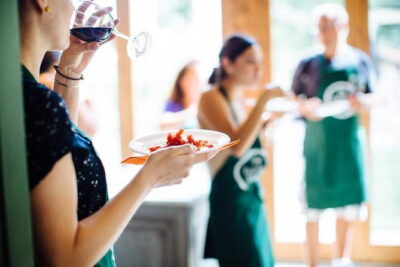
Cooking Class and Lunch at a Tuscan Farmhouse with Local Market Tour from Florence
Read our review →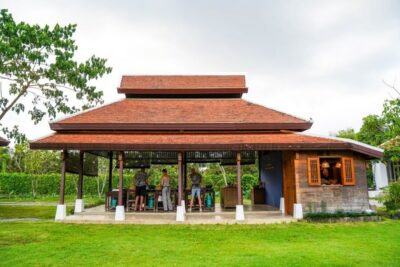
Authentic Cooking Class with Market & Farm Visit
Read our review →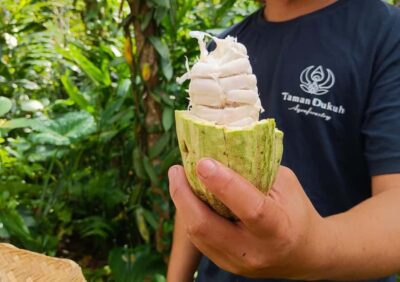
Hands-On Cooking Class & Farmhouse Tour on the Amalfi Coast
Read our review →

Thai Cooking Class | Since 2012 | Farm to Table
Read our review →Browse the lists this tour appears in