
Review · THE USA
Big Island: Abalone Farm Guided Tour with Tasting
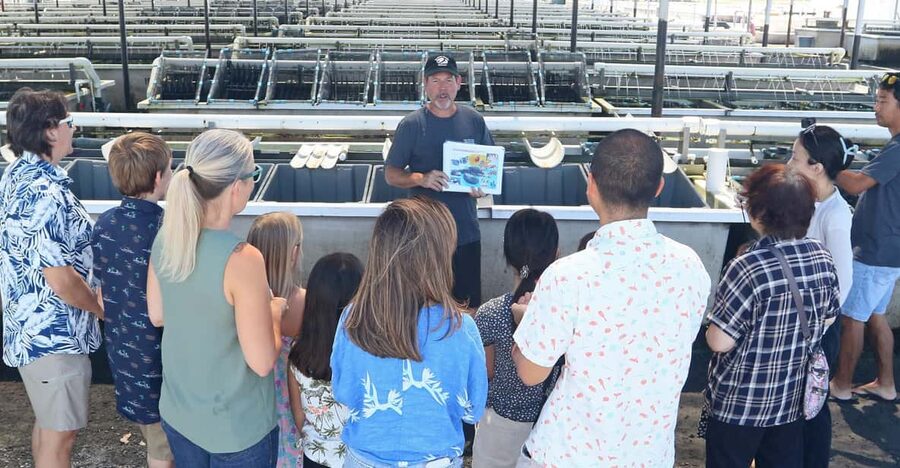
Big Island Abalone raises shellfish on a scale few visitors ever see. At this working farm, you learn how abalone grow over months and sometimes as long as 10 years, then taste one grilled in its shell and compare it with a canned version. It is a small, focused stop with real food at the end.
I like the hands-on look at breeding and growth, and I like that the tour explains the farm’s use of organic dulse seaweed as feed. Guide Kale has a knack for adding fun facts, and garlic-butter abalone is a smart tasting choice. The main drawback is simple: one hour goes quickly, and the tour is not suitable for wheelchair users.
Key points to know before you go
- Largest US abalone farm: See an active production facility rather than a museum display.
- Hands-on learning: You may hold abalone while hearing how they grow and reproduce.
- Dulse seaweed tanks: Learn how this nutritious seaweed feeds the shellfish and can also be eaten by people.
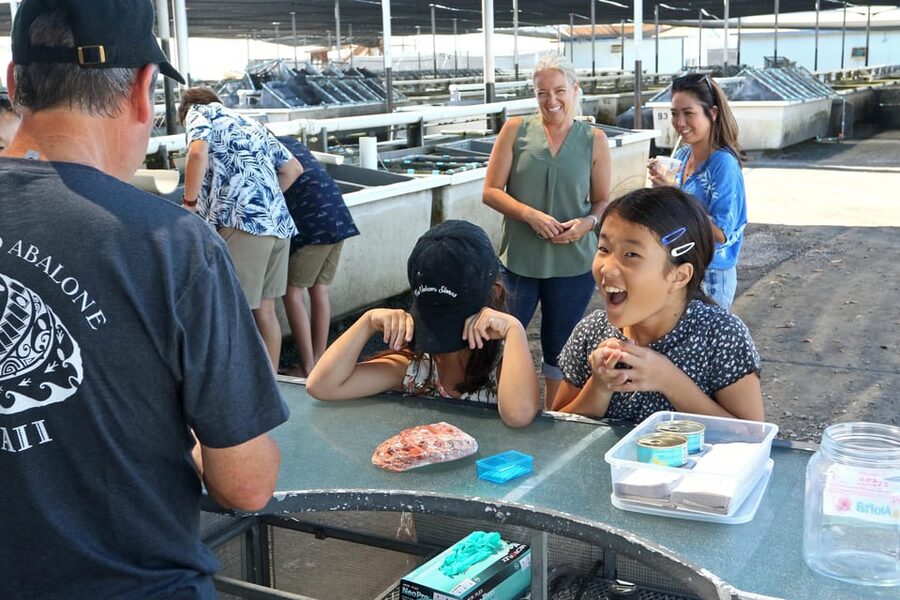
- Two-part tasting: Try abalone grilled in its shell, then sample a canned version.
- English guided tour: Guides such as Kale explain the farm, breeding process, and deep-water research.
- One-hour commitment: The tour starts and ends at the farm office, with check-in at the blue building.
What makes Big Island Abalone worth a stop
Abalone is often treated as a luxury food, but this visit lets you see the long, careful work behind it. You are not simply handed a sample and sent on your way. You follow the shellfish from early growth stages to the point where it reaches the table.
That matters because abalone production is slow. The farm explains growth periods that can stretch up to 10 years, giving you a better sense of why the food costs more than an ordinary seafood snack. You also see how breeding, feed, water, and time all shape the final product.
I like the way this tour connects science with lunch. The subject is specific, but the visit stays approachable. You can ask questions, touch the abalone if you want, and finish with a tasting that makes the lesson practical.
This is also a useful stop for anyone curious about sustainable food. The facility is described as 100 percent organic and sustainable, and the tour includes the farm’s dulse seaweed tanks. Dulse is used as feed for the abalone, but it is also a nutritious vegetable for people.
More Guided Tours in the USA:
- Lahaina: Maui Ku’ia Estate Guided Cacao Farm Tour and Tasting
★ 5.0 · 1,103 reviews - Kaneohe: Kualoa Ranch Guided UTV Tour
★ 4.8 · 335 reviews - Lahaina: Maui Ku’ia Estate Guided Cacao Farm Tour & Tasting
★ 4.8 · 137 reviews
Starting at the blue farm office
The meeting point is 73-357 Makako Bay Dr. After entering the property, check in at the farm office, which is in the blue building just past the entrance.
The tour ends at the same place. That makes the visit easy to fit into a day of exploring the Big Island, since you do not need to arrange a separate return meeting point. You should still check the available starting times when booking because the experience runs at scheduled times rather than as an open-ended visit.
The duration is one hour. That is long enough for a guided introduction, a look at the facilities, and the tasting, but not long enough for a slow, independent stroll. I would plan to arrive ready to begin rather than treating this as a casual stop where you can wander in at any time.
The setting is a working farm, not a polished attraction built around a large show. That is part of its appeal, but it also means you should expect a practical, facility-based visit. The focus is on tanks, production, feed, and shellfish rather than sweeping scenery or a long cultural program.
Learning how abalone are raised
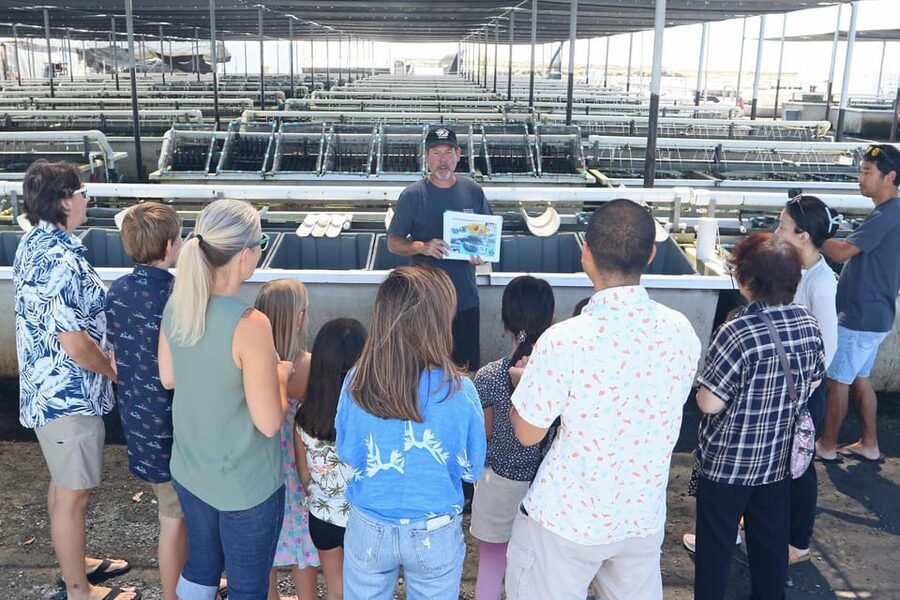
The tour begins with a short history of the farm and its connection to deep-water research. From there, your guide explains the types of abalone used at the facility and how the production system works.
The most interesting part is the growth process. You see demonstrations of different stages, from young abalone through later development. The tour explains that these animals can take months or years to reach different stages, with the full process lasting as long as a decade.
That slow timeline gives the visit a useful sense of scale. A plate of abalone may look small, but the farm’s work behind it is not. Breeding and raising the shellfish requires planning over many years, so this is a good place to understand why careful aquaculture matters.
You can hold some of the abalone if you want. This is an optional hands-on moment, not a requirement. If you are visiting with children, it gives the lesson a physical focus. Instead of only looking into a tank, you can feel the shellfish and connect the living animal with the food served later.
The guide also covers breeding. You learn how abalone production begins and how the farm manages the early stages before the shellfish grow larger. The information is presented as part of the facility tour, so you get the basic process without needing a background in marine biology.
The dulse seaweed tanks
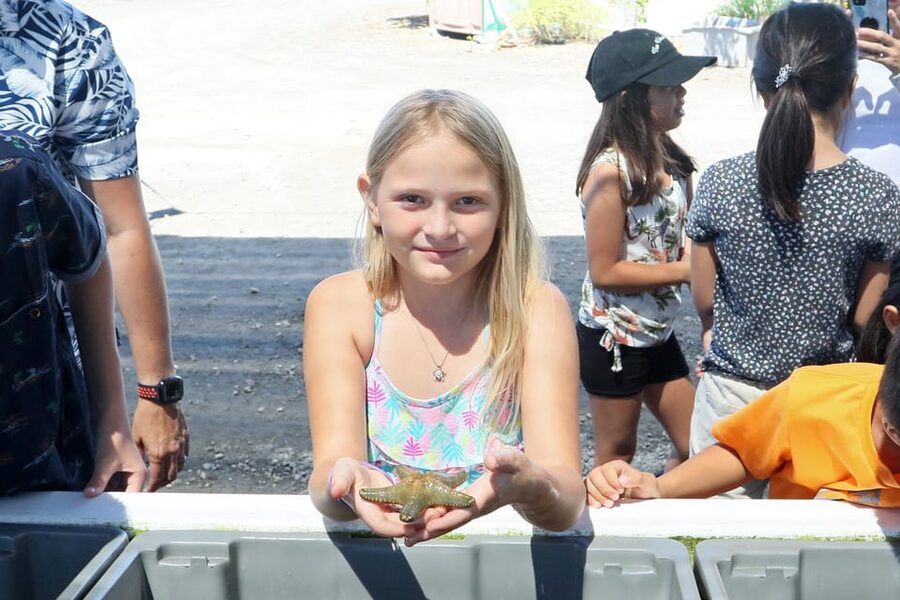
The dulse tanks add a second food story to the visit. This organic seaweed is grown at the farm and fed to the abalone.
I find this part especially useful because it shows that aquaculture is not just about raising one animal in isolation. Feed is part of the system, and the farm gives you a chance to see one of the ingredients that supports the shellfish.
The tour also explains that dulse can be eaten by people. It is described as both tasty and nutritious, so the tanks are more than a side note. They show how a marine product can move from farm production to the human dinner table in more than one way.
Do not expect a long seaweed workshop. The dulse is one section of a one-hour experience, alongside the farm’s history, breeding information, growth stages, and tasting. Still, it is a memorable detail, especially if you are interested in sustainable food or unusual local ingredients.
More farm tours around the USA:
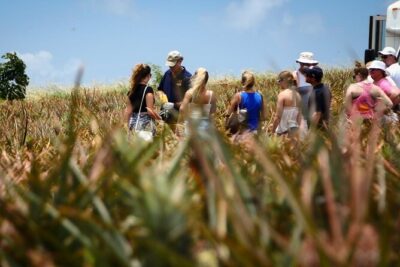
- Maui Pineapple Farm Tour in Haliimaile
★ 5.0 · 2,855 reviews - Half-Day Thoroughbred Horse Farm Tour in Kentucky
★ 5.0 · 1,924 reviews - Oahu: Kualoa Ranch Movie Sites and Ranch Tour
★ 4.5 · 1,655 reviews - Oahu: Kualoa Ranch UTV Raptor Tour
★ 4.5 · 1,569 reviews
Tasting grilled and canned abalone
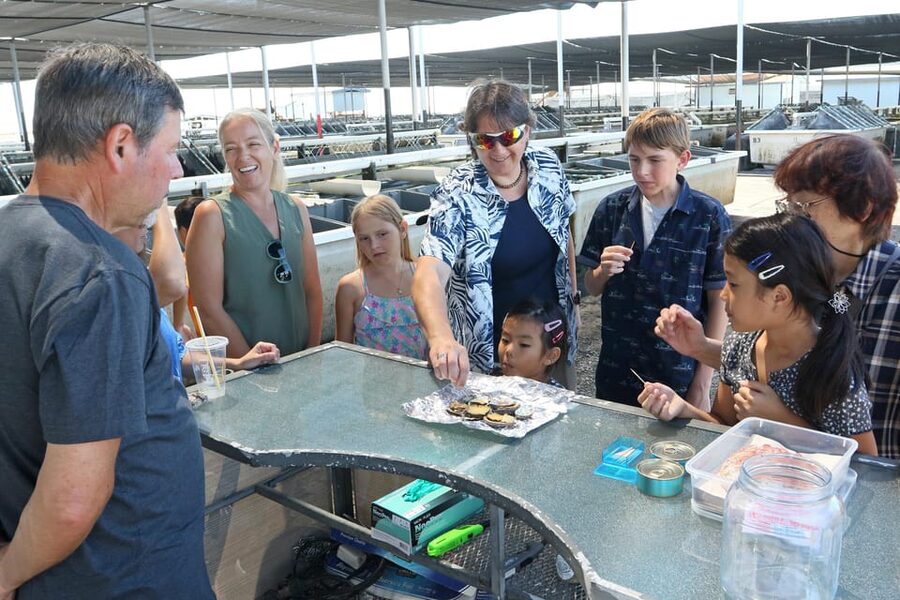
The tasting is the payoff, but it works best because you have already seen how the food is raised. You finish with abalone grilled in its shell and a taste of canned abalone.
The two versions let you compare preparation and texture. The grilled sample connects directly to the farm’s fresh product, while the canned sample shows how abalone can be preserved and served in another form.
Garlic butter is a good choice if it is available for your tasting. One guide, Kale, is praised for making the experience fun and for recommending garlic-butter abalone. That detail is useful because the shellfish itself may be unfamiliar to you, and a simple preparation gives its texture and flavor room to show through.
The seaweed is also worth trying. The farm presents it as food for both abalone and people, so tasting it helps complete the story you hear in the tanks.
There may also be a separate barbecue option at the farm. On one Sunday visit, that barbecue was closed, while a later visit included a self-cooked barbecue that was described as very fresh. Treat this as a possible extra rather than part of the one-hour guided tour, since the supplied tour details specifically include the grilled tasting and canned sample, not a guaranteed barbecue session.
How the price works out
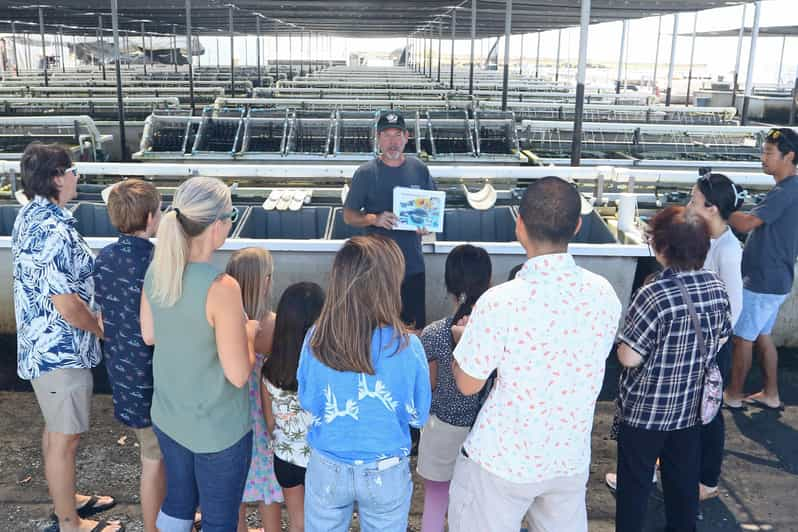
At $31 per person, this is not a major splurge, but it is more than you would pay for a simple seafood sample. The value comes from getting both the farm visit and the tasting.
You are paying for a live guide, a look at production areas, an explanation of breeding and growth, the dulse tanks, and two styles of abalone. If you are already interested in seafood, aquaculture, or unusual food production, that combination makes the price reasonable.
The one-hour length keeps the commitment low. You do not need to give up half a day, and the tour can fit between other Big Island plans. At the same time, anyone hoping for a large attraction with many exhibits may find the price less compelling. This is a focused lesson with a tasting, not a full-day activity.
A 10 percent shopping discount is included. That adds value if you plan to buy products at the farm, though the available items and prices are not specified here. I would view the discount as a useful bonus, not the main reason to book.
Who will enjoy this tour most
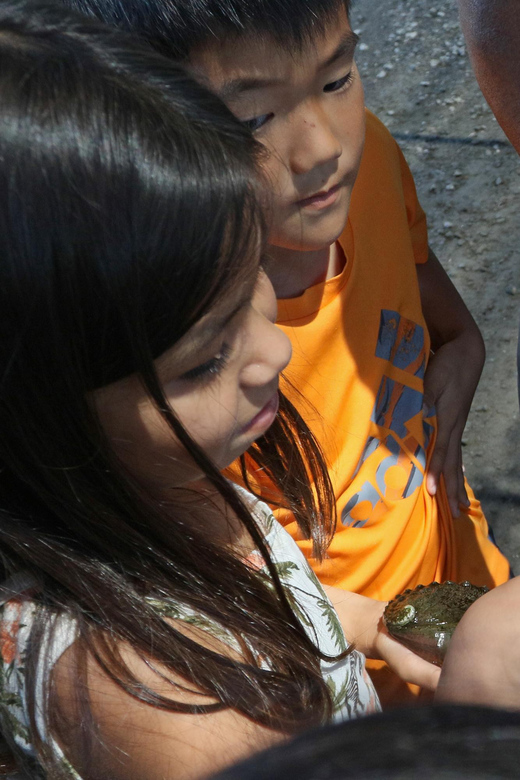
I would recommend the visit to food-minded people who want to know where an unusual ingredient comes from. It also suits anyone interested in farming, marine research, sustainable production, or the practical side of Hawaiian food.
Families may appreciate the chance to hold abalone and watch the different growth stages. The subject is unusual enough to keep the visit distinct from a standard sightseeing stop, though younger children may need help following the longer explanations about breeding and production.
It is also a good pick for a rainy-weather plan or for a day when you want something more educational than scenic. The tour is built around the farm facilities, so its appeal does not depend on a viewpoint or outdoor adventure.
You should think twice if you need a fully wheelchair-accessible activity. The tour is specifically listed as not suitable for wheelchair users. That is an important limitation to check before paying.
The tour is conducted in English. If you need another language, the supplied information does not indicate that one is available.
Practical timing and booking advice
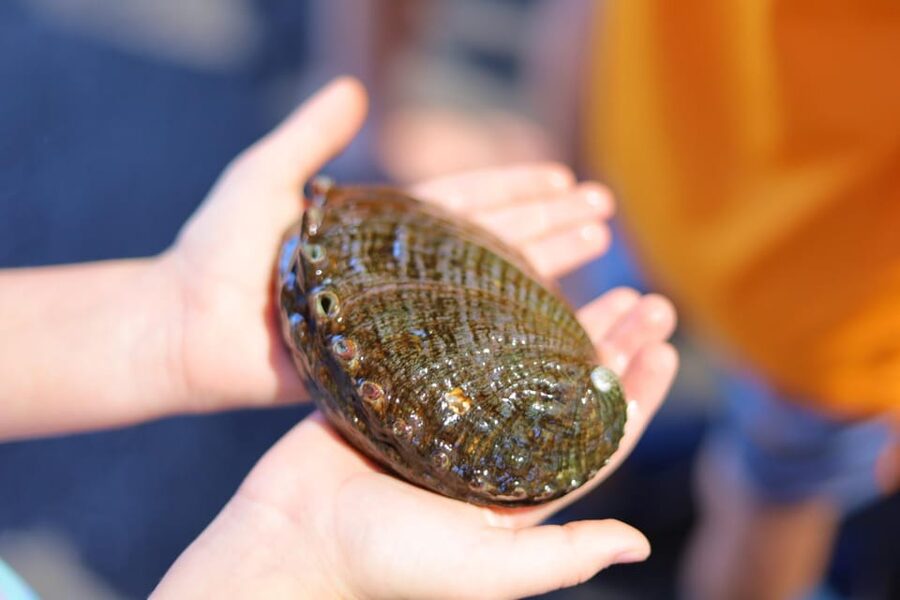
Allow one hour for the activity itself, and check the starting times before booking. Since the tour begins and ends at the farm office, you can organize your transportation around that single location.
The activity allows cancellation up to 24 hours in advance for a full refund. You can also reserve now and pay later, which helps if your Big Island schedule is still changing.
I would book this earlier in the day if you want to pair it with other plans, but the right choice depends on the available time slots. The important point is to avoid arriving without checking the start time. This is a guided visit, so missing the beginning could mean missing the history and farm introduction.
Wear whatever is comfortable for a short facility tour, but remember that this is an active farm setting rather than a formal dining room. The supplied information does not list a dress code or special equipment requirements.
My call: book it for the food story
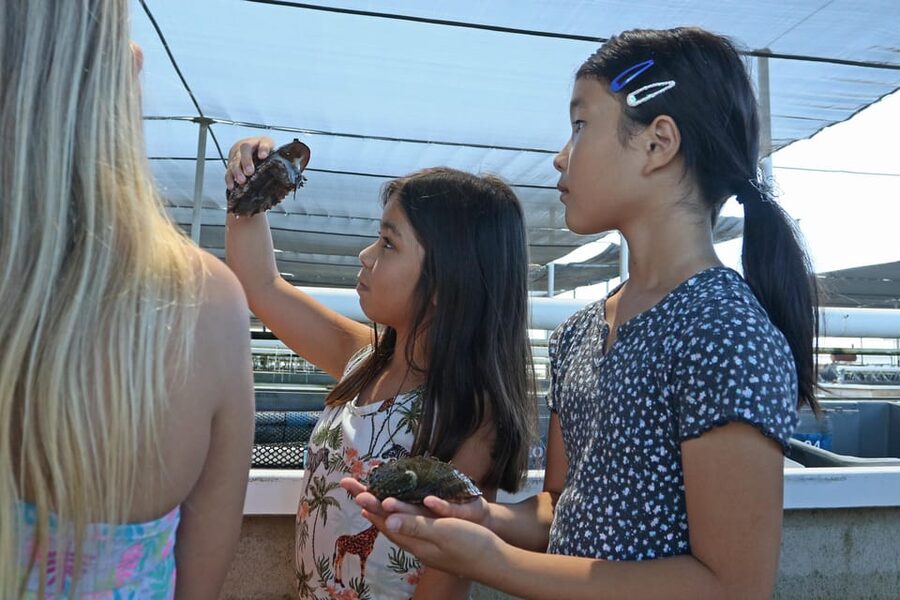
Book this tour if you want a short, unusual Big Island stop that combines working agriculture, marine science, and tasting. The chance to handle abalone, see the dulse tanks, and compare grilled and canned versions gives the hour a clear purpose.
I especially like it for curious eaters. You leave with more than a sample because you understand the long production process behind it. The best reason to skip it is if you want scenery, a longer outing, or wheelchair access.
For $31, the farm tour is a fair value when you care about what you eat and how it is produced. If garlic-butter abalone and seaweed sound appealing, this is an easy small-scale experience to add to your Big Island plans.
FAQ
Where does the Big Island Abalone tour begin?
The tour begins at 73-357 Makako Bay Dr. Check in at the farm office, the blue building located just after the entrance.
How long does the tour last?
The guided experience lasts one hour. Starting times vary, so check availability when booking.
What language is the tour conducted in?
The live guided tour is conducted in English.
What food is included in the tasting?
You taste abalone grilled in its shell and a canned version of abalone. The experience also includes a tour of the dulse seaweed tanks.
Can I touch the abalone?
Yes. The tour includes information about the growth stages, and you may hold some of the abalone if you want.
Is the tour suitable for wheelchair users?
No. The activity is listed as not suitable for wheelchair users.
Where does the tour end?
The tour ends back at the farm office, the same meeting point where you check in.
Can I cancel the booking?
You can cancel up to 24 hours in advance for a full refund. You can also reserve now and pay later.
Newly listed farm visits around the USA
- Gourmet Mushroom Farm Tour in Tennessee★ 5.0 · 5 reviews
- Cozy Farm Experience with Wagon Wheels and Acoustic Meal★ 5.0 · 2 reviews
- Farms, Flights: Finger Lakes Brewery Tour★ 4.5 · 25 reviews
- Scenic Scottsdale E-Bike Tour – 2 Hours★ 5.0 · 47 reviews
- Wine Country Farm to Table Bike Tour w/Lunch★ 5.0 · 31 reviews
- Santa Fe Farmers Market & Railyard Food Tour★ 5.0 · 2 reviews
- Mere Point Oyster Farm Tour★ 5.0 · 2 reviews
- The Hood-Columbia Loop: Timberline, Orchards, and Waterfalls★ 5.0 · 12 reviews
USA Farm Tours, compared.
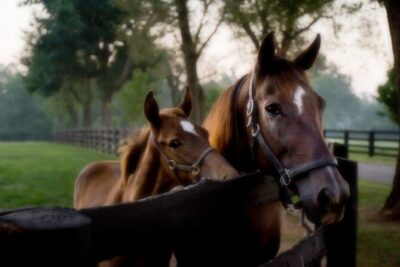
Half-Day Thoroughbred Horse Farm Tour in Kentucky
Read our review →
Premium Amish Country Tour including Amish Farm and House
Read our review →
Unique Horse Farm Tours with Insider Access to Private Farms
Read our review →
Maui Ku’ia Estate Guided Cacao Farm Tour and Tasting
Read our review →
Maui Horseback Adventure at Circle M Ranch With Real Cowboys
Read our review →
Horseback Riding on Scenic Texas Ranch near Waco
Read our review →Browse the lists this tour appears in