
Review · THE USA
Big Island Hawaii: Craft Chocolate Tasting and Farm Tour
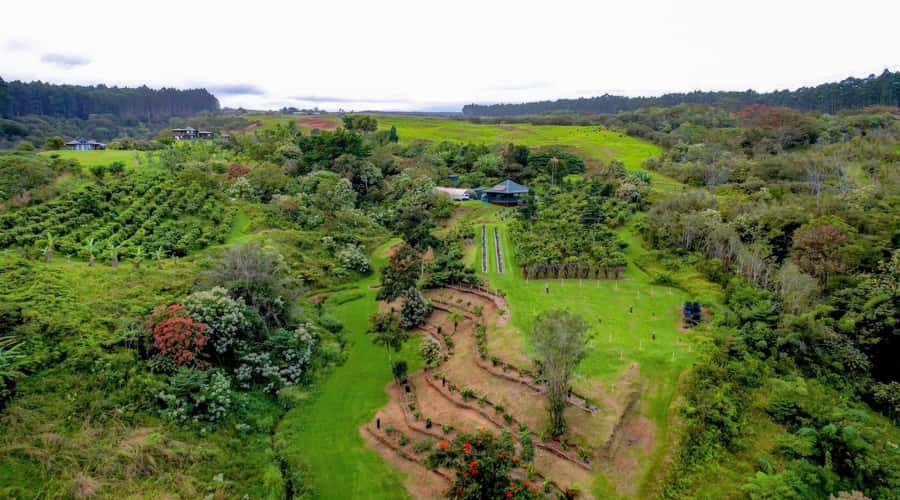
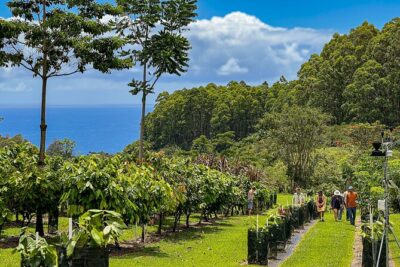
Honolii Orchards turns chocolate into a farm lesson, a history class, and a serious tasting all at once. You’ll walk among cacao trees, see how fermentation shapes flavor, and compare bars made from farms across Hawaii while looking out toward the ocean and valley. The real subject is agriculture, not just sweets.
I like the hands-on look at fermentation, a step most chocolate buyers never see. I also like the generous tasting, which includes at least 10 bars along with cacao juice, roasted beans, cacao tea, chocolate-covered macadamias, and seasonal fruit. The one drawback is the rural setting: rideshare pickup can be slow, and the farm is not a quick roadside stop.
Key points at a glance
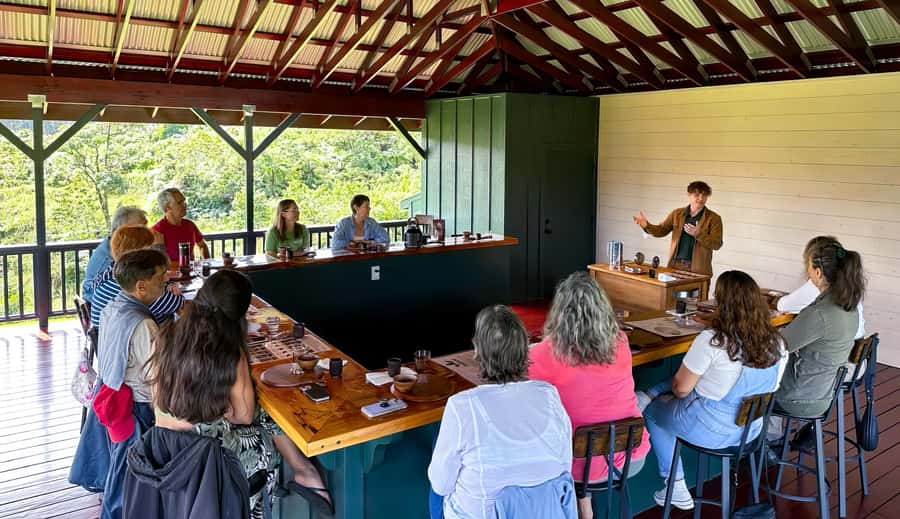
- Taste Hawaii by origin: Compare at least 10 single-origin bars made with cacao from farms around the Hawaiian Archipelago.
- See the work behind the bar: Walk the orchard and visit the fermentation room, where post-harvest handling begins to shape the final flavor.
- Meet passionate guides: Wren and Jude have been praised for clear explanations, warmth, and enthusiasm for cacao farming.
- Enjoy the setting: The tasting room sits above the orchard canopy, with broad ocean and valley views.
- Allow three and a half hours: This is a slow educational experience, not a quick sample stop.
- Plan your ride carefully: The farm is about five minutes from Hilo, but the last 1.7 miles follow rural Puia Road.
Why this Hilo chocolate tour is different
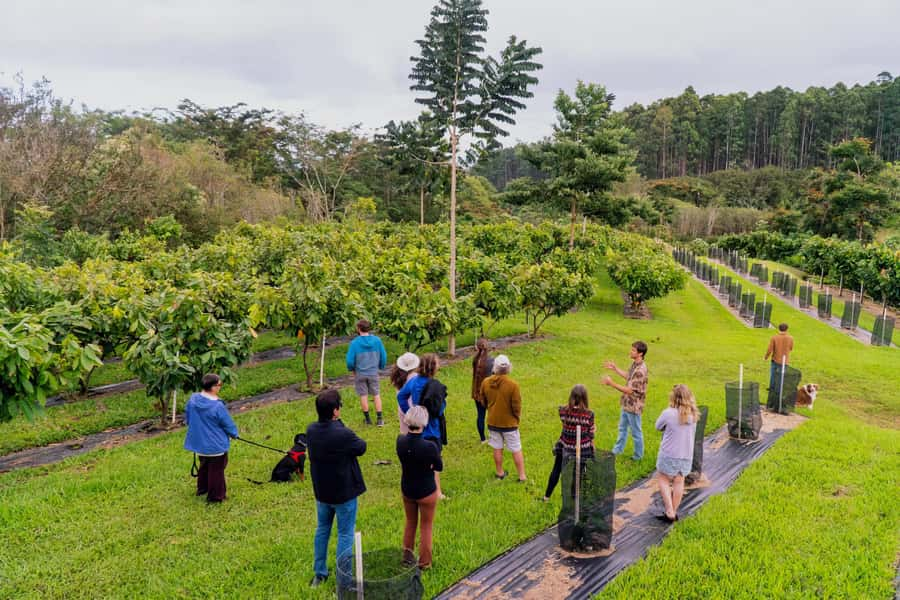
Many chocolate tastings keep you at a counter with a few bite-size samples. This one starts outside, with the cacao tree itself. You see the orchard, learn what the farmers are trying to achieve, and then taste the results with more context.
That order matters. Once you know that genetics, soil, climate, harvest timing, and fermentation all affect cacao, a chocolate bar stops being a generic sweet. It becomes a product of a particular farm and growing region.
Honolii Orchards presents Hawaii as a serious cacao-producing area, with conditions that can create distinct flavor profiles from one island farm to another. You are not asked to accept that claim blindly. The tasting gives you a practical way to compare it for yourself.
I see this as a strong choice for adults who enjoy food education. You do not need to be a chocolate expert, but you should have some interest in how food is grown and made. The guide invites questions, and the best parts of the visit come when you ask why one batch tastes different from another.
More Cocoa Farm Tours in the USA
- Lahaina: Maui Ku’ia Estate Guided Cacao Farm Tour and Tasting
★ 5.0 · 1,103 reviews - Kauai Chocolate Farm Tasting Tour
★ 5.0 · 666 reviews - Lahaina: Maui Ku’ia Estate Guided Cacao Farm Tour & Tasting
★ 4.8 · 137 reviews
Finding Honolii Orchards from Hilo
The farm is at 1533 Puia Road in Paukaa, around five minutes from Hilo. You leave Mamalahoa Highway at Kulana Street, pass through Paukaa Town, and turn onto Puia Road near the Paukaa Kingdom Hall of Jehovah’s Witness Church.
The final drive is part of the experience. You travel 1.7 miles uphill on a rural road, usually taking five to ten minutes. Puia Road is mislabeled as Woa Road, so use the supplied Google Maps pin and follow the map’s street directions rather than relying on road signs.
Look for the open green gate on the left with a large vinyl entrance sign. This is one place where a little advance attention saves time. The route is close to Hilo, but the entrance is not the sort of place you want to search for in a hurry.
I would avoid planning a tight connection after the tour. One visitor had trouble getting an Uber driver to locate the farm, so a rental car or a carefully arranged pickup is the safer plan. The instructions also ask you to leave large bags, coolers, strollers, bikes, and handcarts behind.
The orchard walk and Hawaii’s farm story
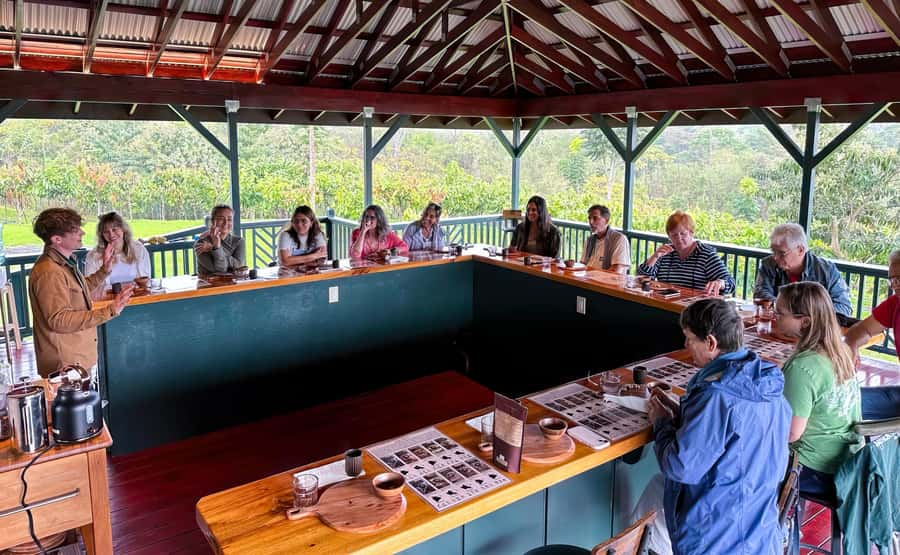
The visit begins with a casual welcome in the tasting room before you head into the cacao orchard. That short conversation helps set the pace. This is not a scripted dash from stop to stop, and the guide encourages questions as you walk.
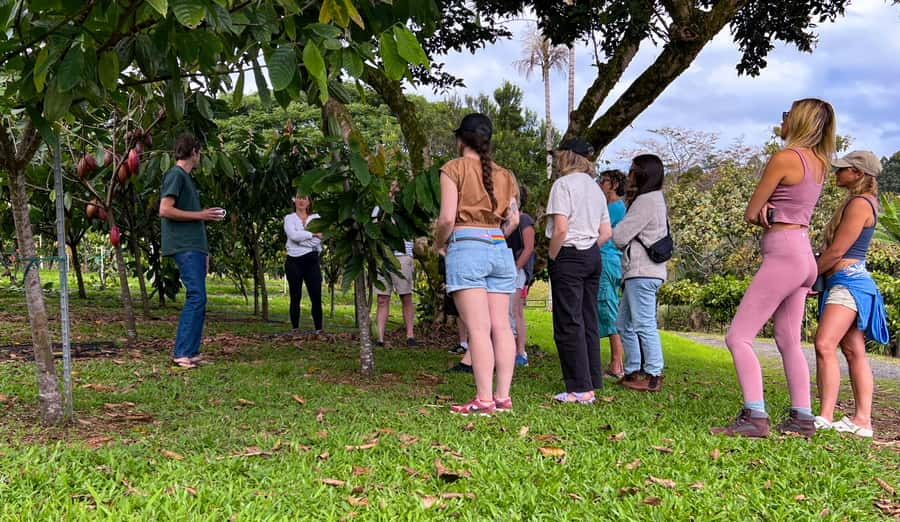
In the groves, you learn how cacao is cultivated and harvested. The useful detail here is that the tour does not treat the tree as a decorative backdrop. The guide connects what you see in the orchard with the later stages of processing, so the fruit, beans, fermentation, roasting, and finished chocolate form one clear chain.
The farm sits among historic breadfruit, sugarcane, macadamia, and cattle land. That mix gives the visit a wider agricultural frame. Cacao is part of Hawaii’s working farm story, not an isolated novelty planted for visitors.
You also hear about the sugarcane industry that once shaped the Hamakua Coast. That context adds value because it explains why the area contains so much agricultural history and why new crops matter here. The tour is about chocolate, but it also gives you a brief look at how land use in the region has changed.
The terrain and walking time may matter if you have trouble standing for long periods. The operator asks people with mobility concerns to give advance notice. Children under nine are not permitted, which keeps the tone more suited to adults and older children.
The fermentation room and the science of flavor
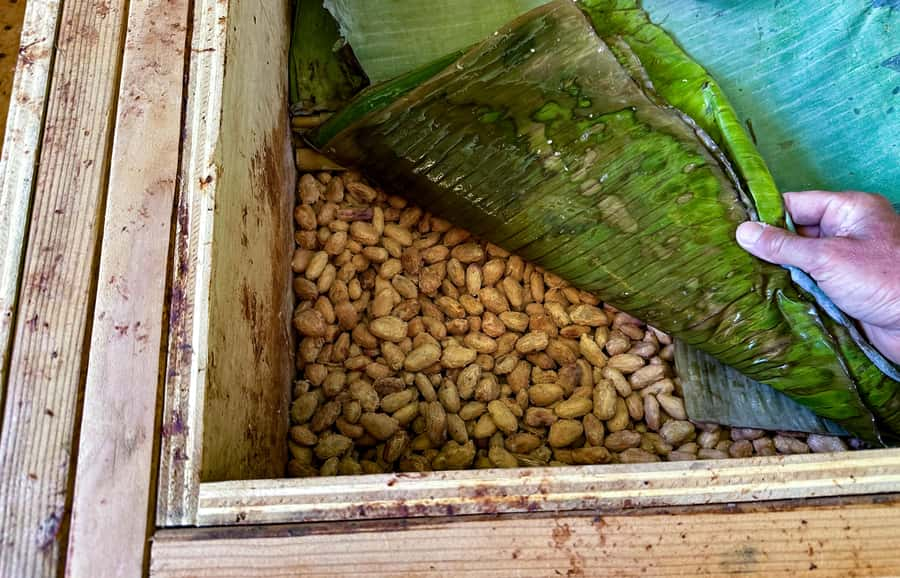
For me, the fermentation room is the most distinctive stop. A finished bar hides this stage, yet fermentation is one of the key points where ordinary cacao can become fine chocolate.
You learn what happens after cacao pods are opened and the beans are removed. The visit focuses on post-harvest processing and the science behind it, showing why fermentation is not simply a waiting period. It affects the flavor potential that later roasting and making will reveal.
The guide explains the process in accessible language, even when the subject turns technical. That balance matters. You can ask detailed questions about agriculture and processing without needing a background in food science.
This is also where the tour earns much of its $130 price. You are not only receiving a series of samples. You are getting access to a working farm operation and an explanation of the decisions that shape the samples. If you only want chocolate to eat, a shop will cost less. If you want to understand why the chocolate tastes different, this stop makes the fee easier to justify.
The fermentation visit is not likely to satisfy someone seeking a dramatic attraction. Its appeal is quieter and more practical. You look closely, listen, and connect the process to the tasting that follows.
Same countryside, another kind of harvest:
- Maui Pineapple Farm Tour in Haliimaile
★ 5.0 · 2,855 reviews - Half-Day Thoroughbred Horse Farm Tour in Kentucky
★ 5.0 · 1,924 reviews - Oahu: Kualoa Ranch Movie Sites and Ranch Tour
★ 4.5 · 1,655 reviews - Oahu: Kualoa Ranch UTV Raptor Tour
★ 4.5 · 1,569 reviews
Chocolate from ancient Mesoamerica to the craft era
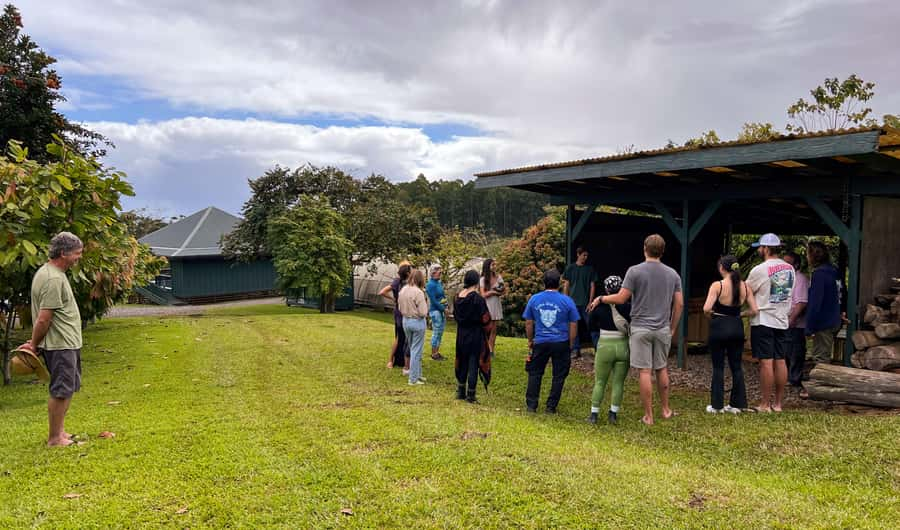
Back in the tasting room, the guide traces chocolate from ancient Mesoamerica to the modern craft movement. This section gives you cultural and historical context before the bars arrive.
You also learn how craft chocolate differs from mass-produced chocolate. The point is not simply that one is expensive and the other is cheap. The guide explains how sourcing, origin, processing, and flavor goals can differ, giving you a better way to judge what you are eating.
I appreciate this part because it helps prevent the tasting from becoming a parade of brand names. You are given a vocabulary for noticing aroma, texture, bitterness, acidity, sweetness, and other differences. You can then decide what you like instead of assuming that the most intense or costly bar is automatically best.
Wren has earned particular praise for making technical information understandable and for showing real enthusiasm for cacao. That passion is useful here. A dry lecture would slow the visit, but an engaged guide can make the history feel connected to the beans in front of you.
The presentation remains in English. If English is your second language, the guide is expected to explain scientific terms in plain language, but you should still allow time to ask for clarification if needed.
Tasting at least 10 Hawaiian chocolate bars
The final tasting is the centerpiece. You sample at least 10 single-origin craft chocolate bars, with cacao sourced from different farms across the Hawaiian islands. Some visits have included more than 10 bars, but the guaranteed minimum is 10.
Do not rush this part. The value comes from comparing the bars side by side. You may find clear differences in fruitiness, bitterness, sweetness, roast character, texture, or finish. The point is not to find one correct answer. It is to identify your own preferences.
One useful feature is the range of reactions the tasting can produce. Not every bar will suit every palate, and that is a good thing. A comparison is more educational when the samples do not all taste alike. You can learn why one bar works for you and another does not.
The tasting also puts the farm tour to work. After hearing about genetics, soil, climate, and fermentation, you have a chance to notice how those factors may show up in the cup and on the tongue. The guide helps you connect taste with origin rather than treating flavor as a mystery.
The amount of chocolate is worth considering. At least 10 bars can be substantial, especially when combined with other samples. Eat lightly beforehand if you want to focus, but do not arrive hungry enough to find a long tasting uncomfortable.
Cacao juice, roasted beans, tea, and farm treats
The chocolate bars are only part of the food tasting. You also try fresh cacao juice, roasted cacao beans, cacao tea, chocolate-covered macadamias, and seasonal fruits or other farm-fresh treats.
Fresh cacao juice is especially useful because it shows a side of the fruit that never appears in a standard chocolate bar. Roasted cacao beans offer another contrast: they are closer to the ingredient itself, with a firmer, more direct flavor.
The cacao tea adds a gentler option during a tasting that can otherwise become intense. You may also receive a chocolate drink, which has been singled out as a favorite part of the visit. Offerings can vary with the season, so think of these extras as part of the farm experience rather than a fixed menu.
Jude is known for keeping the tasting moving comfortably and serving the samples with care. That matters during a long session. Good pacing helps you pay attention instead of feeling as if you are being handed one bite after another.
At the end, you can buy the bars you tasted, along with chocolate tea and brewing chocolate. Purchases are not included in the $130 fee, so set aside extra money if you want edible souvenirs. Buying only your favorites is easy because the tasting has already helped you decide.
The tasting room views and time to linger
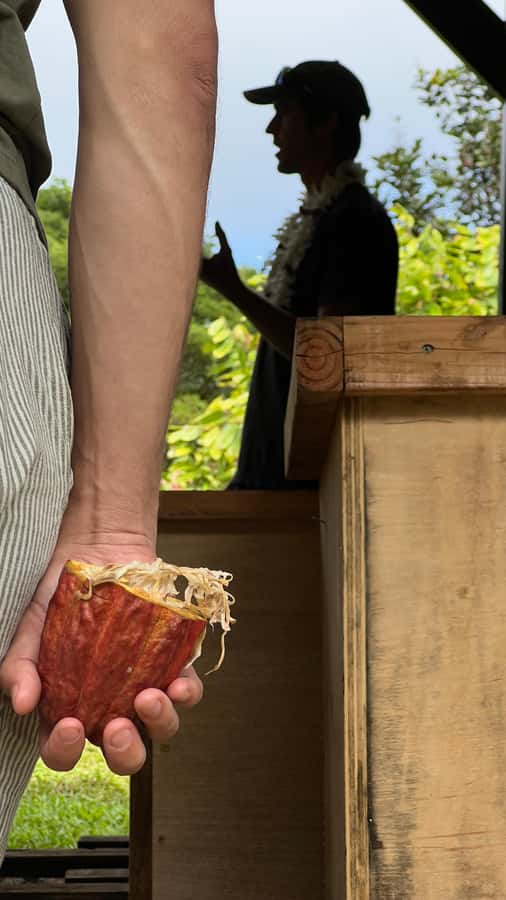
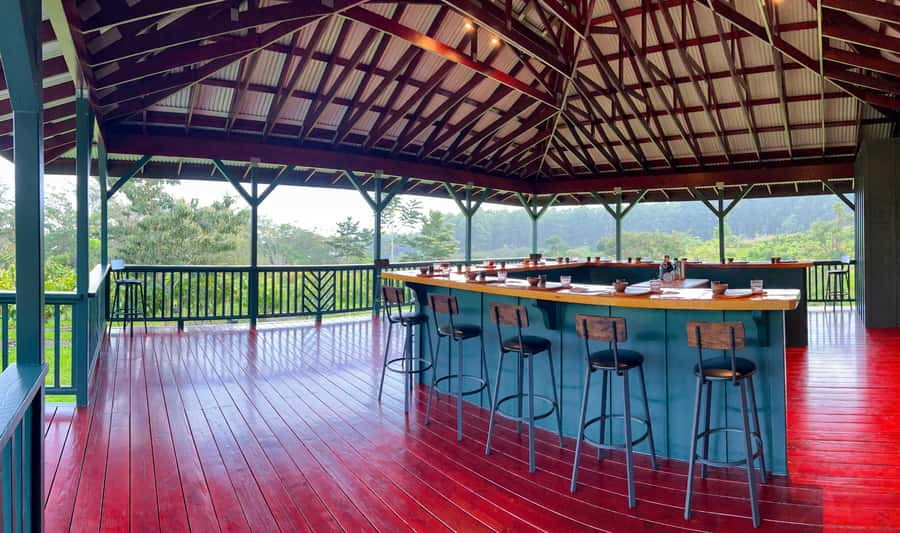
The tasting room sits above the orchard canopy and looks toward the ocean and valley. This is a pleasant setting for a three-and-a-half-hour program, especially after walking through the groves and discussing processing.
The view is not a substitute for the farm content, but it improves the rhythm of the visit. You have a comfortable place to talk, taste, and think about the differences between bars. The setting also helps this feel like a small agricultural outing rather than a factory tour.
You can stay after the formal program to relax in the tasting room or take a leisurely walk through the orchards. That flexibility is useful if you are not rushing to another Hilo activity.
The schedule lasts 210 minutes, though the exact starting time depends on availability. I would protect the full block rather than trying to squeeze it between short stops. The orchard walk, fermentation room, history talk, and tasting each need room to breathe.
Is $130 per person a fair price?
At $130 per person, this is a premium activity. I would not book it as a simple chocolate snack. The value comes from the combination of a guided orchard tour, access to the fermentation room, a history lesson, a scenic tasting room, and at least 10 single-origin bars.
The extras strengthen the case. You receive cacao juice, roasted beans, cacao tea, seasonal fruit, and other farm treats, not just small chocolate squares. You also get the chance to buy products you have already sampled instead of guessing at a shop counter.
The price makes the most sense if you enjoy food production, agriculture, and guided tastings. It makes less sense if you are looking for a short family activity, a casual dessert, or a low-cost stop near Hilo.
I also see value for people who want a more local experience. The drive follows backroads and reaches a family-owned farm in an agricultural area, rather than placing you in a standard retail setting. You spend time with people working to improve cacao production and craft chocolate making in Hawaii.
Who should book this experience?
I would recommend it to adults, couples, solo visitors, and families with children aged nine and older who enjoy learning through food. It is also a good fit for anyone who has visited vineyards, coffee farms, or other producer-led tastings and wants a similar experience centered on cacao.
Chocolate fans will get the most from the bar comparison. Gardeners, farmers, cooks, and curious eaters will appreciate the orchard and fermentation sections even if they are not chocolate specialists.
I would hesitate to recommend it to anyone with a tight schedule, limited mobility, or no reliable way to reach the farm. The walking and standing may require advance planning, and rideshare service is not guaranteed to be convenient at the rural entrance.
Free cancellation is available up to 24 hours before the start time, and you can reserve now and pay later. Those policies help if your Big Island plans are still shifting, but they do not solve the transportation question.
Should you book the Honolii Orchards tour?
Book it if you want to understand how Hawaiian cacao becomes craft chocolate, not simply taste a few sweets. The orchard walk, fermentation room, clear teaching, and wide comparison of Hawaiian bars give you a fuller experience than a standard tasting.
Skip it if you want a quick, inexpensive activity or if your group dislikes long explanations about farming and processing. For the right audience, the $130 fee buys three and a half hours of focused attention, unusual samples, and a better sense of what makes one chocolate different from another.
My practical advice is simple: use the exact Google Maps pin, allow extra driving time, arrange your return ride before you arrive, and keep room in your schedule to linger. If those details work for you, this is one of the more thoughtful food experiences near Hilo.
FAQ
How long does the Honolii Orchards chocolate tour last?
The experience lasts 210 minutes, or about three and a half hours.
How much does the tour cost?
The listed price is $130 per person.
Where does the tour begin?
It begins at 1533 Puia Road in Paukaa, Hawaii, near Hilo.
How far is the farm from Hilo?
The farm is about five minutes from Hilo, with the final 1.7 miles traveling up Puia Road.
What should I use for directions?
Use the provided Google Maps pin. Puia Road is mislabeled as Woa Road, so follow Google Maps street directions and ignore private road signs along the way.
How many chocolate bars will I taste?
You will taste at least 10 single-origin craft chocolate bars made with cacao from farms across Hawaii.
What other foods and drinks are included?
The tasting includes fresh cacao juice, roasted cacao beans, cacao tea, seasonal fruits, chocolate-covered macadamias, and other farm-fresh treats.
Is the tour offered in English?
Yes. The live tour guide speaks English.
Are children allowed on the tour?
Children under nine are not permitted. Unaccompanied minors are also not allowed.
Can I buy chocolate after the tour?
Yes. You can purchase the chocolates you tasted, as well as chocolate tea and brewing chocolate. These purchases are not included in the tour price.
Newly listed farm visits around the USA
- Gourmet Mushroom Farm Tour in Tennessee★ 5.0 · 5 reviews
- Cozy Farm Experience with Wagon Wheels and Acoustic Meal★ 5.0 · 2 reviews
- Farms, Flights: Finger Lakes Brewery Tour★ 4.5 · 25 reviews
- Scenic Scottsdale E-Bike Tour – 2 Hours★ 5.0 · 47 reviews
- Wine Country Farm to Table Bike Tour w/Lunch★ 5.0 · 31 reviews
- Santa Fe Farmers Market & Railyard Food Tour★ 5.0 · 2 reviews
- Mere Point Oyster Farm Tour★ 5.0 · 2 reviews
- The Hood-Columbia Loop: Timberline, Orchards, and Waterfalls★ 5.0 · 12 reviews
Cocoa and Chocolate Farm Tours, compared.
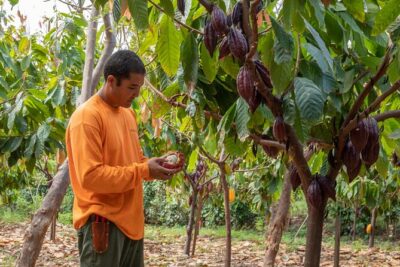
Maui Ku’ia Estate Guided Cacao Farm Tour and Tasting
Read our review →
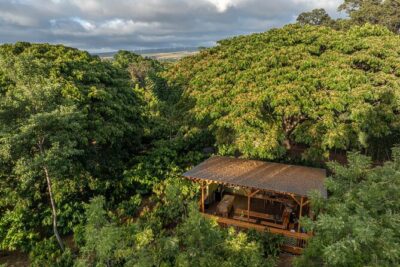
Craft Chocolate Tasting and Farm Experience on the Big Island
Read our review →
Cuenca to Guayaquil one-way tour with Cajas Park and a Cacao Farm visit
Read our review →
Experience Boti Waterfalls, Aburi Botanical Gardens & Tetteh Quarshie Cocoa Farm
Read our review →
Oahu: Chocolate Farm Tour with Tasting – Kamananui Cacao
Read our review →
Escape Accra City to Aburi Gardens and Tetteh Quarshie Cocoa Farms
Read our review →Browse the lists this tour appears in