
Review · AUSTRALIA
Bowral Honey Farm Tour, Honey Tasting & morning Tea
The best part of this one-hour visit is the chance to get close to active beehives without simply peering at them from a distance. Wearing a head veil, you stand alongside the hives as the beekeeper explains bee life, honey production, and the work behind each jar.
I like the hands-on hive visit and the guided honey tasting, where each honey is compared for colour, scent, thickness, texture, and flavour. The terrace, private lake, and rolling hills give the morning tea a fine setting. The main caution is that this is a compact experience, not a long farm day, and it is not suitable for people with insect allergies.
Key points at a glance
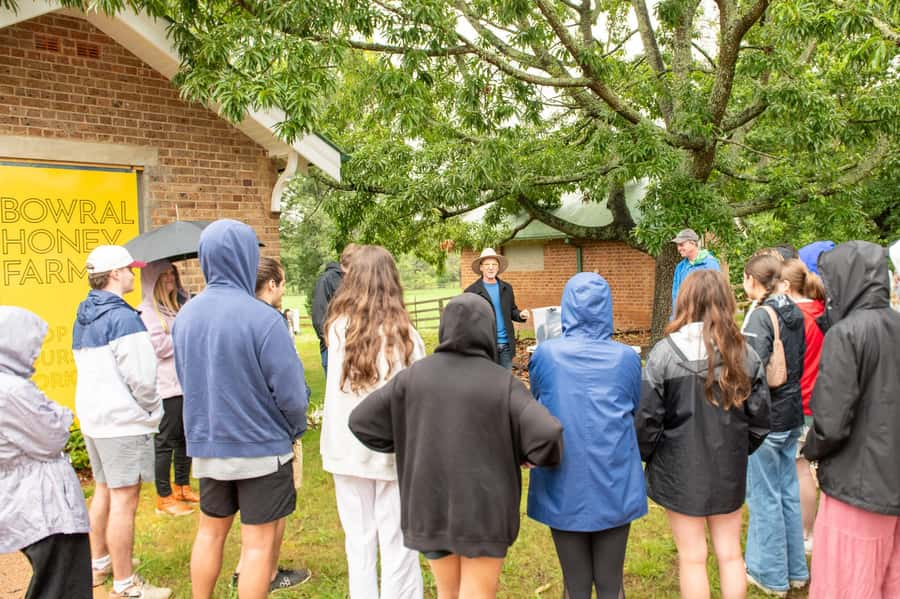
- A veil puts you beside the active hives: You can safely observe bees at work while listening to the beekeeper.
- The Flow Hive demonstration makes hive mechanics clear: An empty modern hive helps explain how honey is collected.
- The tasting goes beyond sweetness: You compare local raw honeys by appearance, aroma, viscosity, mouthfeel, and taste.
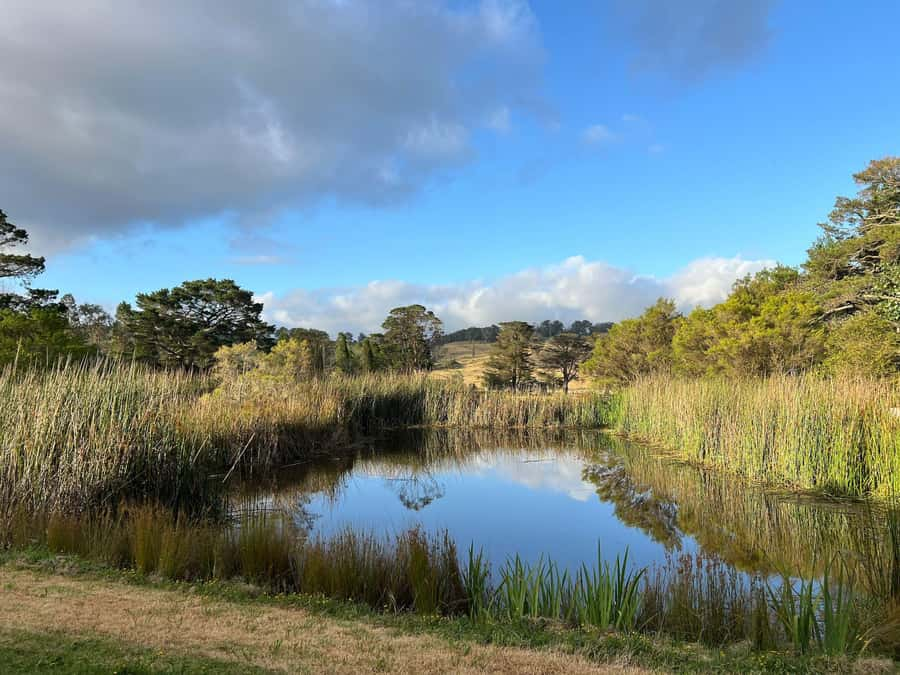
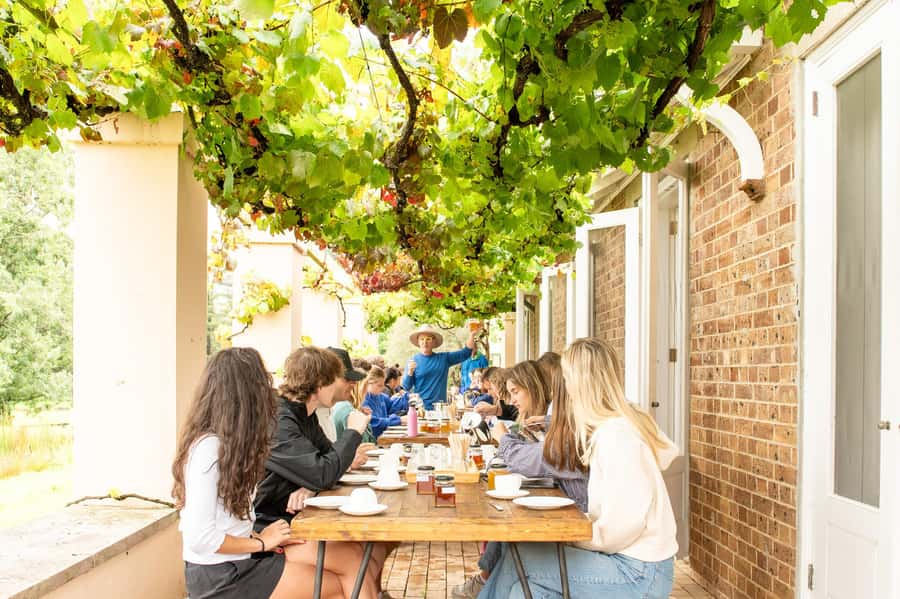
- Morning tea comes with a view: Leaf tea, coffee, and fresh sourdough are served on a terrace above a private lake.
- Retford Park adds a special setting: The farm sits on a National Trust property about five minutes from Bowral main street.
- The $29 price is fair for a focused hour: It works best as a morning activity added to a Southern Highlands day.
Getting close to the hives at Retford Park
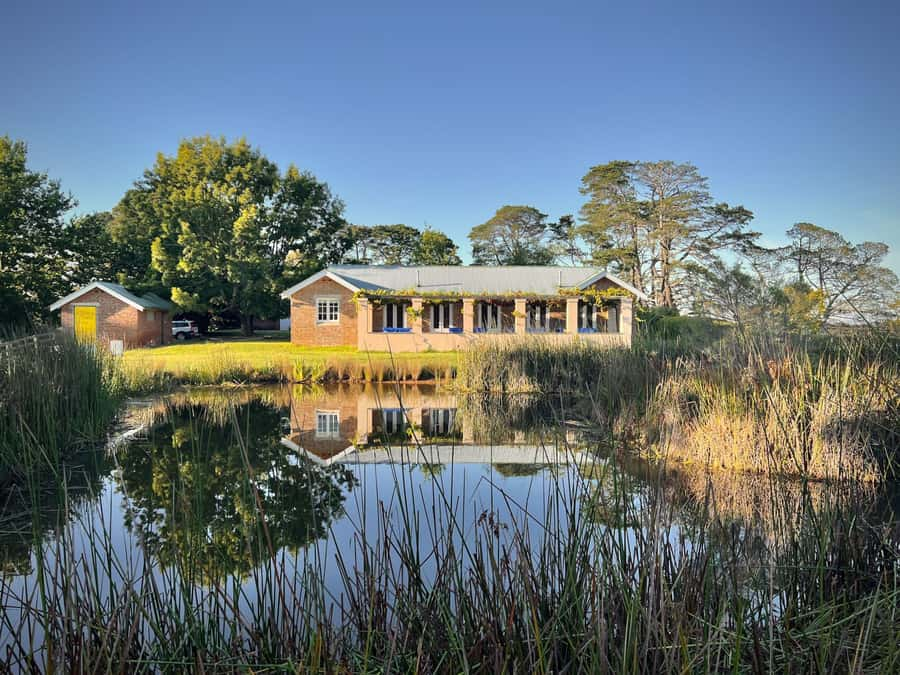
Bowral Honey Farm sits on the grounds of Retford Park, a National Trust property reached through the main gates at 1525 Old South Road, Bowral. The drive is long and formal, then turns off toward the apiary. Look for the hives and signage, with parking either in the paddock opposite or in the gravel parking area farther along.
That setting matters. You are not being taken to a generic indoor tasting room. The visit takes place beside working hives, with open views toward a private lake and distant hills. You get a sense of the place where the honey is made before you taste it.
Allow a little time to find the apiary after entering the property. The directions say to drive straight ahead along the main driveway and watch for the turn. Comfortable shoes, warm clothing, a hat, and sunscreen are sensible choices. The Southern Highlands can feel cool, especially during a morning visit.
The activity is offered in English with a live guide. Wheelchair access is listed, though the experience takes place around an apiary and outdoor grounds, so you may want to confirm the exact conditions when booking if you have particular access needs.
More Morning Tours in Australia:
- Morning Farm Experience near Gympie & Noosa
★ 5.0 · 20 reviews - Honey Farm Tour. Morning Tea. Guided Tasting
★ 5.0 · 3 reviews - Canberra: Alpaca Adventure Farm Tour (morning tea included)
★ 5.0 · 2 reviews
Five minutes of safety before meeting the bees
The visit begins with a short safety briefing of about five minutes. This is the right way to begin. Bees are calm working insects, but they are still insects, and an outdoor apiary needs a few clear rules.
You will wear a head veil for the guided section beside the hives. The veil lets you watch activity at close range while keeping your face protected. Bring clothing that feels comfortable outdoors, and do not smoke during the visit.
The experience is not suitable for people with insect allergies. That point should guide your decision more than any scenic setting or attractive price. If you have a serious allergy, this is not the place to test your luck.
The briefing also helps you understand what you are looking at. Without some explanation, a row of hives can appear quiet and mysterious. With the beekeeper pointing out the activity and explaining the colony, the boxes become a living workplace.
Twenty minutes beside active hives
The guided tour takes around 20 minutes and is the heart of the experience. With your veil on, you accompany the beekeeper along the hives and learn about the lifecycle of bees, their work as pollinators, and the process that turns flower nectar into honey.
The strongest feature here is access. You are not just hearing a talk about beekeeping from a comfortable distance. You are close enough to see the bees moving around their hives, while the guide explains what the colony is doing and why bees matter.
The focus on at-risk pollinators adds useful context. Bees are often reduced to a symbol on a honey label, but this talk connects honey production with the wider role bees play in pollinating plants. That makes the visit worthwhile even if you are more interested in nature than in buying a jar of honey.
The guide’s enthusiasm is an important part of the experience. The beekeeper presents the subject in a lively, accessible way, making the talk suitable for family groups as well as adults who want a better understanding of apiary work. You should expect information, but not a long technical course in entomology.
There is also a practical limit to keep in mind. The hive visit lasts about 20 minutes, so you will not spend hours watching the colony or taking part in beekeeping work. This is an introduction and a close look, not a full beekeeping lesson.
How the Flow Hive works
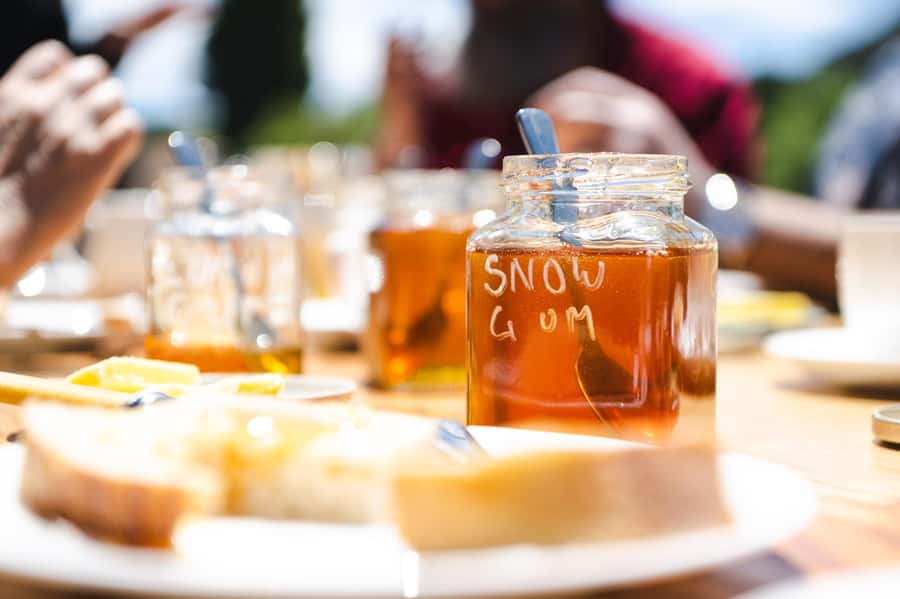
After the hive visit, the workshop section lasts about 15 minutes. A major feature is the demonstration of an empty Flow Hive, a modern hive design that helps show how honey can be collected.
Seeing the hive itself makes the explanation easier to follow. Rather than hearing only about frames, honey storage, and extraction, you can look at the equipment and understand the basic arrangement. The Flow Hive also gives the beekeeper a clear way to explain what happens inside a hive that you cannot simply open and inspect during a short public tour.
This section is especially useful if you have seen Flow Hive products advertised but never understood how they work. The demonstration is designed to explain the system, not to present a working hive full of bees. The supplied information specifically describes it as an empty Flow Hive, so you should not expect honey to flow in front of you during the demonstration.
The workshop also reinforces the earlier talk about bee life. You move from the living colony beside the hives to the equipment used by beekeepers. That combination gives the hour a good rhythm: first the bees, then the tools, then the honey.
More farm tours around Australia:
- Amazing Yarra Valley Wine Tour + Chocolate, Farm Fresh, Gin
★ 5.0 · 1,566 reviews - Hidden Gems: Boutique Full-Day Wine, Farm & Lunch Tour
★ 5.0 · 881 reviews - Melbourne: Yarra Valley Wine, Choc, Farm Fresh, Gin Tour
★ 4.9 · 258 reviews - 3- Hour Wine and Harvest the Hunter Horse Tour in Pokolbin
★ 5.0 · 165 reviews
Tasting local raw honey by floral source
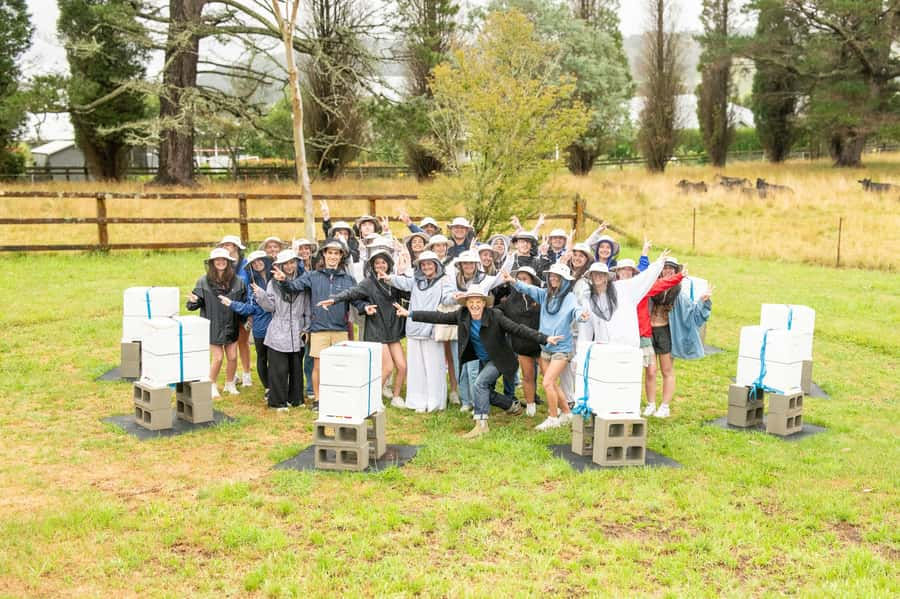
The final main part is a guided honey tasting of around 20 minutes. This is more carefully structured than simply passing around a jar and handing you a spoon.
You taste local raw honeys from different floral sources. The guide draws attention to each honey’s appearance, aroma, viscosity, mouth texture, and taste. You may find one honey pale and delicate, another darker or more strongly scented, and another thicker or more fluid. The point is to notice how much variety can come from a product that is often treated as one general flavour.
This is a good lesson in place and season, without requiring a lecture full of jargon. Flowers influence the character of honey, and the tasting lets you compare those differences directly. If you normally add honey to tea without thinking about it, you will leave with a better idea of why different honeys cost different amounts and taste so unlike one another.
The tasting includes Bowral honey, along with other local honeys from different floral sources. You can expect the session to be guided rather than rushed. It is a chance to ask questions and work out which flavours you prefer.
One practical note: the morning tea is a complement to the tasting, not a full breakfast or lunch. The included food is freshly baked sourdough, served with leaf tea and coffee. That is enough for a pleasant late-morning pause, but you should plan another meal if you need something substantial.
Morning tea on the terrace
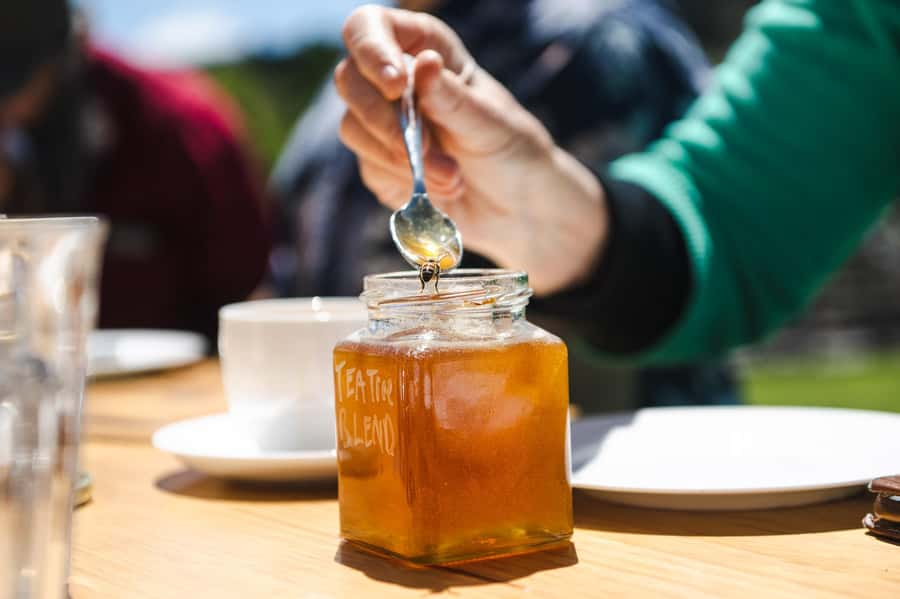
The tasting finishes on the terrace, where you look across the private lake toward rolling hills. This is where the activity slows down. After the safety briefing, hive visit, and workshop, you can sit with your tea or coffee, taste the honey with sourdough, and enjoy the property.
The setting is one of the reasons this works well for a Southern Highlands itinerary. You get a rural outing without giving up much of your day. The apiary is about five minutes from Bowral main street, so it is easy to pair with other time in town or nearby.
The terrace also gives the visit a social side. Families can compare which honey they prefer, and adults can enjoy the tasting without needing to treat it as a formal food class. The activity suits people who like local food, gardens, country properties, and short nature-based outings.
Do not expect a large catered meal or a long sit-down session. The terrace stop is roughly part of the 20-minute food tasting segment, and the total experience remains one hour. Its appeal is the combination of honey, scenery, and conversation, not the quantity of food.
What the $29 price delivers
At $29 per person, the experience offers reasonable value if you want several connected activities in a short time. The fee covers the guided farm tour, use of a veil for the hive visit, the bee and beekeeping talk, the Flow Hive demonstration, honey tasting, and morning tea with sourdough, tea, and coffee.
The price works particularly well for a family group or for anyone building a half-day around Bowral. You get a real apiary visit rather than only a retail stop, and the tasting adds a food element at no extra charge.
It is less compelling if you want a long farm visit, a full meal, or hands-on beekeeping. The one-hour length is both its strength and its limit. You can fit it into a busy Southern Highlands schedule, but you should not book it expecting an all-day rural experience.
Honey is available to buy after the visit. That gives you a chance to take home a flavour you liked, but buying honey is optional and separate from the tour. The farm also has honey available at its weekend farm gate stall.
Who will enjoy this hour most
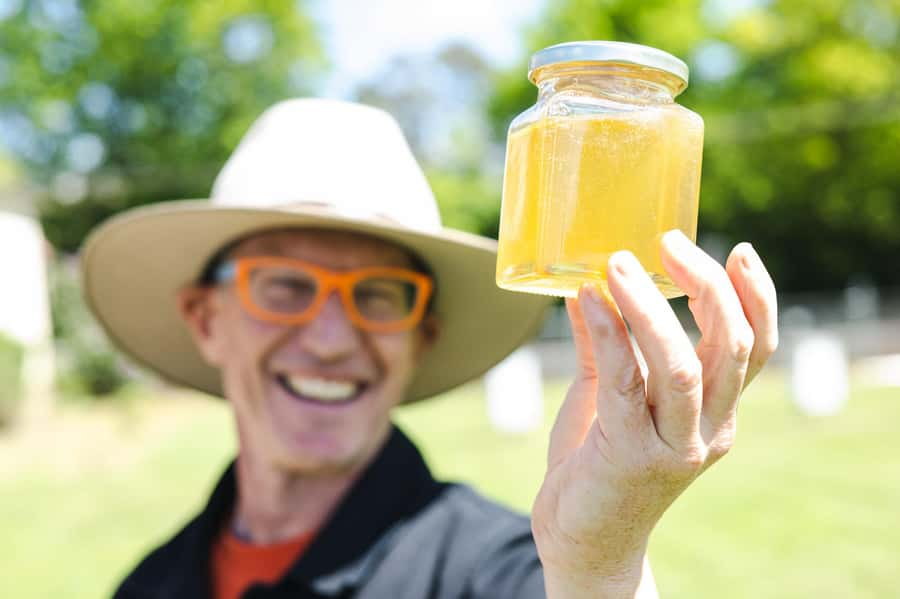
I would recommend this for families, couples, food lovers, and anyone curious about how honey reaches the jar. Children who can follow outdoor safety instructions should find the veiled hive visit and Flow Hive explanation more memorable than a standard museum display.
It also suits visitors staying in or around Bowral who want a short activity with a clear local connection. The Retford Park setting gives the visit a sense of place, and the tasting turns a lesson about bees into something you can experience with your senses.
This is a good choice for people who enjoy guided explanations. The beekeeper’s enthusiasm and clear presentation are central to the visit. If you prefer to wander alone or avoid insects entirely, the format may feel less comfortable.
People with insect allergies should not book. You should also dress for outdoor conditions, wear comfortable shoes, and bring warm clothing, a hat, and sunscreen. The visit is wheelchair accessible according to the activity information, but anyone needing detailed access arrangements should check before arriving.
Timing, cancellation, and practical planning
The tour lasts one hour, with a five-minute safety briefing, approximately 20 minutes beside the hives, a 15-minute Flow Hive workshop, and about 20 minutes for the tasting and morning tea. A short photo stop and time to shop round things out.
Transportation is not included. You need to reach Retford Park yourself and enter through the main gates at 1525 Old South Road. Parking is available in the paddock opposite the apiary or in the gravel area farther along.
The activity has free cancellation up to 24 hours before the start time for a full refund. You can also reserve and pay later, which helps if your Southern Highlands plans depend on weather or changing schedules.
One administrative warning is worth noting. A booking problem was reported after repeated attempts to change a date without receiving a return contact. That does not describe the tour itself, but it is a reason to confirm your booking details early and avoid leaving a date change until the last moment.
My call: book it for a compact Southern Highlands outing
Book the Bowral Honey Farm experience if you want a friendly, useful introduction to bees with a real hive visit, a clear Flow Hive demonstration, and a well-planned tasting. The $29 cost is sensible because it combines the tour, equipment demonstration, local honey, and morning tea in a scenic Retford Park setting.
Skip it if you have an insect allergy, need a full meal, or want a longer beekeeping workshop. For everyone else, this is a tidy one-hour addition to a Bowral day, with enough substance to teach you something and enough honey to make the lesson delicious.
FAQ
Where is Bowral Honey Farm?
Bowral Honey Farm is on the grounds of Retford Park, a National Trust property, at 1525 Old South Road, Bowral, New South Wales.
How long does the experience last?
The experience lasts one hour.
How much does the tour cost?
The price is $29 per person.
Do I get close to the bees?
Yes. You join the beekeeper beside the hives and wear a head veil so you can safely observe the bees.
Is protective clothing provided?
A head veil is included for the guided visit beside the hives.
What is a Flow Hive?
The Flow Hive is a modern hive system demonstrated during the workshop. An empty Flow Hive is used to help explain how a beehive works.
Is honey tasting included?
Yes. You taste local raw honeys from different floral sources, including Bowral honey.
Is morning tea included?
Yes. Morning tea includes leaf tea, coffee, and freshly baked sourdough to accompany the honey tasting.
Can I buy honey after the visit?
Yes. Honey is available for purchase after the tour, and it is also sold at the weekend farm gate stall.
Is the experience suitable for wheelchair users?
The activity is listed as wheelchair accessible.
What should I bring?
Bring comfortable shoes, warm clothing, a hat, and sunscreen.
Can people with insect allergies join?
No. The experience is not suitable for people with insect allergies.
Is transport to the farm included?
No. You are responsible for getting to and from the farm.
Can I cancel for a refund?
You can cancel up to 24 hours in advance for a full refund.
What language is the tour conducted in?
The live tour is conducted in English.
Newly listed farm visits around Australia
- Alpaca Farm Tours with Toffeemont★ 5.0 · 8 reviews
- One Hour Coral Farm Tour, Discover Australia’s Marine Life★ 5.0 · 15 reviews
- Hook-A-Barra Fishing and Farm Activity★ 5.0 · 47 reviews
- Macadamias Australia Orchard Tour in Bundaberg★ 5.0 · 15 reviews
- Oyster Farm Tour with Hotel Pick-up and return from Port Lincoln★ 5.0 · 11 reviews
- Group Live Pearl Harvest Experience – Perth★ 5.0 · 2 reviews
- Newcastle: Country Towns River & Farm Tour with BBQ★ 5.0 · 3 reviews
- Honey Farm Tour. Morning Tea. Guided Tasting★ 5.0 · 3 reviews
Australia Farm Tours, compared.
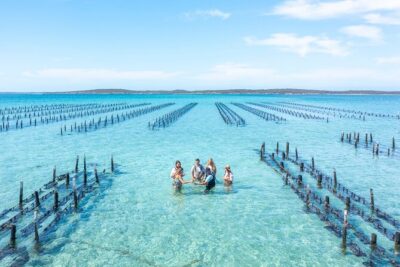
Experience Coffin Bay Oyster Farm and Bay Tour
Read our review →

Rockhampton: Koorana Crocodile Farm Guided Tour
Read our review →

Sea Cliff Bridge, Kiama Blowhole, Beaches & Wildlife Small Group
Read our review →
Hidden Gems Margaret River: Authentic Wine & Farm Experience
Read our review →
Sydney: Sea Cliff Bridge, Kiama Blowhole and Farmlands Tour
Read our review →Browse the lists this tour appears in