
Review · AUSTRALIA
Rockhampton: Koorana Crocodile Farm Guided Tour
The best part of Koorana Crocodile Farm is the chance to see crocodiles as working animals, wild creatures, and conservation subjects all at once. You begin with behavior and farm history, then head outside for feeding and a close look at eggs, hatchlings, and larger crocodiles. Holding a small crocodile adds a memorable hands-on moment.
I like the strong educational focus, especially the clear explanation of crocodile behavior and the link between conservation and commercial farming. I also like the seasonal timing: visit from December to February for nest raids and egg collection, or from February to May for a chance to see babies hatching. The main consideration is the heat and outdoor setting, so bring water, sunscreen, a hat, and insect repellent.
Key points to know before you go
- Queensland’s first commercial crocodile farm: Learn how Koorana developed and how crocodile farming connects with conservation.
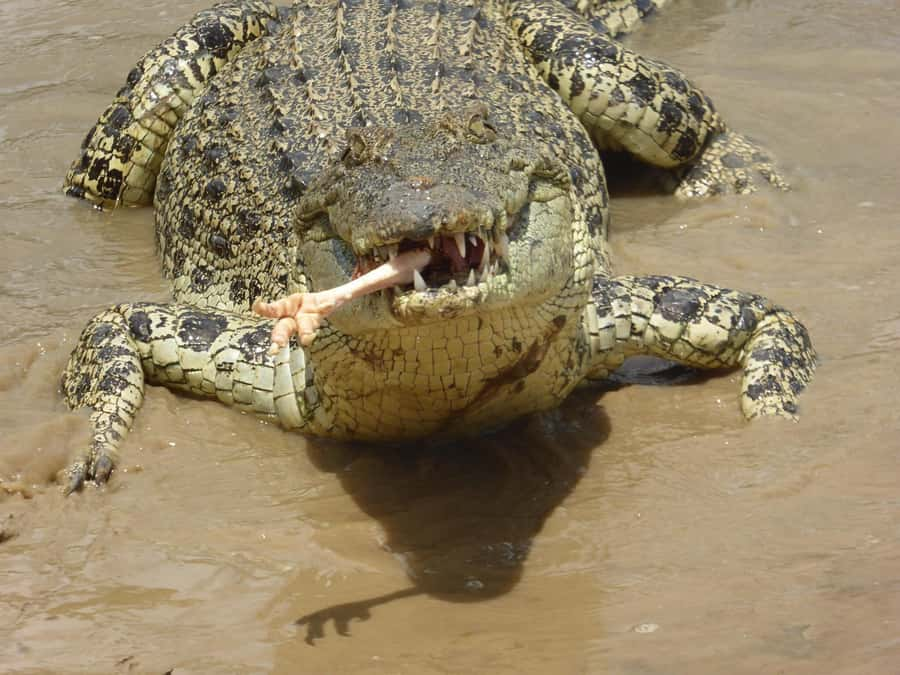
- A real feeding session: Watch farm staff feed the crocodiles and explain their behavior around food.
- Seasonal egg and hatching activity: Nest raids and egg collection run from December to February, while hatching takes place from February to May.
- Small crocodile photo opportunity: You can hold a young crocodile under staff supervision, an unusual addition to a short wildlife tour.
- Guides who make the difference: Kia and Mel are praised for clear explanations, humor, enthusiasm, and a strong respect for the animals.
- Good value at $28: A 90-minute guided tour includes the talk, video, farm walk, feeding, and hands-on photo opportunity.
What the Koorana Crocodile Farm tour is really about
Koorana is not simply a place to point a camera at crocodiles. The 90-minute tour is built around understanding how these animals behave and why crocodile farming exists in Queensland.
That distinction matters. You are not just watching large reptiles wait for food. You are learning how crocodiles live, how staff handle them, how eggs are collected, and how commercial use and conservation can operate side by side.
The tour is led in English, and the guide controls the pace. Guides including Kia and Mel have received particular praise for making the information easy to follow, adding humor, and keeping the group involved. Kia is noted for his enthusiasm and careful attention to safety, while Mel is praised for knowing the subject well and helping make the hands-on moment fun.
The tone is practical rather than theatrical. Expect facts about behavior, farming, breeding, and the crocodiles’ place in the natural world. If you want a fast thrill with little explanation, this may feel talk-heavy. If you like understanding what you are looking at, the format works well.
More Guided Tours in Australia:
- Bundaberg: Monsoon Aquatics Coral Farm Guided Tour
★ 4.9 · 25 reviews - Bundaberg: Splitters Farm Guided Tour
★ 4.5 · 5 reviews - Guided Paspaley Pearl Farm Tour with Return Transfers
★ 4.0 · 4 reviews
Starting with conservation, farming, and crocodile behavior
The tour begins with an introductory talk about crocodile conservation and commercialization. This gives you the basic context before you meet the animals outdoors.
You will also watch a video presentation about crocodile behavior and the farm’s history. This is useful because crocodiles can look inactive for long periods. The video helps explain what you are seeing later, including why the animals move, feed, or remain still.
I like this order. You get the information first, then the chance to apply it while looking at live crocodiles. It turns the farm walk into more than a series of enclosures.
The conservation discussion is also important for families. Children often remember the moment they hold a baby crocodile, but the talk helps place that moment in a larger picture. You learn that these animals are not simply props for photographs. They are predators with particular habits, breeding cycles, and care needs.
Some information may come quickly, especially for visitors who are not fluent in English. One person found the guide’s delivery a little fast at times. If you need a slower explanation, ask questions as you go. The guides are described as willing to involve the group and explain details.
Walking the farm and watching feeding time
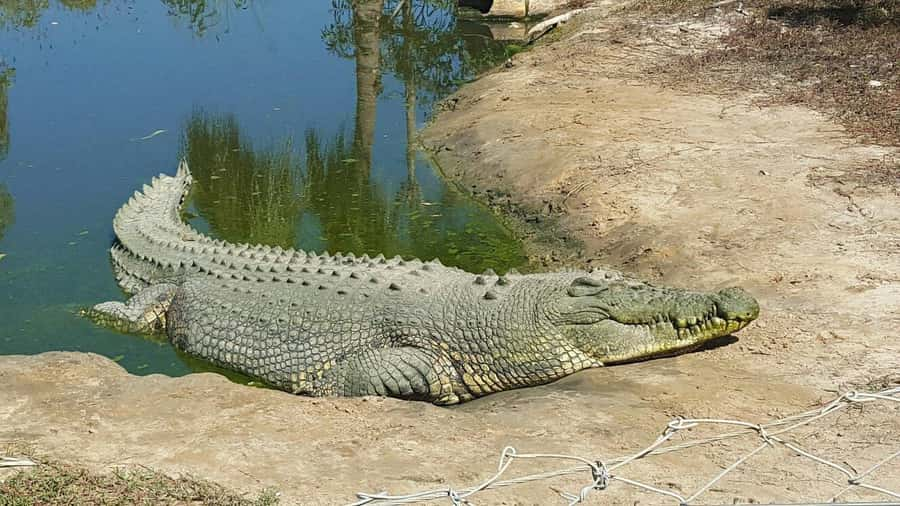
After the introduction, you take a walk around the farm and watch staff feed the crocodiles. This is usually the most active part of the tour.
Feeding gives you a reason to watch closely. You can see how the animals respond to food, how staff position themselves, and how safety remains central. The guides explain what is happening rather than simply tossing food and moving on.
That safety focus is reassuring, especially if you are visiting with older children. The crocodiles may be close, but the activity is controlled by trained staff. You should still follow every instruction and keep your attention on the guide, not just on your camera.
The feeding session may not produce constant action. One visitor felt that the presentation talked up the feeding more than the actual movement justified. That is a fair warning. Crocodiles do not perform on demand, and the value of this part comes as much from the explanation as from the moment of feeding itself.
You may see several animals during the walk, though the exact selection can vary. One comment noted seeing mainly the breeding pairs. That can be useful if you want to understand the farm’s breeding work, but it may feel less varied than a large wildlife park with many different species.
Holding a small crocodile for a photo
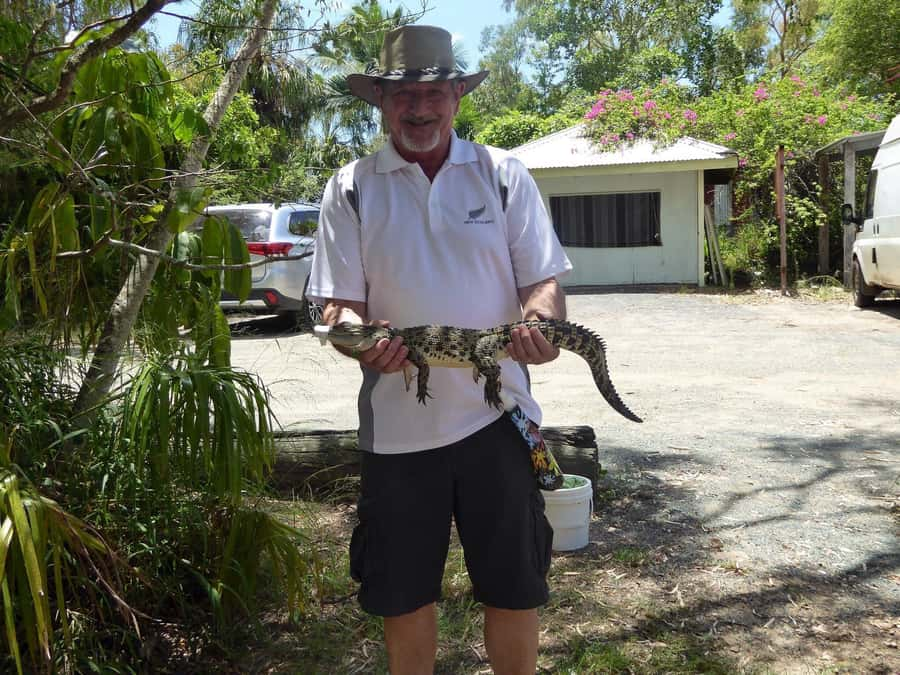
The hands-on photo opportunity is the tour’s most memorable feature for many people. Under staff direction, you can hold a small crocodile and have a photograph taken.
This is not a chance to handle a large animal or wander around with a crocodile. It is a brief, supervised activity involving a young crocodile. The guide shows you what to do, and safety remains the priority.
I like that the photo opportunity comes after the behavior talk. You have already learned why correct handling matters, so the moment feels less like a novelty and more like a controlled introduction to the animal.
It is especially appealing for families and anyone who wants one strong souvenir from the visit. Children under three are not suitable for the tour, and pregnant women are also listed as unsuitable. Parents should consider each child’s comfort around reptiles before booking. Some children will be thrilled; others may prefer to watch from a distance.
There is one pricing detail worth checking. The stated tour price is $28 per person and includes the guided visit and the hands-on photo opportunity. One comment referred to paying $40 to hold a baby crocodile, so ask about the current arrangement when you book if the photo is important to you. Prices and inclusions can change.
More farm tours around Australia:
- Amazing Yarra Valley Wine Tour + Chocolate, Farm Fresh, Gin
★ 5.0 · 1,566 reviews - Hidden Gems: Boutique Full-Day Wine, Farm & Lunch Tour
★ 5.0 · 881 reviews - Melbourne: Yarra Valley Wine, Choc, Farm Fresh, Gin Tour
★ 4.9 · 258 reviews - 3- Hour Wine and Harvest the Hunter Horse Tour in Pokolbin
★ 5.0 · 165 reviews
Eggs, nest raids, and the chance to see hatching
Koorana becomes especially interesting at certain times of year because crocodile breeding is part of the visit.
From December to February, staff may carry out nest raids to collect eggs. This gives you a look at a stage of farm work that is normally hidden from visitors. You learn how eggs are gathered and why timing matters.
From February to May, you may see baby crocodiles hatching. This is not guaranteed, since hatching depends on the animals and the season, but the timing gives you a better chance of seeing this part of the cycle.
The eggs and hatching process add real substance to the tour. Instead of viewing crocodiles only as adults being fed, you see how the farm manages reproduction and young animals. For anyone interested in animal care, this may be the most useful part of the visit.
If hatching is your main reason for going, choose your dates carefully and confirm what is likely to be happening. Seasonal activities are included when available, but nature does not follow a strict show schedule.
How the $28 price measures up
At $28 per person, this is a reasonably priced 90-minute activity. Your admission covers the fully guided tour, introductory talk, behavior video, farm walk, feeding session, and small crocodile photo opportunity.
The value depends on what you want from a wildlife visit. If you want a large attraction with many animal species, rides, or a full day of entertainment, Koorana may feel limited. If you want focused information about crocodiles, the price is easier to justify.
You are paying for a specialist experience rather than a general zoo visit. The guide’s explanations are central to the value, and strong guides can make the difference. Kia and Mel are both praised for keeping the tour informative and lively, even on hot days.
Food and drinks are not included. One visit included crocodile steak at lunch, but that should not be assumed as part of this tour. Plan to buy food separately or arrange it outside the 90-minute activity.
The booking terms are useful if your plans are uncertain. You can reserve and pay later, and cancellation is available up to 24 hours before the activity for a full refund. Starting times vary, so check availability for your chosen date.
Heat, clothing, and what to bring
This is an outdoor farm visit in Queensland, and the weather can shape your comfort. One visit in hot conditions remained enjoyable because of the guide, but heat still deserves attention.
Wear comfortable shoes for the farm walk. Bring water, sunscreen, a hat, and insect repellent. A camera is useful for the small crocodile photo and for the farm itself.
The advice is simple:
- Wear shoes suitable for walking.
- Carry water throughout the visit.
- Apply sunscreen before arrival.
- Bring a hat for exposed areas.
- Use insect repellent if you are prone to bites.
- Take a camera, but keep your attention on the guide during feeding and handling.
Bad weather does not automatically ruin the tour. One visit was considered worthwhile despite poor conditions because the guide kept the information engaging. Still, the farm walk is less comfortable in rain or extreme heat, so dress for the forecast.
Who will enjoy this tour most
I would recommend Koorana to families with children over three, wildlife enthusiasts, and anyone curious about crocodile behavior. It also suits visitors based around Rockhampton or the Capricorn Coast who want a short activity with a clear focus.
The tour is particularly good for you if:
- You enjoy learning how animals behave.
- You want a supervised wildlife encounter.
- You are interested in breeding and conservation.
- You like guided activities rather than exploring alone.
- You want a memorable photo without committing to a full-day attraction.
- You are visiting during the egg collection or hatching season.
It may not suit you if you dislike reptiles, want a completely indoor activity, or expect nonstop action. The farm focuses on crocodiles, and feeding does not guarantee dramatic movement every minute.
The English-language format is fine for most visitors, but some explanations may feel fast if English is not your first language. Do not hesitate to ask the guide to repeat an important point.
Family appeal without losing the serious message
The baby crocodile photo is an obvious hit with children, but the tour offers more than a quick thrill. The behavior video and feeding session give young visitors several ways to learn, while the seasonal eggs and hatching can make the animal life cycle easier to understand.
Parents should prepare children for the fact that crocodiles are not cuddly pets. The holding session is brief and carefully managed. The rest of the visit involves looking, listening, and following safety instructions.
The guide’s personality matters here. A warm, humorous guide can keep children interested during the talk, while clear safety instructions help everyone stay calm around the animals. Kia is specifically praised for making the tour special on a hot day, and Mel is praised for combining subject knowledge with fun.
Should you book Koorana Crocodile Farm?
Book it if you want a focused, informative crocodile encounter with a feeding session and a supervised photo opportunity. At $28 for 90 minutes, the tour offers good value, especially during the December to May period when nest work, egg collection, or hatching may add another layer to the visit.
Choose your timing with care if baby crocodiles are your priority, and confirm the current handling or photo price before booking because one reported amount differs from the stated $28 admission. Bring water, sunscreen, and a hat, and allow the guide’s explanations to be as important as the photographs.
Skip it if you want a large animal park, a full-day attraction, or guaranteed high-energy action. For a compact Rockhampton-area activity that combines crocodile behavior, farm practice, conservation, feeding, and a close encounter, Koorana is a strong choice.
FAQ
How long does the Koorana Crocodile Farm tour last?
The guided tour lasts 90 minutes.
How much does the tour cost?
The stated price is $28 per person.
What is included in admission?
Admission includes the 90-minute guided tour, conservation and commercialization talk, crocodile behavior video, farm walk, feeding session, small crocodile photo opportunity, and seasonal activities when available.
Is the tour conducted in English?
Yes. The tour has a live English-speaking guide.
Can I hold a small crocodile?
Yes. The tour includes a supervised hands-on photo opportunity with a small crocodile. Confirm the current price and arrangement when booking, as one comment referred to a separate $40 charge.
When can I see crocodile eggs being collected?
Nest raids and egg collection take place from December to February, depending on the season and farm activity.
When might I see baby crocodiles hatch?
Hatching may be seen from February to May, depending on the season.
What should I bring?
Bring comfortable shoes, a camera, sunscreen, water, and insect repellent.
Newly listed farm visits around Australia
- Alpaca Farm Tours with Toffeemont★ 5.0 · 8 reviews
- One Hour Coral Farm Tour, Discover Australia’s Marine Life★ 5.0 · 15 reviews
- Hook-A-Barra Fishing and Farm Activity★ 5.0 · 47 reviews
- Macadamias Australia Orchard Tour in Bundaberg★ 5.0 · 15 reviews
- Oyster Farm Tour with Hotel Pick-up and return from Port Lincoln★ 5.0 · 11 reviews
- Group Live Pearl Harvest Experience – Perth★ 5.0 · 2 reviews
- Newcastle: Country Towns River & Farm Tour with BBQ★ 5.0 · 3 reviews
- Honey Farm Tour. Morning Tea. Guided Tasting★ 5.0 · 3 reviews
Australia Farm Tours, compared.
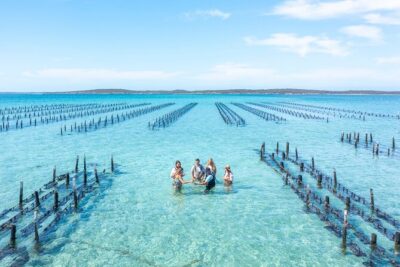
Experience Coffin Bay Oyster Farm and Bay Tour
Read our review →
Sea Cliff Bridge, Kiama Blowhole, Beaches & Wildlife Small Group
Read our review →
Hidden Gems Margaret River: Authentic Wine & Farm Experience
Read our review →
Sydney: Sea Cliff Bridge, Kiama Blowhole and Farmlands Tour
Read our review →Browse the lists this tour appears in