
Review · AUSTRALIA
Bundaberg: Monsoon Aquatics Coral Farm Guided Tour
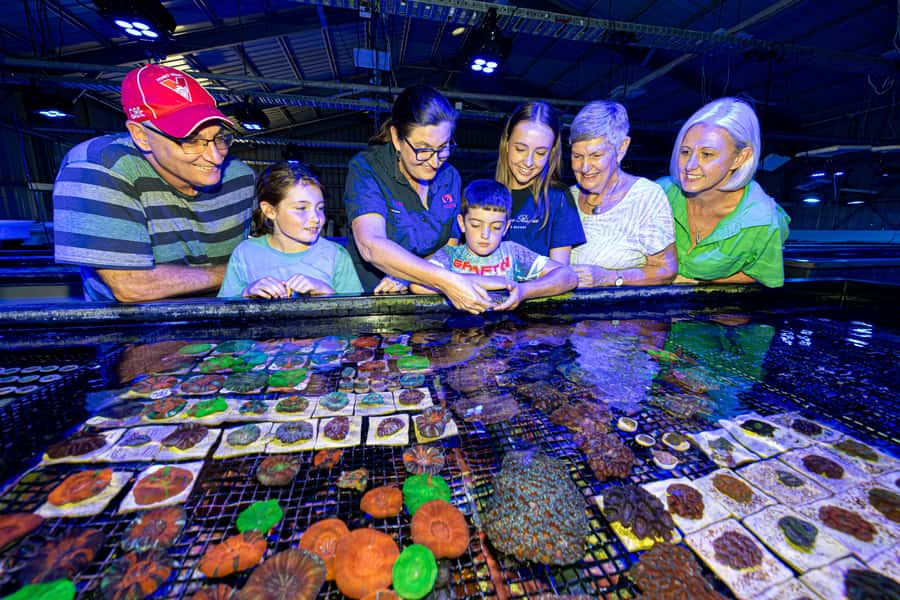
Australia’s largest coral farm is not an aquarium with polished display tanks. It is a working site where coral is grown, studied, and cared for. In one hour, you see rows of coral in different stages of growth, watch a feeding demonstration, and learn how this work may help replenish damaged reefs.
I like the close look at coral cultivation and the guides’ ability to explain marine science in plain language. I also like the small-group format, which gives you time to ask questions and lets the guide adjust the talk for children. The main drawback is simple: if you want a traditional aquarium with large tanks and lots of fish swimming through mature coral, this is not that kind of visit.
Key points at a glance
- 70,000-plus corals: See a working collection rather than a standard aquarium display.
- One-hour guided visit: A compact, focused activity that fits easily into a Bundaberg day.
- Live coral-feeding demonstration: Watch the farm team care for the animals and explain their needs.
- Reef restoration research: Learn how coral growing may support the future of Australia’s reefs.
- Family-friendly teaching: Guides explain the science in terms children can follow, though very young children may find the tanks less exciting than a showy aquarium.
- Easy Port of Bundaberg location: The farm is about 20 minutes from central Bundaberg, with onsite parking for cars and RVs.
A working coral farm, not a showy aquarium
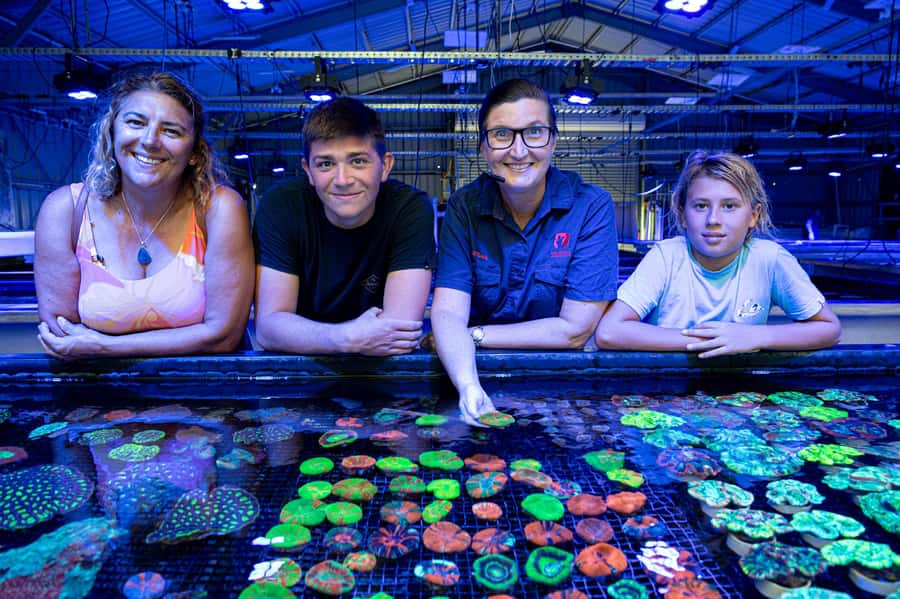
The first thing to understand is the setting. Monsoon Aquatics Coral Farm is a production and research facility, not a large public aquarium built around dramatic exhibits. You will see long tanks, coral attached to small tiles, and colonies at several points in their growth.
That practical setup is exactly what makes the tour worthwhile for anyone curious about how coral is grown. Instead of only admiring a finished reef, you get to see the care and patience behind it. The guide explains how coral is nurtured, fed, monitored, and prepared for future use.
The farm holds more than 70,000 corals and 200 marine species sourced from around Australia’s coastline. That number gives the visit real scale, but the experience is still personal. A live guide leads you through the facility rather than sending you from sign to sign.
I would set your expectations before you arrive. You are coming to learn how coral works and how people raise it. You are not coming for a large underwater spectacle with huge fish tanks.
More Guided Tours in Australia:
- Rockhampton: Koorana Crocodile Farm Guided Tour
★ 4.8 · 136 reviews - Bundaberg: Splitters Farm Guided Tour
★ 4.5 · 5 reviews - Guided Paspaley Pearl Farm Tour with Return Transfers
★ 4.0 · 4 reviews
What happens during the one-hour tour
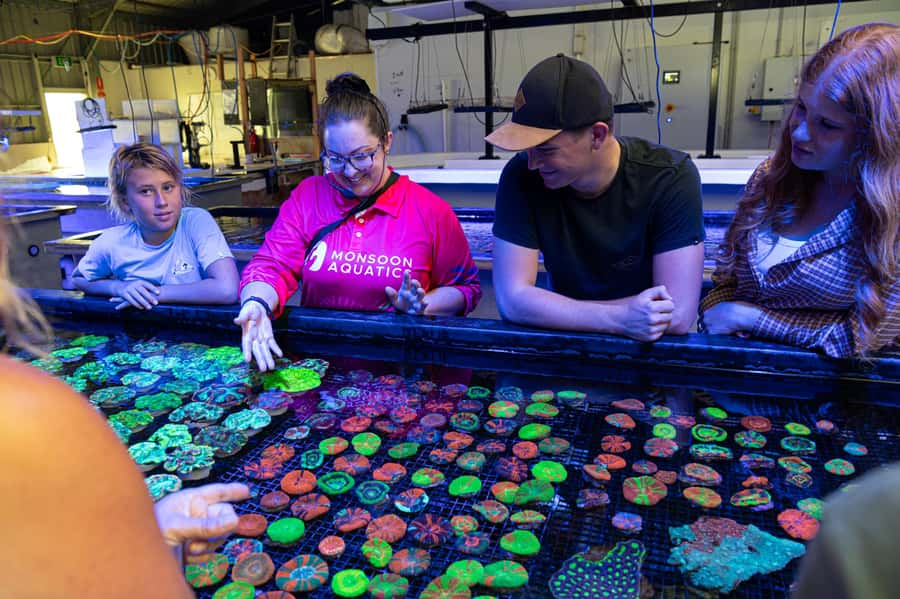
The tour begins on the veranda, where you meet your English-speaking guide. From there, the visit moves through the working coral farm in a guided group. The precise route and start time depend on the day’s schedule, so check availability when booking.
The first part gives you a sense of the collection. You will see corals in different sizes and stages of development, along with marine species from around Australia. This is useful because it shows coral as a living animal that needs careful conditions, rather than as a colourful object that simply grows on its own.
Your guide then explains the practical side of coral cultivation. You learn how coral is attached to small tiles, how it is grown, and how the farm team looks after it. The process combines biology, careful observation, and plenty of routine work. A particularly enthusiastic guide can make these details accessible even if you have never studied marine science.
A live feeding demonstration adds movement to what could otherwise be a fairly quiet visit. You see how coral is fed and hear why this care matters. The demonstration helps you understand that coral is alive and responsive, not merely the hard structure left behind after an animal dies.
The tour also introduces the farm’s research connected with reef restoration. You will not leave with a promise that one coral farm can solve every reef problem. Instead, you gain a clearer idea of how growing coral and supporting reproduction can form part of wider conservation work.
The final stop is the clownfish collection. This is likely to be the easiest moment for children to connect with, especially for anyone who knows clownfish as Nemo. It also gives the tour a cheerful finish after the more technical explanation of coral growth.
The guides make the science easier to follow
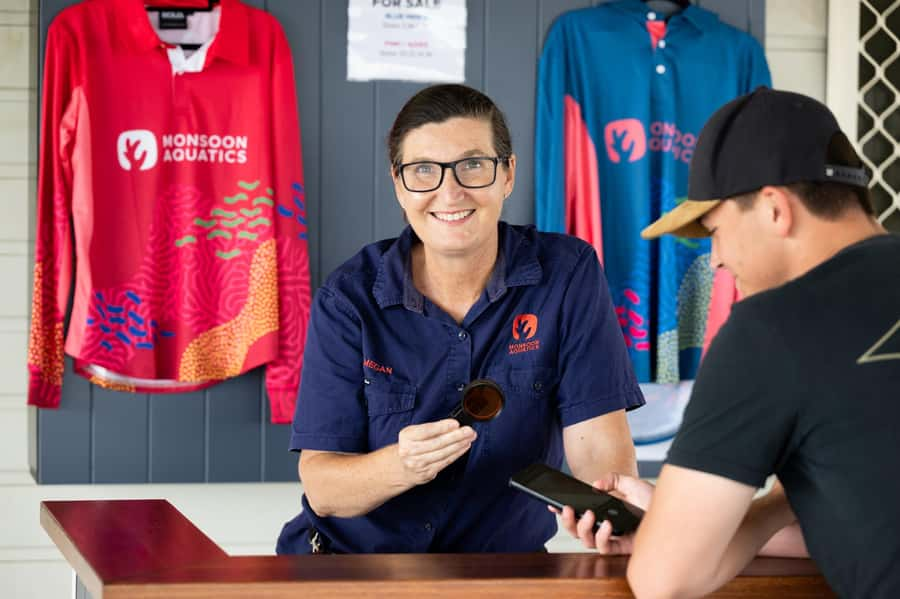
The strongest part of this experience is the guiding. The available feedback repeatedly highlights guides who are enthusiastic, clear, and happy to answer questions. One guide was especially good at using words children could understand and relate to, while another took time to engage the whole group and even offered to take family photos.
That matters here. A coral farm can look like a series of long tanks if nobody explains what you are seeing. The guide turns those tanks into a story about animal care, reproduction, growth, and reef repair.
You should feel free to ask questions during the visit. The small-group setup gives you a better chance of being heard than you would have on a large, scripted tour. The guides are passionate about the work, and that enthusiasm helps keep the subject from feeling dry.
The tour is conducted in English. If you understand basic conversational English, you should be able to follow the main ideas, since the explanations are designed for a general audience rather than specialists.
Why the farm matters for reef conservation
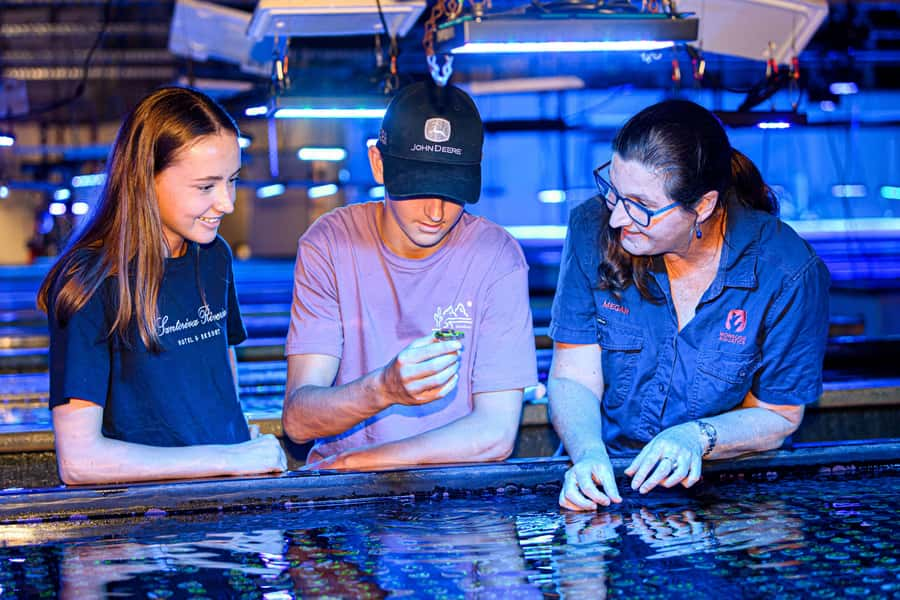
Coral reefs are easy to admire and hard to understand. At a beach or snorkelling site, you may see colour and movement, but not the work required to help coral survive. Monsoon Aquatics gives you a look at that less visible side of reef protection.
The farm’s coral reproduction work offers a hopeful but grounded message. Coral can be grown under controlled conditions, and research can help people understand how to support reef recovery. The visit does not present conservation as a simple fix. It shows that reef care requires science, time, and close attention to living creatures.
This is also why the tour has more value than a quick look at pretty coral. You leave with a better sense of the difference between living coral and old reef structure. You also see how a working facility can support education, research, and responsible coral production.
I appreciate that the experience connects beauty with responsibility. You still get colour, unusual shapes, and marine life, but you also learn what it takes to keep those animals healthy.
More farm tours around Australia:
- Amazing Yarra Valley Wine Tour + Chocolate, Farm Fresh, Gin
★ 5.0 · 1,566 reviews - Hidden Gems: Boutique Full-Day Wine, Farm & Lunch Tour
★ 5.0 · 881 reviews - Melbourne: Yarra Valley Wine, Choc, Farm Fresh, Gin Tour
★ 4.9 · 258 reviews - 3- Hour Wine and Harvest the Hunter Horse Tour in Pokolbin
★ 5.0 · 165 reviews
What the tanks are really like
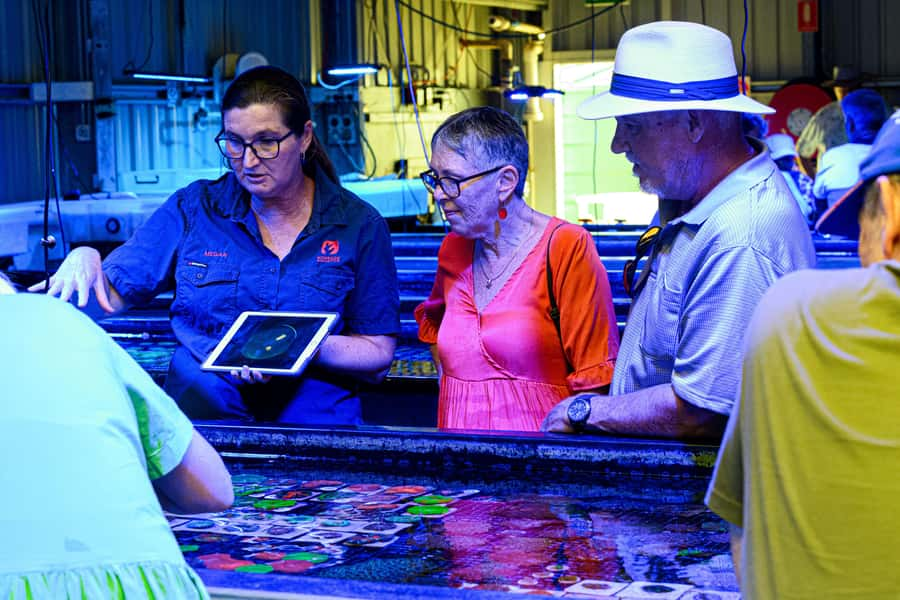
A few practical details will help you decide if this suits you. The coral is presented in long tanks, with many colonies growing on small tiles. Some sections may feel more like a nursery or laboratory than a public aquarium.
That is a strength if you enjoy process. You can compare coral at different stages and see how a working farm is organized. You are close to the subject, and the guide can point out details you might miss on your own.
It can be less satisfying if your ideal marine visit involves large display tanks, big schools of fish, or a fully grown reef scene. One especially fair assessment of the experience described it as educational rather than an aquarium-style tour, while also wishing for one or two larger tanks with mature coral and colourful fish.
I would not treat that as a flaw so much as a choice of format. This tour offers access to the growing process. A public aquarium offers a finished display. Know which one you want before booking.
Is it good for families?
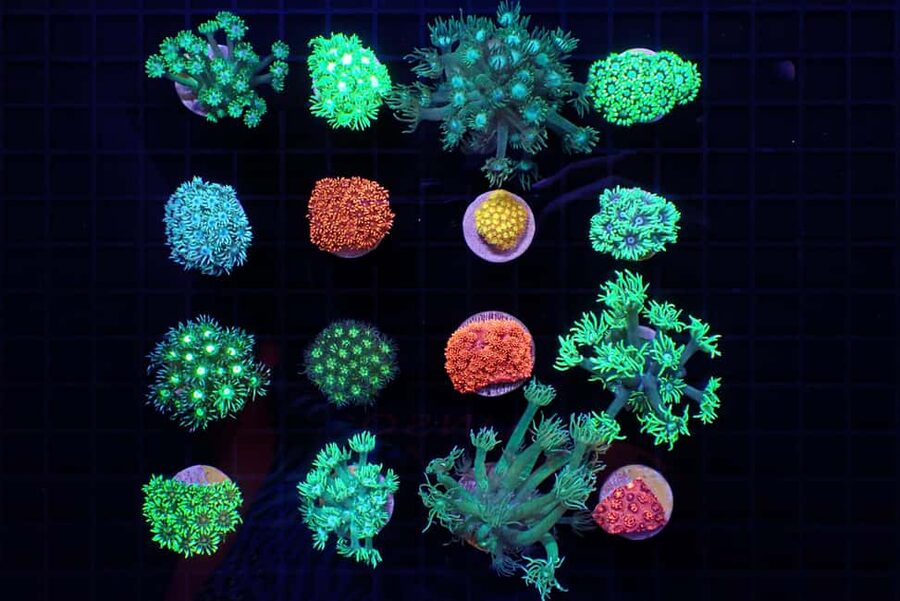
The tour can work well for families, especially when children enjoy animals and ask questions. The guides are used to explaining the subject in simple terms, and the clownfish collection gives younger visitors a familiar point of interest.
The experience may suit older children particularly well because it asks them to look closely and listen. They will see how coral is raised rather than simply watching fish swim past. A guide who involves the children can make the science feel like a discovery instead of a lecture.
Very young children may have a different experience. If they need constant action, loud displays, or big animals, the rows of growing coral may not hold their attention for the whole hour. The visit is calm and educational, not a theme-park attraction.
For families, I would prepare children in advance by explaining that they are visiting a coral nursery. Tell them they will see tiny and growing coral, learn how it is fed, and finish with clownfish. That simple explanation sets the right expectations.
A good value activity near Bundaberg
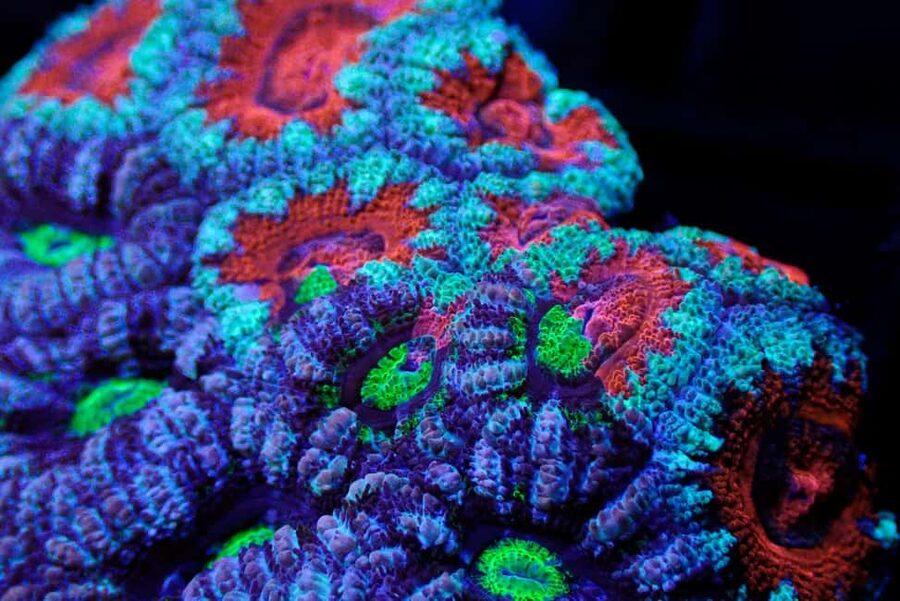
The tour costs $22 per person and lasts one hour. I consider that fair value if you want a guided, educational activity rather than a long attraction with extensive entertainment.
The price includes the guided group tour through the farm. You are paying for access to a working facility, a guide’s explanation, the feeding demonstration, and the chance to see a large coral collection up close. The value improves if you are already interested in reefs, marine biology, conservation, or responsible tourism.
It may feel less good value if you only want a quick photo stop. The tour takes time to explain what is happening, and the appeal comes from understanding the process. If you skip the explanation, you miss much of what you paid for.
The location helps. Monsoon Aquatics is at the Port of Bundaberg on the Burnett River, about 20 minutes from central Bundaberg. You can build the visit into a wider day around Bundaberg without committing to a half-day excursion.
Refreshing Bundaberg Brewed Drinks, local macadamias, and a gift shop are available onsite. These extras are useful before or after the tour, but they are not the main reason to come.
Timing, parking, and what to wear
The tour runs year-round, in rain or sunshine. That makes it a practical choice when outdoor plans are uncertain, though you should still check the available starting times before you book.
Parking is available onsite for cars and RVs. Caravan parking is outside the gate. Use Apple Maps or Google Maps for directions, since older car GPS units may send you to the wrong address.
Wear closed-toe, non-slip shoes. The floors can be slippery, and open-toed shoes or bare feet are not allowed. This is a small detail, but it is the kind of detail that can spoil an otherwise easy visit if you arrive in sandals.
Food and drinks are not allowed on the tour. You may bring water, and it is sensible to do so, especially in warm weather. Plan to eat before or after rather than expecting to snack while walking through the farm.
The tour is wheelchair accessible. If you have specific access needs, it is still sensible to confirm the details when booking, but the activity is designed to welcome visitors with mobility needs.
Who should book this experience?
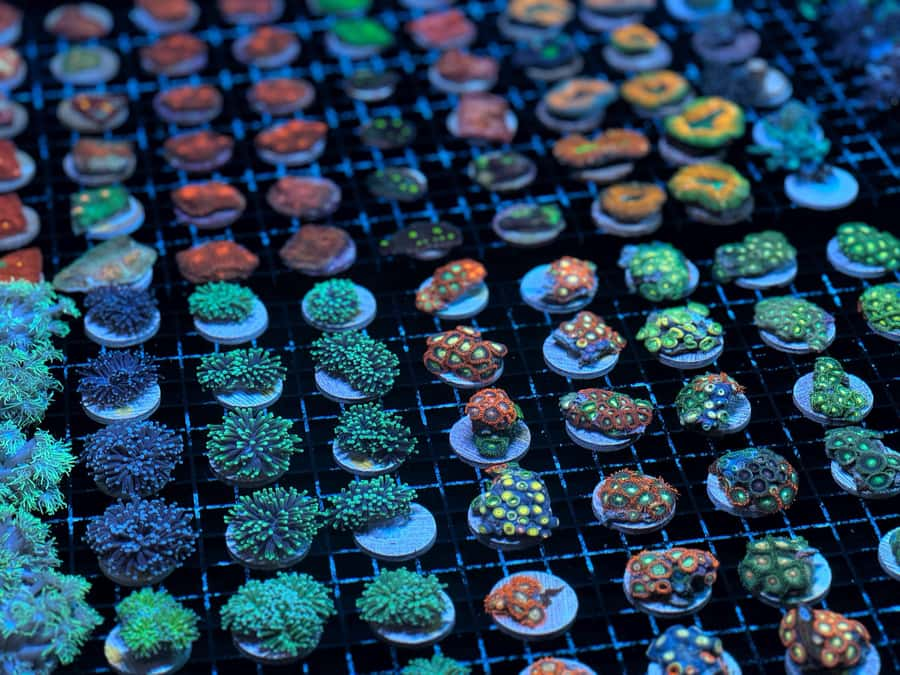
I would recommend Monsoon Aquatics to you if you fit one or more of these descriptions:
- You want to understand how coral is grown, not just look at it.
- You are interested in reef restoration and marine conservation.
- You are visiting Bundaberg with children who enjoy animals and questions.
- You prefer a small guided activity to a large commercial attraction.
- You have an hour available and want an indoor option that runs in all weather.
- You are curious about the science behind coral farms and aquaculture.
I would choose something else if your priority is a large-scale aquarium display. You may also want to skip it if you have little interest in explanation and prefer a fast, highly visual attraction.
The tour’s overall rating is 4.9 from 25 ratings, with especially strong praise for the guides’ enthusiasm, clarity, and ability to answer questions. That fits the nature of the experience: the quality of your visit depends heavily on listening and asking questions, and the guides are central to making the facility come alive.
Booking flexibility and final practical advice
You can cancel up to 24 hours before the tour for a full refund, and you can reserve now and pay later. Those options are useful if your Bundaberg plans may change.
Bring water, wear proper shoes, and arrive ready to look closely. The farm is not a place where you rush from one spectacular display to the next. Give yourself time to notice the small coral colonies, follow the guide’s explanation, and ask about the work behind reef restoration.
Should you book the Monsoon Aquatics Coral Farm Tour?
Yes, if you want a focused and thoughtful look at coral growing near Bundaberg. The $22 price is reasonable for a one-hour guided visit, and the strongest part is the personal teaching from guides who clearly care about the work.
Book it for the science, the close access, and the conservation message. Do not book it expecting a traditional aquarium. If you accept that this is a working coral farm with long growing tanks rather than a large entertainment display, you are likely to find it informative, unusual, and well worth fitting into your Bundaberg plans.
FAQ
How long is the Monsoon Aquatics Coral Farm tour?
The guided tour lasts one hour.
How much does the coral farm tour cost?
The price is $22 per person.
Where does the tour meet?
Meet your guide on the veranda at Monsoon Aquatics Coral Farm, located at the Port of Bundaberg on the Burnett River.
Is the tour available in bad weather?
Yes. Tours operate year-round, in rain or sunshine.
What shoes should I wear?
Closed-toe, non-slip shoes are required because the floors may be slippery. Open-toed shoes and bare feet are not allowed.
Is the coral farm wheelchair accessible?
Yes, the tour is wheelchair accessible.
Newly listed farm visits around Australia
- Alpaca Farm Tours with Toffeemont★ 5.0 · 8 reviews
- One Hour Coral Farm Tour, Discover Australia’s Marine Life★ 5.0 · 15 reviews
- Hook-A-Barra Fishing and Farm Activity★ 5.0 · 47 reviews
- Macadamias Australia Orchard Tour in Bundaberg★ 5.0 · 15 reviews
- Oyster Farm Tour with Hotel Pick-up and return from Port Lincoln★ 5.0 · 11 reviews
- Group Live Pearl Harvest Experience – Perth★ 5.0 · 2 reviews
- Newcastle: Country Towns River & Farm Tour with BBQ★ 5.0 · 3 reviews
- Honey Farm Tour. Morning Tea. Guided Tasting★ 5.0 · 3 reviews
Australia Farm Tours, compared.
Experience Coffin Bay Oyster Farm and Bay Tour
Read our review →
Rockhampton: Koorana Crocodile Farm Guided Tour
Read our review →
Sea Cliff Bridge, Kiama Blowhole, Beaches & Wildlife Small Group
Read our review →
Hidden Gems Margaret River: Authentic Wine & Farm Experience
Read our review →
Sydney: Sea Cliff Bridge, Kiama Blowhole and Farmlands Tour
Read our review →Browse the lists this tour appears in